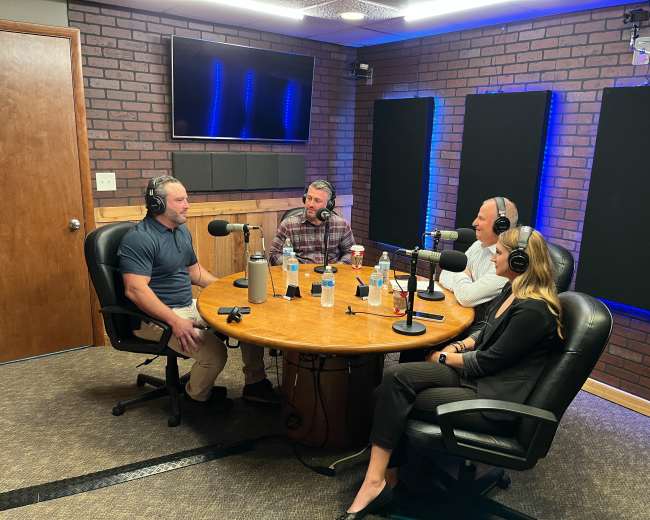
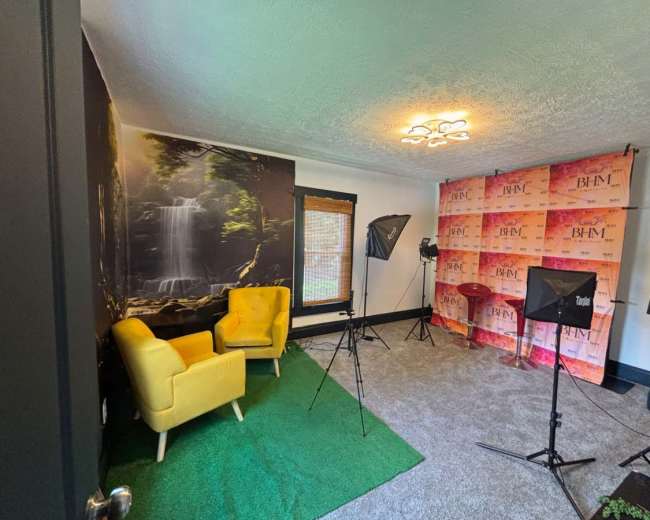
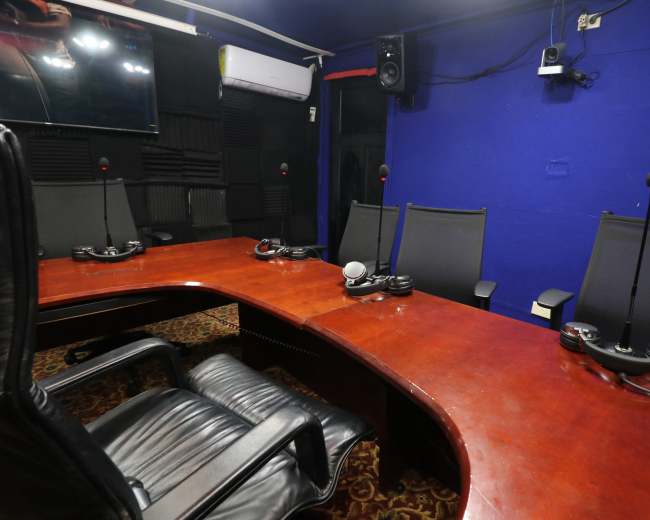
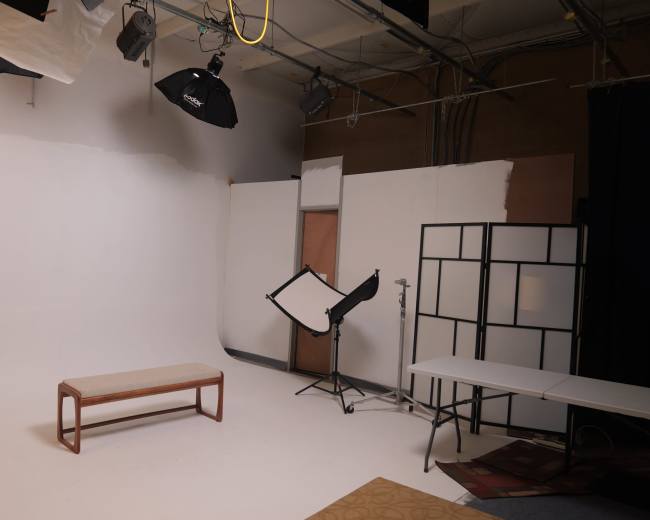
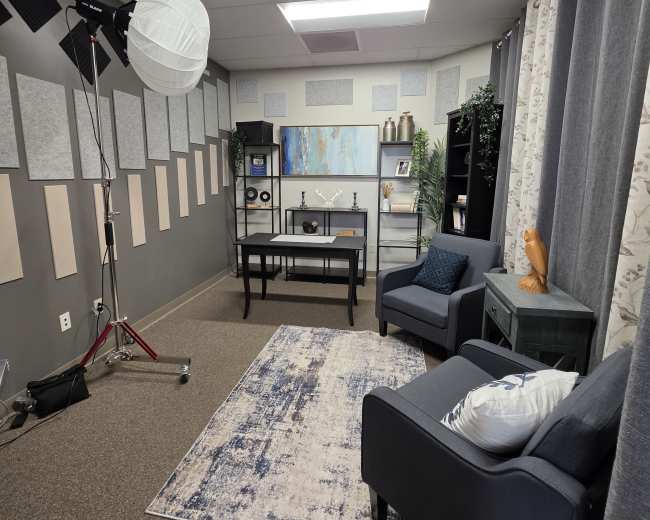
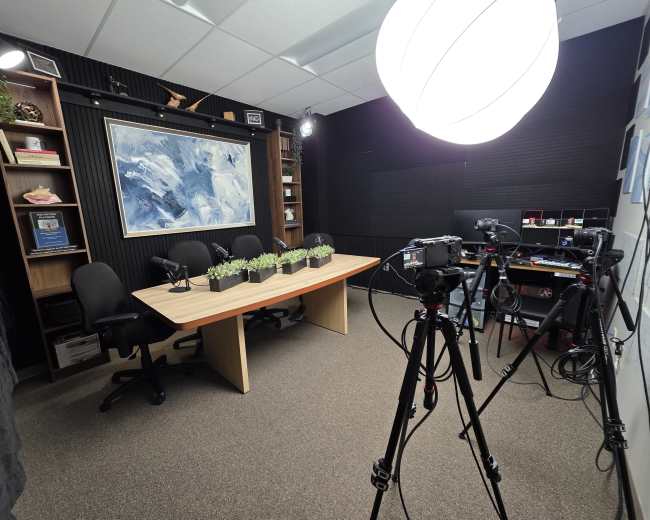
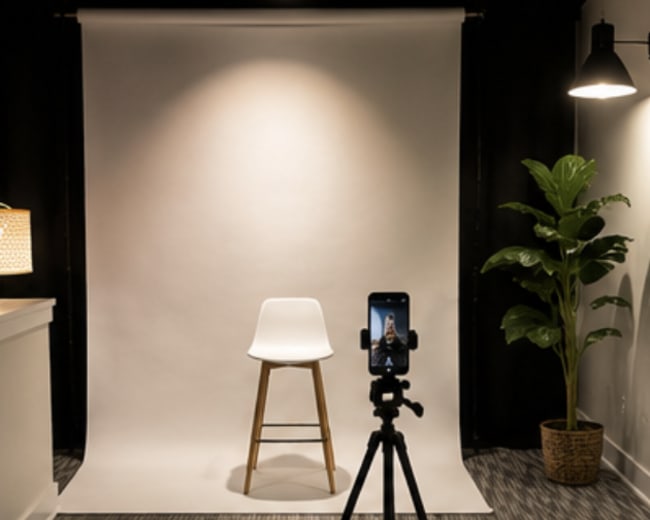
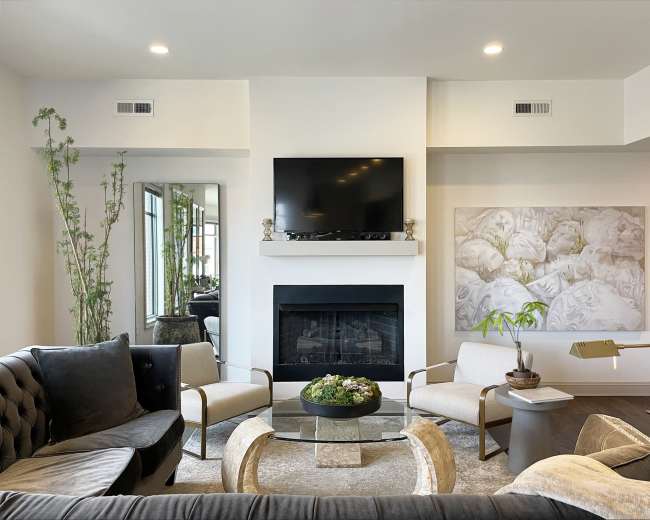
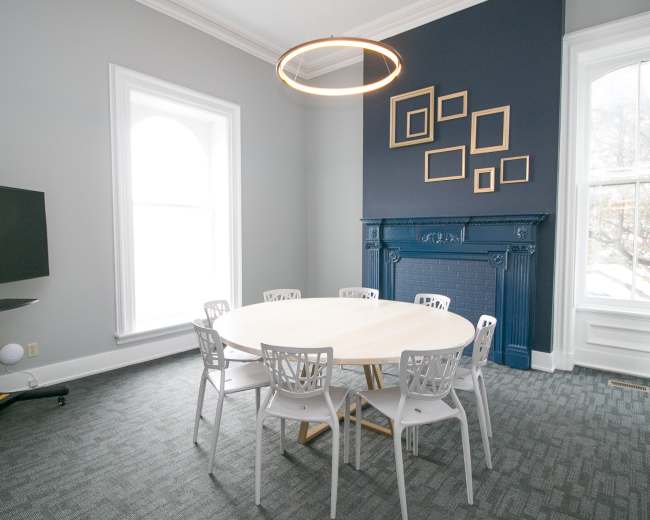
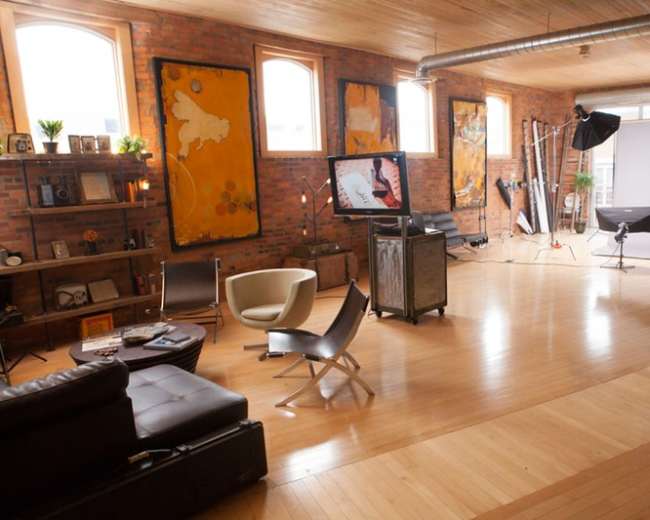
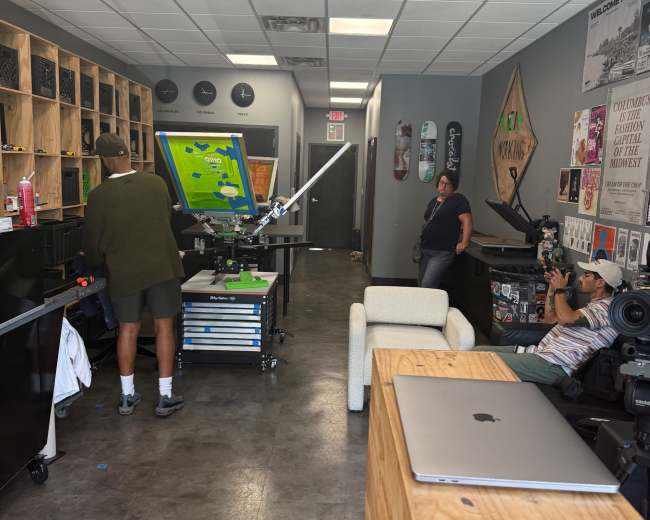
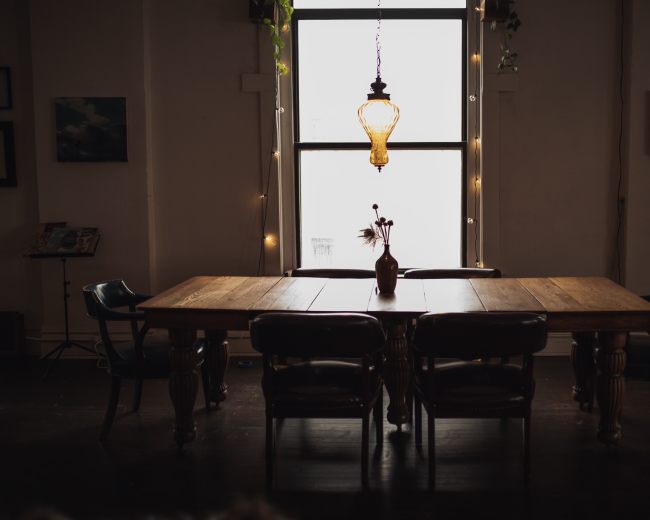
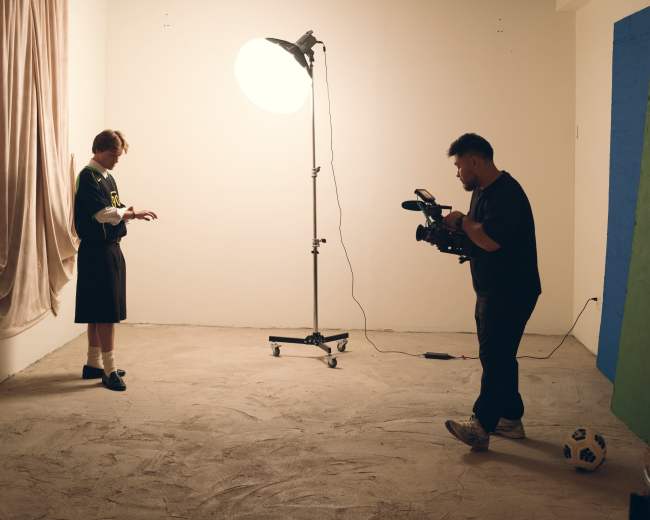
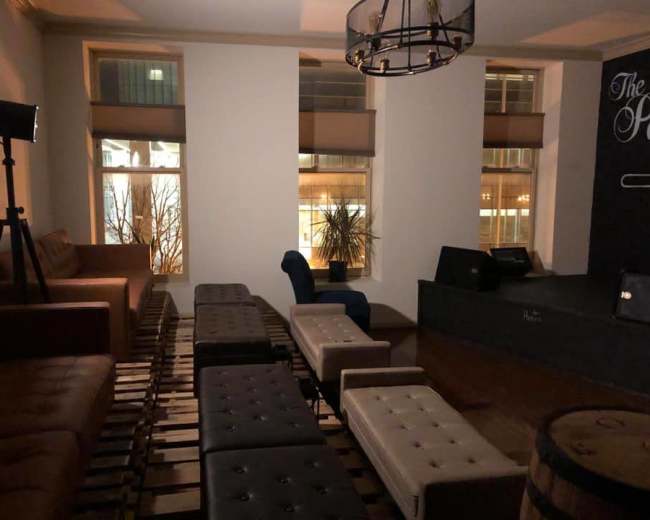
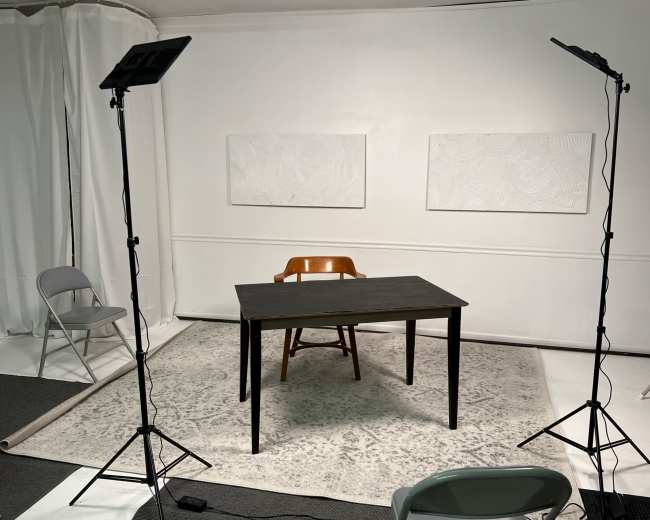
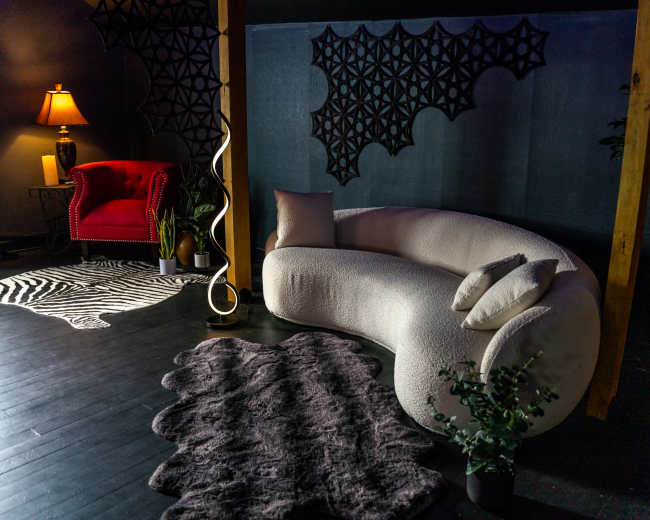
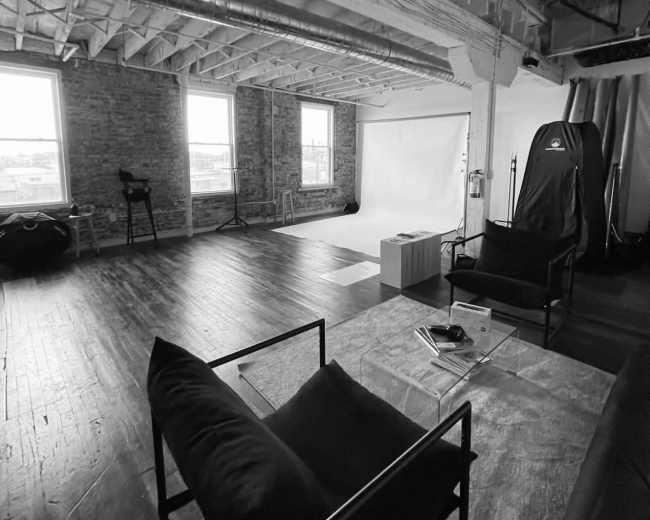
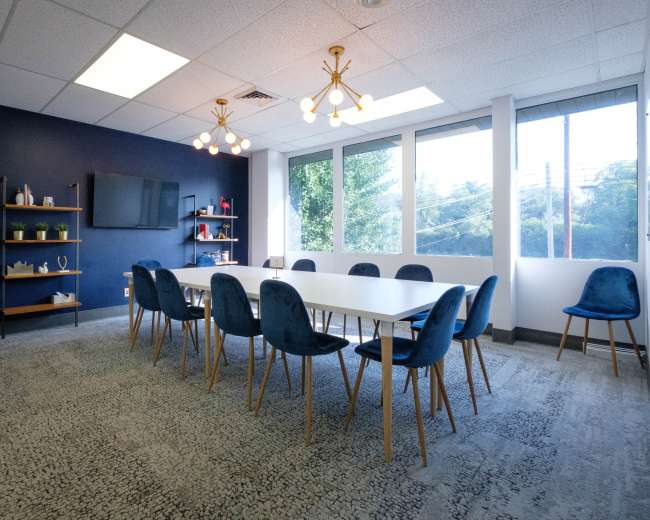
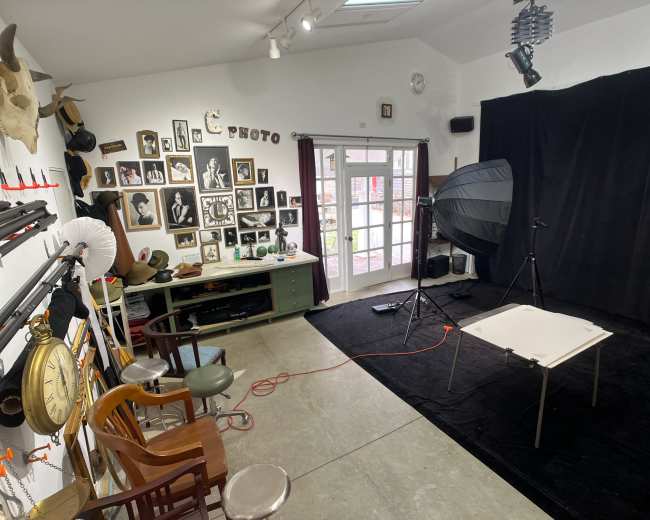
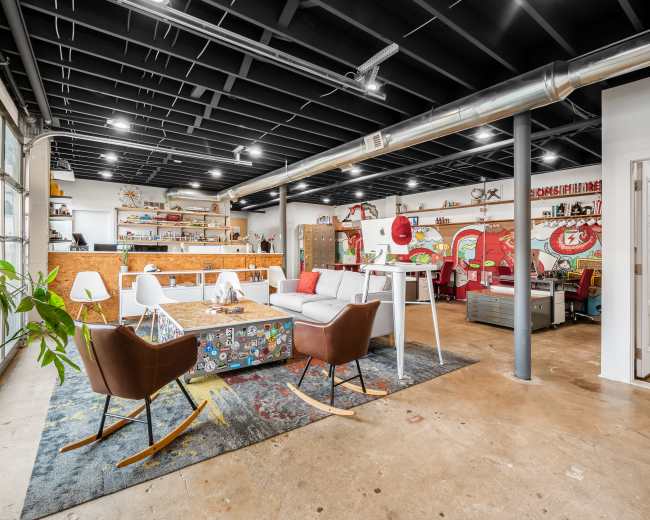
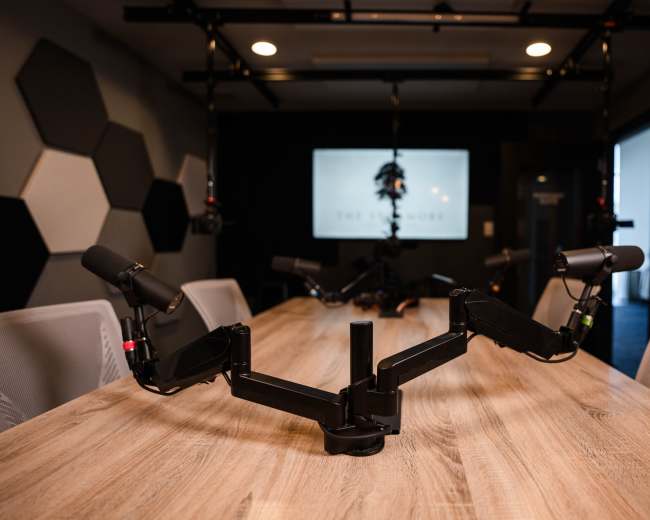
- Plug-and-play equipment: Microphones, headphones, a recorder or interface, and simple monitoring should already be in place.
- Manageable layout: Two to four seats is ideal for most new shows because it keeps the setup simple and the conversation natural.
- Low-stress support: The best beginner spaces either have staff available to help or clear instructions that prevent troubleshooting from eating into your session.
- Quiet surroundings: Hallway chatter, HVAC hum, and traffic noise can ruin an otherwise great recording day.
- Flexible booking: Hourly rentals are useful when you're testing a format and don't want a long-term commitment.
How podcast rooms work on Peerspace
Peerspace is the easiest way to book unique for all kinds of productions including photo shoots, film shoots and music videos. We also have spaces for meetings and events.
The most locations
Every day we uncover new, inspirational spaces, including podcast rooms, perfect for your activity.
Professional hosts
Our network of helpful hosts respond quickly, and are well-versed in accommodating all types of productions, including film and photo shoots.
Hire by the hour
Only pay for what you need. Pay by the hour for your podcast room location without worrying about hidden fees or overtime.
Popular podcast studios
511 Studios
South Columbus, OH6 guests
511 Studios. Turnkey Podcast Production Welcome to Channel 511, your Columbus, Ohio podcast specialists. We offer turnkey audio and video podcast production.
No tech knowledge needed An experienced producer will record your podcast so that you can focus on what’s most important —your content.
...
From
$200
/hr
2 hr min
THE Greenstream Studios
Shepard, Columbus, OH5 guests
THE Greenstream Studios. Perfect for photographer clients, podcasts & small projects! This layout has multiple uses. Master bedroom layout w/ high ceilings + natural light. Additional items are available upon request and fee. Bathroom access included. Must be 18+ (minors need parent). Book now!
Included in rental
45W Dimmable LED Light
...
From
$58
/hr
2 hr min
Shelove International Radio Studio
Brandywine, Columbus, OH20 guests
Shelove International Radio Studio. Welcome to the Shelove International Radio Studio a fully equipped broadcast
and recording studio in Columbus, Ohio, managed by Smith Says International LLC.
Whether you're recording a podcast, hosting a live radio show, producing music,
conducting interviews, or running a community broadcast, this studio has everything
you
...
From
$55
/hr
1 hr min
Production Partners Media
Serving the Columbus, OH area5.0 (3)
12 guests
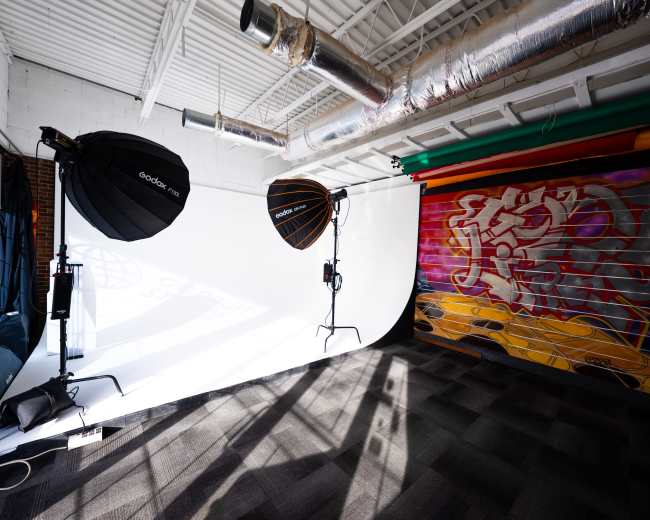
Production Partners Media. Our versatile 750 sq. ft. video and photography studio includes:
• Multiple shooting areas including a 16 foot cyc wall
• Chroma key/green screen
• Podcast area (with no recording gear provided)
• Numerous backdrops
• Dedicated hair and makeup area with full length mirrors
• Private bathrooms
• Lounge
• Kitchenette
• Garage door
...
From
$70
/hr
2 hr min
Studio Arrakis | The Current @ LC
Serving the Columbus, OH area5.0 (1)
2 guests
Studio Arrakis | The Current @ LC. Studio Arrakis – The Current @ Lewis Center
Studio Arrakis is a professionally designed content creation studio with three distinct backgrounds, giving creators flexibility to produce different looks within the same space.
The studio is especially well suited for two person interviews, podcast style conversations, teaching and educational
...
From
$175
/hr
1 hr min
Studio Dune | The Current @ LC
Serving the Columbus, OH area5.0 (1)
4 guests
Studio Dune | The Current @ LC. Studio Dune – The Current @ Lewis Center
Studio Dune is a professionally designed podcast and content creation studio built for business owners, entrepreneurs, creators, and teams who want high quality audio and video without the complexity of a full production setup.
The studio is designed for:
• Video
...
From
$175
/hr
1 hr min
Short North Studio
Short North Arts District, Columbus, OH30 guests
Short North Studio. Located directly on N. High Street—the "Times Square of Columbus"—this NYC style creative hub is steps from the city's best galleries, restaurants, and bars. Perfect for creators who want to grab coffee or dinner in the Short North before or after their session. Located directly on
...
From
$80
/hr
2 hr min
Short North Sun-Drenched Corner Apartment
Short North Arts District, Columbus, OH5.0 (62)
30 guests
Welcome to our modern contemporary 1440 sqft space in the Short North Columbus.
An abundance of natural light pours from stunning windows that look out onto High St. Enjoy comfortable lounge seating, a large community kitchen island, dining nook, and convenient parking. Guests have access to
...
From
$100
/hr
2 hr min
Studio 55 Columbus
Downtown, Columbus, OH4.9 (43)
10 guests
Studio 55 Columbus. Welcome to our modern and versatile photography studio located in the heart of downtown Columbus, Ohio. This thoughtfully designed space is perfect for photographers, videographers, and content creators looking for a professional environment to bring their visions to life.
STUDIO AMENITIES:
(2) 600W Studio Strobes
...
From
$70
/hr
1 hr min
E.V. Bishoff Company
Downtown, Columbus, OH8 guests
E.V. Bishoff Company. This suite features wood floors, large windows that fill the space with natural light, and neutral walls—perfect for photography. This suite is ideal for photo shoots, creative projects, or content creation in a bright, versatile setting. Nearby bathrooms are available. There is additional access to bathrooms
...
From
$50
/hr
1 hr min
E.V. Bishoff Company
Downtown, Columbus, OH100 guests
E.V. Bishoff Company. This penthouse suite offers a modern, versatile environment designed for creative professionals. Featuring sleek sliding doors, integrated LED lighting, and ample electrical outlets, this space is perfect for photo shoots and film production. Multiple private offices provide areas for styling, equipment setup, or client meetings, while
...
From
$50
/hr
1 hr min
Savor The Experience
Victorian Village, Columbus, OH5.0 (4)
10 guests
Savor The Experience. This Victorian Village intimate micro flex space allows you and your guest to have a private location to enjoy just about any production. The sleek brick walls, high ceilings, and sleek floors provide an open floor plan for you and your guests to enjoy the
...
From
$85
/hr
2 hr min
Haven Collective Mansion - Elevate Room
Downtown, Columbus, OH4.4 (5)
10 guests
Haven Collective Mansion - Elevate Room. A conference room ready to help you elevate your business or community in a historic mansion in downtown Columbus. This space includes an abundance of natural light, comfortable seating, a large community table, and some off street parking. This private event space is perfect for seminars,
...
From
$55
/hr
2 hr min
Commons Studio
Downtown, Columbus, OH5.0 (1)
10 guests
Commons Studio. Just need a space to host and provide equipment for your production? We've got you covered! We bill by the full and half day with varying rates depending on the type of usage. A certificate of liability insurance is required for all bookings.
...
From
$125
/hr
4 hr min
Dipped Custom Prints
Near East Side, Columbus, OH5.0 (6)
25 guests
Dipped Custom Prints. Welcome to Dipped Custom Prints, a creative studio and community hub designed for collaboration, creativity, and connection. Located in the heart of Bronzeville, Columbus, OH, our versatile studio comfortably fits 12–15 guests seated, up to 25 with additional seating, and up to 60 guests when our
...
From
$35
/hr
2 hr min
The Victoria Art Loft
Near East Side, Columbus, OH4.9 (12)
25 guests
With our ample space, our working art studio is perfect for: team meetings, photo or video shoots , presentations, dinners, cocktail receptions, and anything else your team comes up with!
Features:
Large open space
Creak free hardwood floors
Space is quiet and private
Baby Grand Piano
Brick Wall in kitchen
...
From
$115
/hr
2 hr min
Photo Studio on OSU Campus
South Campus, Columbus, OH10 guests
Nearly 4,000 square feet of creative space designed for photo and
video production. The studio includes a dedicated portrait room
outfitted with backdrops and lighting, ideal for headshots,
portraits, and smaller scale shoots.
The main floor spans 2,500 square feet and features a hand poured
concrete floor
...
From
$99
/hr
3 hr min
Unique Apartment Venue in Downtown Columbus
Downtown, Columbus, OH30 guests
Located in Downtown Columbus with bright window that look out to High Street, the living room of this apartment has been converted into a boutique event space with hardwood floors, corner stage, heavy stage curtain, custom lighting, audio system, paintings and candles decor, and a flat
...
From
$75
/hr
2 hr min
Content Creation and Studio Space in the Heart of Columbus
Shepard, Columbus, OH5.0 (9)
25 guests
This versatile space is crafted for all your content creation, workshop, presentation, and reception requirements. With an array of setups and options tailored to your needs, including photo backdrops, continuous lighting, microphone setups, tables, chairs, and a 6 x 8 video screen, we ensure your projects
...
From
$85
/hr
2 hr min
50 Shades of Grey Style Photo Studio - aka AFTER DARK ROOM
South Columbus, OH5.0 (14)
6 guests
Welcome to our after dark room, designed for those who are feeling a little kinky and curious. This room offers the perfect space for couples photo sessions or for a photo session just for yourself to explore and photograph your wild side.
As you enter the room,
...
From
$125
/hr
2 hr min
Professional Photography Studio with Lighting Equipment
South Columbus, OH5.0 (2)
12 guests
This is a fully equipped photography studio featuring:
Two natural light areas
Seamless paper backdrops in 3 colors
(5) Paul Buff Alienbee Digibee strobes with modifiers, transmitters, and receivers
Various cloth backdrops
Makeup and private changing area
Hospitality area with
...
From
$70
/hr
2 hr min
MADFUN Studios
East Columbus, OH25 guests
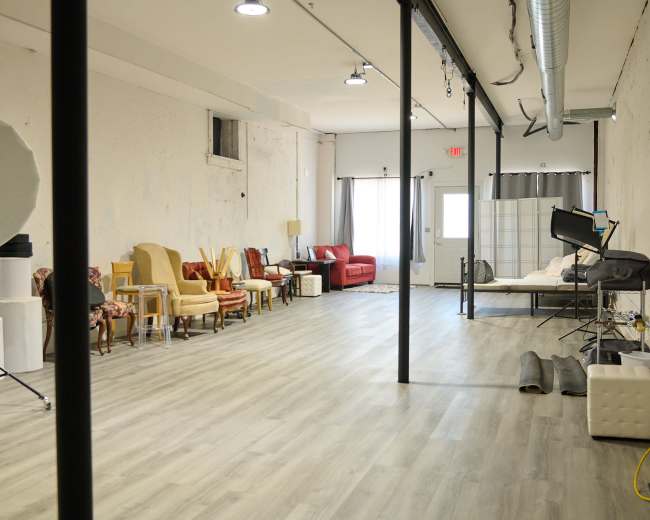
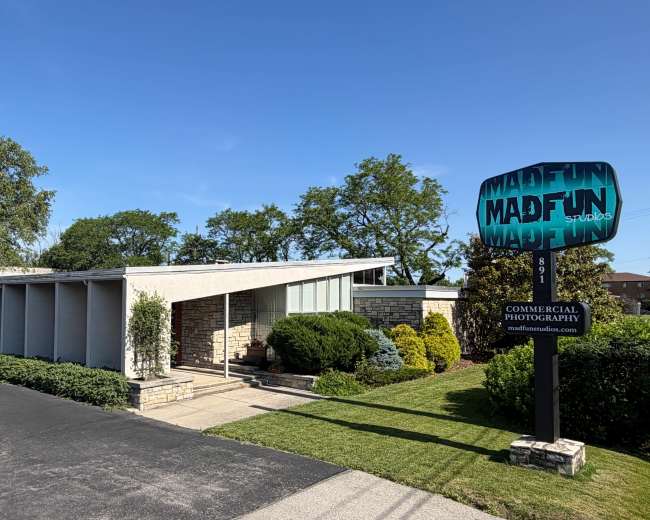
MADFUN Studios. Full Service Commercial Photography & Video Production Studio. Our 4,500 sq. ft. facility features expansive shooting space, a comfortable client lounge, private offices, a conference room, a fully equipped commercial kitchen, hair & makeup suite, wardrobe and prop rooms, plus a wood shop for custom set
...
From
$100
/hr
2.5 hr min
ESC AV
South Side, Columbus, OH10 guests
ESC AV. Photo and video studio that is 737 sq ft.
Backdrops and green screens with lighting available.
Headshots
Podcast Studio with mics, cameras, and lights available.
A place to film documentaries, music videos, and interviews.
Photography / video product shoots.
Teleprompter available for PSA's and other video content.
A unique venue space
...
From
$80
/hr
1 hr min
The Loft at the Fort
South Columbus, OH5.0 (25)
50 guests
The Loft at the Fort. The "Loft" is situated on the south side of Columbus within The Fort building, a former Seagrave factory established in 1892, known for its 19th century ladder and fire truck production.
This 1,947 sq ft space is ideal for photography, e commerce, and videography. It's perfect for
...
From
$80
/hr
2 hr min
A loft style photo studio
South Columbus, OH5.0 (74)
15 guests
A well equipped photography studio designed for versatility and comfort, featuring professional lighting equipment, V flats for shaping and softening light, and apple boxes for posing and elevation. The studio also includes a private changing tent and a clothing rack for easy wardrobe changes. All listed
...
From
$60
/hr
1 hr min
Haven Collective UA - Hustle Room
Marble Cliff Crossing, Columbus, OH4.9 (52)
16 guests
Haven Collective UA - Hustle Room. This 2nd floor meeting room is a dream, full of natural light, touches of home, plus all the modern features a meeting space should include: whiteboards, wireless TV for streaming presentations, convertible tables to arrange the space however you need, and a credenza to support any
...
From
$55
/hr
2 hr min
Intimate Photo Studio
Westgate, Columbus, OH7 guests
This is a small intimate studio with skylights that can be closed for total darkness. Props and some equipment available. There is heat/air conditioning available, plus a mobile platform. The space is about 400 sq. ft. and has 13 ft ceiling. Can be utilized for portraiture,
...
From
$50
/hr
2 hr min
Conspire
East Beechwold, Columbus, OH20 guests
Conspire. The Conspire studio is an intimate, inspirational space where small teams come together and big ideas come to life. The Studio offers everything you need to host an unforgettable meeting, all taken care of for you in one comfy cool space.
Experience a one of a kind
...
From
$150
/hr
2 hr min
Goodlife Studios
East Beechwold, Columbus, OH5.0 (78)
30 guests
Goodlife Studios. Our space is perfect for music videos, photography, events. networking events, parties, release parties, clothing pop ups, cyclorama, paper backgrounds, included lighting, changing room, vanity mirror, sound system, projector, fog machine, live plant wall, DJ board,
...
From
$90
/hr
1 hr min
Studio - content creation space near Easton
Easton, Columbus, OH4.6 (8)
5 guests
Welcome to T.A.L.K Studios a one of a kind content studio and co working space in Columbus Ohio. This collaborative space serves the working professionals , artists and creatives alike. The studio boasts a chic and modern aesthetic that serves an inviting and versatile space perfect
...
From
$45
/hr
2 hr min
The 1 Fitness
Mifflin Township, Columbus, OH5.0 (2)
100 guests
The 1 Fitness. A production space that doesn’t look like every other studio.
The 1 Fitness is a nearly 9,000 sq. ft. South Beach inspired boutique fitness and lifestyle space designed with visual storytelling in mind. Warm architectural details, clean neutral tones, expansive mirrors, natural light, textured finishes and multiple
...
From
$150
/hr
2 hr min
AKE Podcast Studios
Walnut Hills, Columbus, OH12 guests
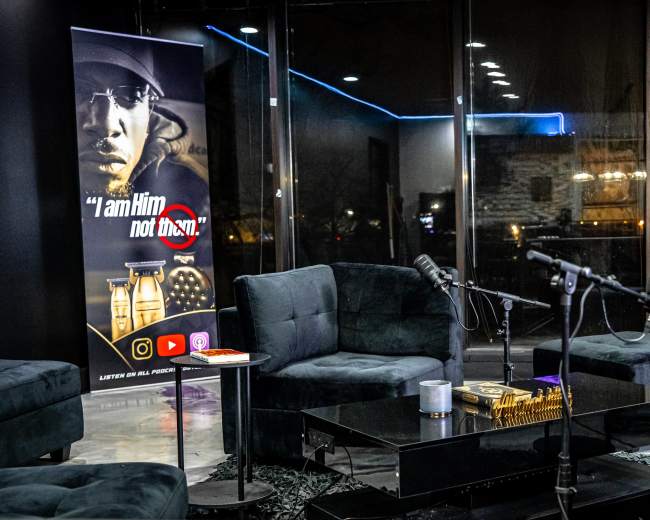
This luxury podcast studio is designed for high quality conversations, interviews, and visual storytelling. The space features a modern lounge aesthetic with professional microphones, comfortable seating, and cinematic ambiance, ideal for podcasts, talk shows, interviews, and content creation.
Whether you’re an experienced podcaster or recording your first
...
From
$150
/hr
2 hr min
Natural Light Flushed Residential Space in Worthington
Crosswoods, Columbus, OH5.0 (2)
5 guests
Book our space is conveniently located in Worthington . We’d love to host you for your next creative project. Please inquire via Peerspace messaging if you have any questions or are interested.
Features:
•933 sq. ft
• WiFi
• Existing Furniture
• Lounge Space
• Kitchen
• Natural Light
• Restrooms
• Parking
Available for:
•
...
From
$55
/hr
4 hr min
Fully Functioning Podcast Suite
Serving the Columbus, OH area5.0 (5)
5 guests
We have a fully functioning podcast suite. It’s comes equipped with 4 mics, a board, mounted lighting, and mounted cameras. Simply bring memory cards! We also have a fully production team available if you want a hands off option. But you can also simply rent the
...
From
$140
/hr
1 hr min
The Sycamore Studio
Serving the Columbus, OH area5.0 (4)
50 guests
The Sycamore Studio. Created for Creators by Creators
Our studio space includes Betty our 36X30' Cyc wall. Three 14’ high by 14’ wide feature walls allow for different looks quickly in the same space. The 16’ high lighting grid offers flexibility with lighting and rigging while the 14’x14’ exterior garage
...
From
$140
/hr
1 hr min
Downtown Content Creation Studio
Serving the Columbus, OH area8 guests
Welcome to our state of the art Podcast Studio located in Bellefontaine, OH. Designed with both novice and seasoned podcasters in mind, our studio offers a professional and versatile environment to create high quality audio content.
Key Features:
Professional Equipment Our studio is equipped with industry
...
From
$45
/hr
3 hr min
What makes a Columbus podcast room easy for beginners?
A beginner-friendly podcast studio in Columbus, removes friction before you ever hit record. The best option for a first-time host is usually a smaller, ready-to-use room where the equipment is already set up, the audio is controlled, and you don't need technical experience to capture a clean episode.
The easiest podcast studio rooms for beginners usually have a few things in common:
How do I choose a studio that looks good and sounds good?
The best podcast studio is one that supports your brand visually and protects your audio technically. Sound comes first. If the audio is unusable, even the best-looking background in Columbus won't save the episode.
Use this checklist when you compare podcast studio options:
- Sound quality: Ask whether the room has acoustic treatment, rugs, curtains, soft furniture, or wall panels that reduce echo.
- Noise control: Ask about traffic, neighboring tenants, HVAC systems, trains, sirens, and other sounds that could bleed into the recording.
- Microphone placement: Make sure the table and seating allow microphones to stay close to each speaker without creating awkward camera angles.
- Lighting: For video podcasts, look for soft, flattering light and enough control to avoid harsh shadows or blown-out windows.
- Background depth: A little distance between the chairs and the wall behind you makes the frame feel more intentional and less cramped.
- Brand fit: Choose a room that already matches your show identity, whether that's modern, cozy, corporate, artsy, or lounge-like.
- Comfort: Guests sound better when they're physically comfortable, so chair support, table height, and room temperature all matter.
- Raw sample clip: A short, unedited audio or video sample will tell you more than polished photos.
- True camera-angle photo: A behind-the-scenes room photo is less useful than an image from the actual recording angle.
- Frame confirmation: Ask what will appear on camera, including furniture, decor, and any visible equipment.
- Adjustment options: Confirm whether lighting, chairs, and table placement can be changed.
What should I ask about editing or file delivery?
This is one of the most overlooked parts of booking a podcast studio. Recording is only half the job. If you don't know what happens after the session, you may leave with files you aren't ready to publish or edit.
Before you book, ask these questions clearly and in writing:
- Files included: Confirm whether you receive raw audio, edited audio, raw video, edited video, or all of the above.
- Delivery method: Ask whether files are shared through a cloud link, a hard drive handoff, or a platform upload.
- Turnaround time: Get the timeline in plain language, such as same day, 48 hours, or one week.
- File format: Ask whether audio is delivered as WAV or MP3 and whether video comes in a format your editor can use.
- Separate tracks: Individual microphone tracks make editing much easier when someone coughs, interrupts, or overlaps.
- Editing included: Some studios only record, while others include cleanup, leveling, color correction, multicam editing, or social clips.
- Revision policy: If editing is included, ask how many revision rounds are part of the package.
- Backup recording: Find out what protection is in place if a memory card fails or a microphone drops out.
- File ownership: Make sure you have full rights to use, edit, publish, and repurpose the recordings.
- Social clip options: If promotion matters, ask whether vertical clips, captions, and thumbnails are available.
- Room rental: You're paying for access to the space and gear.
- Production session: You're paying for recording plus technical support.
- Post-production package: You're paying for deliverables that are ready to publish or close to it.
What Columbus areas are best for recording a podcast?
The best area for a podcast studio depends on the kind of show you make, the guests you host, and whether you care most about sound isolation, convenience, or visual style.
In Columbus, most podcasters end up choosing between three broad location styles:
- Downtown and close-in neighborhoods: Best for business guests, central meetups, and a polished urban feel, but you should ask more questions about parking, access, and outside noise. If you're recording interviews in this part of the city, consider interview filming locations to find spaces that balance accessibility with sound control.
- Creative neighborhoods and design-forward pockets: Best for video podcasts, branded interviews, and social clips where the background matters. Creators looking for styled interiors or unique backdrops may want to explore loft venues in Columbus for spaces with built-in visual character.
- Quieter suburban or edge-of-city areas: Best for easier parking, lower ambient noise, less traffic stress, and smoother arrival for repeat sessions.
- For business podcasts: Stay central so guests can get in and out easily.
- For video-first shows: Prioritize areas with lofts, styled studios, or content spaces that already look good on camera.
- For beginner recording days: Favor quieter areas over trendier ones because the reduced noise and stress make a real difference.
- For student or academic creators: Areas near campus may be easier for scheduling and access.
- For recurring weekly sessions: Choose the location with the simplest parking and least friction, not the most impressive address.
Should I rent a studio or record free at home or a park?
It depends on your stage and quality goals. If you're testing an idea, recording a trailer, or practicing your hosting style, free options can work. If you're interviewing guests, building a brand, pitching sponsors, or creating video clips, a podcast studio usually saves time and delivers a stronger result.
Here's the practical tradeoff:
- Home recording: Cheapest and easiest to access, which makes it useful for solo episodes, test runs, and early experiments.
- Park recording: Fine for casual social content, but usually the weakest option for podcast audio because wind, traffic, people, and weather are hard to control.
- Studio rental: Costs more up front, but gives you cleaner sound, a more professional guest experience, and a better chance of leaving with publishable content on the first try. When you're ready to move beyond DIY setups, you can find recording studios in Columbus that offer dedicated, soundproofed environments built for audio work.
- Home costs: Sound blankets, upgraded microphones, editing cleanup, and repeated retakes.
- Park costs: Wind protection, battery power, weather backups, privacy issues, and possible permit questions.
- Studio costs: Mostly the booking fee, plus any editing add-ons or overtime if the session runs long.
How do I find a podcast studio near me with easy parking?
Start with parking as a core filter, not an afterthought. In Columbus, creators often choose a podcast studio based on photos or price and only later realize that guests have to circle the block, pay meters, or carry gear from far away.
Here's the fastest way to evaluate parking and access:
- Exact location: Central areas can be convenient, but they often come with meters, garages, or harder street parking.
- Off-street parking: A dedicated lot, driveway, or reserved spaces are much better than vague language about nearby street parking.
- Spot count: One guaranteed space is very different from six available spaces.
- Unloading access: If you're bringing cameras, lights, tripods, props, or accessibility equipment, curb access matters.
- Timing changes: Parking that feels easy in the morning may become difficult in the evening.
- Building entry: Elevators, stairs, keypads, and loading doors can affect the experience just as much as the parking itself.
- Review clues: Past guests often mention whether arrival felt smooth, hidden, stressful, or inconvenient.
- Parking questions: Is parking free, on site, and reserved?
- Arrival questions: How close can guests park to the entrance?
- Access questions: Are there stairs, elevators, or loading instructions?
- Timing questions: Does parking availability change by day or hour?
Similar searches in Columbus, OH
Updated August 30, 2026Our data is refreshed in real time using booking trends, verified guest reviews, and direct partner updates — with additional quality checks from our team.