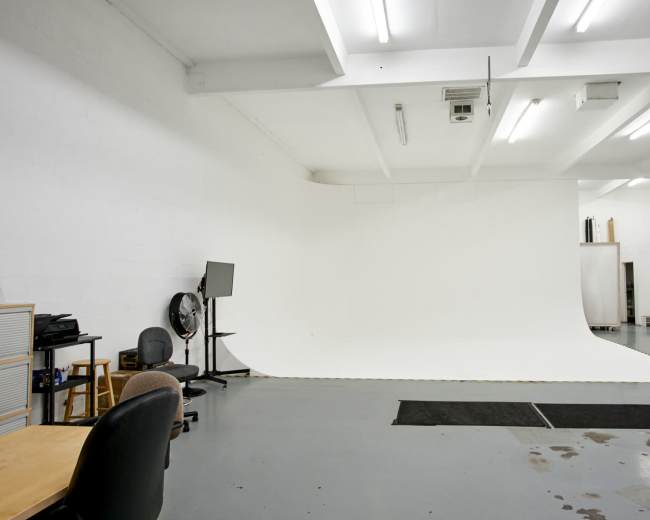
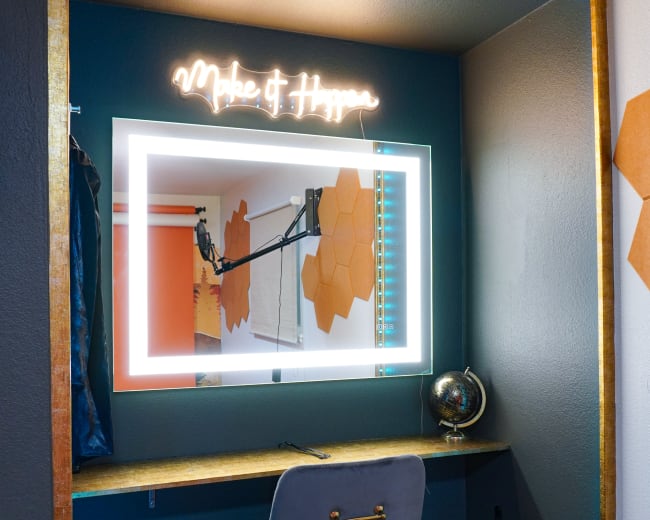
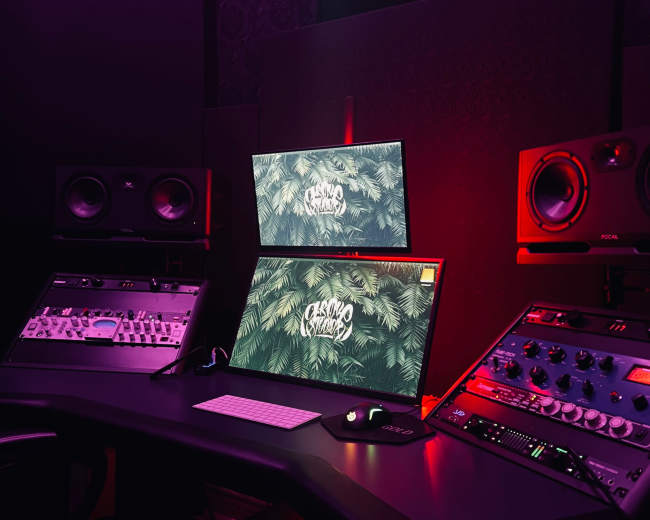
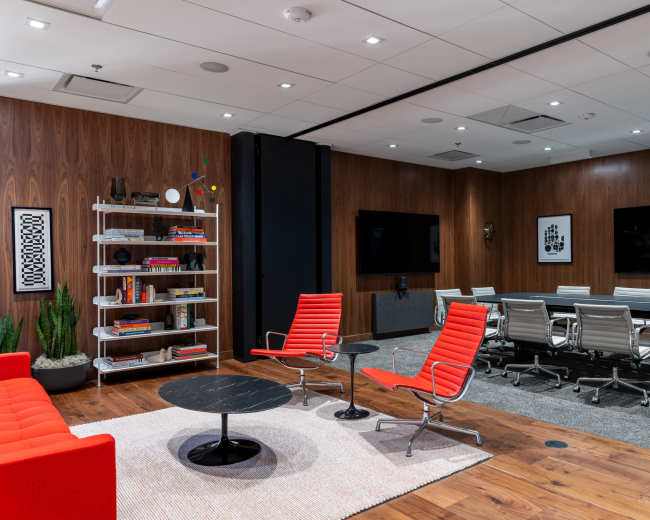
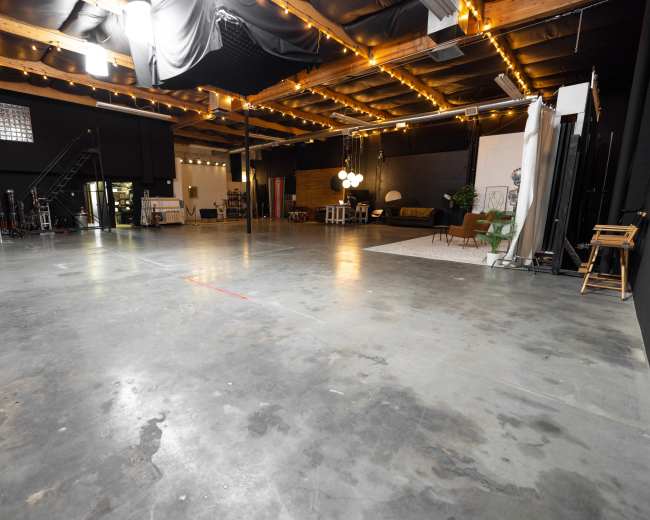
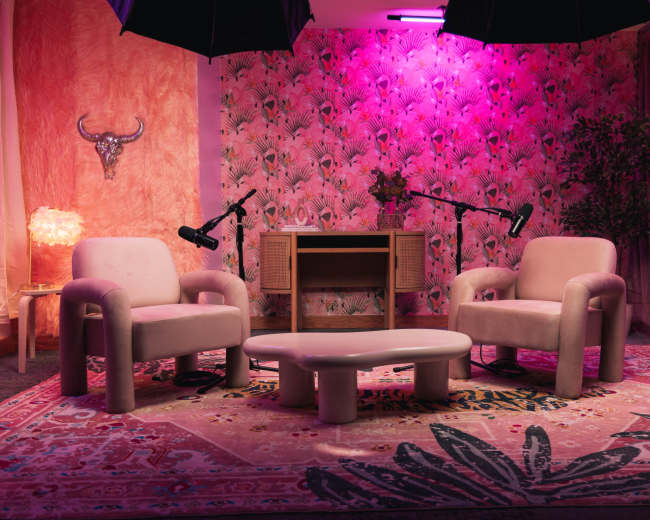
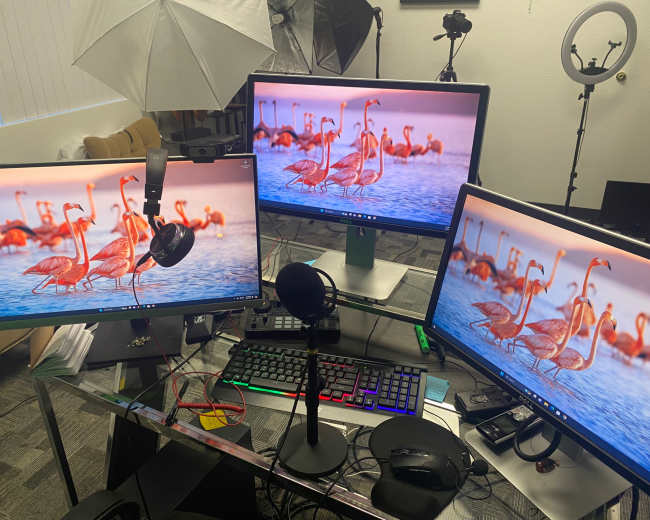
Rent a podcast studio in Las Vegas, NV

Discover thousands of unique podcast studios for rent for your next recording.

Enter your activity
Las Vegas, NV

How podcast rooms work on Peerspace

Peerspace is the easiest way to book unique for all kinds of productions including photo shoots, film shoots and music videos. We also have spaces for meetings and events.

The most locations

Every day we uncover new, inspirational spaces, including podcast rooms, perfect for your activity.

Professional hosts

Our network of helpful hosts respond quickly, and are well-versed in accommodating all types of productions, including film and photo shoots.

Hire by the hour

Only pay for what you need. Pay by the hour for your podcast room location without worrying about hidden fees or overtime.

Popular podcast studios

What's included at different Las Vegas studio price points?

Las Vegas podcast studio pricing usually reflects more than the room itself. In most cases, you're paying for a mix of acoustics, equipment, visual style, staffing, and convenience. Rates can range from about $35 per hour for a simple podcast room to around $1,000 per hour for a premium production space, so it helps to compare what each tier actually includes. A practical way to compare podcast studio pricing is to think in four tiers:
  • Entry-level rooms: These are usually the most affordable options. You may get a quiet room, a clean background, basic lighting, seating, and space to bring your own laptop or recorder. This tier works well for solo hosts, simple two-person interviews, or creators who already know how to run their own setup.
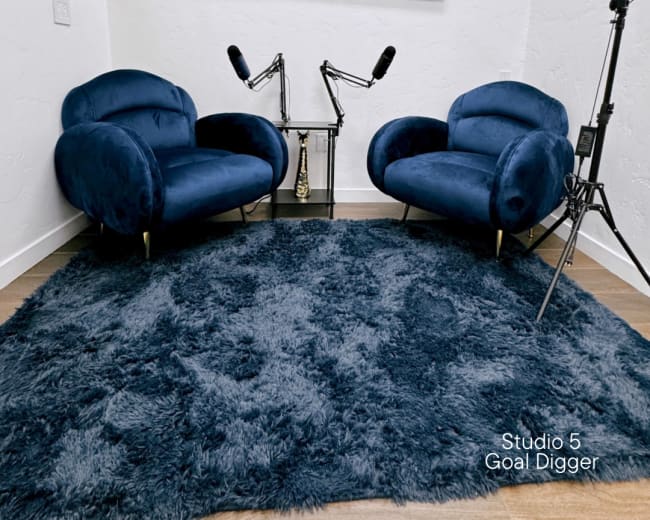
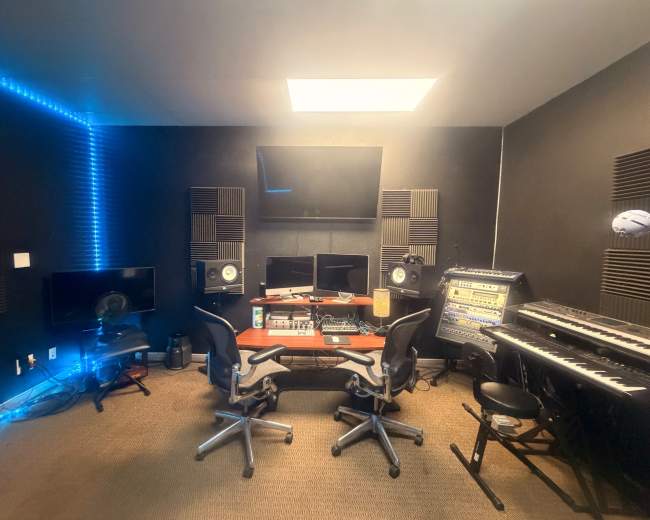
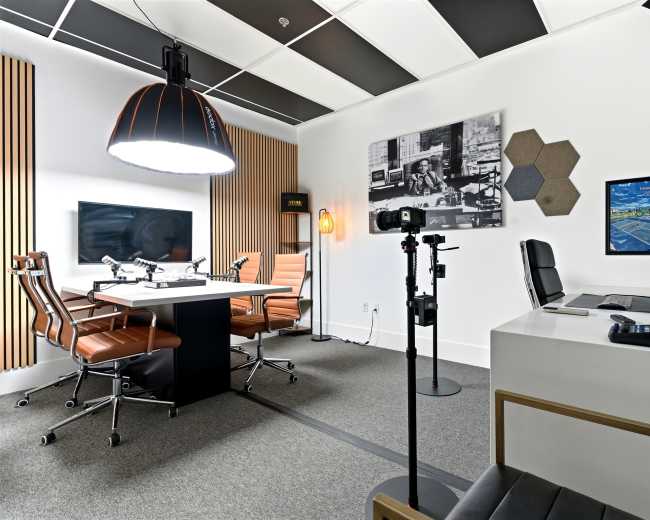
  • Mid-range studios: This is often the sweet spot for newer creators booking a podcast studio in Las Vegas. You're more likely to get sound treatment, multiple microphones, a camera-ready setup, and built-in production infrastructure without paying for a full crew.
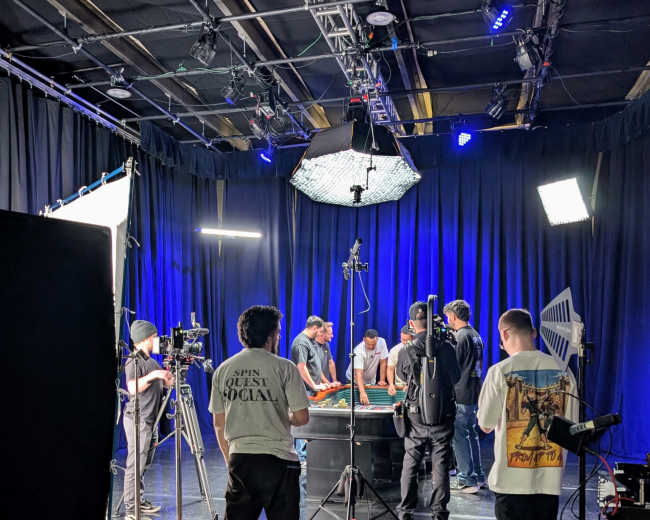
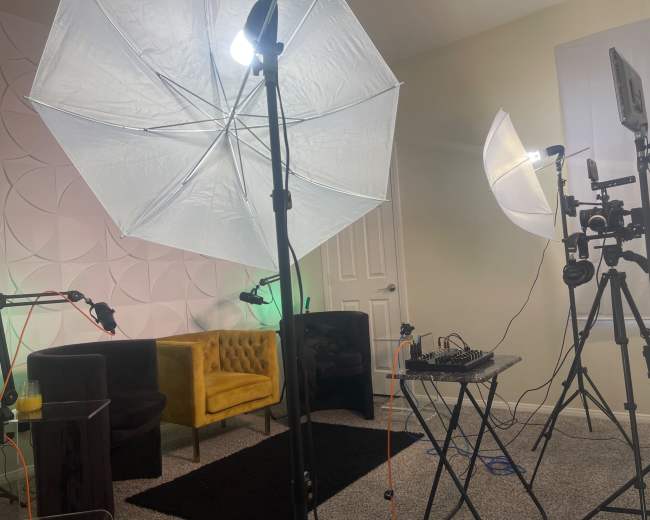
  • Full-service studios: At this level, you're usually paying for ease. A full-service podcast studio may include an engineer, multiple camera angles, live switching, polished lighting, and help with media handoff or basic editing.
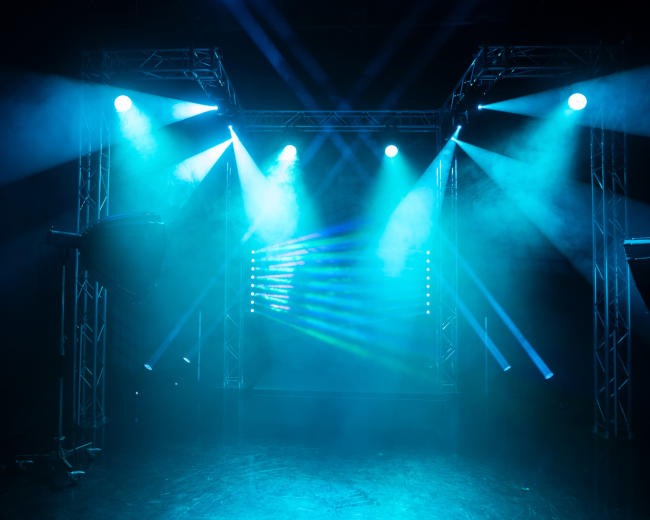
  • Premium production spaces: The highest tier often includes a branded set, a larger crew, advanced livestreaming, custom lighting, or a room that functions more like a content stage than a standard podcast room. This level makes sense for executive interviews, sponsored content, or multi-episode recording days where production quality affects brand perception.
The most useful question isn't just, "What is the hourly rate?" It's, "What does this rate remove from my workload?" Lower prices usually buy access. Higher prices usually buy support, speed, and fewer technical problems. Before you book a podcast studio, ask exactly what's included in the base rate:
  • Audio gear: Are microphones, headphones, and a mixer included, or are they extra?
  • Video support: Are cameras included, or is the room only camera-friendly?
  • Staffing: Is an engineer on site, on call, or not included?
  • Post-production: Do you leave with raw files only, or can the studio also edit episodes and create clips?
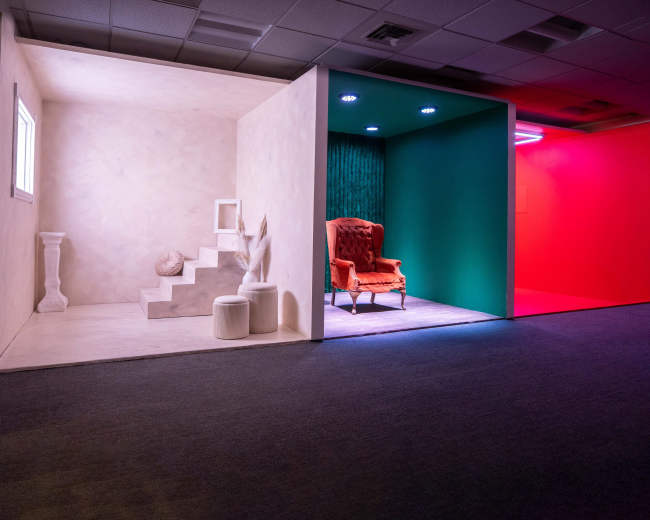
  • Set options: Can you choose from multiple looks, or are you renting one fixed setup?
  • Time usage: Does the booking include setup and teardown, or only the recording window?
If you're planning a live taping with a larger audience, treat that as a separate category. A standard podcast studio is usually designed for a host, a guest, and a small crew. If you need room for 50 to 100 people in Vegas, you're more likely looking for an event-friendly production venue than a traditional podcast booth. The bottom line is simple: if your biggest concern is budget, a simpler podcast room may be enough. If your biggest concern is technical stress, paying more for support can save time, reduce reshoots, and protect the final recording. You can browse podcast studios to compare what different spaces offer at each price point.
Do I need an engineer or editing help for my first session?

If this is your first podcast studio session, you probably need more support than you think, especially if the episode matters to your brand. Most first-time hosts don't struggle with the conversation itself. They struggle with everything around it: mic technique, recording levels, camera framing, file handling, guest pacing, and what happens after the session ends. That's one reason many new creators look for a podcast studio with a turnkey setup. They want to focus on the conversation, not the troubleshooting. According to Buzzsprout, equipment selection and audio editing are two of the biggest early decisions new podcasters face. That is why first-time creators often benefit from at least some technical support. A simple way to decide is to match the level of support to the risk of the session:
  • Strongly consider an engineer if: You're recording multiple people, filming video at the same time, interviewing an important guest, working on a tight schedule, or don't want to think about gain levels, backups, and camera switching while hosting.
  • You may not need an engineer if: You already know your setup, you're recording a simple solo episode, or you're comfortable doing test runs and managing your own files.
  • Strongly consider editing help if: You want a polished episode, need social clips, plan to publish quickly, or know you're unlikely to clean up audio, trim mistakes, add intros, and export correctly later.
  • You may skip editing help if: You enjoy post-production, have time to learn, and are comfortable with your first episodes sounding more basic.
For many first sessions, the best option is not full white-glove production. It's a podcast studio that gives you enough support to keep the recording clean and the process calm. That might mean booking an engineer for the session, but skipping an editing package. It could also mean choosing a DIY room with preset microphones and a short orientation. If you're filming video alongside audio, you may want to explore video studios options to find spaces with camera-ready setups already in place. If you feel intimidated, that's normal. Most new podcasters are not trying to buy luxury. They're trying to avoid sounding amateur. An engineer protects the recording in real time. Editing support protects the final product after the session. A useful rule is this: if you would be upset to lose the episode, pay for support.

How do I choose a studio that sounds and looks professional?

A professional podcast studio needs to succeed in two areas: sound quality and visual credibility. That matters even more in Las Vegas, where many creators are producing video podcasts, social clips, and branded content alongside audio episodes. When you compare podcast studio options, don't just ask whether the room has microphones. Ask whether the space helps your content feel trustworthy the moment someone presses play. Use this checklist when evaluating a podcast studio:
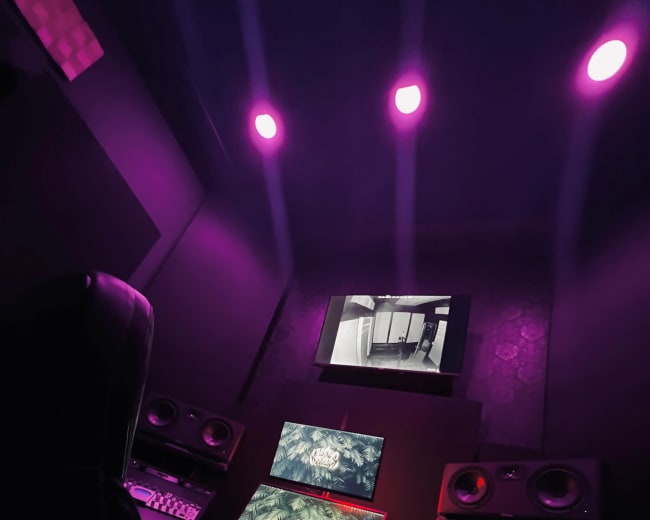
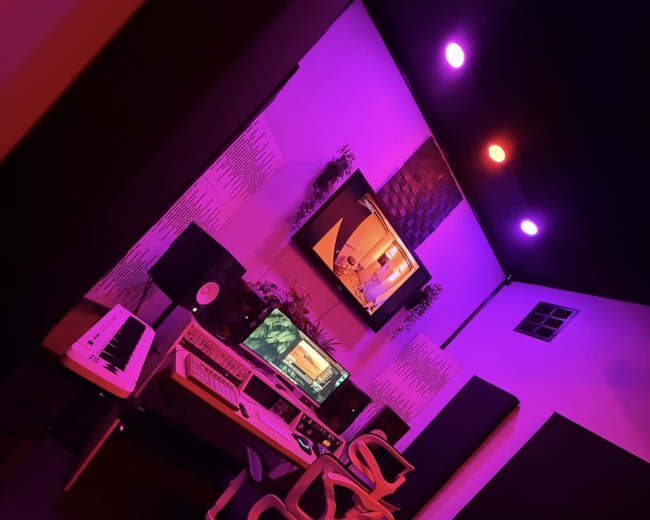
  • Sound quality first: Look for terms like acoustically treated, soundproofed, isolated, or engineered for recording. A beautiful room with echo, traffic noise, or loud air conditioning will still sound cheap. If audio quality is your top priority, you can find recording studios that are specifically designed for clean spoken-word capture.
  • Real video examples: Don't rely on styled photos alone. Ask to see actual podcast footage recorded in the exact room you plan to book. A set can photograph well and still produce bad shadows, awkward framing, or flat color on camera.
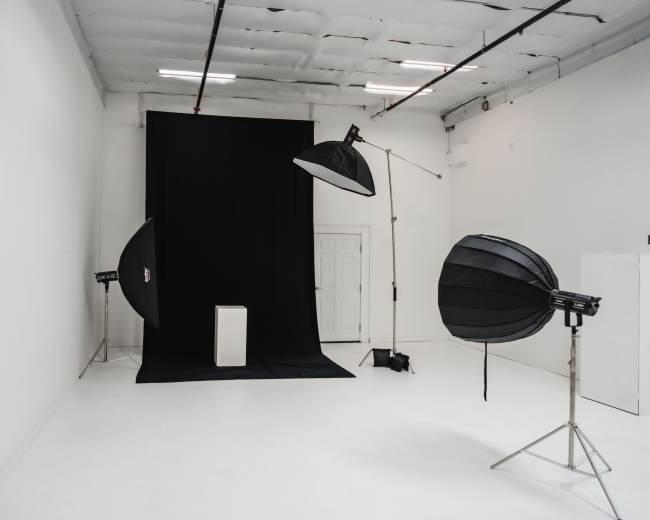
  • Lighting that flatters people: Good studio lighting should make faces look clear, natural, and consistent. It shouldn't leave people underlit, overexposed, or unevenly lit unless that is an intentional creative choice.
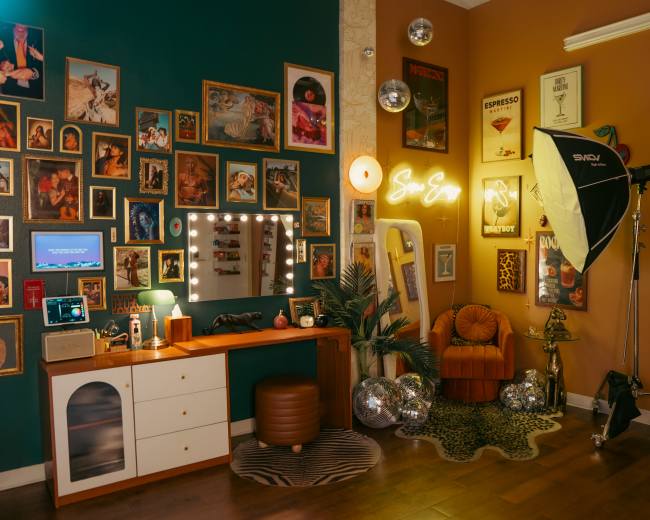
  • A set that matches your show: The best podcast studio isn't always the fanciest one. It's the one that fits your format. A founder interview show may need a clean executive look, while a culture or comedy podcast may benefit from a warmer, more relaxed set.
  • Practical camera framing: Check whether the background has depth, whether the room supports multiple angles, and whether the furniture helps guests look comfortable rather than stiff.
  • Visible attention to detail: Clean cable management, uncluttered decor, tidy furniture, and an organized table all make a podcast studio look more professional on camera.
  • Operational confidence: Ask whether the studio records backup audio, how files are delivered, and what happens if a mic fails. Professionalism isn't just the room. It's the workflow behind the room.
One of the biggest mistakes first-time bookers make is choosing with their eyes only. The second biggest mistake is choosing with their ears only. The best podcast studio options in Las Vegas balance both. They understand that modern podcasting is both a recording session and a visual branding project. If you're deciding between two studios, choose the one that gives you confidence in both the sound and the look. Your audience will notice the difference.

What should I ask before booking a podcast recording studio?

Before you book a podcast recording studio, your goal is to remove surprises. The right questions can save you from overtime fees, unusable audio, awkward guest logistics, and the disappointment of realizing you booked a pretty room instead of a production-ready podcast studio. Ask these questions before you confirm the booking:
  • What's included in the hourly rate: Confirm whether the price includes microphones, headphones, cameras, lighting, an engineer or producer, file delivery, and setup support.
  • How much of my booking is actual record time: Some podcast studio bookings include setup, soundcheck, guest arrival, and teardown inside the reserved window. If you book one hour, you may get much less than one hour of actual conversation time.
  • What does the room sound like during a real session: Ask about street noise, neighboring tenants, air conditioning noise, and whether the room is treated for spoken-word recording.
  • Can I see a sample from this exact room: Ask for a real clip from the set you plan to book, not just a polished brand reel.
  • How many people fit comfortably: Count hosts, guests, camera operators, and anyone handling production. A room can technically fit six people and still feel cramped on camera.
  • How are files delivered: Ask whether you will receive raw audio, isolated tracks, synced video, or edited exports, and how quickly those files will arrive.
  • What happens if we run over time: Clarify overtime rates before the session.
  • What is the cancellation or rescheduling policy: This matters even more if you're coordinating guest travel or a business recording day.
  • Is the location easy for guests: Ask about parking, elevator access, check-in instructions, and nearby landmarks if you're hosting clients or out-of-town guests. If your session involves a sit-down conversation with a high-profile guest, you may also want to book an interview filming location that's designed specifically for that format.
  • Are there any building or usage restrictions: This matters especially in a hybrid or non-traditional space, where power, restrooms, access rules, or building policies can affect the recording day.
If your session includes a larger crew, branded signage, outdoor segments, or a live audience, also ask whether any local approvals may be needed in Las Vegas. Permit requirements can vary based on sound, equipment, headcount, and the type of production. Pro tip: If you're booking through Peerspace, message the host before submitting a request if anything about the setup is unclear, keep all communication on-platform, and only keep one active booking request at a time so you don't accidentally get confirmed by multiple spaces. Also, book enough time for setup and teardown. That's one of the easiest ways to avoid preventable overtime.

Which Las Vegas areas are best for recording sessions?

The best area for a podcast studio in Vegas depends less on prestige and more on the kind of recording day you want to have. The local market extends beyond the Strip. Creators regularly compare podcast studio options across Las Vegas proper, Downtown, the Arts District, Spring Mountain Road, and Henderson. That gives you the advantage of choosing for fit instead of choosing the most famous address. Here's a practical way to compare areas:
  • Strip-adjacent areas: Best for business podcasts, convention-week interviews, and sessions with out-of-town guests. If your guest is staying near major hotels or attending an event nearby, a podcast studio close to the Strip can reduce friction.
  • Downtown and the Arts District: Best for visually distinctive, creative, or culture-driven shows. These areas often appeal to video-first creators who want more personality and less of a corporate feel. If you're looking for a space with character in this part of the city, you can find interview filming locations in Downtown Vegas that suit creative and editorial formats.
  • Spring Mountain Road and central-west areas: Best for convenience, food access, and easy local meetups. This can be a strong middle ground for hosts and guests traveling from different parts of the valley.
  • Henderson: Best for quieter sessions, easier parking, and guests who want a calmer environment. Henderson can be a smart choice if your priority is a lower-stress production day.
A few decisions make the choice easier:
  • Choose for your guest, not just yourself: The best podcast studio on paper can still be the wrong pick if your guest struggles with traffic, parking, or wayfinding.
  • Match the neighborhood to the content: A founder interview series may benefit from a clean, convenient business-friendly area, while a creative show may benefit from a neighborhood with more character.
  • Think beyond the recording room: Coffee nearby, easy rideshare pickup, parking, and restaurant options matter more than many people expect, especially if you're batching interviews or hosting multiple guests in one day.
If you're booking a hybrid or non-traditional space, ask about fundamentals that are easy to overlook: power access, restrooms, parking, and building rules. Those details can affect a recording day just as much as the podcast studio setup itself. In short, the best Las Vegas area is the one that lowers stress for everyone involved. For most podcast studio bookings, convenience and content fit matter more than prestige.

Should I rent a podcast room or record at home or outdoors?

If your goal is polished, repeatable, brand-building content, renting a podcast room is usually the best choice. That doesn't mean home recording is wrong. It means each option solves a different problem. The best setup depends on your budget, your workflow, and how important the episode is. Here's the clearest comparison:
  • Rent a studio if: You want professional sound, better video, a more credible backdrop, production help, or an easier experience for guests. A podcast studio is usually the right choice for launches, guest interviews, business podcasts, sponsored episodes, or content you plan to repurpose into clips.
  • Record at home if: You publish often, have a quiet controlled room, and are willing to spend time learning your gear and improving your setup. Home recording can be efficient once you have a reliable system.
  • Record outdoors if: You have a specific creative reason and understand the tradeoffs. Outdoor recording usually introduces wind, traffic, changing light, and inconsistent audio. It can create atmosphere, but it rarely creates the cleanest production.
For most creators, the real question is not studio versus home forever. It's when each option makes sense. These scenarios can help:
  • Choose a studio when the episode needs to impress: Think first guest, investor-facing content, a rebrand, or any episode tied closely to business credibility.
  • Choose home when consistency matters more than polish: If you publish frequently and already have a dependable setup, home may be the more sustainable option.
  • Avoid outdoors for core episodes: Use outdoor recording for bonus content, behind-the-scenes moments, or creative one-offs, not for the episodes you can't afford to lose.
There's also a smart hybrid approach that works especially well in Las Vegas: record your most important interviews or video episodes in a podcast studio, then record quick solo updates at home. That gives you professional polish where it matters most without locking you into a high-cost workflow every week. If you're exploring flexible spaces that support both audio and visual content creation, you can check out creative workspaces that accommodate a range of production needs. If you're even slightly worried about sounding amateur, rent the podcast room. If your main concern is budget and you can control your environment well, home may be enough. If you're tempted by outdoor recording, ask yourself one question first: do you want atmosphere, or do you want usable audio? Most podcasters need usable audio more.
Updated August 11, 2026Our data is refreshed in real time using booking trends, verified guest reviews, and direct partner updates — with additional quality checks from our team.