Rent a podcast studio in San Antonio, TX

Discover thousands of unique podcast studios for rent for your next recording.

Enter your activity
San Antonio, TX

How podcast rooms work on Peerspace

Peerspace is the easiest way to book unique for all kinds of productions including photo shoots, film shoots and music videos. We also have spaces for meetings and events.

The most locations

Every day we uncover new, inspirational spaces, including podcast rooms, perfect for your activity.

Professional hosts

Our network of helpful hosts respond quickly, and are well-versed in accommodating all types of productions, including film and photo shoots.

Hire by the hour

Only pay for what you need. Pay by the hour for your podcast room location without worrying about hidden fees or overtime.

Popular podcast studios

How do I find a set that looks good on video?

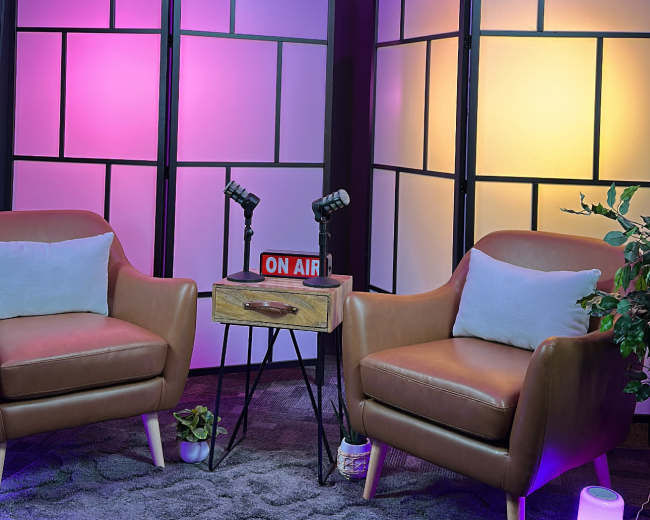
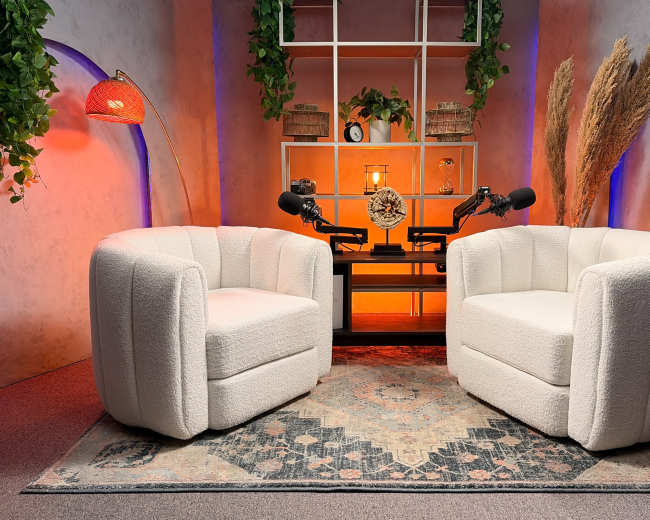
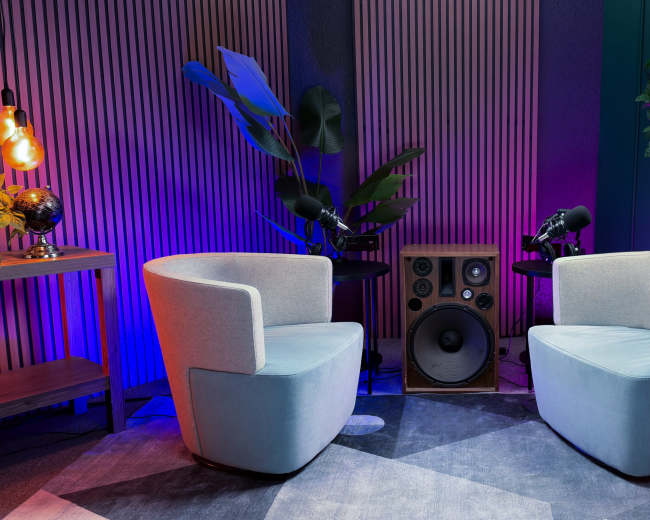
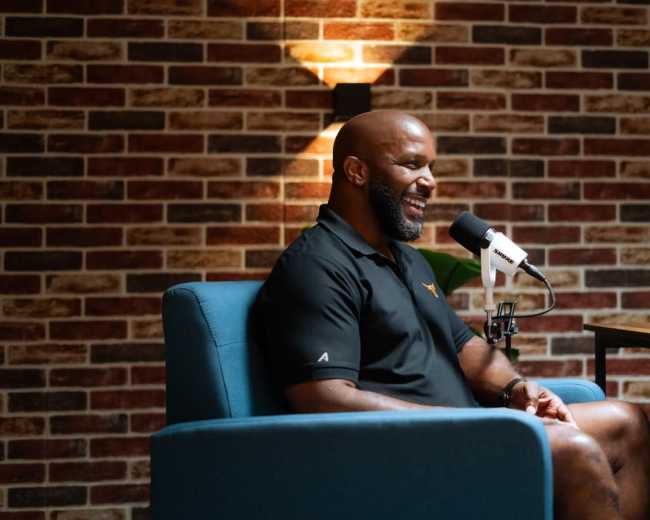
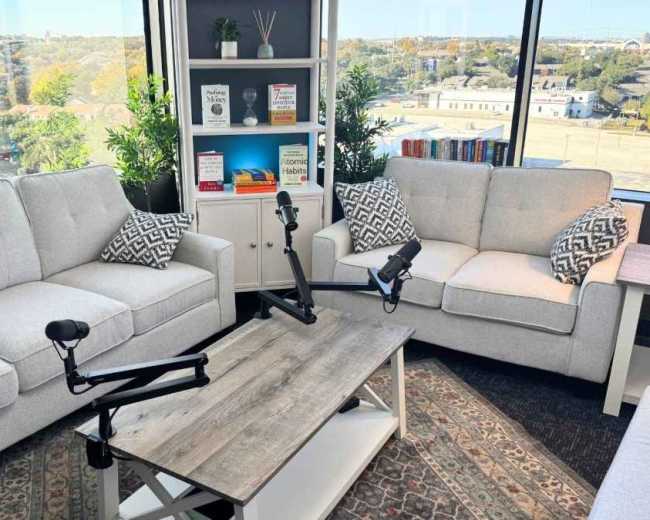
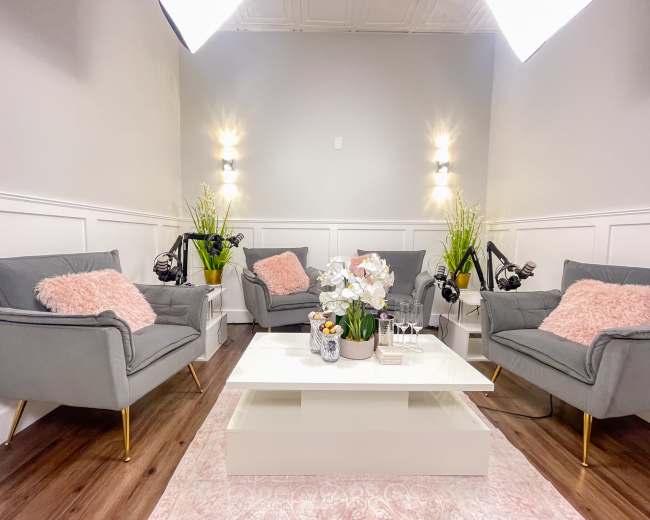
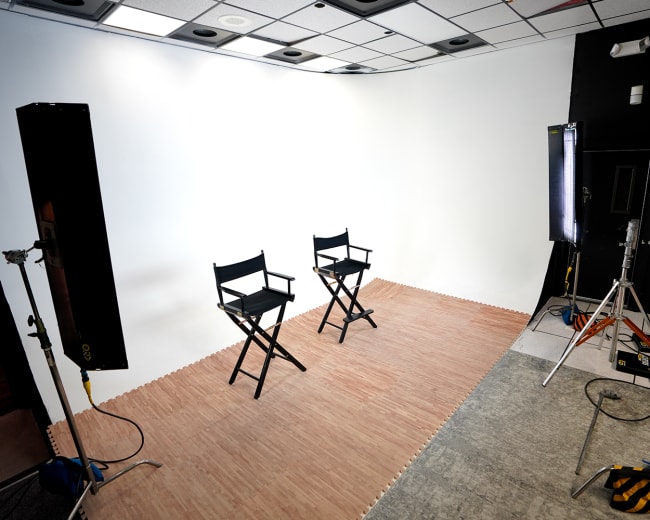
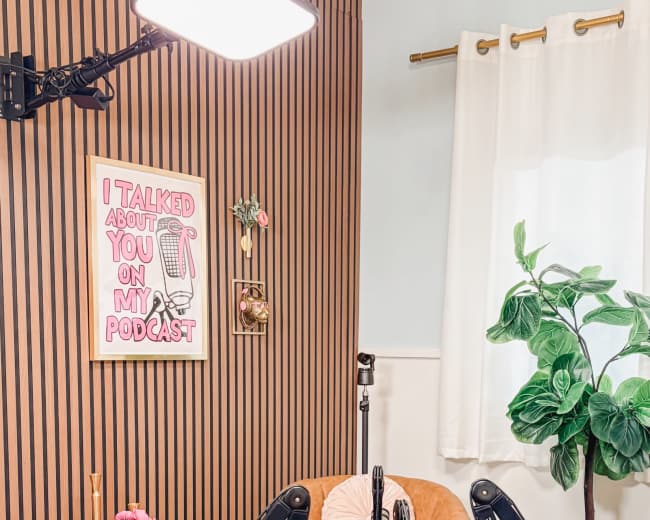
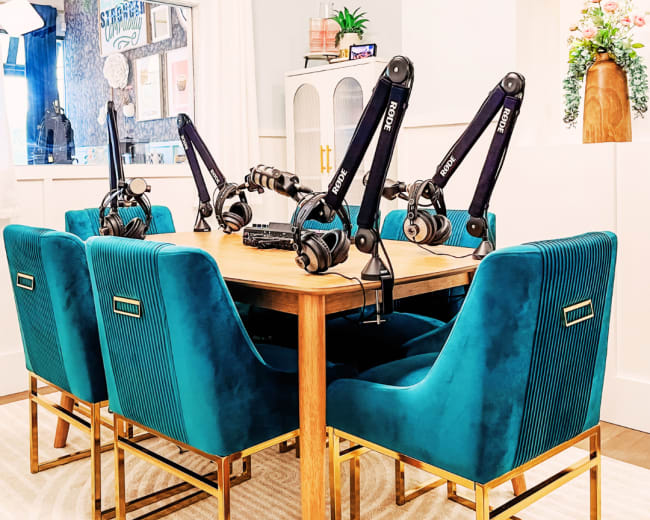
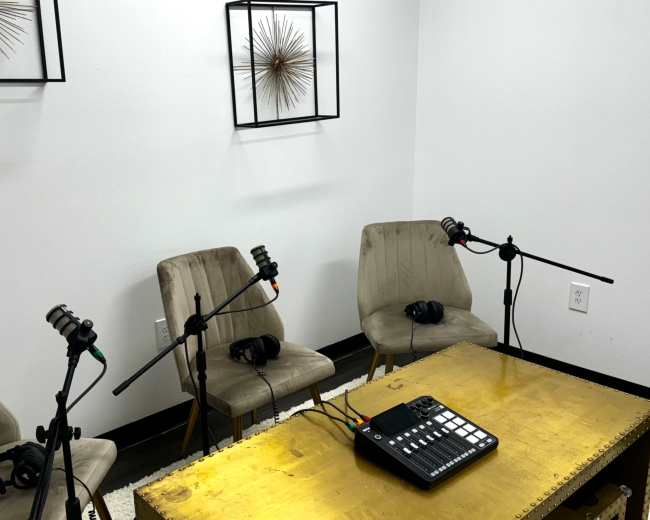
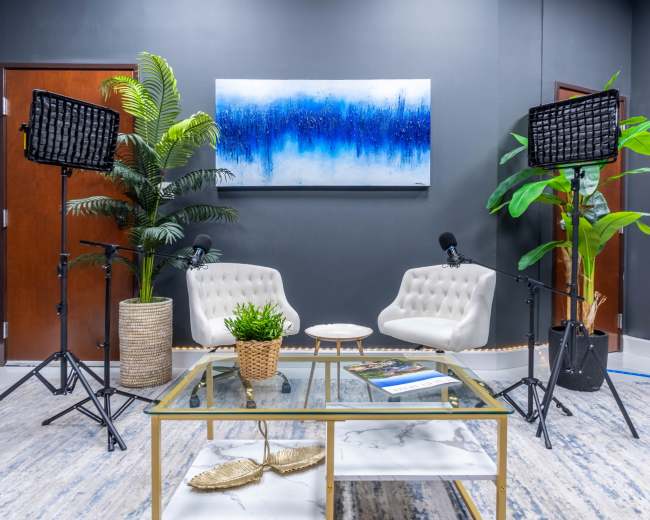
To find a podcast studio set that looks good on video, judge the room by recent recording footage, not by listing photos alone. A podcast studio can sound great and still look flat, cramped, or forgettable on camera. If you're starting your search, browse podcast studios to compare options side by side. Use this checklist before you book:
  • Background depth: Look for space between the chairs and the backdrop. If people sit right against a wall, the shot usually feels cramped and low-budget.
  • Flattering lighting: Soft light on faces, some shape and contrast, and a little background lighting usually look better than a single bright overhead fixture.
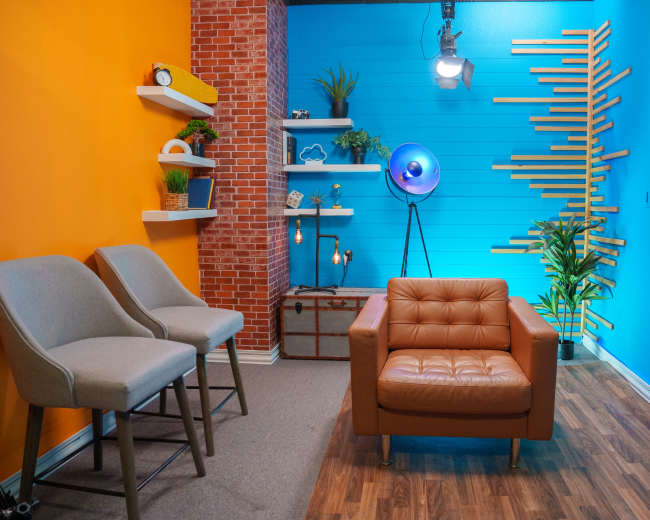
  • Brand fit: Match the set to your show. A business podcast studio should feel different from a casual lifestyle or creative show.
  • Visual clutter: Shelves, props, and decor should look intentional. Too many random objects can pull attention away from the guest.
  • Real examples: Ask for a recent clip filmed in the exact setup you would use, with people seated where you will sit.
Before you book a podcast studio, ask the studio manager for three things:
  • Phone walkthrough: A short video walking through the room
  • Frame grab: One unedited frame grab from the actual camera angle they use
  • Sample clip: A short clip with the lights on and microphones in place
This matters because wide-angle listing photos can make a podcast studio look bigger, brighter, and more polished than it feels in person. If you plan to create short social clips, look for:
  • Clean sightlines: The frame should feel uncluttered and easy to crop.
  • Multiple angles: There should be room for two or more camera positions.
  • Skin-tone-friendly colors: Background colors should flatter faces instead of washing them out.
  • Supportive furniture: Chairs should help guests sit upright and look engaged.
  • Personal space: Guests should not feel elbow-to-elbow on camera.
A simple rule works well: if you can't picture your thumbnail, intro reel, and guest clips in the room, keep looking.

Why do rates vary so much between San Antonio studios?

Podcast studio rates vary so much because you're usually comparing different levels of service, not the same product. One podcast studio may be a basic room rental, while another may be a fully produced, video-ready space with staff, gear, and post-production support. Visible local rates can range from about $40 per hour to about $350 per hour, and the difference usually comes down to what's included and how much work you still have to do yourself. Here's what usually changes the price:
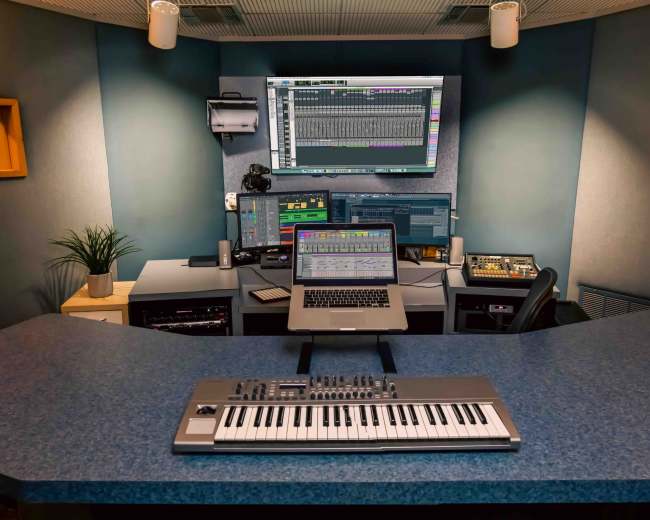
  • Production support: Lower-cost spaces may only include the room. Higher-cost spaces may include microphones, cameras, lighting, switching, monitoring, and onsite help.
  • Video capability: Audio-only rooms are often cheaper than podcast studio setups built for multi-camera recording, branded interviews, or social content. If video is a priority, it helps to consider video studios so you can compare what each space includes.
  • Set design: If a studio has invested in a polished visual set, part of what you're paying for is the on-camera look.
  • Post-production: Editing, file delivery, livestream support, and same-day turnaround usually raise the price.
  • Location and convenience: Central locations, business-friendly corridors, and professionally managed spaces can cost more because they're easier for guests to access.
  • Booking minimums: A lower hourly rate can still cost more overall if the studio requires a longer minimum booking.
The smartest way to compare a podcast studio isn't to ask, "What's the cheapest hourly rate?" Ask, "What will this session actually cost me by the time I am ready to record?" A lower-cost room can become expensive fast if you still need to bring or rent:
  • Microphones: Audio gear for every speaker
  • Headphones: Monitoring for hosts and guests
  • Camera gear: Cameras, tripods, lenses, or switching tools
  • Lights: Video lighting that works for your format
  • Cables: Adapters, power, and connection backups
  • Engineer: Someone to run sound or video
  • Backdrop: A usable set or branded background
  • Editing help: Post-production support after the recording
A more expensive podcast studio can save money if it lets you show up, record, and leave with usable footage. This is especially true for guest interviews. Every technical task pulls your attention away from hosting. If you're recording a branded show, executive interview, or first video episode, a turnkey podcast studio is often worth the higher rate.

How can I tell if a studio is actually worth booking?

A podcast studio is worth booking when it reduces risk, saves time, and gives you usable content without unnecessary stress. A studio that only looks impressive in photos is not enough. In San Antonio, where some podcast studio providers have limited reviews, it helps to judge trust using a mix of visuals, responsiveness, technical proof, and practical details. Use this test before you commit:
  • Clear evidence: Ignore vague words like "premium" or "state-of-the-art" unless the listing also shows exact gear, sample clips, and recent photos.
  • True podcast setup: Ask whether the room is built for podcasting or simply adapted from a music, photo, or general creative space. You can explore recording studios in San Antonio to compare spaces that are purpose-built for audio and podcast work.
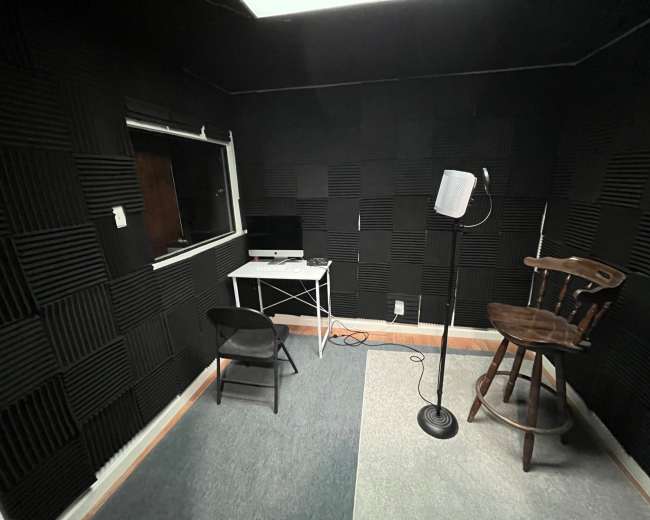
  • Clean audio proof: Ask whether the room is treated for echo and outside noise, and request a sample of two people talking in the room.
  • Fast communication: Clear, prompt replies usually signal a more organized operation.
  • Specific reviews: Reviews that mention sound quality, setup, parking, or helpful staff are more useful than generic praise.
  • Guest comfort: If the room is hot, cramped, noisy, or awkward, your episode will feel that way too.
A podcast studio is usually worth booking if it performs well in four areas:
  • Technical fit: Enough microphones, stable audio, proper lighting, and usable camera angles
  • Visual fit: A set that supports your brand without stealing focus
  • Operational fit: Easy arrival, easy setup, clear file delivery, and no last-minute confusion
  • Human fit: A host or manager who feels dependable and prepared
Watch for these red flags:
  • Outdated visuals: No recent photos or clips
  • Missing gear details: No clear equipment list
  • Unclear support: No explanation of who runs the audio or video
  • Style over substance: A polished look with very little technical information
  • Review warnings: Comments that mention surprises, confusion, or noise problems
  • Late fees or rules: Extra charges or restrictions that only appear late in the conversation
If you're unsure, book a short test session before a major guest day. A small trial run can save you from wasting a full recording day or publishing an episode that doesn't meet your standards.

What should I ask before booking my first session?

Before booking, ask questions that clarify what's included, what you need to handle yourself, and what happens after you stop recording. Your goal isn't to sound like an expert. Your goal is to avoid preventable surprises. Ask these questions in plain language:
  • Base rate: What's included in the booking price, including microphones, headphones, cameras, lights, operators, and file delivery?
  • Comfortable capacity: How many people can record comfortably without bad framing or crowding?
  • Audio versus video: Is this podcast studio best for audio only, or does it also work well for video?
  • Setup help: Who handles microphones, sound levels, lighting, and monitoring during the session?
  • Final files: What do I receive afterward: raw audio, raw video, edited episodes, clips, or all of the above?
  • Delivery timing: How are files delivered, and how long does delivery take?
  • What to bring: Should I bring storage drives, notes, branding, or a producer?
  • Booking length: How much time should I book for arrival, setup, sound check, retakes, and wrap?
  • Overtime policy: What happens if the session runs long?
  • Cancellation policy: What are the cancellation and rescheduling rules?
  • Guest access: Is there parking, clear entry, and easy access for guests?
  • Set flexibility: Can we rearrange the set to better match the show?
Also ask one question that first-time bookers often miss: "What does a normal first session look like here?" A good podcast studio should be able to explain the full process from arrival to wrap. Pro tip: If you're booking through Peerspace, send a message before you commit and use that thread to confirm setup time, teardown time, file delivery, and any add-on costs. This is especially helpful for first-time bookers, since one of the easiest mistakes is underbooking time and feeling rushed when your guest arrives. You can also save a few finalists to a Board and compare them with your team before choosing.

Which San Antonio areas are best for recording guests?

The best area for a podcast studio is the one that helps your guests arrive relaxed, on time, and ready to talk. There's no single best neighborhood for every show. Podcast studio options in the San Antonio area are spread across downtown, the Broadway corridor, north-central areas, the I-10 and northwest side, and nearby metro areas like Schertz. The right choice depends on who your guests are and how they travel. Here's a practical way to choose:
  • Downtown and Broadway corridor: Best for business interviews, startup conversations, and guests who work in the urban core.
  • North-central and airport-adjacent areas: Good for guests flying in, commuting from the suburbs, or coming from offices on the north side.
  • I-10 and northwest side: Often a practical choice for local teams, recurring co-hosts, or guests who are driving rather than staying downtown. You can explore video studios in this area to see what's available.
  • Schertz and the northeast metro: Worth considering if your guests are based outside the city core and care more about easy scheduling than a central address.
Choose the area based on guest type:
  • Executives and founders: Prioritize central, polished, easy-to-find locations
  • Creators and lifestyle guests: Aesthetic appeal may matter more than zip code
  • Busy local professionals: Easy parking often matters more than trendiness
  • Recurring guests: Pick a consistent area so the show feels easy to repeat
If you're hosting multiple guests, a small audience, or a branded roundtable, don't choose a podcast studio area based on looks alone. Make sure the location also supports parking, power, restrooms, and a smooth arrival experience. A good rule is simple: if your guest has to fight traffic, search for parking, and walk in frustrated, the episode starts behind.

Should I rent a studio or record at home or a park?

You should choose based on what matters most for your show: cost, convenience, consistency, or polish. For guest interviews and strong video, a podcast studio usually wins. For testing an idea cheaply, home can work. A park is usually the hardest option unless the location is essential to the concept. Here's the tradeoff:
  • Home: Best for solo episodes, low-budget testing, frequent recording, and shows where polished visuals are not the priority
  • Podcast studio: Best for guest interviews, video podcasting, branded content, multi-camera shoots, and sessions where credibility matters
  • Park: Best for specific on-location storytelling where atmosphere matters more than perfect sound
The challenge with home recording isn't just quality. It's consistency. Noise changes. Light changes. Internet changes. Family, pets, neighbors, and air conditioning can all interrupt a session. The challenge with a park is control. Wind, traffic, aircraft, passersby, changing sunlight, and privacy issues can hurt both sound and focus. What looks relaxed in theory often creates much more editing work than first-time creators expect. Rent a podcast studio when:
  • Guest experience matters: You want visitors to feel comfortable and confident
  • Video matters: The episode will live on YouTube, social media, or a brand channel
  • Sound must be reliable: You need cleaner, more repeatable audio
  • Batch recording matters: You want to record multiple episodes efficiently
  • Brand reputation matters: The content supports a business, sponsor, or professional image
Record at home when:
  • Your setup is consistent: You already have a quiet, repeatable environment
  • You are still testing: You're validating the show format before spending more
  • Audio comes first: The show is mainly built for listening rather than viewing
  • Budget is tight: Cost matters more than visual polish right now
Skip the park unless the location is part of the story. If you're planning a live taping, a panel, or a branded recording with 20, 50, or 100 attendees in San Antonio, you're no longer choosing between home and a podcast studio. At that point, you need an event-ready venue with seating, restrooms, parking, and AV support. For interview-focused sessions with a guest or two, you can book an interview filming location in San Antonio that's already set up for on-camera conversations.
Updated July 16, 2026Our data is refreshed in real time using booking trends, verified guest reviews, and direct partner updates — with additional quality checks from our team.