How & Where to Find a Thatched Cottage Airbnb
-
Contributing Writer
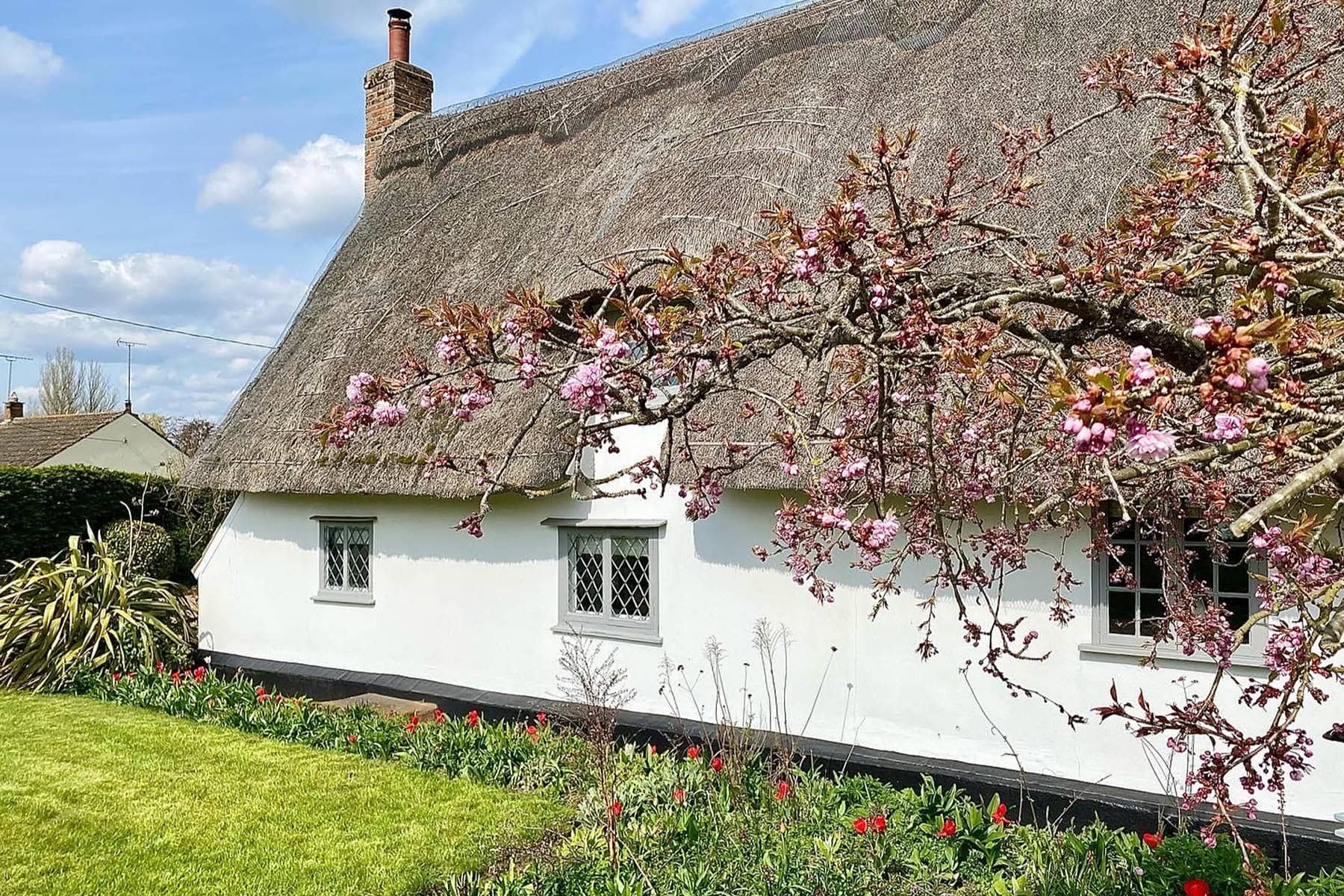
Source: Peerspace
Remember that cottage in The Holiday? Kate Winslet’s charming Surrey retreat with stone walls and cosy interiors captured that storybook English countryside aesthetic people have been chasing ever since.
Thatched cottages deliver exactly that appeal—which is why they’re sought after for more than romantic getaways. Planning a fashion shoot needing authentic countryside backdrops? Organising a milestone birthday with proper character? Coordinating an elopement or film shoot where the venue does half the work? A thatched cottage Airbnb seems like the perfect solution—until you discover Airbnb’s event restrictions.
The problem: Airbnb treats any gathering as a violation of its party ban. Your photoshoot with a three-person crew? Banned. Your mum’s birthday lunch for twelve? Banned. Even small weddings with twenty guests risk immediate cancellation. The platform was built for tourists wanting a thatched cottage holiday—not for anyone needing a venue for events.
Pro Tip: Stop trying to work around Airbnb’s event ban. Explore cottage venues on event platforms like Peerspace that explicitly welcome photoshoots, film shoots, celebrations, and gatherings—with hourly rates and hosts who won’t cancel when your photographer arrives.
Table of contents
- Can you book a thatched cottage on Airbnb for events?
- Why Airbnb falls short for events
- How to find a thatched cottage for your event
- Why Peerspace is the better alternative to Airbnb for events
- Final thoughts: booking a thatched cottage venue for your event
Can you book a thatched cottage on Airbnb for events?
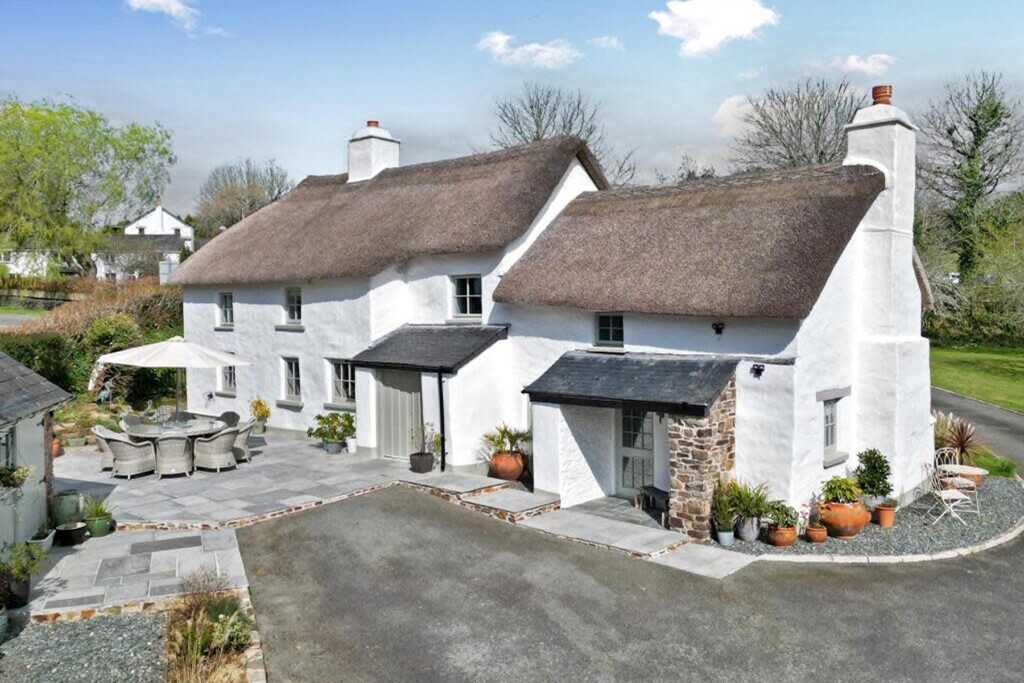
Quick Answer: No, you cannot book a thatched cottage on Airbnb for events without violating platform policy. Airbnb’s global party ban treats all events—from film productions to birthday gatherings to wedding ceremonies—as prohibited activities subject to immediate cancellation.
The policy states: “Disruptive parties and events have always been prohibited, and our global party ban remains in effect permanently.” The word “events” covers far more than weekend ragers—your fashion shoot, family celebration, or intimate ceremony all qualify.
These listings exist for holidaymakers wanting picturesque countryside rentals, not production teams coordinating vendors, families managing catering, or couples planning ceremonies requiring multiple suppliers. Similar restrictions affect other venues—our London events guide explores these limitations across different gathering types.

Why Airbnb falls short for events

Thatched cottages photograph beautifully. Actually using them for events? That’s where Airbnb’s holiday rental model collapses.
Platform policy supersedes everything
Individual hosts can’t override Airbnb’s blanket event prohibition. Your booking violates terms regardless of how understanding your host seems or how small your gathering is.
People attempt concealing their plans. This implodes when your makeup artist arrives with equipment, catering vans deliver birthday supplies, or guests appear in formal wear. Hosts must report violations or risk losing their listings. Cancellations happen without refunds—your vendor deposits vanish, coordination efforts collapse. Our guides on Airbnb for birthday parties and Airbnb for weddings detail how these restrictions derail specific events.
Overnight rates waste your budget
Your photoshoot runs 10am–3pm Saturday—five hours. Your celebration spans 2pm–7pm. Your film production needs 8am–6pm.
Airbnb requires multi-night bookings for weekends. The typical minimum: Friday check-in, Sunday checkout. You’re funding 48 hours of accommodation for under ten hours of event time. A cottage at £300 nightly means £600+ spent on facilities nobody’s using. Micro-wedding venues operate on hourly pricing because this model serves tourists perfectly but events? Not at all.
Pre-booking viewings aren’t permitted

Airbnb photos showcase peak appeal: summer gardens in bloom, golden hour light, styled perfection. They don’t reveal whether WiFi reaches outdoor spaces, whether garden terrain suits your setup, or whether low ceilings mean constant stooping.
The platform forbids site visits before reservations. You’re committing financially based solely on holiday marketing photos. For weekend breaks, trusting images works. For productions with technical requirements or celebrations needing specific configurations—booking unseen is professional malpractice. This affects photoshoots at hired spaces broadly, not just cottages.
Holiday hosts lack event experience
Cottage hosts excel at hospitality: fresh linens, local recommendations, welcome hampers. What they haven’t developed: systems for managing simultaneous vendor arrivals, understanding conservation rules, troubleshooting electrical capacity for professional lighting, or managing weather contingency plans.
Thatched properties carry unique complications—fire regulations for thatched roofs, conservation designations limiting temporary structures, insurance excluding commercial activities, septic system usage caps. Holiday hosts encounter these constraints for the first time alongside you.
Vendor policies emerge after commitment
Holiday listings describe tourist amenities, rarely specifying whether professional caterers can use kitchens, whether equipment vehicles can access narrow lanes, or whether early vendor arrival incurs fees.
Details surface after booking—often when you mention your caterer’s timing or photographer’s equipment. Suddenly restrictions appear: septic systems can’t handle commercial kitchen wastewater, shared driveways block neighbours, conservation status prohibits outdoor activities, or insurance doesn’t cover commercial photography. Rural locations compound this—single-track roads, village parking restrictions, limited mobile signal.
Liability falls entirely on you
Thatched cottages frequently carry listed building status protecting period features. When lighting equipment marks stonework, catering damages kitchen surfaces, or shoes catch antique floorboards—who covers restoration costs?
Holiday hosts insure for tourists, not commercial activities. Airbnb’s Host Protection Insurance excludes events violating the party ban. You carry complete financial liability for damage to a centuries-old listed property, with zero professional coverage for event-related risks.
How to find a thatched cottage for your event

When Airbnb’s restrictions eliminate it as an option, alternative approaches help locate cottages actually designed for events.
Choose cottages matching your aesthetic
Cotswolds honey-stone cottages with immaculate thatch work for luxury brand content, high-end rustic weddings, or editorial shoots requiring quintessentially English countryside.
Coastal Devon and Cornwall whitewashed cottages suit bohemian editorials, laid-back celebrations, or lifestyle content needing breezy coastal countryside combinations.
Welsh stone cottages in dramatic settings excel for adventure brand campaigns, outdoor retreats, or moody atmospheric productions.
Peak District moorland cottages work for fashion needing edge, corporate off-sites, or productions requiring weather drama and landscape scale.
Pro tip: Can’t find the perfect thatched cottage? Stone cottages and converted farm houses throughout the Cotswolds, Devon, Cornwall, Wales, Peak District, Dorset, and Scotland deliver similar countryside appeal with better availability.
Search across multiple platforms
- Event venue platforms: Properties accepting gatherings, hourly pricing, event-experienced hosts
- Heritage agencies: Historic buildings for hire, though often requiring minimum bookings
- Production databases: Cottages with filming history, favouring larger productions
- Direct enquiries: Contact cottages via their websites about event hire
- Regional directories: Wedding listings sometimes including other celebration types
When comparing, examine what’s included: garden access, early vendor arrival, timing flexibility, reasonable cleaning fees.
Verify capacity for your specific use
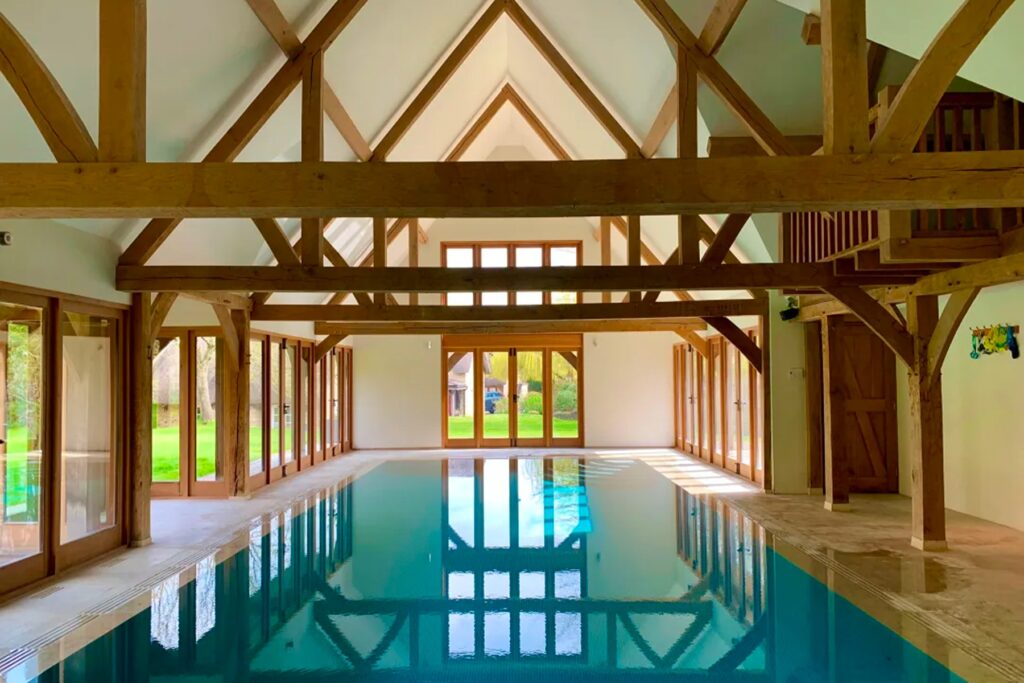
A cottage sleeping eight overnight might accommodate twenty standing, twelve seated, or six for photoshoots with crew and equipment.
Ask: How many fit for your specific format? Does garden capacity exist separately? For productions, can rooms hold crew, equipment, and talent simultaneously? Where does catering preparation happen? What’s the weather contingency?
Period cottages feature smaller rooms than modern builds. Photos suggesting “spacious” might feel cramped with twenty guests, professional equipment, or ceremony setups.
Examine what photography conceals
Surroundings: Cottages might overlook busy footpaths, adjoin working farms, or share space with neighbouring rentals whose guests may not appreciate your activities.
Garden condition: Demand recent photos from your booking month—gardens change dramatically between seasons.
Light conditions: Small windows, trees blocking sun, or north-facing orientation create challenges. Properties perfect for cosy evenings might photograph poorly during afternoon slots.
Parking: “Available” ranges from dedicated spaces for five vehicles to one space plus unreliable street parking competing with residents.
Navigate heritage restrictions
Many thatched cottages carry Grade I or II listing, restricting activities:
- Wall fixings prohibited without consent (affects backdrop mounting, lighting placement)
- Period furniture often protected (limits rearrangement for event layouts)
- Thatched roofs create fire restrictions (no pyrotechnics, strict candle policies, outdoor activity limits)
- Conservation status may cap numbers regardless of physical space
Hosts experienced with events understand these constraints and work within them routinely. Inexperienced holiday hosts discover restrictions alongside you—sometimes mid-event when something you’ve planned violates regulations nobody mentioned.
Confirm vendor arrangements in detail
Get written confirmation covering:
- Kitchen use: Can professional caterers work there? What equipment exists? Power capacity?
- Equipment delivery: When can vendors arrive? Who receives deliveries? Where does storage happen?
- Setup timeframes: Is early access included or charged separately?
- Supplier recommendations: Can the host suggest local caterers, florists, photographers familiar with the property?
For thatched cottages particularly, clarify policies around open flames, whether the thatch creates any activity restrictions, and insurance requirements for vendors working in listed buildings.
Conduct site visits
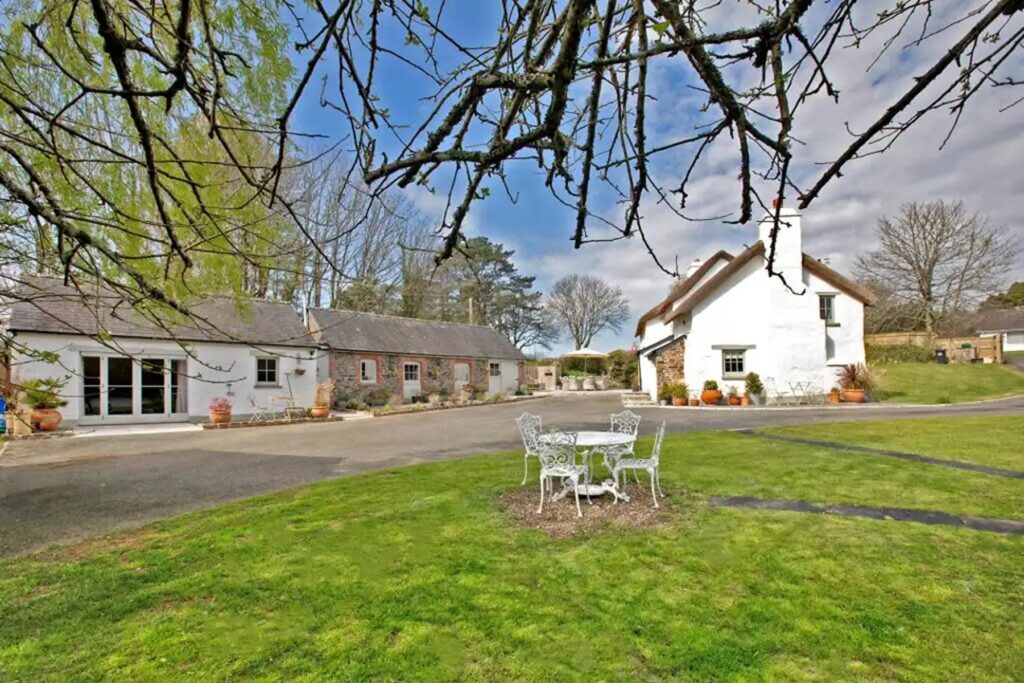
Schedule viewings matching your event’s season and time. Bring guest numbers to verify capacity, investigate storage areas, test water pressure, count power sockets, measure doorways, speak with neighbours. Cottage venues on Peerspace encourage walkthroughs. For London searches, cottage venues in London combine countryside aesthetics with urban accessibility.
How much does it cost to hire a cottage?
Quick Answer: Cottage venues typically cost £70–£250 per hour depending on region, size, and amenities. London cottages average £75/hour on Peerspace.
Pricing by size:
- Small cottages (up to 25 capacity): £70–£150/hour
- Medium cottages (25-40 capacity): £150–£220/hour
- Large cottages (40-60+ capacity): £220–£400/hour
Regional variations matter: Location significantly affects pricing. Central locations and sought-after areas like the Cotswolds command premium rates, whilst rural Wales, Scotland, and northern England often offer better value for comparable character and amenities.
Event type influences pricing:
- Personal celebrations (birthdays, small weddings): standard rates
- Commercial photography/content creation: often higher due to usage rights—check with hosts
- Corporate events: may include coordination services
- Film/TV production: premium rates with specific contracts
Timing impacts costs: Peak summer (June–August) and autumn (September–October) command top pricing. Winter bookings, weekdays, and shoulder seasons offer 30-40% savings.
Additional costs: Security deposits (£300–£1,500), cleaning fees (£75–£200), overtime (£75–£200/hour), vendor access fees, insurance proof requirements.
Why Peerspace is the better alternative to Airbnb for events

Airbnb works brilliantly for holiday accommodation. For securing cottages as event venues? You’re using the wrong tool.
Peerspace exists specifically for venues for gatherings, productions, and celebrations—eliminating restrictions, overnight pricing, and cancellation anxieties inherent to holiday platforms.
Events are expected, not violations
Every cottage on Peerspace explicitly welcomes events—photoshoots, film productions, celebrations, elopements, retreats. You discuss plans openly: crew sizes, equipment, vendors, timeline, technical requirements.
Peerspace operates as the largest online marketplace for hourly venue rentals, featuring thousands of event-ready spaces including thatched cottages and character properties nationwide.
Hourly booking reflects actual usage
Your photoshoot occupies 9am–2pm. Your production requires sunrise-to-sunset. Your celebration spans 1pm–6pm.
Peerspace charges for specific hours—nothing more. No overnight minimums. No weekend packages. Transparent hourly pricing with fees included upfront enables accurate budgeting. You fund time actually used.
Hosts understand event requirements
Peerspace hosts have coordinated dozens of events in period properties. They’ve solved equipment navigation through narrow doorways, caterer management in compact kitchens, decoration within listed building constraints, weather contingency pivots.
Many maintain networks of trusted suppliers: experienced caterers, familiar florists, property-knowledgeable photographers. These relationships streamline planning significantly.
Pre-booking visits are standard
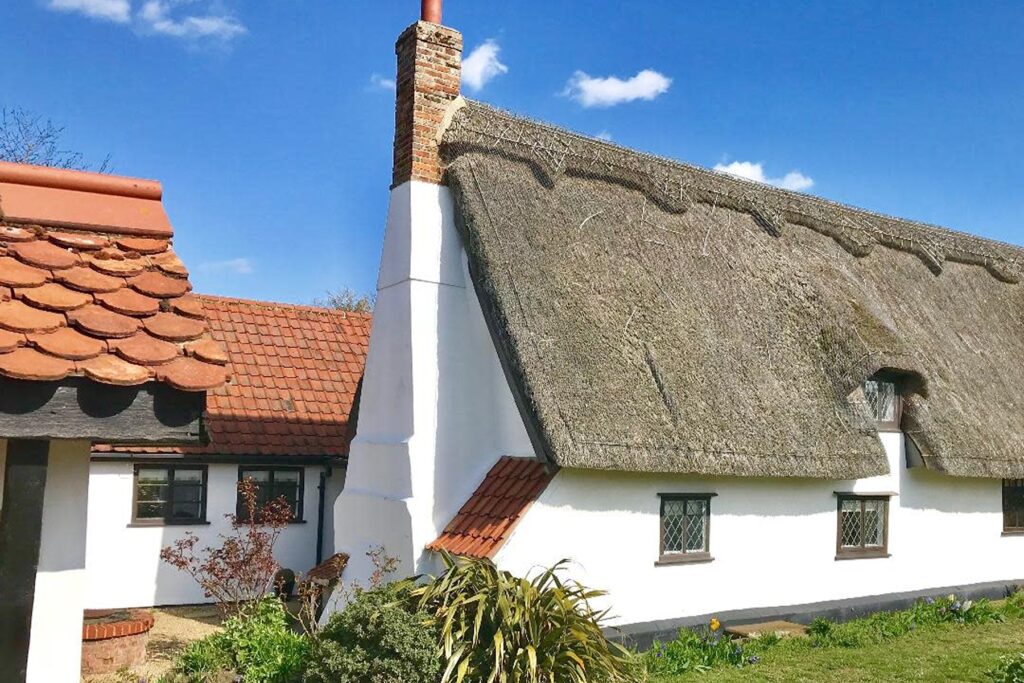
Peerspace hosts encourage viewings before commitment. They want you physically experiencing spaces, testing configurations, photographing angles, confirming functionality.
For thatched cottages—where photos inadequately convey light movement, room intimacy, or garden suitability—physical walkthroughs become essential planning steps.
Policies are transparent upfront
Every listing states vendor access rules, setup timing, capacity limits, activity restrictions, comprehensive costs—all visible before booking. For listed cottages, experienced hosts specify what’s permitted, what requires approvals, what’s impossible under conservation rules.
This eliminates surprises. You know before committing whether florists can hang installations, caterers can access kitchens, photographers can arrive at dawn, or outdoor structures violate restrictions.
Professional framework protects all parties
Event platforms provide infrastructure: documented communication, standardised agreements, dispute resolution, support systems. This matters when booking centuries-old listed buildings with protected features requiring careful handling.
You should maintain event insurance—reputable venues require it—but professional booking processes reduce risks through clear expectations and comprehensive documentation.
Final thoughts: booking a thatched cottage for your event
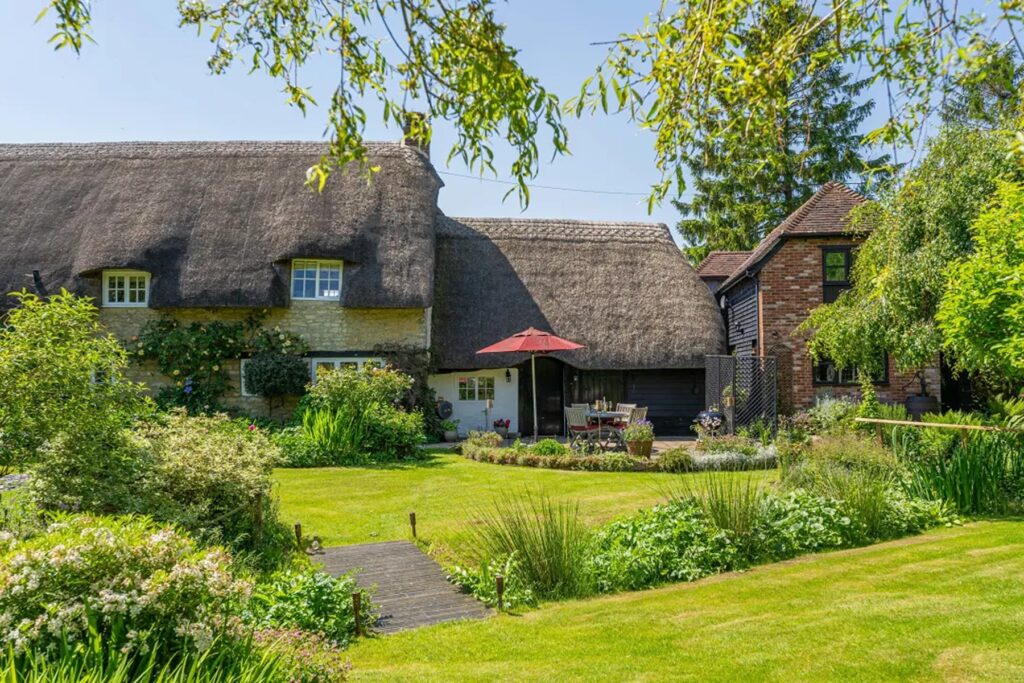
Thatched cottages offer something irreplaceable: history in every beam, countryside character no modern construction can manufacture, atmosphere that transforms gatherings into memorable occasions.
Whether shooting editorial content, producing film scenes, celebrating milestones, hosting intimate weddings, or gathering teams in inspiring environments—thatched cottages provide character purpose-built venues that cannot match.
But securing the right cottage means using platforms designed for events, working with hosts experienced in historic properties, understanding transparent pricing reflecting actual usage, and operating within clear policies rather than hoping nobody notices violations.
Holiday rental platforms connect tourists with appealing places to sleep. Events aren’t their function. Choose platforms where events are welcomed and properly supported.
Browse cottage venues on Peerspace featuring transparent hourly pricing and hosts experienced with photoshoots, productions, celebrations—minus policy violations and cancellation anxiety.
Get together somewhere better
Book thousands of unique spaces directly from local hosts.
Explore SpacesShare your space and start earning
Join thousands of hosts renting their space for meetings, events, and photo shoots.
List Your Space