How and Where To Find an Airbnb Garden Wedding Venue
-

-

Lead Editor & Publisher
- November 30, 2025
- 12 min read
- Events
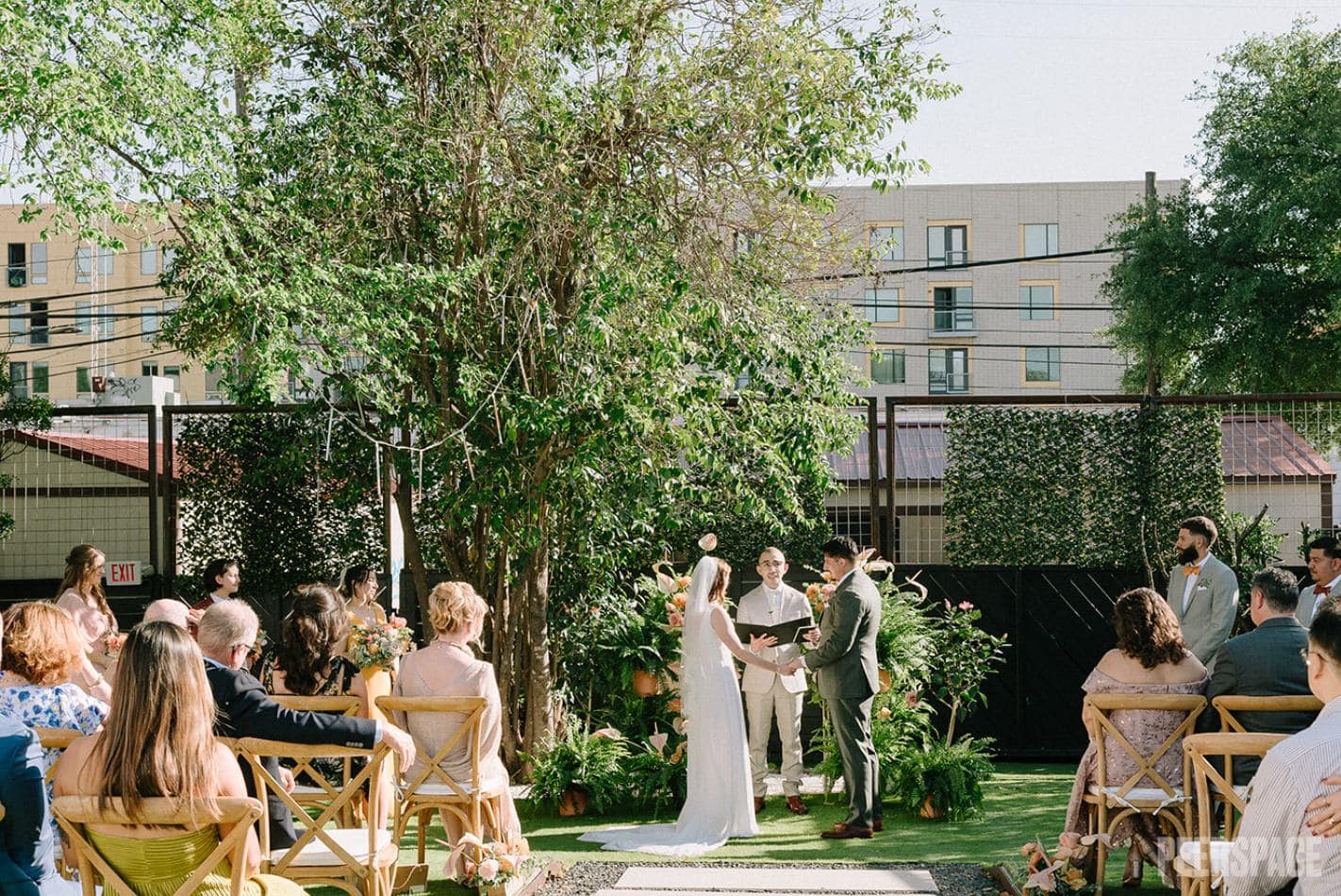
Source: Peerspace
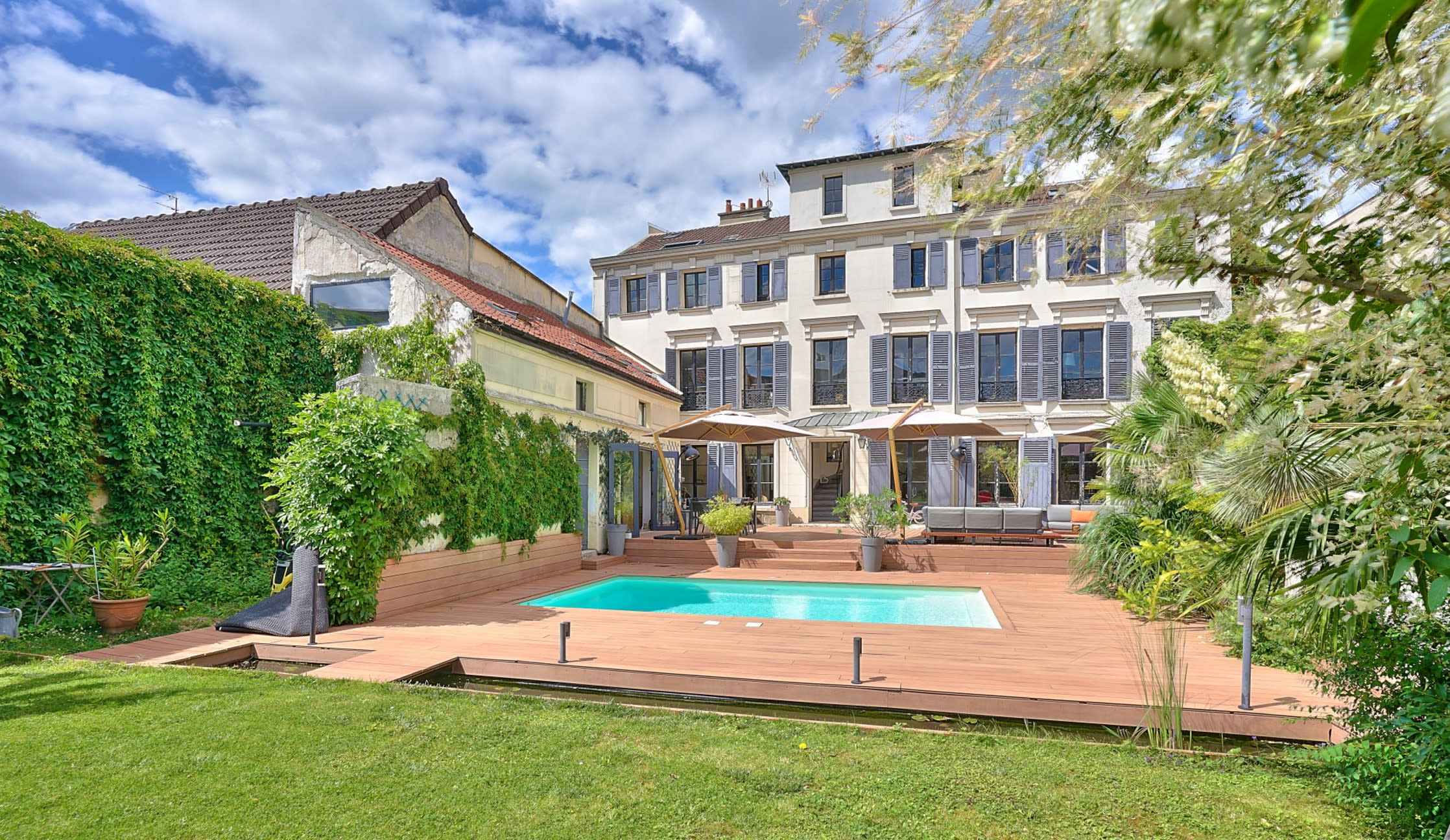
So you’re planning a small wedding or intimate celebration and stumble across an Airbnb listing with a beautiful garden. You hit “book,” imagining floral arches, warm outdoor lighting and a relaxed garden ceremony with friends and family. Don’t celebrate too quickly. That dreamy vision often collides with strict rules, local regulations and host restrictions that make weddings nearly impossible at residential Airbnbs.
When it comes to finding an Airbnb garden suitable for a wedding, the reality is very different from a typical holiday let. Guests hoping to host ceremonies or receptions often face obstacles because Airbnb limits event-style uses and enforces guest caps. Read this guide to learn how and where to find a garden venue that truly welcomes weddings without hidden risks.
Table of contents:
- What makes Airbnb unsuitable for garden weddings
- Finding an alternative to Airbnb for outdoor ceremonies
- Peerspace is a strong alternative
- Seamless garden-wedding planning
Pro tip: If you’re trying to hire a garden-style wedding venue, consider switching from Airbnb to a purpose-built venue-booking platform like Peerspace. We list spaces designed for events with clearer rules, fewer restrictions and hosts who welcome weddings.
Can you use Airbnb for a garden wedding?
No, Airbnb’s ongoing party and event ban applies to weddings too, and violating these rules can result in penalties.
Book a garden venue
Where Airbnb falls short for hosting a garden wedding
Airbnb isn’t built for ceremonies or receptions, and a combination of platform rules and local regulations makes it a poor fit for weddings of any size.
1. The global event ban (2020–Ongoing)
Airbnb’s global ban on parties and disruptive events includes weddings. Even quiet, intimate ceremonies fall under the “event” umbrella. Anything involving a group gathering, extra visitors, decoration setups or outside vendors risks cancellation.
And because garden weddings often involve music, floral installations, chairs and caterers, these activities can trigger Airbnb’s automated risk alerts. A simple plan, like a 20-person ceremony followed by a toast, can be flagged as a prohibited event, potentially resulting in removal from the property mid-stay.
2. Occupancy and visitor restrictions
Every Airbnb listing enforces strict limits on both overnight guests and daytime visitors. Weddings inevitably involve more footfall: guests arriving, photographers, officiants, florists and catering teams. Airbnb hosts can cancel a stay if the number of people entering the property exceeds the listed guest cap.
For example, a couple books a pretty Airbnb countryside cottage with a large garden, planning a “tiny wedding” with 15 guests. Vendors and guests come and go for setup, the smart lock logs 27 entries, and the host cancels the stay. The couple loses their booking and has nowhere to hold their ceremony.

3. Noise, neighbours and “community disturbance” rules
Even acoustic music or celebratory cheering during a ceremony can violate Airbnb’s neighbourhood disturbance policies. Outdoor spaces amplify sound, and gardens are often situated just a few meters from neighbouring homes. If noise sensors (often found in Airbnbs) detect an increase, hosts can report it, leading to cancellation or penalties and ruining your wedding day.
4. No event-specific amenities
Airbnb homes aren’t designed for ceremonies or receptions. Essential wedding features such as power access for sound equipment, vendor-friendly kitchens, guest seating or weather cover are rarely available. What you get instead is a residential garden not intended for events, leaving you to improvise essential elements or bring in hired items at a cost.
How to find a venue like an Airbnb garden wedding space
Finding a garden that actually allows weddings isn’t as simple as browsing Airbnb and hoping you find a lenient host. Residential properties on Airbnb are subject to strict rules around visitor limits, noise and non-commercial use regulations. Instead, use the steps below to secure a garden venue that welcomes ceremonies without risking cancellations.
1. Start with your guest list and type of wedding
Garden venues vary from intimate courtyards to expansive lawns suited for larger celebrations. Your ideal setting depends on your guest count, your ceremony style and the overall vibe. Ask yourself:
- Is this an intimate micro-wedding or a small reception?
- Do you need a space for chairs, an aisle or an arch?
- Will you have musicians, an officiant or outside catering?
- Do you prefer manicured gardens, rustic greenery or countryside scenery?
Pro Tip: Gardens with partially sheltered areas such as gazebos, marquees or pergolas are ideal for small weddings, delivering charm while protecting you from unpredictable weather.
2. Explore all your venue options
Garden-friendly venues come in many forms. Depending on your budget and vision, consider:
- Private homes with permitted garden ceremonies: Ideal for micro-weddings.
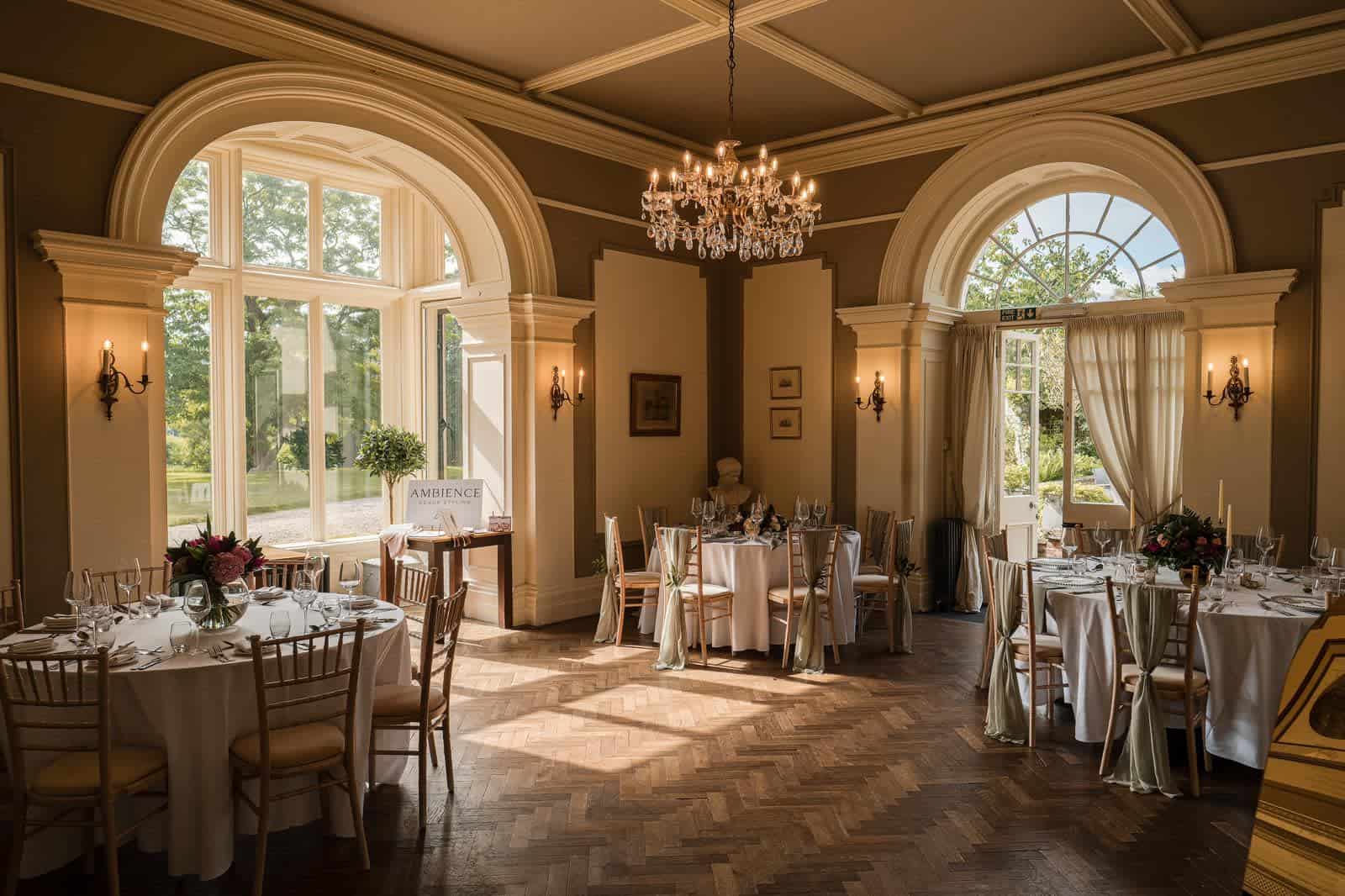
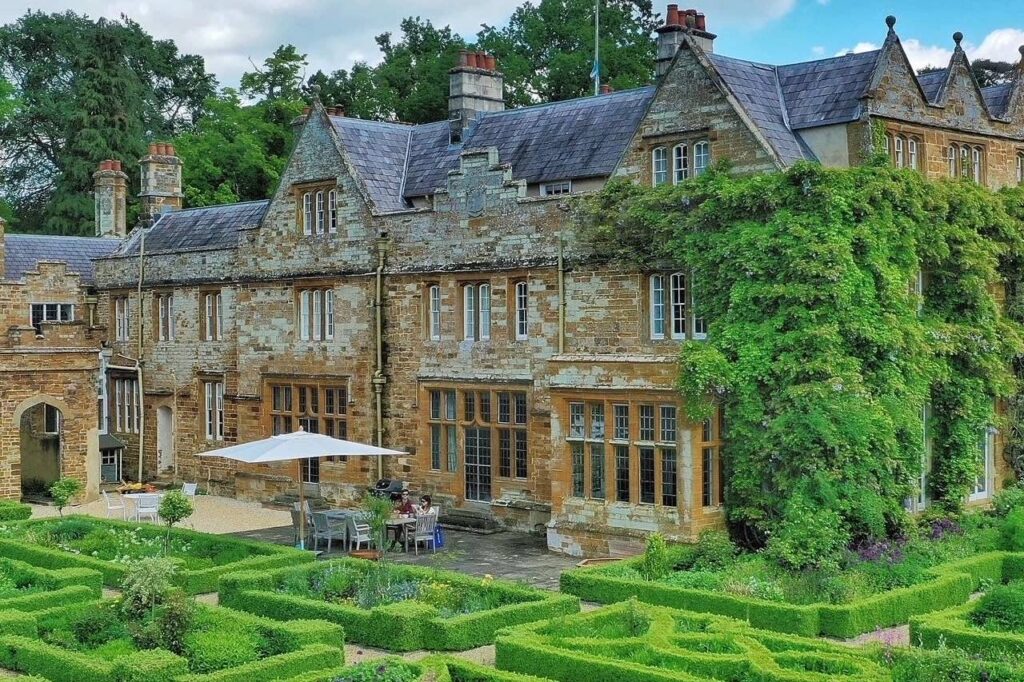
- Boutique estates and manor houses: Great for romantic atmospheres and privacy.
- Outdoor event gardens or landscaped courtyards: Professionally maintained and wedding-ready.
- Hotels with private garden hire: Offer amenities like restrooms, staff and catering.
- Booking platforms like Peerspace: Provide vetted garden venues specifically approved for events.
Pro tip: On Peerspace, you can filter your search by location, space type, amenities, style and much more.
3. Define your location and accessibility
Choosing the right garden wedding venue means balancing romance with practicality. A beautiful space is important, but it must also work for your guests, vendors and schedule. Urban garden venues, such as private courtyards, hotel gardens or landscaped terraces, tend to be easier for guests to reach and often offer excellent public transport links. Meanwhile, countryside or estate gardens offer scenic backdrops, privacy and open views, but may require more complex travel planning. When evaluating accessibility, consider:
- Distance to major transport routes: Ensure guests can arrive by train, Tube, car or taxi without navigating overly complex routes. Venues near rail stations or major roads make timing more predictable.
- On-site or nearby parking: Crucial for countryside weddings or guests travelling from afar. Check whether parking is free, limited or requires pre-booking.
Accommodation options for guests: If your venue is rural, verify whether there are hotels or B&Bs nearby. If it’s in a city, ensure there are budget, mid-range and premium options within a short travel distance. - Travel time for vendors delivering equipment: Florists, caterers, photographers and hire companies often need early access. A remote or hard-to-reach venue increases delivery fees and limits your supplier options.
4. Evaluate noise tolerance and wedding suitability
Not every garden is designed to handle the joyful noise and movement a ceremony brings. Even an intimate wedding involves guests chatting, music playing and coordinators moving through the space. Choosing a venue with the right noise tolerance ensures your event runs without interruptions or neighbour complaints. Before booking, assess:
- Distance from neighbours: Gardens surrounded closely by residential buildings may have strict quiet hours. More spacious or secluded gardens are better suited for vows, acoustic music or speeches.
- Whether the venue permits music: Some venues allow only low-volume acoustic sets or no amplified sound at all. Clarify whether you’re permitted background music, microphone use or a small sound system.
- Privacy levels for photos and vows: Ensure the garden offers relative seclusion so your ceremony feels intimate and undisturbed. Consider how visible you’ll be from windows, pathways or adjacent properties.
- Event designation vs residential use: Spaces designed for events operate under different rules, offering more flexibility with noise, hours and supplier use. Residential spaces, by contrast, are tightly regulated.
5. Match venue features to your wedding plans
A well-chosen, pretty garden venue must also support your ceremony and reception smoothly. Outdoor weddings have additional needs, from weather cover to lighting, and the right features will dramatically improve your experience. Key outdoor wedding-friendly features include:
- Weather cover or marquee options: Pergolas, gazebos, tents or permanent awnings help protect guests from sun, wind or rain.
- Defined ceremony area or aisle: Look for lawns or pathways suited for arches, seating rows or floral arrangements.
- Evening lighting for ambience: String lights, lanterns or garden uplighting enhance atmosphere and ensure guest safety after sunset.
- Outdoor power access for speakers/microphones: Essential for music, officiants and any tech you plan to use.
- Sound rules and permitted hours: Ensure the venue’s cutoffs align with your timeline, especially if you’re planning an evening ceremony.
- Restroom access for guests: Dedicated indoor bathrooms or outdoor restroom facilities help avoid long queues.
- Catering prep spaces: Even light catering benefits from prep areas, refrigeration access or clear vendor instructions.
- Easy access for vendors: Wide paths, gates and load-in areas are helpful for deliveries and décor setups.
- Heating or cooling options: Patio heaters, fans or shaded spots keep guests comfortable across seasons.
- Event insurance or damage policies: Supports both you and the host and makes décor setup far less stressful.

6. Check technical and layout requirements
Outdoor weddings require thoughtful logistics. Even a small ceremony needs reliable power, safe pathways and weather-ready spaces. Assessing these elements before booking helps avoid surprises of the day of your event.
- Safe, accessible power sources: Outdoor-rated outlets reduce risks and support sound equipment, lighting or catering appliances.
- Adequate lighting: Sunset ceremonies are beautiful, but ensure guests can safely navigate steps, paths or uneven ground after dusk.
- Clear guest pathways: Walkways, ramps and well-marked entrances help guests move easily,especially elderly or mobility-impaired guests.
- Weather backup areas: Covered porches, indoor rooms or marquees ensure your ceremony proceeds smoothly if the weather shifts.
Pro Tip: Ask the venue for a floor plan or map of the garden layout before booking. This helps you plan seating, aisle design and supplier access points
7. Budget for add-ons and support
Garden weddings often come with additional costs that indoor venues may already include. Budgeting early helps prevent unexpected expenses. Common add-ons include:
- Marquees or gazebos: Weather protection for ceremony spaces or dining areas.
- Seating and décor hire: Chairs, arches, tables, lighting and aisle décor.
- Outdoor heaters: Essential for cooler evenings or shoulder-season weddings.
- Lighting packages: Uplights, fairy lights or path lighting.
- Staff support or security: To guide guests, manage suppliers or oversee setup.
- Cleaning fees: Outdoor celebrations often require extra cleanup for lawns and pathways.
Understanding these costs upfront empowers you to choose a venue that aligns with your vision and budget.
8. Confirm all rules in writing
Clear policies protect you from misunderstandings on your wedding day. Written rules ensure everyone, venue, vendors and guests, operate on the same page. Document:
- Guest limits: Ensure your final headcount fits the venue’s capacity.
- Ceremony and music hours: Prevent last-minute cutoffs or early shutdowns.
- Décor rules: Especially regarding candles, installations, and lawn protection.
- Weather policies: Know your refund, reschedule or indoor backup options.
- Supplier access: Confirm allowed times for setup, deliveries and load-out.
Using a platform like Peerspace keeps communication centralised and provides documented protection for both hosts and guests.
9. Book early and stay flexible
Garden venues are especially popular during spring, summer and early autumn. They often book up months in advance, and sometimes a year or more for peak dates. Booking early ensures the best selection and avoids compromising on style or location. Useful planning tools:
- Google Maps: To explore surrounding areas, roads and parking.
- Peerspace: For real-time availability and event-friendly garden venues.
- Pinterest/Instagram: For décor, layout and floral inspiration.
- WhatsApp groups: To keep suppliers and guests coordinated and informed.
How much does it cost to hire a garden wedding venue?
Garden-friendly wedding venues on Peerspace typically cost £50 — £250 per hour, depending on size, location, amenities and outdoor features.
Search garden venuesWhy Peerspace is a better alternative to Airbnb for garden weddings
Weddings, especially outdoor ones, require clarity, permissions and event-ready amenities. Airbnb isn’t designed for this, but Peerspace is built for events. Here’s why it consistently outperforms Airbnb for garden weddings:
1. Wedding-ready licensing and permissions
Airbnb properties fall under residential rules that prohibit events. Even if a host verbally agrees, neighbour complaints or platform checks can shut your wedding down. Peerspace listings are event-ready gardens where ceremonies are expected, not exceptions.
2. Transparent capacity and layout details
Airbnb gives only “sleeps X,” which doesn’t help plan a ceremony. Peerspace spaces include far more detail, including:
- Ceremony and standing capacity
- Dimensions
- Usable zones
- Setup diagrams
These details make planning aisles, seating and vendor logistics far easier.
3. Hourly bookings and event add-ons
Airbnb requires overnight stays. Peerspace lets you book only the hours you need, plus setup and cleanup time, saving money and simplifying planning.
4. Event insurance and protection
Events carry different risks than overnight stays, which is why standard Airbnb coverage isn’t built for them. Airbnb’s AirCover for hosts doesn’t insure damage or liability arising from “party-style” or rooftop gatherings.
Peerspace’s host insurance includes basic event insurance automatically and offers upgrades for more complex or higher-risk gatherings. Hosts and, by extension, guests benefit from clearer protection, making everyone more comfortable with music, equipment and larger guest numbers. And, to be more at ease, consider getting your own guest insurance.
Pro Tip: Before confirming any venue, verify what insurance coverage exists and what damage scenarios are included.
5. Professional hosts and wedding-ready features
Most Airbnb hosts don’t expect events, so they typically don’t provide outdoor seating, décor, lighting or equipment that makes a garden wedding an occasion. Guests often have to carry in furniture or improvise lighting.
Peerspace hosts, however, specialise in event-ready spaces. This dramatically reduces your prep time and leads to a more professional, comfortable environment for guests.
6. Flexible cancellation and modification
Airbnb cancellations are heavily controlled by hosts, and changes, like modifying times or extending a stay, are often restricted.
Peerspace, however, uses transparent, platform-standard cancellation policies: Very Flexible, Flexible, Standard 30-day, and Standard 90-day, with clear refund cutoffs (for example, full refund up to 7 days before your party under a Flexible policy). You can also modify your event details directly through the platform, such as adjusting hours, adding amenities or extending your booking, without complex reapproval.
Peerspace makes planning your garden wedding seamless
Peerspace is purpose-built for events, offering transparency around rules, insurance, outdoor suitability and amenities, everything Airbnb’s residential listings lack. If you’re looking for a garden wedding venue, Peerspace gives you a more reliable, protected and stress-free experience.
Ready to book your ideal garden wedding venue? Explore curated Peerspace listings and also browse our small wedding-planning guides for more tips.
Get together somewhere better
Book thousands of unique spaces directly from local hosts.
Explore SpacesShare your space and start earning
Join thousands of hosts renting their space for meetings, events, and photo shoots.
List Your Space