How and Where To Find an Airbnb Art Studio
-
-

Lead Editor & Publisher
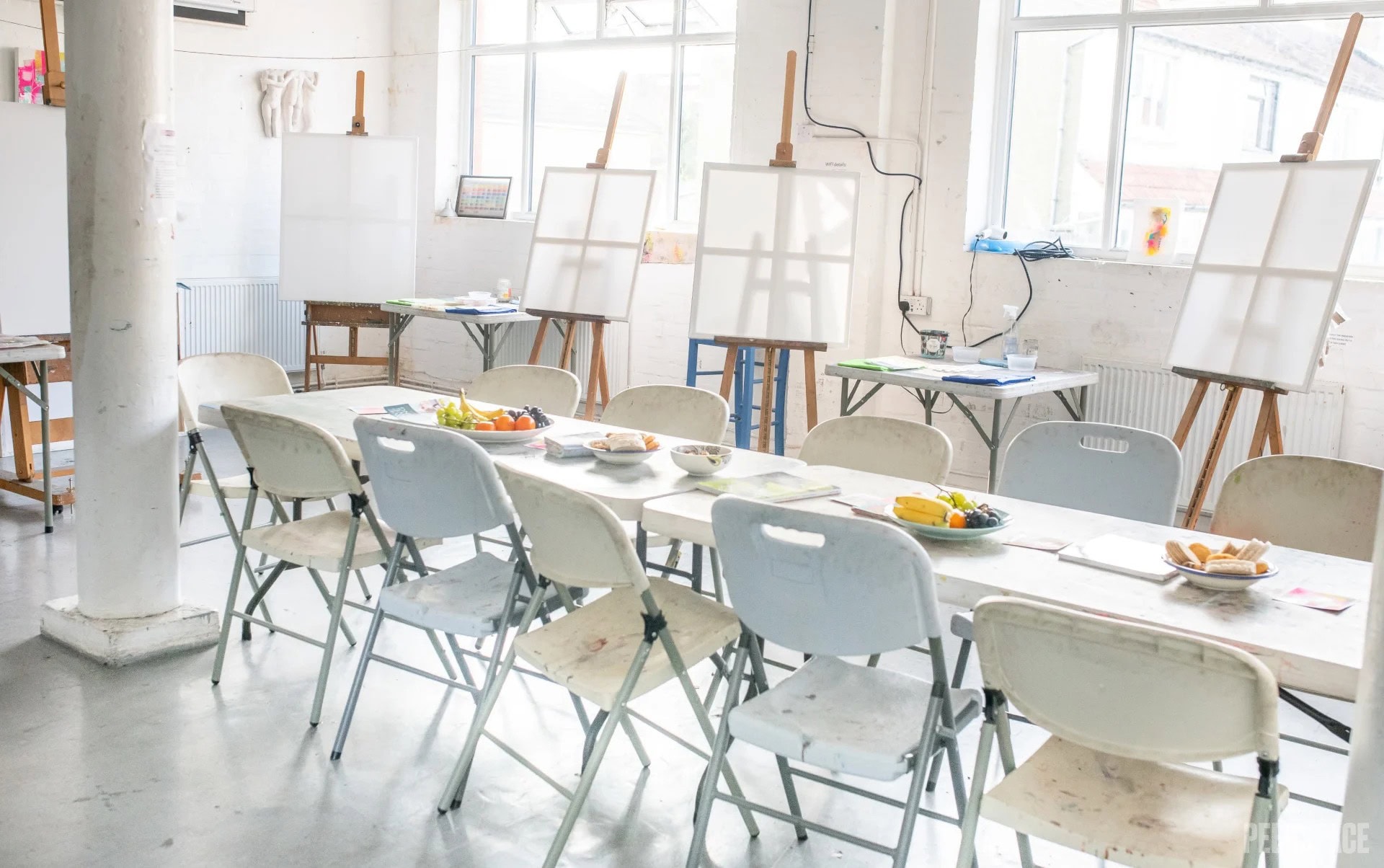
Source: Peerspace
So you’re planning a creative day with friends or organising a small photoshoot, and while scrolling through Airbnb you spot a listing with a beautiful, light-filled “studio-style space.” You hit book, imagining mood boards, styled shoots or a relaxed art session with your group. Not so fast. That fantasy often hits the reality of strict rules, residential regulations and host restrictions.
When it comes to finding an Airbnb art studio suitable for hosting a creative session, photoshoot, or small gathering, the truth is that Airbnb listings are rarely designed or permitted for event-style use. Guests trying to use a residential home as a studio often run into rule violations, visitor limits and potential penalties. Use this guide to learn how and where to find a real creative studio space that welcomes artistic use, without hidden restrictions or last-minute cancellations.
Table of contents:
- What makes Airbnb unsuitable for art studio sessions
- Finding an alternative to Airbnb for creative spaces
- Why Peerspace works better
- How to plan your studio session seamlessly
Pro tip: If you’re trying to hire an art studio-style venue, consider switching from Airbnb to a purpose-built platform like Peerspace. We list spaces designed for creative work with clearer rules, fewer restrictions and hosts who expect shoots, workshops and artistic use.
Can you use an Airbnb as an art studio?
No. Airbnb’s ongoing party and event ban applies to art studio use too, and violating these rules can result in penalties.
Book an art studioWhere Airbnb falls short for hosting an art studio session
Airbnb is designed primarily for overnight stays, not for creative work, photoshoots, workshops, or anything involving equipment, collaborators, or that is potentially considered a commercial activity. Because of this, both Airbnb’s internal safety policies and local residential building rules create significant risk for artists who try to repurpose a residential let as an art studio, even for a short session. Below is a deeper look at the major limitations that make Airbnb a poor fit for creative use.
1. The global event ban (2020–Ongoing)
Airbnb’s global event ban is broader and more sensitive than many guests realise. Although marketed as a “party ban,” the policy extends to nearly any activity that resembles an organised gathering, such as a production or professional setup, even if it’s quiet and controlled. Some Airbnbs use automated tools to detect unusual guest behaviour, equipment and elevated foot traffic, meaning that much of what’s normal in an art session (like bringing lighting, props, or having a small creative team) can be flagged as an unauthorised event. As a result, many creative plans that feel low-impact from a guest’s perspective can still violate Airbnb rules, making these sessions vulnerable to mid-stay cancellation.
2. Occupancy and visitor restrictions
Because Airbnb lets are private homes, not commercial studios, they come with strict caps on both overnight guests and daytime visitors. These limits are often enforced through smart locks, doorbell cameras and host check-ins, designed to prevent gatherings, not support creative collaboration. But art sessions almost always require multiple people, even for small projects: models, photographers, stylists, assistants, clients or friends helping carry equipment. This natural footfall quickly conflicts with Airbnb’s residential expectations, creating a high likelihood that a host intervenes or cancels once they notice additional visitors.
3. Noise, neighbours and “community disturbance” rules
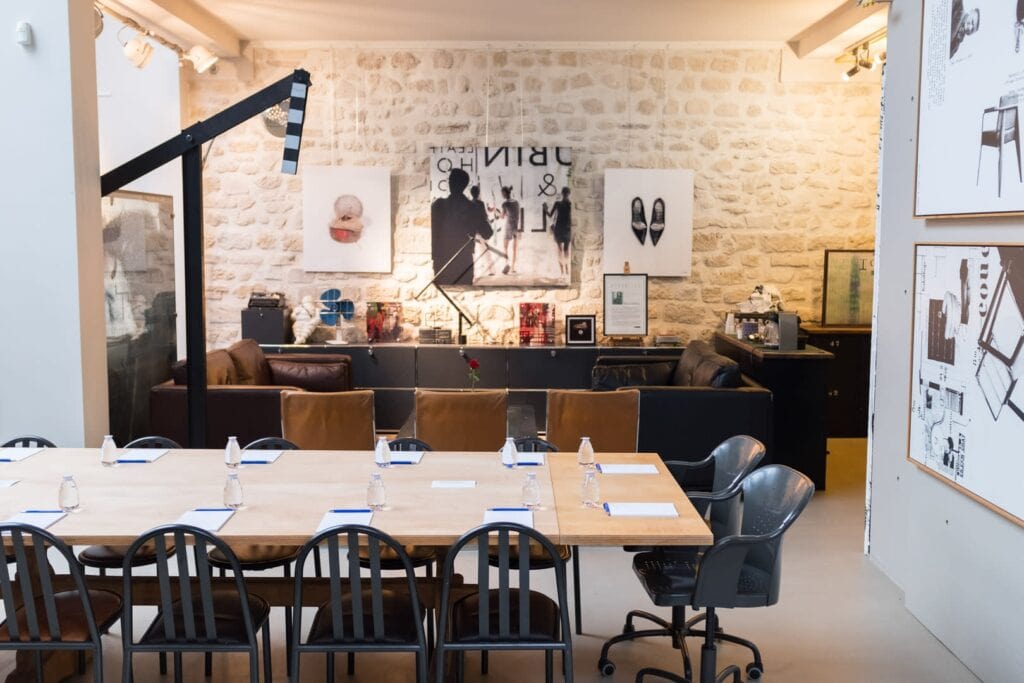
Even quiet creative sessions can raise red flags in residential buildings, where neighbours and hosts are particularly sensitive to unusual activity. Unlike commercial studio buildings, most Airbnbs sit in densely populated flats with thin walls, shared corridors and strict building management. The sounds associated with creative work, like loading equipment, adjusting lighting stands, shuffling furniture, directing models or having multiple people enter throughout the day, can easily trigger noise or disturbance reports. And, warnings, host intervention or penalties if neighbours complain, are likely to follow.
4. No studio-specific amenities
Airbnb homes are designed for comfort and aesthetic appeal, not for the technical and logistical needs of creative production. While a property may look perfect in photos, residential interiors rarely offer the controlled lighting, open layouts, power access, equipment tolerance or flexible furnishings required for efficient art sessions. Even small-scale shoots or workshops often need features — like blank walls, professional lighting, movable furniture or sturdy work surfaces — that most hosts simply don’t provide. This mismatch between the space’s residential purpose and the practical demands of creative work can make the experience inconvenient, restrictive, or outright impractical.

How to find a venue like an Airbnb art studio
While Airbnb may offer beautifully decorated homes, it isn’t built for sessions involving equipment, collaborators, or commercial activity. Instead of relying on residential hosts and hoping the space “works,” it’s smarter to approach your search strategically and target venues that openly welcome shoots, workshops and artistic projects. The guide below breaks down how to identify spaces with the right atmosphere, accessibility, amenities and permissions to support your creative session without interruption or risk.
1. Start with your creative goals
Before you start browsing spaces, you need clarity on the type of session you’re planning. Creative work is highly varied, from solo painting sessions and intimate portrait shoots to multi-person workshops or product photography with complex setups. Different types of art activities require different room sizes, light conditions, equipment clearance and furniture layouts. Having a precise understanding of your vision helps you filter out unsuitable spaces early and ensures that the venue you choose enhances your workflow rather than restricting it.
2. Explore all your venue options
Today’s cities offer more studio-ready options than ever, and limiting yourself to residential spaces like Airbnb can cause you to miss out on far more suitable and affordable alternatives. Professional studios, coworking hubs, creative warehouses and dedicated photography spaces are often purpose-built for the kind of work you want to do, and many are available by the hour with equipment included. Taking the time to explore the full range of creative venues ensures you don’t end up improvising in a space that doesn’t lend itself to shoots or workshops.
3. Define your location and transport zone
Location matters in creative planning, not just for convenience but also for logistics. Your team, clients, models or collaborators need a space they can reach easily, especially when carrying equipment or materials. Choosing the right area also affects noise tolerance, parking availability and load-in times. Thinking about accessibility early prevents delays, improves workflow and makes the session smoother for everyone involved.
4. Evaluate noise tolerance and studio suitability
Not all buildings support the natural activity that comes with creative sessions. Movement, conversation, equipment setup and model direction can all produce more noise than expected. In residential settings, this can lead to neighbour complaints or host intervention. Evaluating whether the venue is truly suited for creative use, rather than simply photogenic, is essential to avoid mid-session disruptions.
5. Match venue features to your creative session
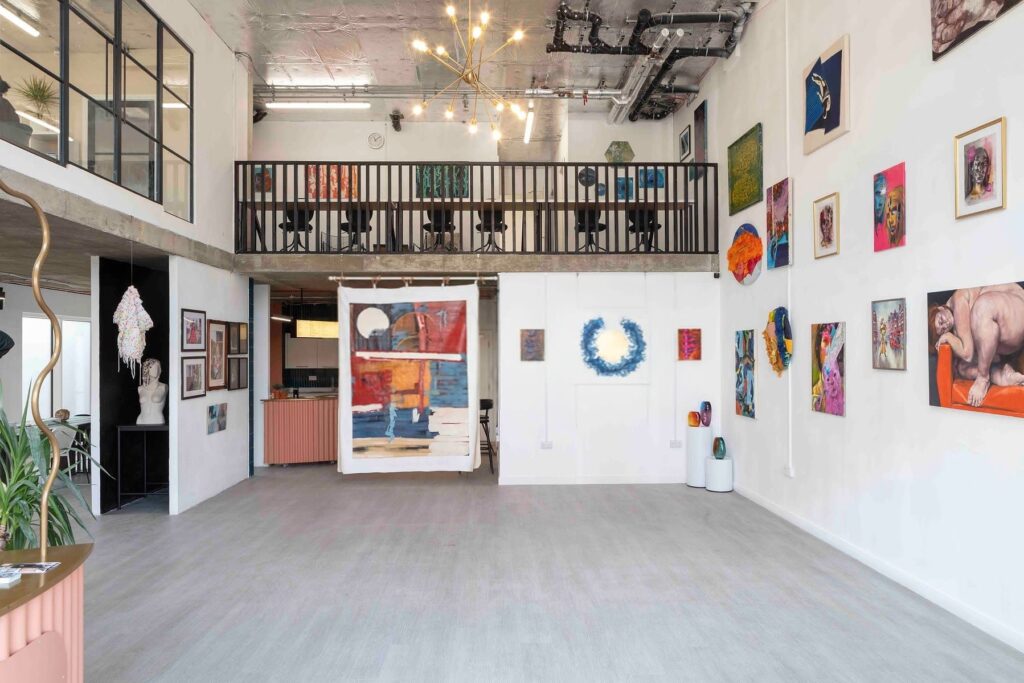
Different creative projects require specific features to run smoothly. Natural light, blank walls, high ceilings, equipment space, staging areas, heating and power outlets are small details that can make or break the session. A space that looks great in photos may not support lighting rigs, movement flow or material use. Identifying must-have features early helps ensure the venue feels functional, comfortable and creatively inspiring.
6. Watch out for common studio limitations
Even purpose-built studios come with rules to protect the space, maintain safety and ensure smooth operations. If you’re planning to use paint, props, adhesives or heavier equipment, you may encounter restrictions. Understanding these limitations beforehand helps you avoid surprise fees, restrictions or last-minute plan changes that disrupt your workflow.
7. Check technical and layout requirements
Creative sessions rely heavily on the technical configuration of the room. Power supply, ceiling height, natural light direction, floor type, load-in routes and available equipment all influence how efficiently you can work. Before committing to a space, it’s crucial to confirm the setup supports your session’s needs, especially if you’re bringing professional lighting, backdrops or multiple crew members.
8. Budget for add-ons and support
Creative studios often offer optional services or equipment that can significantly improve your session, but also affect your overall budget. From lighting kits and props to cleaning fees and on-site support, these extras can change the cost of your booking. Planning for add-ons early helps keep your budget predictable and ensures you have everything you need on the day.
9. Confirm all rules in writing
Because creative work involves equipment, materials and additional people, clarity is key. Every venue, especially those used for photoshoots or workshops, has rules around access, noise, materials, allowable equipment and cancellation. Keeping everything in writing protects you, protects the host, and ensures the session goes ahead without miscommunication or surprises.
10. Book early and stay flexible
High-quality creative studios book quickly, especially those with sought-after features like large windows or cycloramas. If your session is time-sensitive or you have a specific aesthetic in mind, early booking gives you far more choice. Staying flexible with time slots or backup dates also helps you secure the perfect space without stress.
How much does it cost to hire an art studio?
Art studio spaces on Peerspace typically cost £50 — £220 per hour, depending on location, amenities and size.
Search art studio venuesWhy Peerspace is a better alternative to Airbnb for art studio sessions
Your choice of booking platform significantly impacts how smooth, stress-free and productive your creative session will be. Airbnb is designed for temporary accommodation and residential lettings. Peerspace, however, is designed specifically for events, productions and creative work, positively influencing permissions, amenities, insurance, capacity limits, and how much control you have over the environment. Here’s what shows up in practice:
1. Studio-ready licensing and permissions
Peerspace eliminates that uncertainty. Every Peerspace venue is listed specifically for event use, and many have:
- commercial zoning
- studio or event licensing
- landlord-approved creative use
- insurance and safety compliance
Instead of hoping a residential host won’t object, you’re booking a space where creative sessions are expected, supported and fully permitted.
2. Transparent capacity and space details
Peerspace removes the guesswork by giving you more detail, including some production-specific notes like:
- standing and seated capacity
- exact square footage and dimensions
- load-in/out instructions
- floor plans or layout diagrams
These details help you plan lighting, staging, movement flow and attendee numbers with confidence.
3. Hourly booking and event add-ons
Airbnb requires full-night stays even if you only want a space for two or three hours. That means you pay for far more time than you use. Peerspace is built for flexible scheduling. You can book:
- by the hour, not the night
- with setup and breakdown time added
- with optional upgrades such as lighting kits, props, grip gear, stands, assistants, or even on-site studio managers
This makes Peerspace dramatically more cost-effective for short sessions and far more practical for teams with tight production schedules.
4. Event insurance and protection
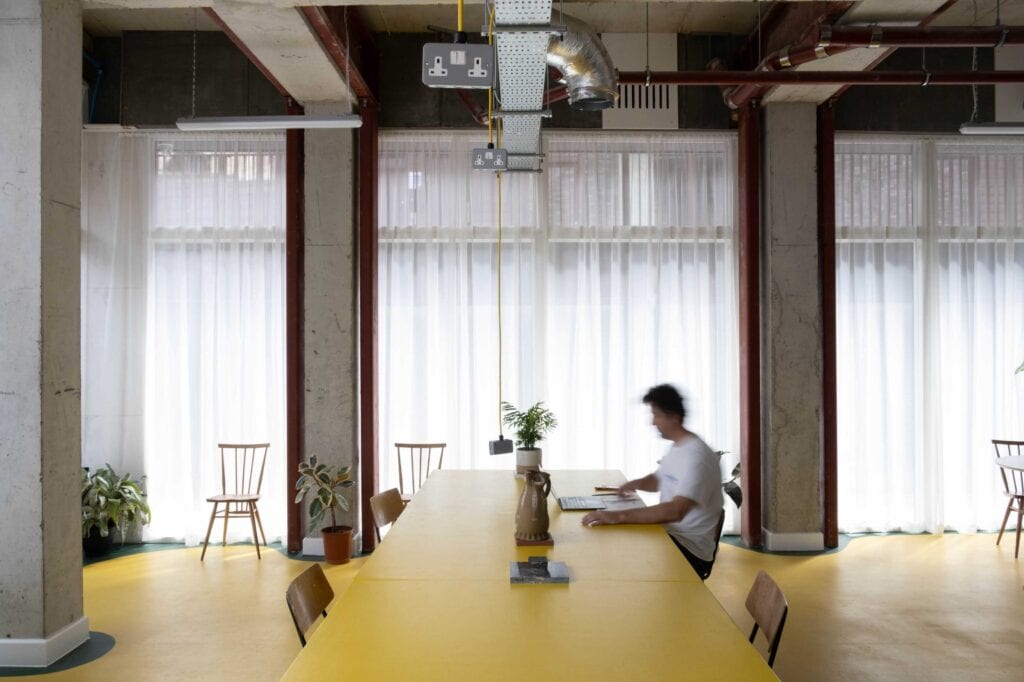
Events carry different risks than overnight stays, which is why standard Airbnb coverage isn’t built for them. Airbnb’s AirCover for hosts doesn’t insure damage or liability arising from events like studio activities.
Peerspace’s host insurance includes basic event insurance automatically and offers upgrades for more complex or higher-risk gatherings. Hosts and, by extension, guests benefit from clearer protection, making everyone more comfortable with noise, equipment and larger guest numbers. And, to be more at ease, consider getting your own guest insurance.
Pro Tip: Before confirming any venue, verify what insurance coverage exists and what damage scenarios are included.
5. Professional hosts and studio-ready amenities
Peerspace studio hosts specialise in production and creative work, so instead of adapting a home for creative use, you get a space designed to support it. Many Peerspace studios come equipped with:
- softbox lighting
- backdrop rolls
- professional grip gear
- props
- C-stands and tripods
- cycloramas
- large open floor plans
- blackout options
- sound-treated walls
6. Flexible cancellation and modification
Airbnb cancellations are heavily controlled by hosts, and changes, like modifying times or extending a stay, are often restricted.
Peerspace, however, uses transparent, platform-standard cancellation policies: Very Flexible, Flexible, Standard 30-day, and Standard 90-day, with clear refund cutoffs (for example, full refund up to 7 days before your party under a Flexible policy). You can also modify your event details directly through the platform, such as adjusting hours, adding amenities or extending your booking, without complex reapproval.
Peerspace makes planning your art studio session seamless
Because Peerspace is designed specifically for event use, everything you need, such as licensing, amenities, insurance, capacity and flexibility is already built into the platform. There’s less risk of breaching rules, and you won’t have to navigate unclear permissions. You get a safe, reliable, fully supported environment for your shoot or workshop, backed by hosts who understand the needs of artists and production teams.
Ready to book an art studio venue? Explore curated Peerspace listings and easily find a space for your event.
Get together somewhere better
Book thousands of unique spaces directly from local hosts.
Explore SpacesShare your space and start earning
Join thousands of hosts renting their space for meetings, events, and photo shoots.
List Your Space