How Much Does It Cost to Hire a Recording Studio?
-

Contributing Writer
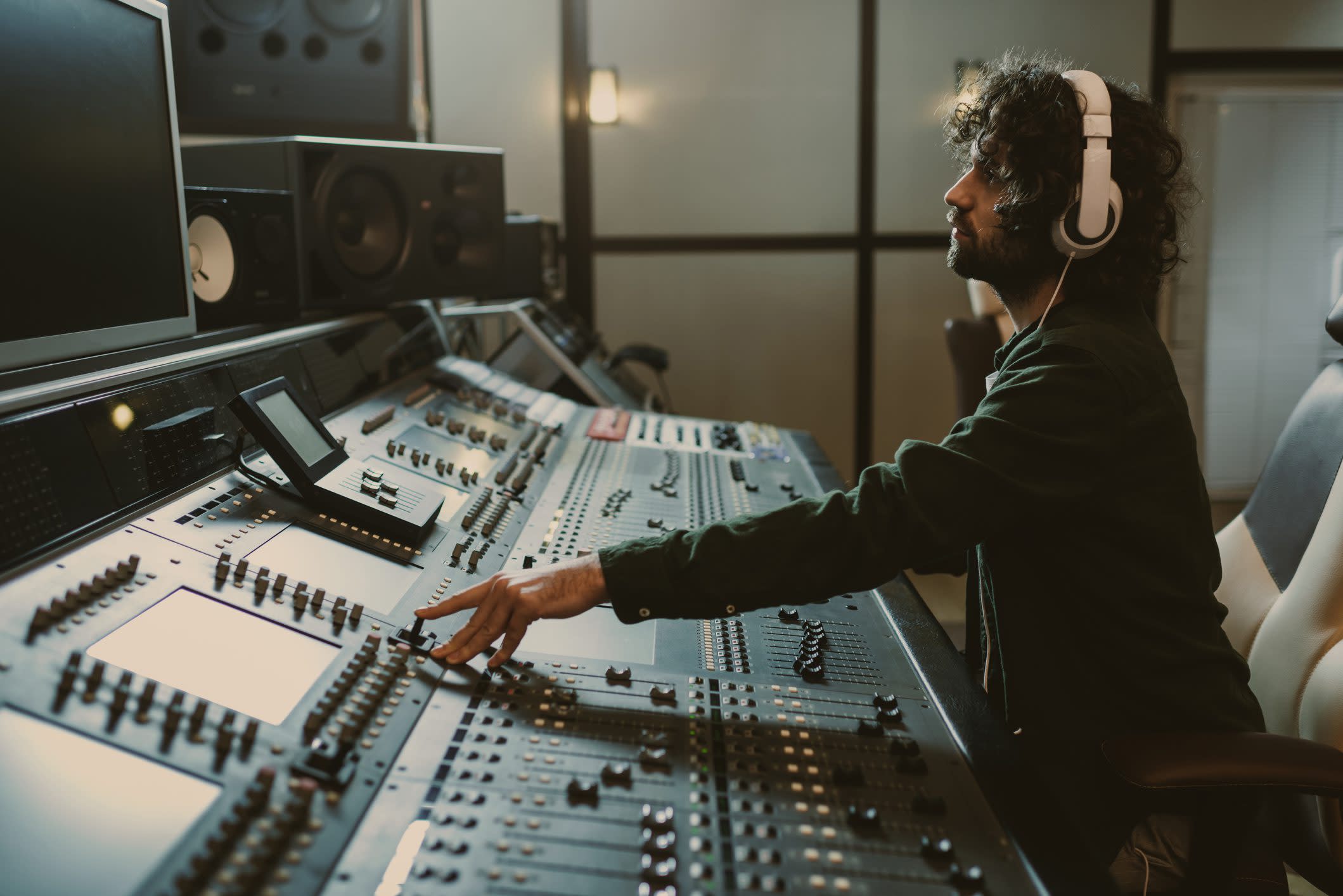
Source: Peerspace
The difference between a track recorded in a bedroom and one recorded in a proper studio is something you hear immediately: the vocal sits right, the room doesn’t fight the microphone, and the low end has weight without mud. That quality gap is exactly why people start asking how much it costs to hire a recording studio.
The short version: it depends enormously. A self-service dry hire room in East London can cost as little as £10–15 per hour. A full-day session with an engineer in a high-end facility can run past £1,000. The range is wide because the product is different at each price point. That’s why understanding what you’re paying for at each tier is the key to not overspending or underbuying.
This guide breaks down what recording studio cost looks like across different types of session, what drives those prices up or down, and how to find the right studio for your project without the guesswork.
What do people hire recording studios for?
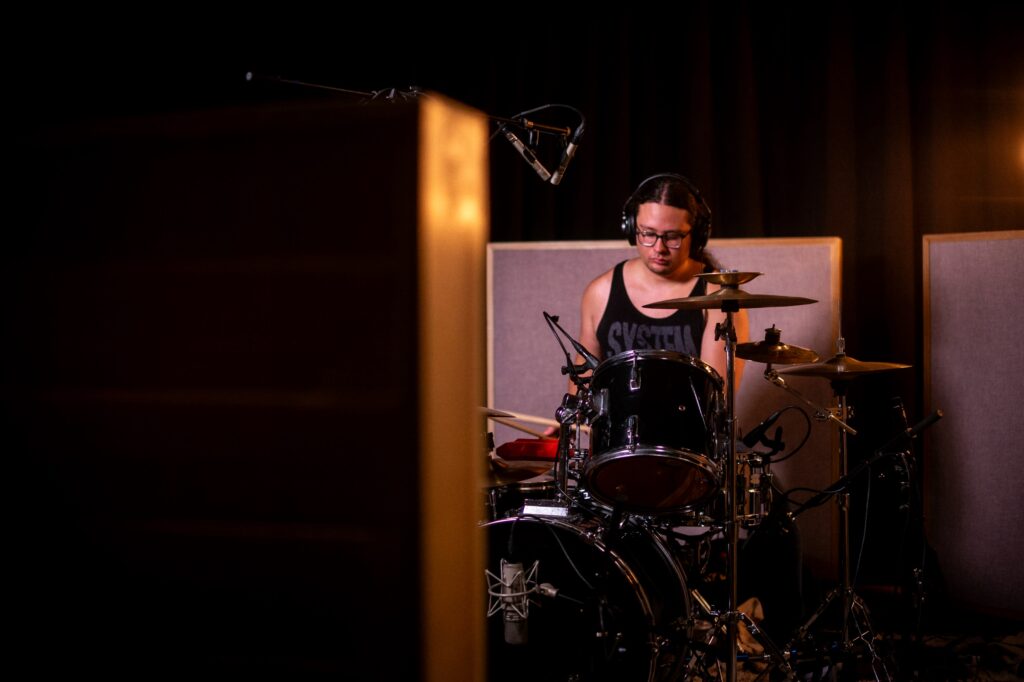
People hire recording studios for anything that needs clean, professional audio and increasingly, video too. The use cases have expanded well beyond bands tracking albums. The most common reasons people book studio time:
- Music recording: Singles, EPs, albums, demos. The classic use case, from solo vocalists laying down tracks over beats to full bands recording live. The spec you need depends on the project: a rapper recording vocals over a pre-made beat needs a vocal booth and a decent mic chain, while a five-piece band needs a live room, multiple channels, and someone who knows how to mic a drum kit.
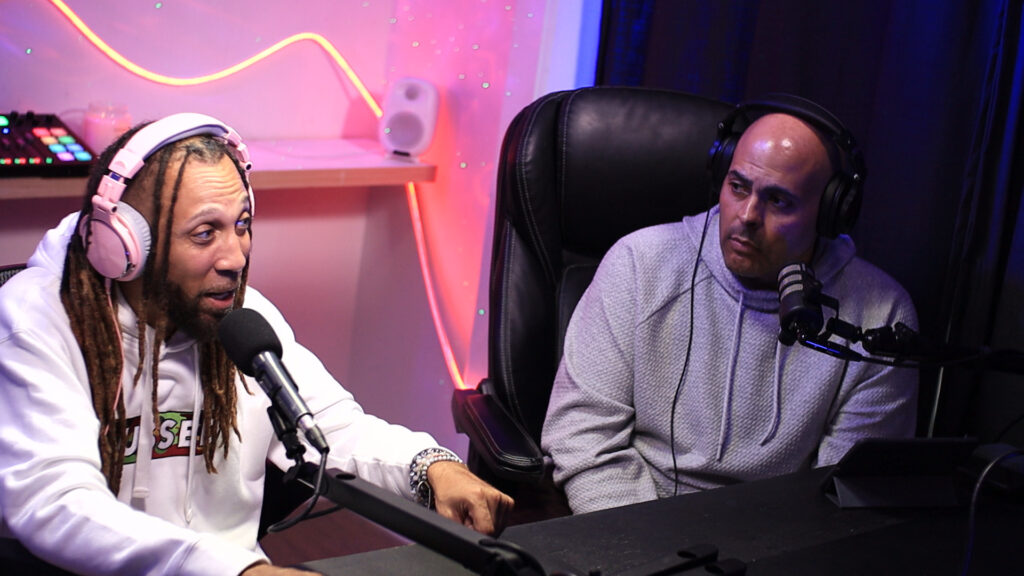
- Podcast recording: The fastest-growing studio use case. Multi-mic setups, soundproofed rooms, and increasingly video-capable studios for YouTube and social clips. Many podcast studios in London now include multi-camera setups as standard.
- Voice-over and audiobook work: Commercial voice-overs, narration, ADR for film. These sessions need a dead-quiet room with minimal reflections—acoustics matter more than gear here.
- Mixing and mastering: Taking rough recordings (often done at home) and polishing them in a properly treated room with calibrated monitors. Many artists record at home but mix in a studio because accurate monitoring is almost impossible to achieve in a bedroom.
- Video content and music videos: Video studios with recording capability, or recording studios with camera setups. Performance clips, lyric videos, and behind-the-scenes content filmed during the session.
- Songwriting and production sessions: Writers and producers booking studio time to develop ideas with proper monitoring, instruments, and space to think. Sometimes the most productive sessions aren’t recording sessions at all.
Across all of these, the real variable isn’t whether a studio would improve the result—it almost certainly would. It’s whether you need an engineer behind the desk, just the room and equipment, or a full production package. That distinction drives the price more than anything else.

How much does it cost to hire a recording studio?
Recording studio hire in the UK typically costs between £15 and £200+ per hour, depending on the studio tier, whether an engineer is included, and where it’s located. That range covers very different experiences, and the headline rate doesn’t always tell you what you’re getting.
What is a basic studio fee?
A basic studio fee, sometimes called dry hire, typically covers the room and the installed equipment, but not an engineer. You get access to an acoustically treated space, monitors, a microphone or two, and an audio interface. You’re expected to run the session yourself or bring your own engineer.
Here’s what each tier typically looks like:
- Budget / self-service (£10–30 per hour): Small, self-service rooms with basic equipment. Pirate Studios, for example, starts from £10.50/hour in London for a production room. These work well for beat-making, rough vocals, and producers who know their way around a DAW. Don’t expect an engineer, a live room, or premium microphones.
- Mid-range / independent (£30–75 per hour): Better-equipped studios with treated acoustics, quality condensers (often a Rode NT1 or Neumann TLM 102), and comfortable working environments. Many include an engineer at the higher end of this range. This is where most singer-songwriters, rappers, and podcasters end up. And it’s where the value-for-money sweet spot sits for most projects.
- Professional / high-end (£75–200+ per hour): Fully spec’d studios with premium mic lockers, analog outboard gear, large-format consoles (SSL, Neve), properly designed live rooms, and experienced engineers included. This tier is for commercial releases, full band tracking, and sessions where the room itself is part of the sound.
Once you add an engineer (someone to handle mic placement, levels, routing, and the technical side of the session) rates typically move into the £45–100+ per hour range. For most artists who aren’t confident running a session themselves, this is money well spent. A good engineer gets you a usable vocal in 45 minutes instead of four hours of struggling with gain staging and headphone mixes.
How much does it cost to rent a studio for a full day?
Full-day studio hire typically ranges from £200 to £500 for a standard 8–12 hour session, with high-end facilities charging £800–1,600+ when an engineer is included. Dry hire day rates can sit lower at around £100–250, though you’re managing the session entirely yourself.
That said, most projects don’t require a full day. Vocal sessions, podcast recordings, and mixing work usually fit comfortably into two to four hours, which is why many artists now book by the hour instead. On Peerspace, this is the standard approach for venue hires—you only pay for the time you use, with no day-rate minimum.
What affects recording studio pricing?
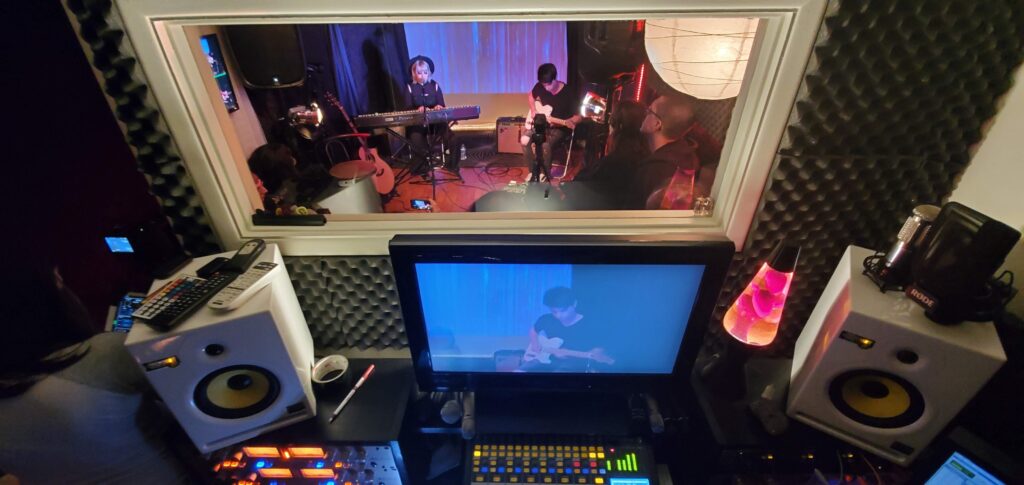
The recording studio cost you end up paying is shaped by several practical factors beyond the headline hourly rate. Understanding them helps you find the right balance between quality and budget.
1. Dry hire vs. full-service sessions
This is the single biggest cost variable. Dry hire means you get the room and the gear; full-service means an engineer (and sometimes a producer) is included. The price difference can be 2–3x. Dry hire works if you or someone in your team knows their way around a DAW, an audio interface, and mic technique. For everyone else, paying for an engineer is paying for someone who’ll get your session right the first time.
2. Location
London studios charge a premium. Hourly rates in central London typically sit between £45 and £100+, while comparable studios in cities like Bristol, Manchester, Birmingham, or Leeds often come in 20–40% lower for equivalent quality. That said, London also has the widest range, including very affordable self-service options at the budget end.
3. Equipment and acoustics
A room with a Neumann U87, an SSL console, and properly tuned acoustics costs more than a room with a budget condenser mic and foam tiles on the walls. Both can produce usable recordings, but the ceiling of quality is different. For vocals, the microphone and preamp chain matters most. For bands recording live, the room acoustics and available channels matter more.
4. Session type and complexity
A solo vocalist recording over a pre-made beat is a simpler session than a four-piece band tracking live with separate isolation for drums. More channels, more mics, more setup time, more engineering skill required—all of which push the hourly rate up or extend the session length.
5. Post-production
Recording is only the first step. Mixing (balancing and processing the recorded tracks) and mastering (preparing the final mix for release) are almost always charged separately. Mixing can range from £50 to £300+ per track depending on complexity and the engineer’s experience. Some studios bundle recording, mixing, and mastering into packages—worth asking about if you’re planning a multi-track project.
How long does it take to record a song in a studio?
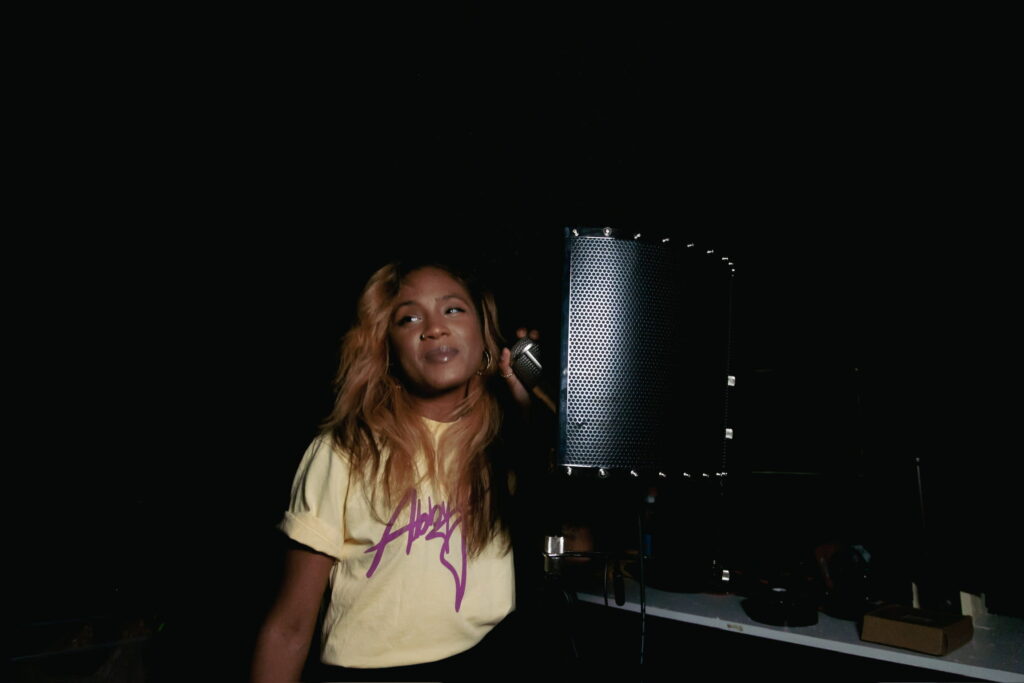
A single song typically takes between two and five hours to record in a professional studio, though this varies enormously depending on the project. Understanding this helps with budgeting, since studio time is usually charged by the hour.
A solo vocalist recording one track over a pre-produced beat can often get a polished take in one to two hours if they’re well rehearsed. A full band recording live, including drums, bass, guitars, vocals, might need a full day just for tracking, with mixing and overdubs on subsequent sessions. Podcasters typically book two to four hours for a single episode, including setup and soundcheck.
The biggest time drain in most sessions isn’t the recording itself: it’s setup, soundcheck, and indecision. Coming in rehearsed, with your files organised and your parts prepared, can easily save you an hour of billable studio time. Studios notice the difference immediately.
MusicRadar’s guide to your first studio session covers the practical side of preparation in more detail—worth reading before your first booking.
What to expect from a recording studio session
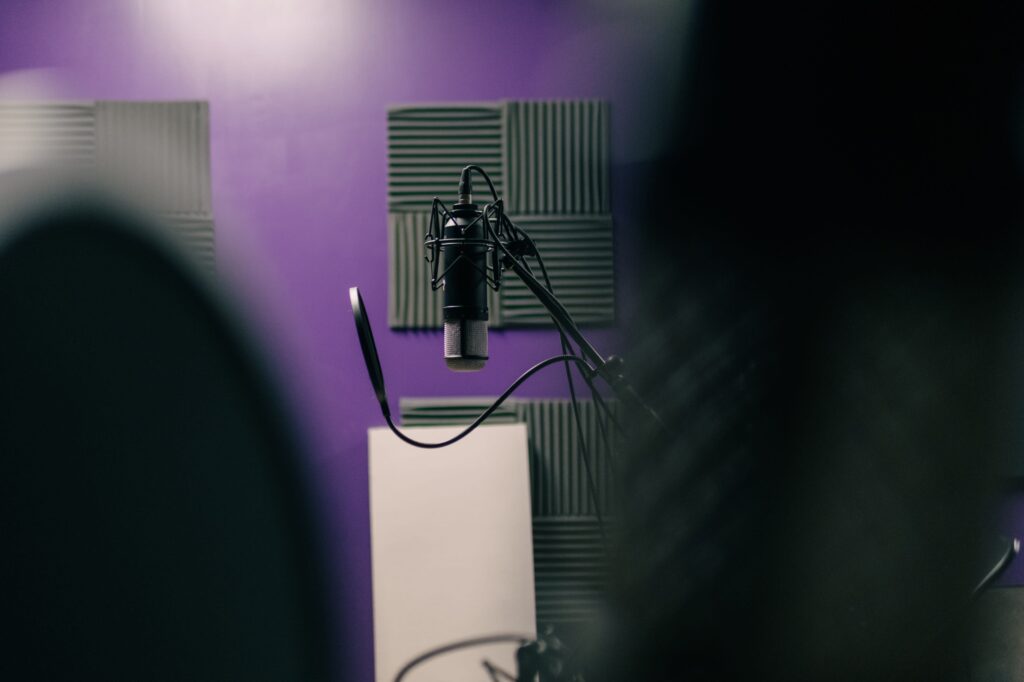
If you’ve never been in a professional studio before, knowing what the process looks like helps you prepare and avoid wasting billable time. The experience varies depending on the studio and the session type, but most follow a similar arc:
Setup and soundcheck (15–45 minutes): The engineer (if you have one) will set up microphones, route channels, dial in headphone mixes, and run a quick soundcheck. If you’re on dry hire, this is your responsibility. For vocalists, this is when you test the mic, find the right distance, and adjust your monitoring until it feels comfortable. For bands, setup can take an hour or more (drum mics alone are a 20–30 minute job).
Tracking (the main session): This is the recording itself. You’ll typically do multiple takes, with the engineer or producer guiding you on which parts need another pass. Good studios create an environment where you can focus on performance rather than technical details—that’s what you’re paying for beyond just the room.
Comping and rough mix (15–30 minutes): At the end, the engineer will often comp the best takes together (combining the strongest parts of each take into one) and run a rough mix so you leave with something listenable. Full mixing and mastering happen separately, usually in a later session or as a separate booking.
Berklee College of Music’s vocal recording guide has useful advice on preparing for vocal sessions specifically, from vocal warmups to managing studio nerves.
Is it worth hiring a recording studio?
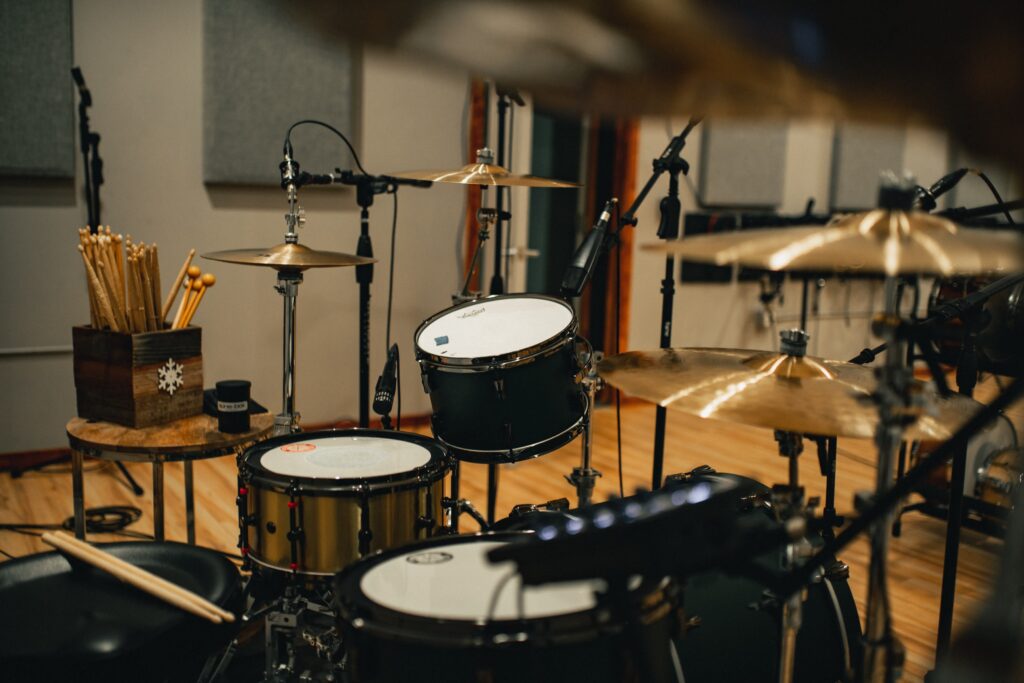
For most projects that will be heard by anyone beyond yourself, a professional studio is worth the investment. The acoustics, the monitoring, the microphones, and (if you’re paying for one) the engineer all contribute to a result that’s difficult to replicate at home, even with decent gear.
That said, the calculus has shifted. Home recording has never been more accessible. A laptop, a £100–300 audio interface, a reasonable condenser mic, and free or affordable DAW software can get you surprisingly far for demos, songwriting, and rough production work. Some artists record almost everything at home and only use a studio for vocals, mixing, or specific instruments that need a proper room (like drums or acoustic piano).
The honest breakdown:
- Studio is usually worth it for: Final vocals for release, live band tracking, anything where room acoustics matter, mixing on calibrated monitors, podcast episodes where audio quality is part of the brand, and any session where you need an engineer’s ear.
- Home recording works well for: Demos and rough ideas, beat-making and electronic production, scratch vocals, songwriting sessions, and projects where speed and convenience matter more than sonic perfection.
- The hybrid approach (increasingly common): Write and produce at home, then book studio time for the parts that need professional acoustics and engineering. This is how most independent artists work now, and it’s usually the most cost-effective route to a polished release.
Traditional studio hire vs. booking through a platform
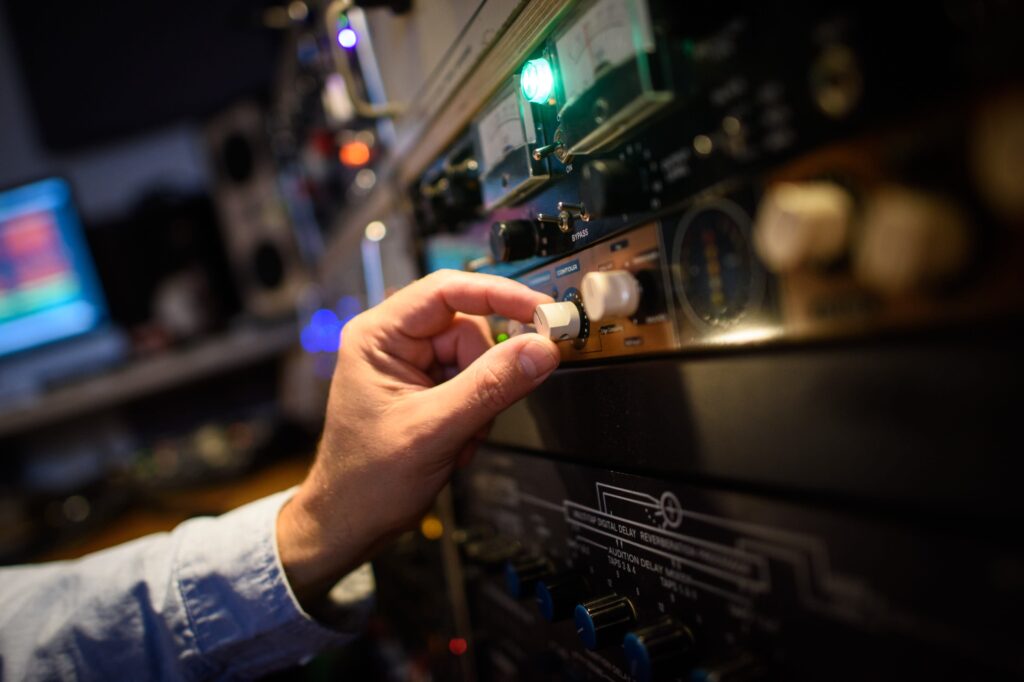
Booking directly with a studio and booking through a platform like Peerspace lead to the same outcome—time in a room—but the experience of finding and securing that room is quite different. Understanding the trade-offs helps you pick the route that suits your project.
Going direct works well for artists with established studio relationships or very specific technical requirements. If you know you need a particular console, a specific mic locker, or an engineer you’ve worked with before, emailing a studio and negotiating a rate is the natural path.
But for first-timers, podcasters, and independent artists comparing options on a budget, the friction of that process is a real barrier. Pricing isn’t standardised, you can’t always see the room before committing, and comparing five studios means five emails and five waits for quotes.
Platform-based booking solves most of this. On Peerspace, studios list hourly rates upfront alongside photos, equipment lists, and reviews from previous guests. You can compare options, filter by amenity and price, and confirm a booking in minutes rather than days. For shorter sessions especially, this tends to be more affordable because you’re paying for exactly the hours you use.
What makes this particularly useful when you’re trying to hire a recording studio for the first time:
- Upfront pricing: Hourly rates are visible on every listing. No need to email for a quote or wait for a callback.
- Pay for what you use: A two-hour vocal session costs two hours. No half-day minimums or forced day-rate commitments.
- Photos, equipment lists, and reviews: See the actual room, check what mic and monitors are available, and read what other artists experienced before you book.
- Wide range in one place: Budget dry hire rooms through to fully engineered sessions, filterable by location, price, and amenity.
- Responsive hosts: Most reply within hours and can answer specific technical questions about the setup, software, and what’s included.
Where to find recording studios to hire
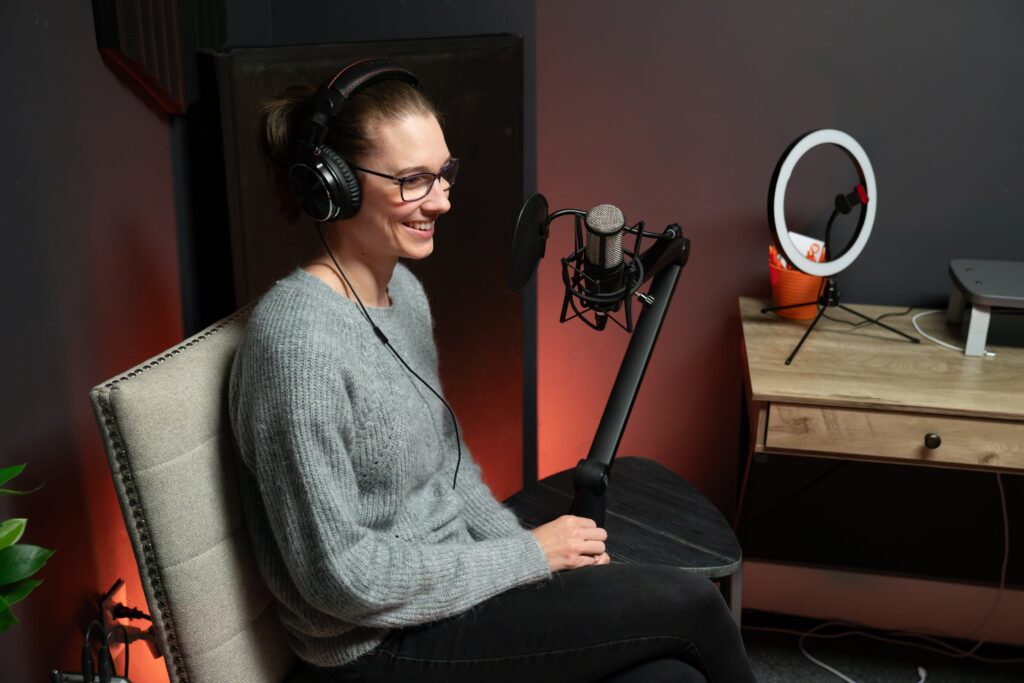
Recording studio availability and pricing varies significantly by city, so knowing the typical recording studio cost in your area helps set realistic expectations. Here’s what to expect in the main markets:
London
London has the widest choice of recording studios to hire and the broadest price range. Recording studios in London average around £77 per hour on Peerspace, but you’ll find everything from £10–15/hour self-service rooms in Dalston or Peckham to £150+ facilities with SSL consoles and in-house engineers. Stratford and Croydon offer good mid-range options with easier parking than central London.
Birmingham and the Midlands
Recording studio hire in Birmingham and the wider Midlands is typically 20–30% cheaper than London equivalents. Birmingham recording studios have a growing scene with competitive rates. Luton and Milton Keynes also have options worth exploring, particularly for artists in the commuter belt who want studio quality without the London premium.
The South
Recording studios in the south of England offer good value outside the London market. Reading has a handful of well-equipped recording studios, and Bristol is increasingly popular for its music scene and typically more affordable rates. Studios outside London often have more space, easier load-in access, and free parking — small things that make a real difference on a long session day.
Manchester and the North
Recording studio hire in Manchester and the north of England is generally more affordable than London, with one of the strongest studio ecosystems in the country. Manchester has everything from budget rehearsal-room setups to professional facilities with full live rooms. Sheffield, Liverpool, and Leeds also have solid recording studio options for hire, and availability is often better than in London, particularly at short notice.
Scotland
Edinburgh and Glasgow both have active studio scenes, with Pirate Studios offering self-service rooms in Glasgow and independent studios across both cities. Scotland is generally competitive on price and has some excellent acoustically designed spaces, particularly in Glasgow’s creative districts. For artists outside the central belt, options thin out, but the growth in remote mixing and mastering means you can often record locally and send files to an engineer anywhere.
If you’re choosing between Airbnb-listed spaces and purpose-built studios, it’s worth reading our guide to recording studio alternatives to Airbnbs, which covers the key differences in equipment, acoustics, and what to watch out for.
How to find the right recording studio on Peerspace
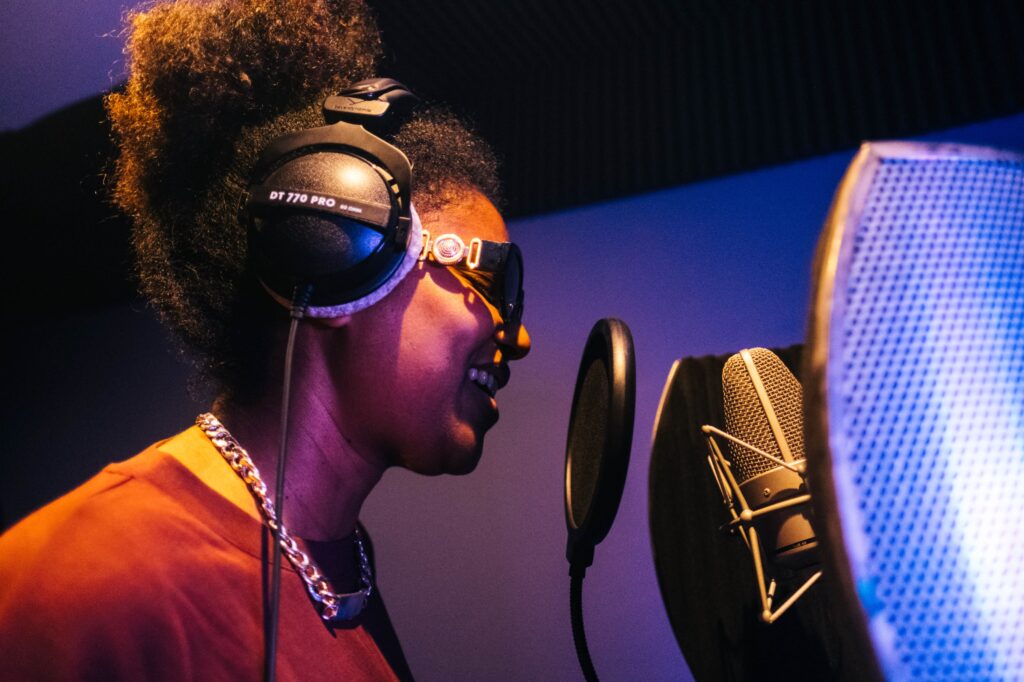
Searching for a recording studio on Peerspace works differently from emailing studios directly: The process is designed to let you compare, filter, and book without leaving the platform:
- Enter your details: Go to peerspace.com/uk or the app (Apple App Store / Google Play Store). Set your city, choose ‘recording studio’ or ‘music studio’ as the activity, and add your preferred date.
- Use filters aggressively: Narrow by equipment (vocal booth, drum kit, mixing desk), capacity, and price range. Typing specific terms like ‘SSL’, ‘podcast’, or ‘vocal booth’ into keyword search cuts the results down to what fits your session.
- Check reviews carefully: Guest reviews often mention things the listing doesn’t: audio quality, noise bleed from neighbouring rooms, how helpful the host was with setup. These are worth reading before you shortlist.
- Ask the host about specifics: Mic options, whether an engineer is available or can be arranged, which DAW is installed, headphone mix capability for multiple musicians, and whether you can bring your own gear. A quick message before booking avoids surprises on the day.
- Book your actual session length: Include setup time in your booking. If you need two hours of recording, book three to account for soundcheck and settling in. You can often extend on the day if the next slot is free.
What to check before your session
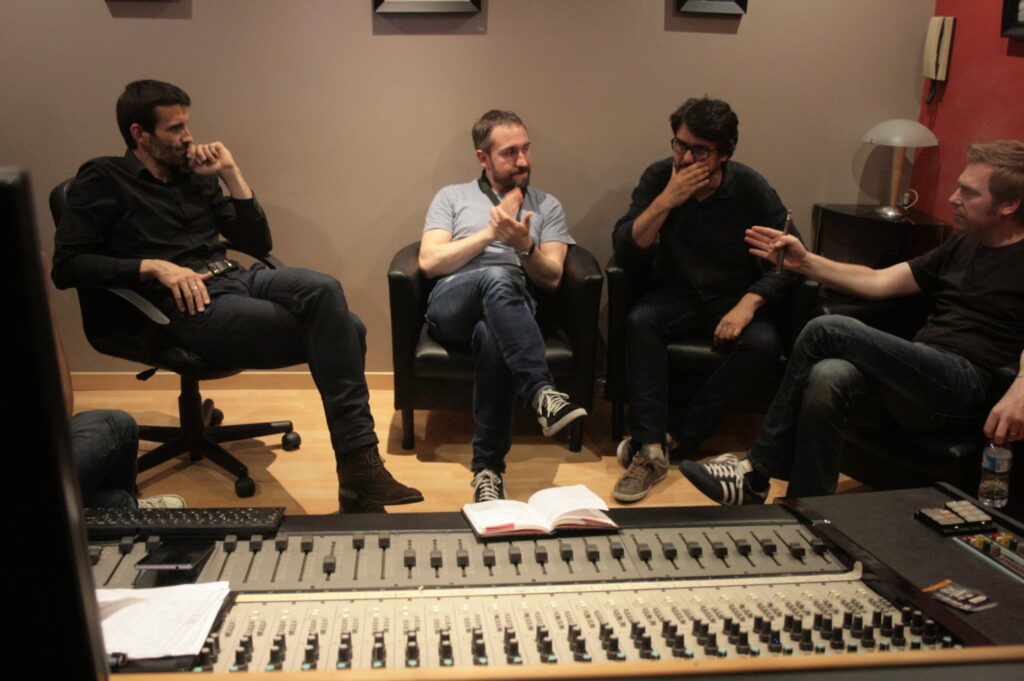
A small amount of preparation before the day consistently separates smooth sessions from expensive ones. Studios and engineers agree on the same handful of things that trip people up:
- Confirm what the rate covers: Engineer included or room-only? Which mics are available? Is there a vocal booth, or just the main room? Some studios include everything in the hourly rate; others charge separately for specific microphones, outboard gear, or backline instruments. Get this in writing before the session.
- Know the monitoring setup: If you’re mixing or making critical decisions about sound, ask what studio monitors are in the control room. Mixing on unfamiliar speakers takes adjustment time, and not all studios have calibrated monitoring.
- Prepare your files properly: Label your tracks, bounce your stems, organise your session files before you arrive. This is the single biggest time-saver according to engineers and the thing most clients get wrong. Turning up with a messy Dropbox folder and spending 30 minutes finding the right beat file is 30 minutes of paid studio time.
- Bring essentials: USB drive, laptop charger, instrument cables, headphone adapter, lyrics/chord sheets, and a bottle of water. Studios usually have the basics, but counting on it wastes setup time if they don’t.
- Build in setup time: Book the room from when you need to start setting up, not from when you want to start recording. Soundcheck, mic placement, and adjusting headphone mixes all take time, especially if it’s your first session in that room.
- Understand the cancellation terms: Most studios require a deposit (typically 30–50%) and enforce cancellation windows of 48 hours to two weeks. Check this when you book, not when you need to cancel.
Get into the right room and make something worth hearing
The recording studio price question matters—nobody wants to overspend or book the wrong room. But once you’ve got a sense of the tiers, what drives costs, and what kind of session you actually need, the decision gets simpler quickly.
If you have a studio you trust, call them and book. If you’re still working out what’s available, browsing Peerspace for recording studios lets you see rates, equipment, and reviews side by side—then confirm a session for the length you need, no day-rate commitment required. The point isn’t where you book, but that you get into a room that sounds right, with the right support behind the desk. Only then will you come out with something you’re ready to release.
In this article
- What do people hire recording studios for?
- How much does it cost to hire a recording studio?
- What affects recording studio pricing?
- How long does it take to record a song in a studio?
- What to expect from a recording studio session
- Is it worth hiring a recording studio?
- Traditional studio hire vs. booking through a platform
- Where to find recording studios to hire
- How to find the right recording studio on Peerspace
- What to check before your session
- Get into the right room and make something worth hearing
In this article
- What do people hire recording studios for?
- How much does it cost to hire a recording studio?
- What affects recording studio pricing?
- How long does it take to record a song in a studio?
- What to expect from a recording studio session
- Is it worth hiring a recording studio?
- Traditional studio hire vs. booking through a platform
- Where to find recording studios to hire
- How to find the right recording studio on Peerspace
- What to check before your session
- Get into the right room and make something worth hearing
Get together somewhere better
Book thousands of unique spaces directly from local hosts.
Explore SpacesShare your space and start earning
Join thousands of hosts renting their space for meetings, events, and photo shoots.
List Your Space