How and Where to Find an Airbnb Event Space in London
-

-

Lead Editor & Publisher
- November 21, 2025
- 12 min read
- Events
Source: Peerspace
Picture this: you’re organising a team gathering, milestone celebration, networking evening or creative workshop in London. You browse Airbnb, spot a beautiful home or modern apartment, and imagine transforming it into your event setting. Before you get too far into planning, there’s something crucial to understand: Airbnb is designed for overnight stays, not events.
What looks like the perfect place online is rarely suitable for hosting groups, setting up equipment or accommodating event logistics, and trying to use it this way can lead to cancellations, neighbour issues and even account penalties. This guide walks you through why Airbnb isn’t a reliable option for events in London, what to choose instead, and how to confidently find a venue that’s built for gatherings of all kinds.
Table of contents:
- Why Airbnb doesn’t work well for events
- Smarter alternatives for event organisers
- Why Peerspace is a stronger option for London events
- Seamless event planning
Pro tip: Instead of forcing a gathering into a residential Airbnb, use a dedicated platform like Peerspace to hire an event space in London where hosts expect gatherings and offer clear permissions, amenities and support.
Can you use Airbnb as an event space in London?
No. Airbnb’s global event ban means gatherings that go beyond normal residential use aren’t allowed.
Book an event venue
Why Airbnb isn’t suitable for hosting events in London
From strict rules to neighbourhood pressures, Airbnb simply isn’t structured to function for event venues, especially not in a city as regulated as London.
1. Airbnb’s universal ban on events
Since 2020, Airbnb has prohibited events in listings worldwide. That includes everything from corporate off-sites to small celebrations or workshops. In London, this policy is enforced even more tightly because most listings sit in densely populated areas. Any increased footfall, noise or external guests can be flagged by hosts or by Airbnb’s automated systems. Even a quiet presentation with a handful of attendees could be deemed a violation if those attendees aren’t registered on the booking.
2. Visitor caps and strict occupancy rules
Airbnb hosts must set an exact maximum number of people allowed on the property, and that applies to both overnight guests and temporary visitors. Events often bring:
- Speakers
- Caterers
- Guests arriving at staggered times
- Photographers or film crews
Even a modest increase in foot traffic can trigger a cancellation. For example, a property “sleeps 8,” but a small corporate workshop brings 12 people. The host notices activity on the doorbell camera and then takes action: the booking is cancelled, the booking fee is lost, and guests are asked to leave.
3. Noise expectations and community restrictions
London borough councils are strict about noise, gatherings and residential disruption. Airbnb’s own rules forbid “disturbances” that could bother neighbours. Many listings use noise sensors; if sound levels spike (even briefly), hosts are alerted and may escalate the issue to Airbnb. This makes it nearly impossible to confidently run an event with music, equipment or presentations.
4. No event-specific amenities
Airbnb isn’t designed for events, so the space you’re booking is unlikely to work well for your gathering. So, whether you need a stable outdoor power supply or a kitchen that would satisfy a pro caterer, these types of commercial amenities, which can make or break an event, are usually absent from spaces designed to be purely residential.
How to find an Airbnb-style space for an event in London
If you want something that feels like an Airbnb (stylish, intimate, design-led) but actually allows events, here’s how to choose the right venue.
1. Clarify the type of event you’re hosting
Choosing the right venue begins with clearly understanding the purpose, structure and expectations of your event. London has thousands of spaces, but the best match depends on the atmosphere, capacity, workflow and technical needs your gathering requires. Defining these early saves time and avoids booking unsuitable spaces.
Before searching, identify what your event actually requires. Ask yourself:
- How many guests will be attending, and does the venue’s layout support that number?
- What equipment (audio, lighting, cameras, props, monitors) will you bring or need supplied?
- Do you need breakout areas for smaller discussions, group work or staging?
- Will you serve food or drinks, and is there space for prep, catering or storage?
- Will audio be used, and does the venue permit music, microphones or speakers?
Pro Tip: For 10–40 person events, London’s open-plan studios and converted spaces offer the best flexibility
2. Consider all available venue types
London has far more event-friendly spaces than typical residential venues. Many are designed specifically for workshops, celebrations, shoots and meetings, giving you better infrastructure, fewer restrictions and smoother logistics.
London is full of places better suited to events than a residential Airbnb, such as:
- Function rooms in restaurants or hotels that come with catering, staff and structured event setups.
- Community or cultural centres with affordable rates and large, adaptable rooms.
- Creative studios offering flexible layouts, natural light and production-ready facilities.
- Meeting spaces purpose-built for presentations, team days and professional sessions.
- Pubs with private areas that provide built-in seating, atmosphere, as well as food and beverage options.
- Peerspace listings specifically created for events with capacities, equipment and rules clearly defined.
Pro Tip: Easily find your ideal event venue on Peerspace, where you can filter your search by location, space type, amenities, style and much more.

3. Pick the right area and transport links
In London, location dramatically affects attendance, travel time and guest experience. Choosing an area with reliable public transport ensures easy arrivals and smoother late-night journeys.
London attendees rely heavily on public transport. Good rules of thumb:
- Zones 1–3 offer the best convenience for most guests with fast and frequent transport.
- Zones 4–6 are more budget-friendly and often provide larger, more spacious venues.
Check: nearest Tube line, night bus availability, parking restrictions.
4. Check noise levels, privacy and neighbour proximity
A venue may look ideal online, but the surrounding environment determines whether your event can run smoothly. Noise restrictions, close neighbours or thin walls can limit music, group conversation, filming or movement. Avoid flats or terraced homes; instead, look for:
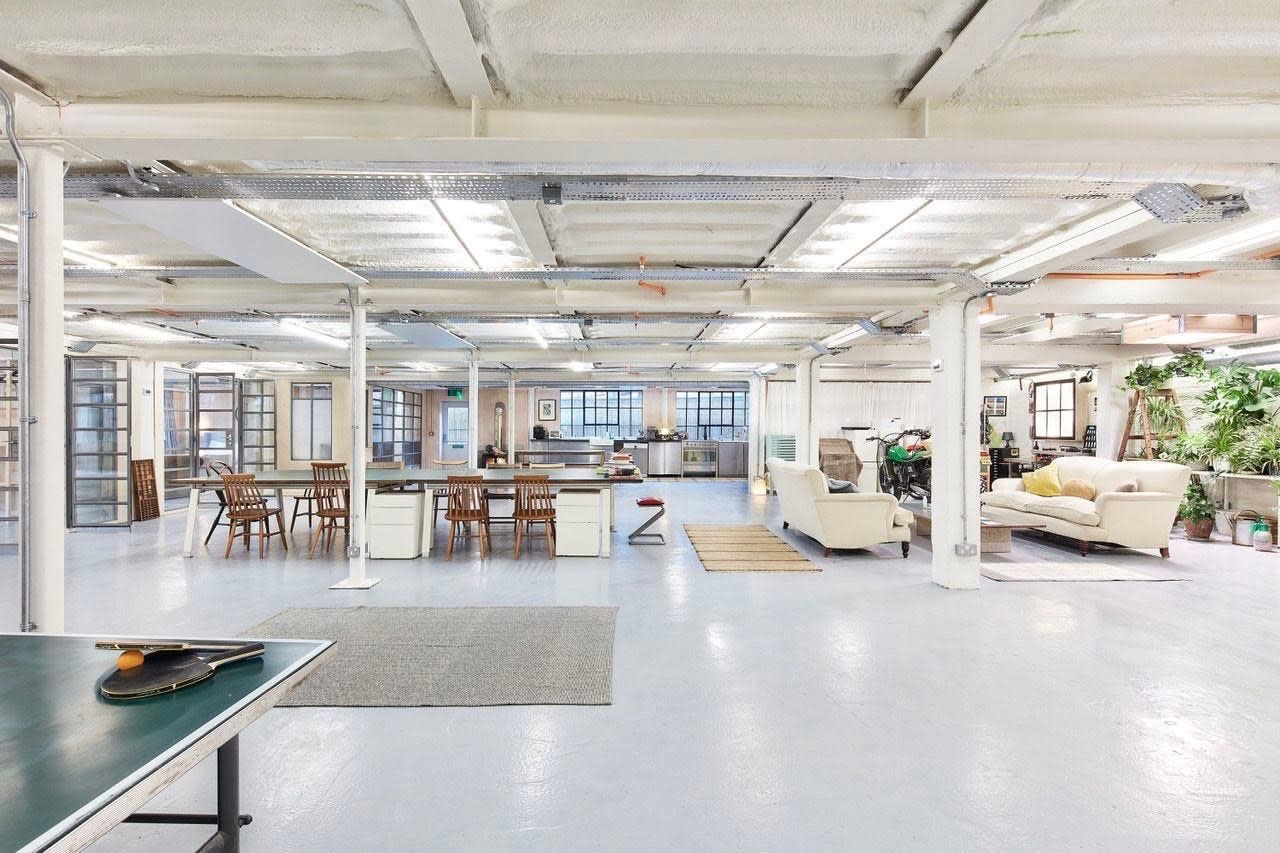
- Warehouse-style spaces that naturally accommodate sound, lighting and larger groups.
- Standalone buildings that offer better privacy and fewer neighbour limitations.
- Commercial units designed for group activity, production work or events.
- Studios that clearly state “event hire” or “production-friendly” in their listing.
While these concerns may be less important if you are planning a more chilled event, they should be front and centre for most gatherings.
5. Match venue amenities to your requirements
Practical amenities often matter just as much as aesthetics. Ensuring the venue has the right infrastructure prevents delays, extra costs and technical issues on the day.
Some essential considerations for London event organisers:
- Spacious layout that suits your event flow without overcrowding.
- Comfortable seating or furniture that matches your format and guest count.
- High-speed Wi-Fi suitable for streaming, presentations or uploads.
- Stable power supply with enough outlets for equipment.
- Kitchen or catering facilities for food prep, plating or storage.
- Multiple bathrooms to avoid long queues during peak times.
- Adjustable lighting or professional lighting options for shoots.
- Easy transport access so guests and equipment can arrive smoothly.
- Clear event-friendly rules that support your programme.
6. Identify limitations before booking
Even beautiful venues have rules that may interfere with your plans. Identifying restrictions early prevents last-minute changes or unnecessary stress.
Common limitations include:
- Early curfews that restrict evening events or amplified sound.
- No rearranging furniture, limiting creative layouts or staging.
- Limited access hours that reduce setup and teardown time.
- No equipment allowed, making shoots or AV-heavy events difficult.
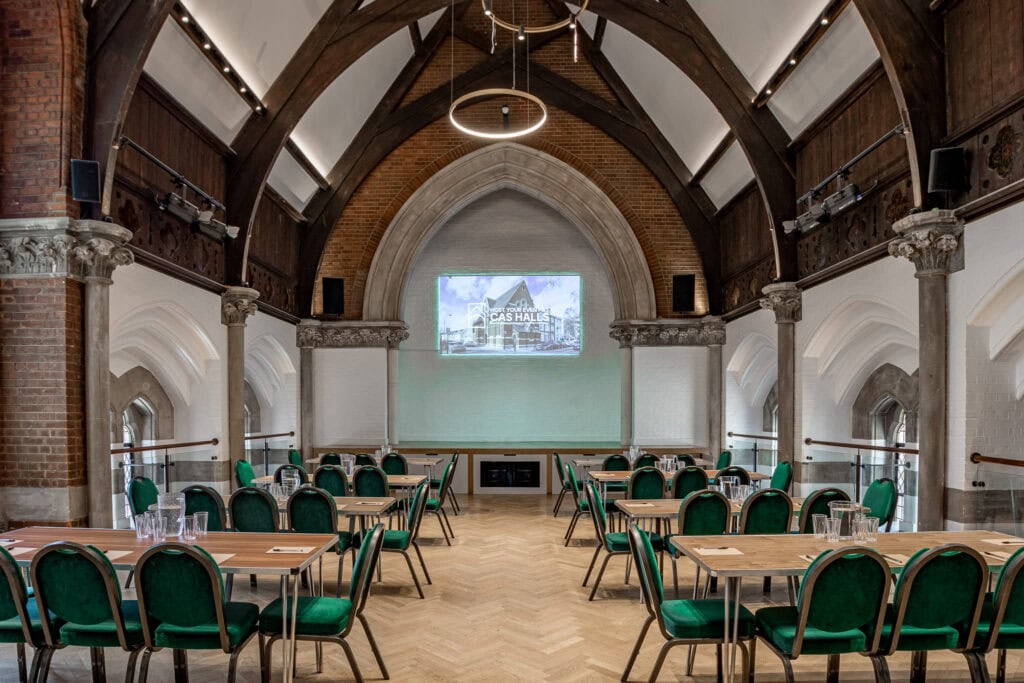
7. Check technical needs
Technical requirements vary widely across London venues. Confirming details ensures your equipment works safely and efficiently.
Ask venues about:
- Power output to ensure your lighting, audio or production gear is supported.
- Wi-Fi speed for streaming, presentations or remote participants.
- Ventilation to keep guests comfortable during longer events.
- Loading access for bringing in bulky equipment or furniture.
- Accessibility options such as lifts, ramps or step-free entry.
Pro Tip: Request a floor plan so you can visualise circulation and layout.
8. Plan for additional costs
Venue pricing in London can include more than just the base hire fee. Planning for extras ensures accurate budgeting and helps you compare venues fairly.
Depending on the venue, you might need:
- Cleaning add-ons if your event generates waste or involves food.
- Overtime fees if setup or teardown runs longer than expected.
- AV equipment hire for projectors, speakers or lighting.
- Security for late-night or larger events.
- Staff support for setup, operations or guest management.
9. Get confirmation of all rules in writing
Clear documentation ensures you and the venue share the same expectations. This avoids misunderstandings and helps protect your event if issues arise.
Make sure your booking includes:
- Confirmed guest capacity for safety and compliance.
- Setup/teardown windows so you can plan logistics.
- Cancellation policy outlining refunds and deadlines.
- Damage liability clarifying responsibility for accidental incidents.
If using a platform like Peerspace, keep all communications within the platform for protection. For private arrangements (like a friend’s home or direct hire), create a simple written agreement covering key responsibilities.
10. Book early and stay adaptable
Demand for event venues in London is high, especially on popular days. Booking ahead gives you a better selection and prevents last-minute compromises.
Popular event spaces fill quickly, especially on Thursdays–Saturdays. Aim to book 4–8 weeks in advance and keep backup options if you have a strict date.
How much does it cost to hire a venue for an event in London?
Answer: Event spaces on Peerspace typically cost £50 — £220 per hour.
Search unique event venuesPeerspace: A Better Alternative to Airbnb for Event Spaces in London
Peerspace is designed to help you find the perfect event space, so not only does it offer robust search filters, but you can also be confident that the venue is set up specifically for hosting events.
1. Event-friendly licensing and permissions
Peerspace venues are listed specifically for events, meaning hosts have already secured the necessary permissions or operate in commercially zoned spaces. This significantly reduces the risk of mid-event shutdowns or council complaints. For example, while booking a Notting Hill townhouse on Airbnb might risk an early shutdown due to noise reports, a Peerspace listing is more likely to allow amplified sound until late evening.
Pro Tip: Always choose a venue where the type of event you’re planning is explicitly permitted. Peerspace provides that clarity upfront, saving you legal and logistical headaches later.
2. Transparent capacity and space details
Peerspace listings clearly indicate the number of guests a venue can host, and often include floor plans and total square footage. This transparency makes planning layouts, catering flow, or DJ placement much easier. A townhouse booked on Airbnb may appear spacious in photos, but feel cramped for 25 guests, while a Peerspace venue will say how many people it’s suitable for.
Pro Tip: When shortlisting venues, prioritise listings that match your expected guest count and check floor plans to ensure comfort and safety.
3. Built-in event support and flexible booking times
Peerspace venues can be booked by the hour or day, giving hosts flexibility for setup, event duration and teardown. Many Peerspace hosts also offer add-ons such as sound systems, lighting or cleaning staff. For example, if you’re hosting a 30th birthday in Southbank, you could book a Peerspace apartment from 6 PM to 1 AM with an extra hour for cleanup.
Pro Tip: Use Peerspace’s hourly booking feature to match your event timeline and avoid paying for unnecessary overnight accommodation.

4. Event insurance and damage protection
Peerspace includes basic event insurance for hosts, so guests have better protection for deposits and personal liability. And, to be more at ease, consider getting your own guest insurance.
Pro Tip: Always verify what insurance coverage exists and what damage scenarios are included before confirming any venue.
5. Professional hosts and event-ready amenities
Peerspace is built for events of all sizes, meaning hosts are often prepared to assist with catering access, storage, power needs and more. It’s common to find venues with commercial sound systems, multiple bathrooms, open kitchens and even bar setups. So, a Peerspace apartment near London Bridge may come with a DJ booth, dimmable lights and soundproofing
Pro Tip: Prioritise venues with built-in event amenities to save setup costs, reduce stress and ensure your event runs smoothly from start to finish.
6. Flexible cancellation and modification policies
Event plans often change, but Airbnb’s cancellation and modification policies are host-driven and can be restrictive. Many listings use “Strict” or “Firm” settings, meaning you could lose 50–100% of your payment if you cancel within a few days of your booking. Modifying a booking, such as adjusting times or guest numbers, often requires host approval.
Peerspace, by contrast, offers transparent platform-standard policies: Very Flexible, Flexible, Standard 30-day, and Standard 90-day, with clear refund cutoffs. You can also request adjustments to event details directly through the platform.
For example, if your DJ’s schedule changes and you need to move the start time from 6 PM to 8 PM, Airbnb might require a cancellation and rebooking, risking part of your payment. On Peerspace, you can simply request a time change and maintain your booking if the host approves.
Pro Tip: Peerspace’s structured event-focused policies provide greater flexibility, reducing financial risk if your plans evolve.
Peerspace makes planning your London event simple
Peerspace eliminates the biggest uncertainties associated with using Airbnb for an event. With transparent permissions, event-specific features and hosts who understand what organisers need, it removes the guesswork and risk for anyone looking to hire an event space in London.
Ready to find your ideal event space? Check out Peerspace and find exactly what you’re looking for. We also have useful info on planning your event, from a guide to organising a birthday to our essential engagement party checklist. Our expert event planners have you covered. Explore Peerspace for workshops, team offsites, photoshoots, celebrations and everything in between.
Get together somewhere better
Book thousands of unique spaces directly from local hosts.
Explore SpacesShare your space and start earning
Join thousands of hosts renting their space for meetings, events, and photo shoots.
List Your Space