How and Where To Find an Airbnb With a Garden in London
-

-

Lead Editor & Publisher
- December 22, 2025
- 12 min read
- Events
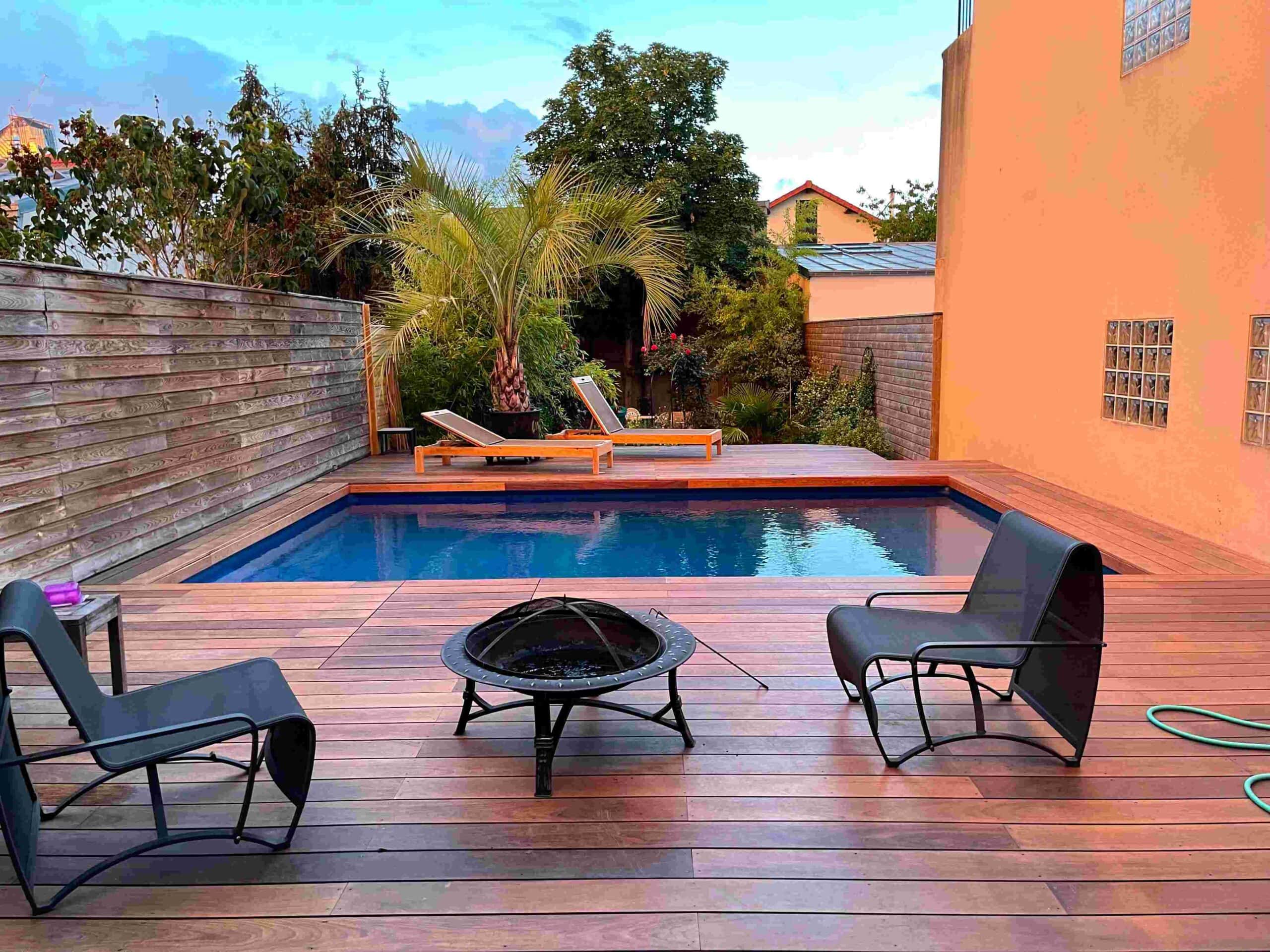
Source: Peerspace
So you’re planning a London weekend with friends, scrolling through Airbnb until you spot a listing with a gorgeous private garden. You hit “book”, imagining relaxed brunches, outdoor drinks and a cosy evening hangout under the lights. Don’t celebrate too quickly. That fantasy often hits a wall of strict rules, London council regulations and host restrictions.
When it comes to finding an Airbnb garden in London suitable for hosting a gathering, the reality is very different from a typical holiday let. Guests hoping to use garden spaces socially often face obstacles because Airbnb limits event-style uses and enforces guest caps. Read this guide to learn how and where to find a London garden venue that allows gatherings and has a host who welcomes them, without the hidden risks.
Table of contents:
- What makes Airbnb unsuitable for garden gatherings
- Finding an alternative to Airbnb for garden events
- Peerspace is a strong alternative
- Seamless garden-event planning
Pro tip: If you’re trying to hire a garden-style venue in London, consider switching from Airbnb to a purpose-built venue-booking platform like Peerspace. These spaces are designed for events with clearer rules, fewer restrictions and hosts who welcome gatherings.
Can you use Airbnb for a garden gathering in London?
No. Airbnb’s ongoing party and event ban applies to garden use too, and violating these rules can result in penalties
Book a garden venue
Where Airbnb falls short for hosting in a garden in London
Airbnb isn’t built for gatherings, and regulations, from Airbnb’s own policies to local council rules, make it a poor fit for social garden plans.
1. The global event ban (2020–Ongoing)
Airbnb’s global ban on parties and disruptive events includes garden use. The policy restricts any gathering that could disturb neighbours or exceed the guest count, and penalties can include account suspension.
Even a quiet garden BBQ can be flagged if extra visitors arrive, if voices carry into adjacent gardens or if noise continues past permitted hours. London gardens are often tightly surrounded by neighbouring properties, making noise complaints more likely. Many listings also use doorbell cameras and noise sensors that trigger Airbnb risk alerts.
If your plan involves multiple guests, drinks, music or extended outdoor use, Airbnb’s global policies make garden socialising highly risky.
2. Occupancy and visitor restrictions
Every Airbnb listing sets a strict limit on both overnight guests and daytime visitors. Gatherings naturally attract extra footfall, such as friends joining for a drink, a photographer popping in or people stepping outside for a chat. Hosts can cancel a stay if visitor numbers exceed the listing’s limit.
For example, a couple books a flat in Clapham with a private garden for a birthday toast. They invite “just a few friends,” but the smart lock logs 18 entries. The host cancels the stay, and the deposit is at risk.
3. Noise, neighbours and “community disturbance” rules
Airbnb forbids gatherings that create noise or disruption, and gardens are especially sensitive. London councils enforce quiet hours after 11 PM, and even normal conversation outdoors at night can carry through neighbouring fences and hedges.
Noise monitors are common, and hosts notified of noise spikes may report the incident, leading to cancellations or penalties.
4. No event-specific amenities
Airbnb properties are not designed for events. Even if the garden looks beautiful in photos, it likely lacks:
- Outdoor lighting suitable for evening gatherings
- Power sources for entertainment or catering
- Weather cover
- Sufficient seating
These limitations can make even a simple outdoor gathering difficult
How to find a venue like an Airbnb garden in London
Finding a garden that actually allows gatherings in London isn’t as simple as scrolling Airbnb and hoping for the best. Gardens in residential settings often come with strict limits around noise, hours and guest numbers. Here’s how to search strategically for a garden venue that suits your plans and won’t shut down your gathering unexpectedly.
1. Start with your guest list and type of gathering
Before searching, define your exact garden experience. London gardens vary from compact urban patios to large, landscaped outdoor spaces perfect for a 30-person celebration. Consider:
- Is your gathering quiet and intimate or lively and social?
- Will you set up a BBQ, food table or drinks station?
- Will guests be seated or moving around freely?
- Do you want features like fairy lights, lawn space or floral backdrops?
Pro tip: Gardens with partially sheltered areas (pergolas, gazebos, awnings) are ideal in London’s unpredictable weather.
2. Explore all your venue options
London’s garden-friendly venue landscape is incredibly diverse, and understanding the types of spaces available can save you hours of searching. Instead of limiting yourself to Airbnb’s residential listings, consider the full range of outdoor venues across the city. The right choice depends on your group size, event style, aesthetic preferences and the level of privacy you need. Whether you’re planning a laid-back afternoon with friends or a more structured event, exploring all garden venue categories helps you find a space that’s not only beautiful but also appropriate and compliant with event use.
London offers a wide range of garden-friendly venues:
- Private homes with gardens (with explicit permission): Great for small social groups.
- Restaurants or cafés with private garden courtyards: Perfect for food-focused gatherings.
- Studios with outdoor courtyards: Stylish and great for photoshoots or modern events.
- Boutique hotels with private garden hire: Often include seating, lighting and catering options.
- Booking platforms like Peerspace: Easy filtering for gardens or outdoor spaces intended for events.
Pro tip: On Peerspace, you can filter your search by location, space type, amenities, style and much more.
3. Define your location and transport zone
Location is one of the biggest factors that will influence how easily your guests can arrive, how much your venue will cost and how late your gathering can comfortably run. London’s transport zones play a major role here: central zones offer unmatched convenience but may limit space and privacy, while outer zones offer larger gardens and fewer noise concerns but require more transit planning. Before choosing your venue, think realistically about where your guests are travelling from and whether your event relies on fast transport, affordability or a quieter, more secluded setting.
Zones 1–3:
- Easiest for guests using the Tube or bus
- Higher prices, smaller outdoor areas
Zones 4–6:
- More space, better noise tolerance
- Ideal for later gatherings, but guests may need taxis
Always check:
- Nearby night buses
- Walking distance to transport
- Local parking options
- Last Tube times
4. Evaluate noise tolerance and garden suitability
Outdoor socialising may feel relaxed and natural, but London’s density means noise travels easily, especially in gardens close to neighbouring properties. Before committing to any venue, you need to evaluate how well it can handle conversation, music and foot traffic without causing disruptions. Noise tolerance is often the biggest factor separating a stress-free garden gathering from one cut short by host intervention or neighbour complaints. A quick assessment of distance, layout and physical barriers can tell you whether a garden is truly suitable for hosting.
Look for:
- Detached or semi-detached buildings
- Larger gardens with distance from neighbours
- Commercial or mixed-use venues
- Venues advertising clear event permissions
- Hedges, fences or walls that reduce noise
Avoid tiny gardens overlooked by multiple neighbouring properties, and always request a viewing or virtual tour to understand the layout.
5. Match venue features to your garden gathering
Every garden is unique, and the amenities it offers can dramatically shape your event, whether positively or negatively. London weather is unpredictable, lighting varies and outdoor arrangements require more preparation than indoor spaces. Instead of assuming every garden includes essentials like lighting, shelter or heating, evaluate each venue’s specific features against your plans. Selecting the right amenities ensures comfort, safety and practicality for you and your guests.
Here are 10 garden-friendly features to prioritise:
- Weather cover (gazebo or pergola)
- Flexible seating
- Path lighting or festoon lights
- Outdoor power sources
- Noise rules & clear permitted hours
- Access to indoor bathrooms
- Caterer-friendly kitchen access
- Step-free access to the garden
- Patio heaters or fire pits
- Event-compatible insurance

6. Watch out for common garden limitations
Even the most beautiful garden may come with restrictions that affect how you can use the space. London properties, particularly residential ones, often impose strict rules around sound, cooking, and outdoor lighting to prevent disturbances. These limitations can significantly impact your setup, your timing and even what equipment you can bring. Knowing these rules before booking helps you avoid surprises and choose a space that won’t restrict your plans.
Ask about:
- Strict noise cutoffs
- No amplified sound
- No cooking or BBQs allowed
- Limits on rearranging furniture
- Garden lighting curfews
Any of these can affect your plans, so get all rules in writing.
7. Check technical and layout requirements
Gardens may seem simple, but hosting outdoors comes with its own technical considerations. From power access to safe lighting routes, from shelter solutions to trip hazards, outdoor spaces need more planning than people expect. Understanding the technical setup in advance ensures your event runs smoothly, safely and comfortably, especially if you’re bringing in lighting, décor, speakers or catering equipment.
Pro Tip: Ask for garden dimensions, layout photos and any floor plans.
8. Budget for add-ons and support
Your quoted venue price often doesn’t include weather protection, heating, lighting or staffing, key elements that dramatically influence the comfort and success of an outdoor gathering. Because gardens rely heavily on weather and ambient conditions, you may need additional equipment or logistical support. Building a realistic budget early helps you avoid last-minute expenses and ensures you have everything needed for an enjoyable event. Common add-ons include:
- Outdoor heaters
- Canopies
- Lighting packages
- Staff support
- Cleaning fees
9. Confirm all rules in writing
Clarity is essential when booking any outdoor space. Gardens often come with more conditions than indoor venues due to noise, neighbourhood proximity and weather considerations. To avoid miscommunication, disputes or unexpected restrictions, document every detail with the host or venue manager. This ensures everyone has the same expectations and allows you to plan confidently. Document:
- Guest limits
- Garden hours
- Noise rules
- Use of décor, lights, and cooking equipment
- Weather cancellation policies
On Peerspace, keeping all communication on-platform ensures protection.
10. Book early and stay flexible
London garden venues, especially those with pretty landscaping, fairy lights or stylish design, book up quickly during spring, summer and warm weekends. To secure the best options, start your search early and remain flexible with dates and times. Early planning also gives you time to coordinate décor, catering and weather alternatives. Useful planning tools:
- Google Maps: To explore surrounding areas, roads and parking.
- Pinterest and/or Instagram: For décor, layout and floral inspiration
- WhatsApp groups: To keep suppliers and guests coordinated and informed.
- Peerspace: Browse event-friendly venues with real-time availability.
How much does it cost to hire a garden venue in London?
Garden-friendly venues on Peerspace typically cost £50 — £250 per hour, depending on location, size, amenities and privacy
Search garden venuesWhy Peerspace is a better alternative to Airbnb for garden gatherings
When planning a garden meetup, especially in dense London neighbourhoods, your booking platform matters. Airbnb is built for residential stays; Peerspace is built for events.
1. Garden-ready licensing and permissions
Peerspace hosts list gardens and courtyards already approved or designed for social use. Events are expected, not treated as violations. This reduces the risk of cancellations and restrictions.
2. Transparent capacity and space details
Airbnb lists only “sleeps X guests,” which is irrelevant for gatherings. Peerspace listings often include:
- Standing and seated capacity
- Garden measurements
- Photos of access points
- Layout diagrams
3. Hourly bookings and event add-ons
Airbnb requires overnight bookings, even if you only want a garden for a few hours. This inflates costs. Peerspace allows hourly bookings plus setup and cleanup time, so you only pay for what you use.
4. Event insurance and protection
Events carry different risks than overnight stays, which is why standard Airbnb coverage isn’t built for them. Airbnb’s AirCover for hosts doesn’t insure damage or liability arising from “party-style” gatherings.
Peerspace’s host insurance includes basic event insurance automatically and offers upgrades for more complex or higher-risk gatherings. Hosts and, by extension, guests benefit from clearer protection, making everyone more comfortable with music, equipment and larger guest numbers. And, to be more at ease, consider getting your own guest insurance.
Pro Tip: Before confirming any venue, verify what insurance coverage exists and what damage scenarios are included.
5. Professional hosts and wedding-ready features
Most Airbnb hosts don’t expect events, so they typically don’t provide outdoor seating, décor, lighting or equipment that makes for a polished event. Guests often have to carry in furniture or improvise lighting.
Peerspace hosts, however, specialise in event-ready spaces. This dramatically reduces your prep time and leads to a more professional, comfortable environment for guests.
6. Flexible cancellation and modification
Airbnb cancellations can be very firm, and changes, like modifying times or extending a stay, are often restricted.
Peerspace, however, uses transparent, platform-standard cancellation policies: Very Flexible, Flexible, Standard 30-day, and Standard 90-day, with clear refund cutoffs (for example, full refund up to 7 days before your party under a Flexible policy). You can also modify your event details directly through the platform, such as adjusting hours, adding amenities or extending your booking, without complex reapproval.
Peerspace makes planning your garden gathering seamless
Peerspace is purpose-built for events, offering transparency around rules, insurance, garden suitability and amenities, everything Airbnb’s residential lettings can’t reliably provide.
If you’re looking for a garden venue in London, Peerspace gives you a more reliable, flexible and stress-free experience.
Ready to book your ideal garden venue? Explore Peerspace for curated listings and browse our event planning guides for birthdays, engagements and more.
Get together somewhere better
Book thousands of unique spaces directly from local hosts.
Explore SpacesShare your space and start earning
Join thousands of hosts renting their space for meetings, events, and photo shoots.
List Your Space