London Open House Festival: The 12 Strangest Buildings You Can Get Inside This September 2026
-

Lead Editor & Publisher
Source: Open House Festival
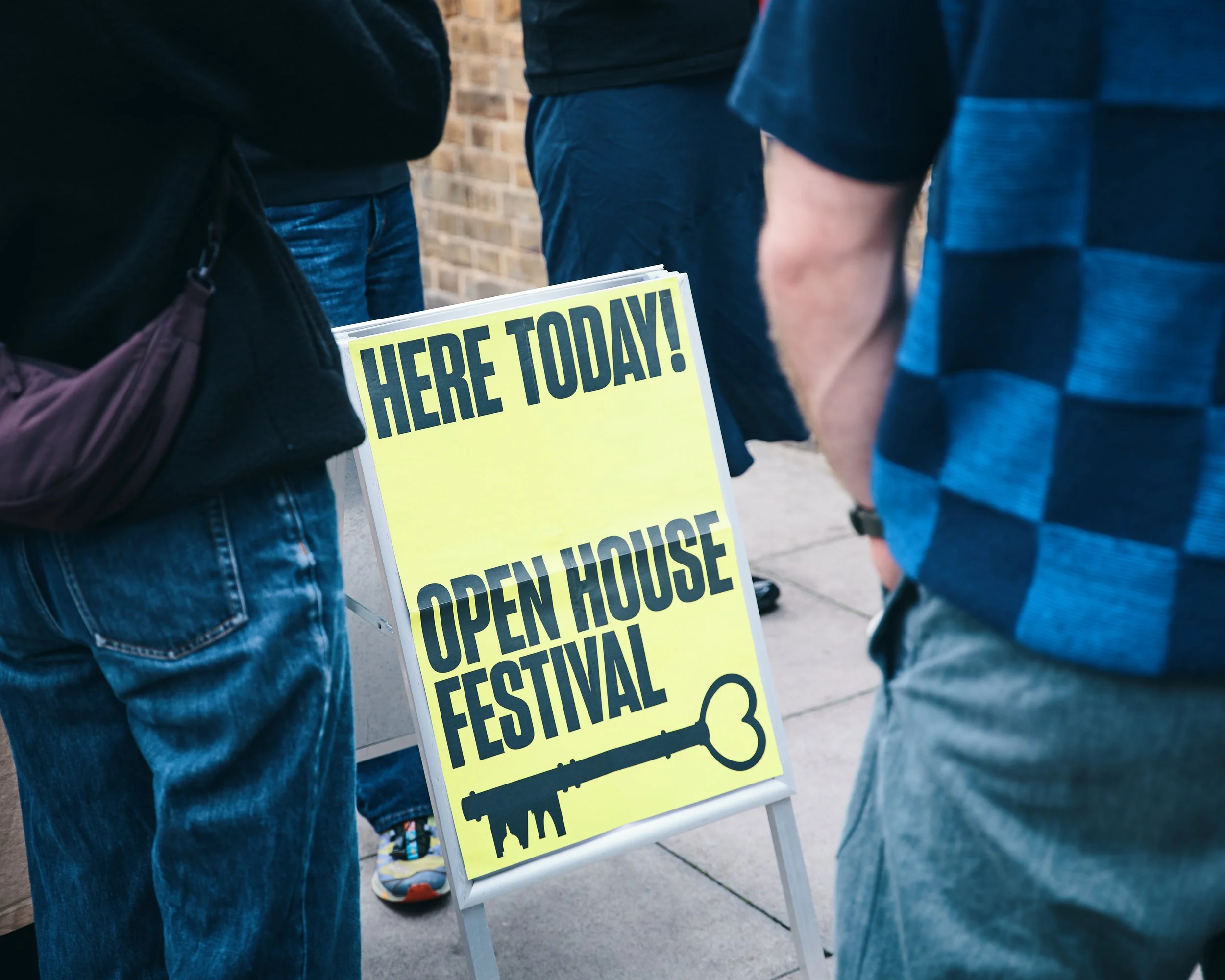
Open House Festival is best known for its headline doors. 10 Downing Street. BBC Broadcasting House. The Lloyd’s Building, opening up for a fortieth birthday. Those are worth the queue—and they will be gone within hours of booking opening.
Further down the programme, past the livery halls and the architects’ studios, the festival gets considerably stranger. A working power station spread over eight floors behind two listed facades in the middle of the City. A shelter beneath a suburban lawn where the bunk slats and the numbered coat hooks sit exactly where 1940 left them. An Egyptian mausoleum that moved house twice, coffins and all.
That is the version of Open House worth building a weekend around, and the twelve below are the oddest doors on the 2026 programme.
The festival runs from 12 to 20 September across all 33 boroughs, everything is free, and bookings for ticketed tours open at midday on 19 August.
Set an alarm!
1. Wapping Hydraulic Power Station: shut for a decade
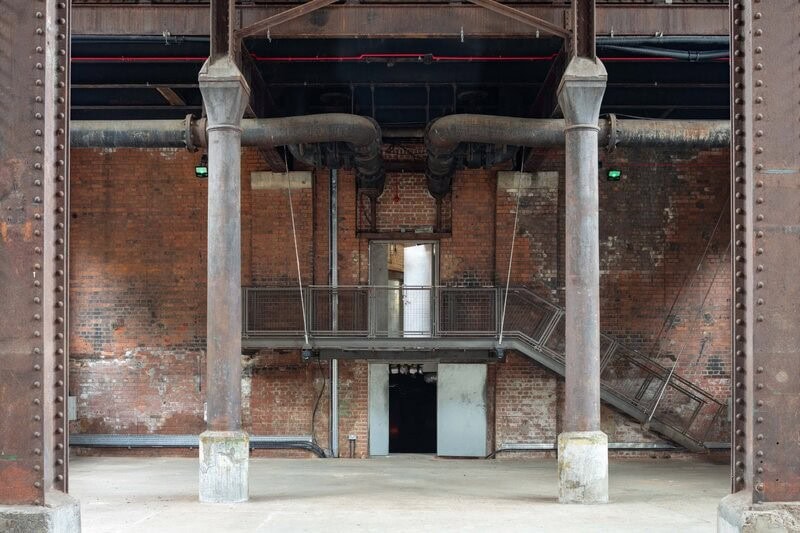
The last working station of its kind anywhere when it stopped pumping in 1977. Wapping Hydraulic Power Station was built in 1890 for the London Hydraulic Power Company, and at its peak it pushed more than 33 million gallons a week through 186 miles of cast iron mains beneath the streets. That pressure turned the revolving stages at the Palladium and the Coliseum, lifted the fire curtains at Drury Lane and swung the dock gates along the Thames. The Glass Castle Foundation is now restoring the building as 25 Wapping Wall, a home for experimental art, so Open House lands squarely in the middle of the transition.
- The concept: a Victorian machine hall caught between ten years of dereliction and its next life as an arts venue.
- On the tour: free roam of the engine house and boiler house in hour long slots, with the original plant still in position.
- The vibe: riveted columns, cast iron and cathedral scale. Bring something that copes with low light.
- Best for: industrial heritage obsessives, and anyone scouting the raw warehouse look for an event of their own.

2. BT Tower: the revolving floor, 158m up
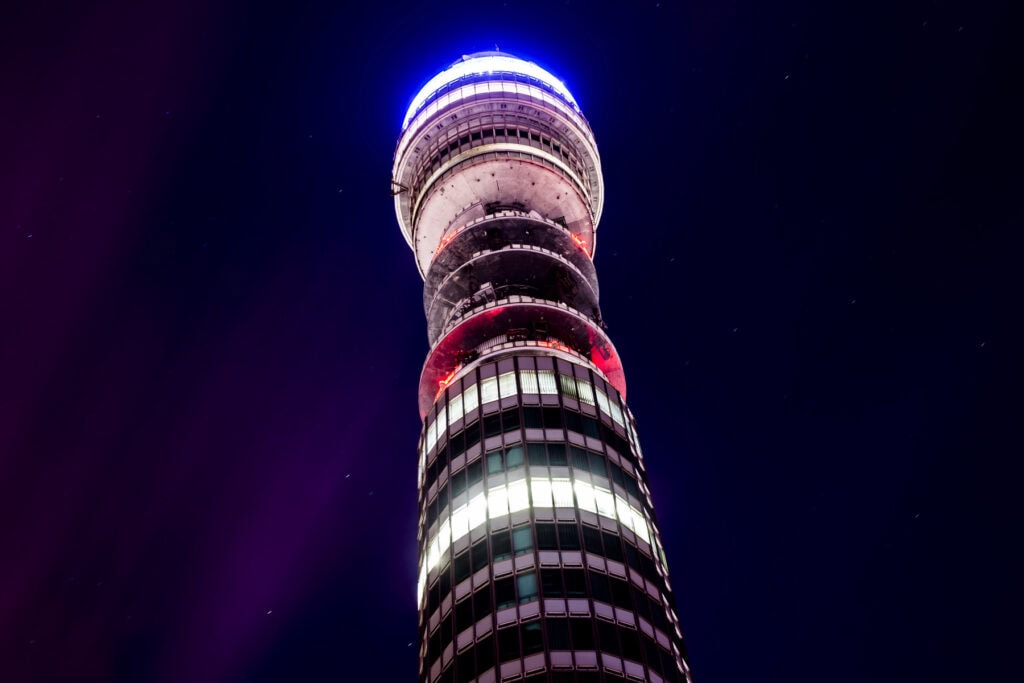
BT Tower opens a floor that still turns, 158 metres above Fitzrovia, to people who are not there by corporate invitation. Designed under chief architect Eric Bedford with G. R. Yeats and opened in 1965, the tower carried a revolving restaurant on its 34th floor. That floor was prefabricated and hoisted up in sections, and there are three millimetres of clearance between the moving and fixed parts. It was classified as an official secret until 1993, despite being visible from half of London.
- The concept: London’s most recognisable spike, open to the general public for two days only.
- On the tour: a 45 minute guided visit to the revolving 34th floor, then a short film on the tower in the auditorium.
- The vibe: 1960s optimism at altitude. The lifts reach the top in a little over thirty seconds.
- Best for: skyline hunters, and anyone who has spent years eyeing a London rooftop from street level.
3. St Leonards Court air raid shelter: bunks intact
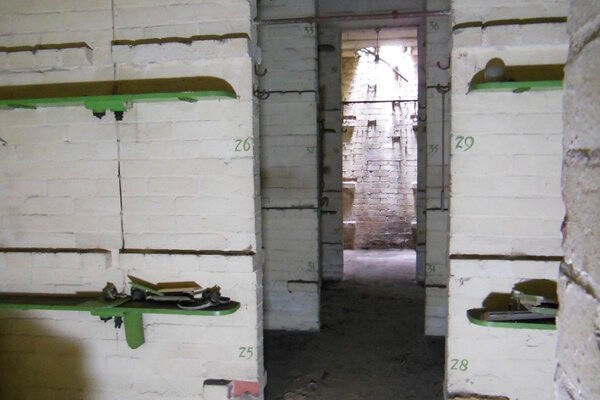
Most surviving shelters are empty concrete. The air raid shelter under St Leonards Court still holds its painted bed slats, its numbered coat hooks and four chemical toilets. Philip A W Roffey, architect of the 1930s mansion block above, applied in October 1939 to build what are now called the day rooms, and a 48 bunk dormitory annexe followed in 1940. Bunks were rented by the year at seven pounds, the same price as an Anderson shelter, and the 1939 Register suggests more than 140 adults lived in the block, so there were never enough beds to go round.
- The concept: a private wartime shelter kept close to the state its users left it in, down to several improvised lampshades.
- On the tour: a steep staircase down, then the day rooms and the dormitory annexe. No ticket needed.
- The vibe: dark, damp and genuinely affecting. The small domestic objects do the work.
- Best for: social history readers who prefer things to plaques, and anyone who wants one properly sobering stop in the day.
4. Kilmorey Mausoleum: the tomb that moved twice
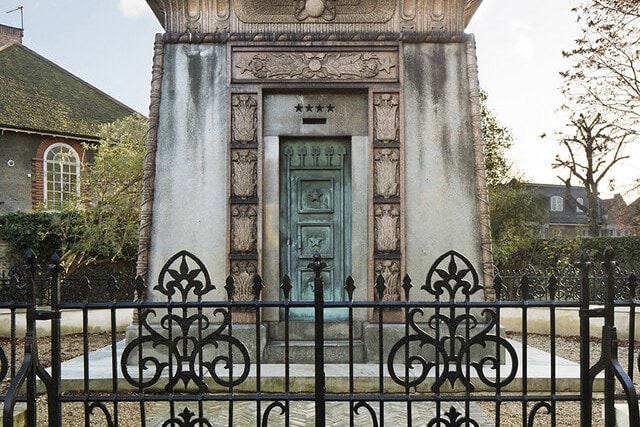
Kilmorey Mausoleum is a pink and grey Egyptian tomb that its owner had dismantled and rebuilt twice so it would follow him around London. H. E. Kendall designed it in 1854 for Francis Jack Needham, second Earl of Kilmorey, and Priscilla Hoste, his ward and mistress. The form borrows from the shrines at the heart of Egyptian temples. Inside are the coffins and a marble relief of Priscilla on her deathbed.
- The concept: Victorian scandal rendered in Aberdeen granite, moved from Brompton Cemetery to Chertsey and then to Twickenham.
- On the tour: an open day with short tours of the mausoleum and its garden, coffins in view.
- The vibe: quietly gothic. Small, sombre and extremely strange.
- Best for: cemetery walkers, and anyone building a day around the odder end of the programme.
5. Citigen: a power station behind listed facades
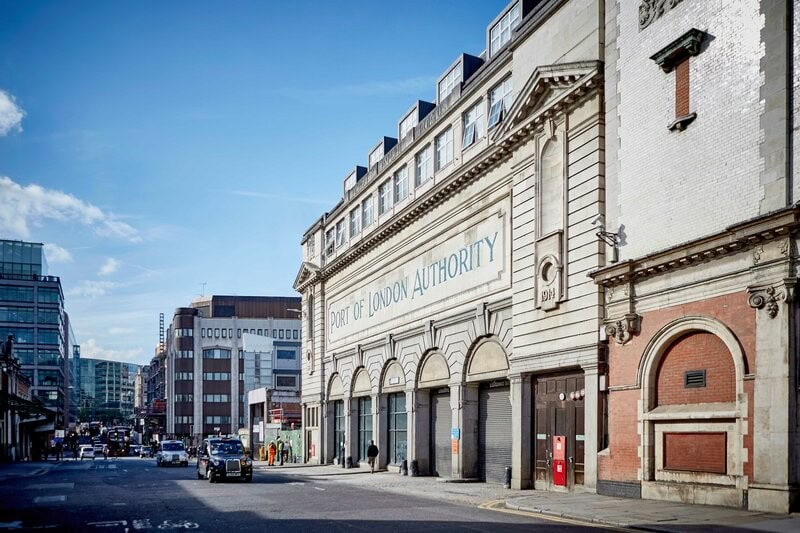
E.ON’s Citigen energy centre is a working power station stacked eight storeys deep behind two listed facades, directly opposite Smithfield. It supplies electricity, heat and cooling through an 11 kilometre decentralised network, a volume E.ON puts at the equivalent of 13,600 average homes, and E.ON is commissioning a 4MW heat pump connected to three boreholes that tap the natural heat of the earth 200 metres beneath the City. None of it is visible from the street.
- The concept: heavy infrastructure hiding in plain sight in the middle of the City of London.
- On the tour: a guided route through plant rooms, stairwells and borehole equipment while the station runs.
- The vibe: loud, hot and gloriously unglamorous.
- Best for: engineering minded visitors who want to see how a dense city actually gets warm.
6. Tin House: metal pavilions around a hidden court
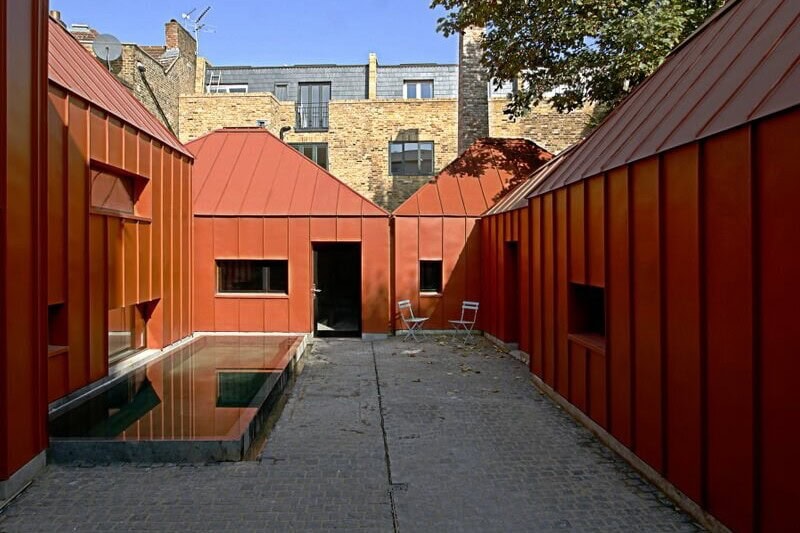
Tin House is a private home built as a cluster of metal clad pavilions wrapped around a courtyard you cannot see from the street. Henning Stummel Architects finished it in 2015 on an awkward urban plot that neighbours overlooked from almost every side. The response was a set of mostly single storey volumes, each with a roof pitched on four sides and a central rooflight, linked by double walls that swallow the secondary spaces.
- The concept: a house that turns its back on the street and opens entirely inwards.
- On the tour: a short open house with guided tours, no ticket needed.
- The vibe: sculptural metal outside, calm and top lit inside.
- Best for: architecture readers, and anyone hunting top lit rooms for a photo shoot.
7. St Pancras Clock Tower: a bell chamber, no bells
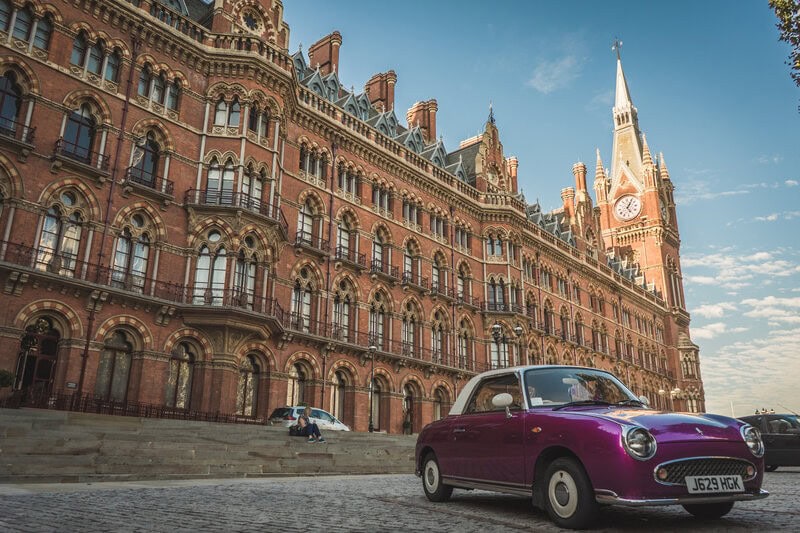
St Pancras Chambers and Clock Tower hides a ten metre high gothic bell chamber that never received a single bell. Sir George Gilbert Scott designed the former Midland Grand Hotel, built from 1868 to front Henry Barlow’s train shed. The Tower Room beneath the clock faces was intended to hold bells and then left empty. The stone niches on the facade are empty too, after the railway company dropped the statues meant to fill them. A single figure of Britannia sits at the very top, the only statue on the entire building.
- The concept: the most photographed building on Euston Road, seen from the one room nobody photographs.
- On the tour: a 50 minute guided tour taking in the hotel hall, the clock tower and the Tower Room.
- The vibe: high Victorian gothic at full volume.
- Best for: rail romantics, and anyone who has walked past St Pancras a thousand times without getting in.
8. Southwark waste facility: recycling as spectacle
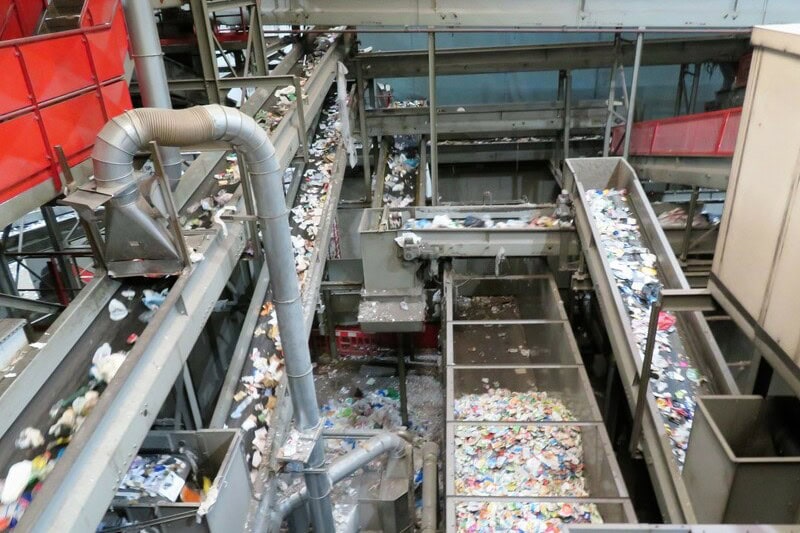
Southwark Integrated Waste Management Facility lets you follow your own recycling through the machines that sort it. Built and run by Veolia under a 25 year contract with Southwark Council, the site has been operating since January 2012 and brings together a materials recovery facility, a mechanical biological treatment plant and a recycling discovery centre for children. The listing is refreshingly upfront that the smells can be strong.
- The concept: an industrial process most Londoners feed daily and never see.
- On the tour: a guided route past conveyors and the baling hall, with slots handed out on the day, first come first served.
- The vibe: noisy, pungent and oddly mesmerising.
- Best for: families with older children, as part of the Open House Wonder Day programme.
9. Hermitage Moorings: a floating neighbourhood
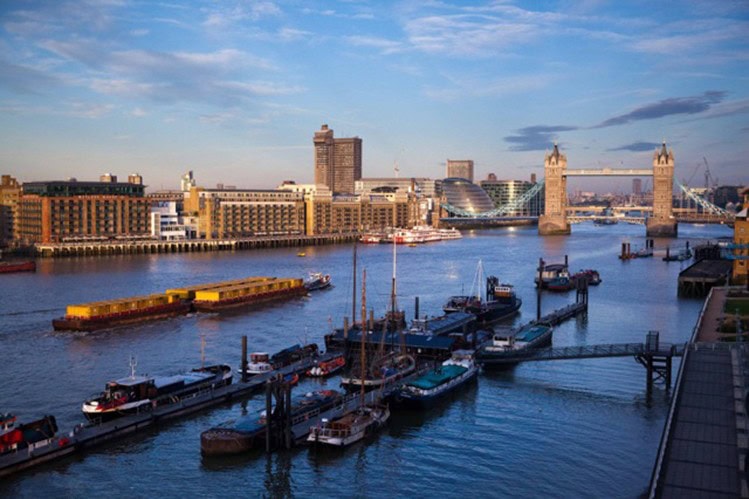
Hermitage Community Moorings is a residential co-operative on the Thames where people live aboard historic boats just downstream of Tower Bridge. Completed in 2010 by Anna Versteeg and Ollie Price, it provides residential, recreational and visitor berths for up to twenty vessels. The floating Pier House doubles as the community centre, its roof carries 54 solar panels rated at 23kWp, and the co-op reported 17,000kWh generated in 2024.
- The concept: a working boat community organised as a co-operative rather than a marina.
- On the tour: open days on the pontoons and inside the Pier House, with residents on hand.
- The vibe: timber, rope and river light. A useful change of pace.
- Best for: an easy afternoon after something underground, and anyone curious about how the Thames still gets lived on.
10. Zoroastrian Centre: cinema, nightclub, temple
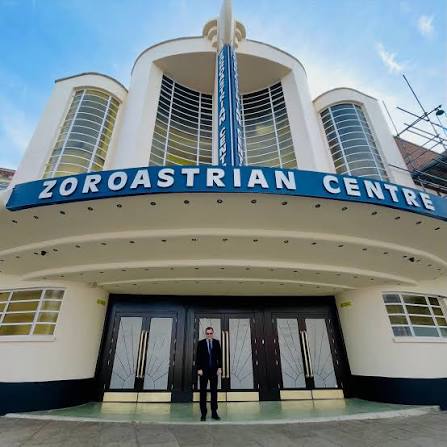
The Zoroastrian Centre for Europe occupies an Art Deco cinema that spent part of the 1990s with a real helicopter hanging from its ceiling. F. E. Bromige designed the Grosvenor Cinema, which opened in October 1936 and is now Grade II* listed for its curved elephant trunk facade, with deep curved ribs across the auditorium and a proscenium framed by fluted columns. During its nightclub years the ceiling carried a helicopter, two light aircraft and a skiff, later joined by life size astronauts. The Zoroastrian Trust Funds of Europe bought the building in 2000 and restored it, and the old projection box is now a prayer room.
- The concept: four lives in one listed auditorium, from picture palace to place of worship.
- On the tour: drop in to the restored interior, with an open day and guided tours on 12 September.
- The vibe: Deco curves, careful restoration and an unusually good story. The aircraft are long gone.
- Best for: cinema history readers, and anyone who has ever wanted to hire a cinema of their own.
11. Kew Herbarium: seven million preserved plants
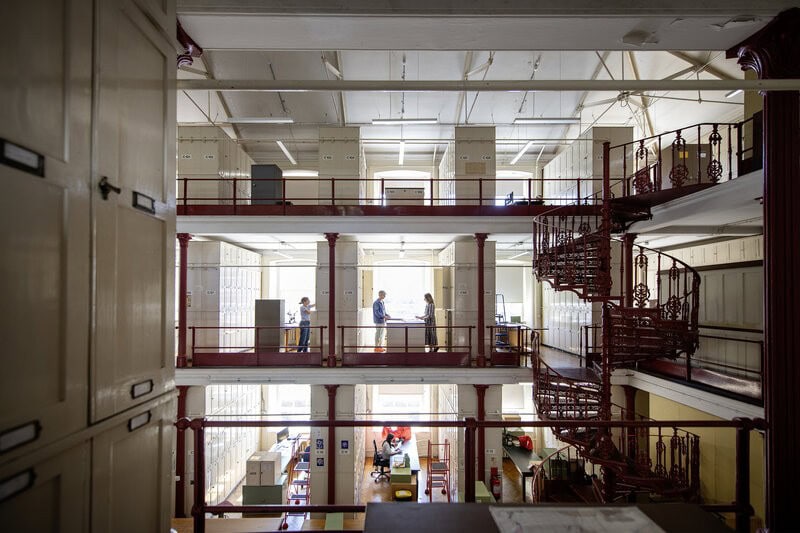
The Herbarium at Royal Botanic Gardens, Kew holds almost seven million preserved botanical collections in a complex built for research rather than visitors. Founded in 1852 on the ground floor of Hunter House, and normally open only to visiting researchers, the Herbarium, Library, Art & Archives buildings on Kew Green hold one of the largest botanical libraries and art and archive collections in the world, and the specimens underpin work on plant distribution, extinction risk, morphological and chemical variation and, in some cases, DNA.
- The concept: a scientific store cupboard on a scale that is hard to picture until you are inside it.
- On the tour: a 40 minute guided tour through the collections and archives.
- The vibe: cabinet of curiosities meets working laboratory.
- Best for: plant people, illustrators and anyone who likes a well ordered drawer.
12. The Clockworks: electrical horology, all of it
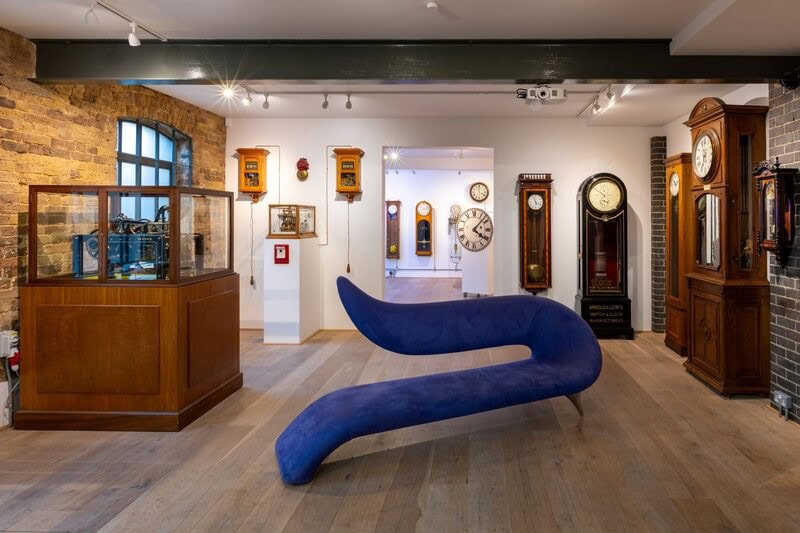
The Clockworks describes itself as the only museum in the world devoted entirely to electrical horology, and outside the festival it opens by appointment only. It covers networked and precision timekeeping from 1840 to 1970 and has occupied the ground floor of a mid Victorian printworks since 2011, combining a gallery, a library and a working conservation workshop. Among the exhibits are the first free pendulum to run successfully, designed by William Hamilton Shortt in 1920, and two Soviet tank mounted astronomical clocks by Feodosii Fedchenko.
- The concept: the machinery behind the idea that every clock in a city should agree.
- On the tour: drop in to the gallery, join a family activity, or book a curator tour.
- The vibe: quiet, obsessive and full of ticking.
- Best for: anyone who has wondered how time got standardised, and a gentle finish to a heavier day.
How to book Open House London 2026
Everything at Open House is free. The distinction that matters is between drop in and booked.
- Set an alarm for 19 August: ticketed activities go live at midday. BT Tower, Citigen, the St Pancras clock tower and the Kew Herbarium all sit in that group, and the popular ones clear within hours.
- Register first: you need a free visitor account on the Open House programme site before you can hold a ticket.
- Fill the gaps with drop ins: most of the programme needs no ticket at all, which is where the shelter, the mausoleum and Tin House come in.
- Plan by area, not by wish list: Kew, Twickenham and Harrow are nowhere near Wapping. Pair openings that share a borough.
- Re-check the week before: slots get added, pulled and rescheduled right up to the festival.
Worth saying plainly, too. Kilmorey Mausoleum has volunteer staffed afternoons in the warmer months, The Clockworks takes appointments, Southwark runs Wonder Day annually, and Wapping Hydraulic Power Station hosts occasional events while its restoration continues. If you miss a date in September, check the venue directly rather than writing it off for a year.
What if you want the building all to yourself?
We get it!
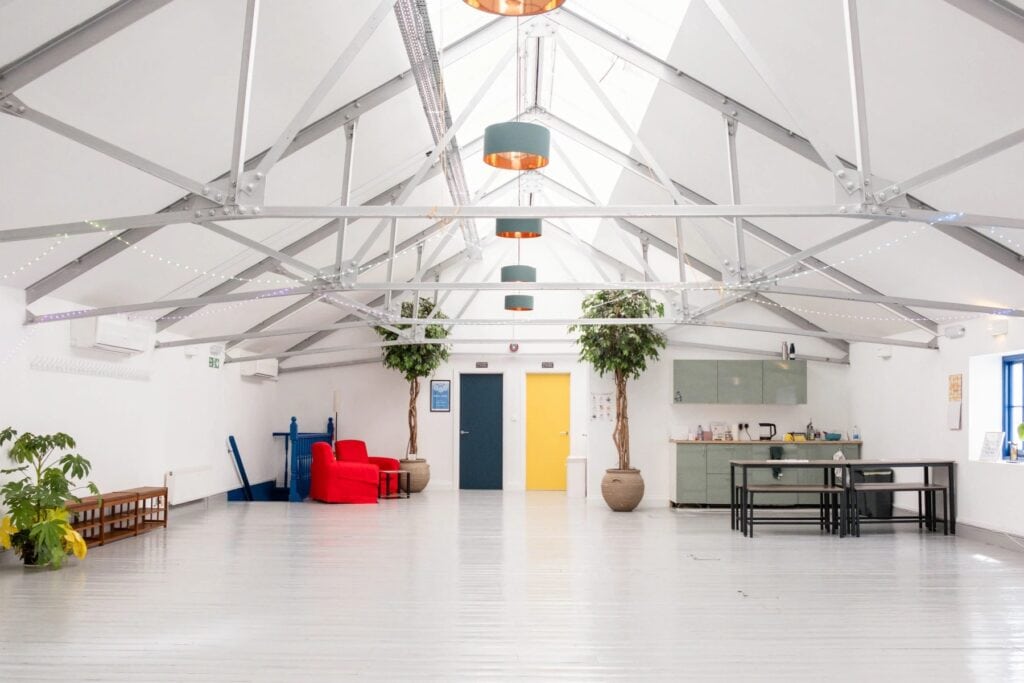
A birthday that needs a proper backdrop, a launch that has to look like nothing else, a dinner in a room with genuine character rather than a function suite. Open House is nine days inside other people’s buildings, on their schedule, with a hundred people beside you. Sometimes you want the room, the timing and the guest list to be yours.
That is where hiring by the hour changes things. A London warehouse with industrial bones, a loft with good light, a rooftop for the view, or a private dining room for something smaller. You bring your own caterer, your own playlist and your own running order, and you pay for the hours you use rather than a full day. Other venue platforms and traditional agents cover the same city, so compare on hourly cost and on whether events are actually welcome before you commit.
So either queue for the strangest doors in London this September, or open one of your own. The city has room for both.
In this article
- 1. Wapping Hydraulic Power Station: shut for a decade
- 2. BT Tower: the revolving floor, 158m up
- 3. St Leonards Court air raid shelter: bunks intact
- 4. Kilmorey Mausoleum: the tomb that moved twice
- 5. Citigen: a power station behind listed facades
- 6. Tin House: metal pavilions around a hidden court
- Build the day around a space of your own
- 7. St Pancras Clock Tower: a bell chamber, no bells
- 8. Southwark waste facility: recycling as spectacle
- 9. Hermitage Moorings: a floating neighbourhood
- 10. Zoroastrian Centre: cinema, nightclub, temple
- 11. Kew Herbarium: seven million preserved plants
- 12. The Clockworks: electrical horology, all of it
- How to book Open House London 2026
- What if you want the building all to yourself?
In this article
- 1. Wapping Hydraulic Power Station: shut for a decade
- 2. BT Tower: the revolving floor, 158m up
- 3. St Leonards Court air raid shelter: bunks intact
- 4. Kilmorey Mausoleum: the tomb that moved twice
- 5. Citigen: a power station behind listed facades
- 6. Tin House: metal pavilions around a hidden court
- Build the day around a space of your own
- 7. St Pancras Clock Tower: a bell chamber, no bells
- 8. Southwark waste facility: recycling as spectacle
- 9. Hermitage Moorings: a floating neighbourhood
- 10. Zoroastrian Centre: cinema, nightclub, temple
- 11. Kew Herbarium: seven million preserved plants
- 12. The Clockworks: electrical horology, all of it
- How to book Open House London 2026
- What if you want the building all to yourself?
Get together somewhere better
Book thousands of unique spaces directly from local hosts.
Explore SpacesShare your space and start earning
Join thousands of hosts renting their space for meetings, events, and photo shoots.
List Your Space