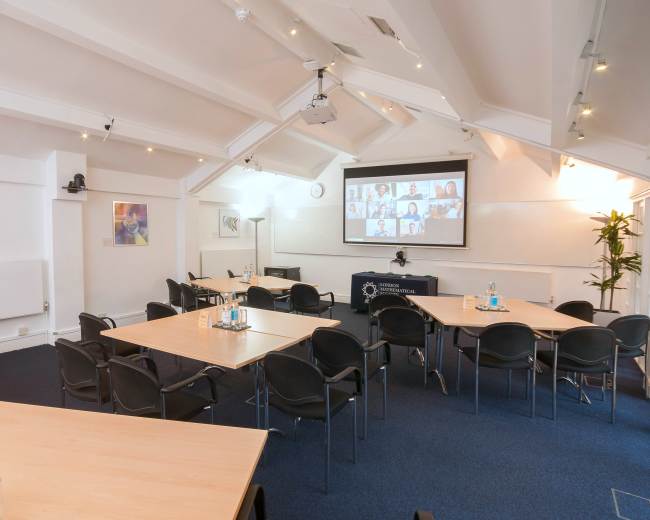
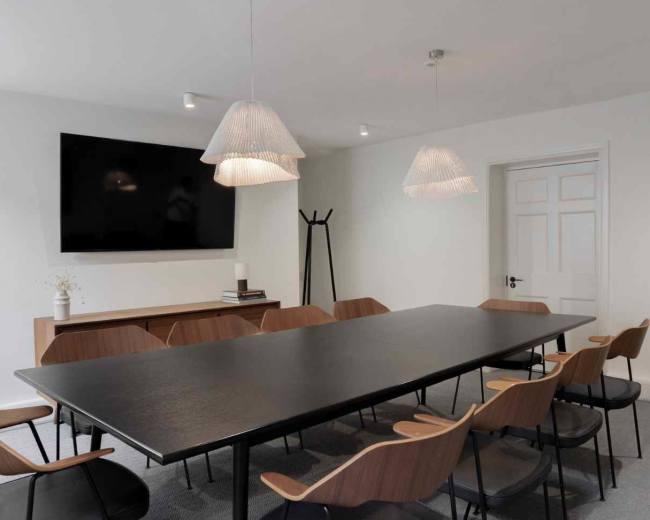
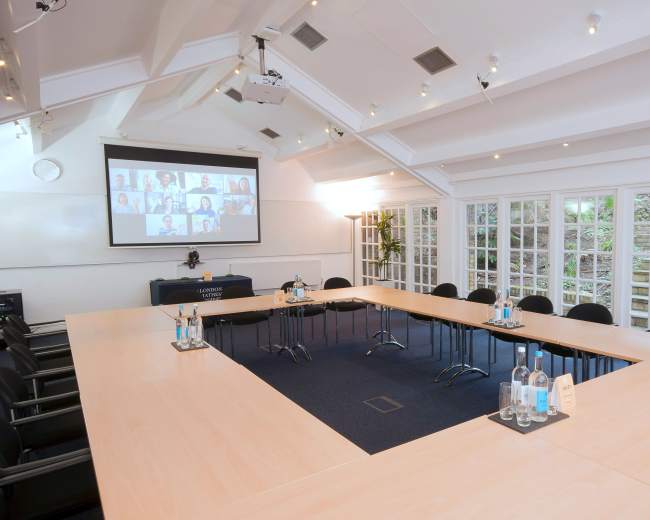
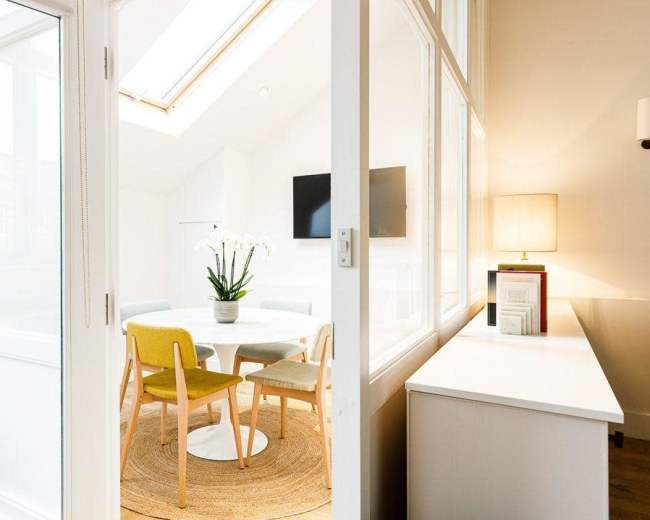
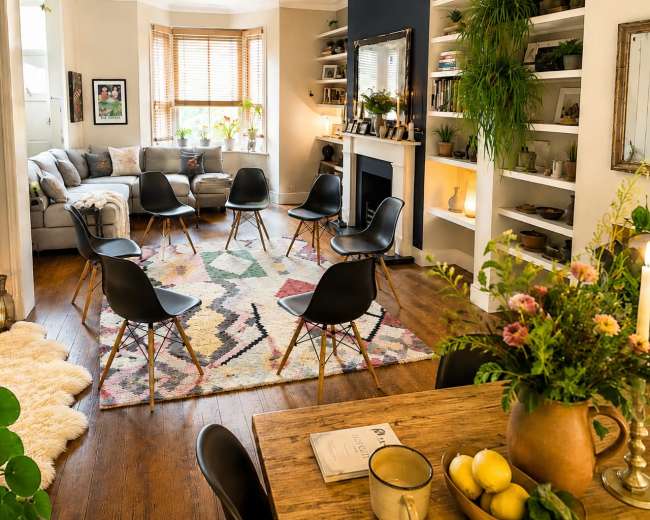
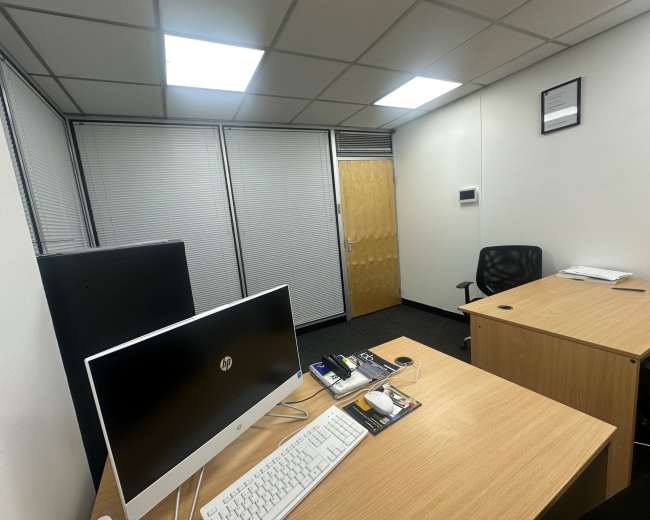
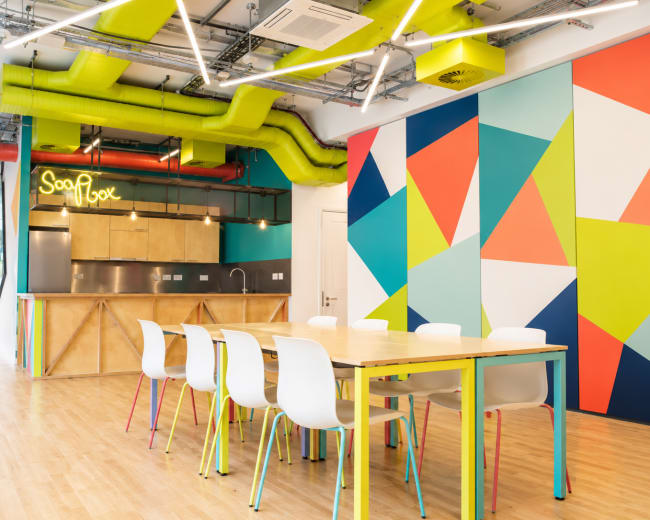
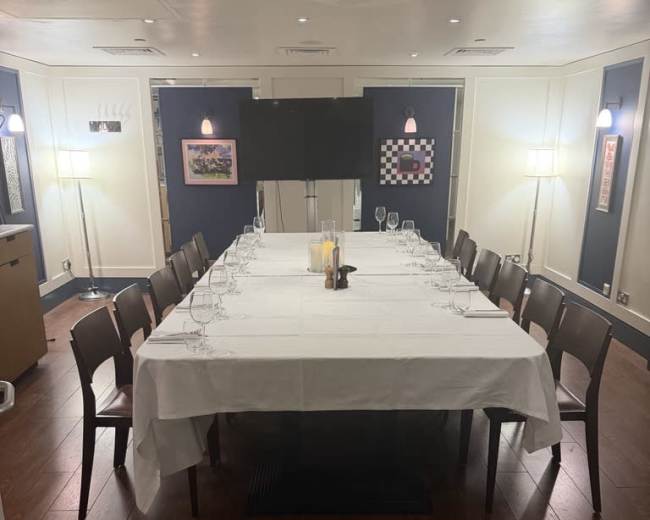
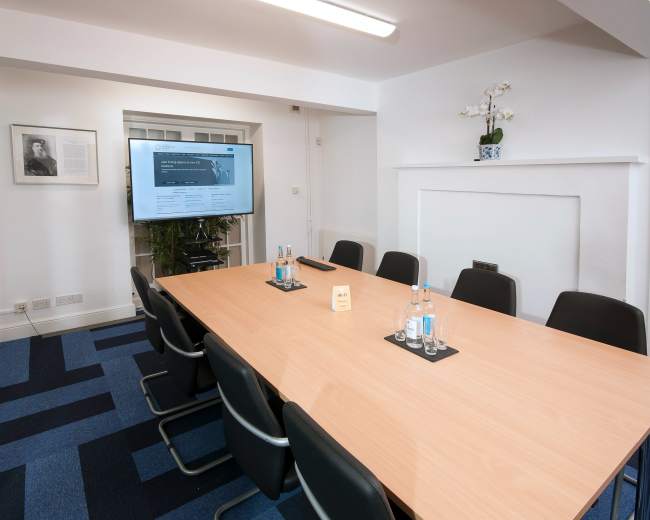
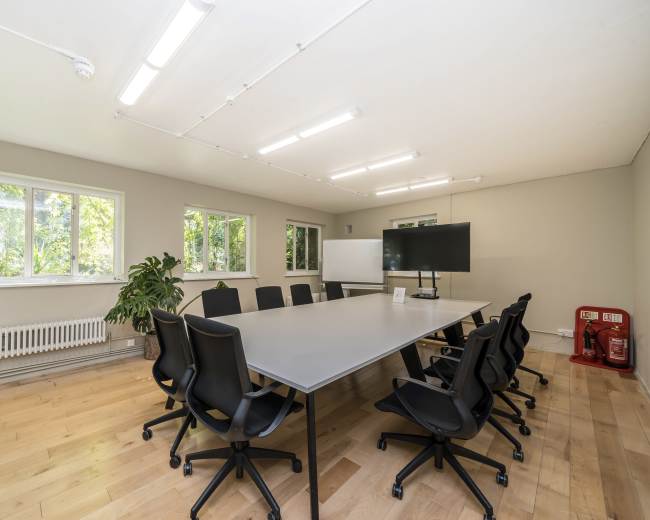
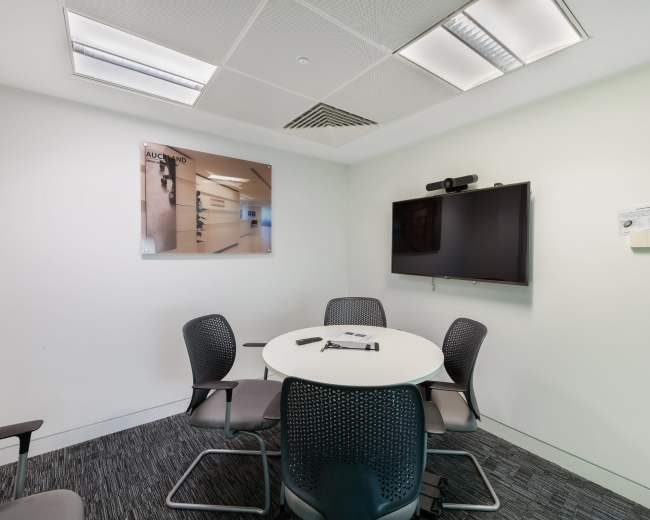
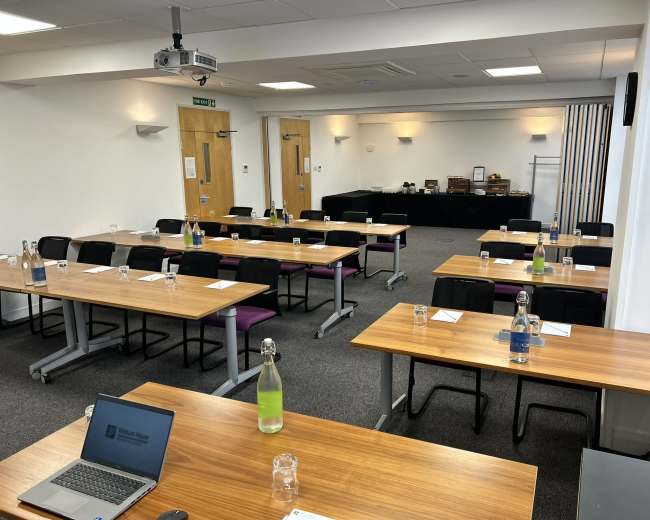
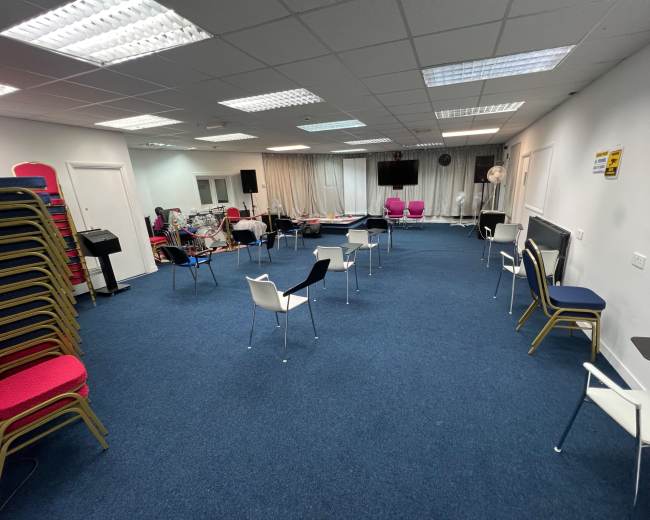
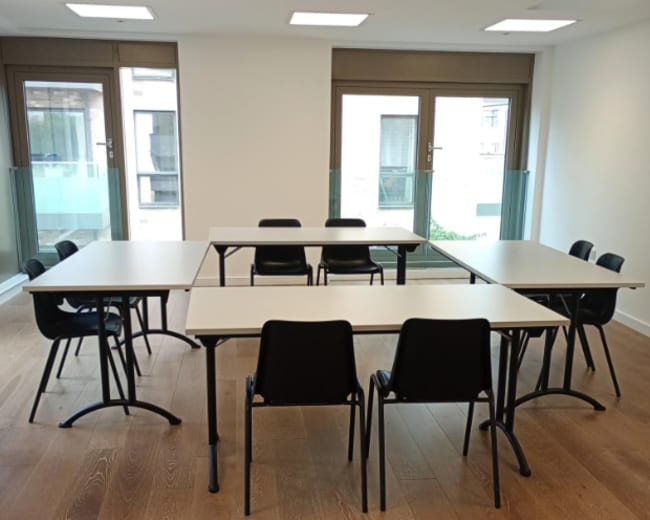
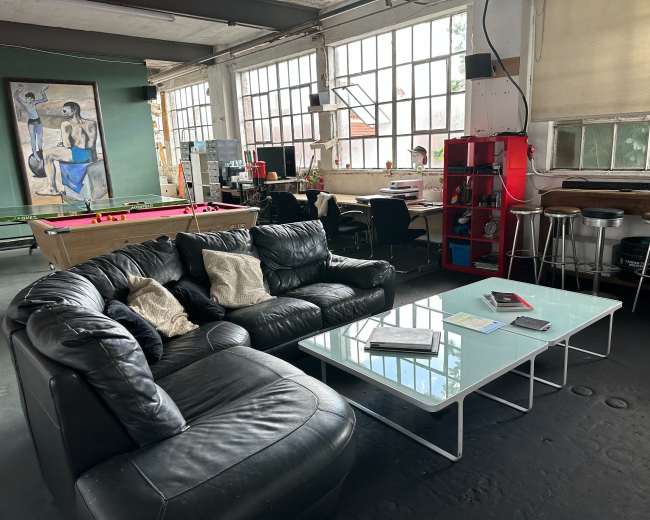
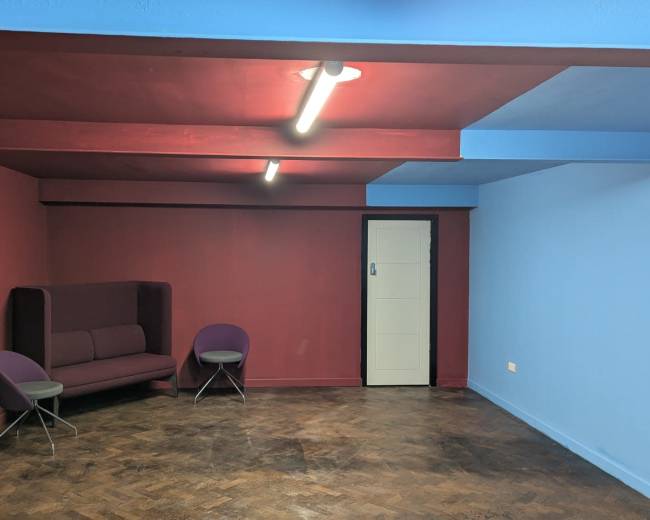
Hire a classroom in London, England

Discover thousands of unique classrooms for hire perfect for your meeting.

Enter your activity
London, England, United Kingdom

How teaching rooms work on Peerspace

Peerspace is the easiest way to book unique classrooms for meetings, team building, fashion shows, events and more.

Discover Spaces

Inspiring spaces

Every day, we uncover new, creative spaces, including teaching rooms, perfect for your activity.

Honest pricing

Our classrooms are priced to fit your budget. Hire by the hour without worrying about hidden fees.

Smooth bookings

No more messy contracts. We build the tools to make booking teaching rooms as easy as the click of a button.

Popular classrooms

Explore all 360+ classrooms in London. See All ›

Frequently Asked Questions

Pricing and popularity information in this section is based on proprietary Peerspace booking data, reflecting recent booking activity and the latest data available through October 2026.

How much does a classroom cost to rent in London?

Classrooms in London average £69 per hour to rent, but it’s easy to spend less or more depending on what you’re looking for.

How long do people rent classrooms in London?

Most classrooms are scheduled for 6 hours, with 19 people in attendance. You’ll find the most Classrooms starting between 12:00 and 13:00.

How popular are classrooms in London?

Our local hosts have welcomed 1075 people into their classrooms with reviews averaging 4.86 stars. Most even said they would book again -- about 95.

What's the best day to hire a classroom in London?

Saturdays are the most popular day for booking classrooms in London. For those seeking a deal, consider booking Sunday and Saturday as these days are 31% cheaper on average.

What should you budget to hire a classroom, and what drives the price?

London classroom hire typically ranges from £30 to £140 an hour. A few factors push the figure up or down. Location leads. A room in the West End or the City costs more than one in a fringe or outer borough. Size and capacity follow close behind, since bigger rooms with more seats command higher rates. Rates rise with capacity, centrality, furniture, AV, catering, natural light and time of day. Check whether the quote includes tables, chairs, a screen, a projector, Wi-Fi, refreshments, cleaning, VAT or other charges. If the session is training-led, compare training rooms rather than relying on the hourly rate alone.

How do you choose the right room size and layout for your session?

Start with headcount, then the kind of session you're running. A lecture-style talk packs more people in than a hands-on workshop with breakout tables, so the same floor area can feel generous or cramped depending on your layout. A few planning pointers:
  • Space per person: Around 10 m² each is a sensible general planning guide, per the British Council for Offices, though a seated talk can run tighter than a desk-based office
  • Layout to purpose: Theatre rows suit presentations, a U-shape favours discussion, and clustered tables help group work
  • Room for kit: Leave space for a projector screen, a facilitator zone and clear walkways
Don't assume legal minimums set your capacity. The Health and Safety Executive notes that its general workplace space minimum of about 11 cubic metres, or 4.6 m² per person, doesn't apply to rooms used for lectures, meetings and similar purposes, so it isn't a classroom rule. Confirm the usable layout, exits and furniture with the host. This workshop planning guide can help you work backwards from the session format.

What should you check about a space's facilities before you book?

Before booking, verify:
  • Power and sockets: Enough outlets for laptops, chargers and AV, ideally near the seating
  • Furniture included: Tables, chairs and a writing surface you can actually reconfigure
  • Toilets and access: Clean, nearby facilities and step-free routes where needed
  • Connectivity: Reliable Wi-Fi and a screen or projector that works
  • Comfort: Natural light, plus heating or cooling you can control
A venue's stated capacity is not the same as a comfortable classroom capacity. Citizens Advice explains that service providers generally need to think ahead about reasonable adjustments for disabled people, but you should confirm the actual access arrangements with the host. If you need presentation equipment, see this guide to hiring a projector and screen.

Which London areas work best for hosting a class or training day?

Transport is usually more useful than postcode prestige. King's Cross and Farringdon work well for rail connections. South Bank and Waterloo offer central access. Shoreditch and Old Street suit creative sessions, while Hammersmith and Stratford can offer larger rooms with strong transport links. Check the exact route, step-free stations, parking and arrival time for your attendees. TfL's accessible travel information can help you check station access before shortlisting. You can browse event venues across London or compare event venues in Shoreditch.

Is a paid venue worth it, or will a home, hall or park do the job?

There's no single right answer. It depends on your group size, budget and how much logistics you want to handle. Free or casual spaces have real appeal. A private garden, home or community hall can be low-cost and low-admin, and private property doesn't need a public-space licence. For small, informal groups it's hard to beat. The trade-offs are practical: limited capacity, few toilets, no changing or catering setup, no cover from the weather, and DIY setup and cleanup falling to you. A paid venue earns its fee in reliability. You get dependable AV and Wi-Fi, a set capacity and layout, a professional feel and far fewer logistics to juggle. Licensing is worth knowing. GOV.UK confirms that standard training courses, workshops, seminars and classes aren't licensable and don't need a Temporary Event Notice, unless you add regulated entertainment or sell alcohol. Public parks differ. The Royal Parks require a licence and fee for commercial or business activity in London's Royal Parks. Pro tip: Before booking an indoor classroom, tell the host the group size, layout and activity, then confirm usable capacity, access and any equipment you are bringing. A private venue can reduce public-space logistics, but it does not transfer your own event, insurance or safeguarding responsibilities.

How do training rooms and meeting rooms compare, and how do you find an affordable one centrally?

Training rooms are designed for teaching, with more space to move, flexible seating and presentation or whiteboard facilities. Meeting rooms are better for seated discussions, interviews and boardroom work, but can feel cramped for hands-on exercises. For a central, affordable option, compare the total booking cost, minimum hire, transport, AV and setup time. Looking one or two stops beyond the most expensive core can widen the choice without making the venue difficult to reach. Compare meeting rooms in London, conference rooms in London and corporate meeting spaces against the format you need.

Reviews for classrooms

Piers F.
The Classroom - Event Space in the heart of the Silicon Roundabout
Great space. Plug and play with amazing support team who ensured everything went smoothly. The room is private and, yes, a classroom (no windows). It is what the photos showed. I scoured the web looking for an event space for a talk and for the price, you can't find...
Talia B.
Studio 1 - Rehearsal space
loved teaching my yoga class at studio T. Jordan was very responsive and everything went smoothly

Updated 15 October 2026Our data is refreshed in real time using booking trends, verified guest reviews and direct partner update, with additional quality checks from our team.