
- Key question: Is alcohol being sold or just served? “Sold” can include charging admission, selling drink tickets, or bundling alcohol into a paid package in a way regulators treat like a sale. If there’s any gray area, assume it could be treated as a sale and confirm the rules before you promote your event.
- Venue coverage: Does your event venue’s existing license apply to your event? Some restaurants, hotels, and dedicated event venues already have on-site alcohol licensing, but that doesn’t automatically mean you can bring your own alcohol or your own bartender. Ask:
- BYOB policy: Can we bring alcohol, or must alcohol be purchased through the venue?
- Bar requirements: Do you require a licensed bartender or an insured bar service?
- Service limits: Are there restrictions on liquor vs. beer and wine?
- If you need a permit: Use the state’s official special event permits. South Carolina’s permit types and requirements (including beer/wine special event permits and liquor special event permits for qualifying nonprofits) are outlined by the South Carolina Department of Revenue.
- Timing: Build in approval lead time. Alcohol permissions often require paperwork and processing time, even when the plan seems simple. Factor this into your event venue selection and timeline.
- Related requirements: Plan for the add-ons that often come with alcohol. Depending on the space and format, you may need:
- Security: Staffing or entry monitoring required by the venue or your event's size.
- ID checks: Wristbands or other age-verification procedures.
- Noise rules: Amplified music limits or earlier end times.
- Insurance: Event insurance or a certificate of insurance (COI), often required when alcohol is involved.
How function venues work on Peerspace
Peerspace is the easiest way to book unique venues for events. We also have spaces for productions and meetings.
Discover SpacesUnique venues
Every day we uncover new, creative spaces perfect for your function — from neighborhood galleries to hidden rooftops, and beyond.
Honest pricing
Our spaces are priced to fit your budget. Hire by the hour for your event without worrying about hidden fees.
Smooth bookings
No more messy contracts. We build the tools to make hiring out a space for your function as easy as the click of a button.
Popular event venues
Explore all of our event venues in Columbia. See All ›
Majestic Rose Venue
Five Points, Columbia, SC500 guests
Majestic Rose Venue. work.
Lounge/Study Area: Comfortable seating for informal gatherings or private relaxation.
3. Unique Features and Amenities:
Bluetooth Speakers: Easily stream music or audio for events and classes.
Fireplaces: Add warmth and charm to indoor gatherings.
TV: Use for presentations, entertainment, or group viewing.
Wi Fi: Ensures connectivity for meetings, workshops, and personal
...
From
$175
/hr
4 hr min
Expansive Venues
Midtown - Downtown, Columbia, SC50 guests
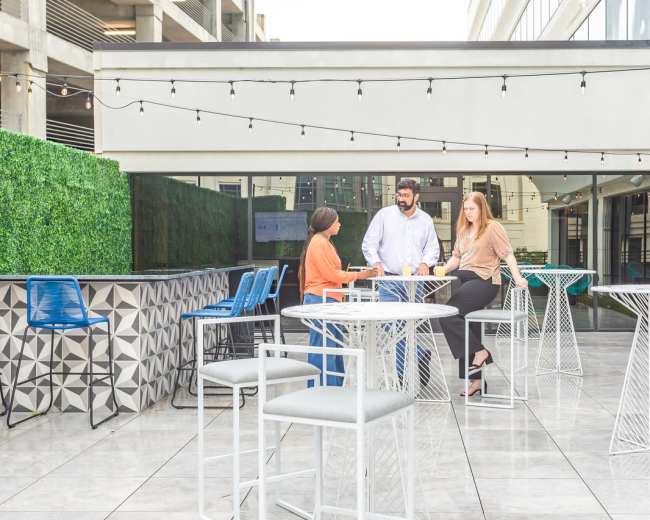
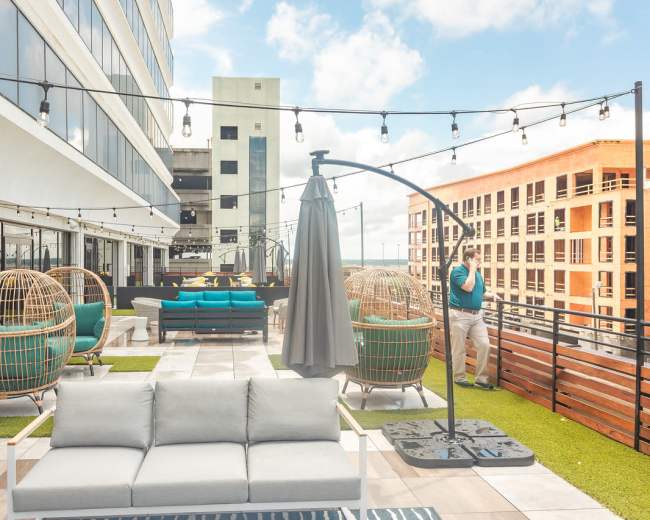
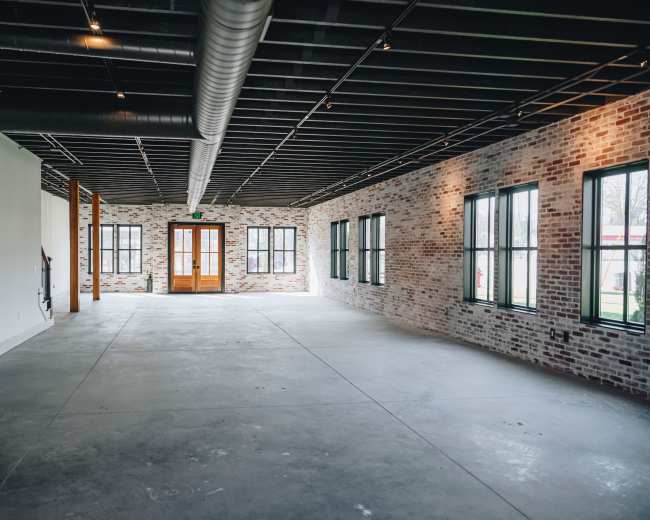
Expansive Venues. heart of Downtown Columbia—just one block from the South Carolina Statehouse—The Palmetto Patio offers 8,900 square feet of fully renovated indoor/outdoor event space. Guests can enjoy the open air wraparound patio, flexible indoor meeting areas, or a seamless combination of both.
Perfect for corporate functions, social celebrations,
...
From
$188
/hr
4 hr min
Expansive Venues
Midtown - Downtown, Columbia, SC4.0 (1)
200 guests
Expansive Venues. heart of Downtown Columbia—just one block from the South Carolina Statehouse—The Palmetto Patio offers 8,900 square feet of fully renovated indoor/outdoor event space. Guests can enjoy the open air wraparound patio, flexible indoor meeting areas, or a seamless combination of both.
Perfect for corporate functions, social celebrations,
...
From
$313
/hr
4 hr min
Sanctuaire Columbia
Dentsville, Columbia, SC4.8 (26)
50 guests
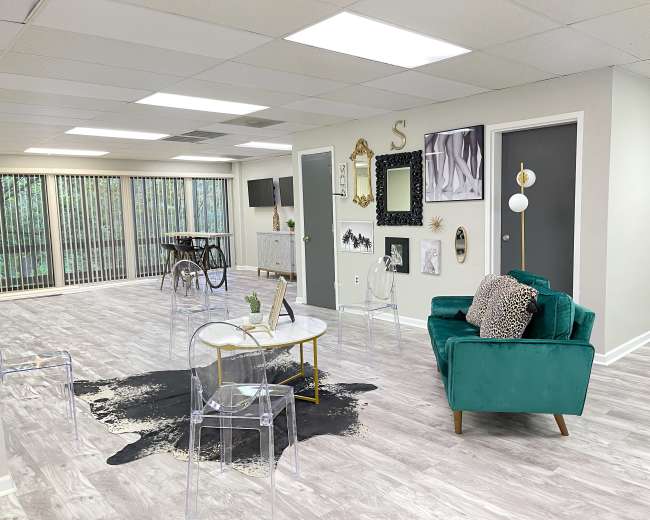
Sanctuaire Columbia. 2nd floor space located in Columbia, SC . This venue is a safe place for, creatives, entrepreneurs, and venue for social events. This venue accomodates birthday parties, showers, brunch, business trainings, classes, networking space, photo shoots, group workouts and more. Decor/layout can change. We have 24
...
From
$80
/hr
4 hr min
humphries space
Serving the Columbia, SC area200 guests
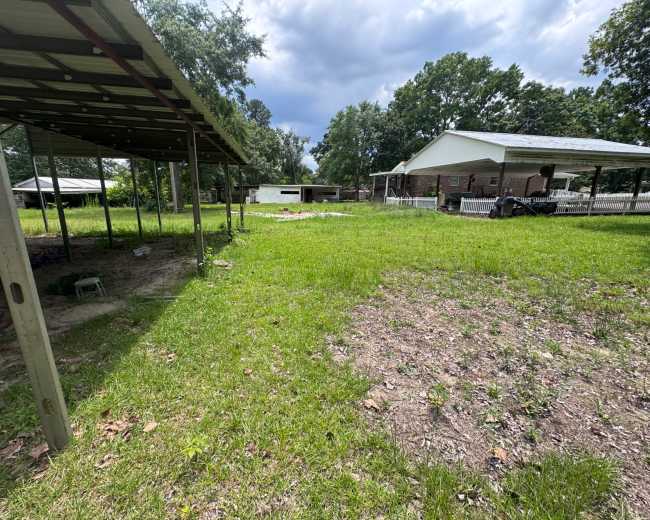
humphries space. suitable for small to mid sized gatherings, depending on setup. The space has a relaxed residential feel with room for customizable event layouts such as seating areas, activity zones, and small vendor setups.
🎉 Ideal For
* Birthday parties
* Small private events
* Family gatherings
* Cookouts & BBQs
* Baby
...
From
$125
/hr
3 hr min
Downtown micro-cinema in bustling bar district
Five Points, Columbia, SC5.0 (4)
40 guests
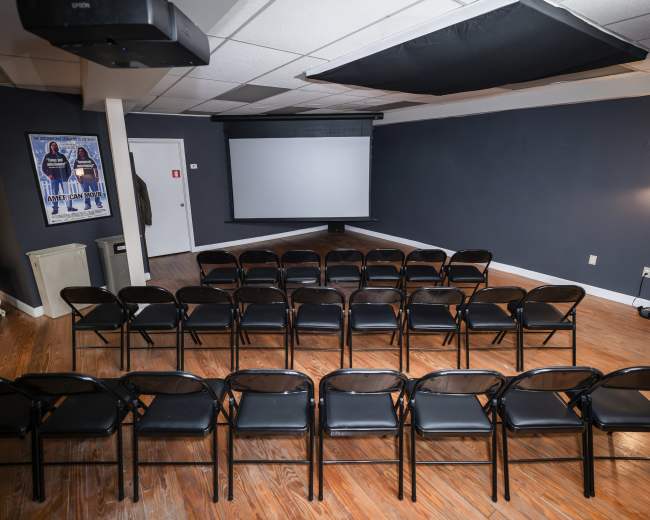
Five Points in Columbia, South Carolina, The Babylon Kino is a sanctuary for cinephiles, with a rotating schedule of screenings and events that celebrate independent film. We have a beautiful screen, a cinema quality projector, big surround sound, seating for 40 and an adjacent lounge with
...
From
$100
/hr
1 hr min
Cute N' Comfy Capers Columbia, Sc
Rosewood, Columbia, SC5.0 (11)
20 guests
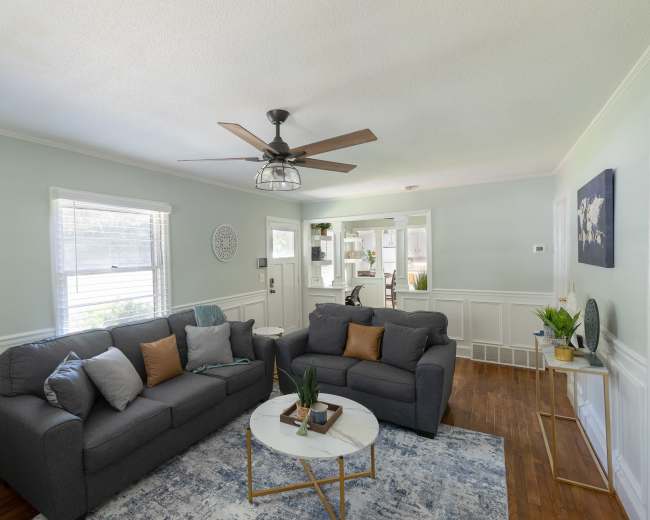
Can be used for short term stays. Activities that could work well here are: Book Clubs, Military Socials, Bible Study, Photoshoots, YouTube Content Creators, Baby Showers, Intimate Meals with a Private Chef, etc.
The layout is a two bedroom home with a living room, office space,
...
From
$75
/hr
2 hr min
Natural light Studio/Venue
5.1 miles from Columbia, SC5.0 (38)
80 guests
This is great for photographers to conduct sessions for clients(branding, families, weddings). Creatives are able to host book clubs, artist galleries and the list goes on.
Small elopements or weddings can be hosted as well . The options are endless with this open layout.
...
From
$175
/hr
2 hr min
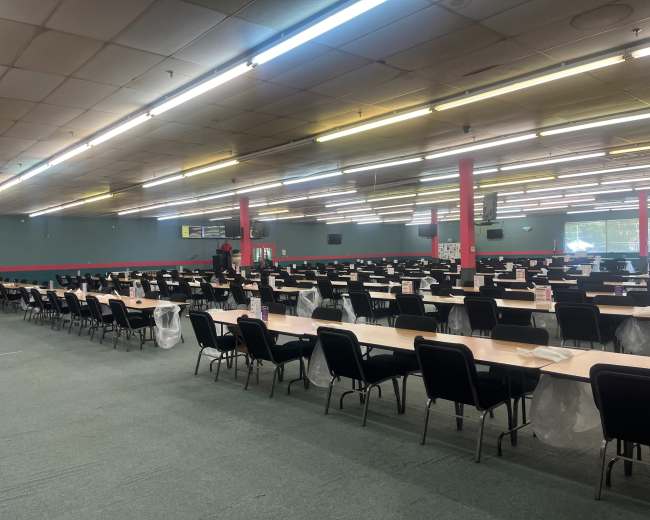
Bingo Hall in Charleston Highway
6.5 miles from Columbia, SC800 guests
Your Ultimate Event Venue
Welcome to our Bingo Hall on Charleston Highway, a versatile and vibrant event venue located in the heart of West Columbia. Perfectly suited for a variety of events, including film production, corporate gatherings, birthday parties, game nights, and more, our Bingo Hall on
...
From
$500
/hr
8 hr min
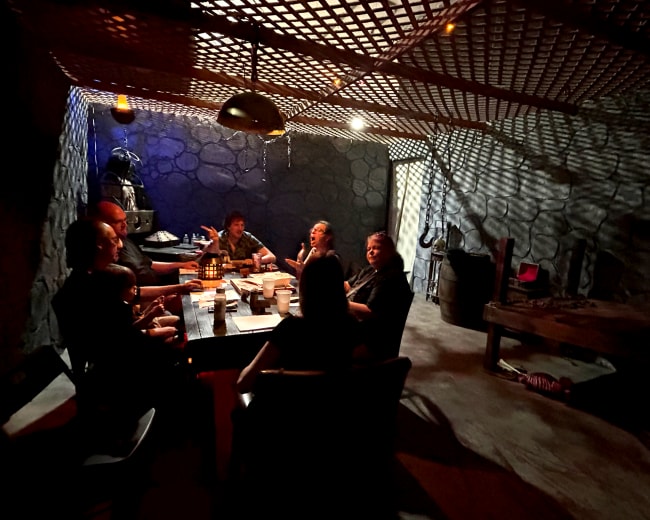
Immersive Game Experience: Shadows of the Throne
Serving the Columbia, SC area10 guests
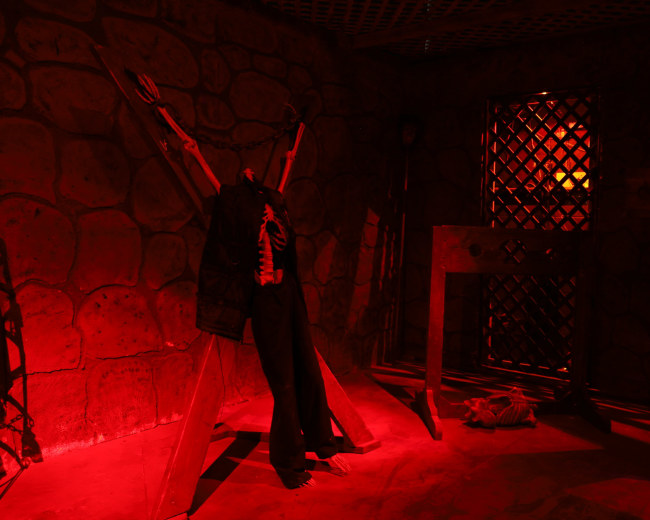
THE ROOM:
Bring your group to play an immersive game experience in a dungeon inside our haunted house. Our room includes a table for 6 players, special programmable mood lighting, sound system and all the decorations that make our Dungeon a great place for an immersive experience.
Included
...
From
$125
/hr
2 hr min
Haunted House Experience in Elgin
Serving the Columbia, SC area10 guests
This is a private rental of a complete indoor Haunted House! Inside an 8000 square foot building, your private group can choose to experience one of three unique terrifying adventures.
IN OUR MIDST: In a live action version of the hit game 'Among Us', your group
...
From
$200
/hr
1 hr min
Lake Murray Waterfront Estate
Serving the Columbia, SC area5.0 (2)
20 guests
Multi level waterfront home with two kitchens, dock, swimming area, natural swimming pool, waterfalls, and plenty of beauty for your photo shoots or small gatherings. Amenities abound! Three dining areas with large tables, five bathrooms, extensive exterior porches, gas and wood fire pits, and grills.
Boat
...
From
$300
/hr
1 hr min
Remote landscaped outdoor venue featuring a pond with fountain
Serving the Columbia, SC area50 guests
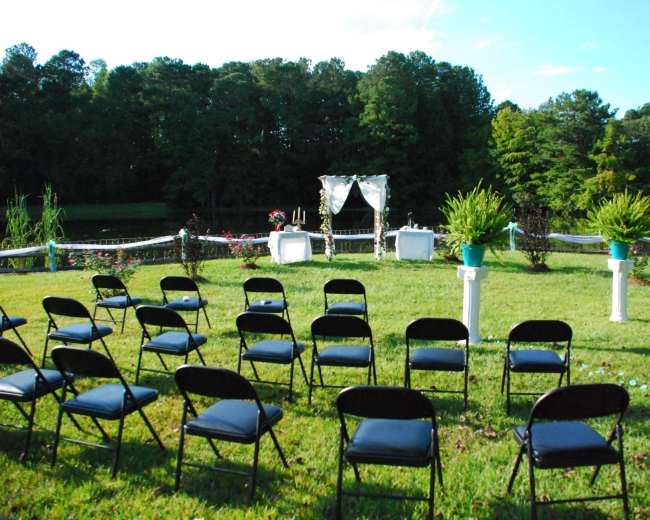
What started out as hosting my daughter's wedding in the summer of 2021 has now lead into inquiries regarding use of our remote & private landscaped yard. Our unique features include a pond with fountain, gazebo, garden arches, a small pool, benches and a variety
...
From
$125
/hr
4 hr min
Downtown Home in Sumter
Serving the Columbia, SC area6 guests
Our home is a beautiful 3 BD & 1.5 BA & is newly
renovated. 8 10 minutes away from Shaw AFB.
The house offers and huge fenced backyard
perfect for kids and pets. The home has a U
driveway that will be comfortable to park your cars.
As well as pool
...
From
$150
/hr
3 hr min
Frequently Asked Questions
Pricing and popularity information in this section is based on proprietary Peerspace booking data, reflecting recent booking activity and the latest data available through September 2026.
How much does a event venue cost to rent in Columbia?
Event venues in Columbia average $79 per hour to rent, but it’s easy to spend less or more depending on what you’re looking for. For a space on the smaller side, expect to spend closer to $170, whereas larger venues run about $338 per hour.
event venues Pricing Range in Columbia, SC
Graphic displaying average hourly rates for event venues venues in Columbia, ranging between $170 and $338.
$79/hr average
How long do people rent event venues in Columbia?
Most event venues are scheduled for 3 hours, with 30 people in attendance. You’ll find the most Events starting between 5:00 PM and 6:00 PM.
event venues Booking Times in Columbia, SC
Image representing average rental time for event venues in Columbia, emphasizing most start between 5:00 PM to 6:00 PM.
5:00 PM - 6:00 PM
2:00 PM9:00 PM
How popular are event venues in Columbia?
Our local hosts have welcomed 1217 people into their event venues with reviews averaging 4.68 stars. 100% of guests said they'd book again.
What permits or licenses are needed to serve alcohol at events?
In Columbia, South Carolina, serving alcohol at your event takes some planning. Your venue can be booked and your vendors can be ready, but your event can still get derailed if the alcohol setup isn’t compliant.
Start here:
How do historic venues in Columbia differ from modern options?
Most people aren’t choosing between “old” and “new” so much as choosing between built-in character and built-in convenience. In Columbia, a historic event venue often brings instant atmosphere—like when you rent a mansion in Columbia—while a modern venue tends to reduce logistical friction.
Here’s how the differences show up in real planning:
- Historic venues: Big atmosphere, more guardrails. You’ll often get standout architectural details (porches, original brick, mature gardens, period interiors), but you’ll also see more rules designed to protect the property. Common constraints include:
- Decor limits: Restrictions on candles, hanging décor, or anything that could damage walls and finishes.
- Floorplan rules: Capacity limits by room, furniture-moving rules, and protection requirements.
- Logistics: Narrower load-in routes, fewer staging areas, and less “back-of-house” space for vendors.
- Modern venues: Flexibility, infrastructure, and fewer surprises. A modern event venue tends to work well when you want:
- Open layouts: Easier floorplans and smoother guest flow (plus simpler room flips).
- Event-ready infrastructure: Reliable power, HVAC, accessible restrooms, and clearer parking plans.
- Fewer preservation restrictions: More freedom to customize with lighting, décor, and layout.
What are the pros and cons of paid venues vs. free spaces for events?
“Free” can look like a budget win, but the real comparison is often paid cost vs. unpaid complexity—especially when you’re trying to protect your timeline, guest experience, and stress level.
Paid venues (dedicated event venues, restaurants, art galleries, studios)
Pros
- Clarity: Defined hours, written terms, and a clear point of contact.
- Infrastructure: Restrooms, power, climate control, and often tables/chairs or basic staffing provided.
- Guest experience: Parking guidance, ADA accessibility, and noise expectations are usually more predictable.
- Upfront cost: Higher rental fees and possible line items that add up (staffing, cleaning, security, AV equipment, overtime).
- Rules: Limits on décor, stricter end times, and restrictions on outside food or alcohol.
- Budget flexibility: More money available for food, entertainment, florals, or photography.
- Personal meaning: A home or family property can feel intimate and uniquely “you.”
- Hidden costs: Rentals (tables/chairs), restrooms, tents, generators, trash removal, and extra cleaning can erase the savings.
- More responsibility: You’re effectively acting as the venue manager, handling parking, neighbors, weather plans, and sometimes permits or insurance.
- Unpredictable logistics: Power limitations, insufficient restrooms, and tight access can show up late—when fixes are expensive.
Which Columbia neighborhoods are best for hosting events?
The best neighborhood depends on how you want guests to arrive, socialize, and leave. Start with your event’s vibe and priorities (parking, walkability, noise tolerance), then match your event venue search to the areas that support them.
- Downtown/The Vista: Best for corporate mixers, receptions, milestone birthdays, and anything with an “evening out” feel. Watch for parking logistics and tighter load-in.
- Main Street/Central business core: Best for professional events, panels, brand moments, and upscale dinners. Watch for stricter building rules in multi-tenant properties.
- Five Points: Best for younger, high-energy celebrations where nearby nightlife is a feature. Watch for noise sensitivity, tighter parking, and mixed-age-group flow.
- Shandon/Rosewood: Best for showers, rehearsal dinners, intimate weddings, and garden-style gatherings near downtown. Watch for neighbor and parking constraints; give clear rideshare instructions and plan a firm end time.
- Forest Acres/Northeast Columbia: Best for family celebrations and practical events where easy parking reduces stress. Watch for the need to add design touches if you want a more “destination” feel.
- West Columbia/Cayce: Best for flexible spaces, creative events, and party venues with a little more breathing room (sometimes with industrial or river-adjacent style). Watch for guest clarity—directions and rideshare tips matter.
How can I find a venue that matches my event’s style or vibe?
Finding the right event venue vibe usually comes down to three things: how you want it to feel, how you want it to photograph, and how smoothly it needs to run. This process helps you build a confident shortlist without decision fatigue.
- Define your vibe in sensory words. Instead of only “modern” or “rustic,” choose 3–5 words you can evaluate consistently, such as “warm and intimate,” “bright and airy,” or “moody cocktail-lounge energy.”
- Decide what must be built-in vs. what you can add. Some vibe elements must come from the venue itself (natural light, ceiling height, access to outdoor areas, interesting architecture). Others are “layerable” with elements like lighting, draping, furniture, linens, and sound.
- Tour with a repeatable “vibe + function” checklist. Ask:
- What will the room look like at the exact time of day my event happens?
- Where are the natural focal points (entry, bar, main wall, dance area, photo spot)?
- What can’t we change (wall color, fixed furniture, noise limits, layout constraints)?
- Where will operational clutter go (vendor cases, trash, coats, gifts)?
- Look for signs that reduce risk. Prioritize venues with consistent reviews about responsiveness and accuracy, ask for recent full-room photos (not just styled close-ups), and request a sample floorplan or a clear outline of usable areas.
- Layout: What’s the best layout for my guest count and flow?
- Rules: Any restrictions that affect décor, music, or alcohol?
- Timing: What time should I book to cover set-up and clean-up, and avoid overtime?
What should I consider when budgeting for a venue rental in Columbia?
The best way to budget is to plan for the total cost to operate the event venue, not just the rental rate. In Columbia, pricing varies widely based on what’s included, what’s required, and how many hours you truly need.
Key cost categories to map upfront:
- The true duration of your event (where budgets quietly blow up). Your venue hours should include vendor load-in, setup/styling, guest arrival (with a buffer for delays), the event itself, and cleanup/load-out. Tight windows often lead to overtime, rush labor, or extension fees.
- What’s included vs. what you’ll rent. Ask for a written list of included items:
- Furniture: Tables and chairs (and whether setup is included)
- Bar: Built-in bar area or portable bar options
- AV equipment: Speakers, microphones, projector, or in-house lighting
- Support spaces: Getting-ready room/green room, storage, vendor staging
- Kitchen access: Whether the kitchen is prep only or fully operational
- Required add-ons and staffing. Common add-ons include:
- Cleaning: Standard cleaning fees or deep-clean triggers
- Security: Often required with alcohol or larger guest counts
- Staffing: Venue coordinator or site manager requirements
- Insurance: Event insurance or a COI requirement
- Parking help: Attendants, signage, or valet in tight areas
- Food and beverage rules (these can change the total dramatically). Catering and alcohol policies can shift your all-in cost:
- Catering structure: In-house minimums vs. approved vendor lists vs. outside catering
- Alcohol policy: BYOB vs. required bar service vs. purchase through the venue
- Contingency plans Hold 10–15% for weather backup plans, extra rentals after finalizing the floorplan, and last-minute timeline changes.
- What’s the full estimate including required fees and staffing?
- What triggers extra charges (overtime, trash removal, extra cleaning)?
- What’s the cancellation/reschedule policy, and what’s refundable?
- Do noise rules or end-time restrictions affect our music plan?
Reviews for event venues

Missy A.
Beautiful, Modern, Airy Creative Space
Excellent environment to have an event

Robin B.
Well Equipped Studio Downtown Columbia, SC
and the owner and assistant was very helpful and courteous. My needs were professionally met. I would definitely utilize this space again for upcoming events...

Deena B.
Vintage Baroque Style Studio in Southeast Columbia
Beautiful event space! Great location w/ stores within walking distance. Amazing host - very nice & flexible

Christopher C.
Vintage Baroque Style Studio in Southeast Columbia
before to get layout instruction and last minute support and I just feel like that’s extremely important and beneficial to anybody using the event space. The venue was small but very clean and spacious. Could easily host any event with style in an upscale way. Will definitely be returning...

Ashley D.
Beautiful, Modern, Airy Creative Space
Completely amazing space and great host! I had a book release event in honor of my daughter and it was so amazing! I had to reschedule my date due to the storm and the host was so understanding! We loved it and got amazing pictures...

Toni E.
Beautiful, Modern, Airy Creative Space
Tia was very professional and I appreciate the hospitality. My guest absolutely loved the esthetics and ambience. The space was perfect for my event. We felt safe without outside interruptions. If Tia would allow, I would LOVE to come back...

Nuriye E.
Affordable All‑Purpose Event Space w/ Seating & Catering Options
giving this space 4 stars overall. It’s a spacious and functional venue for the price, and we were able to use the space comfortably for our event.
That being said, there were a few things that could definitely be improved. Since it’s a corner unit with a lot...

Tyemerica G.
Spacious Meeting Room with Vibe Smartboard
The meeting space is large; ideal for conferences, training classes, events, presentations, and more! Although, I didn't put it to use, the smartboard was larger than pictured and perfectly planted in a position for all viewers to see. I'm definitely going to utilize it next time. The chairs...

Rose G.
Beautiful, Modern, Airy Creative Space
professional and nice, a pleasure to deal with, I would definitely recommend her to anyone who’s in need of a space for an event, I will definitely keep her information for my future events...

Sherri G.
Downtown Columbia: The Creative Space
The space had all of the equipment we needed and was very functional and cool. Be aware - there is noise outside of the space, and sometimes the banging of doors was very loud (almost like the boom of thunder), but it does not seem to have been picked up by...

Yolanda G.
Vintage/Modern Studio in Southeast Columbia
amazing, as she provided me with everything I needed to include making accommodations to meet me at the venue a day prior to the event, so that I could finalize my plans. Clean, organized, well decored venue. I will definitely use this venue again...

Tiffani H.
Historic Downtown Party Space with Stage for Live Music
This is a great and intimate space for small events. We truly enjoyed the space and Brent the owner provided great service during the event...

Thomas K.
NEW! Relaxing Podcast Studio
Great space, proficient functional equipment. Host and staff were very nice and communicative.
Highly recommended space

Ayana L.
Contemporary & Comfort: A Venue Designed for All Your Ideas
Lauren was extremely helpful, understanding, and professional. She worked with me on the times selected. Definitely booking again for future events...

Keviell P.
Downtown Loft Style Studio
Venue was clean, easy to find, access to parking, fit my needs and I will definitely be booking for future events

Michelle R.
Urban Creative Hub In South Park
We really enjoyed the space and found it to be clean, trendy, functional and in a very good location. It was easy to get in and our host was very responsive...

Deirdre R.
Vintage Baroque Style Studio in Southeast Columbia
The entire interaction from start to finish was AMAZING. This was my first time ever booking something for an event and my expectations was exceeded. The studio is definitely a hidden gem and I wish more people will book to experience what I did when it comes to the host...

Kimberly S.
Historic Downtown Party Space with Stage for Live Music
We rented the aristocrat for a private event, baby Shower. Staff was very friendly and amazingly helpful. Food was absolutely amazing, seriously! Must get the lemonade and cake...

Kanisha S.
Beautiful, Modern, Airy Creative Space
is worth every penny! I love that there are chairs and tables that are available. I will most definitely again if I had an event...

Maria T.
Urban Creative Hub In South Park
were impressed by how clean and well-maintained the space was. It provided the perfect environment for our team meeting-modern, comfortable, and incredibly functional. The layout was ideal for brainstorming sessions and collaborative work, and the amenities were top-notch. The attention to detail in creating a productive and...
Similar searches in Columbia, SC
Similar searches
Updated August 19, 2026Our data is refreshed in real time using booking trends, verified guest reviews, and direct partner updates — with additional quality checks from our team.