How & Where to Rent an Airbnb for a Wedding Venue in Delaware (2026)
-

Contributing Writer -

Lead Editor & Publisher

Source: Peerspace
Delaware may be small, but planning short-term gatherings here often requires more precision than people expect. Because the state blends dense neighborhoods, seasonal tourism, and tight local oversight, the type of space you choose can quietly shape how smoothly everything unfolds. That is why many people begin with Airbnb-style rentals, assuming familiarity equals flexibility.
In reality, Airbnb often introduces limitations that only surface once planning is underway. Rules around gatherings, pricing structures built for overnight stays, and unclear expectations between hosts and guests can complicate even simple plans. This guide breaks down how Airbnb actually functions across Delaware, what tends to cause friction, and how to plan short-term uses that align with how events, projects, and gatherings really operate.
What goes wrong with Airbnb wedding rentals
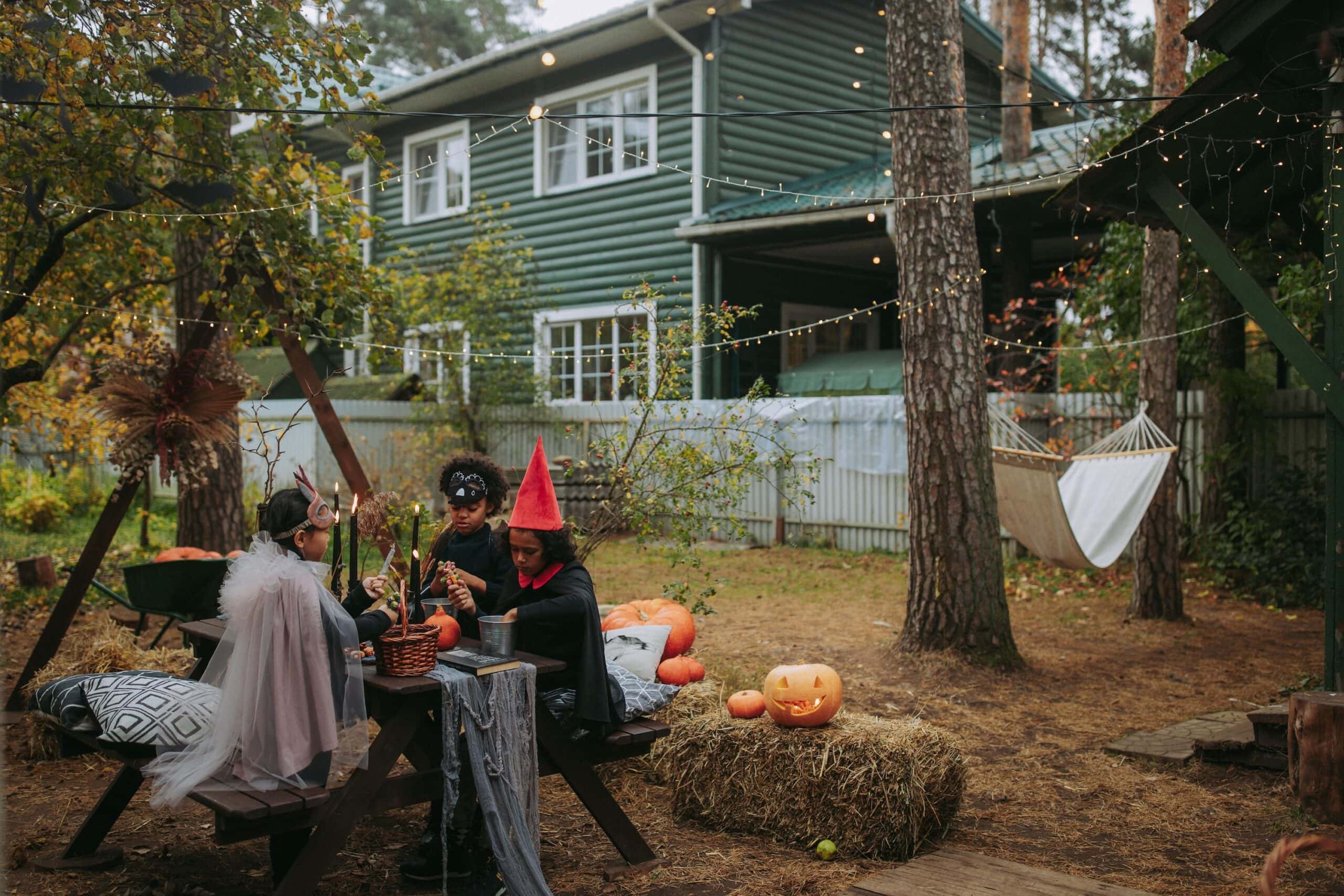
At first glance, Delaware Airbnbs appear flexible. A beach house in Dewey, a townhouse near Trolley Square, or a farmhouse outside Middletown can look like the perfect blank canvas. The reality tends to surface once planning begins.
Event restrictions hide behind friendly listings
Airbnb enforces a platform-wide restriction on all events, and many Delaware hosts layer their own rules on top. Even small events can violate terms without being obvious at booking. This becomes especially risky in dense neighborhoods like Wilmington or beach communities with active homeowners associations.
Nightly pricing leads to quiet overspending
Most gatherings only last a few hours, yet Airbnb pricing forces you to pay for full nights. In peak summer months along the coast, minimum stays can multiply costs quickly. That money often ends up wasted on empty bedrooms rather than improving the experience itself.
Vendor access is rarely straightforward
Caterers, DJs, photographers, or rental companies may be restricted or banned outright. Some hosts prohibit deliveries or setup windows, which creates scheduling chaos for anyone trying to run a polished event.
Homes are not built for group flow
Residential spaces are designed around privacy and everyday routines, not coordinated movement. When a wedding or group gathering enters the picture, issues like limited parking, narrow entryways, and single-point access become immediately apparent. Guests arrive in waves, vendors need clear paths, and the space is suddenly asked to support activity levels it was never built to handle.
Inside, the strain shows up quickly. One or two bathrooms can create bottlenecks, while tight hallways and fragile interiors slow transitions and complicate setup. Instead of supporting momentum, the layout often works against it, forcing planners to make constant small adjustments just to keep things moving.
The result is not just inconvenience, but massive degradation of what’s supposed to be your special day. When guests feel boxed in or uncertain where to go next, the energy of the event drops. What initially felt flexible on a listing page can quickly reveal itself as a space that resists the very movement and rhythm a wedding day requires.

Why Peerspace works better for DE weddings

When plans involve people, schedules, and logistics, the structure of the space matters as much as the location itself. In Delaware, where events often operate within tight time windows and close-knit communities, small constraints can quickly snowball into major complications. Peerspace is built around event-focused venue use from the outset, which removes much of the friction that comes from trying to adapt overnight rentals to your wedding day.
Instead of working around unclear rules or rigid pricing models, hosts and guests enter the process aligned on how the space will be used. That shared understanding simplifies planning decisions, reduces risk, and gives organizers room to focus on the experience rather than damage control.
Pay only for the hours you need
Hourly pricing reflects how events and short-term uses actually function in practice. Most gatherings in Delaware follow a defined arc that includes setup, the event itself, and teardown, often within a single day. Paying only for those hours avoids sinking money into unused nights, empty rooms, or padded minimum stays that do not add value.
This pricing structure also makes it easier to scale thoughtfully. Instead of cutting corners elsewhere to offset lodging costs, budgets can be redirected toward staffing, food quality, technical support, or guest comfort. That flexibility is especially useful in seasonal areas where nightly rates spike without improving the event experience.
Couples working within tighter budgets often reference guidance on how to plan a wedding under $10k for specific ways to redirect funds toward vendors and guest experience instead of unused space.
Spaces are cleared for real use
Every Peerspace listing clearly states what types of activities are allowed, removing the guesswork that often comes with vacation rentals. Events, meetings, and productions are not side conversations or informal approvals. They are the intended purpose of the space. Knowing that the venue is approved for your use allows planning to proceed confidently, without worrying that a detail buried in the fine print will surface at the worst possible moment.
Vendor freedom supports better outcomes
Short-term events rarely succeed in isolation. Caterers, technicians, decorators, photographers, and facilitators all rely on predictable access and reasonable setup conditions. Many Peerspace venues are designed with this ecosystem in mind, allowing outside professionals to work efficiently.
That freedom protects both quality and timelines. Instead of scrambling to replace restricted vendors or forcing teams to work around limitations, organizers can collaborate with trusted local partners who understand Delaware’s pace, traffic patterns, and seasonal demands.
Clear capacity and amenities upfront
Accurate capacity information and detailed amenity lists set realistic expectations early. Knowing exactly how many people a space supports, what furniture is available, how parking works, and whether accessibility needs are met prevents last-minute compromises.
This transparency also improves the guest experience. When restrooms are adequate, layouts support movement, and equipment is reliable, the event feels intentional rather than improvised. Those details tend to define how an event is remembered long after it ends.
Local hosts who understand Delaware
Many Peerspace hosts are deeply familiar with their neighborhoods and local conditions. They often share guidance on arrival timing, parking coordination, seasonal noise sensitivity, and municipal quirks that are not obvious to out-of-town planners.
That local insight becomes especially valuable during busy summer months or around university schedules and community events. For gatherings that require coordination across people and moving parts, having a host who anticipates challenges rather than reacting to them makes a noticeable difference.
Taken together, these advantages create a planning environment that feels stable rather than fragile. For short-term uses in Delaware, that stability is often what allows an event to move from stressful to well executed.
Matching Delaware wedding spaces to the way you use them
Delaware weddings can take a lot of shapes, and the smartest venue choices start with the format of the day, not the prettiest photo in a listing. A ceremony-only plan has different needs than a full reception with dinner and dancing, and an intimate micro-wedding runs on a different rhythm than a larger guest list with a vendor team. This section breaks down common wedding use cases and what to look for so your space supports the flow of the day instead of forcing constant compromises.
As you read, think about three practical anchors: how guests arrive and move through the space, where vendors can work without chaos, and what your timeline actually requires. When those anchors are clear, you can choose venue types that feel intentional and functional, even with Delaware’s mix of beach season pressure and tighter neighborhoods.
Ceremony-only weddings that still feel complete
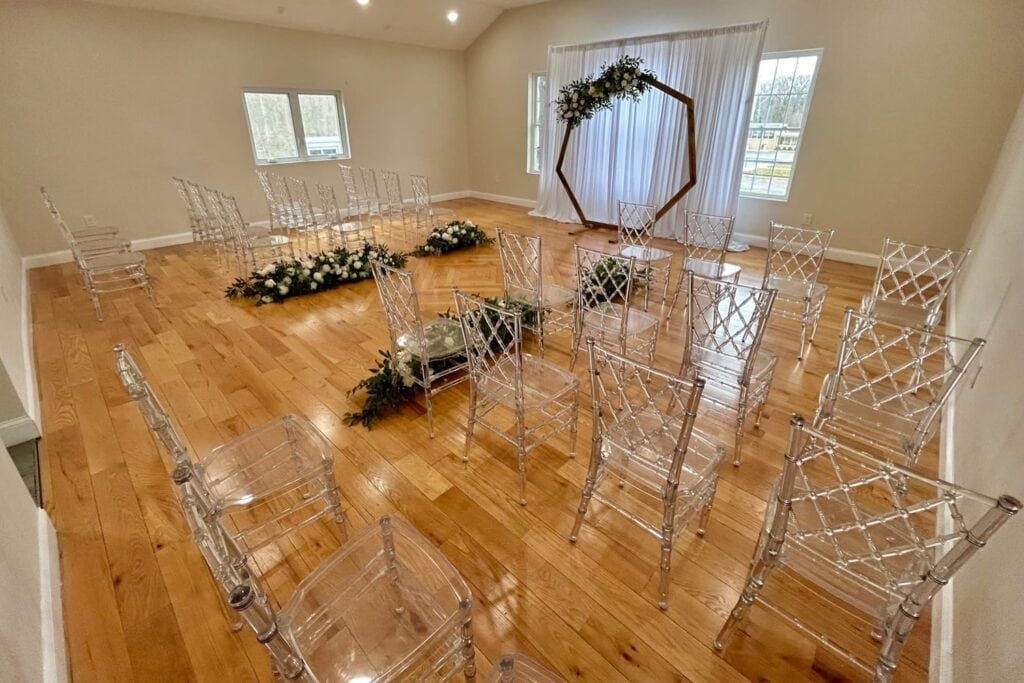
If you are keeping the celebration focused on vows and a brief toast, prioritize a space that photographs well in multiple directions and keeps guests comfortable for 30 to 90 minutes. Look for clear sightlines, a natural focal point for the ceremony setup, and an easy plan for arrivals so guests are not milling around in the wrong place. In Delaware, ceremony-only plans often benefit from venues that make quick transitions simple, such as an adjacent courtyard for a toast or a separate area where the couple can sign paperwork and take a breather.
Also consider sound from the start. Even a quiet ceremony can be interrupted by nearby traffic, neighbors, or wind, especially in coastal areas. A venue that is straightforward about amplification rules and provides a calm buffer from the street can make the moment feel grounded.
Micro-weddings that prioritize connection
Micro-weddings tend to shine when the venue layout encourages conversation rather than scattering people across multiple rooms. Seek spaces with a central gathering area where dinner, speeches, and mingling can happen without constant furniture reshuffling. The best micro-wedding venues also offer one or two smaller zones, such as a lounge corner or patio, so guests can step away for quieter conversations without leaving the energy of the event.
Because micro-weddings often lean on fewer vendors and more personal touches, prep space matters. A small kitchen, a staging area for catering, and a private spot for the couple to regroup can keep the day smooth. These details help the celebration feel relaxed instead of rushed. Couples who are still finalizing their guest list may also find it helpful to review how many people you should invite to your wedding, since capacity decisions shape everything from layout to vendor needs.
Dinner-and-dancing receptions with real momentum
If your plan includes dinner service and a dance floor, the venue should support circulation and sound without stressing the space. Look for defined zones that allow a natural progression from cocktail hour to seating to dancing, even if the space is compact. You will also want to confirm practicalities that affect guest experience, such as restroom capacity, HVAC performance, and where a DJ or band can set up without blocking movement.
Vendor access becomes the make-or-break factor here. Couples who want to avoid surprises often rely on the most important questions to ask wedding venues to confirm load-in rules, alcohol policies, and end-time expectations before committing. When those pieces are clear, you can focus on creating a reception that feels lively and cohesive rather than constantly managing logistics.
Wedding weekend moments beyond the main event
Many Delaware couples build a wedding weekend with a rehearsal dinner, welcome drinks, or a farewell brunch. These events often work best in spaces that feel social and flexible, where the goal is connection rather than a formal program. Prioritize venues that support easy mingling, light food service, and a comfortable pace, especially if guests are traveling in from out of state.
Planning these moments well also reduces pressure on the wedding day itself. A welcome gathering can turn introductions into familiar faces, and a brunch can provide a softer close that makes the weekend feel complete. Choosing the right type of space for each moment keeps the energy intentional rather than forced.
Outdoor-first weddings with a real backup plan
Outdoor settings can be beautiful in Delaware, but weather and wind are variables you cannot negotiate with. If you are planning outdoors, confirm what shade, shelter, and rain options actually look like, not just what is promised in general terms. A backup should feel like a true alternative, not a cramped corner that only works if everyone pretends it is fine.
Outdoor-first weddings also need a plan for comfort and logistics. Consider guest seating on uneven ground, pathways for older family members, power access for music, and where vendors can stage without disrupting the ceremony. When outdoor planning is treated as a system, not a vibe, it becomes far easier to execute.
When you match the venue to the wedding format, the rest of planning becomes simpler. Timelines tighten naturally, vendors can do their work without friction, and guests experience the day as a smooth sequence rather than a series of resets. That is the difference between a space that looks good and a space that truly supports the celebration.
Delaware regions and how they shape your plans

Geography plays an outsized role in how event planning unfolds in Delaware. Because the state is compact, regional differences show up less in distance and more in regulation, rhythm, and expectations. Understanding how each area functions helps planners choose locations that support their goals rather than quietly working against them.
Regional context affects everything from arrival timing to noise tolerance, vendor availability, and guest behavior. Factoring this in early prevents common misalignments that only become obvious once invitations are out and schedules are locked.
Wilmington and surrounding neighborhoods
Wilmington offers the most urban environment in the state, which brings both convenience and constraints. Access to vendors, public transportation, and established infrastructure makes it well suited for creative projects, professional gatherings, and evening events that rely on coordination. At the same time, density means closer neighbors, stricter enforcement, and limited parking in certain areas.
Planners benefit from choosing spaces that clearly define capacity, sound expectations, and load-in logistics. Venues accustomed to frequent use tend to anticipate these realities, which reduces friction when timing is tight or guest counts approach the upper limit.
Newark and northern New Castle County
Northern New Castle County is shaped heavily by university schedules and commuter patterns. Newark in particular sees noticeable shifts in traffic, availability, and crowd energy depending on the academic calendar. This makes it a strong fit for workshops, lectures, and collaborative sessions that align with weekday or daytime use.
Planning here works best when events account for peak movement periods and campus activity. Spaces that clearly communicate parking options and arrival windows help keep participants focused rather than rushed or distracted.
Kent County and central Delaware
Central Delaware moves at a different pace, offering more breathing room and fewer overlapping demands. Kent County locations often provide easier parking, quieter surroundings, and layouts that support longer, more relaxed gatherings. This makes them well suited for retreats, structured daytime events, and gatherings that prioritize conversation and continuity.
Because amenities and vendors may be more spread out, advance coordination becomes especially important. Choosing venues that are transparent about access and setup conditions helps avoid last-minute adjustments.
Rehoboth, Dewey, and Lewes
Coastal towns operate on a strong seasonal rhythm that directly impacts planning. During peak summer months, availability tightens, traffic increases, and enforcement becomes more visible. These areas work best for daytime gatherings and events that embrace early timelines rather than late-night schedules.
Successful planning here often hinges on timing and guest communication. Venues that clearly outline arrival windows, parking expectations, and local considerations help keep the experience smooth even during busy periods.
Rural and agricultural areas
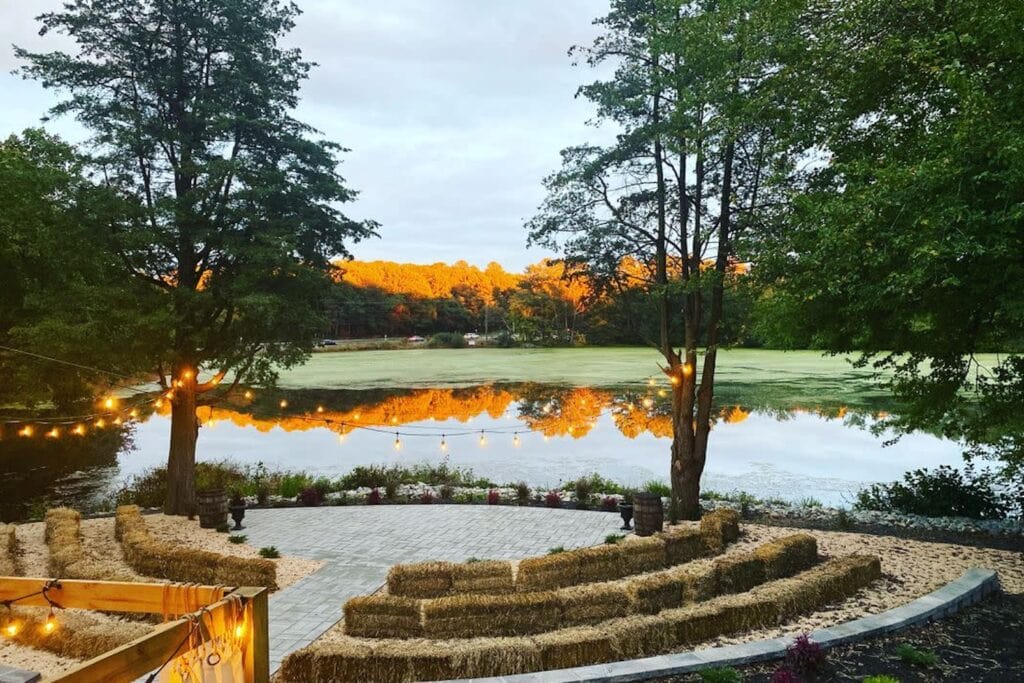
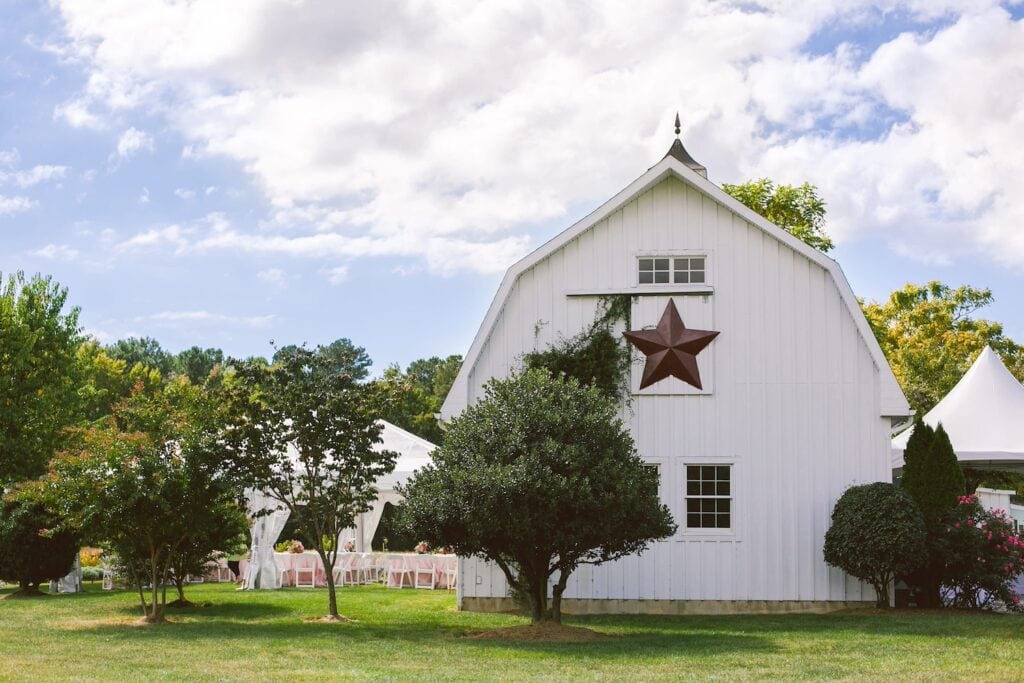
Rural regions offer scale and privacy that are difficult to replicate elsewhere in the state. Open land and estate-style settings support larger layouts and flexible movement, which can be ideal for events that require space and separation. These areas also tend to offer greater tolerance for sound and extended timelines.
That flexibility comes with trade-offs. Access, utilities, and vendor coordination require more planning, and travel time should be considered carefully. Choosing spaces that are accustomed to hosting short-term use helps balance freedom with reliability.
Each Delaware region carries its own planning logic. Aligning location with intent reduces friction, sets realistic expectations, and makes the difference between a plan that feels strained and one that unfolds smoothly.
Planning themes that matter more than listings
Photos and listing descriptions can help narrow options, but successful short-term use in Delaware depends far more on how well a plan anticipates real-world conditions. Factors like timing, movement, comfort, and logistics often determine whether an event feels calm and controlled or rushed and reactive. Focusing on these planning themes early helps organizers avoid common pitfalls that no amount of visual appeal can fix later.
Rather than treating the space as a static backdrop, it is more effective to think of it as an environment people will actively move through and rely on. The themes below highlight practical considerations that consistently shape outcomes across different regions and use cases in Delaware.
Timing your event around local rhythms
Delaware’s compact geography means local rhythms have an outsized impact on traffic, availability, and guest experience. Tourist seasons along the coast, university schedules in Newark, and community events throughout the state can all affect arrival times and crowding. Planning without accounting for these patterns often leads to late starts, frustrated guests, or compressed schedules.
Successful organizers research what else is happening nearby and build buffers into their timelines. Choosing off-peak hours or shoulder seasons, when possible, can dramatically improve flow and reduce stress. Clear communication with guests about timing expectations also becomes more important when external factors are at play.
Designing flow instead of filling rooms
A common mistake in short-term planning is prioritizing maximum capacity over how people will actually move through the space. Events feel more intentional when layouts guide guests naturally between moments rather than forcing them to navigate bottlenecks or dead ends. This is especially important for gatherings that include multiple phases, such as arrivals, main activities, and informal mingling.
Thinking about entrances, sightlines, and circulation early allows planners to create a sense of ease even in compact spaces. When movement feels intuitive, guests spend less time adjusting and more time engaging, which shapes the overall tone of the experience.
Prioritizing comfort over novelty
Unique spaces often draw attention, but comfort is what people remember. Adequate restrooms, reliable climate control, and appropriate seating play a major role in how guests experience an event, particularly during longer gatherings. When these basics are overlooked, discomfort can overshadow even the most thoughtfully planned details.
Prioritizing comfort does not mean sacrificing character. It means ensuring that practical needs are met so participants can stay present and focused. In Delaware’s variable weather and seasonal shifts, this balance becomes even more critical.
Planning for setup and breakdown
Setup and teardown are often the most stressful parts of short-term use, especially when access windows are unclear. Knowing exactly when vendors can arrive, where materials can be staged, and how breakdown should proceed prevents last-minute scrambles. This clarity also helps protect relationships with hosts and neighboring properties.
Building setup and breakdown time into the booking itself creates breathing room. It allows teams to work methodically rather than reactively, which reduces mistakes and preserves energy for the event itself.
Accounting for weather realities
Weather plays a larger role in Delaware planning than many people expect. Coastal winds, summer heat, and sudden rain can all disrupt plans that rely too heavily on ideal conditions. Indoor options or covered contingencies provide stability when forecasts change.
Planning with weather in mind also affects guest comfort and safety. Clear instructions, shaded areas, and flexible layouts help maintain momentum even when conditions shift. Preparing for these realities turns uncertainty into a manageable variable rather than a crisis.
Taken together, these planning themes consistently separate smooth, well-executed gatherings from those that feel tense or improvised. By addressing them early, organizers can use any suitable space more effectively, regardless of style or location.
A smarter way to plan Delaware weddings

Planning a wedding in Delaware rewards couples who think beyond surface-level convenience. The state’s geography, seasonal pressure points, and neighborhood proximity mean that venue choices influence far more than aesthetics. They affect timing, vendor access, guest comfort, and how smoothly the entire day unfolds.
What this guide ultimately shows is that most wedding stress does not come from ambition, but from misalignment. When a space is priced, permitted, and designed for overnight stays rather than celebrations, couples end up negotiating against their use of a venue instead of building around it. That friction shows up quietly, through compressed timelines, last-minute compromises, and avoidable restrictions.
Weddings move more smoothly when the space supports the format of the day from the start. Clear rules, realistic timelines, and event-ready layouts allow couples to focus on the moments that matter instead of managing logistics in real time.
Find your perfect Delaware wedding venue on Peerspace.
In this article
Get together somewhere better
Book thousands of unique spaces directly from local hosts.
Explore SpacesShare your space and start earning
Join thousands of hosts renting their space for meetings, events, and photo shoots.
List Your Space