How & Where to Rent an Airbnb Wedding Venue in Missouri (2026)
-

Contributing Writer -

Lead Editor & Publisher
- January 7, 2026
- 14 min read
- Events
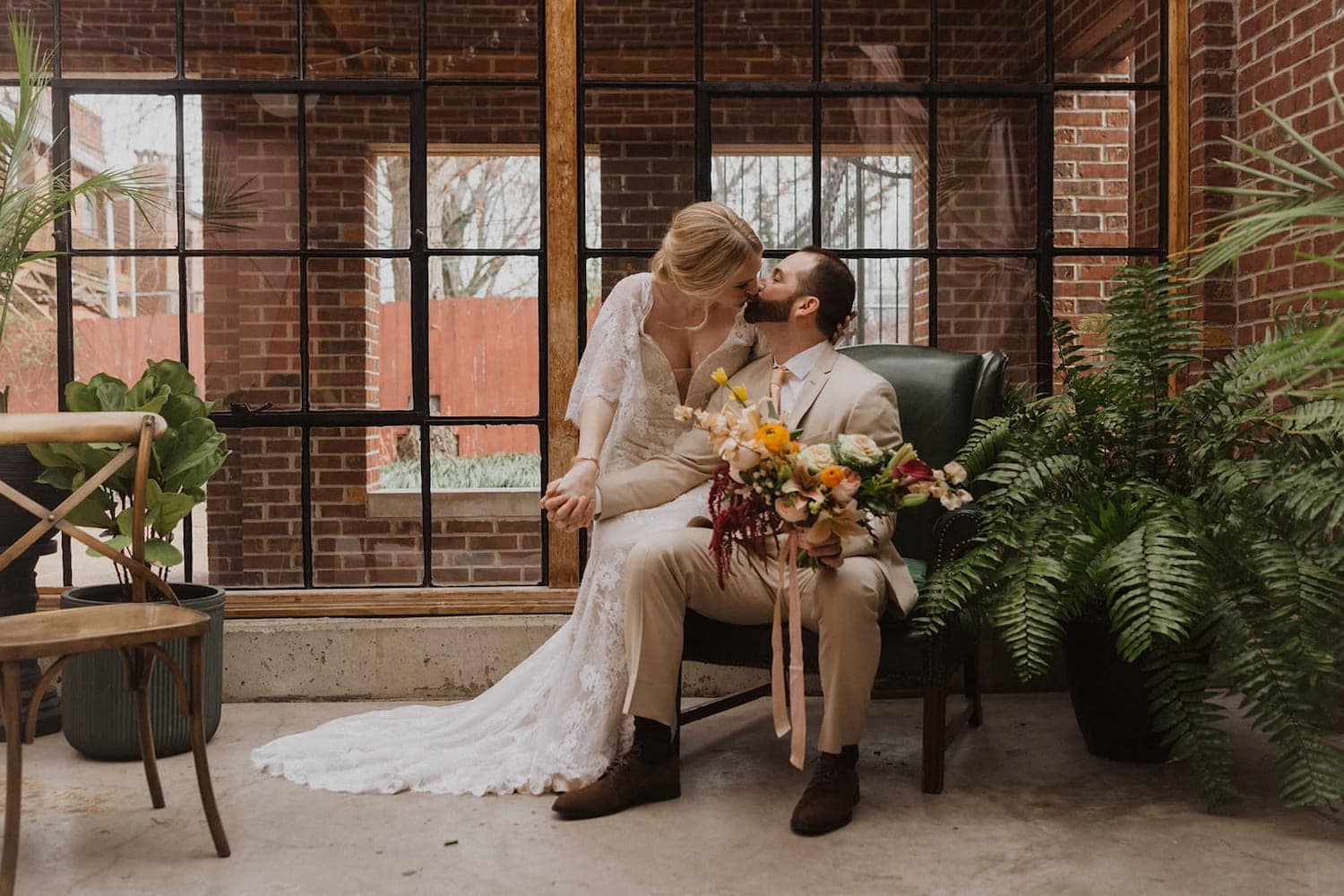
Source: Peerspace
Missouri weddings have a quiet kind of magic. Whether you grew up there or are planning from afar, the state offers a mix of practical affordability, strong local vendor networks, and locations that feel grounded rather than overproduced. It’s no surprise many couples begin their venue search believing an Airbnb might be the simplest answer.
What often gets missed is how quickly that simplicity breaks down once real wedding logistics come into play. Rules around events, pricing structures, and local enforcement can turn a promising listing into a source of stress. This guide walks through what couples should understand before booking an Airbnb wedding venue in Missouri, what alternatives work better, and how to plan a celebration that stays smooth from the first email to the final send off.
Why Airbnb weddings in Missouri tend to unravel
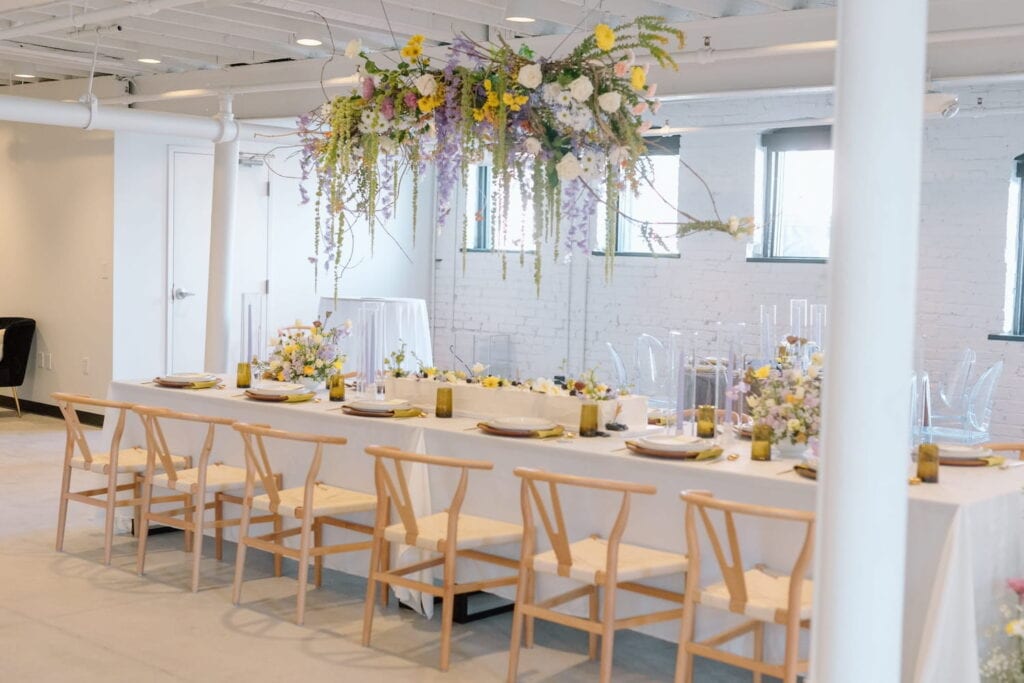
At first glance, Airbnb listings across Missouri feel promising. Many offer outdoor space, privacy, and lower sticker prices than traditional venues. Yet weddings expose cracks that weekend getaways never do. Before committing, it helps to understand where Airbnb and weddings collide.
Nightly pricing that drains your budget fast
Most Airbnbs require multi-night minimums, especially near popular areas like Lake of the Ozarks or during peak fall foliage weekends. Paying for two or three nights when your wedding lasts eight hours means thousands spent on empty bedrooms. That money often ends up missing from catering, florals, or photography later.
The fine print that can pull the plug on your wedding
Airbnb’s complete ban on all events creates risk even if a host seems supportive. In towns with active short-term rental enforcement or close neighbors, a single complaint can lead to an early shutdown or cancellation. In places like Columbia or parts of St. Louis County, that uncertainty is not theoretical.
Vendor limitations that box in your vision
Many hosts restrict outside vendors, amplified music, alcohol service, or rentals. These rules often appear late in the fine print. Couples planning a live band, food trucks, or a professional bar setup find themselves scrambling or compromising after booking.
Homes not built for wedding-scale logistics
A beautiful home does not equal a functional venue. Limited bathrooms, fragile plumbing, narrow driveways, and no staging space for caterers or florists create stress on the day itself. Portable restrooms, generators, and extra rentals quickly erase perceived savings.
Local ordinances and neighbor dynamics
Missouri is a mix of rural quiet and dense neighborhoods. Noise ordinances in cities like Kansas City and St. Louis can cut music early. Rural areas bring their own issues, from limited parking access to county restrictions on gatherings. Either way, neighbors often play a bigger role than couples expect.
Taken together, these challenges explain why so many Missouri couples describe Airbnb weddings as tense rather than joyful. A wedding should feel supported by the space, not constantly at odds with it.

How Peerspace venues are built for real celebrations in Missouri
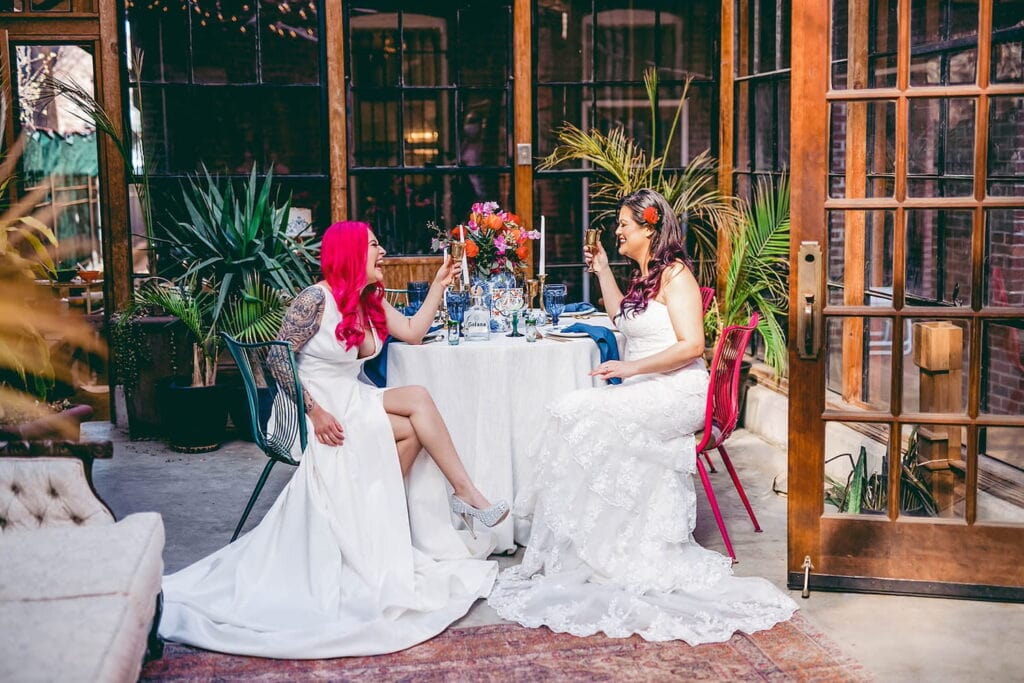
Instead of forcing a vacation rental to function as a venue, many couples turn to platforms built for events. Peerspace operates on a fundamentally different model that aligns better with how weddings actually unfold.
Pay for hours, not empty nights
Peerspace venues are booked by the hour, which immediately changes the math. Couples pay for ceremony, reception, setup, and breakdown time without funding unused overnight stays. In Missouri markets where budgets matter, that flexibility is significant.
Venues that actually expect a guest list
Every Peerspace venue is event-friendly by design. Weddings are expected, not hidden. That clarity removes the fear of last-minute cancellations and allows couples to plan openly with vendors and guests.
Fewer vendor restrictions, more creative freedom
Most Peerspace hosts welcome outside caterers, bartenders, musicians, and rental companies. That freedom lets couples work with Missouri-based vendors they trust, whether that is a Kansas City barbecue caterer or a St. Louis jazz trio.
What you see is what you actually pay
Pricing, capacity limits, and amenities are laid out clearly before booking. That predictability helps couples build realistic timelines and budgets instead of navigating surprises.
Venue types that match real wedding needs
From barns and wineries to lofts, galleries, and outdoor spaces, Peerspace venues are designed for gatherings. Restrooms, power access, parking plans, and flow between ceremony and reception are part of the equation from the start.
For couples who want clarity instead of guesswork, these differences shape the entire planning experience. When the venue is built for events rather than overnight stays, decisions feel more straightforward, timelines stay intact, and the focus can stay on the celebration itself rather than damage control.
How to choose a venue that matches your wedding plans
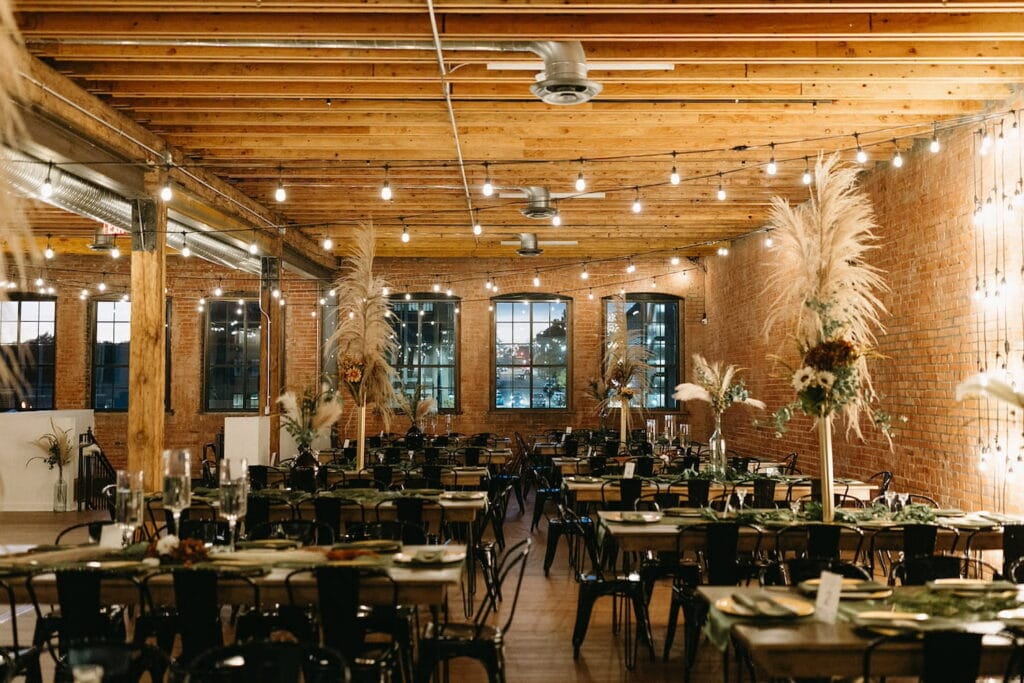
Missouri offers more range in wedding formats than many couples expect, which is why matching style to space matters early. The goal is not just finding a venue that looks right, but one that supports guest count, vendor needs, timing, and comfort without forcing workarounds. Thinking through these pairings upfront saves time and prevents costly pivots later.
Intimate ceremonies with relaxed receptions
Smaller guest counts often work best in spaces designed for conversation and flexibility rather than spectacle. Venues that comfortably host 20 to 60 guests allow couples to prioritize shared meals, extended toasts, and organic mingling. When planning this format, look closely at seating layouts, acoustics for speeches, and whether the space allows guests to stay in one place rather than resetting rooms multiple times.
Rustic celebrations with modern polish
Barns, wineries, and countryside estates are popular across Missouri, but they function best when paired with thoughtful infrastructure planning. Power access, lighting design, and climate control should be discussed early, especially for evening events. Couples who succeed with this style typically invest in rentals that enhance comfort while letting the surroundings do most of the visual work.
Urban weddings with architectural character
City-based venues appeal to couples who want a streamlined experience with fewer moving parts. Spaces that accommodate ceremony, cocktails, and dancing in one footprint reduce transitions and keep energy high. When evaluating these venues, confirm ceiling heights for lighting installs, sound system capabilities, and how load in works for multiple vendors sharing tight timelines.
Outdoor-focused events with reliable backup plans
Outdoor weddings thrive when couples treat the backup plan as equally important as the primary setup. Covered areas, adjacent indoor rooms, or tent options should be locked in before invitations go out. Clear communication with vendors about weather contingencies ensures everyone can pivot smoothly if conditions change.
Multi-location or weekend-style celebrations
Some couples prefer spreading events across different spaces, hosting a ceremony in one venue and a dinner or after party elsewhere. This approach works best with clear transportation plans and realistic scheduling that accounts for guest travel time. Hourly venue options make this format far easier to execute without paying for unused downtime.
Choosing a style that aligns with how the venue actually functions keeps planning grounded and expectations realistic.
How Missouri regions affect wedding logistics
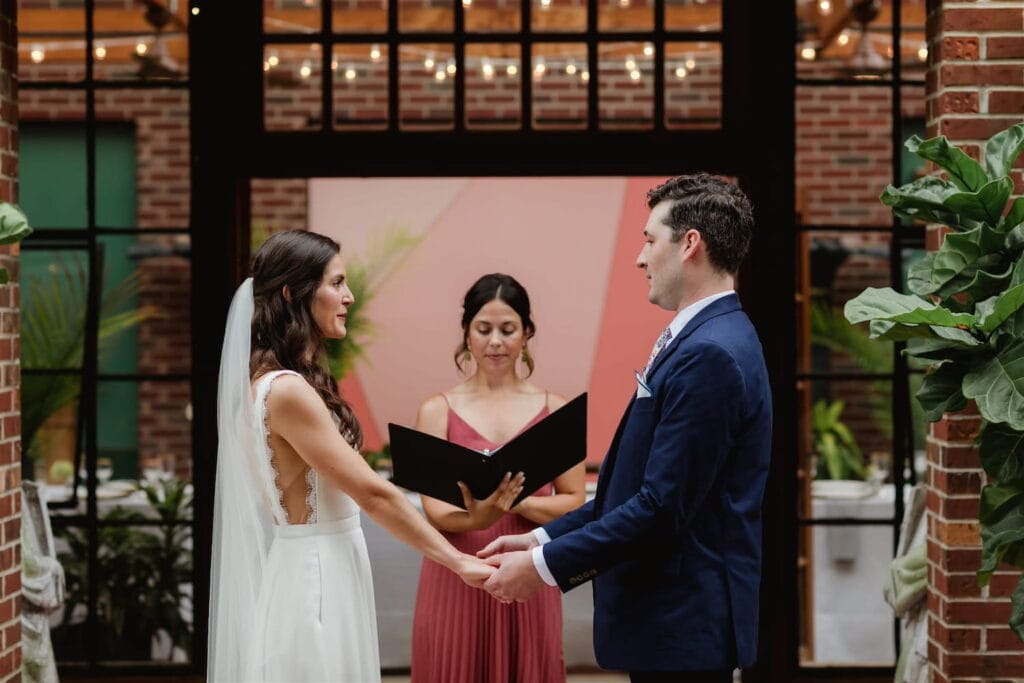
Missouri’s geography shapes everything from pricing to logistics to seasonal availability. Looking at regions individually helps couples anticipate tradeoffs and choose venues that align with their priorities, whether that is convenience, scenery, or vendor access.
Kansas City and surrounding areas
Kansas City offers one of the strongest mixes of venue variety and vendor availability in the state. Urban neighborhoods provide spaces that work year round, while nearby suburbs offer slightly more room for guests and parking. Couples planning here should factor in traffic patterns, parking instructions, and overlapping event schedules during busy weekends.
St. Louis and the Mississippi River corridor
This region is known for historic buildings and established event infrastructure. Venues often have clear rules around load-in timing, noise levels, and insurance requirements, which helps planning but requires attention to detail. Cooler months are especially popular, so booking early is key.
The Ozarks and southwest Missouri
Natural settings draw couples to this region, but logistics require extra care. Travel distances, limited cell service, and fewer nearby rentals can affect guest experience. Successful events here prioritize clear directions, on-site amenities, and realistic timelines that account for rural access.
Mid-Missouri and college towns
Areas like Columbia and Jefferson City offer balanced options with moderate pricing and accessible locations. University calendars can influence availability, lodging costs, and traffic, so couples should cross check dates before committing. These towns often work well for mid-sized guest counts.
Wine country near Hermann and Augusta
Vineyard regions deliver a strong sense of place, but require thoughtful transportation planning. Shuttles or designated pick up points help manage narrow roads and guest safety. Couples who plan ahead often find this region works beautifully for daytime or early evening celebrations.
Understanding regional dynamics helps couples choose spaces that support their plans rather than complicate them.
The important wedding paperwork no one warns you about
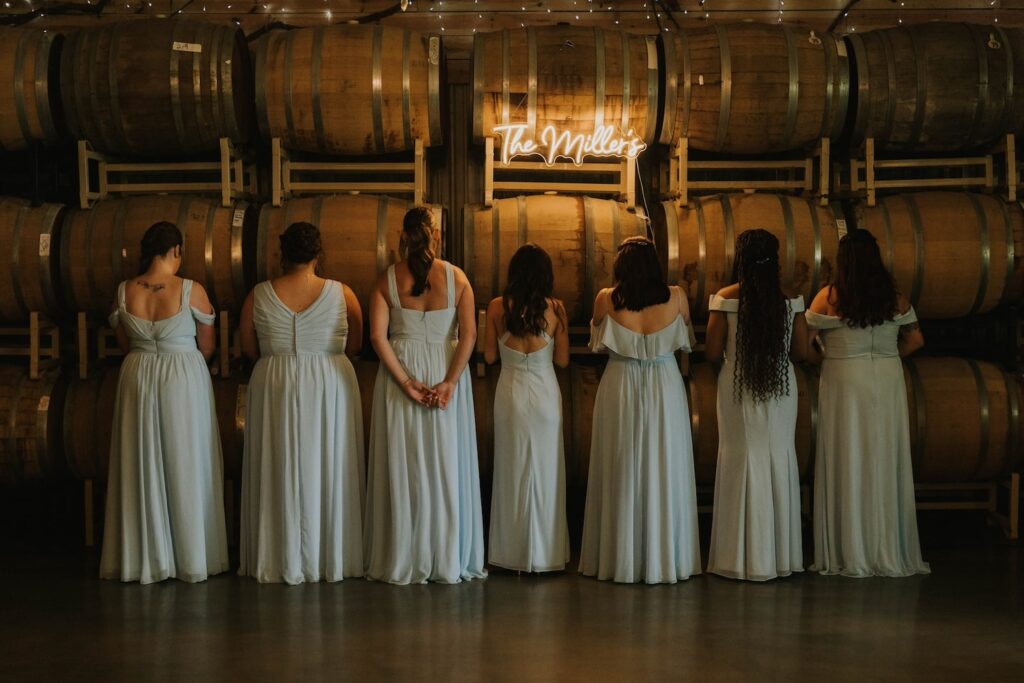
One of the most common stress points for Missouri weddings held outside traditional venues is navigating local rules that are easy to miss until late in the process. Requirements can vary significantly depending on the specific venue, city, and county, which is why couples benefit from understanding these factors early rather than assuming one size fits all. Permits, alcohol service requirements, and insurance expectations vary widely by city and county, and overlooking them can create last-minute complications. Understanding these elements early keeps planning on track.
When permits may be required
Some municipalities require event permits for gatherings over a certain size, amplified music, or use of outdoor spaces. Even private properties can fall under local regulations depending on zoning. Couples should confirm whether their venue or local government requires permits well before invitations are sent. When in doubt, ask the host directly.
Alcohol service and liability considerations
Missouri allows flexible alcohol service, but venues often impose their own rules. Some require licensed bartenders or proof of liability coverage when alcohol is served. Clarifying whether self service is allowed and what documentation vendors must provide prevents day-of confusion.
Event insurance expectations
Many non-traditional venues require couples to carry event insurance naming the venue as additionally insured. Policies are usually affordable, but requirements vary. Confirming coverage limits and timelines early avoids delays close to the wedding date.
Coordinating responsibilities between hosts and couples
Clear agreements about who handles permits, insurance documentation, and compliance reduce finger pointing later. Couples should ensure responsibilities are spelled out in writing so nothing falls through the cracks.
While paperwork rarely feels exciting, addressing these requirements early protects the time and energy you’re investing elsewhere. Couples who clarify permits, alcohol rules, and insurance upfront avoid rushed decisions and uncomfortable surprises later. It’s one of the simplest ways to reduce stress without sacrificing flexibility.
Designing a guest experience that feels effortless, not improvised
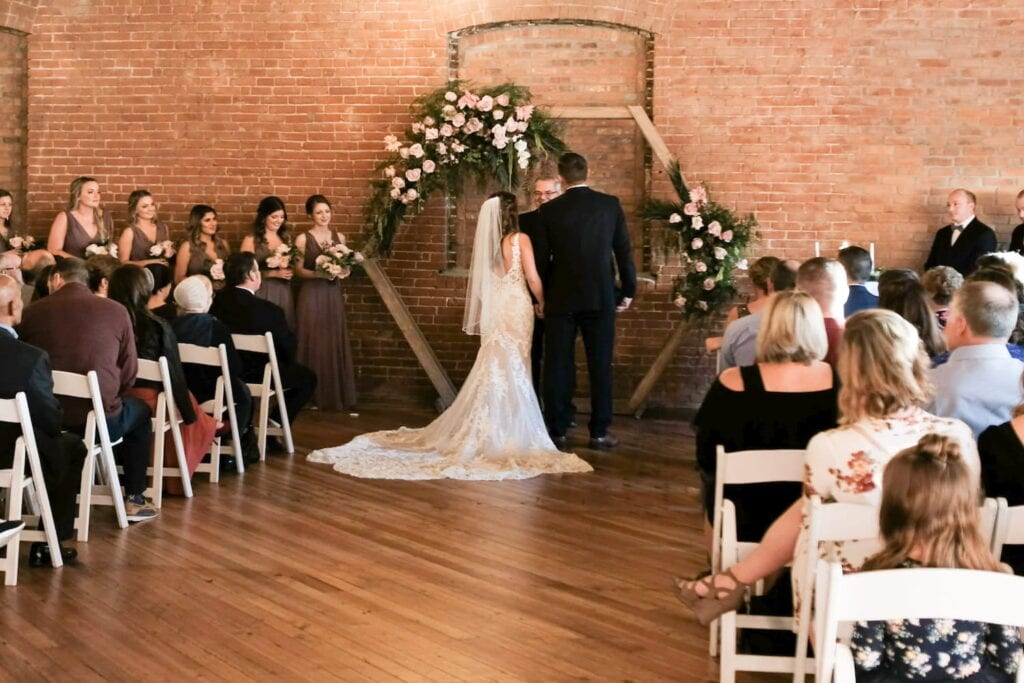
One of the biggest differences between a wedding that feels relaxed and one that feels slightly chaotic is how clearly the experience is designed for guests. Missouri couples hosting weddings outside traditional venues often focus heavily on setup and vendors, but guest-facing details deserve just as much intention. When guests know what to expect, where to go, and how the day will unfold, everything feels smoother.
Setting expectations before guests arrive
Clear communication ahead of time reduces confusion on the day itself. Sharing arrival windows, dress guidance for outdoor terrain, transportation notes, and timeline highlights helps guests plan appropriately. This is especially important for rural venues or spaces without obvious signage.
Creating intuitive arrival and welcome moments
First impressions matter more than couples often realize. Simple touches like a clearly marked entrance, a welcome table, or someone designated to greet guests immediately set the tone. These elements prevent wandering, late starts, and awkward bottlenecks at the beginning of the event.
Helping guests navigate transitions naturally
Non-traditional venues rarely have built-in flow, so transitions should be guided intentionally. Whether it’s moving from ceremony to cocktails or dinner to dancing, visual cues, announcements, or gentle direction from staff keep guests moving without feeling herded. The goal is clarity without disruption.
Accounting for guest comfort throughout the event
Comfort extends beyond seating. Shade, hydration access, temperature considerations, and clear restroom locations all influence how guests feel hour to hour. Planning these details early avoids reactive fixes once guests are already uncomfortable.
A send off that feels thoughtful, not rushed
Just as arrivals benefit from structure, departures do too. Clear last call timing, transportation reminders, and pickup locations help guests leave smoothly. When the end of the night feels organized, guests remember the experience as thoughtful rather than abrupt.
When guest experience is designed intentionally, couples spend less time answering questions and more time being present. Small moments of clarity add up, especially in non-traditional venues where guests rely on cues rather than familiarity. The result is a celebration that feels thoughtful and relaxed rather than loosely held together.
Making the most of your venue choice
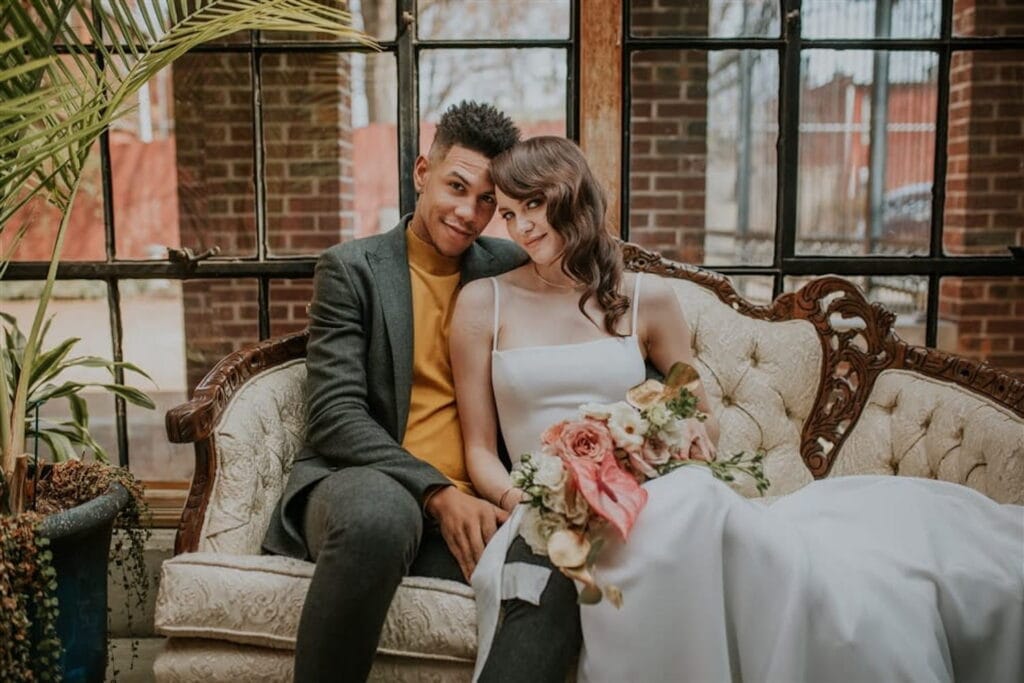
Once a space is secured, the way you use it matters just as much as where it is. Couples who treat the venue as an active planning tool rather than a static backdrop tend to experience smoother timelines, fewer vendor issues, and a more relaxed guest experience. This is where thoughtful sequencing and clear communication pay off.
Build timelines that follow the space, not a template
Instead of forcing a standard ceremony cocktail reception dinner schedule, walk the space and map how guests will naturally move through it. Identify where people gather, where bottlenecks might form, and how long transitions realistically take. Build buffer time for setup, guest arrival, and vendor resets so the day feels paced rather than rushed.
Use what the venue already provides to reduce complexity
Before renting decor or furniture, inventory what the space already offers and decide how to highlight it. Built-in seating, lighting, architectural features, or outdoor areas can eliminate entire rental categories when used intentionally. This approach not only controls costs but also simplifies setup and teardown.
Align vendors around shared expectations early
Send vendors a single document outlining load in times, access points, power availability, and venue rules. Confirm who is responsible for setup and breakdown in shared spaces so tasks do not overlap or stall. Clear alignment ahead of time prevents day-of confusion and keeps everyone working efficiently.
Plan guest flow with clarity and comfort in mind
Designate clear areas for ceremony seating, mingling, dining, and dancing so guests are never unsure where to go next. Simple signage, verbal cues from a coordinator, or natural visual landmarks help transitions feel seamless. When guests feel oriented, they relax into the celebration.
Close the event with intention, not urgency
Decide in advance how the night will end, including last call timing, transportation coordination, and cleanup responsibilities. Communicating this plan to vendors and key helpers ensures the final moments feel calm and celebratory rather than hurried. A well-planned ending leaves guests with a lasting positive impression.
Using the venue as a planning framework rather than just a location helps the entire day unfold with greater ease and cohesion.
Peerspace: where Missouri wedding moments come together
Choosing where to get married in Missouri isn’t just about how a space looks in photos. It’s about whether the venue model actually supports a wedding from start to finish, including vendors, guests, timelines, and budgets. That’s where many Airbnb bookings fall short, not because the spaces are bad, but because they were never designed for events of this scale.
For couples who want clarity, flexibility, and fewer last minute surprises, event-first venues offer a more reliable path. Platforms like Peerspace make it easier to pay only for the time you need, work freely with vendors, and plan with confidence. When the venue works with you instead of against you, the entire day feels calmer, more intentional, and far easier to enjoy.
Ready to explore spaces designed for real celebrations? Browse Peerspace wedding venues across Missouri to find event-ready spaces that give you flexibility, transparency, and peace of mind from the first inquiry onward.
In this article
- Why Airbnb weddings in Missouri tend to unravel
- How Peerspace venues are built for real celebrations in Missouri
- How to choose a venue that matches your wedding plans
- How Missouri regions affect wedding logistics
- The important wedding paperwork no one warns you about
- Designing a guest experience that feels effortless, not improvised
- Making the most of your venue choice
- Peerspace: where Missouri wedding moments come together
In this article
- Why Airbnb weddings in Missouri tend to unravel
- How Peerspace venues are built for real celebrations in Missouri
- How to choose a venue that matches your wedding plans
- How Missouri regions affect wedding logistics
- The important wedding paperwork no one warns you about
- Designing a guest experience that feels effortless, not improvised
- Making the most of your venue choice
- Peerspace: where Missouri wedding moments come together
Get together somewhere better
Book thousands of unique spaces directly from local hosts.
Explore SpacesShare your space and start earning
Join thousands of hosts renting their space for meetings, events, and photo shoots.
List Your Space