How & Where to Rent an Airbnb for a Miami Party (2026)
-

Contributing Writer -

Lead Editor & Publisher

Source: Peerspace
Miami has a reputation for celebrations that feel effortless on the surface and complex behind the scenes. If you’re planning a destination weekend where guests are flying in from out of town and everyone needs a place to stay, an Airbnb can absolutely work. A shared home base simplifies logistics, keeps the group together, and allows the celebration to unfold across multiple days without changing locations.
Many Miami parties, however, are not destination affairs. They are local celebrations planned around a specific window of time. Guests arrive from nearby neighborhoods, the event unfolds over a few intentional hours, and everyone heads home afterward. In those cases, booking a space designed for overnight lodging often introduces costs and restrictions that do not serve the event itself.
In this guide, you’ll learn where vacation rentals fall short for day and evening parties, how event-focused venues operate differently, and how to plan a Miami party that feels smooth, flexible, and worth the investment.
Why Airbnb often complicates parties for Miami locals
Platform-wide party rules that create uncertainty
Airbnb enforces a platform-wide ban on parties and events. While individual hosts may communicate flexibility, these policies still exist at the platform level and can be enforced regardless of private agreements. This means even a well-planned, respectful gathering can exist in a gray area, particularly if music is involved or guests arrive at staggered times.
Instead of enjoying the planning process, you may find yourself monitoring volume, tracking headcounts, and worrying about visibility rather than focusing on the experience you’re trying to create.
Paying overnight rates when you only need a few hours
Airbnb pricing is built around nights, not event timelines. Even if your party runs from afternoon into early evening, you are still paying for a full night, plus cleaning and service fees.
In Miami, this mismatch can be especially expensive. Weekend pricing surges during peak season, and many listings require minimum stays. Paying for empty bedrooms and unused hours quickly drains budget that could have been used for food, décor, entertainment, or transportation.
Vendor restrictions that quietly limit your vision
Many Airbnb listings restrict outside vendors because residential properties are not designed for events. Hiring a bartender, bringing in catered food, booking a DJ, or arranging décor deliveries can all be prohibited or require additional approvals.
Even when a host appears flexible, these rules are often buried in fine print or introduced late in the process. That uncertainty makes planning difficult.
Residential layouts that fight party flow
Homes are designed for daily living, not circulating groups. Narrow kitchens, limited bathrooms, and tight indoor/outdoor transitions can create bottlenecks once guests arrive. Pools and backyards may look spacious in photos but lack the infrastructure needed for hosting a crowd comfortably.
Quiet stay expectations, limited flexibility, and unclear boundaries tend to clash with celebrations that depend on vendors, music, and a clearly defined event timeline.

Why Peerspace works better for local Miami parties
Hourly pricing that matches real party timelines
When you book by the hour, you are paying for setup, celebration, and cleanup, not for empty bedrooms that sit unused.
This pricing model also makes budgeting more transparent. Party hosts can decide exactly how much time they need and adjust based on priorities. Instead of trimming food or entertainment to offset wasted lodging costs, you can invest where guests actually feel it.
Clear expectations around events and gatherings
One of the most stressful parts of using a vacation rental for a party is uncertainty. Rules can be vague, approvals feel conditional, and enforcement often sits outside the host’s control. Event venues operate differently because gatherings are the point, not an exception.
With event-focused spaces, capacity limits, sound expectations, setup rules, and end times are outlined clearly before you book. That clarity allows you to plan confidently and communicate expectations to vendors and guests.
Freedom to bring in vendors and customize the experience
Miami parties are rarely bare bones. They rely on food professionals, beverage service, music, and décor to set the tone. Event venues are designed to accommodate that ecosystem, which gives hosts far more creative control.
Instead of negotiating permissions or worrying about last-minute denials, you can build your event around the vendors you trust. This freedom also supports Miami’s local creative community. When vendors are welcome, the party feels connected to the city rather than constrained by the space.
Spaces designed for flow, sound, and celebration
Many Peerspace venues are designed with movement and energy in mind. Layouts support circulation, sound systems are often integrated, and transitions between indoor and outdoor areas are intentional. Bathrooms, prep spaces, and access points are designed for groups rather than households.
These design choices reduce friction on the day of the event. Guests move comfortably, vendors operate efficiently, and hosts are not pulled into constant problem solving.
Planning a Miami party that fits a local schedule
Miami locals often plan parties around lifestyle rhythms rather than full weekends away. Guests may arrive after work, between beach plans, or before evening commitments. Designing your event around a defined window respects those realities and keeps the experience focused.
This section explores how to structure a Miami party around a few high-impact hours so the celebration feels intentional, energized, and well paced from start to finish.
Choosing the right time block for Miami energy
Timing shapes the entire feel of a party in Miami. Daytime events tend to feel relaxed and social, especially when they lean into natural light and outdoor access. Evening parties carry more polish and intensity, often centered around music and lighting.
Choosing your time block early helps narrow venue options and informs every other decision, from food format to sound levels. It also sets expectations for guests, who appreciate knowing whether they are dressing for an afternoon gathering or a nighttime celebration.
Building in setup and breakdown without stress
Underestimating setup and cleanup time is one of the most common planning mistakes. Vendors need room to load in, décor takes longer than expected, and sound checks rarely happen instantly. Without buffer time, the event can start feeling rushed before guests even arrive.
Adding at least an hour on either side of the party creates breathing room. Vendors can work efficiently, hosts can greet guests calmly, and cleanup happens without panic. That extra time often makes the difference between a smooth experience and a stressful one.
Designing guest flow for short events
When an event lasts only a few hours, flow becomes critical. Guests should intuitively understand where to gather, where to move, and how the space unfolds. Clear focal points and open circulation keep energy high.
Venues with flexible layouts and movable furniture support this kind of flow. Avoid spaces where everyone crowds into one room or passageway. A well-flowing space allows conversation and movement to happen naturally without constant direction.
Managing arrivals and departures gracefully
Local parties rarely have a single arrival moment. Guests trickle in based on their schedules, which means the entry experience matters. A defined entrance, clear signage, or a welcoming visual cue helps late arrivals integrate smoothly.
Similarly, departures should feel intentional rather than abrupt. Whether guests leave all at once or gradually, signaling the end of the event helps the experience land cleanly and respectfully.
Ending on a high note
A strong ending leaves guests feeling satisfied rather than cut off. This might be a final toast, a music transition, or a clear wind down period. Knowing how the party concludes helps hosts manage energy and expectations.
Venues with clear end time policies support this planning. When everyone understands the schedule, the close feels natural, cleanup stays orderly, and the overall experience feels complete rather than rushed.
Matching Miami venue types to different party styles
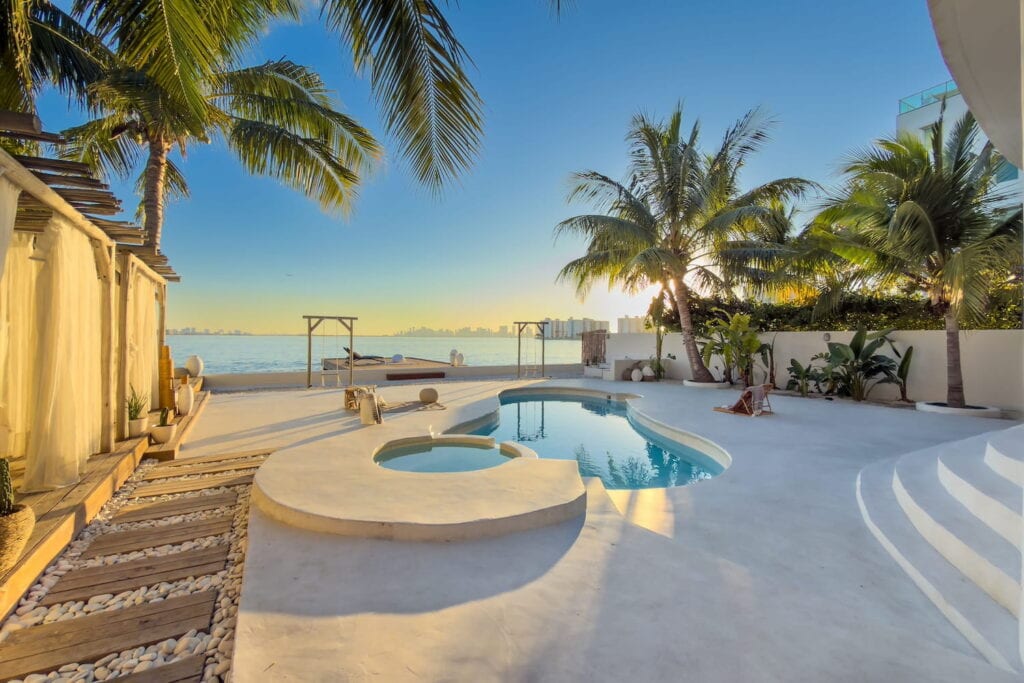
Miami’s venue landscape is unusually diverse, which gives local hosts tremendous creative freedom if they know how to match space type to party intent. The key is choosing a venue that reinforces the energy you want rather than forcing the event to fight against the space.
Outdoor courtyards and patios for daytime celebrations
Outdoor venues shine for daytime Miami parties, particularly during cooler months. Courtyards, patios, and garden style spaces create a relaxed atmosphere that encourages mingling and movement. Natural light and fresh air contribute to a casual, social energy that feels distinctly Miami.
That said, comfort planning is essential. Shade, airflow, and access to indoor areas make a significant difference in guest experience. The best outdoor venues balance openness with protection from heat, ensuring the party stays enjoyable rather than draining.
Rooftops and terraces for elevated evenings
Rooftop venues bring instant drama to evening events. City views, ocean breezes, and sunset transitions create a sense of occasion without heavy décor. These spaces are well suited for cocktail style parties, celebrations with music, and events where ambiance does much of the work.
Sound management and lighting are critical considerations. Choosing rooftops with clear sound policies and built in lighting options helps prevent disruptions. When planned carefully, rooftop parties feel polished and intentional rather than chaotic.
Lofts and studios for design-forward gatherings
Lofts and studios appeal to hosts who care deeply about visual impact and atmosphere. High ceilings, open layouts, and neutral backdrops allow décor, lighting, and styling choices to take center stage. These spaces work especially well for birthdays, creative celebrations, and small milestone events where aesthetics matter.
Because many studios are designed for photo shoots and productions, they often accommodate vendors, equipment, and flexible layouts more easily than residential homes. That built in adaptability makes them ideal for parties that rely on intentional design rather than sheer scale. Guests tend to move comfortably and engage with the space rather than clustering in one area.
Lounges and private dining spaces for intimate groups
For smaller guest lists, lounges and private dining rooms offer a contained, comfortable environment. These spaces support conversation, seated experiences, and curated menus that emphasize connection over spectacle.
They work particularly well for engagement parties, milestone birthdays, and reunion-style gatherings. Guests feel relaxed and included, and hosts benefit from simpler logistics and clearer pacing.
Warehouses for high energy events
Warehouse are ideal for parties built around music, dancing, or immersive themes. These venues provide room to move, higher sound tolerance, and the ability to customize layouts extensively.
Their blank slate nature allows hosts to shape the experience completely, from lighting design to floor plans. For larger guest counts or bold concepts, this flexibility supports creativity without crowding or constraint.
Choosing the right venue type is one of the most impactful planning decisions a host can make. Exploring different types of event spaces can help narrow options before you commit. When the space supports the party’s rhythm and purpose, everything else falls into place more naturally.
Planning food and drink for local party styles
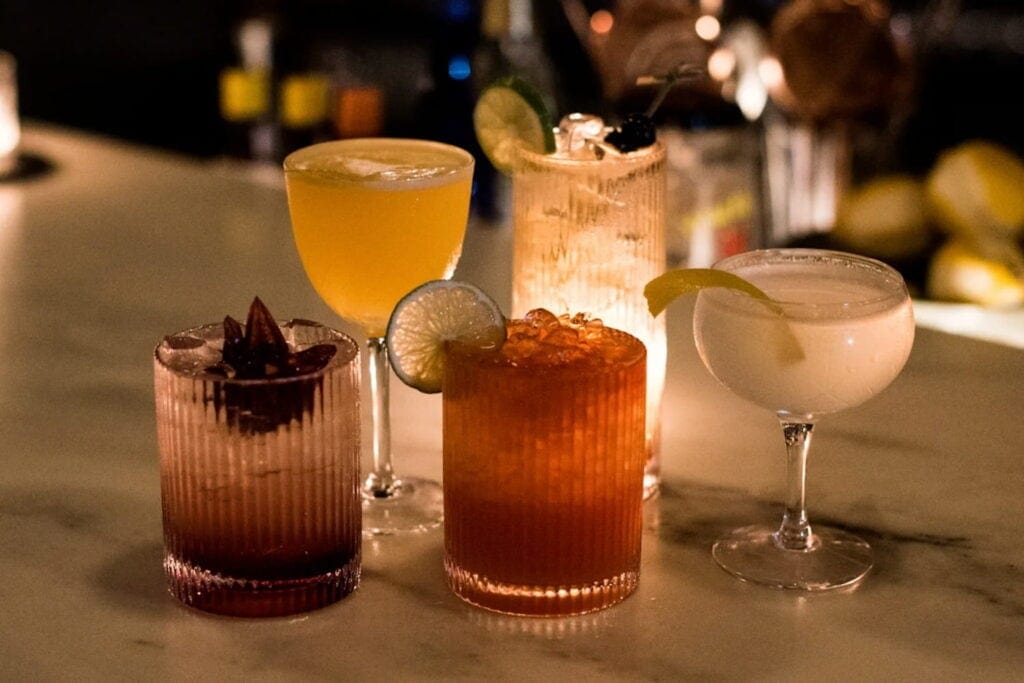
Food and drink are central to how guests experience a party, especially in a city known for its culinary diversity. In Miami, expectations tend to be high, and thoughtful planning can elevate even a short event into something memorable.
Approaching catering and beverage service strategically ensures your menu complements the party’s pacing rather than interrupting it. The goal is to nourish energy, not slow it down.
Choosing formats that match the timeline
Shorter events benefit from flexible food formats. Passed bites, grazing tables, and stations allow guests to eat while socializing instead of sitting down for extended meals. This keeps movement and conversation flowing.
Matching food format to event length also reduces congestion. Guests feel taken care of without feeling anchored to a single area, which supports a more dynamic atmosphere throughout the party.
Leveraging Miami’s culinary diversity
Miami’s food scene offers endless inspiration, from Latin American flavors to coastal influences. Choosing cuisine that reflects the city adds authenticity and excitement to the event.
Working with local caterers who understand event pacing helps ensure food arrives fresh and replenishment happens smoothly. Familiarity with venue logistics also minimizes setup delays and surprises.
Designing drink service for flow and safety
Drink service impacts crowd movement more than most hosts expect. Strategically placed bars prevent bottlenecks and keep traffic flowing evenly throughout the space.
Professional bartenders maintain pacing and manage service responsibly. This keeps the atmosphere lively without tipping into disorder, especially during shorter, high energy events.
Accounting for heat and hydration
Miami’s climate makes hydration planning essential. Water stations, mocktails, and shaded beverage areas keep guests comfortable and energized, particularly during daytime gatherings.
Ignoring this detail can drain energy quickly. Thoughtful beverage planning supports guest comfort and prolongs enjoyment.
Timing service to the event arc
Food and drink should evolve with the party’s rhythm. Lighter offerings early on and more substantial options mid event help pace energy levels. Coordinating service timing with music and activities prevents lulls and keeps guests engaged from start to finish.
When food and drink align with timing and flow, they enhance the experience instead of becoming a logistical distraction.
Sound, music, and atmosphere in local neighborhoods
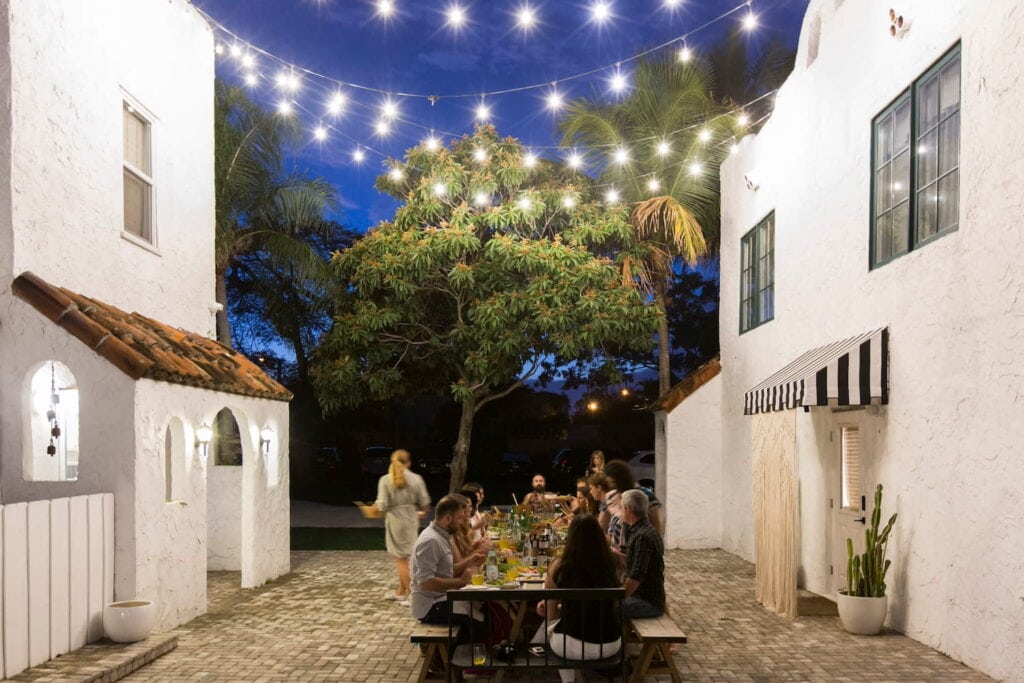
Music is a defining element of Miami parties, but how sound is managed depends heavily on location. Understanding neighborhood norms helps hosts choose venues that support their vision without conflict.
Learn how to align music plans with venue realities so atmosphere and compliance work together rather than against each other.
Understanding neighborhood sensitivities
Residential areas enforce stricter noise limits, particularly in the evening. Mixed use and commercial zones often allow greater flexibility. Knowing where your venue falls within this spectrum helps you plan volume levels and end times realistically, avoiding last minute disruptions.
Selecting venues with sound infrastructure
Venues designed for events often include built-in sound systems and acoustic considerations. These features support better sound quality at lower volumes.
Clear sound policies also help DJs and performers adapt without guesswork, creating a smoother experience for everyone involved.
Using lighting to shape mood without volume
Lighting can dramatically influence atmosphere even when sound must stay controlled. Uplighting, color transitions, and focused accents create energy without relying solely on music. This approach is especially useful for early evening events or venues near residential areas.
Coordinating DJs and live elements
Clear load in times and sound checks are essential for smooth execution. Venues that support these needs reduce stress and delays. Advance coordination ensures music enhances the event rather than competing with logistics.
Creating moments guests remember
Signature songs, timed transitions, and planned highlights give structure to the experience. These moments anchor memories even within short events. Thoughtful sequencing often matters more than volume when it comes to impact.
Balancing sound, lighting, and timing creates an atmosphere that feels intentional and respectful of the surrounding neighborhood.
Miami neighborhoods and the parties they suit best
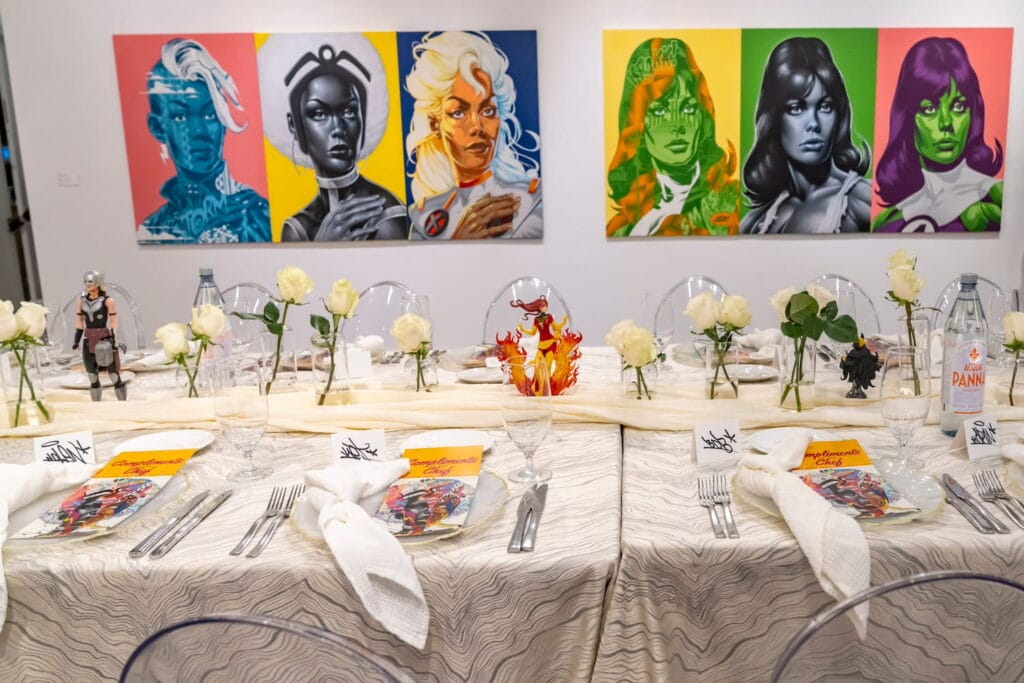
Miami’s neighborhoods each bring a distinct personality that influences how parties feel and function. Choosing the right area improves guest experience and simplifies logistics
Wynwood for creative and social gatherings
Wynwood thrives on movement, color, and creative expression, which naturally carries over into the types of parties that work best here. The neighborhood’s arts driven environment makes it a strong fit for casual celebrations that benefit from visual interest and flexible layouts. Many venues in Wynwood are accustomed to music, vendors, and guests flowing in and out throughout the event.
Because of this built in flexibility, parties here tend to feel social rather than structured. Guests expect to mingle, explore, and engage with the space itself. That makes Wynwood especially well suited for birthdays, creative mixers, and celebrations where energy and atmosphere matter more than formality.
Brickell for polished evening events
Brickell presents a very different tone from Miami’s arts districts. Known for its sleek architecture and upscale venues, the area lends itself to more refined evening celebrations. Rooftops, private lounges, and modern interiors create a backdrop that feels intentional and elevated.
While accessibility and parking require advance planning, the payoff is a polished, city-forward experience. Brickell works particularly well for cocktail-style events, milestone birthdays, and gatherings where guests expect a more curated, upscale environment.
Little River for experimental formats
Little River has emerged as one of Miami’s most flexible areas for hosts who want to push beyond traditional party formats. The neighborhood is known for its industrial buildings, converted warehouses, and creative compounds that invite customization rather than dictate how an event should look or feel. These venues appeal to hosts who want to experiment with layout, flow, and programming instead of working within a fixed template.
Because many spaces in Little River operate as blank slates, they support unconventional setups like modular seating, interactive installations, or hybrid indoor/outdoor experiences. The area’s creative energy encourages risk taking and rewards originality. Parties here often feel immersive and expressive, making Little River a strong choice for celebrations that prioritize individuality over polish.
Coconut Grove for relaxed daytime parties
Coconut Grove offers a slower pace that contrasts with Miami’s denser neighborhoods. Tree-lined streets, waterfront access, and garden-style venues make it an appealing choice for daytime celebrations. The atmosphere encourages lingering conversations and a more laid back approach to hosting.
Daytime parties here benefit from the natural setting. Guests often arrive expecting a relaxed experience that prioritizes comfort and connection. Courtyards, patios, and shaded outdoor spaces tend to shine in this part of the city.
South Beach for statement celebrations
South Beach delivers iconic Miami energy. Venues here suit hosts seeking a visually striking experience.
Clear logistical planning is essential, but the setting leaves a strong impression.
Matching neighborhood to party intent helps ensure the event feels cohesive rather than conflicted.
Peerspace: where Miami parties actually come together
Miami rewards thoughtful planning that respects both the city’s energy and its realities. When timing, venue type, and location align with how locals actually celebrate, the result feels natural rather than forced.
Airbnb remains a reasonable option for destination weekends where lodging is essential. For local hosts planning parties measured in hours rather than nights, event-focused venues offer clearer rules, better cost alignment, and greater creative freedom.
Choosing a space designed for gatherings allows hosts to focus on atmosphere, flow, and connection. Instead of managing constraints, you can invest energy into the experience itself. That is where Miami parties truly shine. Look to Peerspace to find Miami party spaces you can book by the hour.
In this article
- Why Airbnb often complicates parties for Miami locals
- Why Peerspace works better for local Miami parties
- Planning a Miami party that fits a local schedule
- Matching Miami venue types to different party styles
- Planning food and drink for local party styles
- Sound, music, and atmosphere in local neighborhoods
- Miami neighborhoods and the parties they suit best
- Peerspace: where Miami parties actually come together
In this article
- Why Airbnb often complicates parties for Miami locals
- Why Peerspace works better for local Miami parties
- Planning a Miami party that fits a local schedule
- Matching Miami venue types to different party styles
- Planning food and drink for local party styles
- Sound, music, and atmosphere in local neighborhoods
- Miami neighborhoods and the parties they suit best
- Peerspace: where Miami parties actually come together
Get together somewhere better
Book thousands of unique spaces directly from local hosts.
Explore SpacesShare your space and start earning
Join thousands of hosts renting their space for meetings, events, and photo shoots.
List Your Space