How & Where to Rent an Airbnb for a Party in Dallas (2026)
-

Contributing Writer -

Lead Editor & Publisher
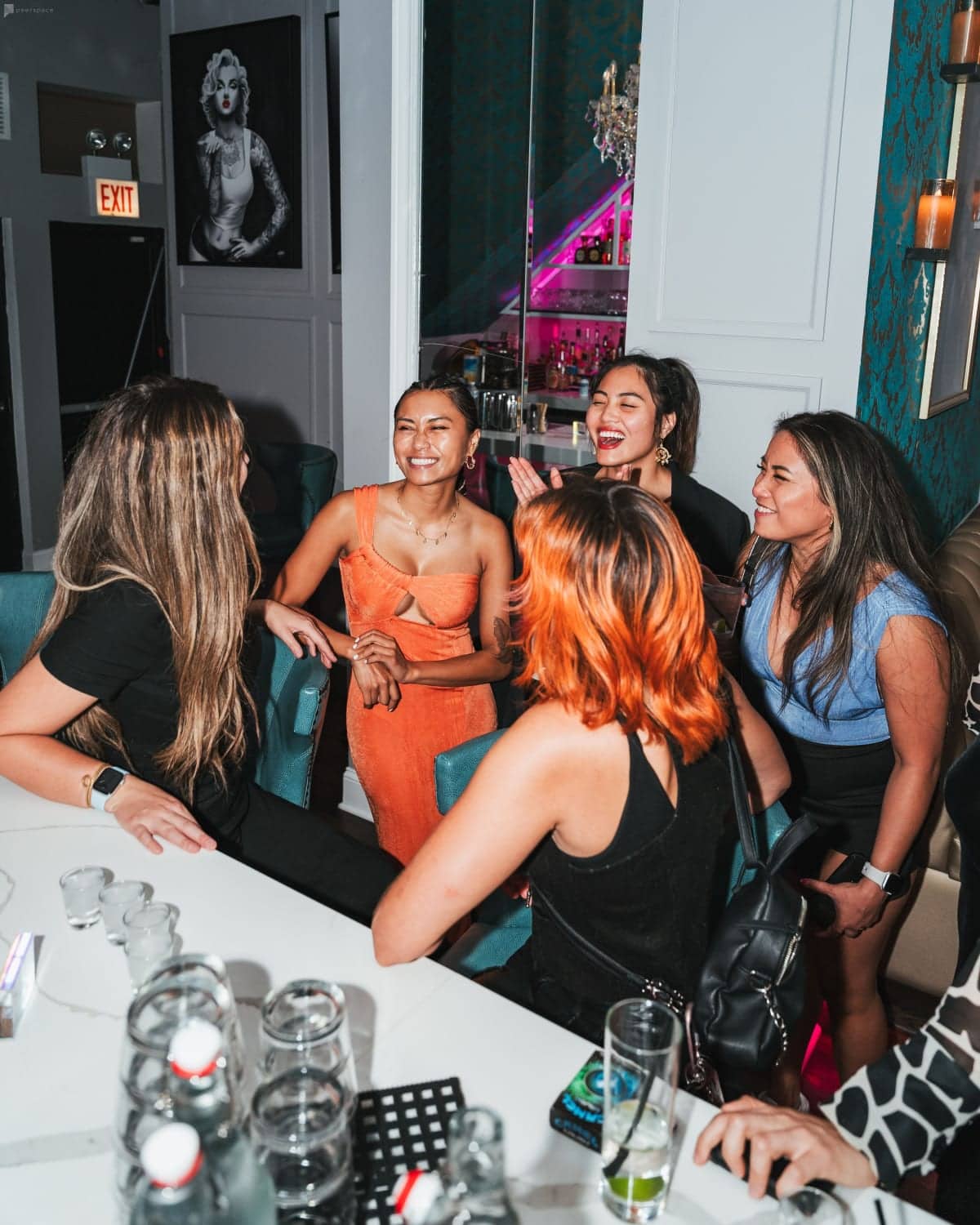
Source: Peerspace
The way people celebrate in Dallas reflects a broader culture of hospitality, where atmosphere, pacing, and guest comfort are just as important as the occasion itself. Many people still default to searching for an Airbnb when planning a party. In certain scenarios, especially when guests are traveling in and staying overnight, a vacation rental can work.
For many local Dallas hosts, however, the math and logistics often tell a different story. Paying for unused time, navigating unclear rules, and adapting a home for an event can quietly add friction.
This guide is designed to help hosts plan parties that feel thoughtful, smooth, and worth the effort. You will find clear comparisons, neighborhood specific advice, venue type ideas, and practical planning strategies. The goal is to help you choose a space that fits your timeline, your guest experience, and your budget.
Where Airbnb starts to complicate parties in Dallas
At first glance, booking an Airbnb for a party in Dallas can feel convenient. For quiet gatherings or trips where lodging is the priority, that setup can make sense. For local parties that function more like short events, however, Airbnbs often introduce complications that only surface once planning is underway.
Understanding these limitations early helps hosts avoid last minute compromises, budget overruns, or the stress of trying to make a residential space function like an event venue. The issues are rarely dramatic on their own, but they add up in ways that can shape the entire experience.
Rules that crash your party no matter what
Airbnb enforces platform-wide restrictions on parties and events, so party hosts often feel pressure to downplay their plans or worry about complaints. That uncertainty makes it harder to relax and enjoy the celebration. Parties are more fun when you are focused on your guests, not monitoring volume levels or wondering if the night might be cut short.
Paying for nights when you only need a few hours
Airbnb pricing is built around nights, not events, which means you pay for far more time than you actually use. Even a party that runs from late afternoon into the evening often requires paying for a full night, and sometimes a weekend minimum.
This mismatch quietly inflates costs. Cleaning fees and service charges stack on top of nightly rates, and none of that spending improves the guest experience. For local hosts, paying for empty bedrooms and unused hours can feel frustrating, especially when that money could have gone toward better food, a bartender, entertainment, or thoughtful details guests actually notice.
Vendor restrictions that limit what you can plan
Food, drinks, and experiences shape how a party feels, and vendors play a major role in that. Many Airbnb listings restrict or prohibit outside vendors because the homes are designed for lodging rather than events. Hiring a bartender, bringing in catering, booking a DJ, or setting up décor often requires special approval or is not allowed at all.
In Dallas, where local food trucks, caterers, and mobile bar services are part of the culture, these restrictions can flatten your plans. A taco cart from a neighborhood favorite or a dessert setup you were excited about may be off the table. When vendor flexibility disappears, hosts are forced to simplify in ways that change the tone of the celebration.

Peerspace party venues work better than Airbnb
Once you step back and look at what a party actually requires, event-ready venues start to feel like a more natural solution.
Paying for time you actually use
Hourly pricing aligns naturally with how parties unfold. Rather than paying for an overnight stay you do not need, you can book a space for the exact number of hours required for setup, the event itself, and cleanup. Money saved by avoiding unused time can be redirected toward food, drinks, entertainment, or design elements that elevate the experience and feel tangible to guests.
Clear rules and event-friendly expectations
Event-focused venues clearly outline guest capacity, noise expectations, setup allowances, and approved uses upfront. This clarity makes planning easier because there are fewer gray areas to navigate after booking.
Knowing exactly what a space supports allows hosts to plan confidently. Instead of negotiating exceptions or worrying about last minute restrictions, you can focus on building a timeline and experience that fits comfortably within the venue’s parameters.
Freedom to bring in the vendors that matter
Most event venues welcome outside vendors, which opens the door to more creative and personalized planning. Whether you want catered dinner, a dessert bar, a live DJ, or a photographer, vendor access allows you to shape the party around your priorities.
Choosing the right type of venue for your party
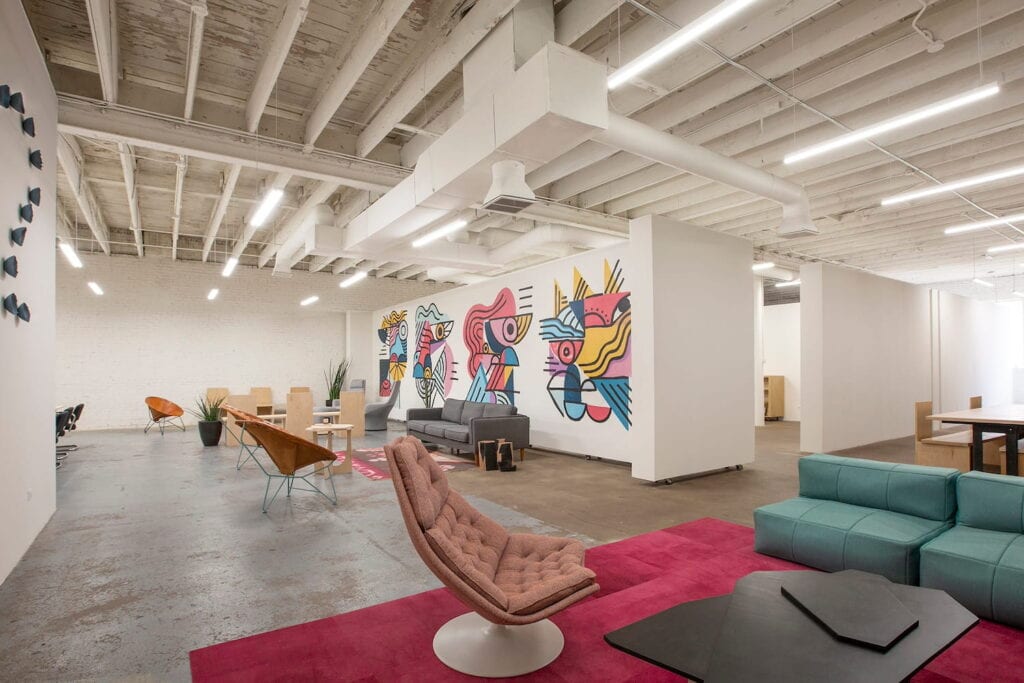
Dallas offers a wide range of venue styles that work well for parties, each with its own strengths and limitations.
Loft and studio spaces for social gatherings
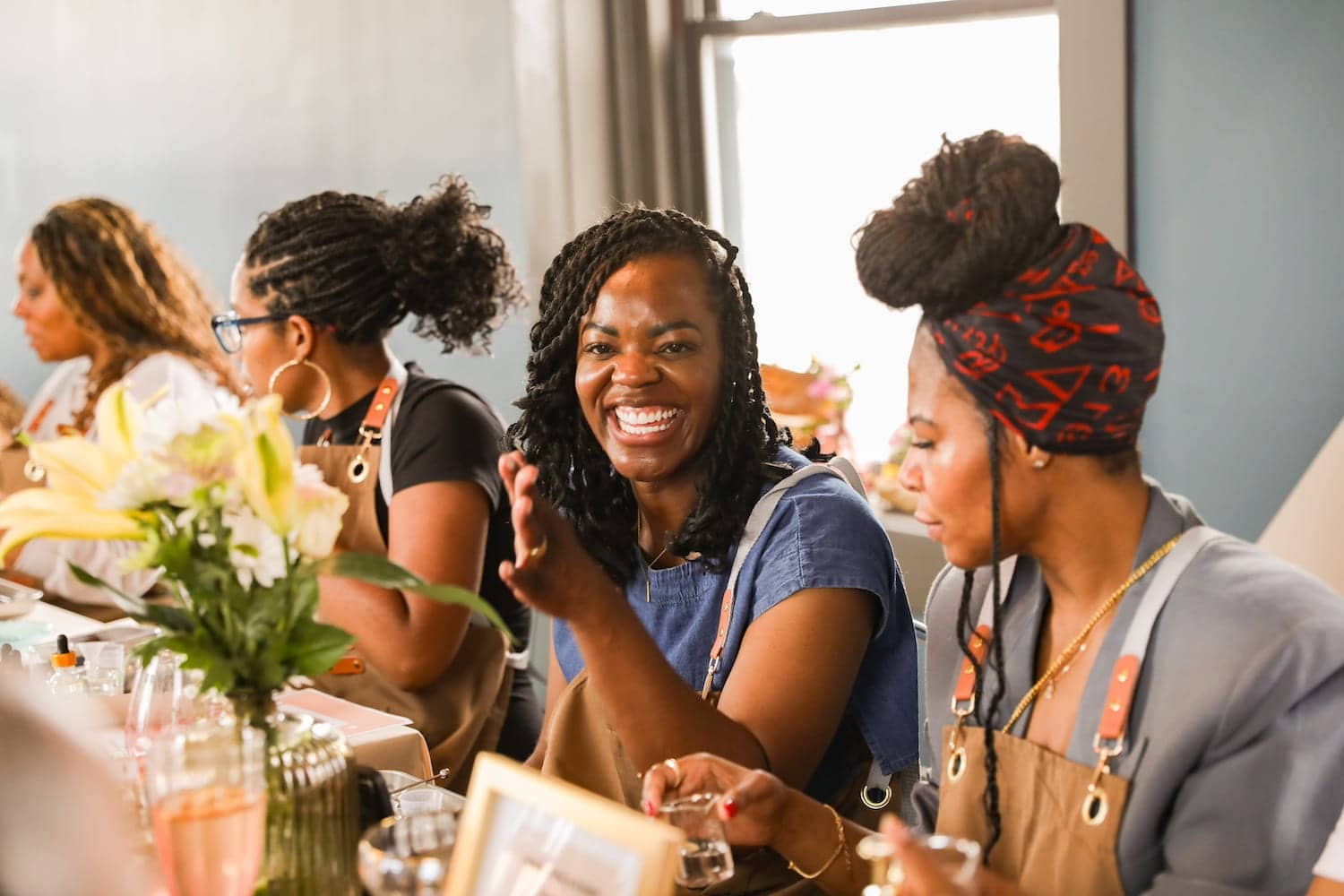
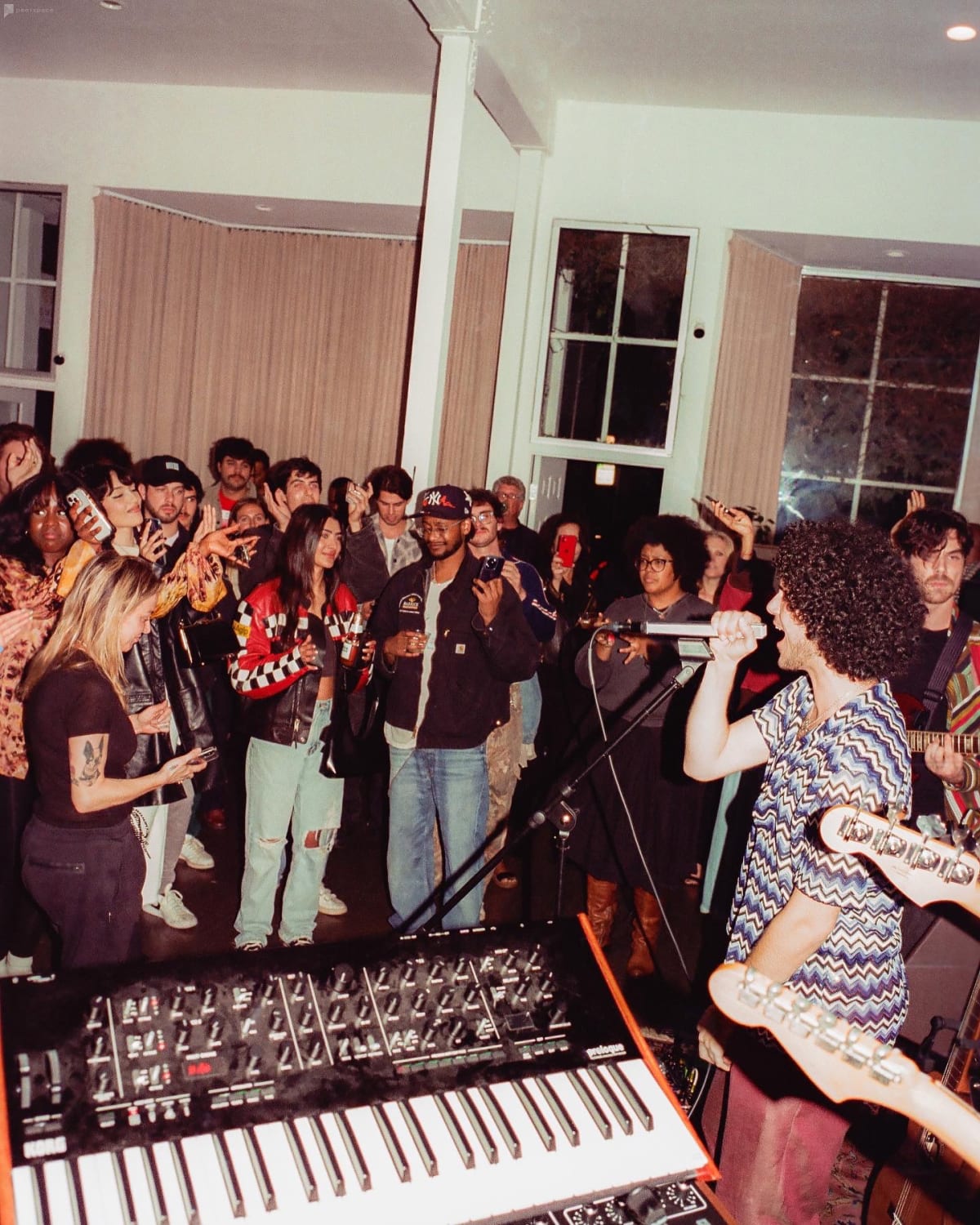
Lofts and studios are popular for parties that center on mingling, music, and drinks, especially for birthday parties where conversation and movement matter more than formal seating. These spaces typically feature open layouts that allow guests to circulate naturally, which helps energy build and prevents the party from feeling segmented. In Dallas, loft style venues often include high ceilings and minimal built in décor, giving hosts flexibility to shape the atmosphere.
Many studios also offer clean, modern finishes and strong natural light, making them well suited for photos and social media moments. For daytime celebrations or early evening parties, this type of space strikes a balance between flexibility and visual appeal. Hosts should still consider acoustics, furniture availability, and where food and drinks will be staged to keep the flow smooth throughout the event.
Restaurants and cafes for food forward celebrations
If food is the main attraction, renting a restaurant or cafe can simplify planning significantly. These venues are already equipped for service and often include staff, tables, seating, and established kitchen workflows. For Dallas hosts who want a polished experience without coordinating multiple vendors, this can reduce both stress and setup time.
This option works especially well for milestone birthdays where conversation and shared meals take priority over dancing or loud music. Restaurants also tend to offer clearer timing expectations, which helps with pacing the event. Hosts should confirm whether the space is fully private and how menu customization works to ensure the celebration still feels personal.
Outdoor spaces for relaxed, seasonal parties
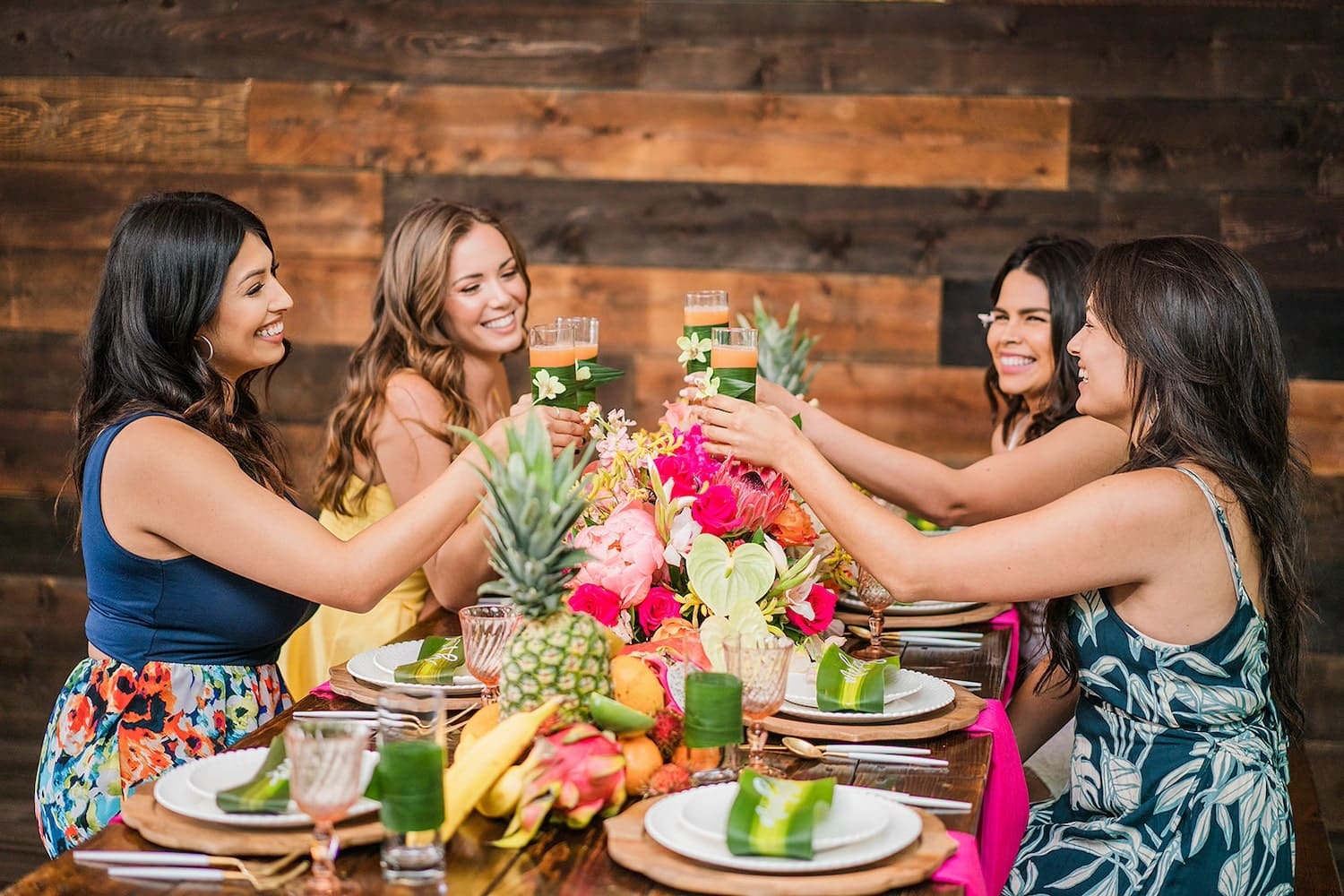
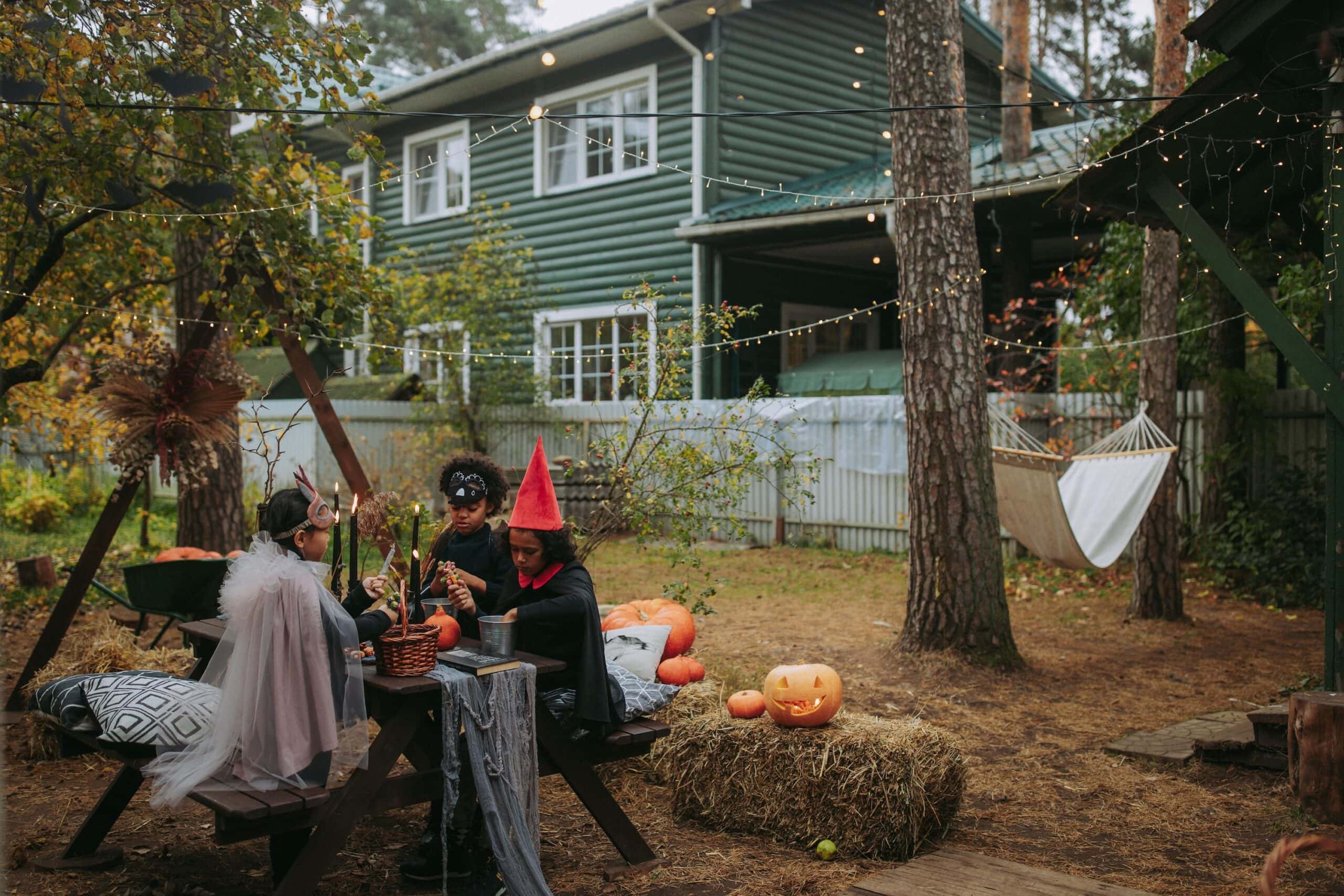
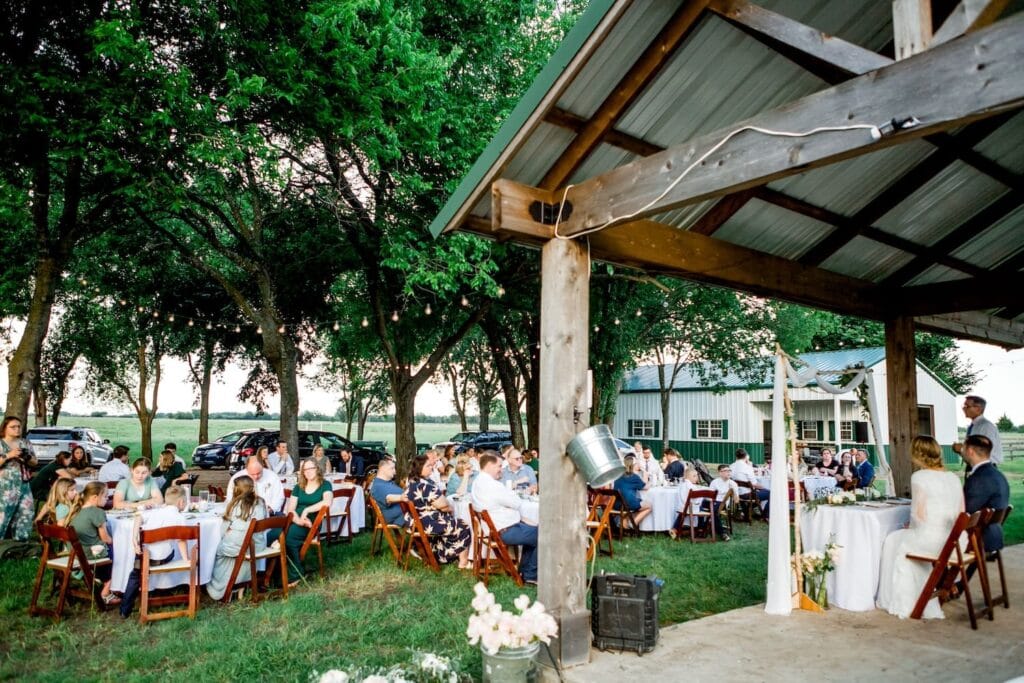
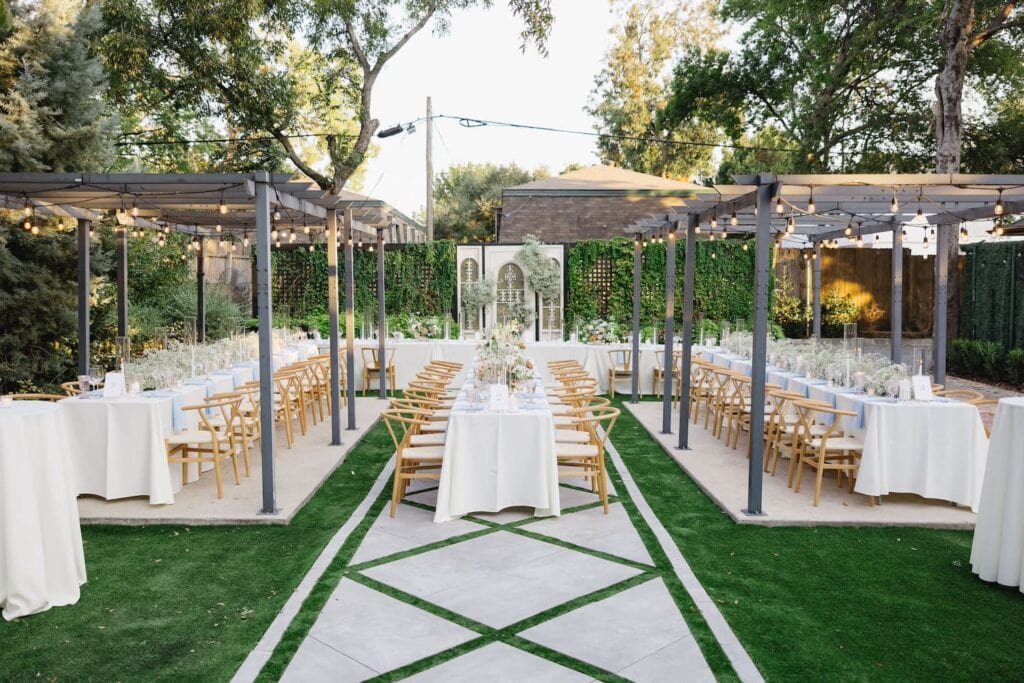
Dallas weather opens the door to outdoor parties for much of the year, making patios, courtyards, and garden spaces especially appealing. These venues work well for daytime celebrations, casual evenings, or family friendly gatherings where guests appreciate fresh air and room to spread out. Outdoor settings often create a laid back tone that feels welcoming without much decoration.
Outdoor venues work best when hosts plan intentionally for shade, seating, and a clear weather backup. Heat management, lighting as the sun sets, and access to restrooms all affect guest comfort. When those details are handled, outdoor spaces feel relaxed and effortless rather than uncertain.
Creative spaces for theme-driven events
Art studios and galleries are well suited for parties with a creative hook. These venues provide a neutral yet interesting backdrop that can be transformed through décor or activities.
Because they are designed for events and production, creative spaces often allow installations, furniture movement, and vendor access that residential spaces do not. This makes them ideal for hosts with a specific vision.
Choosing the right venue type early helps guide every other planning decision, from guest count to budget allocation. When the space aligns with how you want the party to feel, many smaller choices resolve themselves naturally. Hosts spend less time troubleshooting and more time refining the experience, which ultimately leads to a smoother and more enjoyable celebration.
Matching Dallas neighborhoods to your party style
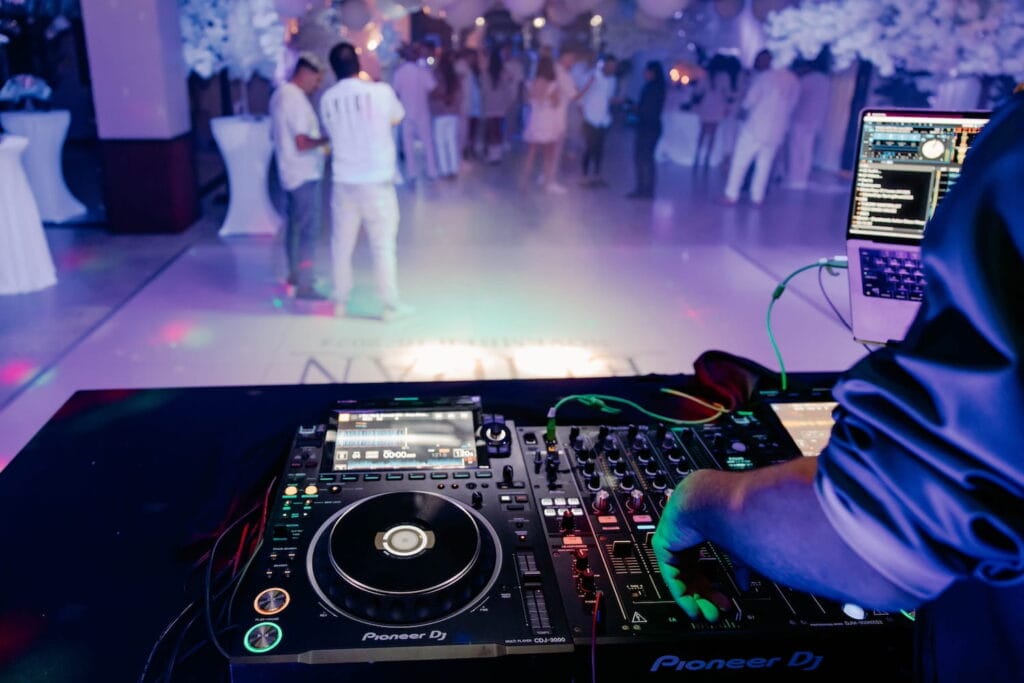
Downtown and Uptown for high energy gatherings
Downtown and Uptown are well suited for parties that lean social and lively. These areas offer lofts, lounges, and modern venues close to bars, hotels, and rideshare access.
Costs tend to be higher, but convenience is a major upside. Guests appreciate being able to continue the evening nearby without coordinating rides or driving long distances.
Deep Ellum for creative and music driven parties
Deep Ellum is a natural fit for parties centered on music, art, and nightlife. Venues here often have a relaxed approach to sound and a built in creative edge.
This area works best for adult gatherings where guests are comfortable with a late night atmosphere, street parking, and a more energetic environment.
Bishop Arts and Oak Cliff for intimate celebrations
Bishop Arts and surrounding Oak Cliff neighborhoods offer a more intimate, community oriented feel. Cafes, studios, and small event spaces here are ideal for dinner parties, milestone birthdays, and gatherings focused on conversation.
These neighborhoods often balance character with accessibility, making them appealing for mixed age groups and earlier evening events.
Lakewood and East Dallas for daytime and family events
East Dallas neighborhoods work well for daytime parties, especially those that include families or older guests. Venues here often prioritize comfort, outdoor access, and manageable noise levels.
This is a strong choice for brunches, afternoon celebrations, or events that wrap up earlier in the evening without feeling rushed.
Planning the timeline so the party flows
A clear timeline is one of the most overlooked planning tools for parties. When the event has a natural beginning, middle, and end, it feels intentional rather than rushed or meandering.
A thoughtful timeline also makes coordination with vendors and venues smoother, which allows hosts to stay present during the celebration.
Build in setup and buffer time
Always reserve extra time for setup and cleanup. Even simple décor or catering setups take longer than expected, especially when multiple vendors are involved.
Booking additional buffer time protects the party itself from feeling compressed and gives you room to handle small delays without stress.
Stagger arrivals to ease congestion
For larger guest lists, encouraging staggered arrivals can prevent bottlenecks at entrances, bars, or check in points. This allows energy to build naturally rather than all at once.
Communicating a soft start time helps manage flow without making the event feel rigid or overly structured.
Plan a natural peak moment
Most successful parties include a clear peak moment, such as a toast, dessert reveal, or planned activity. This gives the event structure and something guests remember.
That moment works best once everyone has settled in, but before energy starts to dip.
Allow space for a graceful ending
Just as important as the start is the ending. Clear wrap up cues, such as last call or final music, help guests transition without lingering awkwardly.
A defined ending also makes cleanup smoother and respects venue time limits.
Altogether, a strong timeline keeps the party feeling paced and polished.
Designing the experience guests will remember
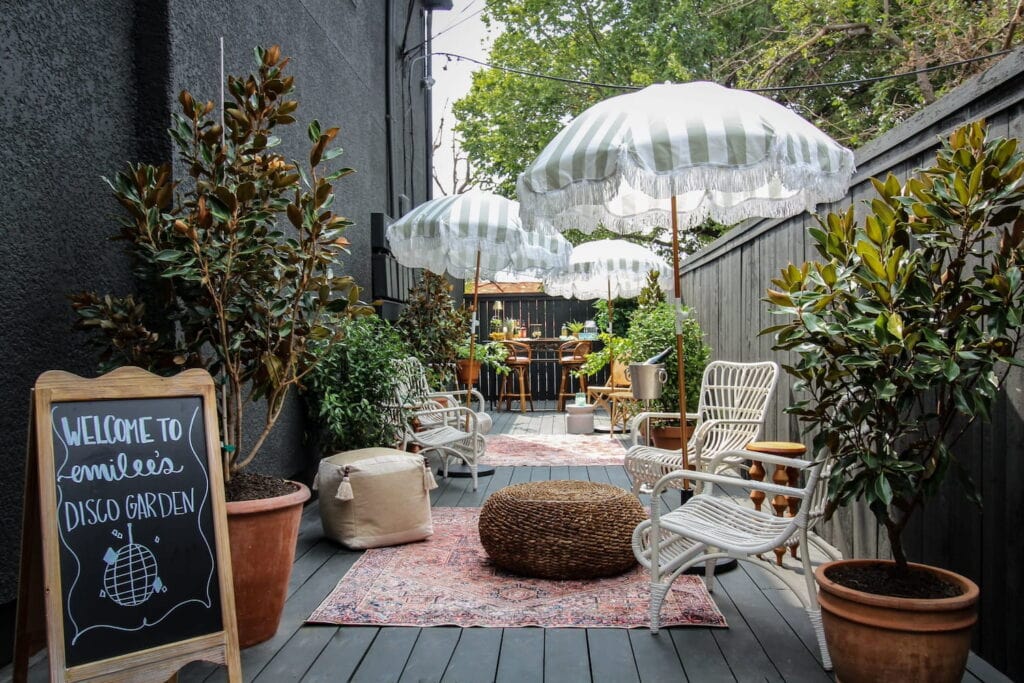
Beyond the venue itself, small planning choices shape how a party feels. Guest experience is built through comfort, flow, and thoughtful details rather than sheer scale.
Focusing on these elements helps the event feel cohesive and enjoyable for everyone involved.
Prioritize comfort and movement
Make sure there is adequate seating, room to move, and access to restrooms. Guests who feel physically comfortable are more likely to stay engaged and relaxed.
Avoid overcrowding by choosing a space that fits your guest count comfortably rather than tightly.
Keep food and drinks accessible
Long lines can stall momentum quickly. Spreading food and drink stations throughout the space encourages circulation and conversation.
Even simple self serve setups benefit from thoughtful placement and clear flow.
Create one or two focal points
Rather than decorating every corner, focus on one or two focal areas, such as a dessert table or photo backdrop. These elements anchor the space visually.
This approach keeps the environment intentional without feeling cluttered or over designed.
Match music to the room
Sound behaves differently in every space. Testing volume early allows you to adjust based on room acoustics and guest mix.
Music should support the atmosphere you want, whether that is relaxed conversation or an energetic dance moment.
To further refine how you manage flow and comfort during your celebration, review our guide on how to arrange a birthday party your guests will never forget.
When these elements work together, guests leave feeling cared for rather than overwhelmed.
Budgeting smarter for parties in Dallas
Budgeting for a party is not just about cutting costs. It is about spending intentionally and allocating resources where they have the greatest impact.
A clear budget also gives hosts confidence to make decisions without second guessing every detail.
Allocate based on guest experience
Prioritize spending on elements guests interact with directly, such as food, drinks, seating, and comfort. These details shape how people remember the event.
Décor can enhance the space, but it rarely outweighs good hospitality.
Use venue choice to control costs
Choosing an hourly venue helps align costs with actual use. This makes it easier to scale the event up or down without committing to unnecessary spend.
Venue choice often sets the tone for the entire budget.
Leave room for flexibility
Unexpected expenses are common, whether that is additional ice, extra staff, or last minute adjustments. Building a small buffer into your budget prevents stress.
That flexibility is often what allows you to say yes to a great idea when it comes up.
You deserve a venue that works as hard as you do
Parties in Dallas are less about where people sleep and more about how they gather. Choosing a venue that supports that reality simplifies planning and improves the experience for everyone involved.
Airbnb can work for certain scenarios, particularly when overnight stays are part of the plan. For many local hosts, however, event focused spaces offer clearer rules, better pricing alignment, and the freedom to design a celebration that fits their vision.
Look to Peerspace for Dallas party venues you can book by the hour.
In this article
- Where Airbnb starts to complicate parties in Dallas
- Peerspace party venues work better than Airbnb
- Choosing the right type of venue for your party
- Matching Dallas neighborhoods to your party style
- Planning the timeline so the party flows
- Designing the experience guests will remember
- Budgeting smarter for parties in Dallas
- You deserve a venue that works as hard as you do
In this article
- Where Airbnb starts to complicate parties in Dallas
- Peerspace party venues work better than Airbnb
- Choosing the right type of venue for your party
- Matching Dallas neighborhoods to your party style
- Planning the timeline so the party flows
- Designing the experience guests will remember
- Budgeting smarter for parties in Dallas
- You deserve a venue that works as hard as you do
Get together somewhere better
Book thousands of unique spaces directly from local hosts.
Explore SpacesShare your space and start earning
Join thousands of hosts renting their space for meetings, events, and photo shoots.
List Your Space