What’s Like an Airbnb for a Wedding in Vermont? (2026)
-

Contributing Writer -

Lead Editor & Publisher

- April 21, 2026
- 17 min read
- Events
Source: Peerspace
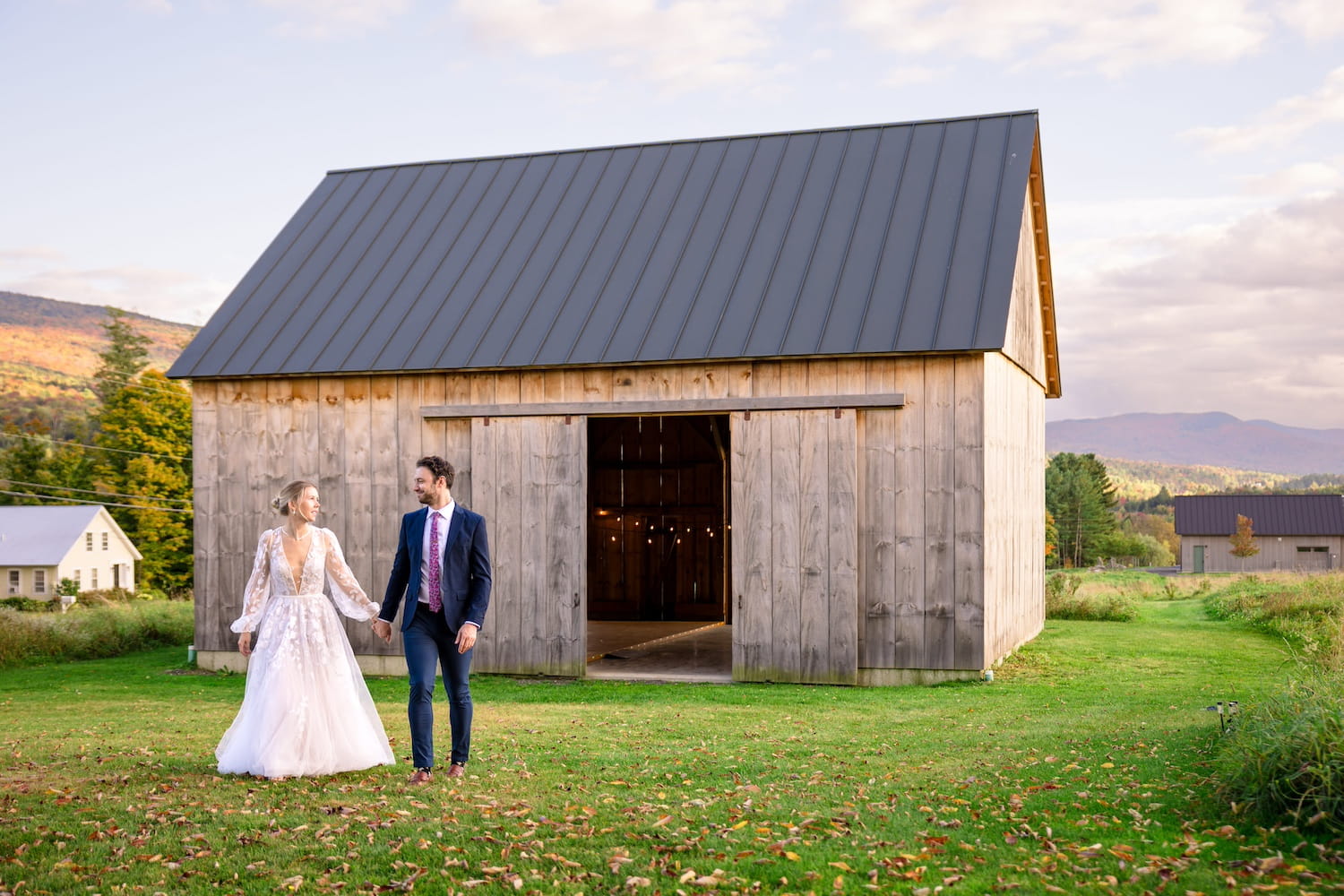
Vermont sells itself as a wedding destination without trying. Red barns framed by sugar maples, mountain ridgelines that glow amber in late September, farm-to-table dinners served under string lights: it’s the kind of setting that makes a reception hall feel redundant.
That visual is exactly what draws couples to Airbnb. A hillside farmhouse in Stowe or a lakefront cabin near Burlington look like the perfect backdrops for a small wedding. But Airbnb’s permanent party ban, enforced through booking-pattern algorithms and host cancellation rights, makes weddings one of the riskiest events to plan through the platform. Vermont adds its own complications: Burlington bans most non-owner-occupied listings outright, Stowe requires a registry and $100 annual fee, and the state’s BYOB restrictions mean you can’t simply bring your own bar to a residential property.
This guide breaks down what couples actually face when booking a Vermont wedding venue through Airbnb, where the platform falls short for events, and how hourly venue rentals offer a more predictable path — from barn ceremonies in the Mad River Valley to industrial loft receptions in Burlington.
Can you use Airbnb for a wedding in Vermont?
Quick answer: It depends, but the risks are higher than most couples expect.
Airbnb’s global party ban, made permanent in 2022, prohibits “disruptive parties and events” at every listing worldwide. The platform removed its “events allowed” filter in 2020 and uses machine-learning systems to flag bookings that match event patterns: large groups, single-night stays, and proximity to holidays. Flagged bookings can be canceled automatically before check-in.
Vermont’s local regulations add another layer. Burlington, the state’s largest city, banned most non-owner-occupied listings in 2023. That means fewer Burlington properties are even available, and the ones that remain are owner-occupied homes where hosting a wedding reception is unlikely to be welcome.
Even if a host verbally agrees to a wedding, Airbnb’s terms give the platform authority to cancel any booking that triggers its event-detection system. There’s no contract between you and the host that overrides the platform’s policies, and a cancellation weeks before your wedding date leaves you scrambling for a replacement venue in peak foliage season.

Where Airbnb falls short for weddings in Vermont
Vermont’s appeal for weddings is its landscape — but booking that landscape through Airbnb introduces friction that couples don’t anticipate until they’re deep into planning.
Booking can vanish without a contract
Traditional wedding venues lock in your date with a signed contract, a deposit, and legal accountability on both sides. Airbnb doesn’t work that way. A host can cancel for any reason: a change of heart, a more profitable booking, or simply deciding they don’t want an event on their property. The platform’s cancellation penalties are financial (reduced future visibility, a small fee), but they don’t protect your wedding date.
“Airbnb gives its property owners a LOT of freedom to cancel on guests, so realize that a property owner can say yes right now, but then decide at any time that they don’t want to rent to you.” — WeddingWire user, discussion thread “Airbnb Wedding?”
@tieranib_ Getting put out of an Airbnb on your wedding day is INSANEEEEEE! The limit is 6 people. & for a short period of time we got up to 7 & the owner who lives right across the street told us we had 30 minutes to leave or she was calling for the sheriffs office 😳 like be fr! It’s 9AM! No loud noise. & people were about to switch out. I have never been to Montgomery Texas before today & I lost definitely won’t be going back 😫 #fyp ♬ original sound – 𝚃𝚒𝚎𝚛𝚊𝚗𝚒♡
One viral TikTok showed a bride mid-hair-and-makeup being told by the Airbnb host to vacate in 30 minutes — on the morning of her wedding — after the host noticed extra guests. Airbnb refunded the booking.
In Vermont, where peak foliage weekends in late September and early October book out months in advance, a last-minute cancellation doesn’t just inconvenience you, it can make finding a comparable venue nearly impossible.
You pay for overnight hours you don’t use
A Vermont barn wedding might run five hours: a 4 p.m. ceremony, cocktail hour, dinner, and dancing until 9 p.m. But Airbnb’s pricing model charges by the night, often with minimum-night requirements and layered fees including cleaning and service charges.
For a property listed at $400–$600 per night in Stowe or Woodstock during foliage season, you might book two nights (a setup day plus the wedding day) at $800–$1,200 just for the space — before furniture rental, catering, or any vendor costs.
Hidden costs stack up fast
An Airbnb listing gives you the space. A wedding requires infrastructure: chairs for 60 guests, tables, a sound system, lighting, a dance floor, or restroom capacity for a reception. Every element that a dedicated event venue provides as standard infrastructure becomes a separate rental line when you’re converting a residential property into a wedding venue.
“[Airbnb is] Not cheaper. A house wedding is what we’d call a “from scratch” wedding, which means you need to bring in EVERYTHING. Every chair, every fork, etc etc. There’s a ton of small hidden expenses that really add up with these, though, it’s more doable if it’s a very small party. If you go this route GET A CONTRACT outside of Airbnb. Airbnb’s can cancel a reservation at anytime for no reason!” — Wedding Wire user, discussion thread “Airbnb Wedding? “
Vermont’s BYOB restrictions compound this. The state requires a licensed caterer to serve alcohol at events, so you can’t simply bring your own wine and beer to a farmhouse reception. A catering permit or licensed bartender adds $115–$2,000 depending on guest count and service hours.
No way to tour the space before committing
Photos show a property at its best: wide-angle lenses, golden-hour lighting, no clutter. But a wedding demands spatial awareness: where does the ceremony happen if it rains? Can 50 chairs fit on that lawn? Is there a flat surface for a dance floor? Is the driveway accessible for a catering van?
“We always conduct site visits to thoroughly understand the space we are working with. Seeing the space from multiple perspectives allows us to bring the day to life.” — Nicole Day, Ember & Stone Events
Airbnb doesn’t offer site tours. Some hosts will arrange one, but it’s not a platform feature and not guaranteed. For a Vermont property two or three hours from your home, visiting means a separate trip — or a separate booking.
Vendors aren’t always welcome
Vermont weddings rely on local vendor networks: caterers in the Mad River Valley, florists in Burlington, DJs who know the mountain-road logistics. But Airbnb hosts can restrict which vendors enter the property, limit delivery windows, or prohibit setups that could cause wear.
There’s no standard vendor policy on Airbnb. Each host sets their own rules, and those rules can change after you’ve already booked.
How to find a wedding venue in Vermont
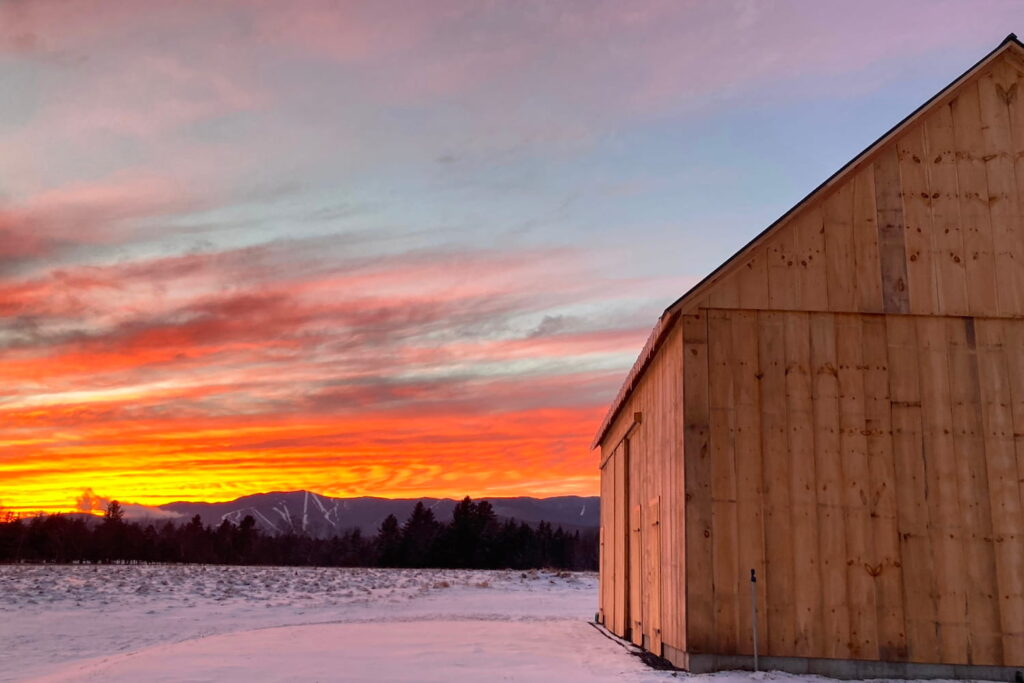
Vermont’s wedding identity is built on its landscape — but the state’s five distinct regions each offer a different aesthetic, and matching your style to the right area narrows your search before you ever look at a listing.
Choose a region that matches your wedding style
Vermont’s five main wedding regions each carry a distinct aesthetic — from urban-industrial Burlington to pastoral Mad River Valley. Knowing which vibe fits your celebration helps you filter faster and avoid wasting time on venues that don’t match.
Burlington and the Champlain Valley
Wedding spaces in Burlington sit along the shore of Lake Champlain, with views of the Adirondacks across the water. The city’s creative scene — galleries, renovated mills, waterfront restaurants — gives couples access to urban-industrial venues minutes from open farmland. Burlington is also Vermont’s most connected city for guest travel, with Burlington International Airport and Amtrak’s Vermonter line.
Stowe and the Green Mountains
Event venues in Stowe draw couples who want a mountain-village setting without the remoteness. The village itself is walkable, with inns and restaurants within a few blocks, and the surrounding landscape offers everything from meadow ceremonies to lodge receptions. Peak foliage here runs late September through the second week of October — the most competitive booking window in the state.
Mad River Valley (Waitsfield and Warren)
Barn wedding rentals in Barre are where Vermont’s most iconic round barns and covered bridges define the wedding aesthetic. This region is quieter and more intimate than Stowe, attracting couples who want a pastoral feel with fewer logistical complications. The valley’s working farms and sugarhouses add an authenticity that styled venues can’t replicate.
Woodstock and the Upper Connecticut River Valley
Woodstock is the postcard version of Vermont — a covered bridge at the village entrance, a town green lined with Federal-era buildings, and surrounding hills that glow in autumn. Wedding venues here lean toward historic inns, estate properties, and manicured gardens. The area is a 2.5-hour drive from Boston, making it accessible for New England guests.
Manchester and Southern Vermont
Southern Vermont offers a more relaxed pace and lower price point than the northern resort towns. Manchester’s marble sidewalks and mountain backdrop give it an understated elegance, while towns like Bennington and Brattleboro add artsy, independent character. This region is the closest to New York City (about 3.5 hours), which makes it a natural pick for couples with metro-area guest lists.
Vermont venue types to look for
The state’s wedding aesthetic spans a wide range, and platforms with event-specific search filters let you match your vision to real availability.
- Barn and farmstead venues (Mad River Valley, Champlain Valley, Northeast Kingdom)
- Outdoor event spaces and gardens (Burlington, Woodstock, Stowe)
- Restaurant and dinner venues (Burlington, Manchester, Stowe)
- Party and reception venues (Burlington, Barre)
- Wedding reception spaces (Burlington, southern Vermont)
These are just a few examples. Across Vermont, many event-ready venues are designed specifically for weddings, so you can match your space to your guest count, style, and logistics without retrofitting a private home. From modern barns and mountain lodges to lakeside resorts and vineyard estates, Vermont offers purpose-built spaces that make planning easier from the start.
Look for hourly booking options
Most Vermont weddings run four to eight hours. Platforms that offer hourly pricing let you book the space for the time your event actually needs, without paying for overnight hours on either side.
Hourly venues are also purpose-built for events, so essentials like adequate restrooms, vendor access, flexible furniture layouts, and parking are part of the package rather than separate rental line items.
Prioritize vendor flexibility
Vermont’s farm-to-table food culture is one of its strengths as a wedding destination, but you can only take advantage of it if your venue allows outside caterers. Before committing to any space, confirm whether outside vendors are allowed, whether the kitchen can accommodate professional catering, and whether there’s adequate power for sound and lighting.
Remember that Vermont law requires a licensed caterer to serve alcohol at events: BYOB is not an option. Confirm that your venue’s kitchen and service areas can support a licensed catering operation.
Understand Vermont’s marriage requirements
Vermont marriage licenses cost $80 and are valid for 60 days. There’s no waiting period and no residency requirement, which makes the state accessible for destination weddings. If you don’t have your own officiant, Vermont allows you to appoint a temporary officiant for $100, letting a friend or family member perform the ceremony legally.
How much does it cost to rent a Vermont wedding venue?
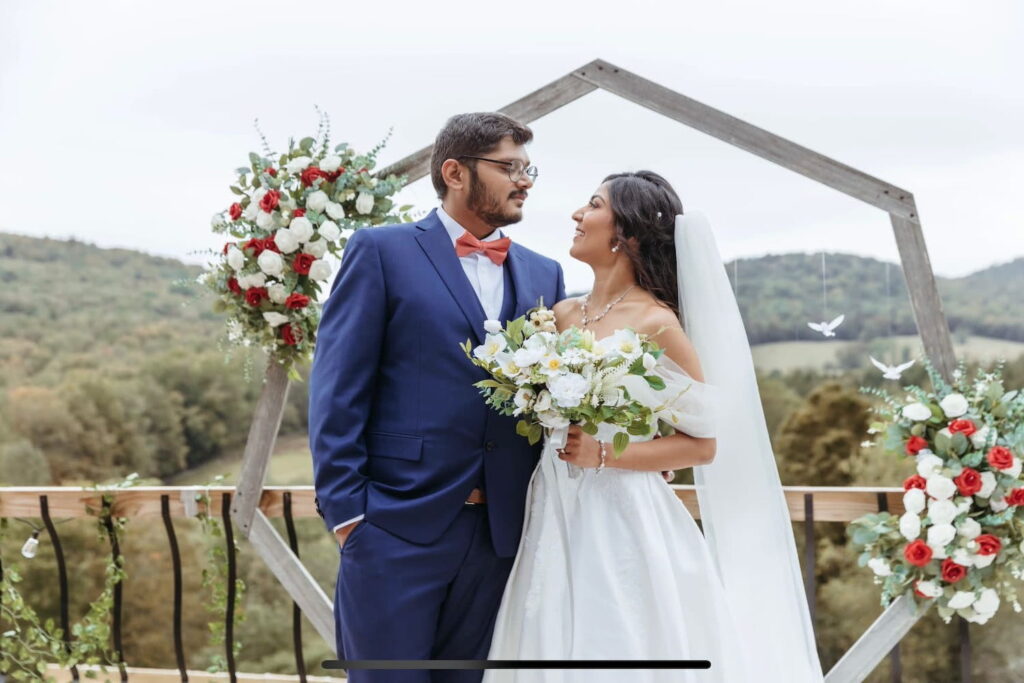
In Vermont, venue rental fees average around $13,670—about 12% above the national average of $12,200.
Platforms that charge by the hour shift the math in favor of couples who need a space for a few hours, not a full overnight stay.
According to our booking data, hourly rates in Vermont vary by city and venue type:
- Burlington party venues: $170 per hour on average, with a range of $116 to $313
- Burlington barn wedding venues: $188 per hour on average, with a range of $131 to $367
- Burlington wedding reception spaces: $188 per hour on average, with a range of $138 to $300
- Barre barn wedding venues: $231 per hour on average, with a range of $138 to $525
These rates cover the venue itself. You’ll still budget separately for catering, photography, florals, and other vendors, but the venue line item can drop from four or five figures to three, freeing up budget for the parts of the day guests remember most.
Plan your booking window in three phases
With hourly venues, the number of hours you book matters as much as the posted rate. Build in buffer time for vendor load-in, décor, sound checks, and end-of-night breakdown.
A practical timeline for most Vermont weddings:
- Setup and load-in (60–120 minutes): Vendors arrive, décor goes up, tables and chairs are arranged, sound and lighting checks
- The wedding itself (4–6 hours): Ceremony, cocktail hour, reception, speeches, dancing
- Breakdown and cleanup (60–90 minutes): Cleanup, vendor load-out, final walkthrough with the host
Most Burlington weddings land in the early afternoon. Ceremonies starting around 3 or 4 p.m. catch the golden-hour light that photographers love, all within an average booking window of five hours.
How Peerspace works better than Airbnb for weddings in Vermont
Airbnb was built to help travelers find a place to sleep. Our platform was built for gatherings — and that distinction shapes every part of the booking experience when you’re planning a wedding in Vermont.
Built for events, not overnight stays
Every venue on our platform is listed specifically for events, meetings, productions, or celebrations. Hosts expect vendors, guests, setup time, and cleanup because that’s the point of the listing.
“It was much easier to work with Peerspace compared to Airbnb! Airbnb often has restrictions that aren’t ideal for weddings, but with Peerspace, I could search for locations specifically designed to host events, which made a huge difference.” — Nicole Day, owner of Ember & Stone Events, Peerspace Blog
From our booking data, hosts have welcomed 160,080 guests to wedding venues in Burlington with 4.97-star average rating and 97% saying they would book again.
Hourly pricing changes the economics of venue booking
Our venues are priced by the hour, so you pay for the time your wedding actually runs — not for overnight hours sitting empty on either side.
“Clear guidelines and pricing. Fantastic concept. I would 100% use Peerspace again.” — Christiana A., Trustpilot Review
For couples working within Vermont’s $13,670 average venue budget, hourly pricing can redirect thousands toward catering, photography, florals, or a rehearsal dinner at one of the state’s farm-to-table restaurants.
Vendor-friendly policies with clarity up front
On our platform, vendor expectations are part of the listing. Many hosts welcome outside caterers, bartenders, DJs, and photographers, and listing details spell out what’s allowed before you book.
“I was desperate to find a small venue and I never would have found it had Peerspace not had it listed. The payment was easy and booking took less than 5 minutes. Also it’s nice that a host can decline or accept you and they have to do it within 24 hours which I think holds everyone accountable!” — Clarissa R., Trustpilot Review
This matters in Vermont, where the state’s BYOB ban means you need a licensed caterer for alcohol service. Knowing a venue’s kitchen access, vendor rules, and alcohol policy before you book eliminates the back-and-forth that plagues Airbnb arrangements.
Reviews from people who actually hosted events
On Airbnb, reviews come from travelers who slept there. On our platform, reviews come from people who hosted events at our spaces — including weddings, receptions, and celebrations.
“Zash was an amazing host. Very responsive and flexible. The property was gorgeous and was the perfect venue for my small wedding reception. Would definitely book again.” — Chante P., — Peerspace Review
You’re not reading feedback from someone who spent a quiet weekend at the property. You’re hearing from people who tested the space under the same conditions you will — with guests, vendors, music, and a timeline to manage.
Event-friendly features included
We include built-in features designed specifically for events, making it easier to plan and manage a wedding in Vermont. You can filter venues by amenities (tables, chairs, AV, kitchens, outdoor space), message hosts directly with questions, and see transparent hourly pricing before you book.
“The biggest thing about Peerspace venues is the flexibility they provide and the options to personalize every detail. You are not bound to a venue that limits your vision or forces you to use their set vendors.” — Eddie Hernandez, Peerspace Power Host
You can also share your booking through our invites feature, so guests can RSVP via a simple link — keeping wedding logistics organized without group-chat chaos.
How to find a Vermont wedding venue on Peerspace
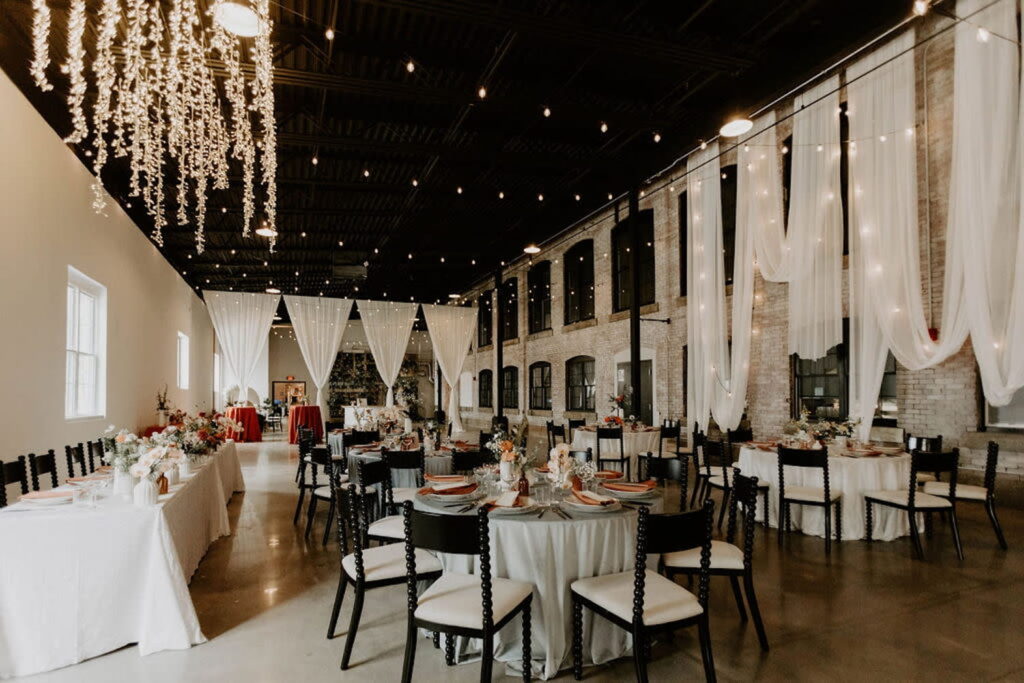
Finding the right space takes about 15 minutes when you know what to filter for.
1. Start on the website or app
Visit Peerspace.com or download the app (Apple App Store | Google Play Store).
2. Search by location and event type
- Enter your Vermont city or region (Burlington, Stowe, Barre, Woodstock)
- Select “Wedding” as your event type (or “Reception” / “Micro Wedding” for smaller celebrations)
3. Filter by guest count, date, and budget
Narrow results using the filters:
- Attendees: Be accurate. A venue for 40 will feel cramped at 60.
- When: Check availability for your full window (include setup and breakdown time).
- Price: Set a range that fits your overall wedding budget.
4. Use event-focused filters to match your wedding plans
You can filter by specific amenities:
- Space type: Barn, loft, garden, restaurant, outdoor venue, studio
- Amenities: Tables/chairs, kitchen access, AV/speakers, outdoor space, parking, bridal suite or get-ready area
- Policies: Outside alcohol allowed, vendor-friendly, music rules, end time
5. Read reviews, especially from similar events
Scroll through reviews looking for mentions of weddings, receptions, rehearsal dinners, or celebrations. These show how the space performs for events like yours.
What to look for:
- Was the host responsive and helpful?
- Did the space fit the group comfortably?
- Were there any surprises around access, setup, or cleanup?
6. Message the host before booking
Don’t skip this step. A quick message helps you confirm logistics and get a feel for the host’s communication style.
Questions worth asking:
- “We’re planning a wedding for [X] guests on [date]. Is your space a good fit?”
- “Are outside vendors (catering, bar, DJ, florist, photographer) allowed?”
- “Can we schedule a walkthrough before we book?”
- “What’s the earliest we can access the space for setup, and how does cleanup work?”
- “Is there parking on-site, or what are the best options for guest transportation?”
7. Book and confirm the details
Once you’ve found the right space, book through the platform. You’ll receive confirmation with the venue address, host contact info, and any day-of instructions.
Before your wedding:
- Confirm arrival time and access instructions
- Confirm your vendor schedule and load-in plan
- Confirm insurance requirements (Vermont venues commonly ask for $1M–$2M liability)
- Share your booking details with key people (planner, maid of honor, vendor lead)
Plan the wedding, not the workaround
Vermont gives you more ways to get married than the postcard suggests — from round barns in the Mad River Valley to waterfront lofts in Burlington, meadow ceremonies in Stowe to historic village greens in Woodstock. What the state doesn’t give you is a regulatory environment that makes Airbnb a reliable option for hosting an event.
Hourly event venues close that gap. You book the space for the hours you need, bring your own vendors, and host in a place where gatherings are the whole point — not a policy violation waiting to be flagged.
In this article
In this article
Get together somewhere better
Book thousands of unique spaces directly from local hosts.
Explore SpacesShare your space and start earning
Join thousands of hosts renting their space for meetings, events, and photo shoots.
List Your Space