How & Where to Rent an Airbnb Farm Venue in California
-
 Written by Grant Weherley
Contributing Writer -
 Edited by Randi Kest
Lead Editor & Publisher
- December 9, 2025
- 16 min read
- Events

Source: Peerspace
California’s farm landscapes captivate people in a way few settings can. There is something magnetic about the stretch of sun-soaked fields, the quiet hum of orchards, and the way coastal breezes roll through vineyards in the late afternoon. These environments feel warm, grounding, and immediately atmospheric, which is why so many people searching for “Airbnb farm California” are hoping to find a venue that delivers both natural beauty and space for their next gathering. But as soon as you move from daydreaming to planning, the difference between a relaxing farm stay and a fully functional farm event venue becomes clear.
A charming farmhouse might be perfect for a quiet weekend escape, but events require a level of infrastructure, clarity, and coordination that most overnight rentals simply are not designed to support. This guide walks you through the realities of hosting gatherings at California’s farms, from understanding platform limitations to exploring event ready alternatives. You’ll also find practical planning advice, region specific insights, and inspiration that helps you transform a rural landscape into a polished, welcoming space for weddings, family reunions, creative retreats, team offsites, and more.
In short, this is your roadmap to navigating the nuances of California farm events with confidence.
Why Airbnb farm rentals fail for events
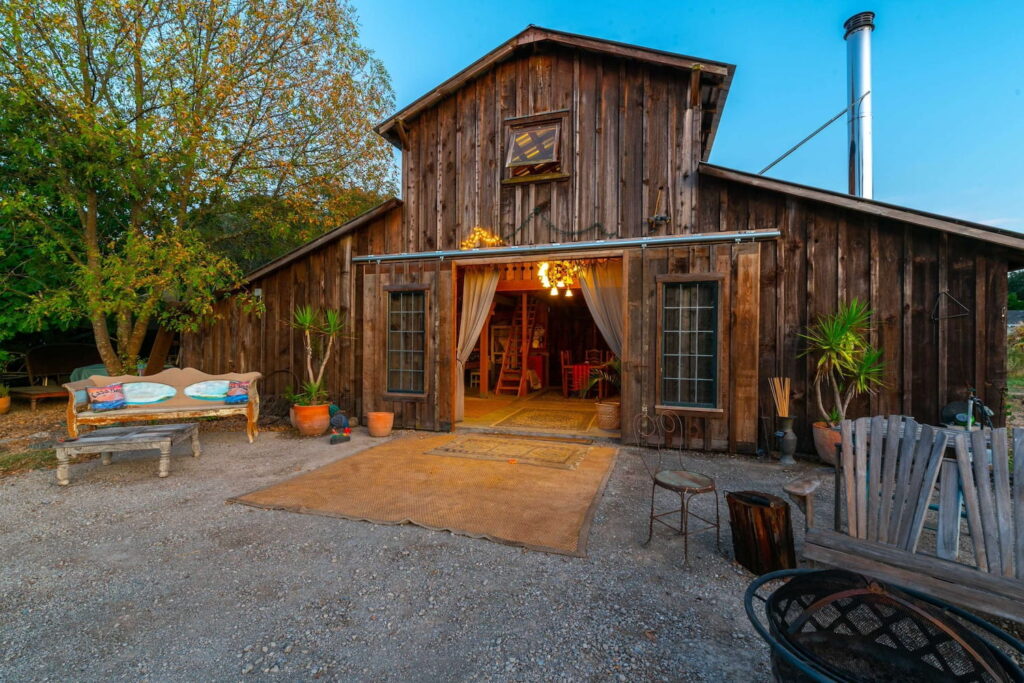
The idea of gathering your closest friends or colleagues at a peaceful farm property feels idyllic. That first wave of excitement is real, especially when you stumble across a picturesque barn, a vineyard hillside, or a big rustic patio online. But the truth is that most farm listings on Airbnb are not designed to host events, for reasons that become clearer once you dig into the logistics. What initially looks convenient can quickly turn into a complicated web of restrictions, workarounds, and unexpected costs.
Limited event permissions on most California farm listings
Airbnb’s event and party restrictions are baked into the structure of the platform. While some hosts try to offer flexibility, the majority of listings clearly prohibit events, amplified music, and gatherings of any size beyond the overnight guest count. Even if a property looks like an ideal wedding or workshop setting, the host may not have the permits, insurance, or infrastructure to legally host an event. Rural counties often have their own enforcement systems, meaning that even willing hosts face regulations that make event hosting unrealistic.
This is especially true in regions like Sonoma, Napa, and Mendocino, where agricultural zones strongly limit event activity on farm and vineyard properties unless the owner has a special event permit. Many hosts avoid the added complexity entirely.
Paying for overnight stays when you just need hours
The practical downside of Airbnb’s nightly structure becomes obvious when planning events. A four-hour birthday dinner or rehearsal gathering should not require renting a property for an entire night, especially at California rates. Add in early setup, vendor arrivals, or post event cleanup, and suddenly your rental spans two nights rather than one. This pushes budgets far beyond what most hosts anticipate.
By the time you account for lodging taxes and multi night minimums, the cost can be several times higher than booking an hourly event venue designed for the same purpose.
Lack of event infrastructure
Picturesque farms are not always equipped for the demands of an event. A rental that works well for six overnight guests may not support 50 people for an afternoon celebration. Parking might be limited to a short gravel strip. Restrooms could be inadequate or inside the private home. Outdoor spaces may not have reliable shade or lighting. Vendors may struggle with narrow driveways or dirt roads, and the farmhouse itself may not have the power capacity needed for catering equipment.
This means additional rentals and expensive workarounds that were never part of your original vision.
Rural zoning and noise concerns
California’s agricultural zoning laws are strict in many counties. Even when hosts want to accommodate events, they often can’t. Farms have rules around noise, guest limits, parking, and the number of gatherings allowed per year. Some counties require permits for any event, even small private celebrations. Neighbors living on large plots of land value their privacy, so noise carries more easily than expected.
The end result is a rental that appears event friendly in photos, but simply can’t support the logistics once you look beneath the surface.

Why hosts book CA farm events through Peerspace
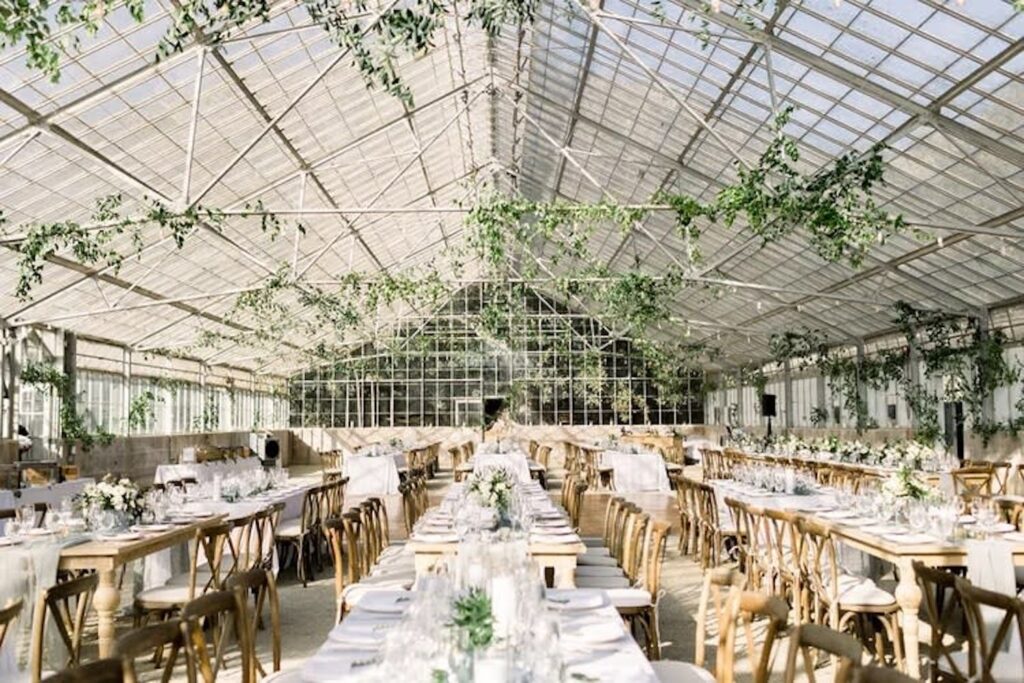
Once you shift your mindset from “overnight stay” to “event,” the qualities you need in a venue look very different. Peerspace is built for people who want to come together, whether that’s for creating, celebrating, collaborating, or hosting. The platform prioritizes clarity, convenience, and flexibility rather than retrofitting an overnight rental into an event space.
Only pay for the hours you need
Hourly pricing gives you control over your schedule and your budget. Instead of paying for 24 hours when you only need six, you can reserve precise windows for setup, the main event, and cleanup. This makes rural farm venues in high demand markets far more accessible.
Event friendly venues with transparent rules
Every listing includes clear expectations regarding guest capacity, noise levels, parking, and hosting limitations. Because these farms are intentionally offered as event venues, you start your planning process with transparency instead of uncertainty.
Professional hosts who understand events
Event hosts bring a different level of expertise. They know what questions vendors may ask, how to streamline load in, and what type of equipment typically requires additional planning. They have experience with everything from styled shoots to wedding receptions, so they’re prepared to support your creative vision.
Built in search tools for event type, capacity, and amenities
No two California farms are alike. Some are sprawling properties with olive trees and open meadows. Others offer barn lofts, patios, or vineyard viewpoints. Peerspace’s filters help narrow your options in minutes, ensuring that you find a space tailored to your aesthetic and logistical needs.
Predictable pricing with no surprise fees
Event budgets can get complex quickly. Being able to see the full cost before you book removes friction and uncertainty. Transparent pricing helps you map out your total expenses clearly from the start.
Platforms designed for events allow you to invest more of your time and energy into shaping the experience your guests will enjoy.
Event types that shine at California farm venues
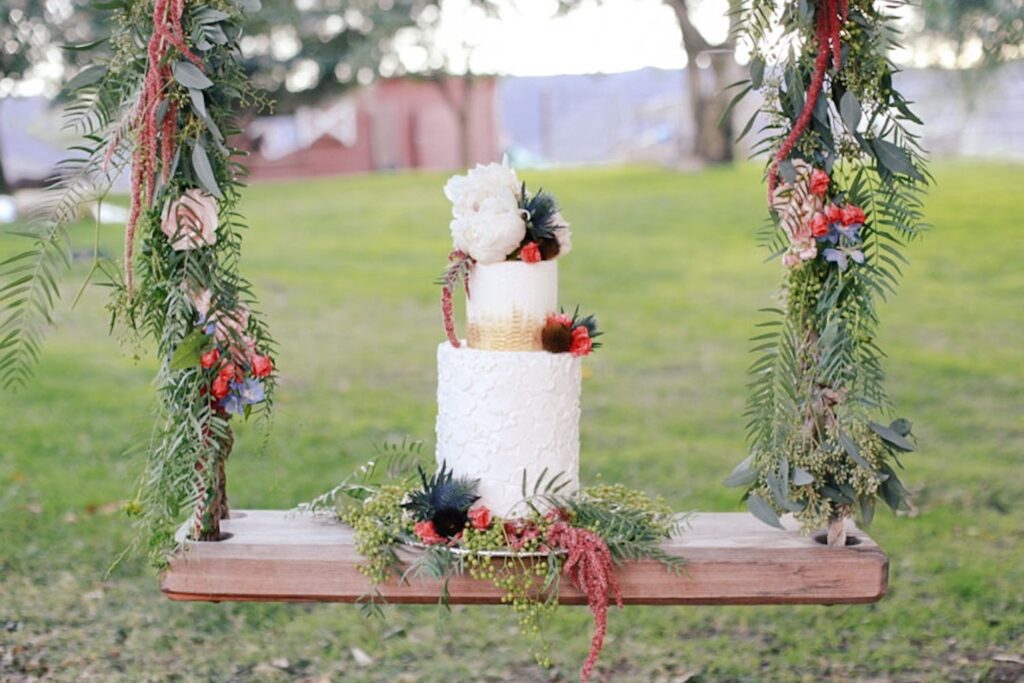
Because of their open space and natural beauty, farms adapt to a broad range of gatherings. Each event style makes use of the land in a unique way, allowing you to create something immersive and personal.
Weddings with rustic charm
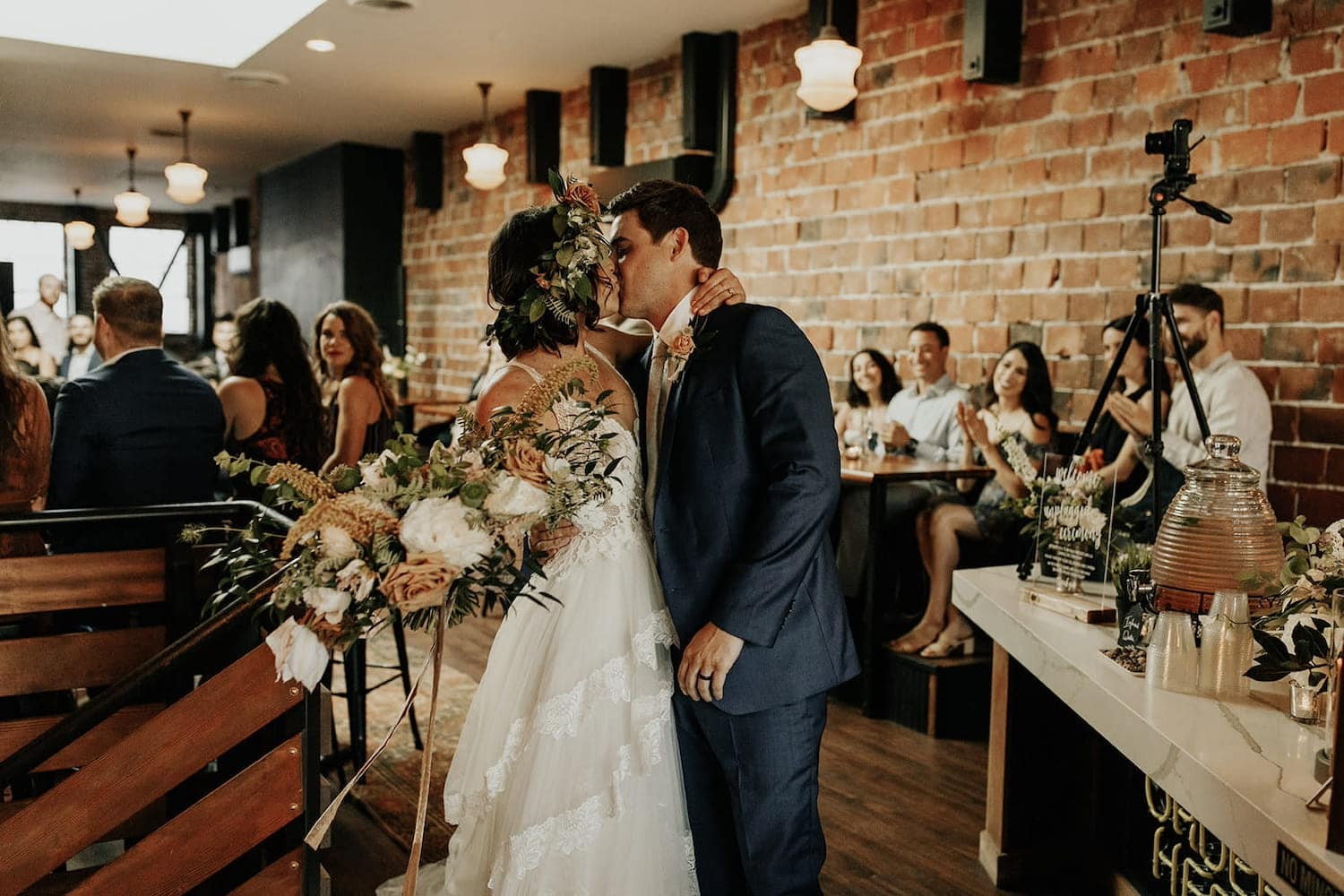
There is something timeless about exchanging vows under a centuries old oak tree or at the edge of a vineyard. Farms provide a palette of organic textures and panoramic views that elevate the ceremony. Receptions in barns or on patios offer warmth and ambience, turning the natural landscape into part of the storytelling.
Birthday parties and milestone celebrations
Farm venues are ideal for birthdays and milestone gatherings because they naturally encourage relaxed, unhurried socializing. Whether you’re planning a 50th birthday dinner with long farm tables under string lights or a casual afternoon celebration for families with young kids, the land itself becomes part of the entertainment. Guests can spread out comfortably, enjoy lawn games, explore orchards, or settle into shaded seating areas while still feeling connected to the main event.
Many hosts choose to build themed zones across the property. One area might feature a vintage style picnic setup with blankets and baskets. Another might include a dedicated photo corner overlooking rows of grapevines. A nearby barn could host dessert stations or interactive elements like small batch candle making or local honey tastings. These layered experiences feel thoughtful without requiring overly complex decor.
Corporate retreats and team off-sites
Companies often underestimate the impact of taking their teams out of traditional boardrooms and into nature. California farms provide wide open spaces that naturally foster creativity, focus, and meaningful collaboration. Morning strategy sessions under a canopy of trees feel refreshing. Breakout groups can gather around picnic tables or spread out under shade sails. Barn lofts make great meeting spaces for presentations, and wide fields offer room for team building challenges or guided wellness moments.
Because many modern teams are hybrid, off-sites hosted at farms create a rare opportunity for deeper connection. The absence of traffic noise, city distractions, and fluorescent lighting helps teams reset. Meals featuring local produce or catered farm-to-table dishes become shared experiences rather than just refueling stops. Many groups incorporate optional activities like vineyard tours, olive oil workshops, or creative hands-on sessions that gently stretch people outside their daily routines.
Wellness workshops and creative retreats
Farm venues are exceptionally well suited for gatherings that require calm, open air environments. Yoga instructors appreciate the natural grounding energy of orchards, vineyards, and meadows. Meditation facilitators use shaded groves or barn interiors to create serene atmospheres. Art teachers often set up clusters of easels overlooking sweeping rural vistas to inspire painting, drawing, or mixed media sessions.
Guests come away from these retreats feeling refreshed because the environment itself does part of the emotional work. A typical schedule might include a morning yoga flow surrounded by trees, a mid-day journaling session near a wildflower field, and an afternoon creative workshop hosted inside a climate-controlled barn. Even short, half-day wellness events feel restorative when participants have space to breathe and move.
Family reunions and community gatherings
Family reunions thrive on farms because the setting allows multiple generations to feel comfortable simultaneously. Children can run and play within set boundaries, adults can socialize across relaxed seating areas, and older family members can enjoy shaded spaces or porches without feeling separated from the group. Shared meals become the anchor of the day, often hosted at long, communal tables with views of the surrounding landscape.
Community groups also gravitate toward farms for similar reasons. Potlucks, celebrations of life, charity picnics, volunteer appreciation events, and local club gatherings feel more meaningful when tied to a natural backdrop. The flexibility of outdoor space allows these groups to incorporate interactive elements like garden tours, local vendor booths, or collective craft stations.
CA regions and what each offers for farm events
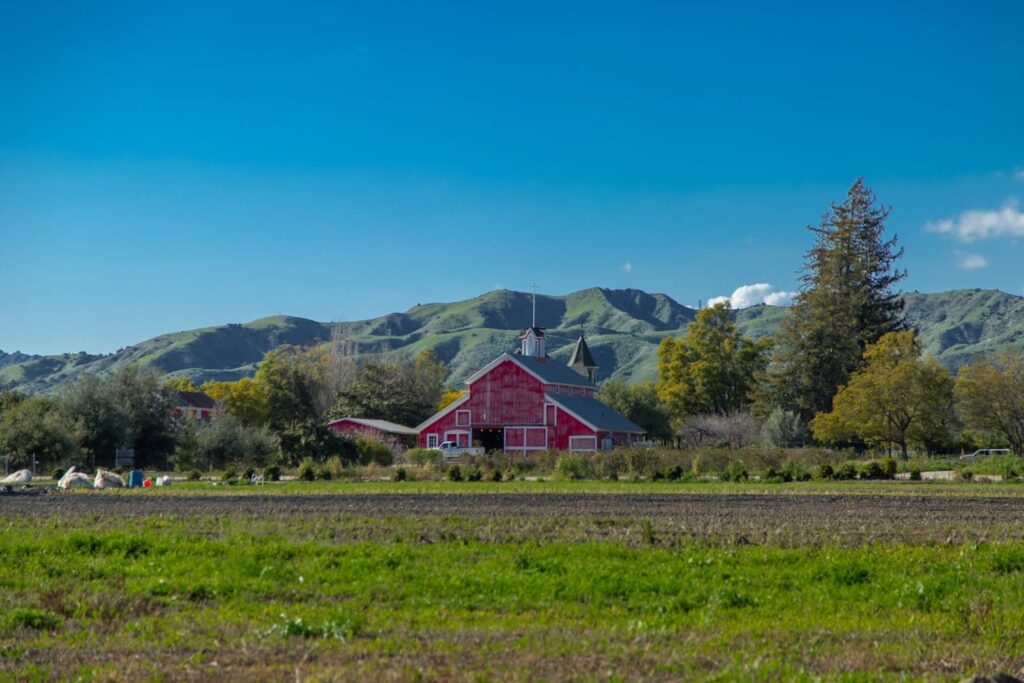
Each California region has its own personality, shaped by climate, terrain, and agricultural history. Understanding these nuances helps you choose a location that feels aligned with your event’s tone and practical needs.
Northern California vineyards and ranches
Northern California’s wine country regions including Sonoma, Napa, Healdsburg, and Mendocino have long attracted event hosts because of their refined yet approachable atmosphere. Vineyards provide romantic ceremony sites with dramatic backdrops, while heritage barns offer rustic charm with elevated details. Many farms in these areas have long histories of agricultural production, making them ideal for culinary themed events or tastings.
Weather in Northern California can shift throughout the day, so most hosts prepare layered lighting and heating solutions to transition smoothly into evenings. Sunset over vineyard lined hills tends to become a central part of the event timeline, making golden hour photography a highlight for weddings and milestone celebrations.
Central Coast agricultural valleys
The Central Coast, stretching from Paso Robles to Santa Barbara County, offers some of the most diverse farm venues in the state. Here you’ll find rolling hills punctuated by oak trees, olive groves that mirror Mediterranean landscapes, and spacious ranches with panoramic views. The climate tends to be mild, especially in coastal influenced pockets, which makes the region popular for spring and fall celebrations.
Many Central Coast farms specialize in smaller scale, artisanal agriculture. This means hosts often have relationships with local producers who can elevate your catering or beverage experience. Whether it’s incorporating locally-pressed olive oil, small batch wines, or seasonal produce into your menu, these touches create events rooted in the region’s identity.
Southern California citrus groves and equestrian ranches
Southern California’s farm venues exude warmth, both literally and atmospherically. Inland areas like Temecula, Fallbrook, and San Diego’s backcountry feature citrus groves, avocado farms, and equestrian properties with wide open views. Because daylight stretches longer into the evening, outdoor dinners beneath string lights are especially popular.
Events here often incorporate elements that nod to the region’s ranching and agricultural heritage. Think long wooden bars, terracotta accents, citrus-themed menus, or equestrian-inspired decor. Because the climate can skew warm, hosts often prepare cooling stations, shaded lounges, or misting setups to keep guests comfortable.
Sierra foothill farms
The Sierra foothills including Auburn, Grass Valley, and Placerville offer a completely different feel. Here you’ll find historic farms, century-old barns, and rolling meadows bordered by pine and oak forests. These venues offer privacy, dramatic landscapes, and a slower pace that suits retreats, multi-day gatherings, or intimate weddings.
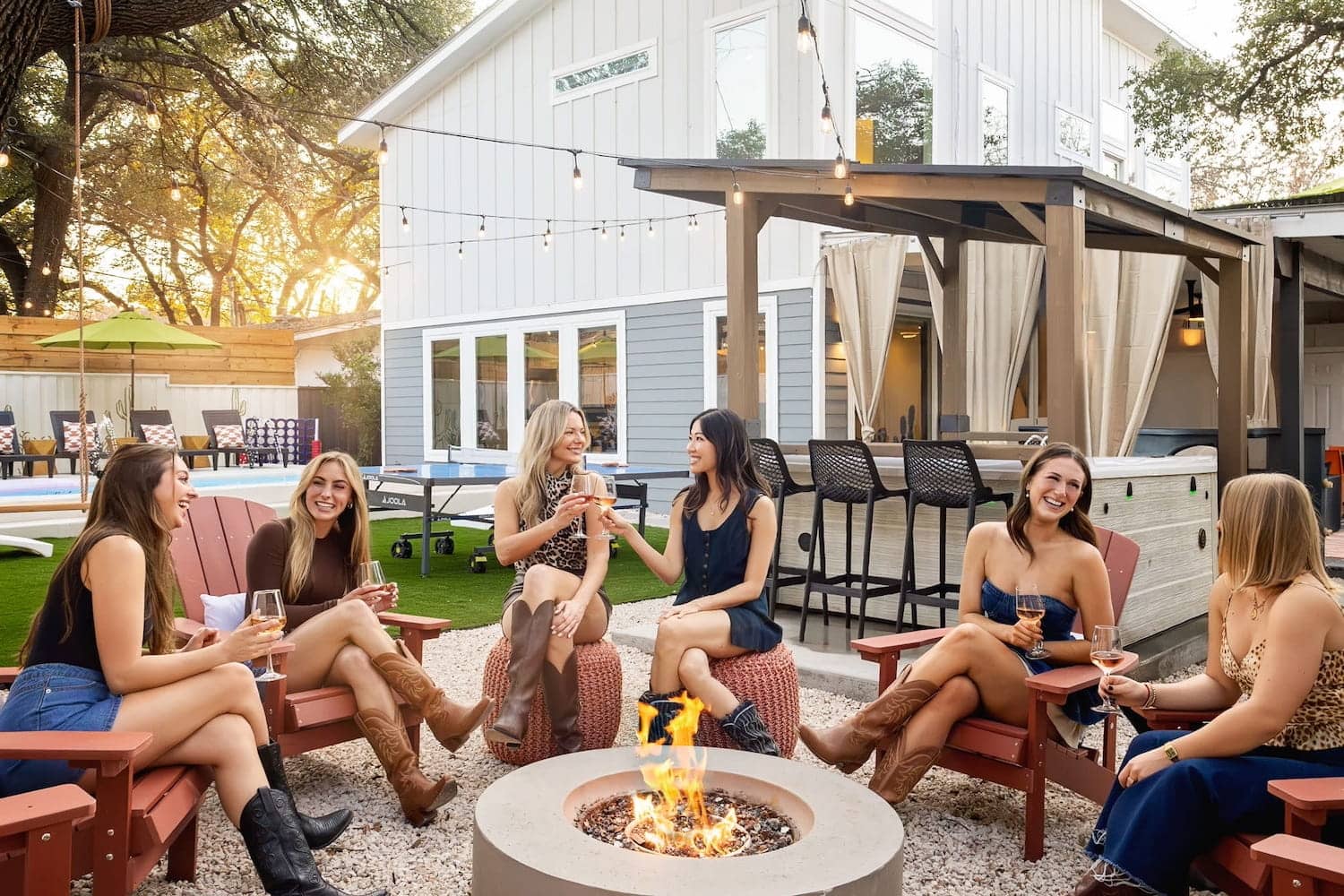
Because temperatures can dip more dramatically in these regions, especially outside of summer, hosts often build their plans around fire pits, enclosed tents, or indoor-outdoor flow within barn structures. Guests love the sense of escape these locations offer.
Cost and style differences between regions
Costs fluctuate based on demand, accessibility, climate, and surrounding tourism. Northern California’s wine regions tend to be the highest tier. Central Coast properties span a wide middle range. Southern California farms vary more widely based on acreage and popularity. Sierra foothill venues often provide excellent value, especially for groups seeking tranquility and space.
Understanding these cost differences helps you align your vision with your budget while still preserving the atmosphere you want.
How to design guest experience at a Cali farm venue
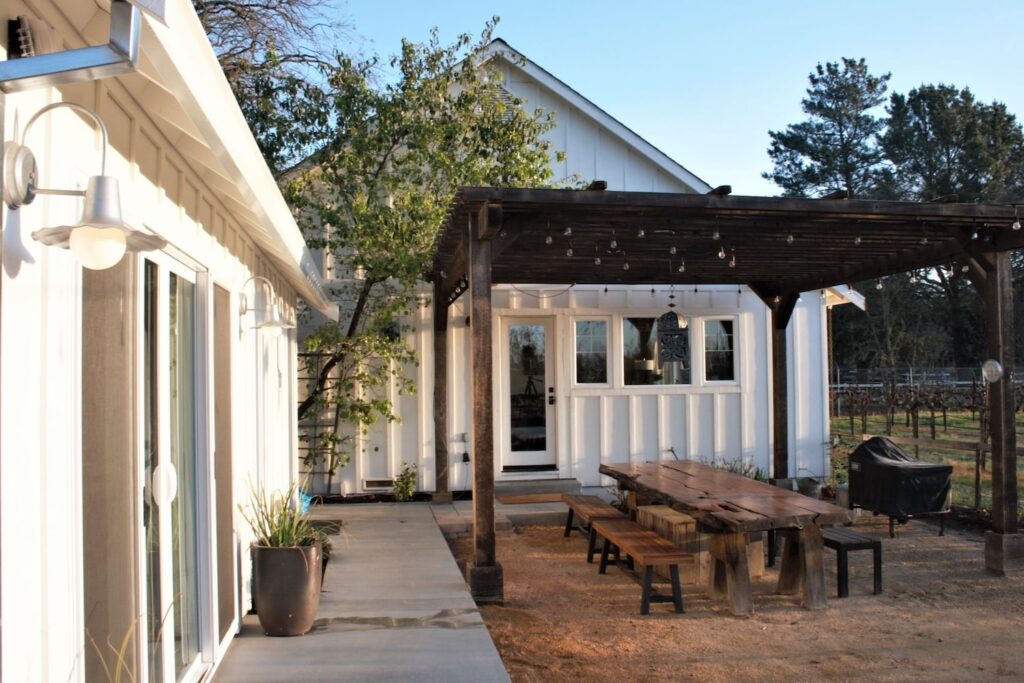
Designing a farm-based event is all about amplifying the environment’s natural strengths. Instead of layering decor over scenery, the goal is to integrate your visual identity with the textures of the land.
Using natural textures and materials
Materials like linen, burlap, reclaimed wood, ceramic vessels, and fresh greenery help bridge the visual gap between structured event elements and the organic surroundings. Many hosts use woven rugs to create lounge vignettes or incorporate baskets and pottery for serving stations. These choices make the space feel warm, cohesive, and intentionally styled.
Lighting techniques that elevate open air spaces
Lighting plays a critical role in creating ambience on farms, especially as the sun sets and the event transitions into the evening. Layered lighting works best. Consider a mix of hanging string lights, lantern clusters, spotlighting on trees, and pathway lights. This not only elevates the atmosphere, but ensures guests can navigate safely.
If your venue features a barn, uplighting the structure from the outside creates a gorgeous architectural glow that anchors the space visually.
Farm-to-table food concepts
California’s agricultural richness means farm-to-table menus feel natural rather than trendy. Highlighting locally grown produce, artisanal cheeses, fresh herbs, and regionally-sourced proteins deepens your guests’ connection to the land. Caterers who specialize in wood-fired cooking, seasonal menus, or open-air preparation often shine in these environments.
Food stations serve particularly well at farm events. Consider a build-your-own bruschetta bar with heirloom tomatoes, a honey tasting station featuring products from local beekeepers, or a rustic dessert table styled with crates, greenery, and linens.
Interactive guest activities
Interactive experiences make farm events feel immersive. Popular options include:
- Orchard or vineyard tours led by farm staff
- Wine, olive oil, or cider tasting tables
- Floral arranging workshops
- Farm animal meet and greets (if appropriate)
- Outdoor painting or photography sessions
- Seasonal experiences like lavender cutting or apple picking
These hands-on elements encourage guests to explore and engage with the property in a memorable way.
Photo-worthy vignettes
Farm properties offer natural backdrops, but intentional photo vignettes help ensure guests know exactly where to capture memorable shots. A vintage truck filled with flowers, repurposed wine barrels topped with florals, or a macrame backdrop overlooking vineyard rows adds personality to the event.
Scenic corners can also double as functional spaces, such as welcome stations or seating charts, allowing you to blend style with practicality.
Budgeting tips for farm venue events in California
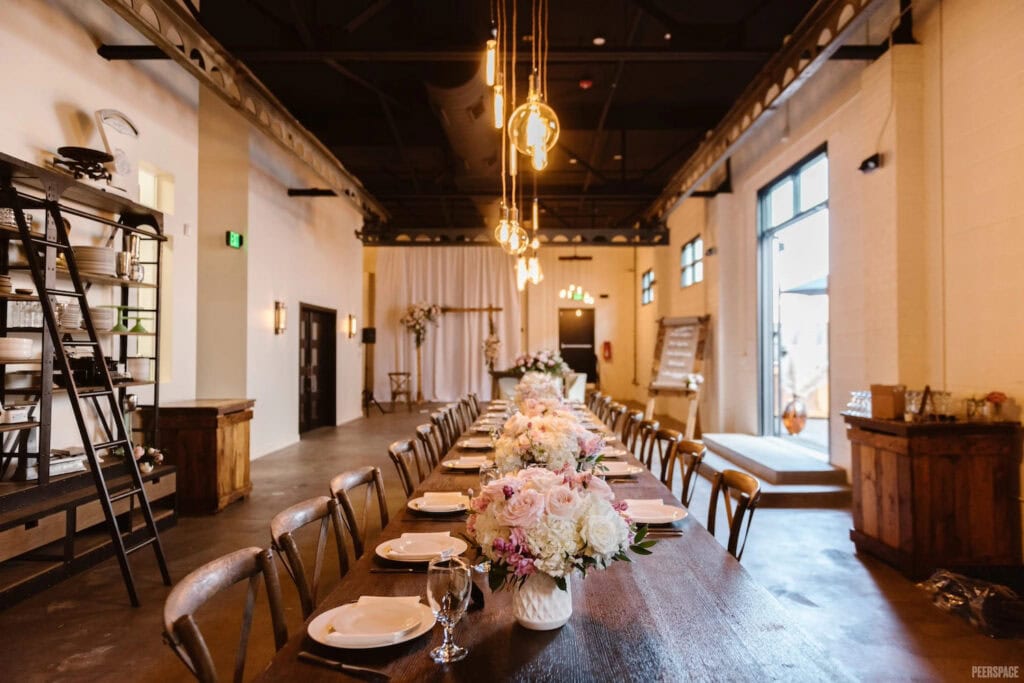
California farm events involve unique budgeting considerations because rural venues often require additional infrastructure. The key is understanding where costs typically arise and planning for them early.
Venue pricing variables
Pricing depends on acreage, available structures, included amenities, regional popularity, and guest capacity. Farms with well-maintained barns, paved walkways, restrooms, and built-in lighting tend to cost more, but require fewer rentals. Remote locations may offer lower venue fees, but higher logistical costs.
Transportation and parking considerations
Parking is one of the most overlooked elements of rural event planning. Some farms offer large gravel lots, while others may only accommodate a handful of vehicles. Shuttle services can be a smart solution, especially for weddings or corporate retreats where guests arrive from a central location.
Clear signage helps guide guests along rural routes, and lighting becomes essential if arrival or departure happens after dark.
Rentals and decor scaling for open spaces
Open air environments benefit from structured zones. This may require:
- Tents or shade structures
- Portable restrooms or luxury restroom trailers
- Generators for catering or lighting
- Outdoor friendly furniture
- Mist fans or heaters depending on season
These elements help create comfort without detracting from the landscape.
Vendor travel fees
Because vendors may need to travel farther than usual, travel fees or increased staffing costs are common. Caterers transporting equipment over long rural roads may require additional time. Photographers often appreciate early arrival time to scout lighting conditions.
Understanding these needs helps prevent last minute surprises.
Hidden costs to avoid
Hidden costs tend to surface when event hosts aren’t familiar with rural logistics. Common ones include:
- Extra labor fees for long load in routes
- Early cutoff times due to noise restrictions
- Unexpected generator fuel charges
- Permit fees for tents or amplified sound
- Additional lighting necessary to illuminate walkways
Asking detailed questions early in the planning process helps minimize these surprises.
Now it’s time to find the perfect farm venue for your next event
California’s farm venues offer a rare blend of beauty, atmosphere, and spaciousness. Whether nestled within the rolling vineyards of Northern California, the breezy agricultural valleys of the Central Coast, the sun-drenched ranch lands of Southern California, or the secluded meadows of the Sierra foothills, these properties help events feel grounded and special.
Choosing a venue designed specifically for events rather than overnight stays gives you the clarity and structure needed to plan confidently. When rules, pricing, and amenities are transparent from the start, you can focus on shaping the experience itself: the food, the music, the movement of guests, the photo moments, and the way the land becomes part of your celebration.
Get ready to find the perfect farm venue for your event!
In this article
- Why Airbnb farm rentals fail for events
- Why hosts book CA farm events through Peerspace
- Event types that shine at California farm venues
- CA regions and what each offers for farm events
- How to design guest experience at a Cali farm venue
- Budgeting tips for farm venue events in California
- Now it’s time to find the perfect farm venue for your next event
In this article
- Why Airbnb farm rentals fail for events
- Why hosts book CA farm events through Peerspace
- Event types that shine at California farm venues
- CA regions and what each offers for farm events
- How to design guest experience at a Cali farm venue
- Budgeting tips for farm venue events in California
- Now it’s time to find the perfect farm venue for your next event
Get together somewhere better
Book thousands of unique spaces directly from local hosts.
Explore SpacesShare your space and start earning
Join thousands of hosts renting their space for meetings, events, and photo shoots.
List Your Space