How & Where to Rent an Airbnb for a Restaurant Venue (2026)
-

Contributing Writer -

Lead Editor & Publisher
- December 10, 2025
- 13 min read
- Events
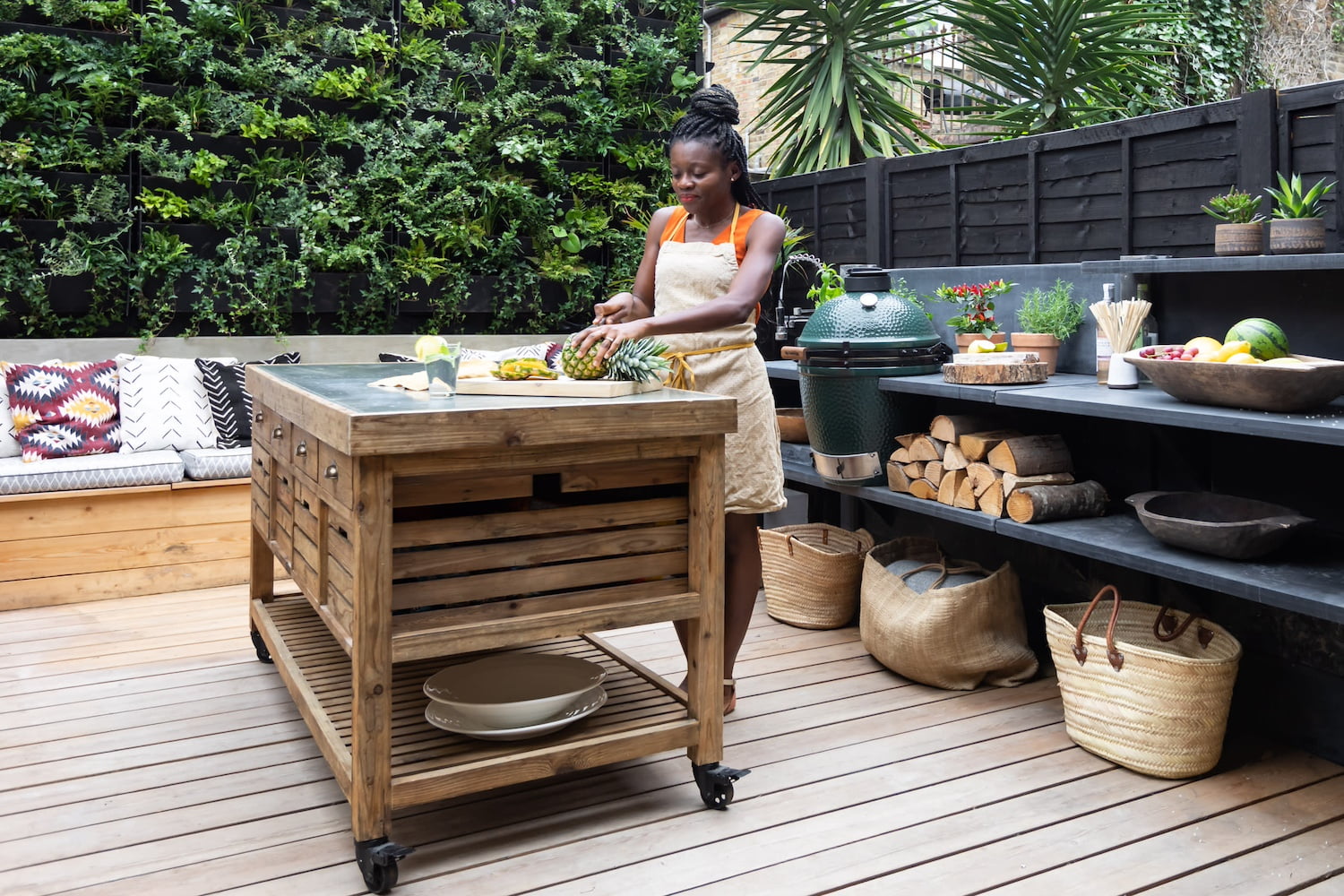
Source: Peerspace
Restaurant venues can lay the groundwork for excellent events by offering an atmosphere that feels intentional from the moment you walk in. These spaces already feel special, curated, and full of atmosphere, which makes them an appealing backdrop for gatherings built around food, connection, and conversation. Instead of starting from a blank canvas, you step into a room that already knows how to set the mood.
People searching terms like “Airbnb restaurant” are often looking for that exact experience in a private, rentable format. At first glance, it seems like a simple solution: find a home with a stylish kitchen or dining room, book it for a few hours, and host a dinner or tasting. But once planning begins, it becomes clear that Airbnb is not designed for events, and that many of the features people want in a restaurant-style gathering clash with Airbnb’s rules and residential limitations.
This guide breaks down why Airbnb is rarely suited for culinary-driven gatherings, and how to find spaces that actually support chef-led dinners, tastings, classes, and other food‑centered experiences. You’ll also get detailed guidance on choosing the right type of venue, planning culinary logistics, budgeting, and designing the atmosphere.
Why Airbnb restaurants cause major planning problems
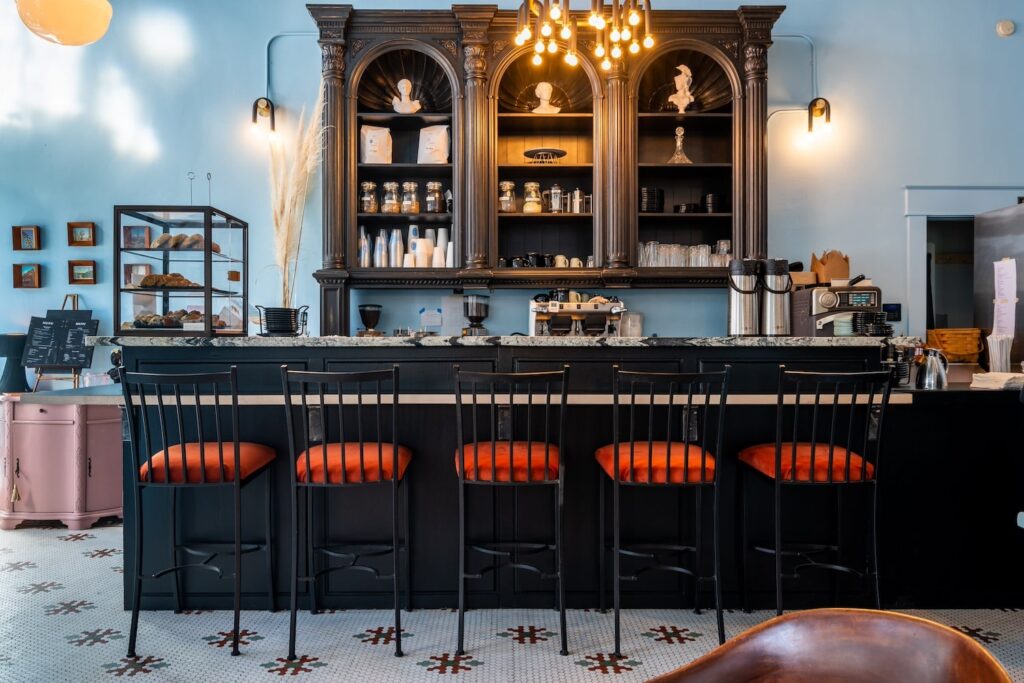
Many hosts begin their search on Airbnb because it’s familiar. But the platform is focused on lodging, not events, which becomes especially challenging for gatherings built around food preparation or chef-led service. What looks like a perfect residential kitchen on the listing page often becomes much less practical when you imagine simultaneously prepping, plating, serving, and entertaining.
Why restaurant‑style rentals are restricted on Airbnb
Most Airbnb listings are categorized as residential spaces, which limits what you’re allowed to do inside them. Events often require specific insurance, zoning allowances, and equipment, all of which exceed what these residential rentals are legally permitted to support. Even small gatherings can fall under Airbnb’s global event ban, which prohibits guests from hosting parties or group activities.
Why you end up paying nightly rates for only a few hours
Airbnb’s nightly pricing model is not aligned with the needs of short culinary events. Whether your tasting lasts two hours or your dinner runs three, you still pay for the full overnight stay. That cost quickly compounds when compared with hourly venue platforms designed specifically for short‑term gatherings.
Vendor restrictions and outside service limitations
Culinary events often require caterers, mixologists, or private chefs, each with their own equipment and service needs. Many Airbnb hosts either prohibit outside vendors or add layers of approval, additional fees, or restrictions. Even when allowed, the kitchen may not have adequate ventilation, counter space, or power supply for professional use, making vendor coordination much harder.
Space limitations for multi‑course meals and group tastings
Residential kitchens are not built for production-scale cooking, plating, or beverage service. Limited refrigeration, tight prep space, minimal storage, and narrow walkways can create significant obstacles. These limitations tend to surface only after planning is underway, often forcing last‑minute menu changes or workflow improvisation.
Once the gaps become clear, many hosts shift away from Airbnb and toward platforms focused on events.

Why Peerspace is a better fit for restaurant events
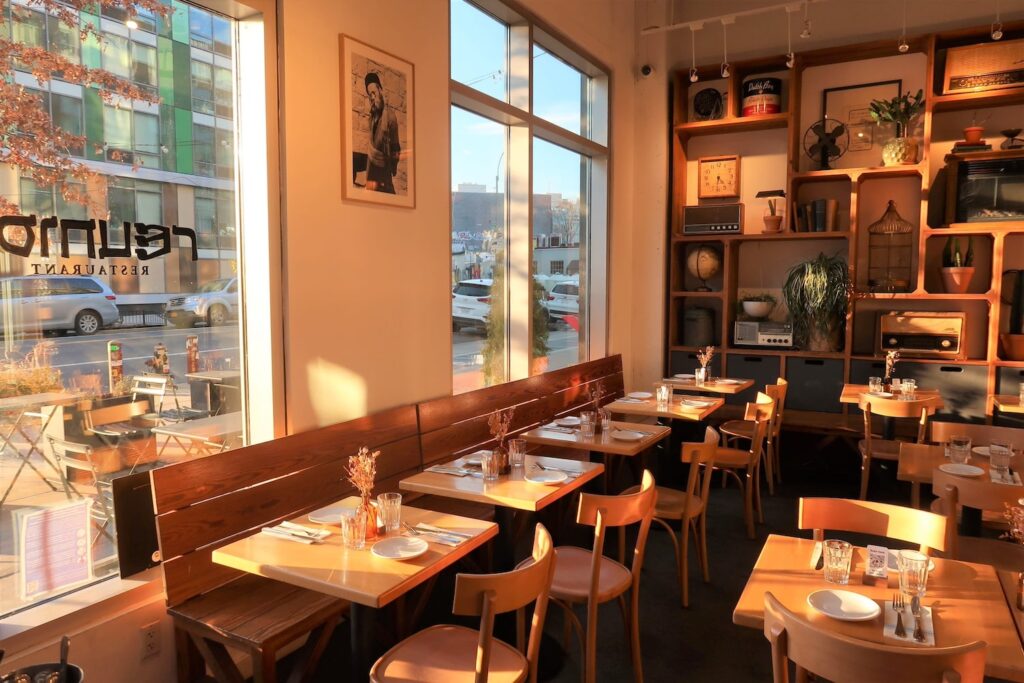
Instead of converting a residential rental into an event venue, many hosts choose platforms designed to support gatherings from the beginning. Peerspace offers restaurant‑style locations equipped for culinary events, giving guests access to the amenities, layouts, and workflow support needed for smooth, food‑centered programming.
Hourly rentals that prevent overpaying
Most dinners, tastings, and workshops last only a few hours, making hourly pricing far more practical. Instead of paying for an entire night, you reserve exactly the time you need. Many hosts also allow additional setup or breakdown time without requiring a full‑day commitment, which is helpful for chefs and vendors.
Transparent pricing and clear amenities
Each Peerspace listing outlines equipment, seating, kitchen appliances, lighting, and any culinary‑specific features that matter for planning. This clarity lets chefs design menus that fit the space’s capabilities. It also reduces the risk of discovering last‑minute restrictions around cooking, serving, or vendor access.
Event‑friendly hosts and vendor flexibility
Peerspace hosts expect gatherings and are familiar with the rhythms of culinary and beverage‑driven events. Many provide guidelines for kitchen use, bar setup, food staging, and vendor coordination. Amenities often include prep sinks, portable bars, warming drawers, and counter layouts that streamline workflow.
Restaurant‑style spaces designed for food‑centered events
Spaces range from intimate bistros to open‑concept test kitchens, loft dining rooms, chef’s counters, and demonstration‑friendly studios. Some allow guests to watch food being prepared, while others create an elegant setting for plated service. These details add depth and interaction that residential rentals typically lack.
Fun events you can plan at restaurant‑style venues
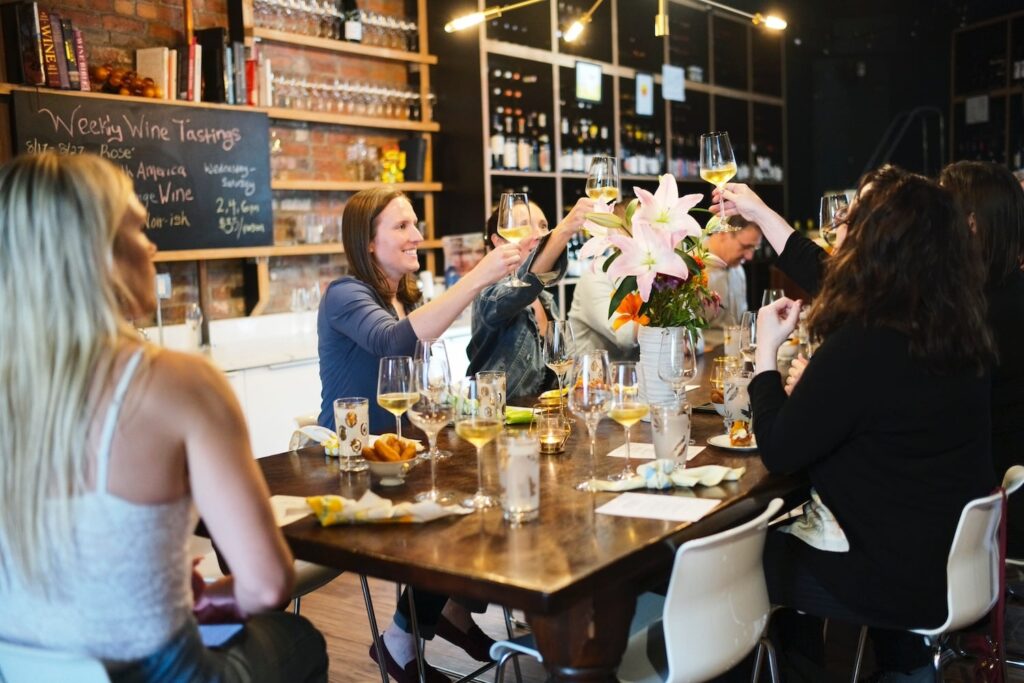
Restaurant‑inspired venues allow hosts to create curated, sensory‑driven experiences where food acts as the centerpiece. Their built‑in ambiance and thoughtful layouts support events that feel intentional and immersive without requiring extensive transformation.
Private dinner parties with chef‑driven menus
Chef‑led dinners thrive in spaces built for cooking and plating. Hosts often collaborate with a chef to create a menu tailored to the equipment and flow of the room. Multi‑course tasting menus, family‑style meals, or interactive plating moments all become easier when the kitchen supports professional‑level execution. These gatherings feel more personal when guests can observe or engage with the culinary process.
This Peerspace guide is a great resource to help you find restaurants with private rooms.
Micro celebrations: birthdays, anniversaries, proposals
Restaurant‑style venues work naturally for intimate milestones because the environment already carries a sense of occasion. A small dessert spread, signature drink, or curated playlist can personalize the space without overwhelming it. The scale of these rooms supports celebration without the formality of booking a full restaurant.
Tasting events and beverage‑focused experiences
Wine flights, cocktail workshops, craft beverage tastings, or bar‑style demonstrations all benefit from proximity to the kitchen or bar area. Guests can watch preparations, learn about ingredients, or sample small bites paired with each drink. These formats create conversational and educational moments that elevate the experience.
Workshops and culinary classes
Hands‑on classes need room for guests to spread out, see demonstrations, and move comfortably. Restaurant‑style venues with open layouts or large prep areas support workshops like pasta shaping, fermentation sessions, pastry basics, or knife‑skills training. Visibility and station setup are key factors, and these spaces naturally accommodate both.
Brunch gatherings, holiday meals, and themed pop‑ups
Daytime events flourish in bright, open spaces. Hosts often build buffet stations, DIY brunch boards, seasonal menus, or chef‑driven pop‑ups that introduce guests to new flavors or creative ideas. Restaurant‑style venues help execute these concepts without needing extensive rentals.
Types of restaurant‑style venues and how to choose one
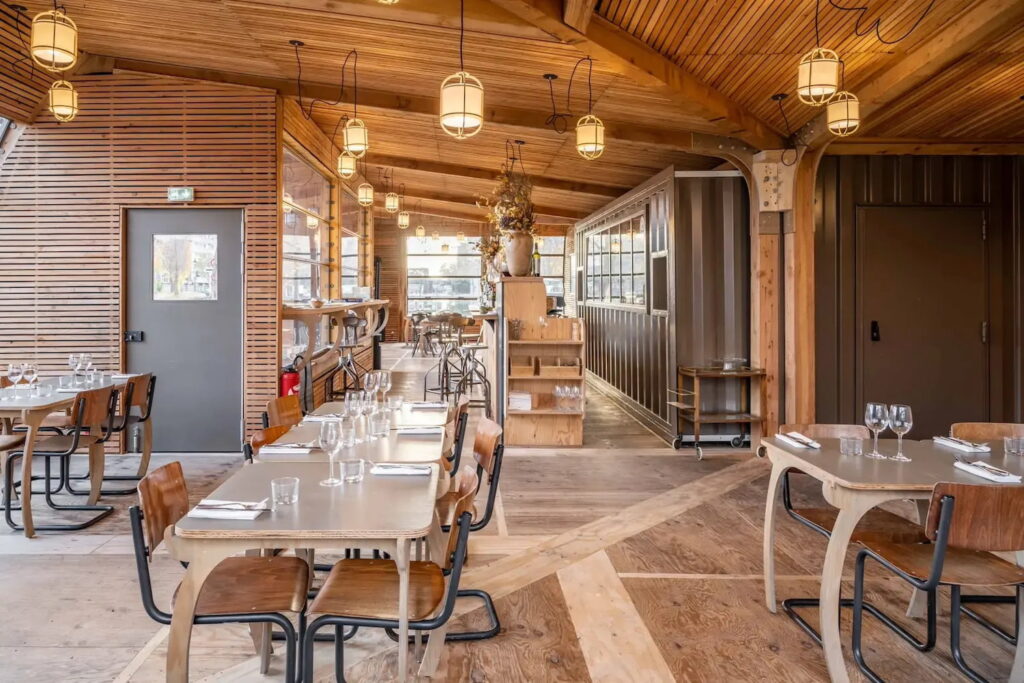
Choosing the right restaurant‑style venue comes down to understanding the tone you want to create. Each type brings its own personality and shapes how guests experience the meal.
Modern dining rooms for polished, elevated gatherings
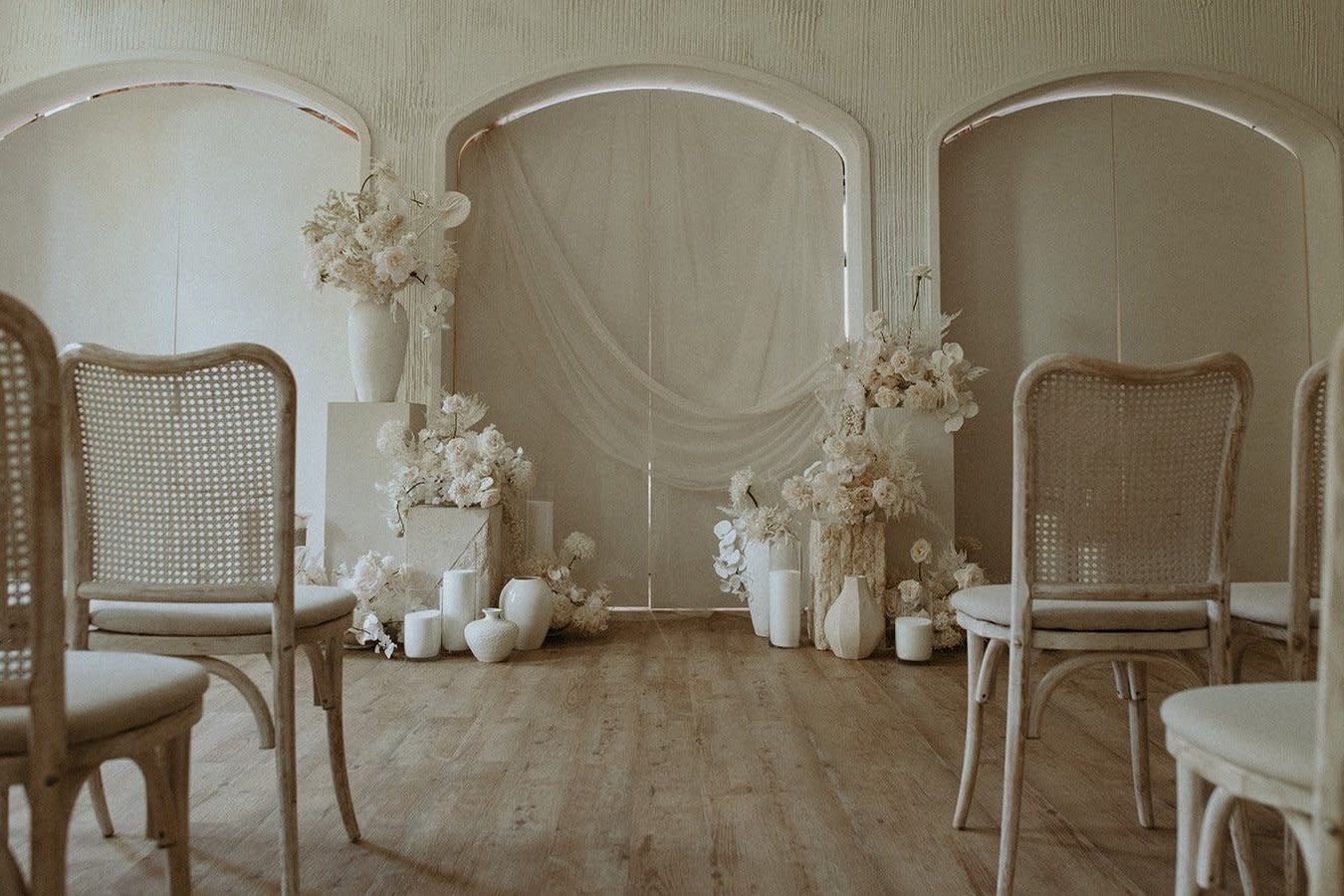
These spaces feature clean lines, thoughtful lighting, and open dining layouts that accommodate tasting menus or chef‑driven dinners. The ambiance supports events with a refined, structured feel, making them ideal for corporate meals or celebrations that benefit from sophistication.
Creative lofts and artistic culinary spaces for bold events
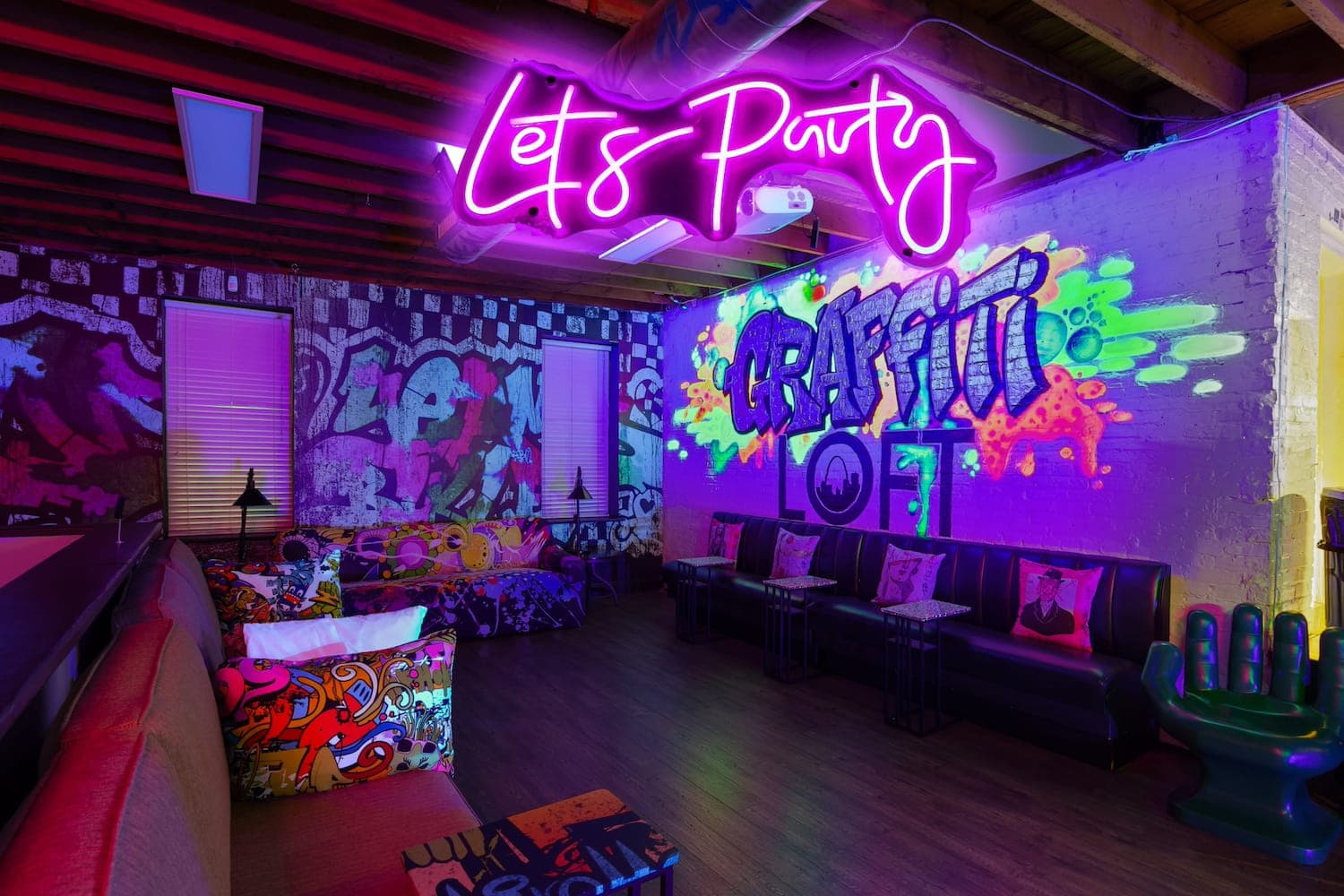
Converted industrial spaces, lofts, or artistic studios bring a creative spirit to culinary gatherings. Their eclectic details pair well with fusion menus, experimental cooking, or events where storytelling plays a central role. These venues invite guests to explore the atmosphere as much as the food.
Cozy bistro‑style or rustic spaces for intimate dinners
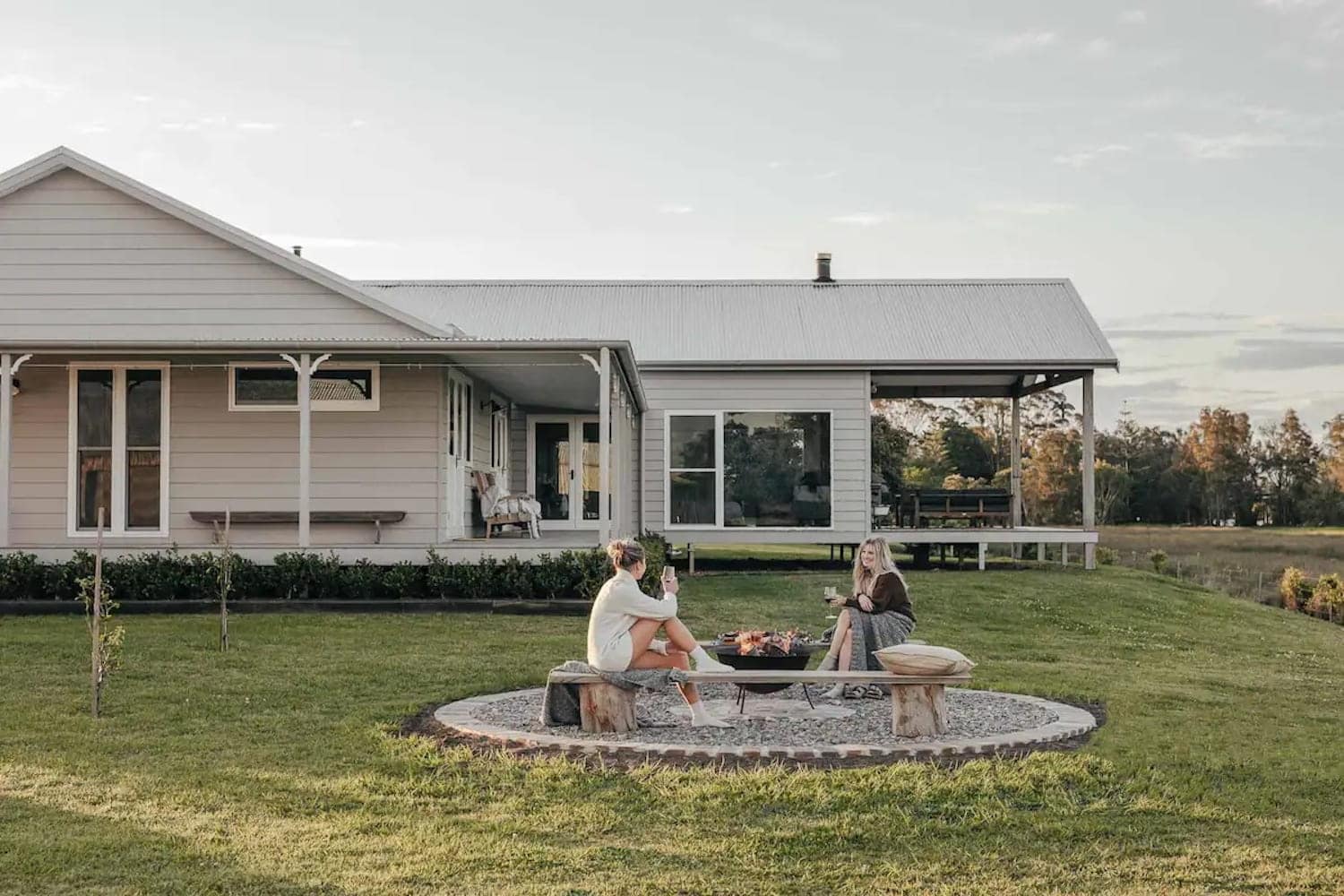
Warm lighting, vintage accents, and close‑knit layouts create a comfortable, inviting mood for family‑style meals or small celebrations. These rooms often feel inherently personal, making them popular for proposals, anniversaries, and meaningful group dinners.
Flexible open kitchens and instructional spaces for classes
Designed for visibility and movement, these venues support workshops, culinary demonstrations, and food‑driven corporate sessions. Open kitchens and movable tables make it easier for participants to follow along and engage with instructors.
Bright, modern venues for brunches and social gatherings
Rooms with natural light and modular seating work well for daytime events. Their casual ambiance supports mingling and encourages guests to move between stations or conversational zones.
Planning culinary‑driven gatherings
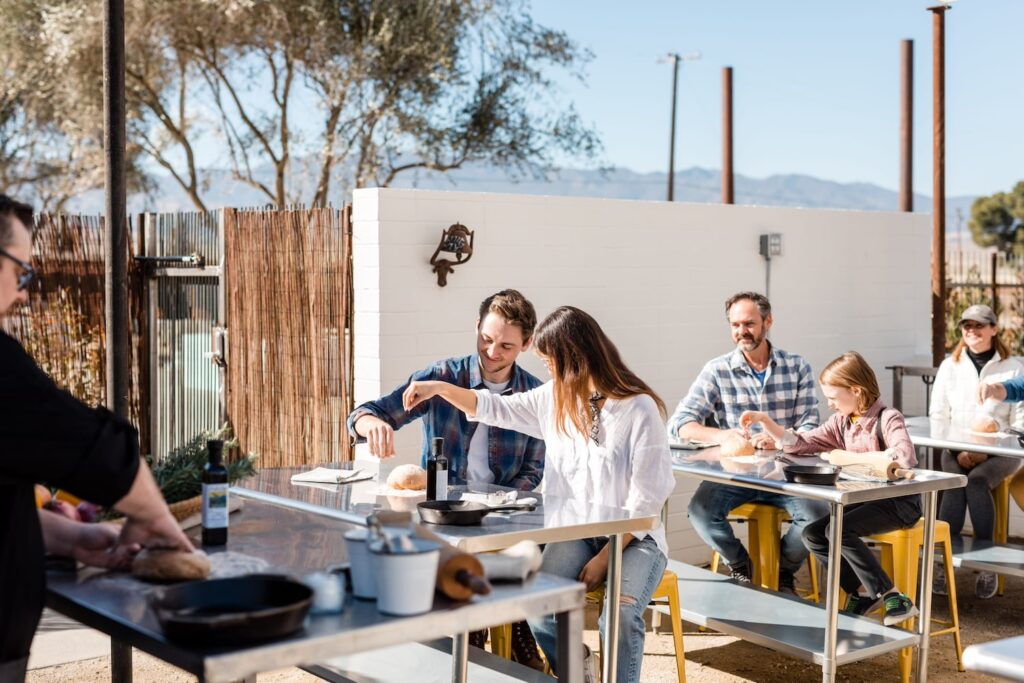
Culinary events succeed when the venue’s layout and equipment align with the menu and workflow. Once you understand how the space supports prepping, cooking, plating, and serving, planning becomes far more straightforward.
Crafting menus that match the space
Menu design should begin with a review of the kitchen’s capabilities. Consider oven size, burner configuration, counter space, and ventilation. Adjust recipes or service style to match what the kitchen supports. A thoughtful approach helps the meal unfold smoothly without bottlenecks.
Working with onsite or outside chefs
Some venues partner with chefs who already know the kitchen’s nuances, while others welcome outside culinary teams. Clarify who handles ingredients, prep, equipment, and cleanup. Smooth collaboration requires a shared timeline that covers everything from arrival to final plate.
Beverage service in nontraditional venues
Beverage flow is just as important as food. Identify refrigeration options for chilled drinks, determine where batching or shaking will happen, and confirm whether the space offers suitable glassware. A well‑designed bar setup improves efficiency and helps create an engaging guest experience.
Managing prep space and refrigeration
Even large kitchens can feel tight when multiple people are working. Assign zones for prep, plating, and dishwashing. Supplement the venue’s refrigeration with coolers or portable racks if needed. Clear stationing helps maintain structure during busy moments.
Coordinating pacing for seated or roaming dining formats
Seated dinners follow a predictable cadence, while tasting events or interactive formats require flexibility. Map out timing for menu introductions, palate breaks, and movement between courses. A well‑paced timeline keeps guests engaged without rushing the experience.
Designing your event’s look and feel without overpowering the venue
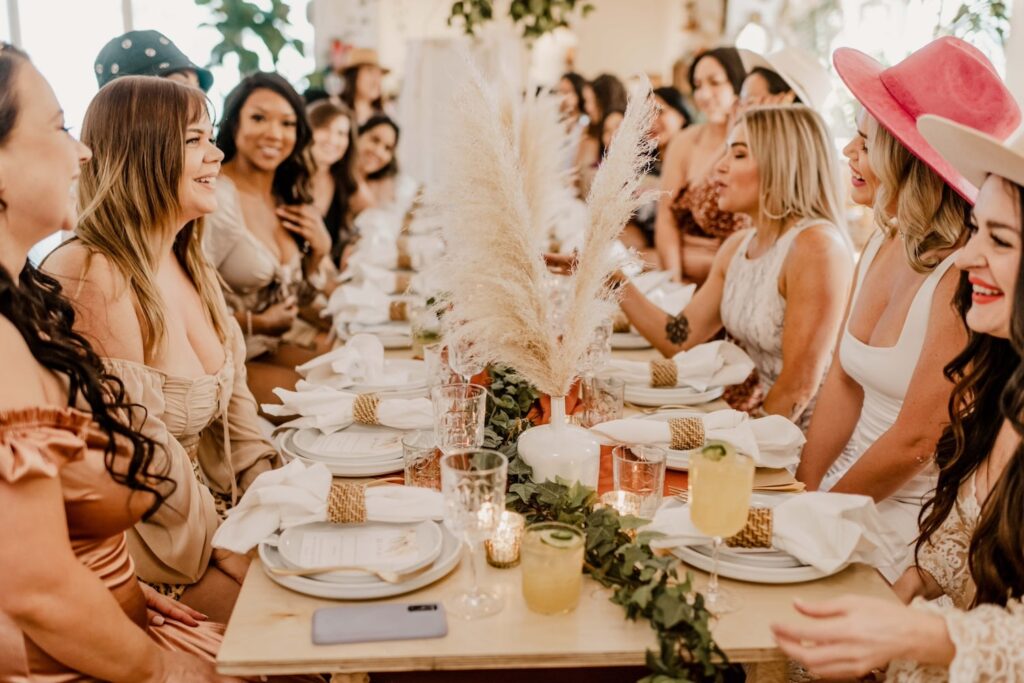
Restaurant‑style venues come with a ready‑made atmosphere. Design choices should enhance what the room already offers rather than compete with it.
Using lighting to shape the experience
Warm lighting helps create intimacy, while adjustable fixtures allow you to transition between phases of the event. Candles, table lighting, or focused spots for demonstrations can support ambience without diminishing visibility.
Choosing colors that complement the venue
Select a palette that works with the space’s existing tones and materials. Industrial rooms often pair well with neutrals and matte textures, while wood‑accented venues benefit from deeper or warmer hues. Cohesive choices help the space feel integrated with your theme.
Arranging furniture for flow
Modular furniture helps transition from dining to socializing. Bar tables, side seating, or lounge areas create flexibility and encourage guests to move naturally. Thoughtful placement prevents bottlenecks during high‑traffic moments.
Creating focal points without clutter
Select one or two standout elements to anchor your design. This might be a curated tablescape, a tasting station, or a simple floral arrangement that ties into your menu. Concentrated focal points create visual impact while preserving openness.
Integrating signage, floral, or table styling effectively
Thoughtful styling can elevate the experience without overwhelming the room. Personalized menus, simple floral accents, or textural linens can add subtle layers of detail that make the meal feel curated. When these elements complement the existing decor rather than compete with it, they help reinforce the theme while keeping the atmosphere cohesive and comfortable.
Navigating key logistics for restaurant‑style venues
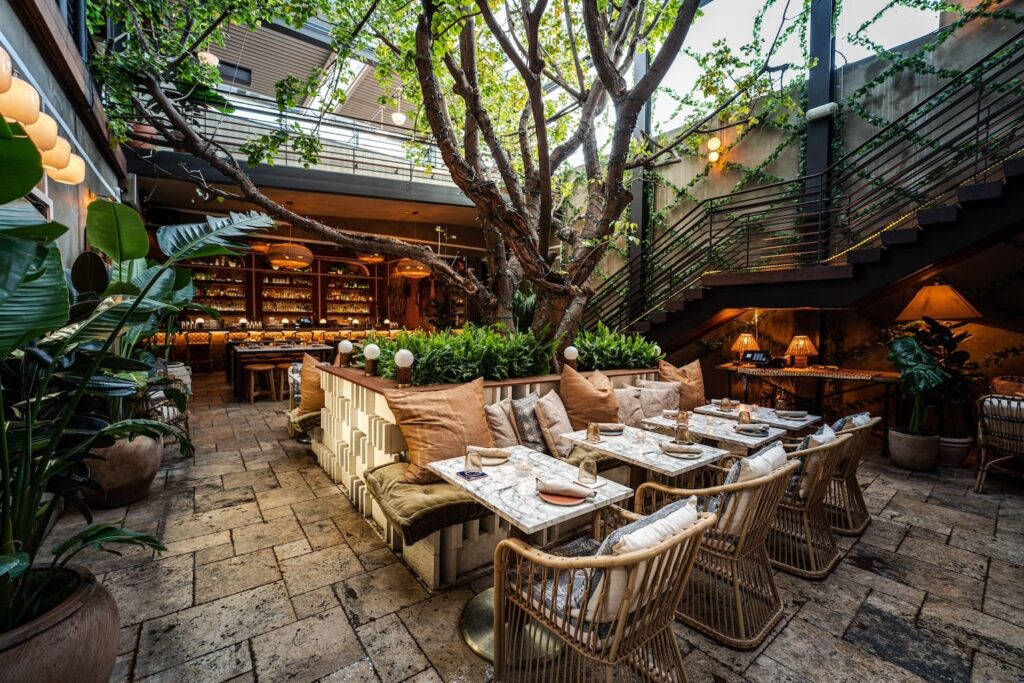
Behind every polished culinary event is a series of small decisions that ensure everything flows smoothly. Restaurant‑style venues reward planners who consider how guests, vendors, and staff move through the space and how each phase of the event fits together.
Understanding capacity and seating layouts
Confirm capacity early and map out seating options that suit your event’s style. Communal tables create a shared dining experience, while smaller groupings encourage intimate conversation. Hybrid layouts can support both mingling and seated service. Clear planning prevents overcrowding and helps the event maintain a comfortable rhythm.
Coordinating deliveries and vendor access
Delivery windows, loading zones, and vendor access points can significantly influence your timeline. Stagger arrival times for rentals, ingredients, and decor to avoid congestion at the entrance or kitchen. When vendors know where to park, unload, and enter, their setup becomes faster and more efficient.
Managing audio needs
Sound can be tricky in dining environments, especially when the room is lively. Test audio equipment in advance and choose compact speakers that distribute sound evenly rather than overpowering conversation. If your event includes speeches, demos, or presentations, confirm that acoustics support clarity without echoing.
Planning guest arrival flow and check‑in areas
A smooth arrival sets the tone for the entire event. A small welcome station can help manage coats, place cards, or early beverages. This reduces congestion at the entrance and creates a moment of intentionality before guests settle into the main space.
Timing transitions between program segments
Transitions can make or break the pacing of a meal. Build in time for palate resets, chef introductions, or beverage pairings. When transitions feel purposeful and unrushed, they enhance the experience without pulling guests out of the moment.
Budgeting tips for restaurant‑style events
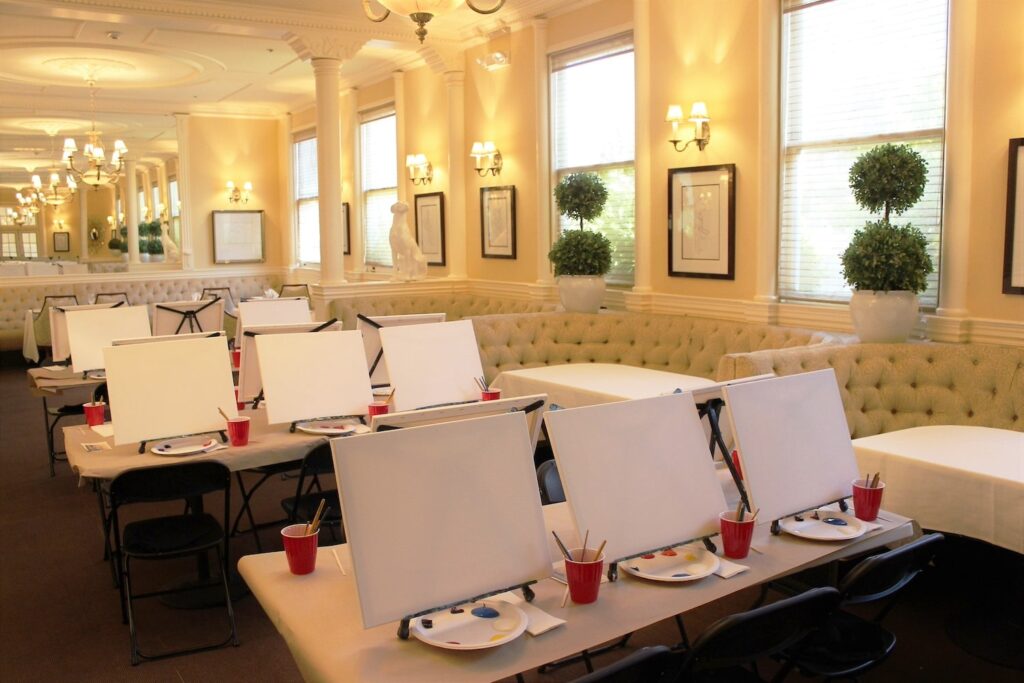
Thoughtful budgeting helps you prioritize the elements that matter most. Understanding which costs tend to fluctuate gives you more control and allows you to design an experience that feels complete without unexpected expenses.
Estimating food and beverage ranges
Food and beverage costs vary based on chef expertise, menu complexity, ingredient sourcing, and service style. Use baseline estimates as placeholders while planning and refine them as you collaborate with culinary teams. These early benchmarks help anchor your overall budget.
Accounting for staffing needs
Servers, bartenders, prep assistants, and dish staff play crucial roles in maintaining flow. Staffing needs depend on your format and guest count, but it’s wise to allocate hours for setup, service, and cleanup. Well‑supported teams elevate both timing and guest experience.
Balancing included supplies with additional rentals
Many restaurant‑style venues include tables, chairs, basic plateware, or glassware. Identify which items you’ll need to supplement, such as upgraded linens, specialty dinnerware, or decor pieces that elevate your theme. Knowing what’s included helps prevent overspending on unnecessary rentals.
Preparing for unexpected expenses
Even well‑planned events encounter surprises. Delivery fees, extended hours, last‑minute rentals, or specialty ingredient surcharges can shift your budget quickly. A small contingency fund gives you flexibility and helps keep your event on track even when costs fluctuate.
Bringing your restaurant venue event to life
Restaurant‑style venues offer a natural sense of atmosphere and intimacy, making them ideal for gatherings centered on food, storytelling, and connection. But when you try to adapt a lodging platform like Airbnb for events, limitations around pricing, policies, and vendor access often make planning more complicated than expected.
Platforms designed for events simplify the process by offering spaces that welcome gatherings and provide the structure needed for culinary‑driven experiences. Whether you’re hosting a private dinner, a tasting workshop, a holiday brunch, or a themed pop‑up, the right venue can shape the mood and make your vision easier to bring to life.
Explore restaurants you can rent and begin planning your memorable event!
In this article
- Why Airbnb restaurants cause major planning problems
- Why Peerspace is a better fit for restaurant events
- Fun events you can plan at restaurant‑style venues
- Types of restaurant‑style venues and how to choose one
- Planning culinary‑driven gatherings
- Designing your event’s look and feel without overpowering the venue
- Navigating key logistics for restaurant‑style venues
- Budgeting tips for restaurant‑style events
- Bringing your restaurant venue event to life
In this article
- Why Airbnb restaurants cause major planning problems
- Why Peerspace is a better fit for restaurant events
- Fun events you can plan at restaurant‑style venues
- Types of restaurant‑style venues and how to choose one
- Planning culinary‑driven gatherings
- Designing your event’s look and feel without overpowering the venue
- Navigating key logistics for restaurant‑style venues
- Budgeting tips for restaurant‑style events
- Bringing your restaurant venue event to life
Get together somewhere better
Book thousands of unique spaces directly from local hosts.
Explore SpacesShare your space and start earning
Join thousands of hosts renting their space for meetings, events, and photo shoots.
List Your Space