How & Where to Rent an Airbnb for a Wedding Venue in Alabama (2026)
-

Contributing Writer -

Lead Editor & Publisher
- December 31, 2025
- 20 min read
- Events
Source: Peerspace
Alabama weddings are deeply personal, shaped as much by family traditions and guest experience as by the setting itself. It’s no surprise many couples begin their search with Airbnb, hoping for flexibility, privacy, and a sense of control over their day.
The challenge is that weddings demand far more from a venue than a short term stay. Guest counts, vendor access, timing, local rules, and cost structure quickly turn what looks simple into something far more complicated. This guide explains why Airbnb wedding venues in Alabama often fall short, what to look for in an event-ready alternative, and how to plan a celebration that actually works within Alabama’s regional realities.
Where the Airbnb dream unravels for weddings in Alabama
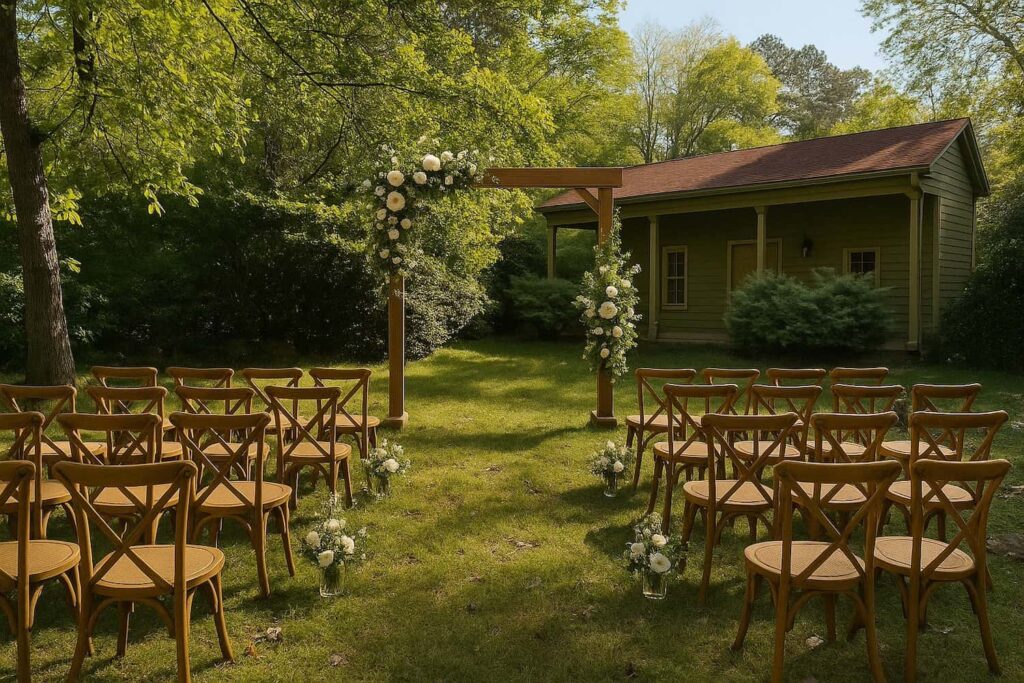
At first glance, an Alabama Airbnb can feel like the perfect workaround. Large homes, rural privacy, and scenic settings seem tailor made for an intimate wedding. The challenge is that most of these properties were never intended to host events, and that mismatch shows up fast once planning begins.
Paying for empty bedrooms instead of your actual wedding
Airbnb pricing is built around overnight stays. In popular areas like Fairhope, Orange Beach, or near Lake Martin, hosts often require two- or three-night minimums. Couples end up paying thousands for empty bedrooms they never use, simply to secure eight or 10 hours for a ceremony and reception. That budget could have gone toward catering, florals, or live music instead of unused nights.
Platform rules and guest limits that quietly put your day at risk
Airbnb’s platform wide restrictions on all parties and events create uncertainty from the start. Even if a host verbally agrees, the booking can still be flagged, canceled, or shut down if neighbors complain. In towns with close-knit communities or lakefront developments, one phone call can bring your celebration to an abrupt halt.
Vendor restrictions that shrink your options fast
Many Airbnb hosts restrict outside vendors, amplified music, alcohol service, or cooking on site. That can mean reworking your entire plan when you discover your caterer cannot prep onsite or your band is not allowed to set up. Alabama weddings often rely on trusted local vendors, and losing that flexibility can flatten the experience.
When a home just is not built for wedding-scale logistics
Parking shortages, limited bathrooms, fragile plumbing, and narrow access points are common issues. A rural home outside Huntsville or a historic house near downtown Mobile may look spacious, but accommodating 75 guests, a catering team, rentals, and musicians is another story entirely.
Taken together, these factors make Airbnb a gamble for a day that deserves utmost certainty.

How Peerspace changes the way Alabama weddings come together
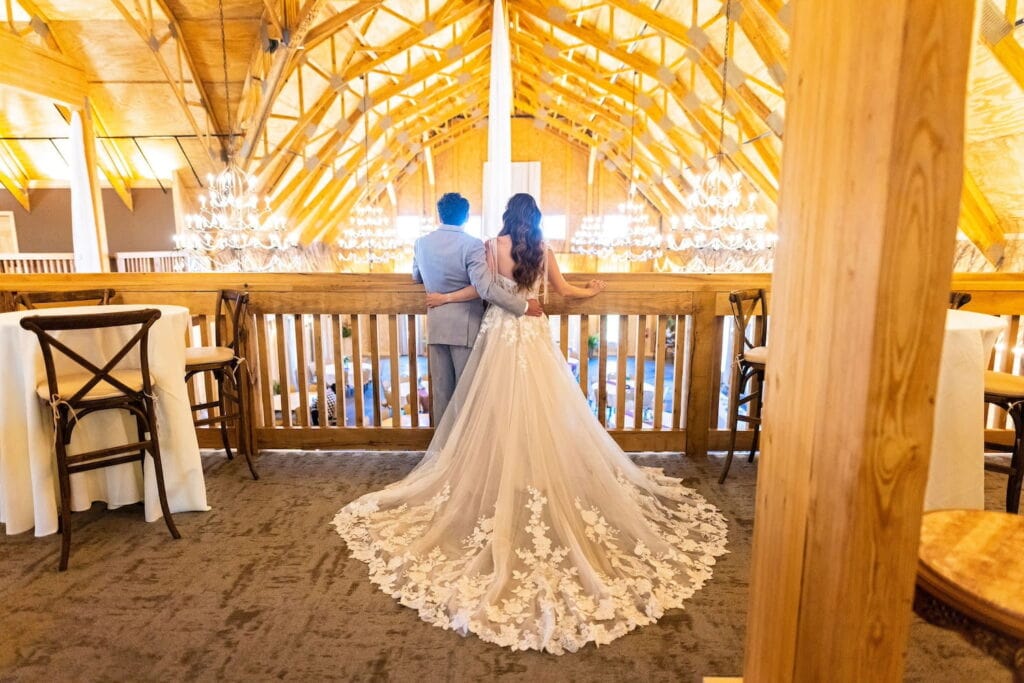
Rather than trying to retrofit a vacation rental into an event venue, Peerspace connects couples with spaces that are designed to host gatherings from the start. That distinction changes both the planning process and the day itself.
Paying for hours you use, not nights you do not need
Peerspace venues are booked by the hour, which means you pay for the time you need and nothing more. Whether you are hosting a six-hour ceremony and reception in downtown Birmingham or a sunset celebration near the coast, your budget stays focused on the event, not overnight lodging.
Clear approval and rules you can actually plan around
Every Peerspace listing is event friendly, which immediately removes one of the biggest sources of uncertainty couples face when planning a wedding. Guest capacity, noise expectations, setup time, and vendor policies are clearly outlined before booking, allowing couples to build a realistic timeline and vendor plan from the start. This clarity reduces last-minute negotiations and helps avoid uncomfortable surprises weeks before the wedding.
Vendor freedom that keeps your vision intact
Most Peerspace venues welcome outside caterers, bartenders, DJs, planners, and rental teams, which gives couples far more creative control over their wedding day. This flexibility is especially valuable in Alabama, where local barbecue, seafood boils, regional bands, and family run vendors often play a central role in celebrations. Instead of adapting the wedding to fit venue restrictions, couples can choose vendors that align with their priorities and guest expectations.
Vendor freedom also simplifies coordination. When vendors are familiar with the venue type and allowed to work without excessive limitations, setup and service tend to run more smoothly, which improves both pacing and guest experience.
Spaces designed for people, pacing, and movement
Peerspace venues are designed with gatherings in mind, which shows up in practical ways throughout the event. Restrooms, parking access, prep areas, and load-in paths are already considered, reducing friction for both guests and vendors. Layouts are typically more flexible, allowing couples to design ceremony, cocktail hour, and reception flow intentionally.
That built-in functionality supports smoother transitions and helps prevent bottlenecks that can stall momentum. When people can move comfortably through the space, the celebration feels more relaxed and cohesive.
Local hosts who understand Alabama realities
Hosts often bring valuable local insight that goes beyond the venue itself. Many understand neighborhood traffic patterns, seasonal weather shifts, and local event calendars that can affect arrival timing or noise expectations. This kind of knowledge helps couples make smarter scheduling decisions without learning the hard way.
Local hosts can also flag potential issues early, such as football weekend congestion or coastal weather patterns, giving couples time to adjust plans proactively. That guidance often saves stress and avoids last-minute scrambling.
When rules are clear, vendors are welcome, and the space is built for events, couples can plan with confidence instead of contingency after contingency.
Choosing an Alabama venue that actually supports your wedding plan
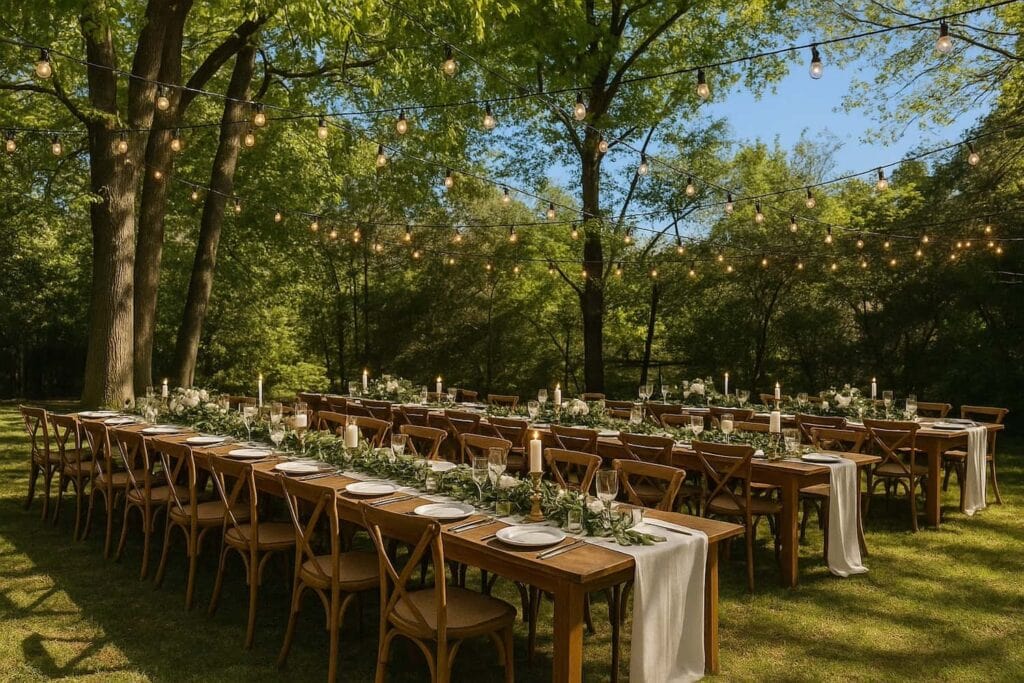
Alabama offers an unusually wide range of venue styles, and choosing the right type shapes everything from guest experience to décor strategy. Before locking in a location, it helps to understand how different space types support different wedding formats.
Historic homes that shine with smaller guest lists
Restored Victorian homes or small estates work well for ceremonies and cocktail-style receptions with tighter guest lists. These spaces tend to emphasize intimacy, conversation, and atmosphere rather than scale, making them a strong fit for couples who value connection over crowd size. Guest counts that stay modest help preserve both comfort and the character of the space.
Because these venues were not designed for large-scale events, planning benefits from simplicity. Shorter timelines, lighter rental needs, and pared back layouts reduce strain on the property while keeping the experience relaxed. Couples often find that these spaces work best when the event flows naturally without heavy production.
Loft and warehouse spaces built for modern energy
In cities like Birmingham and Huntsville, converted warehouses and lofts offer high ceilings, open floor plans, and a clean slate for design. These spaces support larger guest counts and flexible layouts, making them ideal for couples who want room to move, dance, and reconfigure the space throughout the event. The openness allows ceremonies, cocktail hours, and receptions to coexist without feeling cramped.
Loft-style venues also accommodate production more easily. Lighting installations, amplified music, and custom layouts tend to integrate smoothly thanks to higher ceilings and fewer structural limitations. This makes it easier to create visual impact without compromising guest flow.
Outdoor spaces that work best in the right seasons
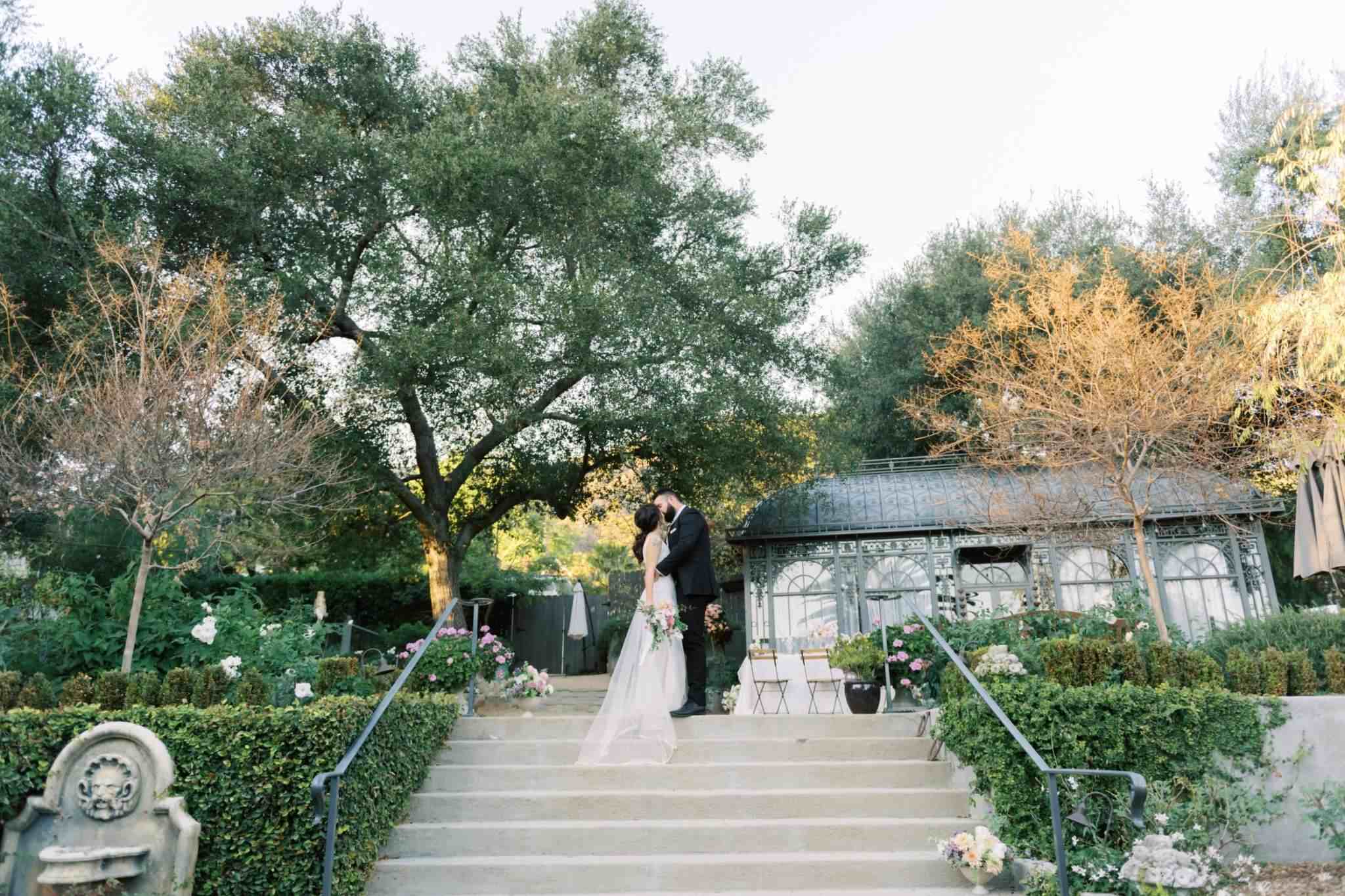
Garden venues, patios, and courtyards can be a strong choice for couples who want an open-air ceremony or cocktail hour, but timing matters more here than with most other venue types. In Alabama, spring and fall tend to offer the most comfortable temperatures and lower humidity, making these spaces more enjoyable for guests and vendors alike. Planning around these windows helps avoid heat fatigue, wardrobe discomfort, and weather-related disruptions that can quietly drain energy from the day.
Even during ideal seasons, outdoor spaces require contingency planning. Couples should prioritize venues with covered areas, adjacent indoor rooms, or clearly defined rain plans so that sudden storms do not derail the schedule. Confirming how quickly transitions can happen if weather changes ensures the celebration stays on track without last-minute scrambling or rushed decisions.
Creative spaces that elevate design without excess décor
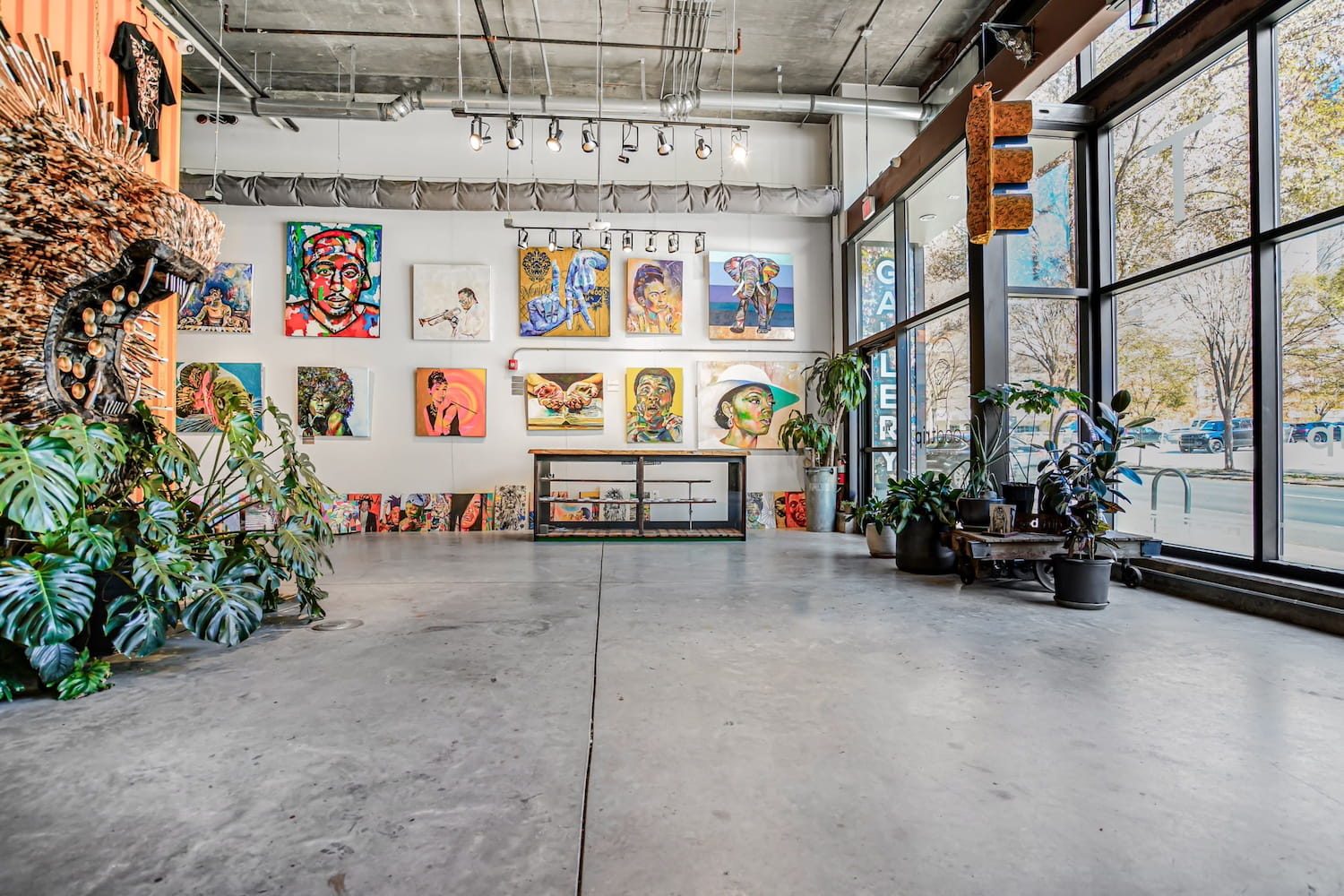
Galleries and studios offer a built-in sense of polish that reduces the need for heavy décor or elaborate installations. Neutral walls, curated lighting, and intentional layouts naturally frame ceremonies and receptions, which is especially valuable for couples who care deeply about photography and overall visual cohesion. These spaces often photograph beautifully with minimal adjustments, saving both time and budget.
Beyond aesthetics, studios and galleries often attract vendors who are comfortable working in unconventional environments. That familiarity can improve setup efficiency and reduce friction during transitions, making it easier to balance strong design choices with guest comfort throughout the celebration.
Practical spaces that put guest comfort first
For couples prioritizing comfort and accessibility, community halls and flex spaces offer straightforward layouts, ample parking, and fewer restrictions on timing and vendors. These features help keep energy up and distractions low from the ceremony through the final moments of the reception
Practical venues also tend to simplify logistics behind the scenes. Load in access, clear floor plans, and fewer restrictions make vendor coordination smoother and reduce setup delays. That operational ease often translates into a more relaxed atmosphere on the day itself.
Each of these venue types supports different priorities, which is why it is important to think beyond aesthetics and consider how the space will function throughout the day. Matching the venue to your guest count, timeline, and overall flow helps avoid last minute compromises and ensures the setting truly supports the kind of experience you want to create.
Letting Alabama regions shape your wedding vibe
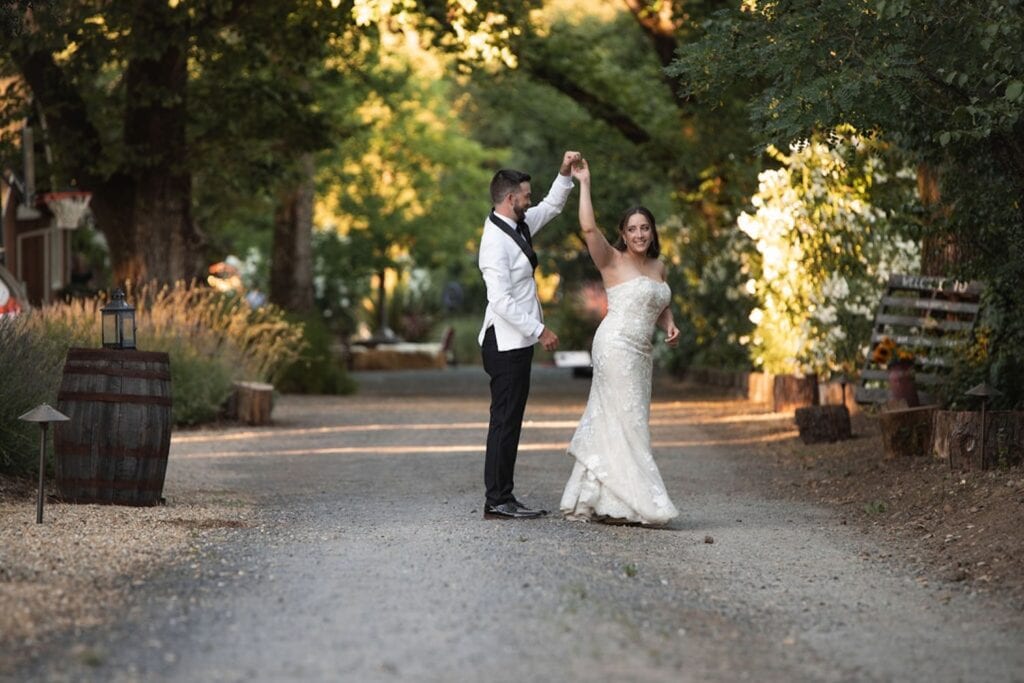
Alabama is not a one-note wedding destination, and where you host your celebration has a direct impact on budget, logistics, guest experience, and planning complexity. Thinking regionally helps couples set realistic expectations early rather than forcing a vision onto a location that does not support it well. When the region and the wedding style align, planning decisions become clearer and fewer compromises are required.
Birmingham and central Alabama’s flexible middle ground
Birmingham and the surrounding central Alabama area offer one of the most balanced wedding markets in the state. Couples will find a wide range of venue sizes and price points, along with a deep bench of experienced vendors who are accustomed to working events of all styles. This flexibility makes the region well suited for couples who want options without the pricing pressure of a destination market.
Logistically, central Alabama is also accessible for guests traveling from different parts of the state. That accessibility often translates into higher attendance rates and fewer transportation complications, especially for weddings that draw family from multiple cities.
Huntsville and north Alabama’s polished, modern feel
Huntsville’s rapid growth has shaped its wedding scene in noticeable ways. Venues here often lean contemporary, with clean lines, modern amenities, and layouts designed for efficiency. This makes the region appealing for couples who value a streamlined, design-forward experience over traditional formality.
North Alabama also tends to attract smaller to mid-sized guest counts, which pairs well with venues that emphasize quality over scale. Couples should factor in limited venue inventory compared to Birmingham, which can mean booking earlier to secure preferred dates.
Mobile and the eastern shore’s tradition-driven appeal
Mobile and the eastern shore carry a strong sense of heritage that influences wedding expectations. Historic districts, long-standing event traditions, and a slower pace shape how weddings are planned and experienced. This region works especially well for couples who want their celebration to feel rooted in Southern customs and family gatherings.
Demand increases significantly during spring months, particularly in Fairhope and Daphne. Early planning is essential here, as venues and vendors book quickly and availability narrows well ahead of peak season.
Gulf Coast towns and destination-wedding realities
Orange Beach and Gulf Shores function differently from most inland Alabama markets. These towns operate as destination wedding hubs, which affects pricing, availability, and vendor schedules. Couples should expect higher venue costs and stricter booking policies during peak travel months.
Clear communication becomes especially important in tourist-heavy areas. Choosing venues that are explicitly event friendly helps avoid conflicts with neighboring rentals and seasonal noise enforcement that can disrupt celebrations.
Rural Alabama’s space advantages and tradeoffs
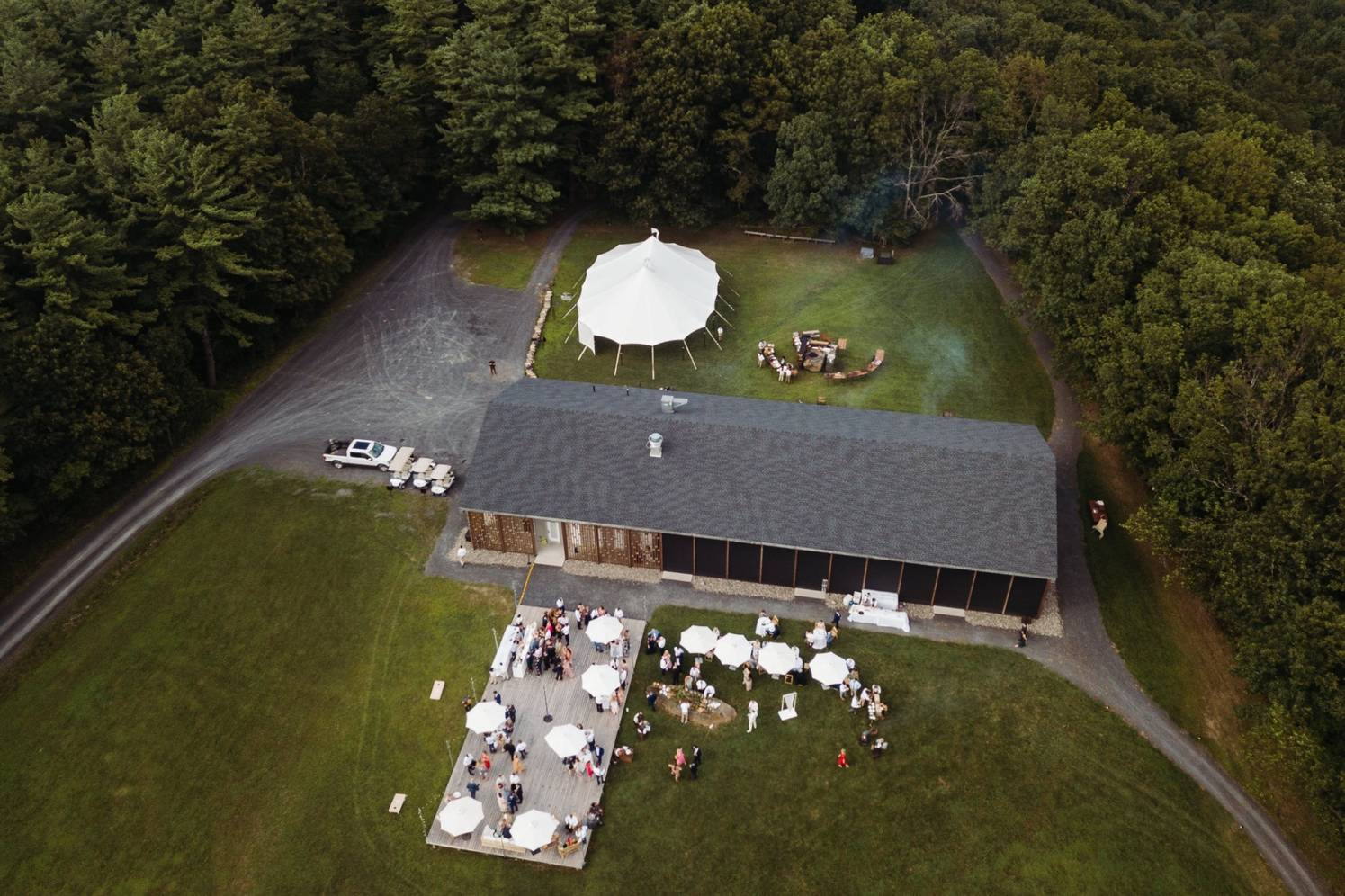
Rural Alabama offers space and privacy that can be difficult to find elsewhere in the state. Larger properties allow for expansive layouts and flexible scheduling, which appeals to couples hosting larger guest lists or multi-event weekends. These advantages often come at lower base costs compared to urban markets.
At the same time, infrastructure requires closer scrutiny. Parking, restroom capacity, power access, and vendor travel time can introduce hidden challenges if not addressed early. Confirming these details up front prevents last-minute workarounds that add stress and expense.
Understanding how Alabama’s regions function helps couples choose locations that support their priorities rather than fight against them. When regional realities are factored into planning from the start, the entire process feels more grounded and manageable.
Planning your date around local seasons and crowds
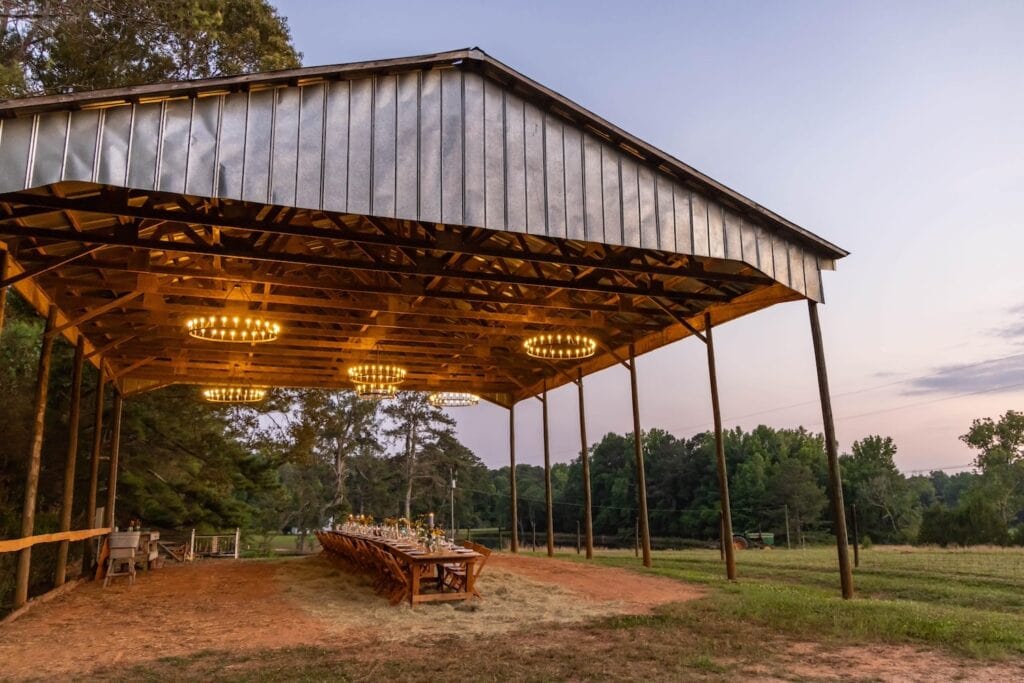
Weather and timing shape Alabama weddings more than many couples initially realize. Heat, humidity, storm patterns, and major local events can all influence guest comfort, vendor availability, and even overall costs. Planning with Alabama’s climate and calendar in mind allows you to make proactive decisions instead of reactive compromises as the date approaches.
The short windows when Alabama weather cooperates
March through May and October through early November are widely considered Alabama’s most wedding-friendly months, particularly for outdoor ceremonies or mixed indoor/outdoor celebrations. Temperatures are generally mild, humidity is lower, and daylight hours are generous, which makes scheduling easier for both ceremonies and receptions. Because demand is high during these windows, couples often benefit from considering Friday or Sunday dates, or booking further in advance than they might expect.
These seasons also tend to align with peak availability for local vendors. Florists, caterers, and musicians often plan their calendars around spring and fall weddings, which can make it easier to assemble a cohesive vendor team without settling for second choices.
Managing heat and humidity without exhausting guests
June through September brings intense heat and humidity across much of Alabama, especially in central and southern regions. For couples set on a summer date, venue selection becomes critical. Indoor spaces with reliable climate control or venues that allow for fully-shaded ceremonies can dramatically improve guest comfort.
Evening start times, breathable attire recommendations, and thoughtful amenities like water stations or handheld fans help mitigate the impact of the heat. Couples should also confirm how long guests may be outdoors at any point in the schedule, since extended exposure can quickly become uncomfortable.
When football weekends quietly take over a town
College football weekends have a measurable impact on weddings in Alabama, particularly in towns like Tuscaloosa and Auburn. Home games can drive up hotel prices, limit availability, and complicate travel for out-of-town guests. Vendors may also be booked well in advance or charge premiums during major game weekends.
Beyond football, regional festivals, parades, and seasonal tourism can affect coastal and historic areas. Reviewing local event calendars early in the planning process helps avoid conflicts that could strain logistics or budgets.
Backup plans that actually hold up when storms roll in
Pop up thunderstorms are common throughout much of the year, especially in spring and summer. Relying solely on tents or temporary coverings can introduce stress if weather shifts unexpectedly. Venues with built-in indoor alternatives or covered spaces offer a more reliable backup plan.
Couples should also discuss rain timelines with vendors, including how quickly setups can be adjusted and whether sound or lighting equipment is weather protected. Having these conversations well in advance keeps last minute decisions calm and coordinated.
Taking Alabama’s climate and calendar seriously during planning reduces uncertainty and creates a smoother experience for both couples and guests. When weather and timing are accounted for early, the wedding day itself feels far more controlled and comfortable.
Designing a guest experience that feels easy from start to finish
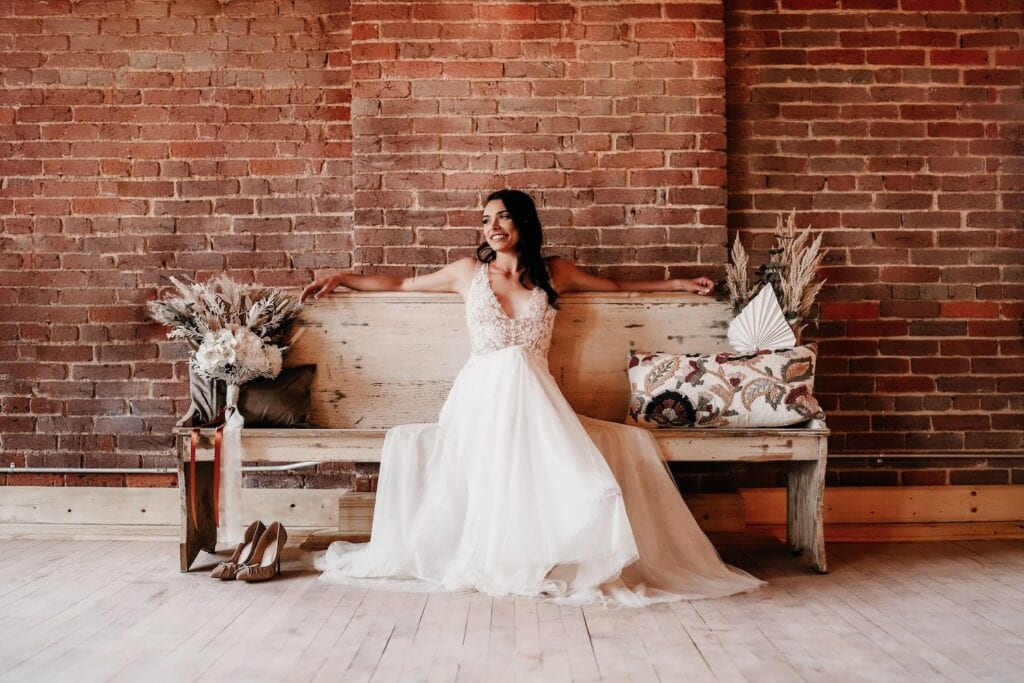
A wedding that feels smooth and enjoyable to guests is almost always the result of intentional planning, not luck. From the moment people arrive until the final song plays, every transition shapes how the day is remembered.
Choosing a venue that supports guest flow, comfort, and clarity removes friction and allows guests to stay present instead of confused or fatigued. Many of the same principles apply across all successful gatherings, and these practical event planning tips reinforce how thoughtful pacing and clear logistics improve the guest experience from arrival through the final moments.
First impressions begin before guests ever see the ceremony
First impressions start well before the ceremony begins. Clear arrival instructions, visible signage, and realistic parking plans help guests feel confident rather than stressed. In urban areas or historic districts, coordinating rideshares, shuttles, or off-site parking can prevent congestion and keep vendors on schedule.
Couples should also consider how arrival timing overlaps with setup. Separating guest arrival paths from vendor load-in areas reduces visual clutter and keeps the atmosphere calm as guests gather.
Keeping momentum between ceremony and celebration
Momentum matters during a wedding day. When guests move easily from ceremony to cocktail hour to reception, the celebration feels cohesive rather than fragmented. Venues with adjacent rooms or outdoor spaces allow transitions to happen naturally without long pauses.
If a space flip is unavoidable, building intention into that pause helps. Offering a guided cocktail hour, live music, or interactive elements keeps guests engaged instead of waiting idly.
Making sure everyone can hear what matters
Sound quality shapes both emotional moments and overall energy. High ceilings, exposed brick, or concrete floors can cause echoes that make vows and speeches difficult to hear. Testing acoustics in advance and confirming microphone placement prevents last minute issues.
Couples should also confirm volume limits and speaker placement options. Knowing where DJs or bands can set up ensures music fills the room evenly without overwhelming conversation areas.
Comfort details guests notice even if they never mention them
Guest comfort is often determined by small details that add up over time. Adequate restroom access, seating for all ages, and reliable climate control keep guests relaxed throughout the event. This is especially important for longer celebrations or multi-hour receptions.
Accessibility considerations should be addressed early. Ground level access, ramps, and clear walkways make the experience more inclusive for elderly guests or anyone with mobility needs.
Ending the night without an abrupt cutoff
How a wedding ends is just as important as how it begins. Understanding music cutoff times, teardown expectations, and vendor exit schedules prevents abrupt endings that can feel jarring. Venues with flexible end times allow celebrations to taper naturally rather than stop suddenly.
Clear communication with vendors about load-out timing and noise expectations keeps the final moments smooth. When guests leave feeling unrushed and cared for, the entire day ends on a stronger note.
Designing the guest experience intentionally creates a wedding that feels thoughtful, welcoming, and well paced. When logistics fade into the background, guests are free to focus on celebrating, which is exactly the goal.
Making your Alabama wedding budget work harder without feeling strapped
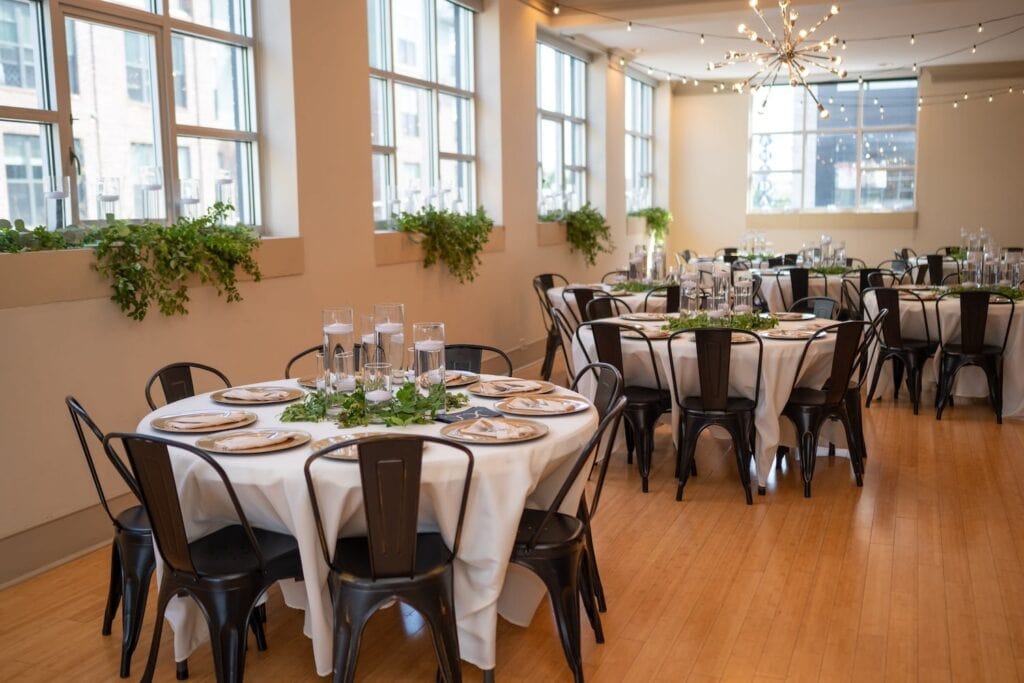
Budget conversations often feel overwhelming, but they do not have to result in compromises that dilute the experience. In Alabama, couples can make their budgets work harder by understanding where money actually creates value on a wedding day and where it quietly drains away. Aligning spending with how weddings truly unfold allows you to prioritize impact, comfort, and flow without inflating costs.
Paying for time instead of excess space
One of the biggest budget mistakes couples make is paying for space they are not actively using. Booking by the hour instead of by the night keeps costs tied directly to the event timeline rather than overnight lodging requirements. A focused six-to-eight-hour booking often feels more intentional and energized than an all-day rental that stretches both the schedule and the budget.
Planning your timeline tightly also reduces staffing and vendor hours. When setup, ceremony, reception, and teardown are thoughtfully sequenced, vendors can work efficiently, which often translates into lower labor costs and fewer overtime fees.
Letting built-in amenities quietly protect your budget
Venues with built-in amenities quietly save thousands of dollars. Tables, chairs, sound systems, lighting, prep kitchens, and climate control reduce the need for outside rentals that add delivery fees, setup charges, and coordination stress. Each included amenity simplifies logistics while protecting the budget from incremental add ons.
Couples should review amenity lists carefully and confirm what is included versus what requires upgrades. A venue that appears slightly more expensive upfront can become the more economical option once rental savings are factored in.
Spending money where guests actually feel it
Guests tend to remember how a wedding felt rather than how much was spent. For couples leaning toward a more intimate celebration, these small, budget-friendly wedding ideas that prioritize experience over excess offer practical ways to create a meaningful day without inflating the budget. Food quality, drink service, music, and pacing shape that memory far more than elaborate installations or oversized décor moments. Allocating budget toward catering, sound quality, and guest comfort delivers a return that guests actually experience.
Choosing a venue that naturally supports atmosphere through layout and flow allows you to scale back decorative spending without the space feeling underwhelming. When the environment works for you, less enhancement is needed.
Catching budget surprises before they catch you
Unexpected costs are one of the fastest ways a budget unravels. Cleaning fees, security requirements, overtime charges, and insurance gaps often surface late when details are not clearly defined at booking. Transparent pricing and clearly-outlined rules prevent these surprises.
Couples should ask direct questions about setup windows, teardown expectations, staffing minimums, and noise policies before signing. When everything is spelled out early, budgeting becomes predictable rather than reactive.
Approaching the budget with intention transforms it from a constraint into a planning tool. When spending decisions are tied to real guest experience and event flow, couples can host a celebration that feels generous and well executed without overspending.
When the space works, the wedding celebration flows
Choosing a wedding venue is one of the earliest decisions couples make, and it quietly determines how every other planning choice unfolds. In Alabama, where weather, regional logistics, and vendor availability all play an outsized role, that decision matters even more. Spaces designed for overnight stays often introduce friction simply because they were never meant to support the pace and complexity of a real event.
When couples shift their focus from how a space looks to how it actually functions, the entire planning process becomes more manageable. Budgets stabilize when pricing matches event timelines. Vendors work more smoothly when rules are clear. Guests feel more relaxed when movement, sound, and comfort have been considered from the start. These are the elements that create a wedding day that feels intentional rather than improvised.
That is where Peerspace fits naturally into the planning conversation. By offering venues that are explicitly built for gatherings and booked by the hour, it allows couples to plan with clarity instead of workarounds. When the space supports the event instead of complicating it, couples are free to focus on what the day is really about and enjoy it as it unfolds.
Ready to find the Alabama wedding venue that matches your vision?
In this article
- Where the Airbnb dream unravels for weddings in Alabama
- How Peerspace changes the way Alabama weddings come together
- Choosing an Alabama venue that actually supports your wedding plan
- Letting Alabama regions shape your wedding vibe
- Planning your date around local seasons and crowds
- Designing a guest experience that feels easy from start to finish
- Making your Alabama wedding budget work harder without feeling strapped
- When the space works, the wedding celebration flows
In this article
- Where the Airbnb dream unravels for weddings in Alabama
- How Peerspace changes the way Alabama weddings come together
- Choosing an Alabama venue that actually supports your wedding plan
- Letting Alabama regions shape your wedding vibe
- Planning your date around local seasons and crowds
- Designing a guest experience that feels easy from start to finish
- Making your Alabama wedding budget work harder without feeling strapped
- When the space works, the wedding celebration flows
Get together somewhere better
Book thousands of unique spaces directly from local hosts.
Explore SpacesShare your space and start earning
Join thousands of hosts renting their space for meetings, events, and photo shoots.
List Your Space