How & Where to Rent an Airbnb for a Wedding Venue in Sacramento (2026)
-
Contributing Writer -

Lead Editor & Publisher
- December 30, 2025
- 15 min read
- Events
Source: Peerspace
Sacramento weddings reward couples who plan with clarity. The city offers flexibility, creative freedom, and strong local vendors, which is why many couples consider hosting their wedding there. Usually they start by searching for Airbnb wedding venues. On the surface, private homes and short term rentals can seem like an easy solution, especially when traditional venues feel expensive or rigid.
What often gets overlooked is how poorly Airbnb’s structure aligns with real wedding needs. Rules, pricing models, neighborhood dynamics, and logistics all surface once planning begins. This guide explains why Airbnb frequently creates friction for weddings, what works better instead, and how to plan every major decision with local context so your day feels intentional rather than improvised.
Why Airbnb wedding venues create major problems
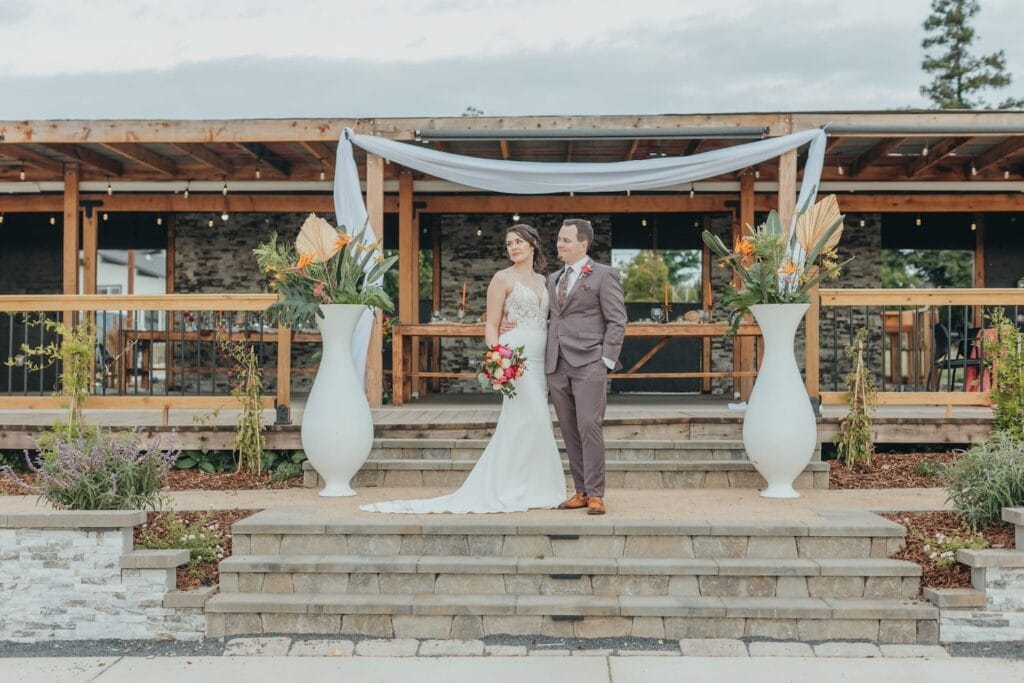
Many couples turn to Airbnb hoping for flexibility and control, especially when traditional venues feel rigid or costly. In Sacramento, however, short-term rentals often introduce more constraints than they solve. Local regulations, neighborhood density, and climate realities expose structural issues that make Airbnb a risky foundation for a wedding.
Understanding these challenges early helps couples avoid last minute stress and budget surprises. The issues below consistently surface for Sacramento weddings and tend to compound once vendors, guests, and timelines are involved.
Event bans and platform risk still apply
Airbnb’s platform-wide ban on events does not soften for weddings. Even when a host privately agrees to your plans, the reservation remains exposed. In dense neighborhoods like Midtown and East Sacramento, a single noise complaint can escalate quickly. Couples often assume that friendly neighbors or early end times reduce risk, but enforcement does not depend on intent. Planning a wedding under constant uncertainty adds stress that no amount of charm can offset.
Nightly pricing inflates one-day celebrations
Sacramento weddings rarely need a property for multiple nights. Yet Airbnb’s nightly pricing model forces couples to pay for time they will never use. Two- or three-night minimums are common, especially during peak spring and fall weekends. What initially appears affordable quickly turns into one of the largest line items in the budget. That overpayment narrows options elsewhere, often cutting into catering quality or guest experience. Couples looking to reallocate their budget more intentionally can benefit from exploring these ideas for planning a small wedding on a budget without sacrificing experience.
Vendor restrictions limit creativity
Sacramento weddings frequently prioritize local chefs, farm driven menus, regional wine, and live music. Airbnb hosts, however, often restrict outside vendors, amplified sound, alcohol service, or deliveries. These limits surface late and force compromises that reshape the day. A menu change here or a muted sound system there may seem small, but collectively they erode the original vision.
Homes are not built for wedding scale logistics
Private homes are designed for families, not events. Limited bathrooms, narrow hallways, fragile plumbing, and tight load in paths create friction from the moment vendors arrive. Parking becomes another flashpoint. Neighborhoods like Midtown and Oak Park already struggle with street congestion, and guest arrival waves amplify the issue. Temporary solutions add cost and complexity rather than solving the root problem.
Taken together, these realities explain why Airbnb weddings often feel fragile. The platform was built for overnight stays, not milestone events that demand reliability.

Why Peerspace venues work better than Airbnb for weddings
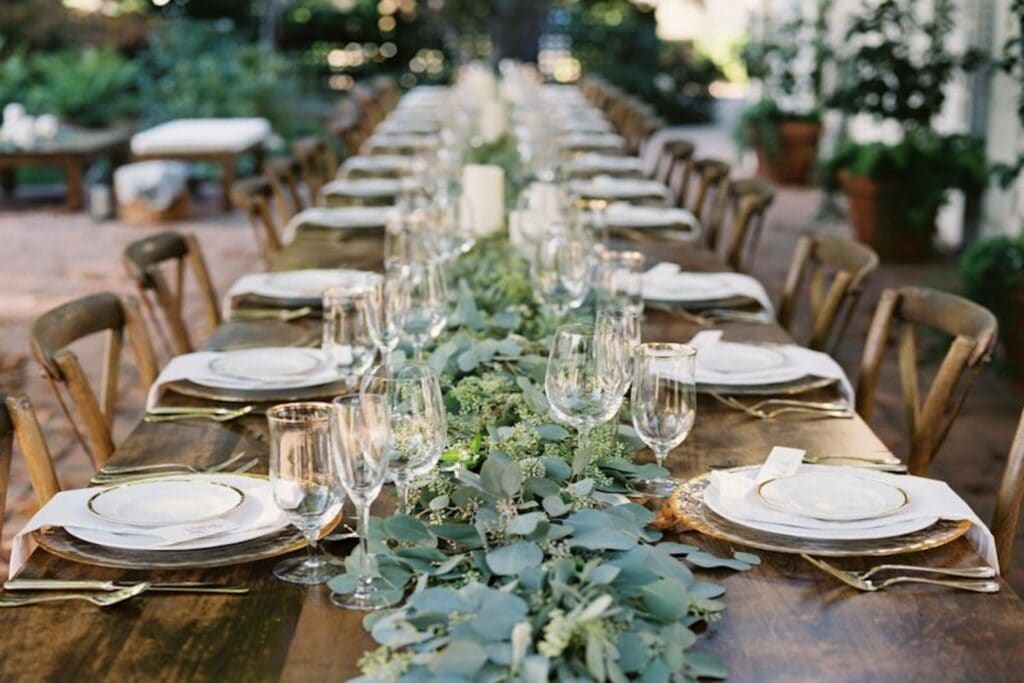
Hourly event venues are designed around how weddings actually operate. Instead of adapting a space meant for overnight stays, couples start with venues built for gatherings, vendors, and structured timelines. In Sacramento, this shift simplifies planning while reducing financial and logistical friction.
The advantages are not abstract. They show up in clearer budgets, stronger vendor collaboration, and fewer day-of surprises. Each benefit below directly addresses common pain points couples encounter with Airbnb.
You pay for hours, not empty nights
Hourly pricing mirrors how weddings actually unfold. You reserve time for setup, celebration, and breakdown without subsidizing unused bedrooms. This model is especially valuable in Midtown and Downtown, where nightly rates spike and availability tightens during popular seasons. The financial clarity alone reshapes the rest of the budget.
Event approval removes uncertainty
Spaces designed for events allow weddings by default. There is no need to downplay your plans or worry about sudden cancellations. That certainty allows you to book vendors, communicate clearly with guests, and build timelines that hold.
Vendor freedom supports Sacramento style
Event venues typically welcome outside caterers, bartenders, musicians, and designers. For a city defined by its food and creative culture, that freedom matters. You can work with local professionals who understand seasonal menus, outdoor flow, and Sacramento-specific logistics.
Built in amenities reduce rentals
Many event spaces include prep kitchens, sound systems, tables, chairs, climate control, and accessible restrooms. These inclusions eliminate entire categories of rentals and delivery coordination from the planning process. During hot months, air conditioning and power capacity are not luxuries, they are necessities.
Hosts understand local logistics
Experienced event hosts know their neighborhood. They can advise on parking patterns, noise expectations, and permit nuances. That local knowledge prevents last minute surprises and helps your day move smoothly.
The result is a planning process that feels collaborative rather than defensive, and a wedding day that unfolds with confidence.
Matching venue types to different wedding styles
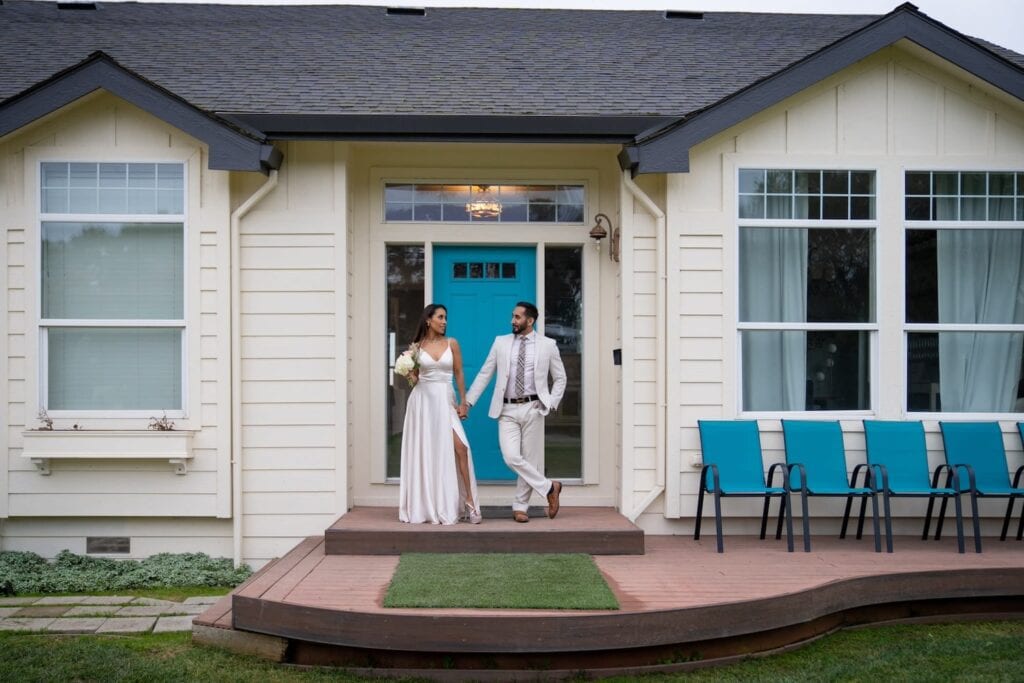
Choosing a venue works best when it supports the kind of wedding you actually want to host. Sacramento offers a wide range of event spaces, but each category functions differently once guests arrive and timelines unfold. Matching venue type to wedding style prevents layout conflicts and unnecessary rentals.
Rather than focusing on aesthetics alone, consider how each venue type handles flow, seating, sound, and vendor access. The sections below outline how different space categories support specific wedding formats.
Loft and warehouse spaces for modern celebrations
Converted warehouses and lofts near Midtown and the R Street Corridor offer open layouts and industrial character. These venues suit evening receptions, dance-focused celebrations, and weddings that transition fluidly from ceremony to party. Their flexibility allows for custom layouts and lighting-driven atmosphere.
Historic homes and mansions for intimate gatherings
Victorian homes and classic estates around East Sacramento and Land Park shine with smaller guest counts. These spaces support seated dinners, garden ceremonies, and daytime events where conversation and connection take center stage. Architectural detail often reduces the need for heavy decor.
Outdoor courtyards and gardens for seasonal events
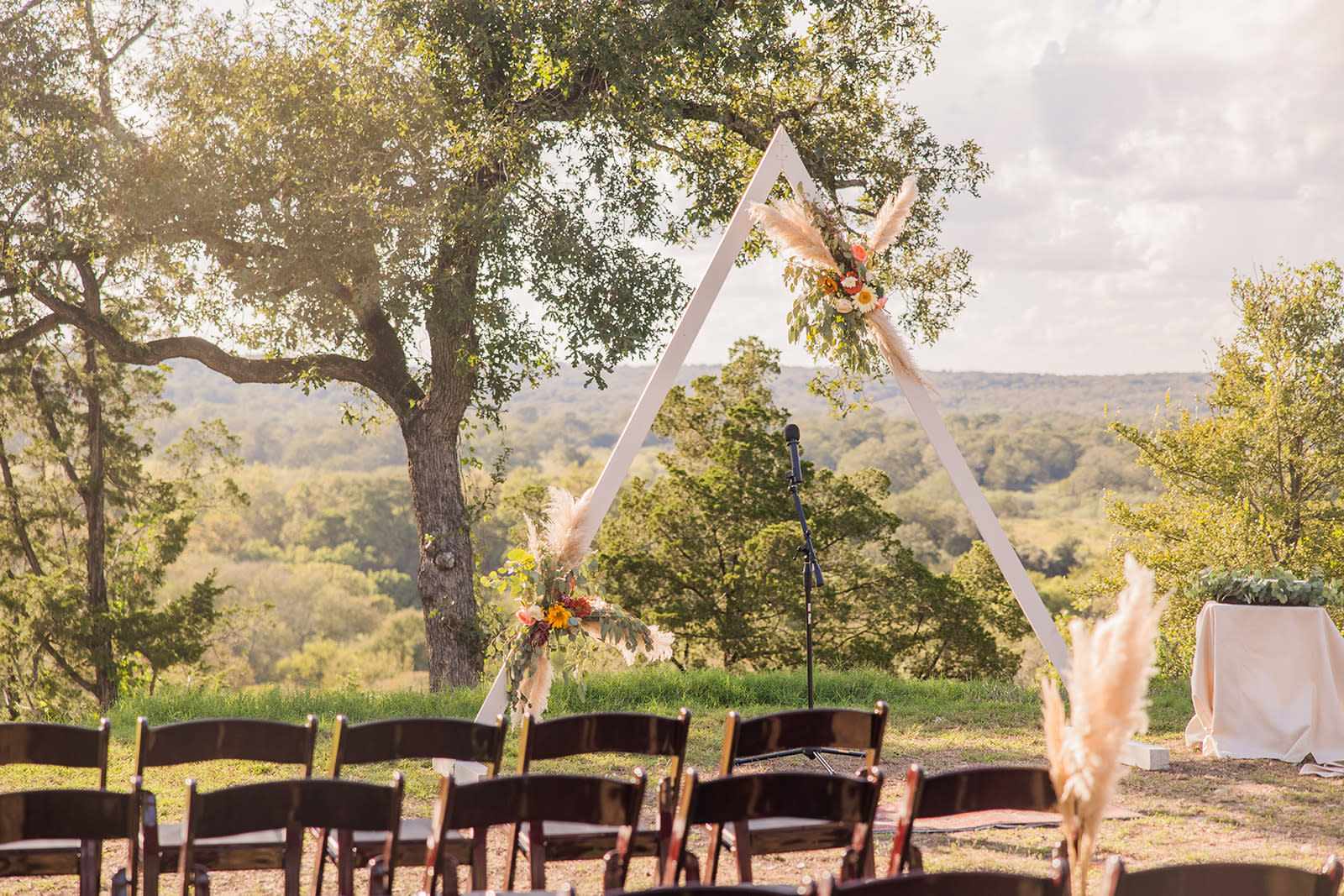
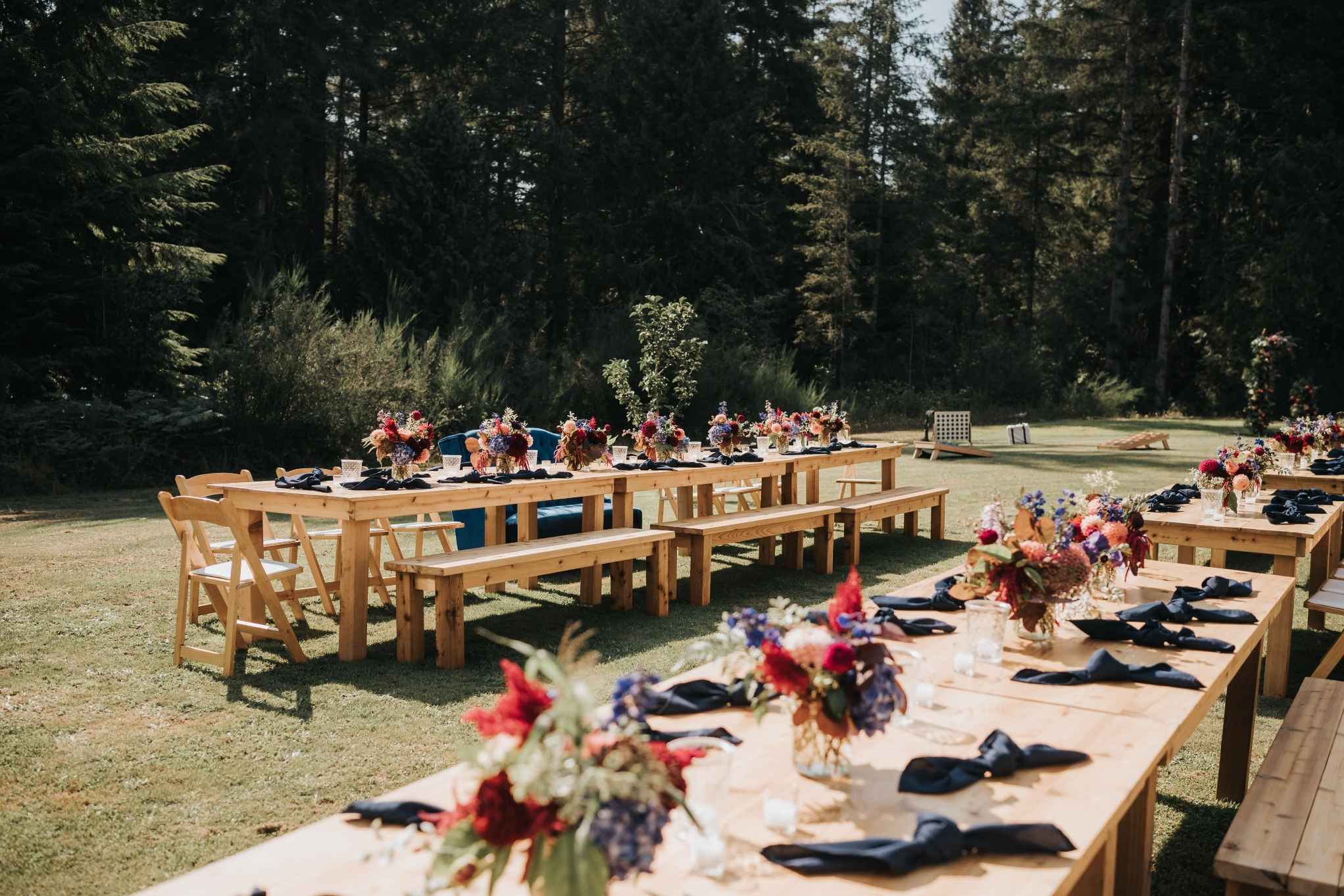
Garden venues near the American River Parkway or private courtyards Downtown create natural ceremony settings. These spaces feel relaxed and grounded, particularly in spring and early fall. Success here depends on shade, power access, and indoor contingency options.
Art galleries and studios for creative couples
Sacramento’s arts scene offers galleries and studios that double as wedding venues. These spaces appeal to couples drawn to minimalist design and unconventional layouts. They work well for cocktail receptions, curated seating, and weddings where the environment doubles as decor.
Restaurants and lounges for food forward weddings
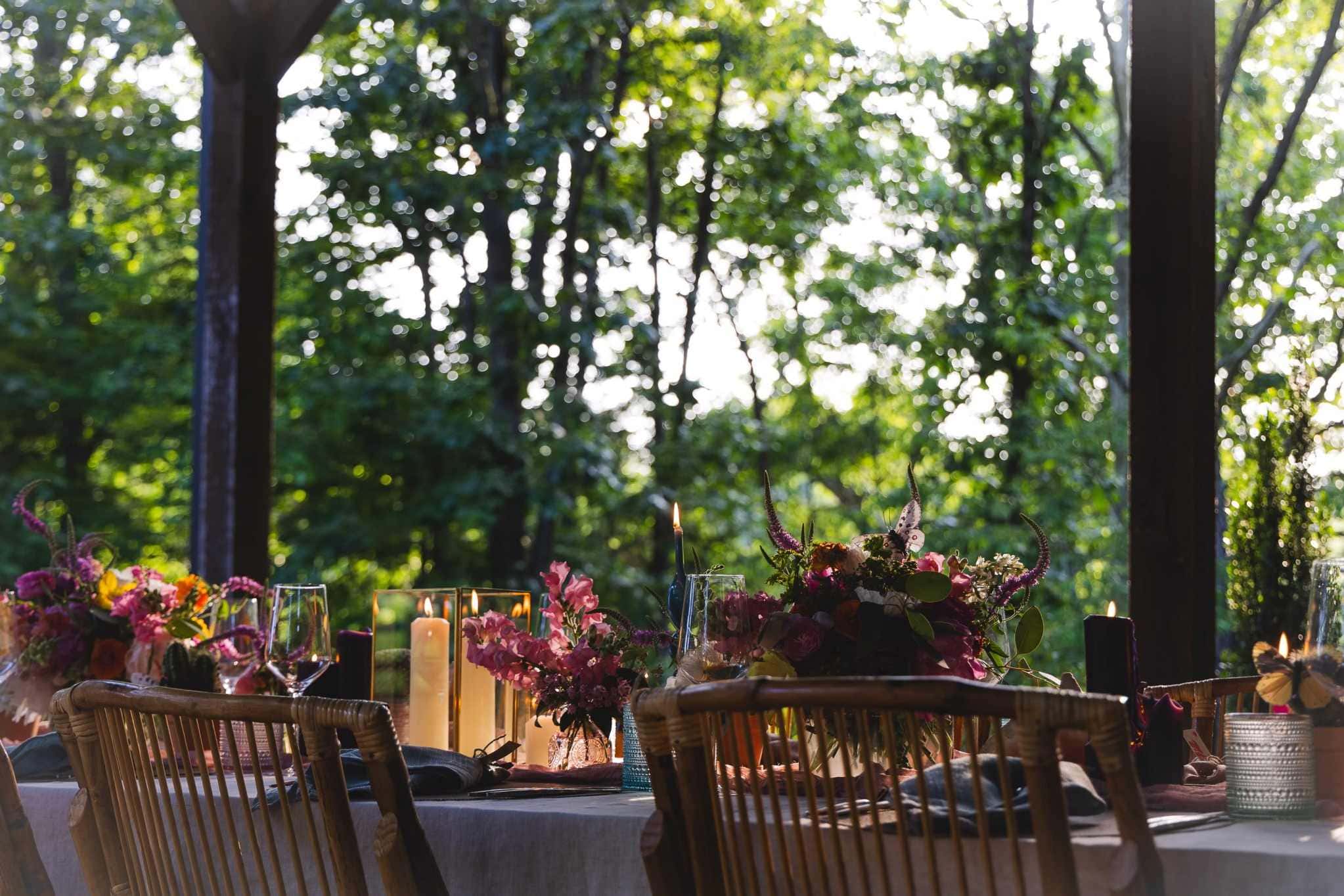
Private dining rooms and event friendly restaurants align perfectly with Sacramento’s farm to fork identity. These venues streamline staffing and catering while offering a warm, social atmosphere. They are ideal for smaller guest lists and evening celebrations.
Choosing a venue type that complements your wedding style simplifies dozens of downstream decisions.
Local neighborhoods and the weddings they suit best
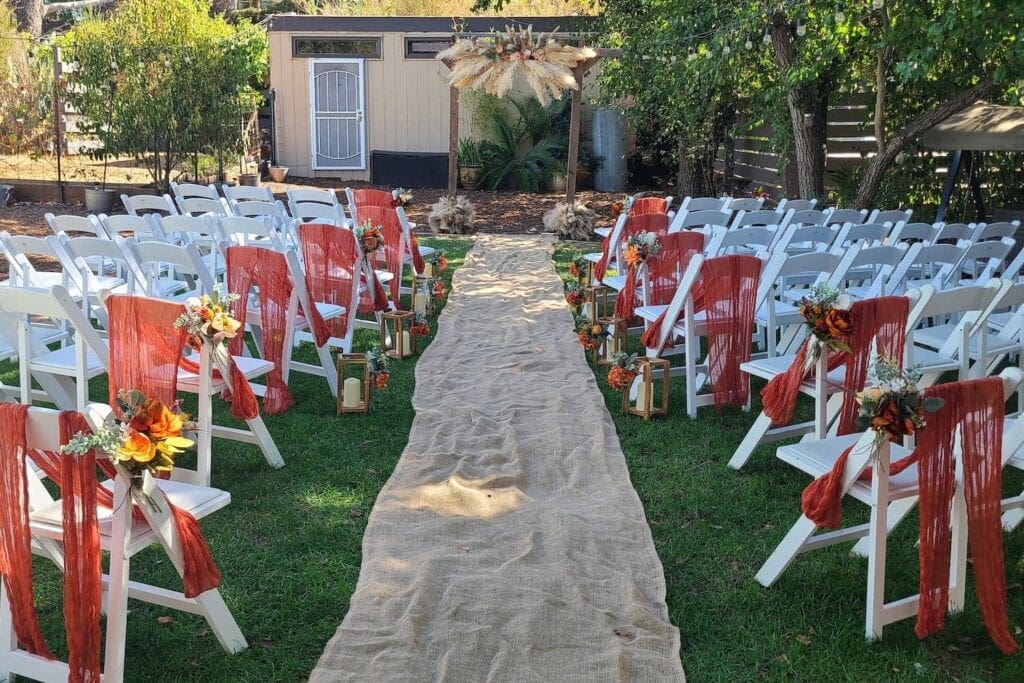
Where a venue is located influences guest experience just as much as the space itself. In Sacramento, neighborhood layout affects parking, transportation, noise expectations, and overall pacing of the day. These factors often determine whether a wedding feels relaxed or logistically tense.
Looking at neighborhoods through a planning lens helps couples anticipate tradeoffs and choose locations that align with their priorities. Below is how different areas of Sacramento tend to function for weddings.
Midtown and Downtown for walkable energy
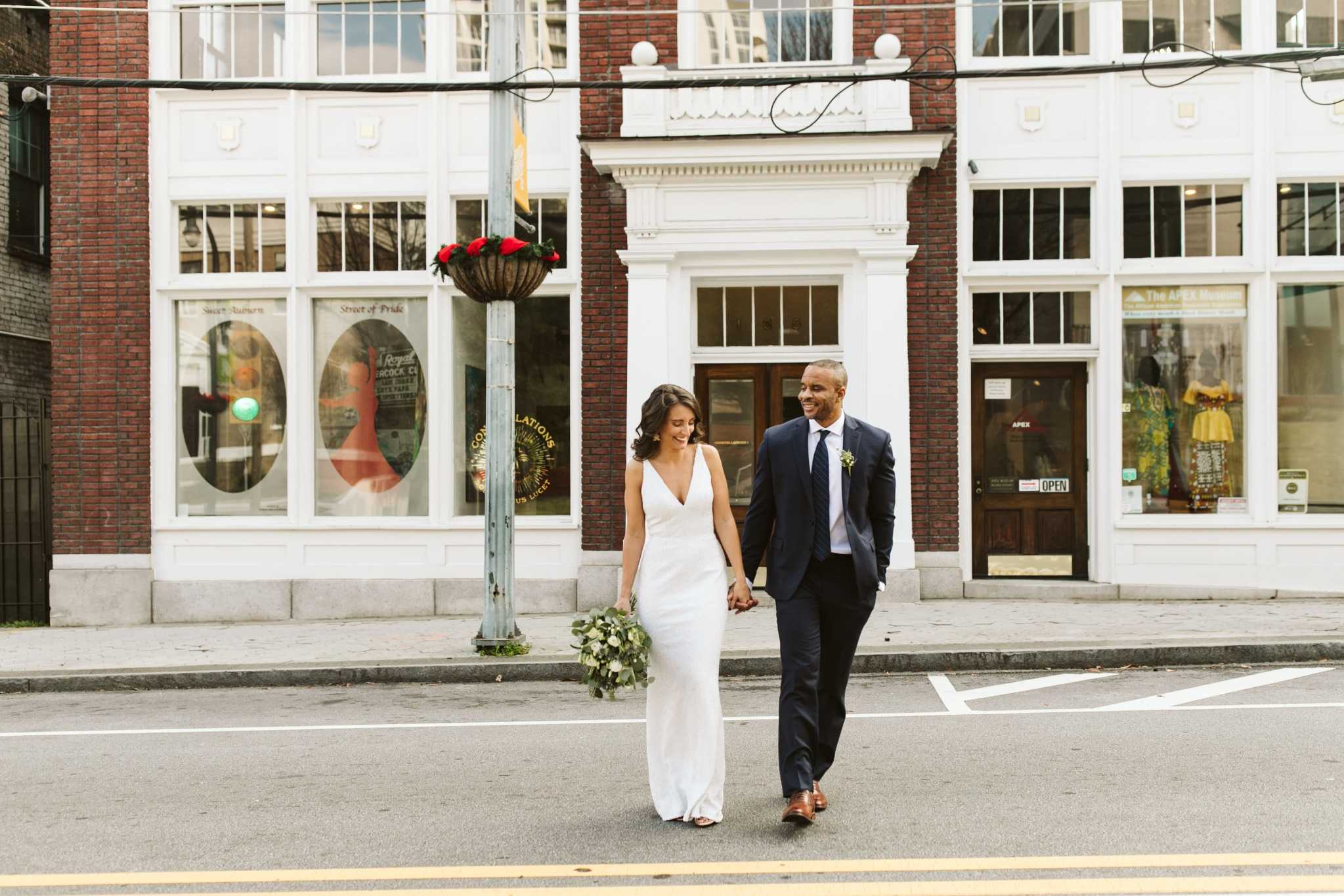
Midtown and Downtown venues benefit from proximity to hotels, bars, and restaurants. Guests can walk or rideshare easily, reducing parking stress. These areas suit modern weddings, multi-location weekends, and celebrations that extend beyond the venue walls.
East Sacramento for classic residential charm
East Sacramento offers tree-lined streets and timeless architecture. Weddings here feel polished and intimate, often favoring daytime ceremonies and seated dinners. Parking is calmer than Midtown but still benefits from clear guest guidance.
Land Park for garden inspired celebrations
Land Park’s larger lots and green spaces support outdoor ceremonies with a neighborhood feel. These venues work well for relaxed receptions and earlier end times. Noise sensitivity remains important, making thoughtful timelines essential.
Oak Park for creative and emerging venues
Oak Park’s revitalization has introduced studios and community spaces with strong character. These venues often offer better value and flexibility, appealing to couples who prioritize creativity over convention.
Riverfront and Delta edges for destination feel
Venues near the Sacramento River or Delta create a retreat-like atmosphere without leaving the region. These locations suit sunset ceremonies and weekend weddings with a slower pace and scenic emphasis.
Matching neighborhood personality to your vision enhances guest comfort and overall flow.
Planning details that matter more than you expect
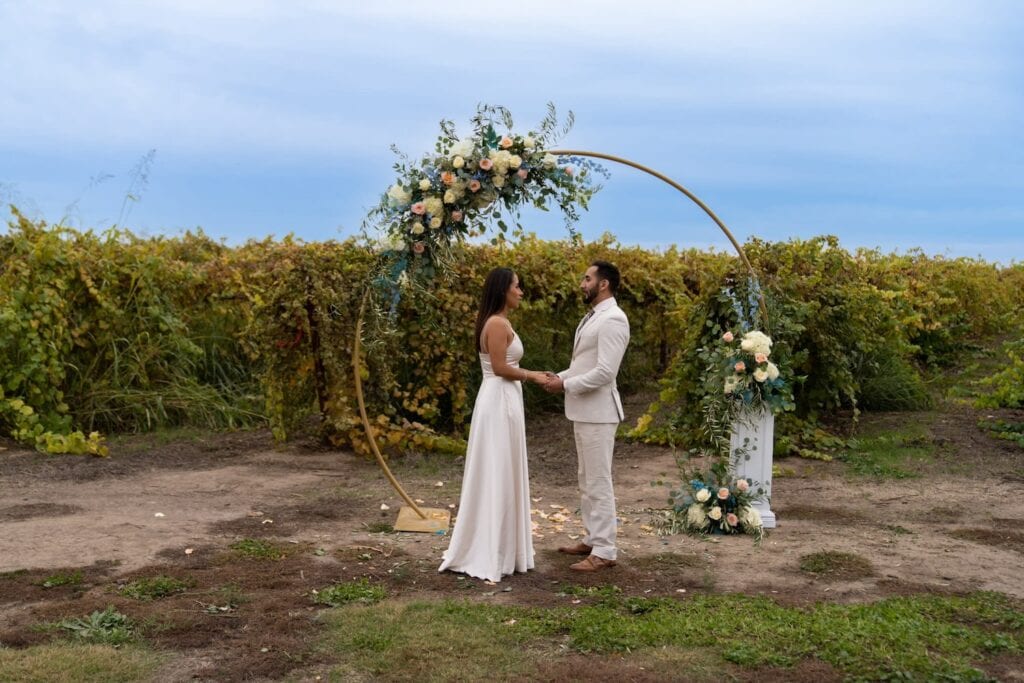
After securing a venue, smaller operational decisions often have the biggest impact on how a wedding feels. In Sacramento, climate, transportation, and neighborhood rules regularly shape guest comfort and timeline flow. These factors are easy to underestimate during early planning.
Addressing them proactively gives couples more control on the day itself. The considerations below consistently separate smooth celebrations from stressful ones.
Heat management and guest comfort
Sacramento heat plays a direct role in how guests experience a wedding, particularly from late May through early fall when daytime temperatures regularly climb into the 90s. For events with outdoor elements, comfort depends on more than providing shade. Where guests wait before the ceremony, how long they remain seated, and whether there are air conditioned spaces available during transitions all influence how heat is felt.
Planning with guest movement in mind makes a noticeable difference. Shaded arrival areas prevent guests from standing in direct sun, while limiting ceremony length helps avoid fatigue. Indoor cocktail hours or dinner transitions give guests time to cool down, and these outdoor wedding planning strategies help prioritize guest comfort when thinking through weather-driven decisions early. Practical measures like commercial grade shade, hydration stations placed in visible areas, and later start times help ensure heat supports the atmosphere rather than quietly draining it.
Parking and transportation flow
Parking challenges often surface after invitations are sent, when options are already limited. In Sacramento, street parking availability varies dramatically by neighborhood and time of day. Midtown and Downtown locations require clear planning to avoid guests circling blocks or arriving late and frustrated.
Effective solutions include identifying nearby garages, reserving small valet zones where allowed, and designating specific rideshare drop off points that do not block traffic. Communicating these details through a wedding website or pre-event email prevents confusion. When guests know exactly where to go, arrival becomes calm rather than chaotic.
Noise timing and neighborhood norms
Noise rules apply even to event-friendly venues, and enforcement can be strict depending on location. Sacramento neighborhoods differ in tolerance, but city ordinances set firm limits that cannot be negotiated on the day itself. Couples who assume flexibility often end up compressing key moments or cutting music early.
The most reliable approach is confirming amplified sound cutoffs in writing and building timelines that respect them. Planning a high energy dance set earlier in the evening or transitioning to lower volume experiences later keeps momentum without risking intervention. Respecting neighborhood norms protects both the celebration and the relationship with the venue.
Seasonal availability of local vendors
Sacramento’s food and floral culture is deeply seasonal. Many caterers build menus around what is available locally, and florists rely on regional growing cycles. Couples who delay booking may find that preferred vendors or ingredients are unavailable during peak wedding months.
Securing vendors early allows for menu planning that aligns with the season and avoids substitutions that feel reactive. Early conversations also help vendors advise on weather considerations, portion adjustments for heat, and timing strategies that suit Sacramento conditions.
Setup and breakdown realism
Hourly venues offer flexibility, but only when setup and teardown are planned honestly. Couples often underestimate how long rentals, florals, catering equipment, and furniture take to load in and clear out. Rushed transitions create stress and increase the risk of overtime fees.
Building buffer time into your booking protects the experience. This includes allocating dedicated hours for setup before guests arrive and sufficient time at the end for vendors to dismantle without pressure. A realistic timeline keeps the focus on the celebration rather than the clock.
Addressing these details proactively preserves your energy, your budget, and your timeline.
Designing different wedding formats within one venue
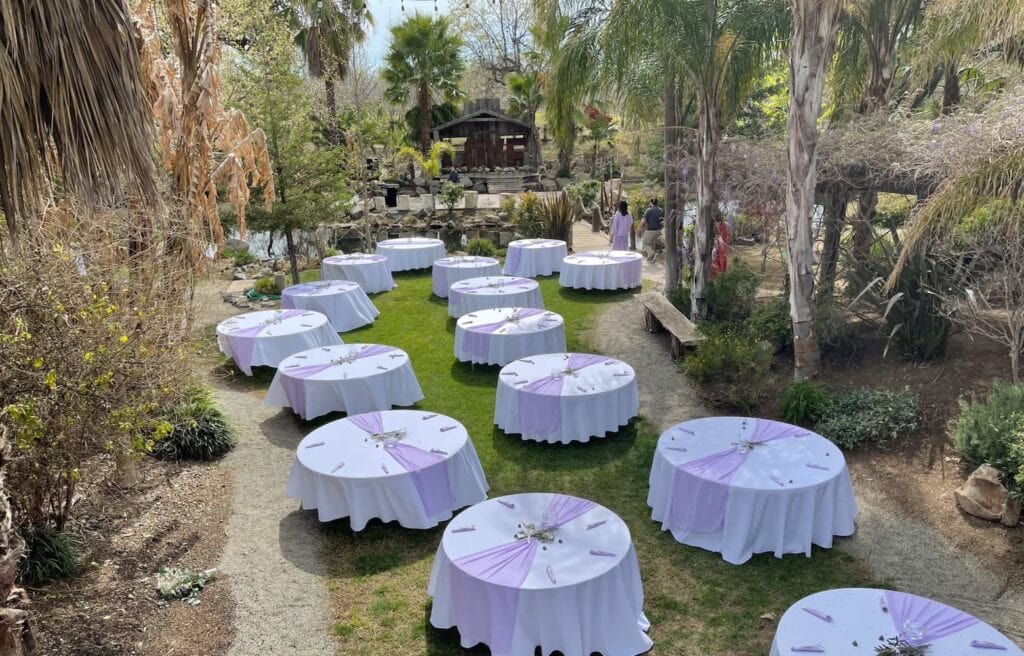
Many Sacramento venues are flexible enough to host multiple parts of a wedding within a single booking, but flexibility alone does not guarantee a smooth experience. The format you choose determines how guests move, how vendors operate, and how energy builds throughout the day. Treating format as a strategic decision rather than a stylistic one helps couples avoid congestion, rushed transitions, and budget creep.
When planned intentionally, a single venue can support multiple moments without feeling overloaded. The formats below break down how each option functions in practice, including timeline implications, staffing considerations, and where couples most often run into friction.
Ceremony and reception in one flow
Hosting both ceremony and reception in the same space reduces transportation stress and keeps guests mentally present. This format works best in venues with clearly defined zones or enough square footage to reset the room efficiently. Couples should plan a short intermission such as a cocktail hour that allows staff to rearrange seating, adjust lighting, and reset sound without guests feeling displaced.
Key considerations include minimizing furniture moves, choosing ceremony layouts that convert easily to dining arrangements, and confirming how long the reset realistically takes. When transitions are smooth, the day feels cohesive rather than segmented.
Cocktail-style receptions
Cocktail-style receptions emphasize movement, conversation, and flexibility. They typically require fewer rentals than seated dinners, but demand more intentional pacing. Guests need clear signals about when food is served, where to gather, and how the evening will progress.
This format benefits from multiple food stations, visible bar placement, and defined lounge areas that encourage circulation without bottlenecks. Staffing levels should support continuous service rather than fixed courses, and timelines should avoid long gaps that leave guests wondering what comes next.
Brunch and daytime weddings
Daytime weddings shift the entire planning equation. Earlier start times take advantage of cooler temperatures and natural light while often reducing venue and vendor costs. These formats work well for couples prioritizing intimacy and conversation over late night dancing.
Successful brunch weddings rely on efficient timelines, as guests expect a more compact event. Menu pacing, beverage service, and music should match the lighter energy of the day. Ending earlier also allows couples to host optional evening gatherings without extending the primary venue booking.
Micro weddings with elevated detail
Micro weddings focus resources on quality rather than scale, but their biggest advantage is how intentionally the experience can be shaped. With fewer guests to accommodate, couples can prioritize thoughtful layouts, meaningful details, and moments that feel shared rather than staged. Instead of managing a crowd, the focus shifts to how people gather, move, and connect throughout the day.
These formats work best in venues that support close interaction without feeling cramped. Seating arrangements should encourage conversation, ceremony setups should feel personal rather than distant, and transitions between moments should feel natural instead of overly choreographed. Couples often draw inspiration from these small wedding ideas at home that emphasize creative layouts, personalization, and making limited space feel intentional.
Welcome dinners and after parties
Using the main venue for a focused ceremony and reception while hosting additional gatherings elsewhere helps manage energy and costs. Welcome dinners create connection before the wedding day, while after parties allow celebrations to continue without extending venue hours.
Coordination matters here. Clear communication ensures guests know what is optional and where to go next. Choosing nearby locations minimizes transportation issues and keeps momentum without overwhelming the core event.
Choosing a format intentionally allows one venue to support multiple moments while preserving flow, budget control, and guest comfort.
Where Sacramento weddings truly come together
Planning a wedding in Sacramento is less about finding a beautiful backdrop and more about choosing a space that supports how weddings actually function. While Airbnb listings can appear flexible at first glance, their pricing structure, restrictions, and uncertainty often work against smooth planning and guest comfort.
Event-ready, hourly venues offer a clearer path forward. They align costs with actual usage, welcome vendors openly, and provide the infrastructure needed for a well-paced celebration. When your venue supports the flow of the day, everything else becomes easier, from vendor coordination to guest experience.
Find the perfect Sacramento wedding venue on Peerspace.
In this article
- Why Airbnb wedding venues create major problems
- Why Peerspace venues work better than Airbnb for weddings
- Matching venue types to different wedding styles
- Local neighborhoods and the weddings they suit best
- Planning details that matter more than you expect
- Designing different wedding formats within one venue
- Where Sacramento weddings truly come together
In this article
- Why Airbnb wedding venues create major problems
- Why Peerspace venues work better than Airbnb for weddings
- Matching venue types to different wedding styles
- Local neighborhoods and the weddings they suit best
- Planning details that matter more than you expect
- Designing different wedding formats within one venue
- Where Sacramento weddings truly come together
Get together somewhere better
Book thousands of unique spaces directly from local hosts.
Explore SpacesShare your space and start earning
Join thousands of hosts renting their space for meetings, events, and photo shoots.
List Your Space