How & Where to Rent an Airbnb Party Venue in Austin (2026)
-

Contributing Writer -

Lead Editor & Publisher
- January 13, 2026
- 13 min read
- Events
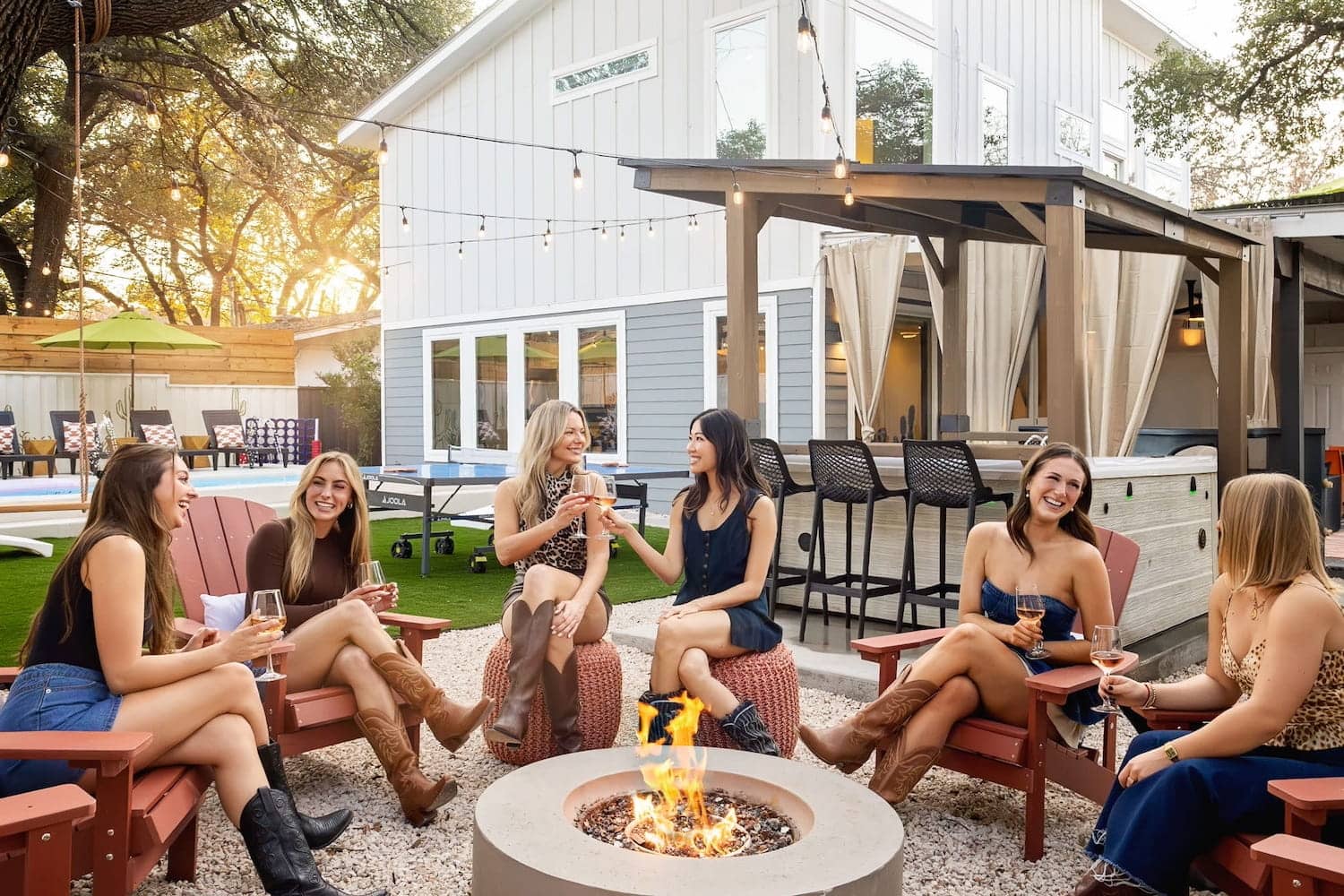
Source: Peerspace
Austin has a reputation for doing things its own way. Parties here tend to be creative, music driven, food obsessed, and shaped by the city’s neighborhoods just as much as the guest list. It is common for hosts to begin their venue search with Airbnb, picturing a stylish house or loft as the backdrop for a birthday, engagement party, or milestone celebration. The idea feels approachable, familiar, and easy to visualize.
What many hosts discover, however, is that Austin’s local rules and event culture often clash with short-term rentals. Noise limits, guest restrictions, and pricing structures built for overnight stays can turn a simple plan into a stressful one. This guide walks through the realities of hosting parties in Austin, explains where Airbnb typically breaks down, and offers concrete guidance on how to find spaces that actually support the type of event you want to host.
Why Airbnbs mean party problems in Austin

Before getting into neighborhoods and venue styles, it helps to understand why Airbnb frequently introduces friction for parties in Austin. These issues are not edge cases. They show up repeatedly for locals hosting birthdays, graduations, and celebrations that last longer than a quiet dinner.
By looking at how Airbnb is structured versus how events actually work, hosts can avoid last minute surprises and plan with far more confidence from the start.
The platform-wide party ban
Airbnb enforces a global ban on parties and events across all listings. Even small gatherings can fall into a gray area if there is music, multiple visitors, or vendors involved. While some hosts may privately say an event is fine, the platform itself still retains the ability to cancel bookings if activity appears to violate policy.
In a city like Austin, where guests often arrive in waves and music is part of the social fabric, this uncertainty creates constant stress. Hosts are left wondering whether their event might be flagged, even after confirming details in advance. That risk alone is enough to derail planning for many people.
Nightly pricing that rarely matches how parties work
Most parties unfold over a defined window of time. There is setup, the event itself, and then cleanup. Airbnb pricing forces hosts to pay for full nights, and often multiple nights, even when the gathering only lasts a few hours. In popular Austin neighborhoods like East Austin or Zilker, those nightly rates can climb quickly, especially on weekends.
For local hosts who do not need overnight accommodations, this structure leads to quiet overspending. Money goes toward bedrooms that sit empty rather than toward food, music, décor, or entertainment. Over time, this mismatch between pricing and actual use becomes one of the biggest frustrations people experience when trying to use Airbnb for parties.
Austin noise ordinances and neighbor sensitivity
Austin neighborhoods are particularly sensitive to noise, especially after 10 p.m. Areas like Travis Heights, Clarksville, and parts of South Austin see frequent complaints related to gatherings. Even moderate music levels can trigger a call from a neighbor, which may result in the party being shut down early.
Residential Airbnbs offer little protection in these situations. There is no buffer between the event and nearby homes, and hosts rarely have sound mitigation features. What begins as a relaxed celebration can quickly become tense once noise enforcement enters the picture.
Vendor restrictions that limit creativity
Many Airbnb listings restrict or outright prohibit outside vendors. This can include caterers, bartenders, DJs, rental companies, or food trucks. In Austin, where local vendors often define the personality of an event, these limits can flatten plans before they even begin.
Without access to trusted vendors, hosts are forced to compromise on food quality, music, or overall experience. For celebrations that are meant to feel personal and expressive, these restrictions can make the space feel more limiting than inspiring.
Homes not built for guest flow
Residential homes are designed for daily living, not for managing dozens of guests at once. Parking becomes an immediate issue, especially in dense neighborhoods. Inside, bathrooms bottleneck, hallways clog, and furniture layouts fight against natural movement.
These limitations affect the energy of the party itself. Instead of flowing naturally, guests cluster in awkward ways, and hosts spend the evening managing logistics rather than enjoying the moment. Over time, these structural issues become impossible to ignore.

Why Peerspace helps you plan the perfect Austin party

When hosts compare these challenges with how event-focused venues operate, the difference becomes clear. Peerspace approaches space rental from the perspective of gatherings, not overnight stays, which fundamentally changes the planning experience.
Rather than working around rules designed for lodging, hosts can plan openly and intentionally around their event’s actual needs.
Pay for hours, not unused nights
Peerspace venues are booked by the hour, which aligns with how parties are actually structured. Hosts can reserve time for setup, the event itself, and teardown without paying for unused nights or meeting minimum stay requirements.
This model allows budgets to stretch further. Instead of absorbing the cost of empty bedrooms, hosts can invest in elements that guests actually experience, such as food, entertainment, or interactive details.
Venues that welcome events openly
Every Peerspace listing is intended for events, which removes the need to downplay plans or worry about policy violations. Hosts can be upfront about guest counts, music, vendors, and timelines from the start.
This transparency reduces stress and eliminates the fear of last minute cancellations. Knowing that the space is event approved allows hosts to focus on creative decisions rather than damage control.
Fewer vendor limitations
Many Peerspace venues allow outside catering, bartenders, musicians, and rental companies. This flexibility is especially valuable in Austin, where local food trucks, live music, and specialty vendors often define the character of a party.
With fewer restrictions, hosts can build an experience that feels intentional and distinctly Austin, rather than generic or constrained by house rules.
Transparent rules and pricing
Peerspace listings clearly outline capacity limits, amenities, and policies. Pricing is visible upfront, making it easier to plan without hidden fees or surprises.
This clarity supports confident decision making. Hosts know exactly what they are booking and how the space can be used, which simplifies coordination with guests and vendors alike.
Spaces designed for flow and atmosphere
Event venues are designed to handle groups. Entrances, restrooms, and open areas support movement and social interaction instead of interrupting it.
As a result, the energy of the party feels more natural. Guests can circulate, music can play at appropriate levels, and the space works with the event rather than against it.
Types of parties that are awesome in Austin
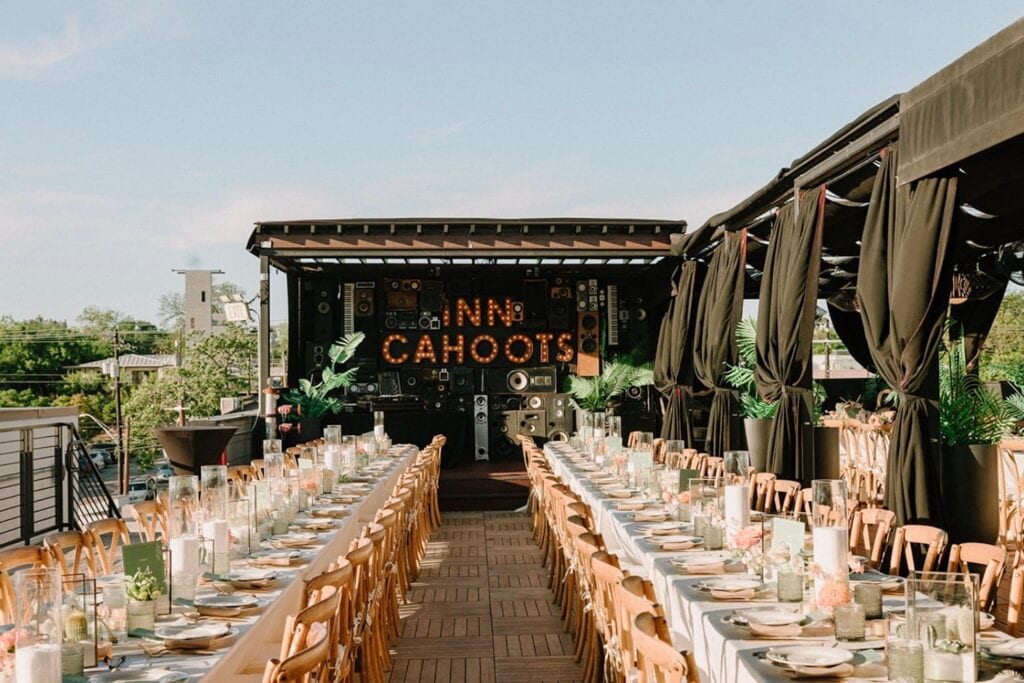
Austin’s event scene is diverse, and different types of celebrations benefit from different kinds of spaces. Matching the venue to the occasion makes planning easier and elevates the overall experience.
By thinking through how each event unfolds, hosts can choose spaces that naturally support the vibe they want to create.
Birthday parties that feel personal, but polished
Milestone birthdays often call for spaces that feel celebratory without being overly formal. Lofts, studios, and private lounges offer flexibility for music, dancing, and conversation. These spaces allow hosts to personalize décor and layouts without worrying about residential limitations.
Because many of these venues are centrally located, guests can arrive easily and leave on their own schedule. The result is a birthday celebration that feels intentional, social, and well paced.
Engagement and anniversary celebrations
Engagement parties and anniversaries often benefit from venues with natural light, patios, or garden access. These features create a relaxed atmosphere that encourages mingling and conversation.
Choosing a space designed for gatherings also simplifies photography and catering. Hosts can focus on connection rather than managing logistics throughout the evening.
Bachelorette and bachelor parties with structure
Instead of relying on a single house for an entire night, many groups use event venues as a structured starting point. Private cocktail hours, themed pre-game gatherings, or curated dinners set the tone before heading out.
This approach keeps the celebration focused and avoids noise concerns. It also gives the group a clear anchor for the evening without the risks associated with residential rentals.
Graduation and milestone achievements
Graduations and professional milestones often bring together guests of different ages and backgrounds. Venues with flexible seating, accessible layouts, and catering options make these events easier to manage.
Daytime friendly spaces are especially useful for family-focused celebrations. They allow hosts to honor the achievement while keeping the event comfortable and inclusive.
Across all of these event types, the common thread is fit. When the space is chosen with the flow, timing, and tone of the celebration in mind, planning becomes simpler and the event itself feels more cohesive and memorable.
Planning logistics that matter more than décor
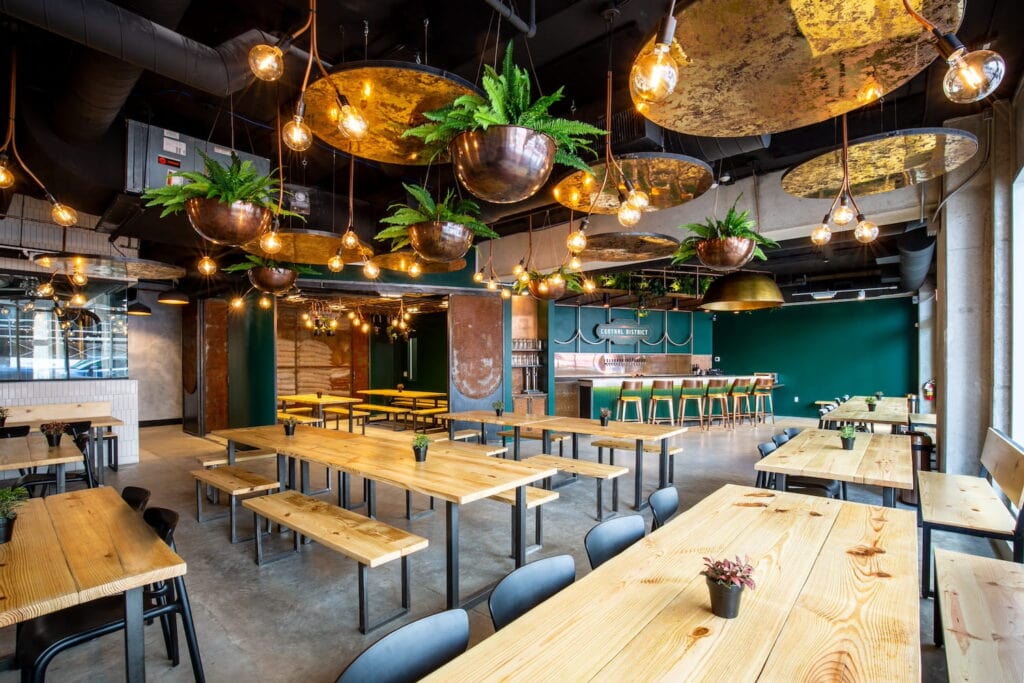
Décor sets the mood, but logistics determine whether a party actually runs smoothly. Issues with timing, sound, or access tend to surface mid event if they are not addressed early. Thoughtful planning in this area prevents small problems from becoming major distractions.
Strong venue choices solve many logistical challenges automatically, but hosts should still plan intentionally to protect the flow and energy of the event.
Guest count realism
Choosing a space that comfortably fits your actual guest list is one of the most important decisions you will make. Overcrowding amplifies noise, strains amenities, and increases stress for both hosts and guests. Even a beautiful space can feel uncomfortable if it is packed too tightly.
A venue that feels slightly spacious allows people to circulate naturally and gives the event room to breathe. This balance keeps energy high without crossing into chaos.
Music and sound control
Music is central to many Austin parties, but sound management requires more than a good playlist. Hosts should confirm speaker limits, sound systems, and any curfews before booking. Knowing whether a venue supports DJs, live music, or amplified sound shapes the entire timeline.
Clear expectations around volume help prevent disruptions and allow hosts to design the evening with confidence. Sound control is especially important for events that transition from day to night.
Parking and transportation
Parking access affects guest experience more than most hosts anticipate. Venues near rideshare hubs, garages, or major roads reduce friction and keep arrivals smooth. In denser areas, limited parking can lead to neighbor complaints or delayed starts.
Clear communication about transportation options helps guests plan ahead and keeps the event running on schedule. This is especially important for larger gatherings.
Setup and breakdown windows
Hourly venues require realistic scheduling for setup and teardown. Vendors need time to load in, arrange equipment, and test systems before guests arrive. Rushing these steps often leads to visible issues during the event.
Building buffer time into your booking protects the quality of the experience and reduces stress at both ends of the event.
Weather contingencies
Outdoor or hybrid venues should always have a backup plan. Austin weather can shift quickly, particularly in spring and early summer. Rain, wind, or extreme heat can change guest comfort dramatically.
Confirming indoor alternatives or covered options ensures the event remains enjoyable regardless of conditions.
Seasonal timing and availability
Austin’s event calendar follows predictable seasonal patterns, with spring and fall consistently ranking as the busiest times for parties and gatherings. During these months, popular venues book quickly and schedules fill up well in advance. Understanding this rhythm is essential when coordinating logistics like vendor availability, delivery windows, and setup timing.
Booking early during peak seasons creates breathing room across the entire planning process. With the venue secured, hosts have more flexibility to align vendors, finalize layouts, and make thoughtful adjustments instead of rushing decisions. This extra lead time often translates into smoother logistics and a noticeably calmer event day.
When logistics are handled thoughtfully, they fade into the background. Guests experience a party that feels effortless, and hosts are free to stay present instead of troubleshooting. With timing, communication, and setup planned early, logistics support the celebration without calling attention to themselves.
Amenities that elevate the experience

Beyond visual appeal, certain amenities quietly shape how an event feels. These features support vendors, guests, and hosts throughout the duration of the party. Looking past surface aesthetics often reveals whether a space is truly event ready.
Choosing a venue with the right amenities reduces improvisation and allows the focus to remain on the celebration itself.
Commercial grade kitchens or prep areas
Proper prep space simplifies catering and improves food service flow. Vendors can work efficiently without disrupting guests or occupying social areas. This becomes especially important for events with multiple courses or live food elements.
A well-equipped prep area helps maintain pacing and presentation throughout the event.
Flexible furniture
Movable tables and seating allow the space to evolve as the event unfolds. Hosts can shift from mingling to dining to dancing without awkward rearrangements. Fixed layouts often limit how the party can develop.
Flexibility supports a more dynamic and engaging experience for guests.
Built in sound systems
Professional sound systems improve audio quality and reduce the need for external rentals. They also provide better volume control, which helps manage noise responsibly. Reliable sound infrastructure supports music without overwhelming conversation.
This balance is key for events that blend socializing and entertainment.
Outdoor access
Patios, courtyards, or terraces give guests space to circulate and decompress. Outdoor areas also help manage noise levels and add visual interest to the venue. For longer events, this additional space improves comfort significantly.
Outdoor access often becomes one of the most appreciated features by guests.
Across all amenities, the most valuable ones are not always the most visible. When a venue offers both experiential and functional amenities, hosts spend less time adapting the space and more time enjoying how the event unfolds. That balance is what allows a party to feel polished without feeling overproduced.
Hosting an Austin party without fighting the venue
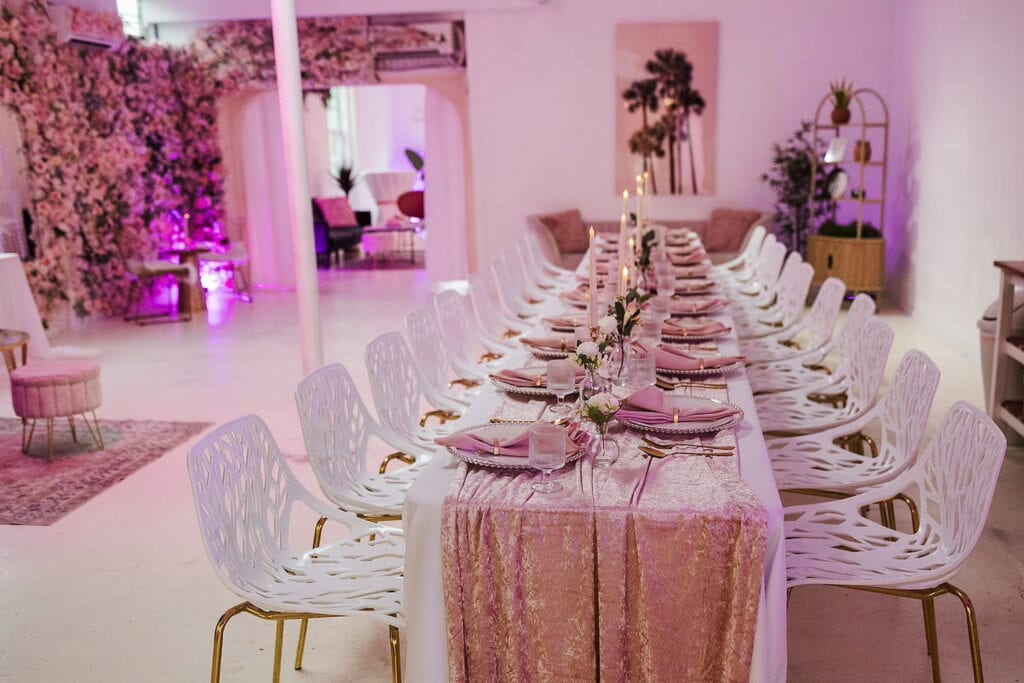
By the time most people start planning a party, they already have a vision in mind. The music, the food, the people they want in the room. What often derails that vision is not a lack of creativity, but a space that was never meant to support it. In Austin especially, the wrong venue can quietly introduce stress through noise complaints, wasted budget, and constant compromises.
The through line across every successful Austin party is alignment. When the space matches how the event actually unfolds, everything else becomes easier. Guests move naturally, vendors can do their jobs well, and hosts are free to be present instead of managing problems. That alignment rarely happens by accident. It comes from choosing venues that are designed for gatherings, priced for real timelines, and positioned in neighborhoods that support the energy you want to create.
Austin offers no shortage of places to celebrate, but not all of them are built to host. When you step away from platforms designed for overnight stays and toward event-ready spaces, planning shifts from reactive to intentional. The venue stops being the thing you work around and becomes the thing that carries the experience forward. That is when parties stop feeling fragile and start feeling grounded, confident, and worth the effort it took to bring them together.
If you want to explore Austin venues that are actually designed for hosting, Peerspace is the perfect place to start.
In this article
Get together somewhere better
Book thousands of unique spaces directly from local hosts.
Explore SpacesShare your space and start earning
Join thousands of hosts renting their space for meetings, events, and photo shoots.
List Your Space