Private Dining Room vs. Event Space: Which Is Right for Your Event?
-

Content Marketing Manager -

Client Services Leader
Source: Peerspace
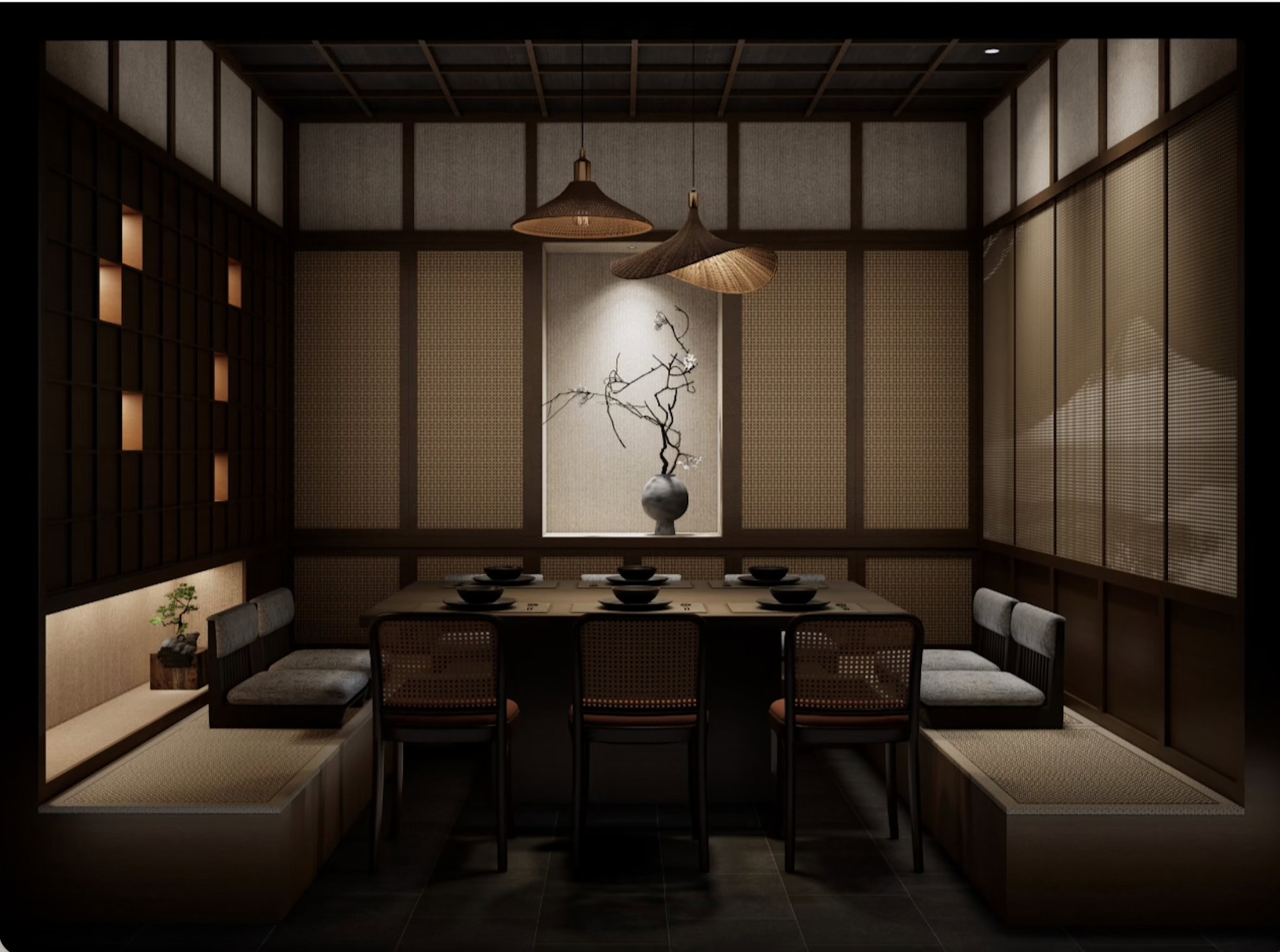
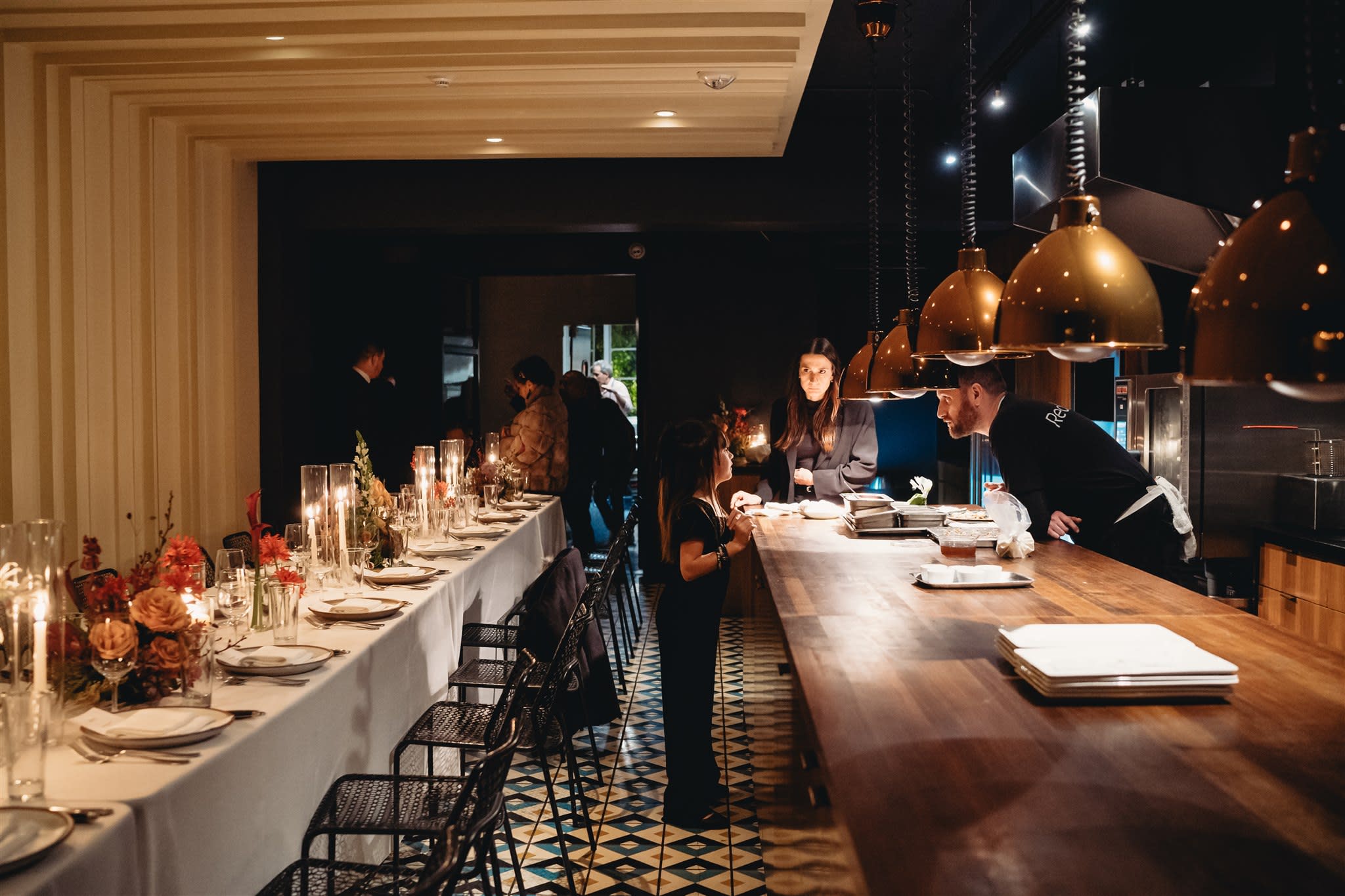
Choose a private dining room if you want a restaurant or bar to handle food, drinks, and service for a seated meal. Choose an event space if you need more room or a flexible layout. Some event spaces are all inclusive, with in-house catering and a bar; others are rental-only, so you bring your own caterer.
Both can host a memorable dinner, celebration, or team event. The right choice depends on the setting and format you want, and on whether you’d like the venue or your own vendors to handle food and drinks.
What’s the difference?
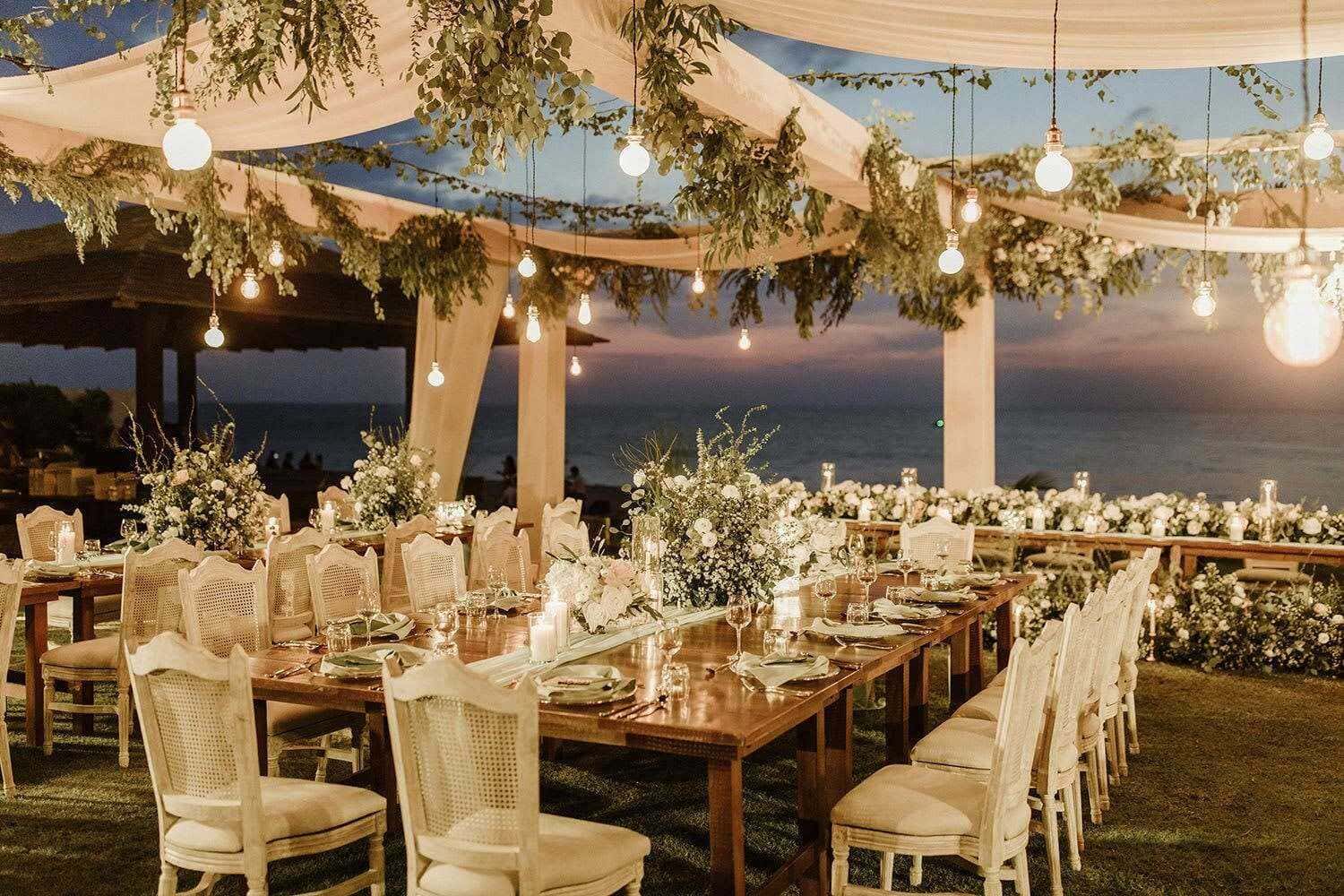
A private dining room is a reserved room inside a restaurant or bar, where the venue’s kitchen, bar, and staff take care of your group. Private dining rooms usually price events with a food and beverage minimum. An event space is a venue set up for gatherings, such as a loft, gallery, studio, rooftop, or warehouse.
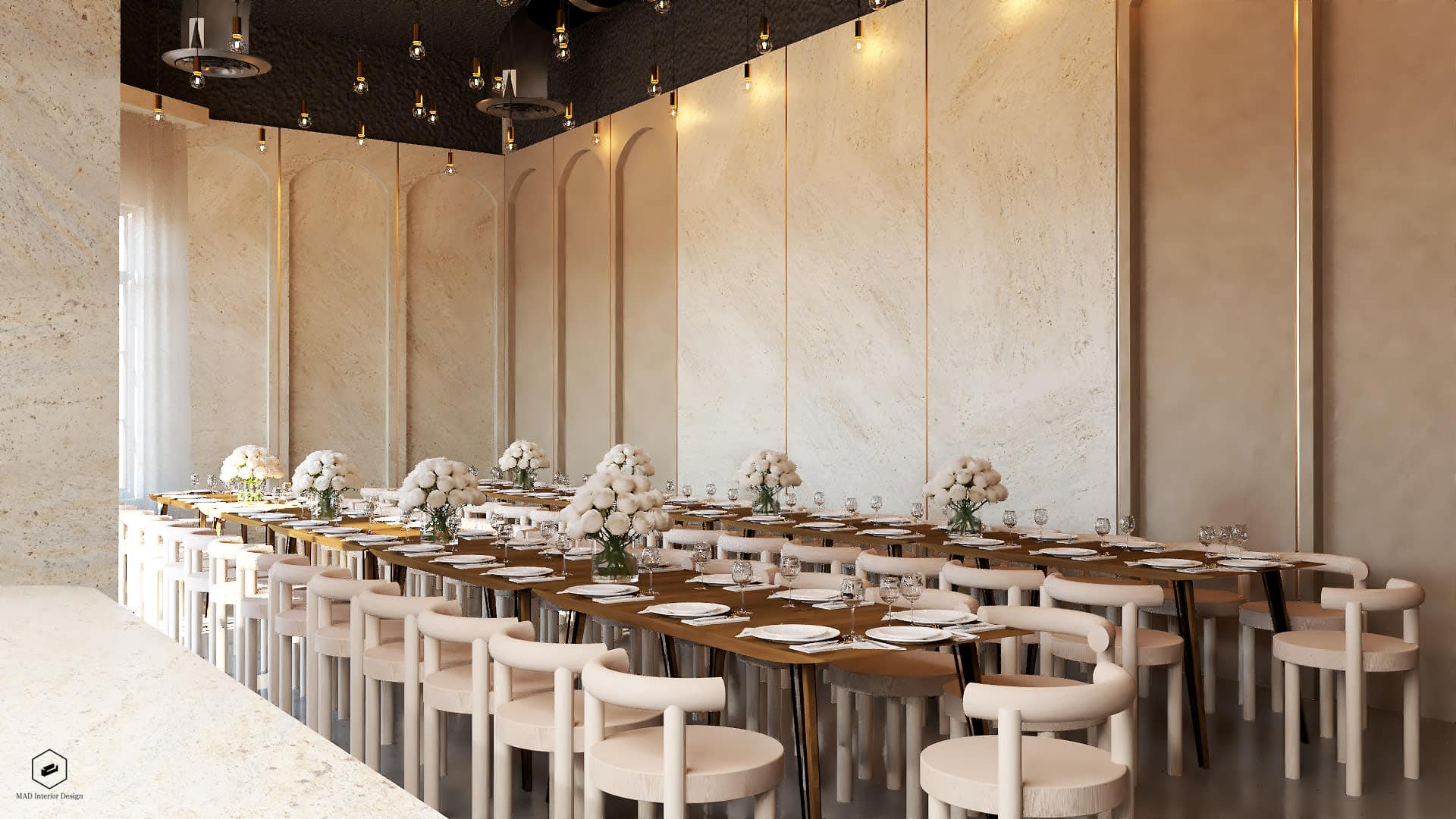
Event spaces come in two types, so check the listing before you plan around one. All inclusive event spaces provide in-house catering and bar service, much like a restaurant, and often use a food and beverage minimum. Rental-only event spaces charge an hourly or flat rental fee, and you bring in the food, drinks, and vendors.

At a glance: how they compare
- Pricing: A private dining room typically uses a food and beverage minimum. An all inclusive event space may too, while a rental-only space charges a rental fee and catering is extra.
- Food and drinks: A private dining room serves its own menu and bar. An all inclusive event space does the same, while a rental-only space lets you bring in a caterer, food trucks, or a bartending service.
- Staff: A private dining room includes servers and bartenders, and so does an all inclusive event space. At a rental-only space, your caterer or other hired vendors usually provide staff.
- Setup and decor: A private dining room comes set for dining, with limited changes. An event space usually offers more freedom with layout, lighting, and decor.
- Timing: A private dining room often works around the restaurant’s regular service. An event space gives you a set rental window, including time to set up and clean up.
- Planning effort: A private dining room or all inclusive event space means fewer vendors to manage. A rental-only space means more coordination, and more creative control.
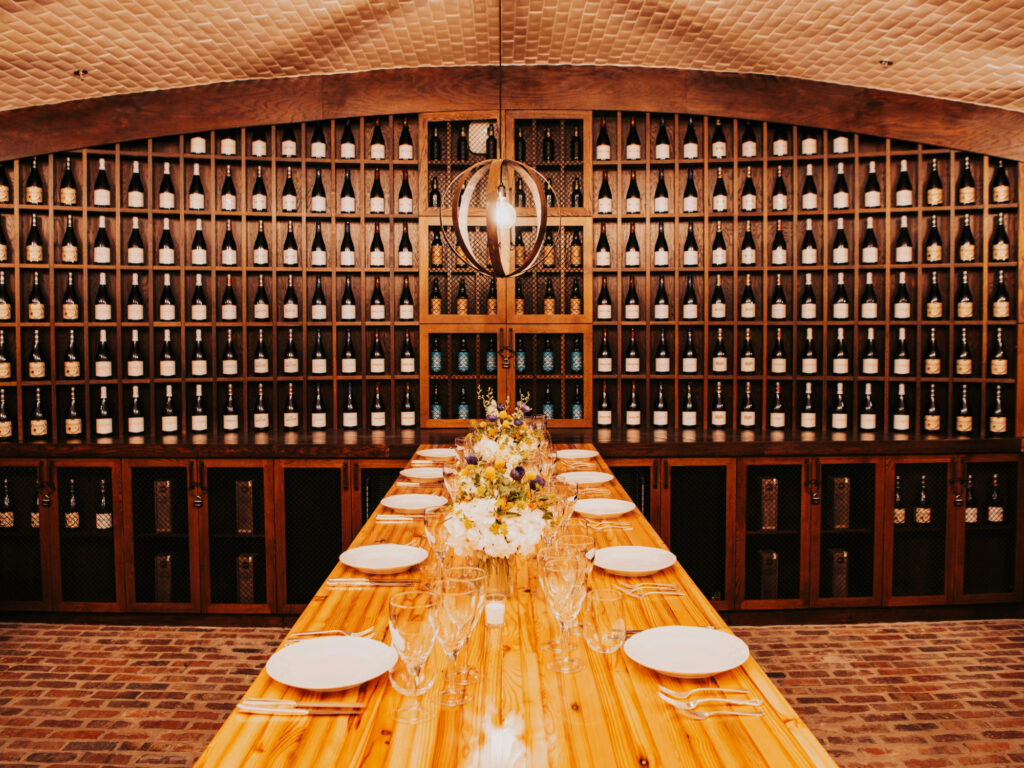
When to choose a private dining room
A private dining room is the better fit when food and drink are the centerpiece and you’d like one team to handle the details. It works especially well for seated dinners, milestone birthdays, rehearsal dinners, client dinners, and team celebrations.
Corporate planners often favor this route for its simplicity. According to Erica Wade, a sales manager at Peerspace, once planners have a shortlist that fits their constraints, “the logistical planning needs to be simple: AV capabilities or amenities, catering options (if not in house, recommendations are welcome), clear payment options.”
Private dining rooms also cover a wide range of budgets. “It also comes down to the type of venue,” says Brittney Whittington, a market lead at Peerspace. “Our dive bars are going to be way more budget-friendly than an Italian restaurant in San Francisco that wants $5,000 for a private room.”
On Peerspace, minimums for All Inclusive Venues range widely: nearly 40% are under $1,500, while about 20% are $5,000 or more.*
A private dining room makes sense when:
- You want one booking for the space, food, drinks, and service
- The restaurant’s food or atmosphere is the draw
- Your event is a seated meal for a group that fits the room
- You’re short on time to coordinate caterers, rentals, and staff
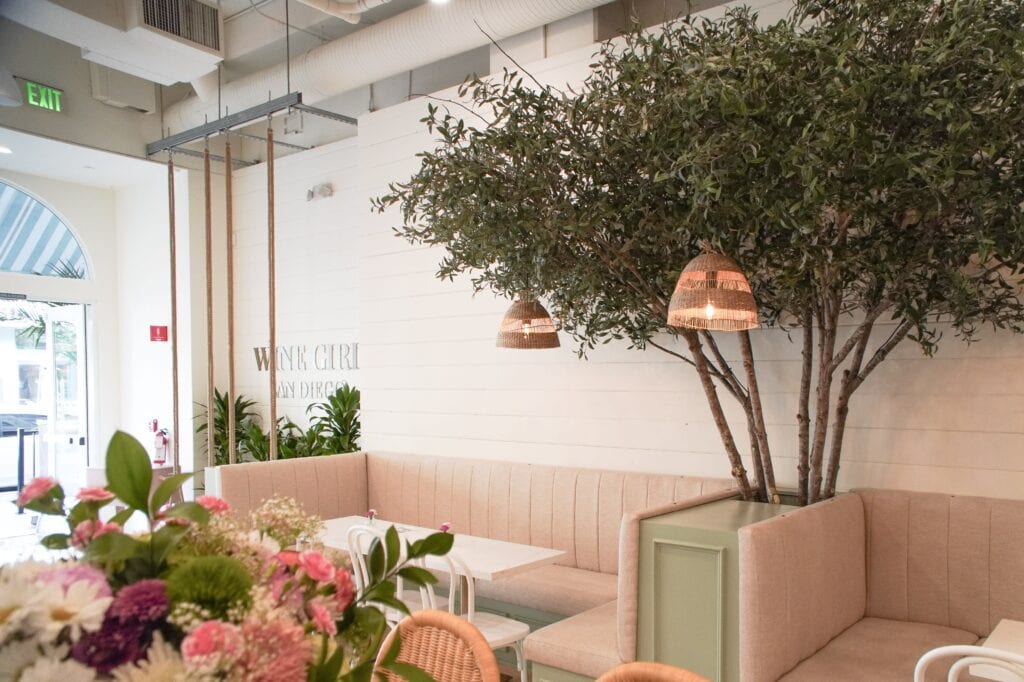
When to choose an event space
An event space is the better fit when you want more control over the look or format of your event, or need a setup a restaurant room can’t offer. Want food and drinks handled for you? Look for an all inclusive event space. Have a caterer in mind? Choose a rental-only space.
Customizing a restaurant menu is possible, but it adds back-and-forth. “There’s a lot more friction when guests want to customize the menu and offering,” says Matthew Murray, senior operations manager of Metro Development at Peerspace. If a specific cuisine, family recipe, or dietary approach is central to your event, a rental-only event space with your own caterer may be the simpler path.
An event space makes sense when:
- You have a caterer, chef, or food truck you want to hire
- You want a distinctive setting, like a gallery, rooftop, or industrial loft
- Your format needs open space for dancing, mingling, presentations, or activities
- You want time to set up decor, lighting, or rentals before guests arrive
- Your event runs long, like an all-day offsite or workshop
Is a restaurant buyout cheaper than a traditional event venue and caterer?
Sometimes, but not always. A restaurant buyout bundles the space, kitchen, bar, staff, and furniture into one minimum, which can be more cost-effective than paying for each separately. On a busy weekend, though, a buyout minimum can run higher than renting an event space and hiring a caterer.
The fairest comparison is the total cost of each option, not the headline number. Add up each line before you decide. An all inclusive event space compares more like a buyout, since it also bundles food, drinks, and staff.
With a restaurant buyout, expect to pay:
- The food and beverage minimum
- Tax, gratuity, and any service charge
- Any room or buyout fee, if the venue charges one
- Extras like AV, decor, or added staff
With a rental-only event venue and caterer, expect to pay:
- The venue rental fee, including setup and cleanup hours
- Catering, often priced per person
- Bartenders and alcohol, if your caterer doesn’t provide them
- Rentals like tables, chairs, linens, and glassware, if the space doesn’t include them
- Service staff, gratuity, and any event insurance the venue requires
Restaurants with large groups often simplify the menu to keep costs and timing predictable. “A lot of venues don’t want to do à la carte, because it’s too much of a burden on staff to know what to prep,” Murray says. “Higher-capacity events usually lean on catering packages or buffet-style food.”
A buyout tends to compare more favorably on weeknights, at lunch, or outside the holiday season, when minimums are lower. For a deeper look at how restaurants price a full buyout, see our guide to buyouts, private rooms, and semi-private rooms.
Does a private dining package include alcoholic beverages?
It depends on the package. Some private dining packages cover food only, with drinks billed separately. Others include beer and wine, and some add a full bar. Read the package details closely, because “beverage” doesn’t always mean alcohol.
Before you book, confirm:
- Which drinks are included, such as beer and wine only, a full bar, or nonalcoholic drinks
- Whether drinks are priced per person or by consumption
- How long bar service lasts and whether premium spirits cost more
- Whether alcohol counts toward the food and beverage minimum
Learn how open bars, hosted bars, and cash bars compare in our guide to bar options for private events.

Can I bring my own caterer to a private event space?
It depends on the event space, so check the listing first. Rental-only event spaces typically expect you to bring a caterer. All inclusive event spaces, like restaurants and bars, serve their own food and drinks and rarely allow outside catering.
Even when outside catering is allowed, event spaces often have rules. Ask the host:
- Do you require a licensed or insured caterer, or one from an approved vendor list?
- Is there a kitchen or prep area, and what equipment can the caterer use?
- Who can serve alcohol, and is a licensed bartender required?
- How much setup and cleanup time is included in the rental?
- Are tables, chairs, and dishware included, or will your caterer need to bring them?
For what you can and can’t bring to a restaurant, see our guide to buyouts, private rooms, and semi-private rooms.
How many guests can comfortably fit in a private dining room?
Plan for fewer guests than the room’s maximum capacity. A private dining room’s listed capacity usually reflects a specific layout, and it can feel tight once you add a gift table, a cake, a photo backdrop, or a speaker.
Comfortable capacity depends on:
- Layout: One long table, several round tables, and a standing reception all fit different numbers of people.
- Format: A cocktail-style party holds more guests than a seated, multicourse dinner.
- Extras: Buffet stations, a bar, AV equipment, and decor all take up floor space.
- Movement: Guests need room for servers to pass and for people to get up and mingle.
Ask the venue for seated and standing capacities, and request a photo or floor plan of the room set for an event like yours. If your group is near the maximum, a larger room or an event space may be more comfortable.
For reference, on Peerspace, the median group booking an All Inclusive Venue is 50 guests.* About 30% of groups have fewer than 40 guests, about half have 40 to 80, and about 20% have 80 or more. If your group is on the larger end, ask early whether the venue has a room that fits or offers a full buyout.
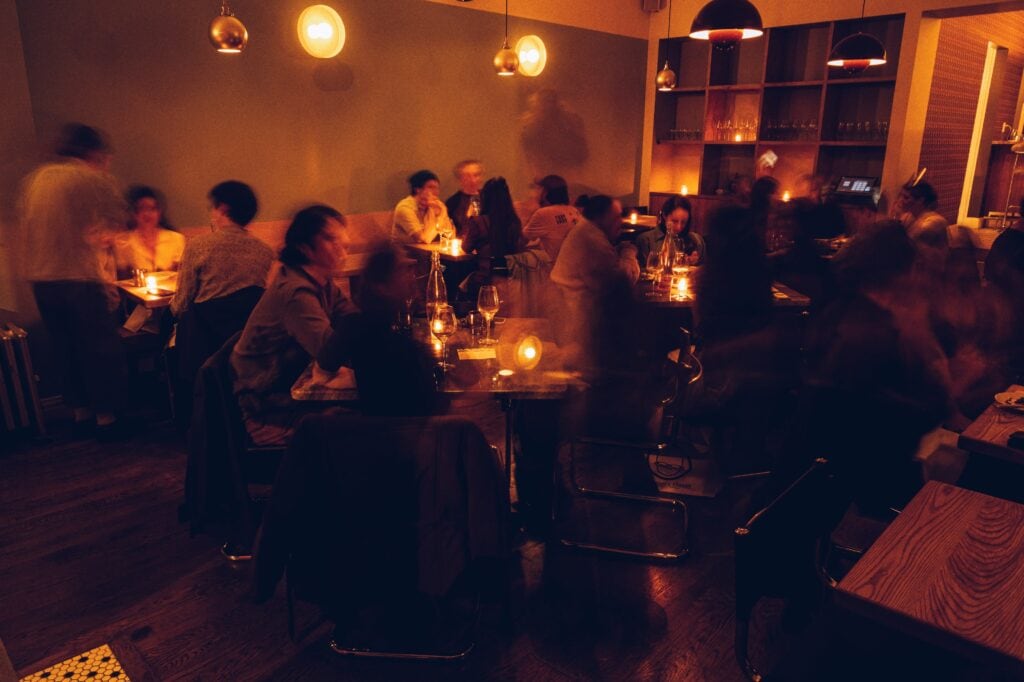
How to find both on Peerspace
Peerspace lists both private dining rooms and event spaces, so you can compare options side by side. To see venues that serve their own food and drinks, including all inclusive event spaces, turn on the Food & Drink Included filter. To bring your own caterer, search event spaces in your city and check each listing’s rules on outside catering and alcohol.
Not sure which fits? Message hosts with your date, guest count, and event format. They can tell you what their space handles best and what you’d need to bring.
Private dining room vs. event space FAQs
Can an event space provide catering?
Yes, many can. All inclusive event spaces serve their own food and drinks, some rental-only spaces have a list of preferred caterers, and others leave food entirely to you. Check the listing or ask the host before you book.
Is a private dining room good for a corporate event?
Yes, for dinners, client entertaining, and holiday parties where a seated meal is the focus. For workshops, presentations, or full-day offsites, an event space with AV and flexible seating is often a better fit.
*Based on Peerspace booking and listing data for All Inclusive Venues as of November 2026.
In this article
- What’s the difference?
- At a glance: how they compare
- When to choose a private dining room
- When to choose an event space
- Is a restaurant buyout cheaper than a traditional event venue and caterer?
- Does a private dining package include alcoholic beverages?
- Can I bring my own caterer to a private event space?
- How many guests can comfortably fit in a private dining room?
- How to find both on Peerspace
- Private dining room vs. event space FAQs
Get together somewhere better
Book thousands of unique spaces directly from local hosts.
Explore SpacesShare your space and start earning
Join thousands of hosts renting their space for meetings, events, and photo shoots.
List Your Space