How & Where to Rent an Airbnb Commercial Space (2026)
-

Contributing Writer -

Lead Editor & Publisher
- December 15, 2025
- 23 min read
- Events

Source: Peerspace
When you are planning a business activity, it is tempting to start your search the same way you would for a vacation. You pull up Airbnb, plug in your dates, skim a few stylish lofts, and picture your team brainstorming on the sofa or hosting clients in a photogenic living room. For a moment, it feels like a clever shortcut.
Then the questions arrive. Can you bring in a projector and a small crew? Are vendors allowed? Will the neighbors complain about extra cars? Is a four-hour strategy session really worth paying for an entire overnight stay? The deeper you go into planning, the clearer it becomes that most residential rentals simply are not built for commercial work.
This guide is here to simplify that decision making process. We will look closely at why Airbnb struggles with commercial use, how Peerspace offers a business first alternative, and what it actually takes to pick, plan, and design a space that supports meetings, productions, training, pop ups, and more. Along the way, you will see concrete examples, planning frameworks, and neighborhood considerations that help your next project feel smooth, intentional, and genuinely effective.
Why Airbnb and commercial use just don’t mix
Before you sink time into inquiry messages and calendar juggling, it helps to understand the structural mismatch between Airbnb and commercial use. The platform is excellent for weekend escapes and family trips. For client presentations or brand activations, the same features that make it convenient can quickly introduce risk.
Airbnb’s party ban often complicates legitimate commercial use
Airbnb’s global event ban was created to curb large social gatherings, but its enforcement often sweeps up normal business activities too. Small workshops, content shoots, or team sessions can look “event-like” to hosts or automated systems, which increases the chances of declined inquiries, extra scrutiny, or sudden cancellations. Even when your plans are entirely professional, the limitations around guest count, equipment, and foot traffic can make commercial renters feel like they are working around the platform rather than with it.
When a rental built for bedtime tries to host your brainstorm
Airbnb was built around the idea of people sleeping in spare rooms, guest houses, and second homes. That origin story shapes everything from listing descriptions to neighborhood expectations. For commercial activities, the priorities are different. You need clarity on capacity, vendor rules, insurance, and technical infrastructure, not just bed count and check out time.
Imagine inviting a group of senior clients to a quarterly review in a rental living room. The host may be friendly, but the space was never designed for professional impression making. There might not be coat storage or a reception area, and no way to separate a catering setup from the main seating area. The result is a day that feels improvised instead of polished.
The costly math behind Airbnb’s overnight pricing
Most commercial activities are measured in hours, not nights. A two-hour product demo, a half-day training, or a six-hour video shoot do not require an entire calendar day of lodging. Yet the Airbnb pricing model assumes exactly that. You pay for a full night, sometimes several, even if you only need a narrow window of time.
Consider a local team planning a half-day offsite. They might be interested in a stylish home with a large dining table. Once service fees and cleaning are added, the cost can rival or exceed a purpose built meeting space that is rented by the hour. The difference is that the meeting space is priced for the exact block of time and square footage you will actually use.
Overnight-based pricing also introduces friction when you want to extend or shorten your booking. Adding an extra hour for a running overtime agenda can mean paying for a second night. That lack of flexibility makes budgeting difficult, especially for teams that plan repeating events throughout the year.
When your vendors arrive but the rental rules say no
Commercial projects thrive when everyone knows their role. Your caterer knows where to set up, your photographer has room for equipment, and your AV team can safely run cables and test microphones. In many residential Airbnbs, these basic assumptions fall apart.
Hosts may prohibit outside vendors entirely, either for insurance reasons or because they want to avoid wear and tear. Others might allow a private chef but draw the line at lighting rigs or pop up racks of retail inventory. The rules are rarely standardized. That means every new listing requires a fresh round of negotiation, which consumes valuable planning time.
Even when vendors are allowed, the physical layout can create headaches. Narrow staircases slow down load in. Lack of freight elevators makes larger gear risky. Home kitchens may not have the ventilation or counter space a professional caterer expects. The more complex your activity, the more likely it is that these constraints will get in the way.
Pretty photos, unreliable Wi-Fi
A home that feels cozy for a family vacation can feel strained the moment you add professional expectations. Business grade Wi-Fi, multiple power outlets along the walls, surge protection for cameras, extra restrooms, and accessible entry are not guaranteed in most residential listings.
Think about bandwidth requirements for a hybrid board meeting where several people join remotely. A Wi-Fi plan designed for streaming movies may struggle with multiple video feeds, cloud presentations, and live screen shares. The call quality drops, and the entire agenda slows down.
Sound is another underappreciated issue. Residential walls, windows, and doors rarely prioritize acoustic isolation. Street noise, neighbors, or echoes from a high ceiling can make audio recording a challenge. In a professional studio or meeting space, those conditions are usually considered from the design stage.
Altogether, these gaps create a fragile environment for commercial work. It might function well enough for a relaxed group dinner, but the moment you add technical stakes or client expectations, the shortcomings become hard to ignore.

Peerspace venues are designed for productivity, not pajamas
If Airbnb is optimized for sleep, Peerspace is built for activity. The entire platform is designed around people who need a space to gather, build, teach, or create for a finite block of time. That focus reshapes everything from search filters to host expectations and pricing.
A platform designed for events, meetings, and productions
On Peerspace, commercial use is not an exception. It is the default. Listings are created with gatherings in mind, which means capacity, layout, and house rules are written for people who intend to host others. You are not guessing whether the owner will tolerate a training session or a content shoot. The entire point of the listing is to welcome that activity.
This clarity matters. When you explore conference rooms, studios, galleries, or warehouses on Peerspace, you are looking at spaces that already understand the basic needs of guests who are working, presenting, or filming. Even the photos are framed with those use-cases in mind. Tables are arranged for collaboration, walls are cleared for backdrop use, and lighting is chosen to keep people comfortable for longer stretches of time.
Hourly booking that aligns with real commercial workflow
Commercial schedules are rarely 24-hours long. You might need a studio from eight in the morning to two in the afternoon, a boardroom from 10 a.m. to five p.m., or a storefront for three evenings in a row. Hourly booking makes it possible to pay precisely for the hours you need, including setup and breakdown, without carrying the cost of an empty space overnight.
This structure also encourages smarter planning. Teams can block time for focused work, then release the space when they no longer need it. For recurring activities, such as weekly workshops or monthly content days, hourly booking provides a predictable, repeatable pattern that finance teams can model.
Professional grade amenities that support productivity
Because Peerspace caters to business users, many hosts invest in amenities that remove common roadblocks. You will often see listings that include large monitors, whiteboards, movable seating, sound systems, photo backdrops, or kitchen access for catering.
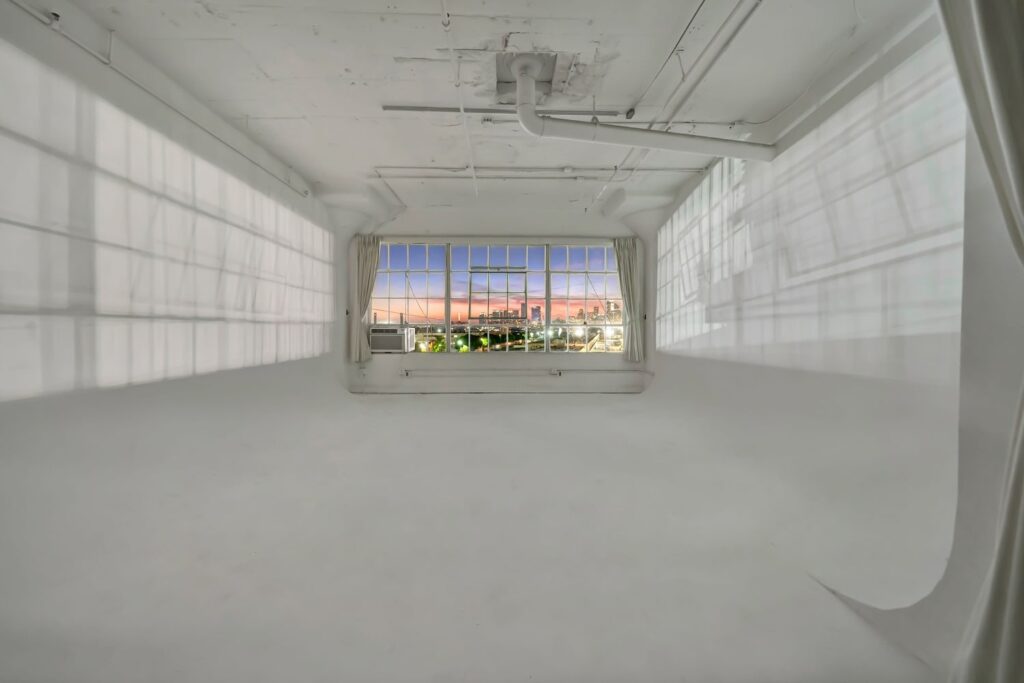
For example, a creative studio might list its cyclorama, blackout blinds, and grip equipment, saving your production team the trouble of transporting large pieces of gear across town. A training venue might highlight its multiple breakout rooms, fast Wi-Fi, and on-site coffee station, which keeps participants comfortable and engaged.
These built-in features mean you spend less energy working around the space and more time working within it.
Clarity that lets your budget breathe
Budgeting is a central part of any commercial project. Peerspace displays hourly rates, minimum booking durations, cleaning fees, and any additional charges upfront. This transparency allows coordinators to compare options quickly and present accurate numbers to stakeholders without worrying about surprise fees.
Predictable pricing is especially powerful when you need to layer multiple line items, such as travel, staffing, and materials. Knowing your venue cost with confidence makes every other decision easier.
Vendors welcome, creativity encouraged
Peerspace hosts are accustomed to collaborating with outside vendors. Many have a roster of preferred caterers, AV technicians, or furniture rental companies they already trust. That experience speeds up planning and reduces the risk of miscommunication on the day of your event or shoot.
Even when you bring your own partners, you benefit from the host’s familiarity with commercial use. They know where trucks can park, which entrance is best for load in, and how sound behaves in the room. Their insight can prevent small issues from ever reaching your radar.
The biggest difference with Peerspace is not just individual features like hourly pricing or high ceilings. It is the feeling that the entire ecosystem is oriented toward making activity possible. You are booking spaces that expect you to show up with a plan, a team, and a purpose. That support allows you to concentrate on your agenda rather than defending it.
Choosing the right commercial space for your big idea

Selecting a space for commercial work is a two part decision. First, you need a venue that supports the functional demands of your activity. Second, you need an environment whose style and amenities complement the story your brand is telling. When those layers come together, the result is a setting that feels both practical and expressive.
In this section, we will walk through the main categories of commercial spaces, then explore how style, amenities, and design choices help you shape the room into something that aligns with your goals.
Meeting and collaboration spaces
Meeting rooms and collaboration hubs are built for focus, clarity, and shared decision making. Ergonomic seating, whiteboards, screens, and breakout areas keep teams engaged for longer stretches of time. These spaces are straightforward, but that simplicity is part of their strength.
To make the most of a meeting-oriented space, add small design touches that reflect your brand. A coordinated color palette on printed materials, curated snacks, or intentional seating layouts can make the room feel personal without distracting from the agenda.
Production studios and creative environments
Studios give creative teams control over their visual and audio environment. Whether you are shooting product photography, recording interviews, or designing multimedia content, these spaces are engineered to remove variables. High ceilings, backdrops, controlled lighting, and sound-aware construction let you shape your scene precisely.
Aesthetic choices matter too. Clean minimalist setups highlight talent and product details, while textured corners and props can help tell a richer visual story. The way you dress the studio becomes part of the finished output.
Pop up and experiential retail spaces
Pop ups sit at the intersection of retail and event design. They thrive on foot traffic, visibility, and immediate interaction. The functional side focuses on circulation, shelving, signage, and sampling zones. The stylistic side focuses on color, mood, and brand storytelling.
Lighting, textures, and sensory elements help transform a simple storefront into an immersive extension of your brand. Thoughtful music, scent, or product display moments can elevate the experience and encourage guests to stay longer.
Training and workshop environments
These spaces are designed for long-form learning: comfortable seating, reliable tech, writable walls, and breakout areas. They are at their best when participants can move easily between listening, hands-on practice, and discussion.
Design choices can help reinforce your message. Warm lighting, clearly-marked zones, and consistent visual cues guide people through activities and create an atmosphere that feels both structured and welcoming.
Hybrid use flex spaces
Flex spaces serve multiple purposes throughout the day. They can shift from studio to workshop to social gathering with minimal rearrangement. Their value lies in neutrality. Clean lines, movable furniture, and open layouts let you imprint your own identity on the room.
To use a flex space effectively, define zones early. Mark out areas for collaboration, presentation, rest, or filming. Add brand-aligned elements such as color-blocked materials, curated props, or display tables to make the space feel tailored without overbuilding.
Industrial, loft, minimalist, and outdoor styles
Across all categories, style has real influence on how people interpret your brand. Industrial spaces convey boldness and modernity. Lofts feel warm, creative, and open. Minimalist studios emphasize focus and clarity. Outdoor venues add energy and ease.
Choose a style that supports the mood you want your project to carry. A technology demo may thrive in an industrial warehouse. A wellness activation may feel more at home in an outdoor courtyard. A leadership retreat may benefit from a minimalist studio that reduces visual noise.
Amenities that shape workflow and brand impact
Amenities bridge the gap between a functional room and a polished professional experience. Cycloramas, green rooms, kitchens, modular seating, strong Wi-Fi, and sound systems all influence how smoothly your day unfolds.
Amenities also support your narrative. A beautifully arranged welcome station, thoughtfully lit product zone, or a dedicated backstage area for staff can elevate the guest experience and reinforce your professionalism.
When you choose a space that supports both your operational needs and your intended atmosphere, you create an environment that amplifies your message. The functional category sets the foundation. The style, layout, and amenities tell the story. Combine the two intentionally, and your commercial space becomes a powerful partner in your work.
How to turn any commercial space into a smooth operation
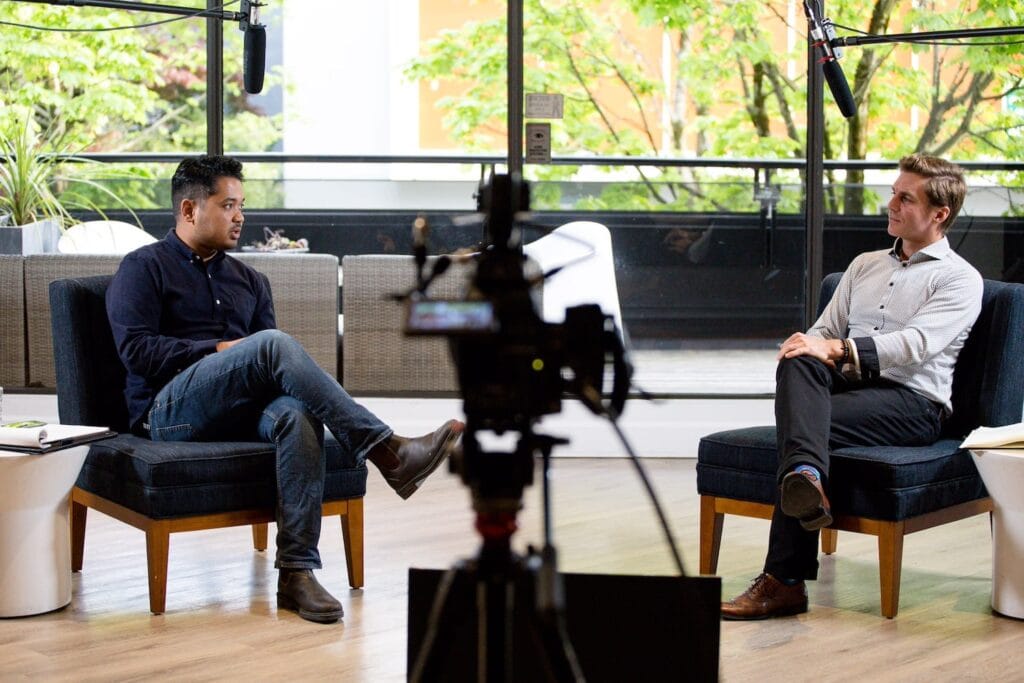
Even the best space can feel chaotic if you arrive without a plan. Commercial bookings involve more moving parts than a casual social gathering. There are agendas to follow, gear to manage, vendors to coordinate, and stakeholders to impress.
This section walks through the planning fundamentals that apply regardless of your industry. Treat it as a checklist you can adapt for different activities, from small workshops to larger productions.
Matching your objective to spatial flow
Every project has a primary objective. You might want deep discussion, fast iteration, content capture, or customer interaction. The flow of people through the room should support that goal.
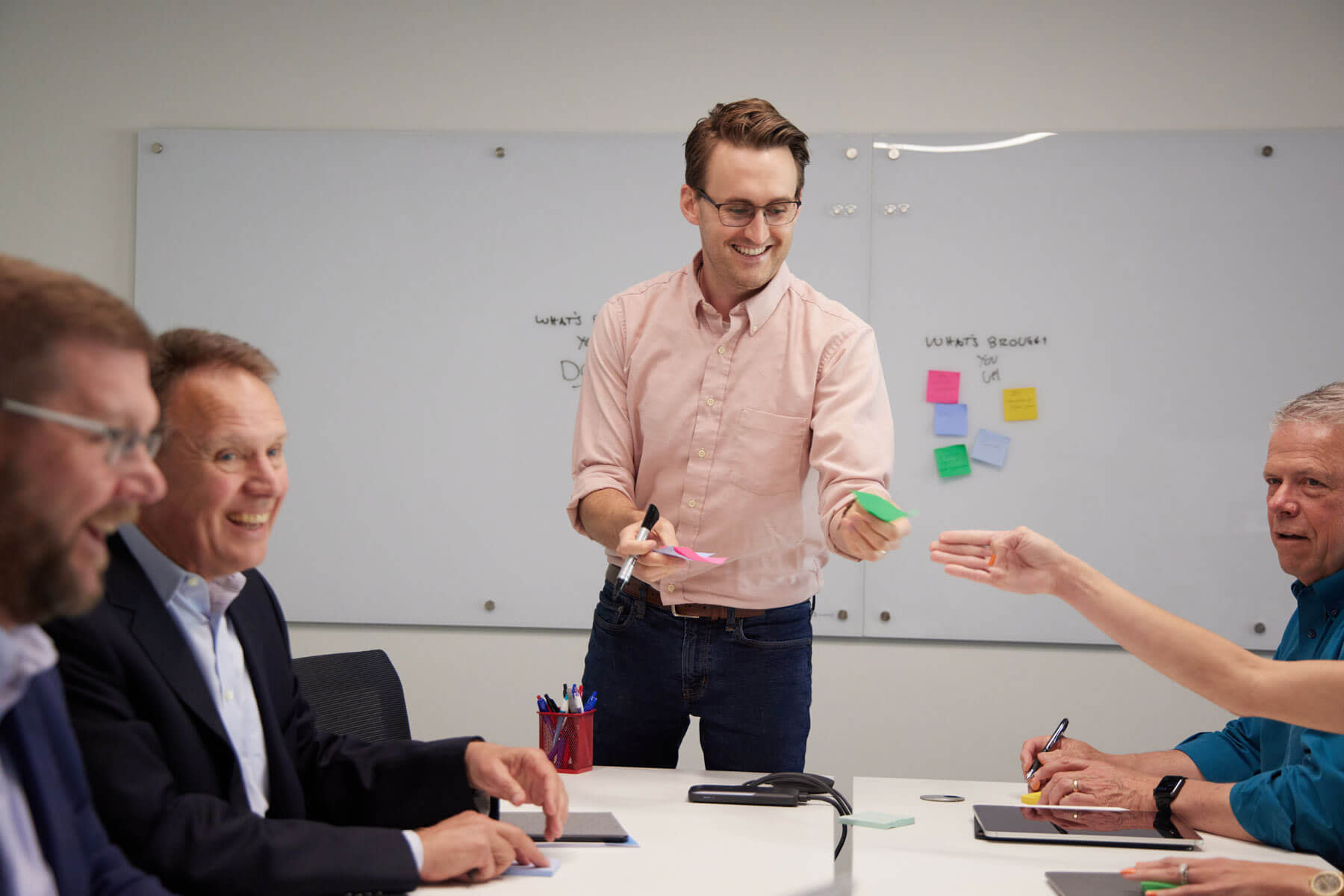
For example, a strategy session benefits from a central table where everyone can see each other, plus a wall for visualizing ideas. A pop up benefits from open circulation that guides visitors through a sequence of touchpoints. A shoot benefits from clearly separated zones for talent, crew, and gear.
Before you book, sketch a simple map of how people will move and where key actions will happen. If you cannot draw that flow inside the space you are considering, keep searching.
Assessing power, acoustics, and tech needs
A reliable commercial booking is only as strong as its technical foundation. Start by listing your devices. This might include laptops, cameras, lights, microphones, speakers, or charging stations.
Ask the host about the number and placement of outlets, the type of power available, and the Wi-Fi speed. For virtual components, such as hybrid meetings or live streams, consider running a test call from the space in advance when possible.
Acoustics deserve equal attention. Hard surfaces can cause echo, while thin walls transmit street noise. If you will be recording, leading training, or hosting private discussions, ask about any steps the host has taken to address sound, such as curtains, rugs, or acoustic panels.
The behind-the-scenes choreography nobody sees

The clean, minimal look of a finished event or shoot hides the effort involved in bringing everything on-site. Vendors need clear instructions about arrival times, parking options, and entry routes.
Clarify whether there is an elevator, how large it is, and whether there are any time restrictions on its use. Ask about loading zones, on-street parking rules, and where equipment can be staged before it is set up.
For productions, plan the sequence of load in so that heavy or bulky items arrive first, followed by delicate or time-sensitive elements. For training and workshops, build in time to test microphones, screens, and registration systems before the first participant arrives.
Designing for real people, real needs
Commercial activities succeed when everyone feels welcome and oriented. That starts with clear directions. Provide attendees with details about building entry, elevators, and nearby transit or parking.
Inside the space, check that pathways are wide enough for all mobility levels, that restrooms are easy to find, and that seating is comfortable for the length of your program. Consider lighting levels for note taking, screen visibility, and photography.
If your group includes virtual participants, treat their experience as part of the room. Test camera angles, microphone placement, and screen sharing so they feel integrated rather than peripheral.
Thoughtful planning is not just about efficiency. It is a form of risk management. When you know how people, information, and equipment will move through the space, you can anticipate challenges and solve them before they affect your guests. That preparation is one of the clearest differences between casual use of a rental and true commercial execution.
Finding the right district for your project’s personality
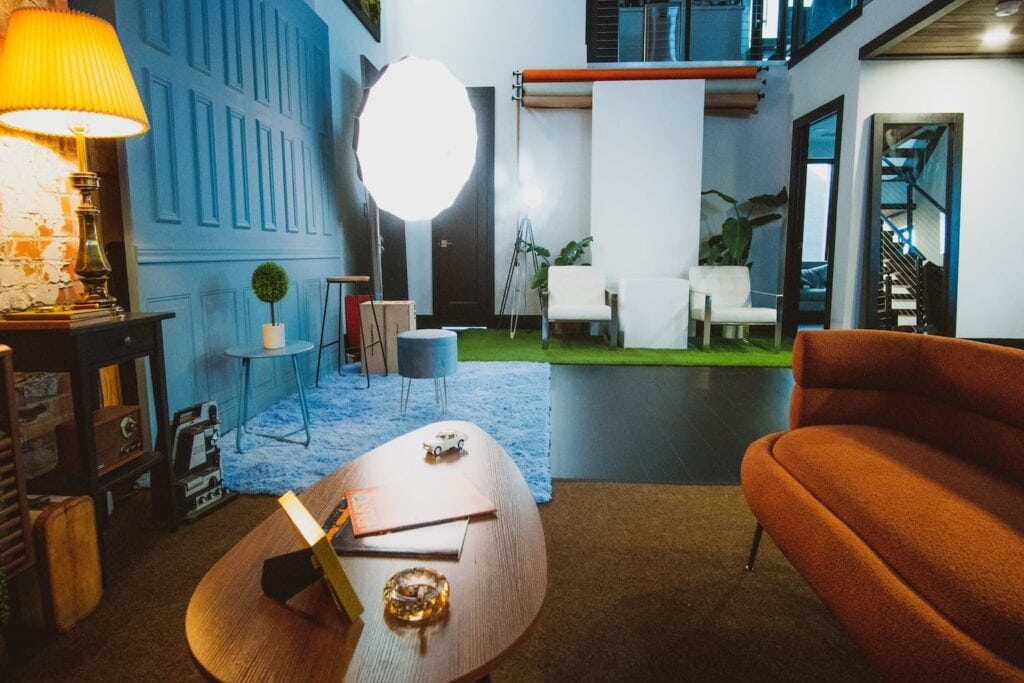
A space is never just a room. It is part of a neighborhood, with specific rhythms, costs, and expectations. For commercial work, the surrounding area affects everything from travel time to brand perception.
This section looks at common types of districts and how they pair with different goals. You can use it to sanity check whether a listing’s location truly supports what you are trying to accomplish.
Downtown cores for client-facing activities
Central business districts signal professionalism and convenience. They often sit near major transit lines, hotels, and restaurants, which is helpful when clients or partners are traveling in from out of town.
Hosting a pitch, investor meeting, or conference-style workshop in a downtown venue sends a clear message. You are taking the gathering seriously and situating it near other commercial activity. The trade off is that parking can be limited and rental prices may be higher, so it is important to weigh those costs against the benefits of prestige and access.
Arts districts for creative productions and expressive branding
Arts districts and creative corridors tend to be full of murals, galleries, studios, and performance venues. They appeal to brands that want to associate themselves with culture, experimentation, or a sense of discovery.
For content shoots, these neighborhoods can provide diverse exteriors and street textures within a short walking distance. For events, the local scene can become part of the draw, encouraging guests to explore before or after your gathering.
The main consideration in arts districts is often logistics. Streets might be narrower, parking more eclectic, and sound levels higher. These trade offs are usually worth it for teams who value atmosphere and visual interest.
Business parks for training, offsites, and quiet working environments
Business parks, campuses, and office clusters trade nightlife and foot traffic for predictability. They tend to be quieter outside of standard work hours and offer more on-site parking.
These locations are ideal for training, multi-day workshops, and retreats where focus is more important than buzz. Participants can arrive, settle in, and concentrate without worrying about nightlife noise drifting through the windows.
Because amenities may be spread out, it is wise to plan catering, coffee, and other services in advance so people do not need to leave the venue during key moments.
Retail corridors for high visibility pop ups
Retail corridors are the natural home of pop-up shops, sampling stations, and experiential marketing activations. They already draw foot traffic from shoppers who are curious and ready to browse.
A storefront or gallery in this type of area allows you to meet customers where they already are. Window displays, sidewalk signage, and social media-friendly interiors can work together to create a buzz beyond the immediate neighborhood.
The main challenge is often timing. High-demand weekends and seasons may book far in advance, so it pays to start scouting early if you have a specific launch in mind.
Residential adjacent zones for budget sensitive bookings
Areas just outside major commercial hubs often provide a helpful balance of access and affordability. They may have easier street parking, slightly lower hourly rates, and less competition for time slots.
These neighborhoods can be a smart choice for productions that need long setup windows, rehearsals that run into the evening, or training that do not require a prestigious address.
The key is to confirm that the specific property is zoned and approved for the level of activity you plan. Even in mixed areas, some buildings have stricter rules than others.
When you match your neighborhood to your purpose, you make it easier for people to say yes and for your activity to feel natural in its surroundings. Clients expect formal settings in a downtown tower, creative energy in an arts district, and relaxed focus in a quiet campus. Choose a district that supports the expectations you want to set, and your space will work harder on your behalf.
Turning your space into part of your brand story
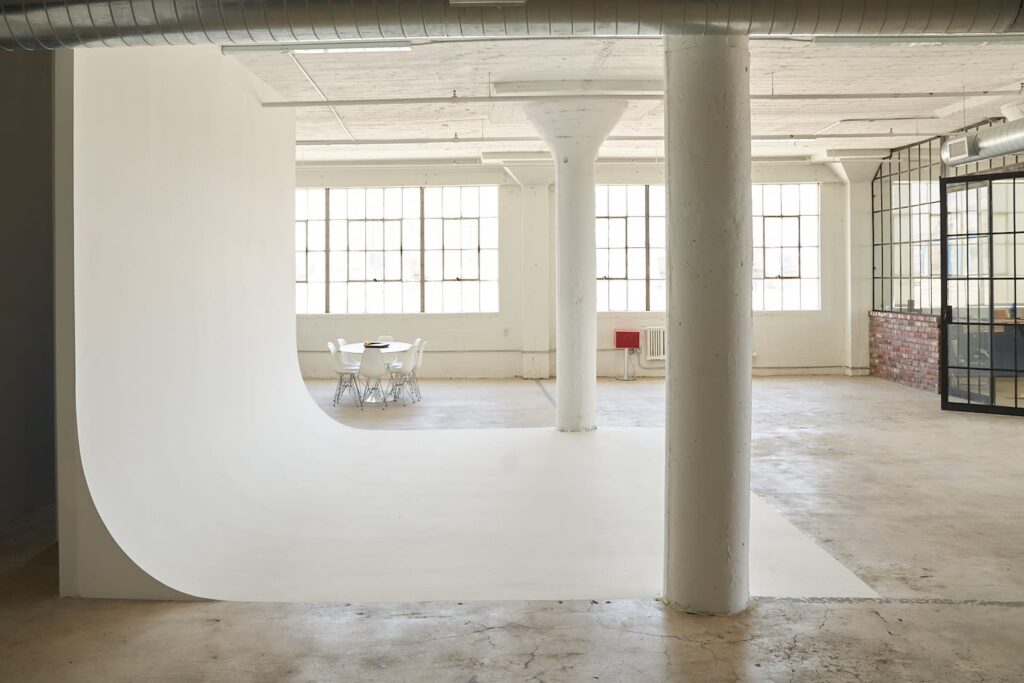
Once you have chosen a business-ready venue, there is a final layer to consider. How will the experience inside that space reflect your brand? Whether you are a startup, a creative agency, a wellness company, or a global enterprise, your gathering is an opportunity to express who you are.
This section focuses on the creative side of commercial planning. You will learn how to adapt any venue so that it feels aligned with your identity without requiring a full-scale buildout.
Aligning your visual identity with space aesthetics
Start by examining the existing colors, materials, and shapes in the room. Do they already resonate with your brand, or will you need to add complementary elements? A tech company with a clean, modern identity might look for white walls and simple lines. A lifestyle brand rooted in nature might prefer wood, plants, and soft textiles.
Bring your logo and palette into the space through signage, table settings, presentation templates, and small details like name tags or swag. The goal is not to cover every surface with branding, but to create a subtle visual through line that feels intentional.
Using lighting and layout to direct attention
Lighting is one of the fastest ways to influence mood. Bright, even lighting supports work sessions and training. Warmer, more focused lighting adds intimacy for dinners or fireside chats. Colored accents can highlight product displays or stage areas.
Layout works hand-in-hand with light. Position key moments where they will be naturally visible. For example, set your main speaking area opposite the entrance so people immediately understand where to look. Place interactive stations along the natural circulation path rather than in hidden corners.
Thoughtful lighting and layout keep people oriented and reduce the need for constant verbal direction.
Creating touchpoints that guide guests or customers
Touchpoints are the small interactions that shape how someone feels about your gathering. They include everything from the welcome experience to the ease of finding restrooms.
Consider creating a clear check-in moment with friendly staff, a visually interesting welcome table, or a simple interactive element such as a question wall or message board. Use signage to gently guide people through the space. Provide small comforts such as water stations, charging areas, or quiet corners where people can regroup.
Each touchpoint is an opportunity to show that you care about your audience and have considered their needs.
Incorporating sensory elements to enhance memorability
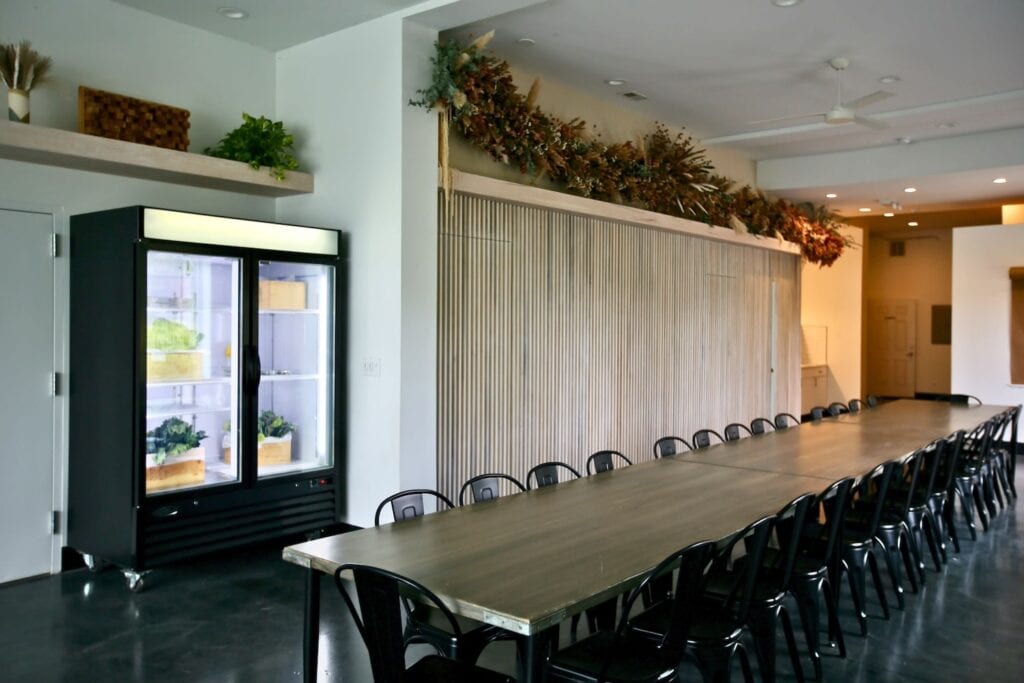
While visuals carry much of the storytelling load, other senses matter too. Background music can create energy or calm. Scent can be used lightly to reinforce a theme, such as citrus for a morning productivity session or herbal notes for a wellness workshop.
Tactile elements like textured fabrics, sample products, or hands-on demonstrations give people something to physically engage with. When planning, think about what your guests will see, hear, smell, and touch at each stage of the experience.
These layers transform a functional event into something people remember and talk about later.
Leveraging space features to differentiate your offering
Many commercial venues include distinctive architectural or design details. This might be a sweeping staircase, a skylight, a mural, or an outdoor courtyard. Instead of treating these features as background, consider how you can integrate them into the experience.
You might conduct a key presentation under the skylight, host a breakout discussion on the courtyard, or use the mural as a photo backdrop. When guests share images from the event, those unique elements become associated with your brand.
By leaning into what makes a space special rather than trying to fight it, you make your own offering feel more distinctive.
A well-chosen venue does more than hold chairs and equipment. It becomes part of the narrative your brand is telling about what it values and how it operates. When you align aesthetics, touchpoints, and sensory details with your identity, people leave with a clearer sense of who you are, not just what you do.
Plan your next big idea in a space designed for it
Short term commercial rentals sit at the intersection of logistics and creativity. You need a space that supports schedules, budgets, and technical requirements, yet you also want an environment that inspires people and reflects your brand. Airbnb can be a helpful tool for vacations, but its residential focus, nightly pricing, and ambiguous rules often clash with those needs.
By contrast, business-ready platforms like Peerspace are built with activity in mind. Hourly booking, professional amenities, and event-friendly hosts create a more stable foundation for everything from team offsites and workshops to productions and pop ups. When you combine that foundation with thoughtful planning, smart neighborhood choices, and intentional experience design, your commercial projects start to feel less stressful and more strategic.
As you plan your next initiative, treat space as a central decision rather than an afterthought. Ask whether each venue on your list truly supports the way you want people to work, connect, and create. When you choose a setting that is aligned with your goals, every other part of the project becomes easier to execute well. If you want a space that supports your work with fewer obstacles, Peerspace makes the process far simpler.
Find a commercial-ready space on Peerspace that helps bring your next project to life.
In this article
- Why Airbnb and commercial use just don’t mix
- Peerspace venues are designed for productivity, not pajamas
- Choosing the right commercial space for your big idea
- How to turn any commercial space into a smooth operation
- Finding the right district for your project’s personality
- Turning your space into part of your brand story
- Plan your next big idea in a space designed for it
In this article
- Why Airbnb and commercial use just don’t mix
- Peerspace venues are designed for productivity, not pajamas
- Choosing the right commercial space for your big idea
- How to turn any commercial space into a smooth operation
- Finding the right district for your project’s personality
- Turning your space into part of your brand story
- Plan your next big idea in a space designed for it
Get together somewhere better
Book thousands of unique spaces directly from local hosts.
Explore SpacesShare your space and start earning
Join thousands of hosts renting their space for meetings, events, and photo shoots.
List Your Space