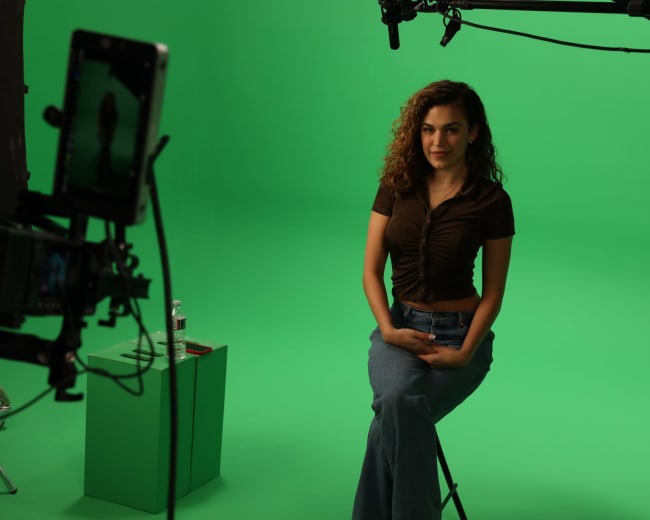
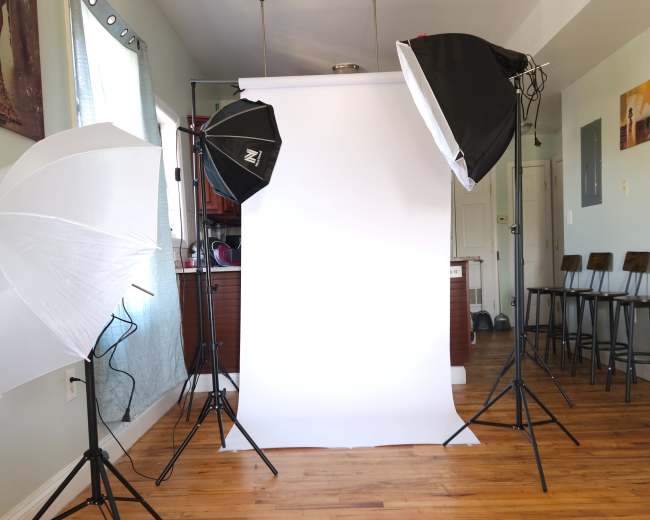
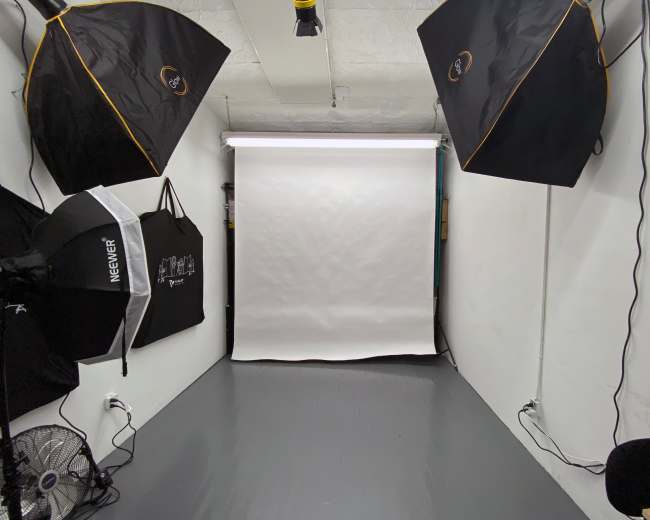
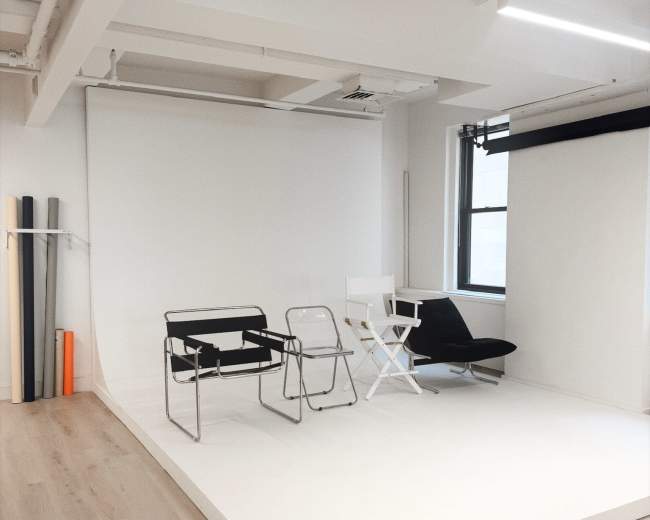
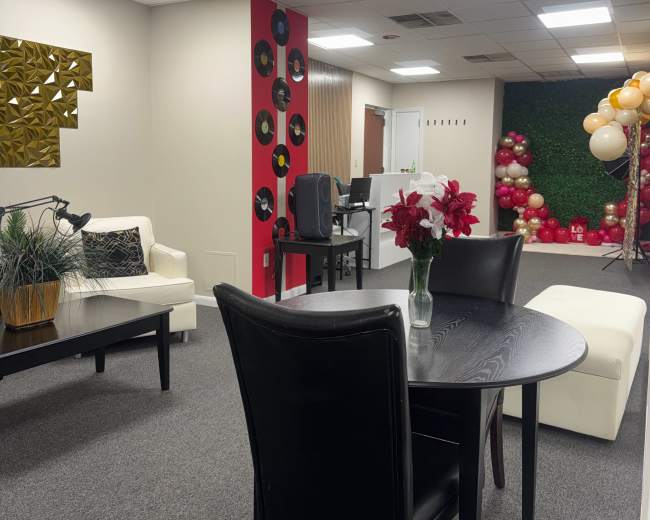
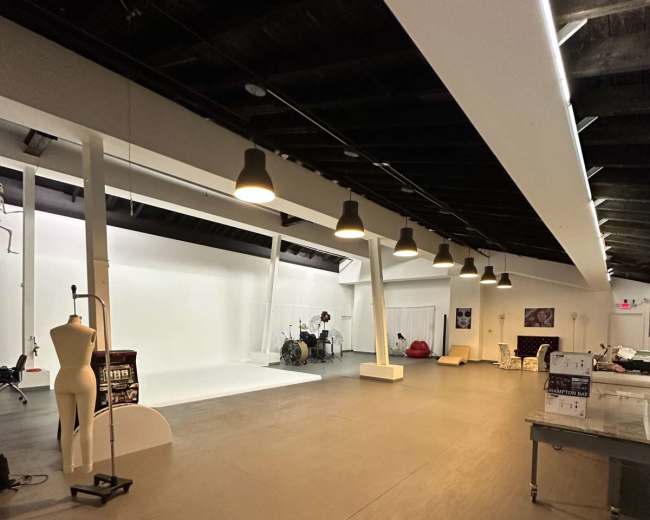
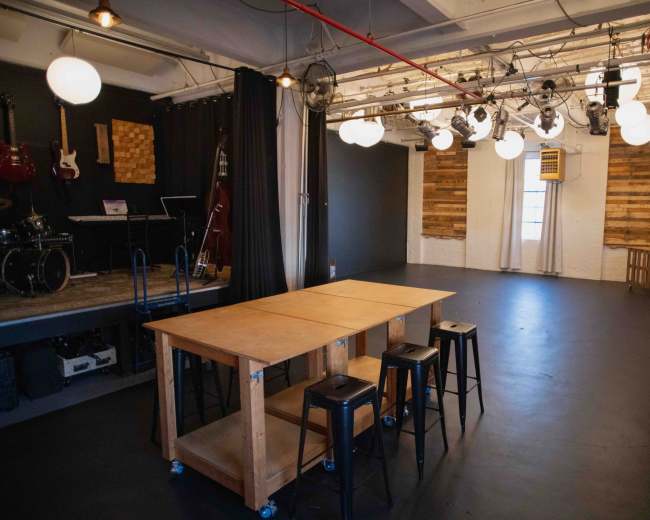
Rent a podcast studio in Jersey City, NJ

Discover thousands of unique podcast studios for rent for your next recording.

Enter your activity
Jersey City, NJ

How podcast rooms work on Peerspace

Peerspace is the easiest way to book unique for all kinds of productions including photo shoots, film shoots and music videos. We also have spaces for meetings and events.

The most locations

Every day we uncover new, inspirational spaces, including podcast rooms, perfect for your activity.

Professional hosts

Our network of helpful hosts respond quickly, and are well-versed in accommodating all types of productions, including film and photo shoots.

Hire by the hour

Only pay for what you need. Pay by the hour for your podcast room location without worrying about hidden fees or overtime.

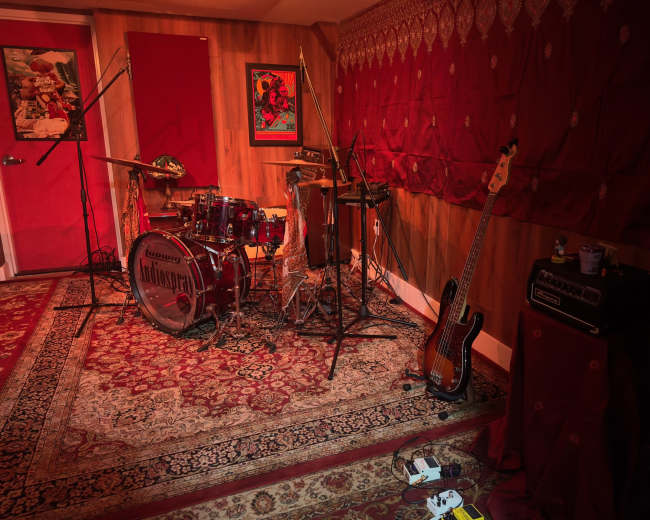
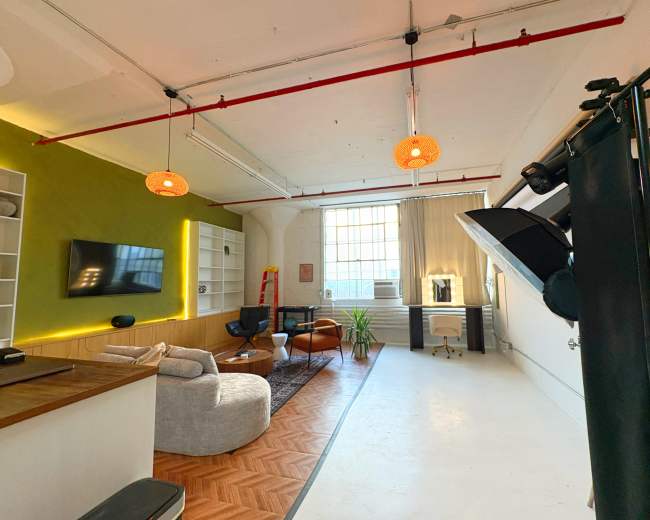
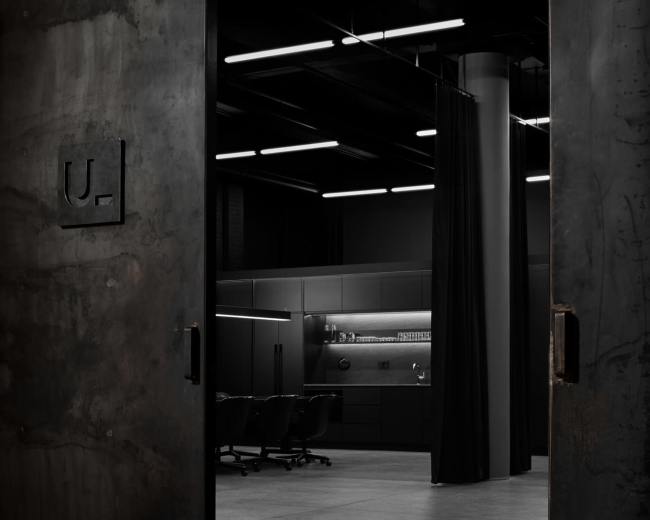
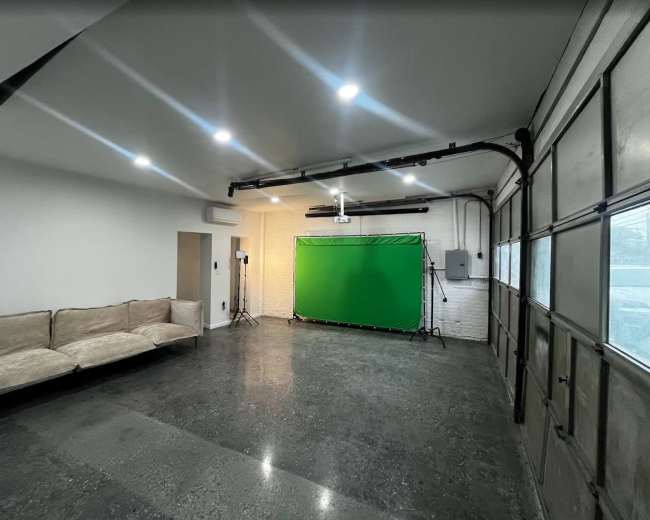
Popular podcast studios

Will Jersey City street noise ruin my podcast recording?

Not if you choose the right room. A well-designed podcast studio in Jersey City can produce clean voice audio even in a busy urban area. Street noise matters less than room construction. What usually separates a strong podcast studio from a bad one is acoustic treatment, isolation from windows and hallways, sealed doors, and controlled HVAC. That matters in Jersey City, where urban noise is part of daily life. The city's noise rules set daytime limits at 65 dBA and nighttime limits at 50 dBA, according to the City of Jersey City. In other words, never assume a space will be quiet just because the listing sounds nice. A visually appealing loft is not automatically a good recording room. Brick, glass, polished concrete, and high ceilings often create echo and harsh reflections that hurt spoken-word audio. When evaluating options, it helps to browse podcast studios and compare the acoustic details each host provides. What to ask each host:
  • Is the room acoustically treated and separated from street-facing windows, hallways, lobbies, or freight elevators?
  • Can the host share a raw audio sample instead of only a polished promo reel?
  • Are there acoustic panels, soft furnishings, sealed doors, and controlled HVAC?
  • What noises show up most often during sessions, such as traffic, footsteps, neighboring tenants, or air systems?
Green flags:
  • The listing says acoustically treated, soundproofed, or isolated booth, and the host can explain what that means in practical terms.
Red flags:
  • The host says the space is usually quiet, but cannot describe the room treatment or provide a test file.
  • The room is oversized, bare, and full of reflective surfaces.
A simple arrival test can save a session. Record 30 seconds of room tone, clap once, and listen back on headphones before your guest sits down. That quick check tells you what's living in the space before you commit to a full recording.

Do I need a plug-and-play setup or an engineer?

For most podcasters, a plug-and-play podcast studio is the better choice. An engineer becomes more valuable as your production gets more complex. If your show is one or two people at a table, you usually don't want to manage audio, cameras, files, and hosting duties at the same time. A plug-and-play setup works best when you want to walk in, record, and leave with usable files. That's often the right fit for interview shows, solo episodes, remote guest sessions, and first-time video podcasts. You can book a podcast recording space that includes everything you need to get started without managing your own gear. An engineer is usually worth it when the session has more moving parts or when the cost of a mistake is high.
  • Your format is more complex: You're recording a panel, switching between multiple cameras, capturing social clips, or mixing in remote guests.
  • Your margin for error is low: You have a high-profile guest, a sponsor attached, or only one chance to get the conversation.
  • Your deliverables are bigger: You need synced audio and video, live monitoring, quick turnaround, or files organized for an editor immediately after the shoot.
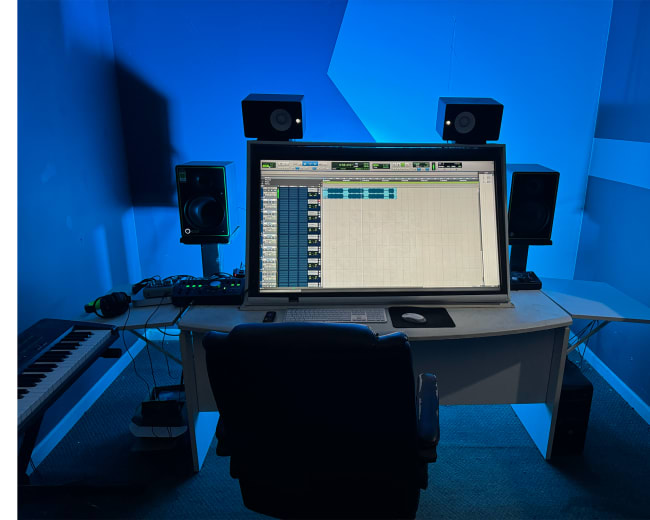
A helpful benchmark comes from New Jersey City University, whose media facilities emphasize purpose-built acoustics, Pro Tools HD, and broadcast-quality video. You don't need that level for every podcast studio booking, but it shows the difference between a room with microphones and a room designed for production. What to ask:
  • Are levels monitored live while we record?
  • Is the engineer included in the rate, available on call, or priced as an add-on?
  • Will I leave with raw files, synced files, or edited deliverables?
  • Who handles mic placement, camera framing, and troubleshooting if something clips or drops out?
If you're a beginner, choose simplicity over impressive gear lists. The best podcast studio is the one that removes friction from your process.

Can I book a late-night session after work?

Often, yes. Many podcast studio users in Jersey City need after-work recording windows, so late availability is common. Late-night access depends on more than the room itself. It also depends on the building, staff coverage, and how the booking is structured. A studio may appear available online but still have limits on check-in, elevator use, or support after a certain hour. What to confirm:
  • The real check-in window, not just the calendar availability
  • Whether the entrance, elevator, and restrooms stay accessible late
  • Whether staff support is still available if a cable fails or files do not save correctly
  • Whether your booking includes setup and teardown time, not only recording time
Late-night sessions can work well for guests coming from Manhattan or other parts of North Jersey after work. They can also be calmer than daytime sessions because there's often less foot traffic in the building. The tradeoff is energy. People are more tired at night, setup can move slower, and small mistakes are easier to miss. Avoid booking the exact minimum if the session matters. A little buffer time helps with mic checks, guest delays, resets, and file transfer. Pro tip: If your schedule is tight, look for listings that confirm quickly and ask whether short-notice sessions need extra approval. Fast confirmation can make a big difference for after-work recording.

Which Jersey City areas work best for guests and parking?

The best Jersey City area for a podcast studio depends on how your guests arrive. If most guests come from New York City, prioritize transit access and easy navigation. If most guests drive in from New Jersey, focus more on parking, load-in, and how much gear you're carrying. Here's the simplest way to think about it:
  • Best for PATH convenience: Downtown, The Waterfront, Harsimus Cove, and Van Vorst Park usually work well for guests who want a smooth train-to-studio trip.
  • Best balance of access and value: Journal Square is often a strong middle ground if you want solid transit access without paying for the most premium-feeling location. You can explore this area to see what's available.
  • Best for easier driving and larger setups: West Side, Bergen-Lafayette, and some areas farther from the waterfront can make more sense for cases, stands, props, or a small crew arriving by car.
  • Best for a Jersey-heavy guest list: The Heights can work well when more guests and collaborators are local drivers instead of PATH commuters.
For a simple, two-person audio episode, many neighborhoods can work if the room itself is strong. For a panel, branded video shoot, or live taping, logistics matter much more. At that point, you're not just booking a podcast studio. You're choosing a compact production space with guest flow, waiting space, restroom access, and camera framing in mind. If your session involves video, you may want to look for video studios that are designed for that kind of workflow. What to ask:
  • What is the exact entrance experience for a first-time guest?
  • Is there elevator access or only stairs?
  • Is there legal parking nearby, and is load-in straightforward?
  • Can a guest arrive early and wait somewhere without disrupting the set?
One of the biggest warning signs is vague logistics. If a host cannot clearly explain entry, parking, or how gear gets upstairs, expect friction on shoot day.

Should I rent a studio or record at home or in a park?

Choose the environment based on the kind of episode you need to produce. Home recording can work well for testing a format. A podcast studio usually works better when you want reliable sound, a polished visual setup, easier guest hosting, and less technical stress. A park only makes sense when the outdoor setting is part of the concept. Here's a practical breakdown:
  • Home works best when: You're recording solo, testing a new show, on a tight budget, or comfortable managing your own setup and retakes.
  • A studio works best when: You're bringing in guests, filming video, need consistent sound, want a polished background, or don't want to spend your energy troubleshooting.
  • A park works best when: You're intentionally making a field-style episode, documentary segment, or visually driven outdoor conversation where ambient noise supports the story.
Home recording looks cheaper at first, but the hidden costs add up quickly. Acoustic treatment, lighting, storage, cable clutter, extra editing time, and ruined takes all reduce the savings. For many creators, a podcast studio is the more efficient option because it creates repeatable conditions and cleaner files. In Jersey City, there's also more range than many people expect. You can often find both budget-friendly hourly rooms and more premium multi-camera setups, which means renting a podcast studio is not automatically a luxury move. It's often the smarter fit for guest-facing or video-first content. If you're planning a conversation with an on-camera guest, you can find interview spaces that work well for that format. The farther you move from a controlled indoor setup, the more you have to solve yourself. Power, noise, restrooms, weather, access, and permits all become your problem in more unconventional spaces. If your top priority is experimentation, home can be enough. If your top priority is polish, consistency, and guest confidence, a podcast studio usually wins. If your top priority is atmosphere over control, outdoor recording can work, but it's a creative choice rather than the easy option.
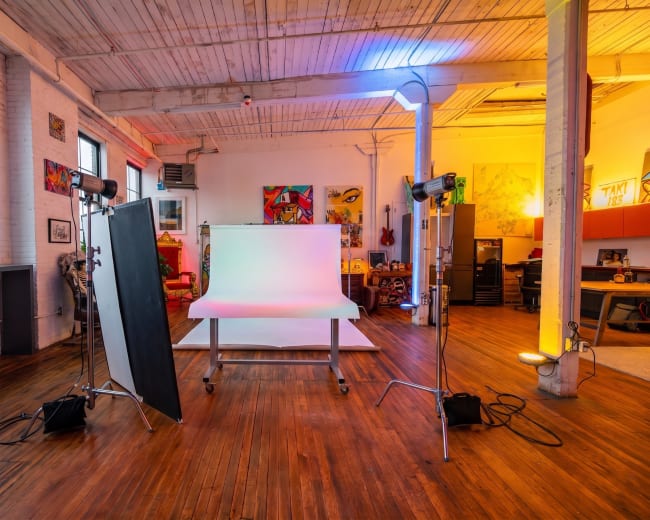
Do Jersey City video podcast shoots need permits?

Sometimes, but not always. A small indoor podcast studio shoot in Jersey City may not need a separate public-facing permit, but the risk increases as soon as the production affects spaces outside the room. If you're filming inside a private studio with a small crew, no exterior scenes, no sidewalk obstruction, and no unusual equipment, you may not need additional approvals. Once the shoot starts to function more like a film production, you should confirm the rules before booking. That's especially true in situations like these:
  • Public-facing activity: Exterior b-roll, sidewalk interviews, signage outside, or crowd control
  • Bigger footprint: Multiple vehicles, larger crews, heavy lighting, generators, or equipment loading that affects the building or street
  • Commercial complexity: Branded content, multi-camera production, or anything that draws attention beyond the studio walls
According to Hudson County, the county provides film permit applications, a Filmmakers' Code of Conduct, and a registry of Film Ready locations. That is a strong signal that visible video production in Jersey City can involve compliance requirements. A useful rule is simple: permit risk goes up the moment your shoot affects people outside your booked room. If your production stays indoors but requires a dedicated space with proper lighting and camera infrastructure, you can find film production locations in Downtown Jersey City that are already set up for that kind of work. What to ask the host:
  • Are interior video shoots allowed under the building rules?
  • Are there restrictions on crew size, lighting, load-in, or filming in common areas?
What to ask yourself:
  • Am I filming only inside, or am I also using hallways, rooftops, sidewalks, or exterior entrances?
When in doubt, verify the requirements before you book. It's much easier to confirm permits, approvals, or insurance in advance than to discover on shoot day that your simple podcast studio session now needs a different setup.
Updated August 9, 2026Our data is refreshed in real time using booking trends, verified guest reviews, and direct partner updates — with additional quality checks from our team.