

Sun
Mon
Tue
Wed
Thu
Fri
Sat
$100/hr$75/hr$50/hr$25/hr
Peerspace is the easiest way to book unique recording studios for all kinds of productions including photo shoots, film shoots and music videos. We also have spaces for meetings and events.
Discover SpacesEvery day we uncover new, inspirational spaces, including music studios, perfect for your activity.
Our network of helpful hosts respond quickly, and are well-versed in accommodating all types of productions, including film and photo shoots.
Only pay for what you need. Pay by the hour for your music studio location without worrying about hidden fees or overtime.
Spacious High End Studio in Lower Manhattan with Live Room and Outdoor Patio
Lower Manhattan, New York, NY8 guests
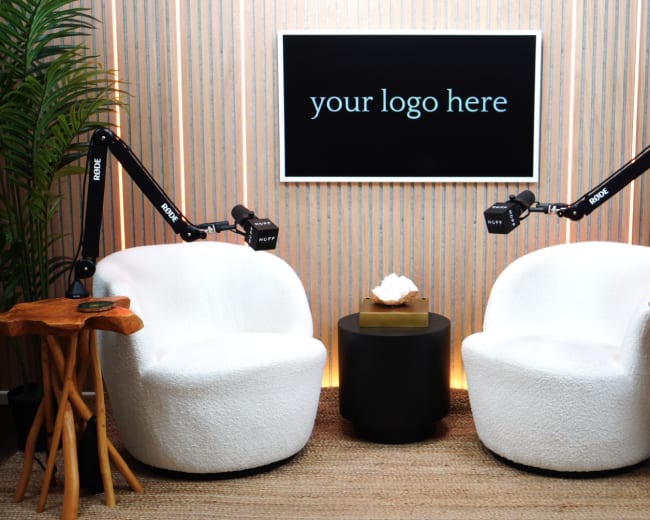
Studio "C": Sound Lab Podcast Studio
Bergen-Lafayette, Jersey City, NJ5.0 (7)
10 guests
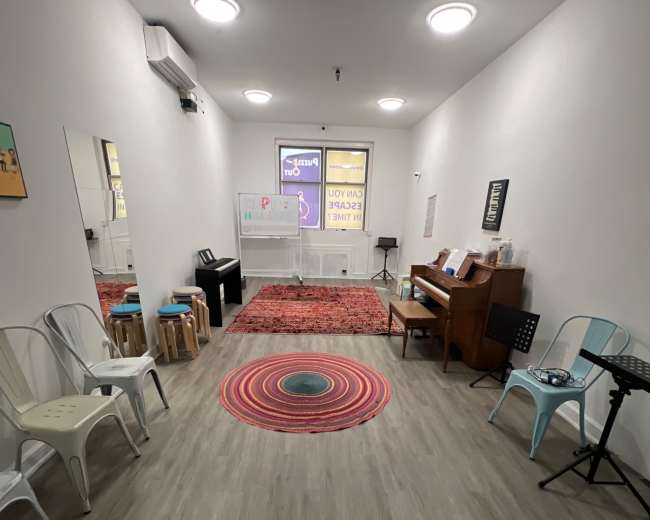
Recording & Rehearsal Music Studio in JSQ.
Journal Square, Jersey City, NJ4.8 (5)
8 guests
All-Inclusive Podcast Recording Studio - Up to 50% Off (Downtown)
Lower Manhattan, New York, NY5.0 (103)
5 guests
Recording Studio in Dumbo, Brooklyn
Dumbo, Brooklyn, NY40 guests
Full-Service Podcast Studio in Tribeca
Lower Manhattan, New York, NY5.0 (68)
4 guests
Midtown High-End Recording Studio
Midtown Manhattan, New York, NY35 guests
Roomy Downtown Studio with Multiple Music Rooms
Van Vorst Park, Jersey City, NJ15 guests
Sleek Post-Production Studio / Event Space in Heart of SoHo
NoHo, New York, NY20 guests
Midtown High-End Recording Studio
Midtown Manhattan, New York, NY5.0 (1)
10 guests
Professional Recording & Production Studio, Big Room, Soundproof, Vintage Gear & Grand Piano
Williamsburg, Brooklyn, NY5.0 (136)
30 guests
Video Podcast Studio in FIDI
Financial District, New York City, NY5.0 (1)
4 guests
Fully stocked podcast studio minutes from downtown NYC
West Side, Jersey City, NJ5.0 (13)
20 guests
TurnKey Podcast Room
The Heights, Jersey City, NJ5 guests
Production / Recording Space for Artists and Producers
Midtown Manhattan, New York, NY4.9 (18)
4 guests
Legendary Recording Studio in Midtown
Midtown Manhattan, New York, NY5.0 (2)
10 guests
Record Like a Pro in the Heart of downtown Brooklyn! Welcome to our premium intimate recording studio located in Brooklyn—ideal for recording
Bridge Plaza, Brooklyn, NY5 guests
Brooklyn Recording Studio with High-End Equipment
Clinton Hill, BROOKLYN, NY15 guests
Green House Records NYC Midtown Manhattan Premier Boutique Recording/Production Studio
Midtown Manhattan, New York, NY12 guests
The Production Studio: An 8000 sq ft Hidden Gem
The Heights, Jersey City, NJ5.0 (13)
25 guests
Private Intimate Recording Studio
Gowanus, Brooklyn, NY9 guests
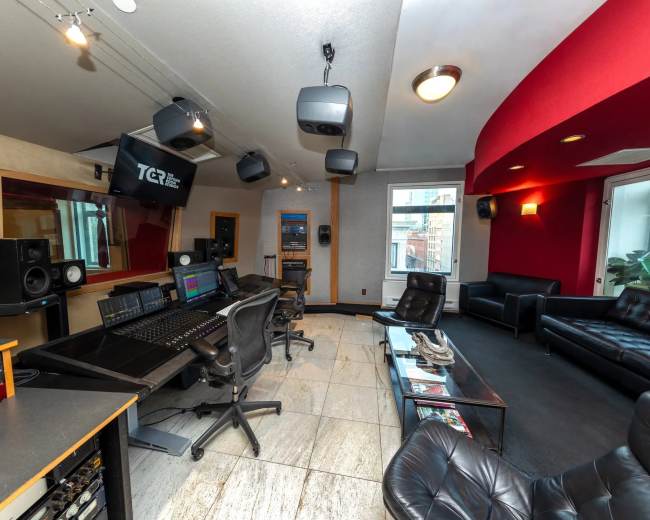
Control Room 1 @ The Cutting Room Studios
Midtown Manhattan, New York, NY20 guests
Top Quality Recording Studio
Central Ward, Newark, NJ10 guests
Spacious music studio and event venue with a stage in Downtown Brooklyn, just minutes from bridges and the Barclays Center.
Downtown Brooklyn, NY10 guests
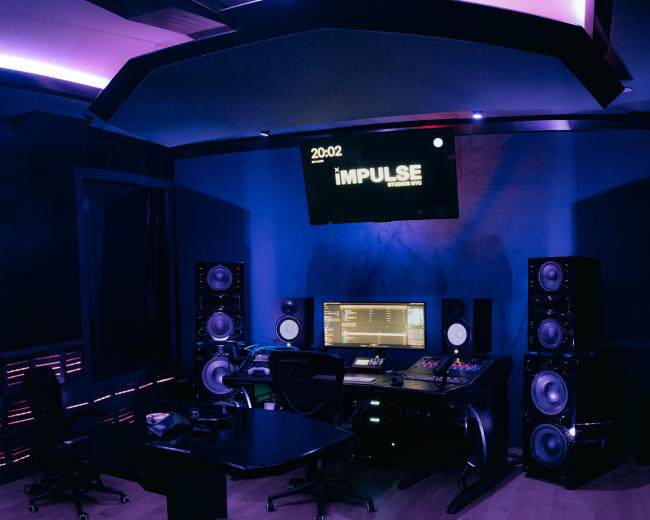
Futuristic, Cutting Edge Studio in Lower Manhattan
Lower Manhattan, New York, NY8 guests
Music Recording Studio
Sunset Park, Brooklyn, NY5 guests
Recording & Photography Studio in Jersey City
Bergen-Lafayette, Jersey City, NJ5.0 (1)
15 guests
Boutique Warm Recording Studio
Sunset Park, Brooklyn, NY5 guests
Production Studio
Union City, NJ5 guests
Podcast Studio Space with Skyline View
Hoboken, NJ5 guests
Legendary Recording Studio in Midtown
Midtown Manhattan, New York, NY5.0 (5)
4 guests
Midtown Manhattan Recording Studio with Steinway Grand Piano & Custom Oak Drum Kit. Engineer included!
Midtown Manhattan, New York, NY4.9 (180)
10 guests
Pricing and popularity information in this section is based on proprietary Peerspace booking data, reflecting recent booking activity and the latest data available through October 2026.
Recording studios in Jersey City average $100 per hour to rent, but it’s easy to spend less or more depending on what you’re looking for.
Most recording studios are scheduled for 6 hours, with 11 people in attendance. You’ll find the most Recording Studios starting between 1:00 PM and 2:00 PM.
Our local hosts have welcomed 5383 people into their recording studios with reviews averaging 4.89 stars. Most even said they would book again -- about 96%.
Saturdays are the most popular day for booking recording studios in Jersey City. For those seeking a deal, consider booking Saturday and Sunday as these days are 25% cheaper on average.


