Why Peerspace?
Unique spaces
Every day we uncover new, creative spaces — from local galleries to hidden rooftops, and beyond.
Honest pricing
Our spaces are priced to fit your budget. Pay by the hour without worrying about hidden fees.
Smooth bookings
No more messy contracts. We build the tools to make booking a space as easy as the click of a button.
Popular spaces with a kitchen

The Wilmington Square House
Clerkenwell, London, England5.0 (17)
50 guests
The Wilmington Square House. cocktails or casual gatherings. With flowers and greenery all around, it offers a beautiful blend of indoor and outdoor vibes. 🍹🌿
The Kitchen
The open plan kitchen is modern and practical, with exposed brick walls and a central island. It’s a great space for buffets, cooking demos, or
...
From
£325
/hr
1 hr min

Dukkan
London, England100 guests
Dukkan. Great for:
Private Dinners
Birthdays
Corporate Events
Weddings
Shootings.
Kitchen Rents.
Supper clubs
We do have a huge bar and restaurant area with huge kitchen.
Seated 60 guests max
Standing 100 guests max
We do have a restaurant area 140sqm and kitchen area 125sqm.
We are fully booked for Sundays (full day) and Mondays (until
...
From
£200
/hr
7 hr min

69 drops studios
Whitechapel, London, England5.0 (6)
100 guests
69 drops studios. BEVERAGE
Outside food and drink allowed (upon discussion)
ABOUT THE SPACE
• 1300sq ft open space with 3.5m ceilings
• Fully equipped modern chef's kitchen
• Ideal space for events up to 100 people
• Bright space with lots of daylight
• The space can be completely blacked out if
...
From
£125
/hr
4 hr min

House of Design Architects
Hammersmith, London, England5.0 (2)
44 guests
House of Design Architects. steel columns, large industrial windows, polished concrete floors, visible services and warm bespoke timber joinery.
We have a beautiful bespoke stainless steel kitchen with LaCanche six ring burner so would work particularly well for client presentations, content shoots, brand events, private dining, supper clubs, workshops and
...
From
£160
/hr
4 hr min

Kemble House Photography Studio
Forest Hill, London, England40 guests
Kemble House Photography Studio. Kemble House is a daylight photography studio and kitchen for hire, suitable for food, drink, portrait, PR, commercial and product photography, as well as small events like private dinners, product or book launches and workshops. We are proud to be part of Forest Hill's thriving creative
...
From
£65
/hr
8 hr min

The Social Kitchen Studios
London, England25 guests
The Social Kitchen Studios. Two new unique spaces designed for your culinary creative adventures.
Studio A has a bespoke kitchen with a movable island, it provides the perfect stage for a large range of different usages. From large scale culinary productions, collaborative cooking events to team building and workshops. Studio
...
From
£95
/hr
1 hr min

Editor's Tap
City of London, England250 guests
Editor's Tap. Large open plan sports pub, kitchen located on the ground floor of Fetter Lane in Holborn.
We have a capacity of X300 PAX. Modern venue with multiple screens. Parking is available for goods vehicles.
We are available for private hire Saturdays and Sundays and have a
...
From
£1,000
/hr
12 hr min


The Home Event Space
Islington, London, England5.0 (2)
100 guests
Designed to reflect the comforts of home, the space includes a lounge area, library complete with games and oddities, a functioning kitchenette and a rear presentation/cinema room.
Perfect for: Away Days // Talks // Film Shoots // Meetings // Focus Groups // Exhilarating Powerpoint presentations // Puppy
...
From
£180
/hr
4 hr min

Rumples Studios
Holborn, London, England5.0 (1)
8 guests
Rumples Studios. from Holborn station, Rumples Studio welcomes all of your photo and video projects.
Location with high ceilings, different furniture options, fully operational kitchen, and providing lots of daylight throughout the whole day coming through two huge industrial windows.
Rumples Studio is great for:
• Filming interviews and podcasts
•
...
From
£75
/hr
1 hr min

Bread and Butter Collection
Shoreditch, London, England5.0 (12)
50 guests
Bread and Butter Collection. been used for a wide range of events and is unique in the way that it can cater for almost anything.
Kitchen:
It has a fully functioning kitchen and space to feed up to 35 guests so it's perfect for supper clubs and guest chefs.
Music +
...
From
£85
/hr
5 hr min

Studio Warehouse with Skylights
Haggerston, London, England5.0 (1)
45 guests
classes, concerts, eve s, rehearsals, retreats, photoshoots, filming, workshops, and more!
Sunlight streams through skylights by day! Need gear? We've got a kitchen with a kettle, an upright piano, a Yamaha digital piano, pro music equipment, a mic stand, a projector, yoga mats, and plenty of chairs.
...
From
£65
/hr
2 hr min

Calming meeting and events space with access to small kitchen point
London, England5.0 (2)
40 guests
A calming room that is good for meetings, small parties, and a range of other uses including children's parties or adult speaking events. This has been used for some children's musical activities, as well as support and discussion groups.
This space has a particularly relaxed vibe
...
From
£63
/hr
4 hr min

Sweet and Chic Cafe in Mint Colours
London, England4.8 (23)
20 guests
coloured celebration of
1970s café style, air and light filled with small tables and a counter with an arch through to the kitchen.
The cafe can be used as a cafe or restaurant setting. There is a small upstairs room that can be used for storage or
...
From
£75
/hr
2 hr min

A beautiful 19th century industrial warehouse dance studio
Limehouse, London, England4.8 (30)
20 guests
ideal for dance practice, small classes for yoga and stretch. It’s also great for music groups, practice space.
The small kitchen area with just a kettle and bathroom is ideal for reflection/meetings.
BYOB permitted.
Great for:
Baby Shower / Bridal Shower, Creative Events Only Workshops,
...
From
£35
/hr
2 hr min


Patron London
Kentish Town, London, England70 guests
Patron London. onsite catering options. The flexible layout allows for personalized table arrangements for each event, and amenities such as a fully equipped kitchen, vintage piano, sound system access, and two fully equipped onsite bars ensure a seamless experience for guests. Additionally, the restaurant provides a cloakroom and
...
From
£600
/hr
2 hr min

Sweety Cooky
Archway, London, England25 guests
Sweety Cooky. Birthday party
family reunion
Graduation party
meeting for around 20 people
Company party
any meetings
Anniversary
Pizza party
Board games night
Birthday party
Any events that is not required laud activities
Community group meetings
Art nights
Any club gathering which requires food and drinks
...
From
£150
/hr
2 hr min

Artist Warehouse Flat
Stratford, London, England5.0 (5)
20 guests
This is my live work unit, an open plan bedroom/kitchen/dinning/living room/jewellery workshop. around 90sqm of open space to play around with featuring a custard yellow floor and wood panels.
Perfect space for photoshoots and videoshoots. You must bring your own equipment.
The bedroom can be available to rent
...
From
£95
/hr
1 hr min
Dehav Studios
Clapton, London, England4.9 (14)
20 guests
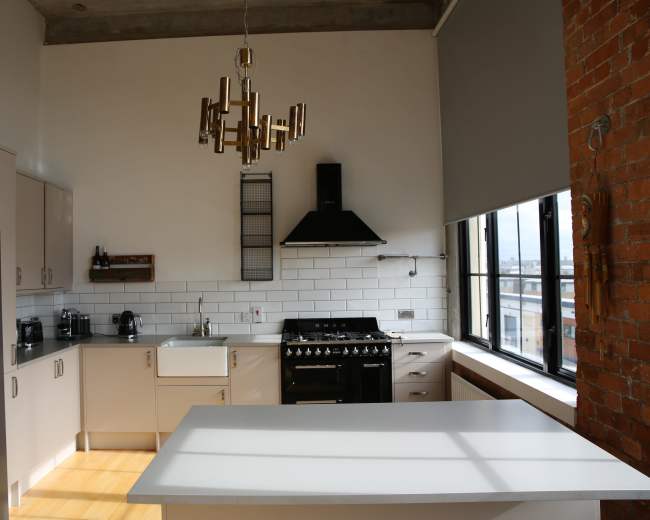
Dehav Studios. the length of the space, facing East. Each window is 9x6ft, and there are grey blackout blinds fitted to all.
Fully equipped kitchen and the kitchen island is also movable, which further extends the options to adapt the space.
Decorating would be considered.
A steel staircase gives access to
...
From
£115
/hr
2 hr min

Dream Outdoor Kitchen in the Middle of a Big City
Brixton Hill, London, England5.0 (1)
20 guests
Book our space conveniently located in Strathleven. With a beautiful outdoor kitchen with a smoker, indoor seating area with exposed brick and equally amazing indoor kitchen.
Please inquire via Peerspace messaging if you have any questions or are interested.
Features:
• Outdoor Kitchen
• Natural Light
• Exposed brick walls
Available
...
From
£130
/hr
3 hr min

Urban Oasis: Versatile Venue with Natural Light for Supper Clubs, Weddings, Corporate Dos and More
Kensington, London, England5.0 (2)
150 guests
versatile venue suitable for a wide range of activities and events. Here's more information about our space:
We function as a community kitchen, a small charity and if you book with us it means that you're helping the work we do to support those in need in
...
From
£150
/hr
6 hr min

Method Studio
Greenwich, London, England5.0 (11)
25 guests
Method Studio. of production experience we offer an affordable and functional space. A key part of the studio is our fully integrated bespoke kitchen created with Oak Veneer Joinery, Fenix NTM Solid Worktop & Fluted Oak Island which is moveable for use on and off the cove, perfect
...
From
£100
/hr
4 hr min

Kitchen Event Space
Greenwich, London, England10 guests
The kitchen is a great intimate space to host your next event! It can be hired separately or alongside one of our larger event spaces.
Tables and chairs are available as part of the hire package.
The centre also boasts of modern kitchen facilities, access to fast reliable
...
From
£47
/hr
2 hr min
The Heart Space
London, England25 guests
The Heart Space. rows.
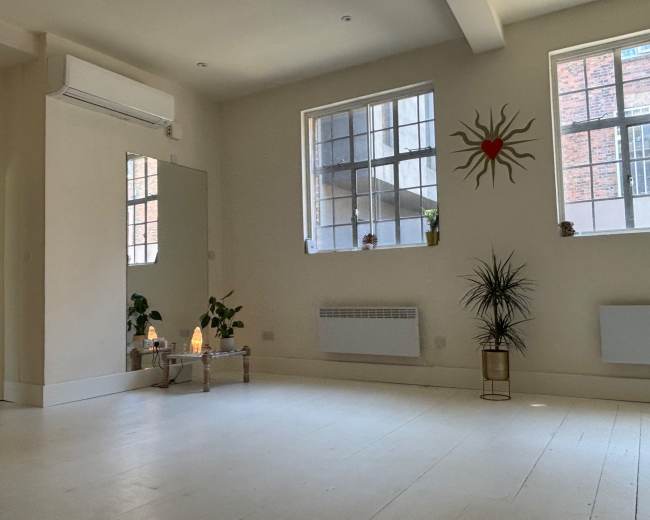
The acoustics in the studio are great for sound journeys or singing circles.
There is an ensuite bathroom and a small kitchen with a microwave for preparing simple foods, drinks or Cacao.
The studio is fully equipped with blankets, bolsters, blocks and mats for 20 people.
...
From
£65
/hr
2 hr min

Luxury Home with Beautifully Designed Kitchen for Events | North London
London, England5.0 (36)
10 guests
beautifully designed home is available for hire for events.
The home is a luxury house with modern and colorful interiors. The kitchen is bright and airy, with a large kitchen island great for food disposal. The house's layout is open plan, making it great for events.
...
From
£400
/hr
4 hr min

Wren Room
Greenwich, London, England3.7 (3)
40 guests
host your next event! Tables and chairs are available as part of the hire package.
The centre also boasts of modern kitchen facilities, access to fast reliable internet and access to beautiful green surroundings – right next to Southern Park and opposite a playground.
Standing Capacity
...
From
£47
/hr
2 hr min

Meridian Room
Greenwich, London, England60 guests
host your next event! Tables and chairs are available as part of the hire package.
The centre also boasts of modern kitchen facilities, access to fast reliable internet and access to beautiful green surroundings – right next to Southern Park and opposite a playground.
Standing Capacity
...
From
£71
/hr
2 hr min

Bright studio with industrial features in a quiet area
London, England5.0 (1)
30 guests
studio space for photography, video, interviews, yoga, workshops, podcasting, and co working.
We have the daylight studio on level 1 with kitchenette and dining area, the dressing room, hair and makeup and bathroom are all on the ground floor, all our spaces are well designed and
...
From
£75
/hr
4 hr min

Lounge
Cricklewood, London, England5.0 (1)
25 guests
Step right into this exclusive urban entertainment lounge, the perfect venue for your next event! Picture your guests mingling over artisan coffees crafted from the professional espresso machine, setting the stage for a sophisticated yet relaxed atmosphere. Challenge friends or colleagues to a game of pool
...
From
£42
/hr
2 hr min

1930's House With Open Plan Living Great For Production Shoots
London, England4.8 (6)
15 guests
The 1930's house comprises of a striking entrance hall with direct views through to an open plan kitchen and dining space with a great cooking island.
There is parquet flooring throughout, the kitchen/diner area opens out onto a tiled patio and garden with a garage at the
...
From
£100
/hr
4 hr min
Stylish and unique, open plan family home in West London
Hammersmith, London, England5.0 (19)
50 guests
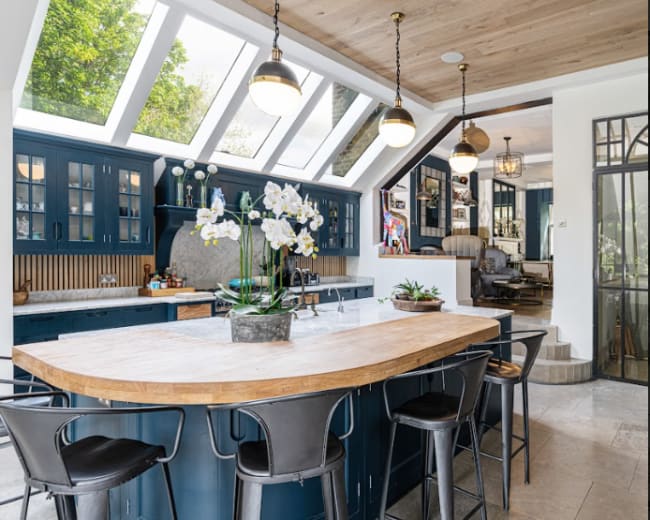
floor with a unique critical windows and door feature leading to a large garden. Free parking space available onsite. Great chef's Kitchen for demos, an event, film or editorial shoot.
PLEASE NOTE THE PALM TREE IS NOT THERE ANYMORE
...
From
£180
/hr
6 hr min

Vibrant Lifestyle Studio with living room and kitchen
London, England5.0 (2)
30 guests
Inspired by the need for more colour, our photographic studio epitomise ‘go bold or go home’ mantra. Each corner of the studio has been meticulously designed to ensure any pursuit or project that takes place in these four walls stands out with a distinctive flair.
More
...
From
£170
/hr
2 hr min

Modern living and dining space with large garden in central London
London, England30 guests
A modern kitchen and dining space in central London. Can easily fit 10 12 people seated or 30 with seated and standing. We have beautiful bi folding patio doors to open up into the garden. You can host photoshoots, office meetings, get togethers, a
...
From
£100
/hr
3 hr min

Versatile home with beautifully designed open plan kitchen for production and events
Finchley, London, England5.0 (3)
60 guests
Our beautifully designed open plan kitchen and dinning room and garden are available to hire for events.
The home is a characterful house with classic and colourful interiors. The kitchen is bright and airy with a large kitchen island great for food photography (please note you would
...
From
£180
/hr
4 hr min

Statement Pink Kitchen (70m²) with Skylights & Full Production Space, South West London
Lambeth, London, England30 guests
Statement Pink Kitchen (70m²) with Skylights & Full Production Space, South West London
A large, design led kitchen in South West London, centred around a distinctive pink palette and a striking marble island. The space is finished in limewash paint by Bauwerk, adding depth, texture and a
...
From
£200
/hr
6 hr min
How much does it cost to hire a kitchen for the day in London?
Kitchen spaces in London start from around £35 an hour and typically reach about £400, with most near £100. What you pay usually tracks three things: the size and spec of the space, how central it is, and how long you book. Most hourly listings also set a minimum number of hours, so a quick shoot and a full day of supper-club prep won't cost the same.
If you're weighing your options, it helps to see what it really costs to rent a commercial kitchen against a home-style space. To keep costs sensible, match the space to your headcount, book only the hours you'll genuinely use, and check whether extras like tables or cleaning are already included before you commit.
What should you check before booking a kitchen to cook in?
Start with the practical stuff that makes or breaks a session. Confirm the cooking kit you actually need, whether that's a six-ring hob, a double oven, proper extraction, or enough fridge and freezer space. Then look at the essentials around it.
- Power and layout: Enough sockets, prep surfaces, and room for your crew or guests to move
- Access and timing: Loading for gear, lift or stairs, and whether setup and clean-up fit inside your booked hours
- Water and waste: A decent sink, a dishwasher, and somewhere to deal with rubbish
- Food safety: For anything you'll serve or sell, ask about the space's food hygiene rating
Can you hire a kitchen just for a few hours or a one-off event?
Absolutely, and that flexibility is the whole point. Hourly hire suits a one-night supper club, a half-day cookery class, a recipe-testing session, or a food photo and video shoot, with no long lease or monthly commitment hanging over you. You book the block of time you need and hand the keys back after. If it's your first go, our guide to renting a kitchen for a day in London walks through the whole process, and spaces set up for a cooking class often come with the extra hobs and prep room those sessions need.
For a one-off event, the licensing is usually lighter than people expect. According to GOV.UK, you don't need a separate entertainment licence to play live or recorded music between 8am and 11pm at an alcohol-licensed venue with an audience of 500 or fewer. Even so, it's worth confirming what the space's own licence already covers, especially if you're serving drinks or running late. Sketch out your timings first, including setup and clean-up, so the hours you book genuinely match the shape of your event.
Is it better to hire a kitchen space or cook in your own home?
Cooking at home is free, low-admin, and lovely for small, casual gatherings where the kitchen you already know does the job. There's no booking, no travel, and you set the rules. A hired space earns its keep once things scale up or get more ambitious. You get a bigger, better-equipped kitchen, room for more guests, and someone else handling the clean-up, which is why many hosts lean on a venue for ticketed or larger events.
It's the same logic behind hiring dedicated private party spaces or dinner party venues once a guest list outgrows the dining table. A booked venue may also already hold the permissions it needs. As GOV.UK explains, a premises licence, held by the venue operator, covers selling alcohol or offering entertainment at that address, so you're often working under cover that a home simply wouldn't have. Weigh the freedom and savings of home against the space, kit, and easier logistics of hiring, then pick what fits the occasion.
Which London neighbourhoods suit hosting a kitchen event best?
The capital gives you a real spread of characters, so choose the area that matches your vibe and your guests' commute.
- East London: Shoreditch, Hackney, and Whitechapel brim with creative studios and warehouse kitchens, ideal for supper clubs and content shoots
- South London: Brixton, Peckham, and Greenwich tend to offer roomier, often better-value spaces with a relaxed feel
- Central London: Clerkenwell, Holborn, and the City sit close to transport for corporate tastings and client dinners, usually at a premium
- West London: Hammersmith and Fulham lean towards elegant home-style kitchens for polished dinners and editorial shoots
Do you need a licence or registration to sell food you make there?
If you're cooking to sell rather than just to host, a few rules kick in, and they're straightforward once you know them. Anyone selling, cooking, storing, or preparing food to sell has to register as a food business with the local council. GOV.UK is clear that you need to register at least 28 days before you start trading, and that applies even when you're working from a hired or shared kitchen.
You'll also need food safety procedures in place. GOV.UK explains that businesses must base their food safety management on HACCP principles, and its free Safer Food, Better Business pack is a sensible starting point for smaller operators. If you pack any items for customers to pick up themselves, the Food Standards Agency requires a full ingredients list with allergens emphasised, under the rules known as Natasha's Law.
And for a one-off event where you'll sell alcohol the venue isn't already licensed for, a Temporary Event Notice from GOV.UK costs £21, needs at least 10 clear working days' notice, and caps attendance at fewer than 500 including staff. It's a well-trodden path for small food ventures, from catering trials to ghost-kitchen pop-ups. If you're scoping the format, dedicated private dining rooms are a good next stop.
Pro tip: Booking a private kitchen on Peerspace usually means the venue operator already holds the premises licence for the space, so you skip the public-space permit hassle of a park or street pitch. Registering your food business and keeping up your hygiene standards, though, still sit with you.
Similar searches in London, England
Similar searches
Updated 7 October 2026Our data is refreshed in real time using booking trends, verified guest reviews and direct partner update, with additional quality checks from our team.