How Homes work on Peerspace
Peerspace is the easiest way to book unique for all kinds of productions including photo shoots, film shoots and music videos. We also have spaces for meetings and events.
The most locations
Every day, we uncover new, inspirational spaces, including Homes, perfect for your activity.
Professional hosts
Our network of helpful hosts respond quickly and are well versed in accommodating all types of productions, including film and photo shoots.
Hire by the hour
Only pay for what you need. Pay by the hour for your Home location without worrying about hidden fees or overtime.
Popular houses

Location House Hackney
Lower Clapton, London, England5.0 (9)
40 guests
Location House Hackney. 4 storey Victorian townhouse in Hackney. Very popular shoot location with multiple backdrops, textures and areas. Flexible space with beautiful natural light. Four different living areas throughout the house mean it works perfectly as a production set and for photo shoots. Upper floors including bedrooms,
...
From
£100
/hr
4 hr min
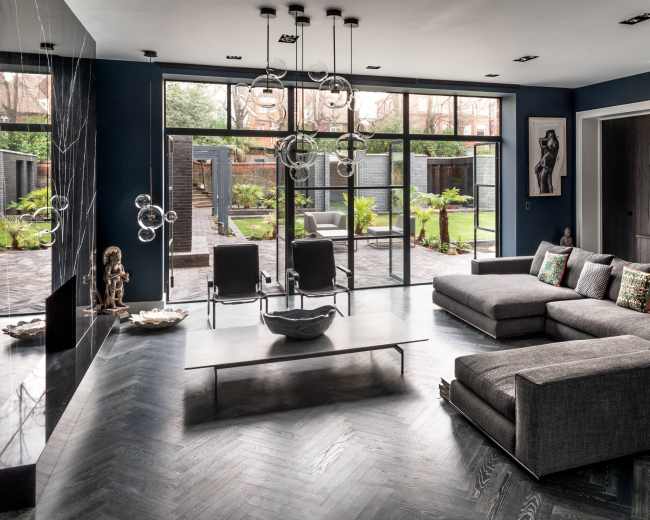
Location Creation
Belsize Park, London, England50 guests
Location Creation. A stunning modern house in Belsize park, with a massive garden, self contained annexe, hot tub and gym.
Highlights:
Luxury, double fronted new build in London
X 2 Kitchen islands and marble counters
Sunken outdoor seating area with firepit
Double fronted
Detached
Luxury
New build
X2 kitchen islands
Marble
Crittal windows
Hot tub in the ground
Interior:
Open plan
...
From
£360
/hr
10 hr min

Maxwell House
Hammersmith, London, England4.9 (7)
20 guests
Maxwell House. Our house is an award winning, architecturally designed property, just five mins’ walk from Hammersmith centre. This four storey Victorian townhouse is truly unique, its design inspired by its history as a textiles shop. In the house, you’ll find numerous interesting spaces ideal a variety
...
From
£95
/hr
2 hr min

Classic Islington townhouse with dated 1960s 1970s retro vintage interiors
London, England5.0 (32)
14 guests
The interior of this classic London townhouse has barely been touched for 50 years. Dated wallpaper abounds throughout the house. The bathroom has lime green linoleum flooring and pine panelling, accompanying the sage coloured bath set. There are lovely old fashioned wooden kitchen cupboards paired with
...
From
£80
/hr
2 hr min
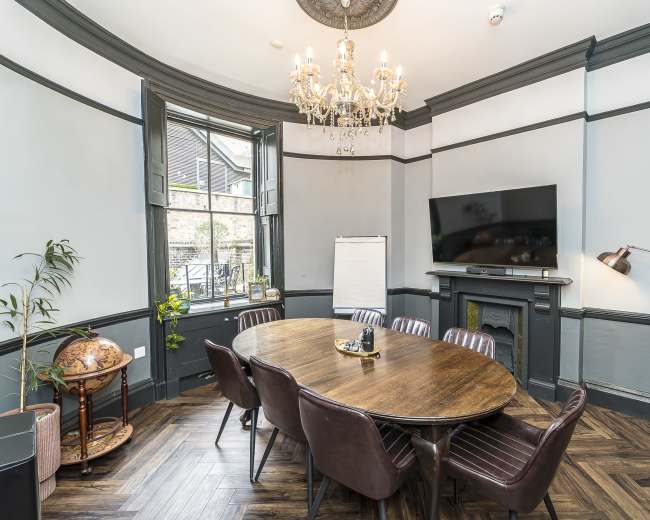
Fitzrovia House, The Boardroom
Bloomsbury, London, England5.0 (2)
8 guests
Looking for meeting room hire in Fitzrovia or Central London? Fitzrovia House at 3 Gower Street is a historical building offering a unique blend of traditional charm and stylish décor. This venue combines the private members' club feel with the functionality of a working office, providing
...
From
£96
/hr
1 hr min
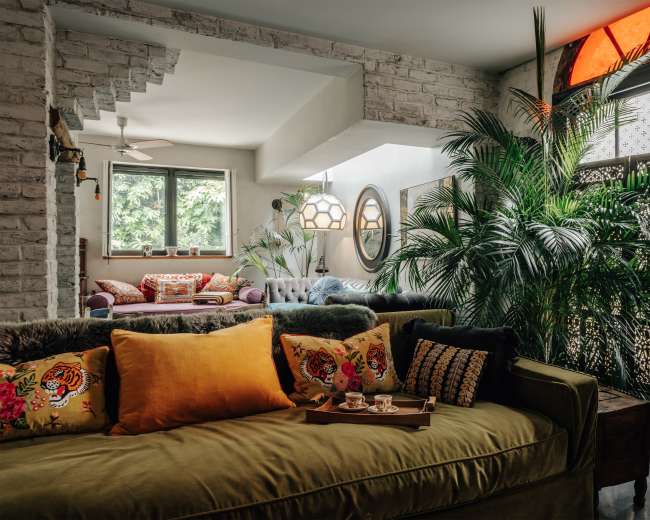
Seductive Bohemian Mews House
Primrose Hill, London, England10 guests
Concrete Urban meets France, Morrocco & Bohemia. A beautiful open plan wow house with a vibrant and quirky aesthetic full of character, curios and palms. It also features a romantic beamed master bedroom suite with a victorian bath. The house also features a magical walled
...
From
£175
/hr
3 hr min

Contemporary Bright Stylish Open-plan '30s House & Garden Clissold Park N16
Stoke Newington, London, England5.0 (1)
15 guests
Open plan 1930s terraced house and garden with a tasteful blend of modern and 1930s interior decor. Quirky antiques add character and its has a colourful 'cube' library with a piano.
There are minimalist floor to ceiling white kitchen cupboards and an eye catching green marble worktop.
...
From
£92
/hr
2 hr min

Colourful Eclectic Designed House
London, England5.0 (28)
10 guests
This eclectic modern location house combines antique charm with a modern twist. The style is eclectic, artistic, and colourful, featuring a few iconic designer pieces. Each room has a unique feel, thoughtfully designed to match its function and inspire creativity.
Featured in an Evening Standard article on
...
From
£100
/hr
2 hr min

East London Victorian Townhouse
Lower Clapton, London, England5.0 (1)
30 guests
Victorian House for photo and film shoot.
Spacious and characterful four storey townhouse located in Clapton, Hackney. Three bedroom Victorian property which has recently been completely renovated. The space has a fantastic kitchen and dining room with an abundance of natural light from the bi fold door
...
From
£120
/hr
4 hr min
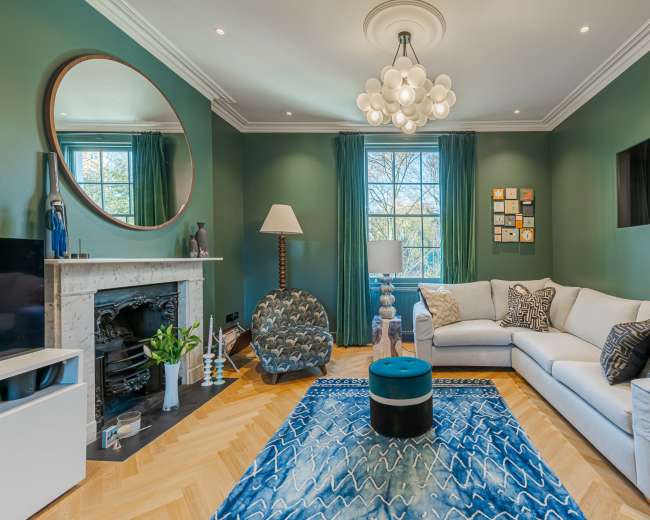
Landsdown House
Lambeth, London, England30 guests
A modern, Soho House designed home with a pink marble kitchen and double sitting room.
Soho House style
Modern
Pink and teal
Modern minimalist style
Double sitting/TV room
Access via ground or 1st floor
Double sitting room
Kitchen/Dining
Master bedroom
Master ensuite
Study
Kids Bedroom
Family bathroom
Garden
A great location home a variety of production shoots: photo shoots,
...
From
£150
/hr
5 hr min

Town House with double-height Kitchen Atrium
Lower Clapton, London, England5.0 (18)
20 guests
Our 4 storey victorian Town House, situated in Clapton, is used lots for film, fashion shoots and adverts, ranging from Swarovski and Vogue to Superdrug and Harrods. The whole ground floor is open plan which lends itself to easy set up and accessibility for
...
From
£100
/hr
4 hr min
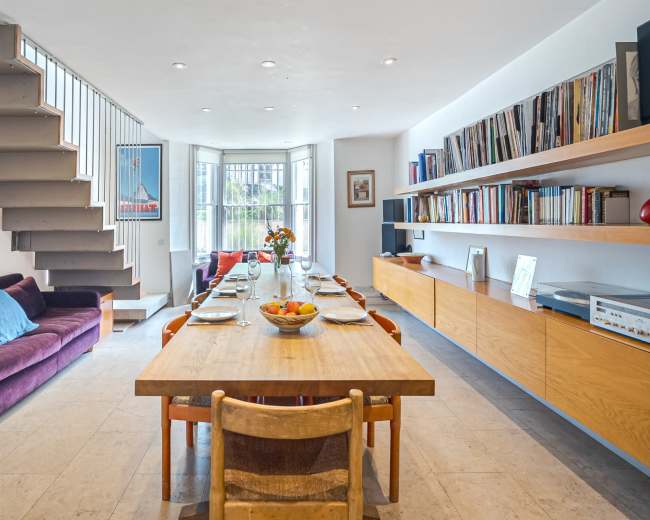
Lamont House
Chelsea, London, England5.0 (1)
20 guests
A four storey, Mid Victorian home with wooden interiors and roof terrace.
4 floors
Wooden floor and staircase
Light and open space
Art pieces, posters and bookshelves
Open kitchen/living
Stunning ground floor sitting room
Roof terrace with 360 Chelsea views
Ground
Kitchen/dining
Utility
Bedroom
1st:
Sitting room
Study
2nd:
Master bedroom
Ensuite
Dressing room
3rd:
Bedroom
Bathroom
4th:
Roof terrace
Bedrooms: 3
Bathrooms: 3
2800 ft entire property
22 x 14 ft kitchen
...
From
£150
/hr
5 hr min

Split level restaurant built in a converted double Mews house with loft style room
Kilburn, London, England150 guests
The venue spans two levels, initially comprising two mews houses on a private street.
Take the first flight to "The Loft" on the first floor. This bright white space features expansive bifolding windows that open up, creating an inviting and airy atmosphere. The open gable roof, complete
...
From
£400
/hr
2 hr min

Modernised Victorian house with expansive, clean, neutral-decor spaces
Leyton, London, England15 guests
The house is located in popular East London, Leyton which thrives with shops and amenities.
The spaces around the house are great for small meetings, photoshoots, filming of films or TV ads or short reels. The spaces available are a cosy, carpeted front lounge with beautiful modern
...
From
£100
/hr
3 hr min

Beautiful house with lots of variety. Multiple set ups possible.
London, England4.7 (3)
20 guests
room is a different color. Multiple setups are possible.
three bedrooms, a room in the garden (the green music room) the house is end of the terrace and right next to Alexandra Park so very quiet.
The ground floor consists of three tooms. The dining, living,
...
From
£105
/hr
1 hr min

Contemporary 6 bedroom detached house with entertainment facilities
London, England50 guests
the top floor has another en suite bedroom with a white marble themed bathroom with glass doors and gold furnishings.
The whole house has a Sonos surround sound system, including the garden. There is also air conditioning and heating installed throughout the property.
Great for commercials
...
From
£250
/hr
1 hr min

Clean & Modern House with Large Backyard
London, England5.0 (2)
20 guests
Book our Clean & Modern House with Large Backyard conveniently located in London. We’d love to host you for your next creative project. Please inquire via Peerspace messaging if you have any questions or are interested.
Features:
• 1470 sq. ft
• WiFi
• Existing Furniture
• Lounge Space
• Kitchen
•
...
From
£80
/hr
3 hr min

Light-filled, Trendy House and Garden
London, England5.0 (1)
12 guests
This beautiful house contains a light, airy living space next to the garden, flowing into a modern and streamlined kitchen. The south facing outlook sheds sunlight all day into the rooms. There are two bedrooms and a bathroom upstairs via an avocado coloured staircase. Downstairs adjoining
...
From
£75
/hr
4 hr min

Modern Contemporary Designer House with Pool and Summerhouse in London NW6
London, England4.9 (15)
60 guests
shooting an advert, stills, film, TV series or conducting interviews we have so many different areas and features to offer. The house has lots of natural light and large bifold doors onto the garden spanning across the whole back.
In addition the large summerhouse at the end
...
From
£180
/hr
4 hr min

Hugon House
Fulham, London, England5.0 (1)
20 guests
A Victorian family home with a Californian inspired kitchen/living/dining area. It has crittall style doors that open onto the garden and a snug room with a terrace.
Victorian
Attached
California inspired kitchen
Crittal style doors
Open plan kitchen/living/dining
Open pantry/scullery
A great location home a variety of production shoots: photo shoots, film
...
From
£150
/hr
5 hr min

Blenkarne House
London, England25 guests
A charming Victorian house with a modern extension, blending classic details with sleek, contemporary design and flooded with natural light.
Floor to ceiling glass and exposed brick in kitchen
Double room with pool table and tv area with doors that open up.
Garden with outdoor furniture and BBQ
Lower ground
...
From
£180
/hr
6 hr min

Modern, open plan, light-filled house
London, England20 guests
The striking architectural building sits proudly but respectfully alongside its neighbouring Victorian houses on a beautiful tree lined road in Brockley, South East London. The intricate black brickwork also helps to elevate what could be just a standard black box shaped building into something more nuanced
...
From
£130
/hr
4 hr min

Production | Elegant Spacious Family House
Streatham, London, England5.0 (9)
30 guests
Killieser House is a large Victorian family house with an open plan kitchen, living and dining area opening out onto a patio and garden. It has five bedrooms, three bathrooms and a huge basement with television area and a fish tank. There is a formal sitting
...
From
£180
/hr
6 hr min
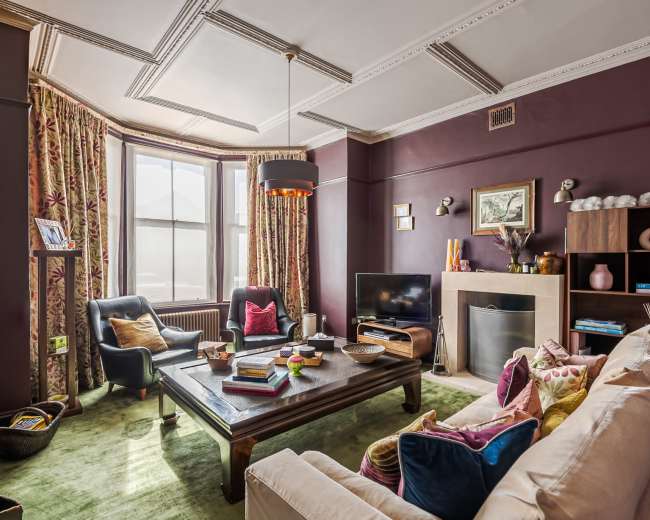
Large Victorian semi-detached family house in SW2
Lambeth, London, England30 guests
A large Victorian (1878) semi detached family house in SW2. It has a fabulous bright kitchen opening up to a patio and landscaped garden.
The beautifully designed house has six bedrooms, three bathrooms and a cloakroom. There is a formal drawing room and a lovely
...
From
£180
/hr
6 hr min

Characterful & colourful Victorian House In East London
Walthamstow, London, England35 guests
Terrace Home In Walthamstow Village with rear kitchen extension.
Based in the conservation area so has traditional sash windows throughout the house. Designed by architect and interior designers this is a vibrant home with many options for backdrops for photography or film.
Downstairs is interconnected and
...
From
£150
/hr
4 hr min

Arts and Crafts House featuring exposed brickwork and beams. Featured dog is available on request.
London, England5.0 (11)
12 guests
Perfect for photo and film shoots this 1908 Parker & Unwin Arts and crafts designed house offers:
Exposed brickwork in all rooms and features original beams and doors.
An exceptionally large rear garden with both front and back patios.
Open Plan kitchen
...
From
£62
/hr
4 hr min

1930's House With Open Plan Living Great For Production Shoots
London, England4.8 (6)
15 guests
The 1930's house comprises of a striking entrance hall with direct views through to an open plan kitchen and dining space with a great cooking island.
There is parquet flooring throughout, the kitchen/diner area opens out onto a tiled patio and garden with a garage at the
...
From
£100
/hr
4 hr min

Contemporary House with open-plan cocktail bar, kitchen/diner space in suburbia
London, England100 guests
lounge area with projector. Upstairs 3 bedrooms and 2 bathrooms. 2 bed apartment with lounge and kitchen also part of the house.
Shoots may have access to the whole property, but please let us know in advance what access you'll need.
Great for photo shoots, film shoots,
...
From
£250
/hr
8 hr min

Retro unmodernized terraced house
London, England5.0 (1)
15 guests
A west London family townhouse. Multi level, unmodernised, full of character. The three story house offers an honest, lived in backdrop ideal for shoots seeking a raw and authentic domestic setting.
The home is rundown with cracks in the walls in the bedrooms and peeling paint in
...
From
£100
/hr
3 hr min

Production | Edwardian House With Open Plan Kitchen In Wandsworth
London, England4.4 (5)
15 guests
Edwardian house with a stunning double width open plan kitchen, dining and television area. It has huge patio area and stepped garden with an outdoor, glass roofed seating area. It has 5 bedrooms, 3 bathrooms and a separate room for shoots to have tea,
...
From
£180
/hr
6 hr min

A spacious 4 bedroom White House
Church End & Roundwood, London, England30 guests
An ideal home for films, tv and photo shoots
This beautifully designed house is perfect for films and photo shoots. It is open plan and spacious with white walls ready to be used and styled as needed. Opposite Roundwood park makes the road extremely quiet and peaceful.
...
From
£150
/hr
3 hr min

Interior designed south west London house
Barnes, London, England5.0 (14)
60 guests
This interior designed Victorian townhouse has a contemporary oak kitchen with dramatic marble island and dining table, fireline fireplace and a huge amount of natural light flooding the open plan kitchen/dining and living.
Living room features a tall bucida tree in an antique pot, and there
...
From
£150
/hr
4 hr min

Late Edwardian Town House, Modernised With Period Features | Perfect For Filming & Photography
Catford, London, England5.0 (13)
20 guests
We can offer the townhouse as a location for filming, photoshoots etc.
The downstairs area is white so this has been a popular backdrop for photoshoots. The kitchen is white with white tiling and gives a good plain backdrop for your photos.
There is an open plan kitchen
...
From
£115
/hr
3 hr min

Large Home in Sydenham with Soho House decor, Garden with Summerhouse
London, England25 guests
Large detached Recency house with mature trees & summerhouse in garden in South London. Original period features and huge windows opening onto expansive rooms.
Tall ceilings, period features, open fires, marble kitchen, floorboards, white walls, dark floorboards, blank walls, a truly adaptable space.
This home is
...
From
£140
/hr
4 hr min
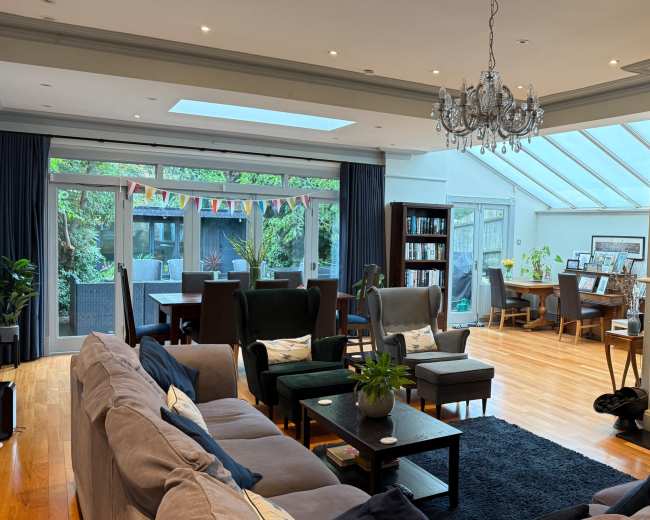
6 Bedroom Edwardian Family House in West London
Acton, London, England30 guests
Stunning six bedroom 3200 sq ft house located in conservation area of Ealing Common / West Acton. Featuring a very large west facing reception room with teak wood flooring and double aspect fireplace, separate games room and professional kitchen. Children’s bedrooms, bathrooms and adult bedrooms also
...
From
£120
/hr
4 hr min

Modern End Terrace House - West London / Ealing
West Ealing, London, England5.0 (1)
20 guests
Newly refurbished and modernised end of terrace house in Ealing, West London. Configured over 3 floors, the rooms are well proportioned and offer the benefits of 2 adult bedrooms, a child's bedroom and office. Downstairs you will find a cosy living room with working fire place,
...
From
£100
/hr
4 hr min
What should you check before booking a house for a shoot?
Window orientation, power, room size and load-in access, in that order. Natural light matters most, so ask which way the windows face and how the light shifts from morning to golden hour.
Confirm there are enough power sockets for your lighting kit, and that rooms are big enough, with the ceiling height, to fit your crew and gear comfortably. Look at parking and loading access, listen for traffic or appliance noise that'll ruin your audio, and note what furniture and props the house already has so you source less.
A quick walk-through, in person or over video, saves surprises. A guide to finding a location scout in London is a handy starting point, and it's worth reading up on how to plan a video shoot before you commit.
Book a little more time than you think you'll need for set-up and pack-down.
Do you need a permit to film inside a private house?
Not the way you would for public land. Filming inside a private home is a matter of getting the owner's permission, and a by-the-hour booking gives you exactly that. The moment your shoot spills onto the public street outside, though, the rules change. According to the City of London Corporation, filming on private land needs the landowner's consent first, while small-scale street filming needs a Notice of No Objection, and shooting on council property or bridges means a formal application that can carry a fee. So an interior shoot in a hired house sidesteps the council paperwork, but anything on the pavement, kerb or road may still need sign-off.
Pro tip: Booking a private house by the hour puts your shoot on private property, so you skip the council street or park filming permits that public London locations require. You still arrange your own production insurance and clear anything done out on the public highway, such as parking a kit van or shooting the exterior.
Who sorts out insurance and damage cover for a house shoot?
You do, and it's simpler than it sounds.
In a hired private home you arrange your own production and public liability insurance rather than applying to any authority. That's a real contrast with public spaces. The Royal Parks require commercial filming in a park to have a permit, public liability insurance and a risk assessment arranged in advance, whereas a private booking keeps things between you and the host.
Keep your kit and cast covered, and check the host's rules on what's allowed inside. A short-term production insurance policy is an easy way to cover a single shoot day.
Pro tip: Message the host through Peerspace before you book to confirm power, crew capacity and what's included, then add any lighting, furniture or equipment as add-ons through the same listing so the whole shoot sits with one host.
Is a period property or a modern home better for filming?
Period for heritage and drama, modern for bright commercial work. The look you're chasing and the light you need decide it. Period homes, think Georgian and Victorian townhouses with cornicing, panelled walls and original fireplaces, carry a sense of history that suits heritage, drama and moody storytelling. Grander period spaces and London mansions to hire push that further, with sweeping staircases and generous rooms for larger set-ups. Modern, open-plan and mid-century homes lean the other way, all clean lines and big glass, which flatters bright, contemporary and commercial work. If your brief calls for daylight and minimal styling, daylight studios in London give you a similar airy feel with more control. Match the house to the script, the mood board and the quality of light your story needs, and let the space do some of the acting for you.
Should you hire a location house or just film in your own home?
A location house, once the shoot has a client attached. Your own home works for a first video, and both can work, so weigh them honestly.
Your own home, or a friend's, is cheap and familiar, but it limits your looks, disrupts daily life and offers no crew facilities, parking plans or backup if something goes wrong.
A hired location house is purpose-ready, gives you a wider range of looks, and comes with hosts who are used to crews trooping through. It costs more, but you're paying for fewer headaches and more usable frames. Browse film shoot locations across London to see the range before you decide.
One myth worth busting: free public spots aren't actually free of admin. The Film London team notes that public-access places like the Royal Parks, Trafalgar Square, Parliament Square and the South Bank always need filming permission, so a private house often ends up the simpler route.
Which London neighbourhoods work best for house film shoots?
East London for warehouse conversions and modern homes, the leafy period squares for heritage looks. The House of Commons Library puts 51% of the UK's creative-industries economic output in London in 2022, against 24% of total UK output, and film, TV, radio and photography is one of its named sub-sectors. For house hire for filming, East London delivers warehouse conversions and eclectic modern homes, so explore film shoot locations in Hackney and nearby Shoreditch film shoot locations. For heritage looks, leafy period squares and townhouses in Clerkenwell, Bloomsbury, Fitzrovia, Notting Hill and Primrose Hill are hard to beat. Weigh a few practical things across any area you're considering:
- Transport: How easily cast and crew can reach the door by tube, rail or road
- Density: Whether the area has enough available houses to compare
- Parking: Space to load in and leave a unit vehicle nearby
- Local rules: Filming requirements that vary by borough
Similar searches in London, England
Similar searches
Updated 21 October 2026Our data is refreshed in real time using booking trends, verified guest reviews and direct partner update, with additional quality checks from our team.