

Sun
Mon
Tue
Wed
Thu
Fri
Sat
$100/hr$75/hr$50/hr$25/hr
Peerspace is the easiest way to book unique spaces for meetings. We also have spaces for productions and events.
Discover SpacesEvery day we uncover new, creative spaces perfect for your corporate meeting — from neighborhood gardens, expansive rooftops, trendy office spaces, and beyond.
Our spaces are priced to fit your budget. Hire by the hour for your meeting without worrying about hidden fees.
No more messy contracts. We build the tools to make booking a space for your corporate meeting as easy as the click of a button.
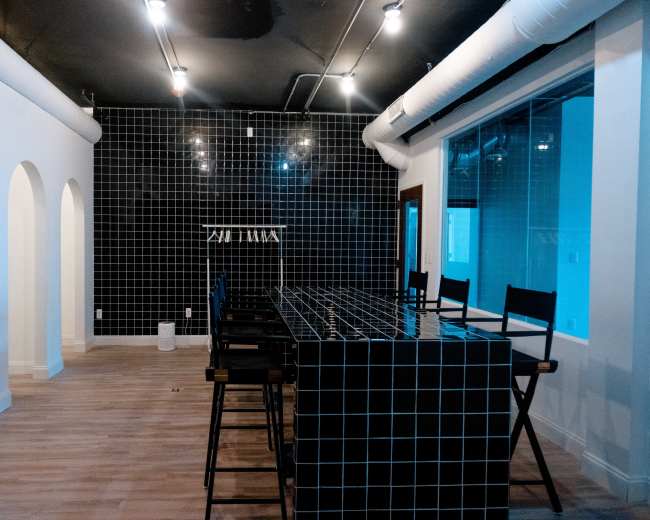
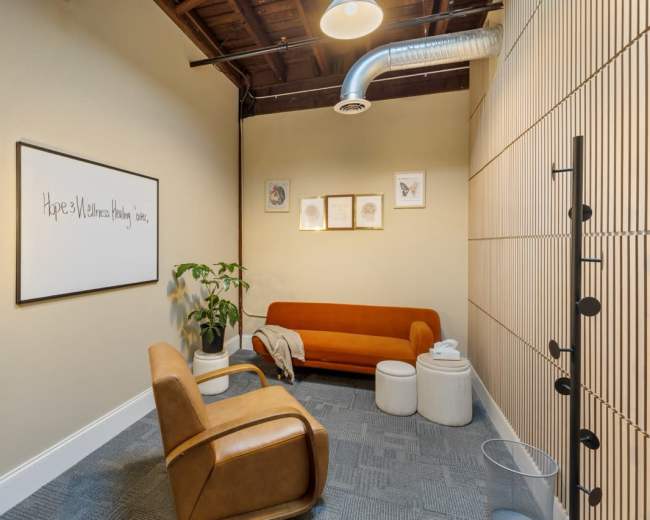
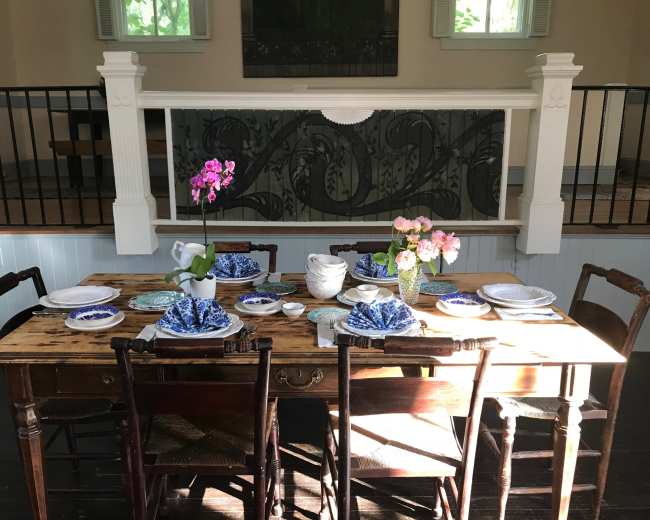
Artistic Studio Space for MUA's, Stylists, and Meetings
Downtown, Baltimore, MD4.8 (20)
15 guests
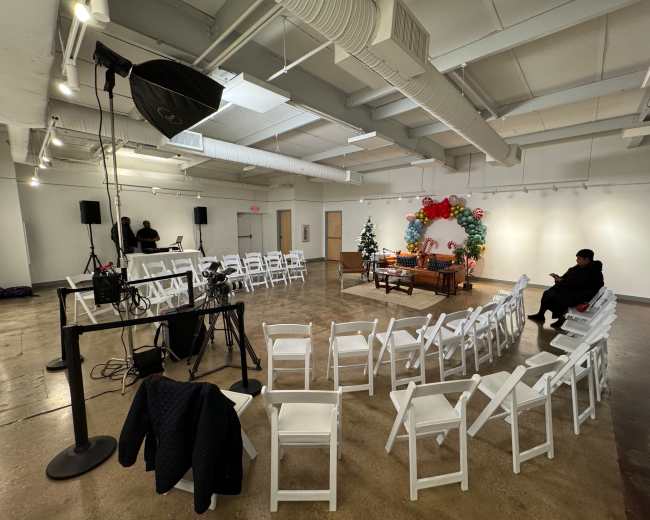
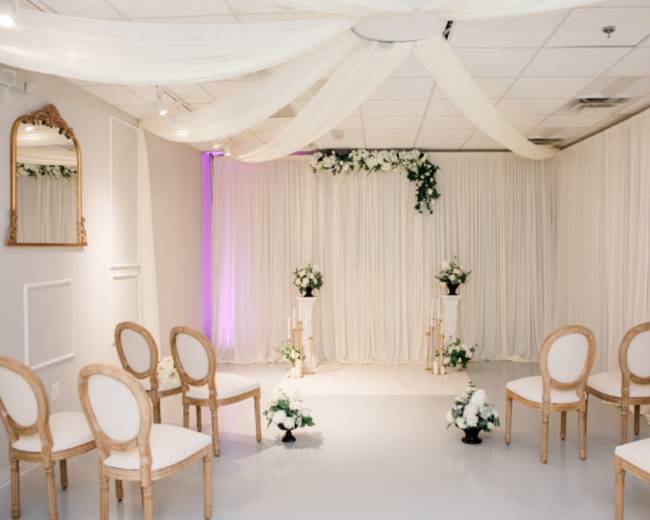
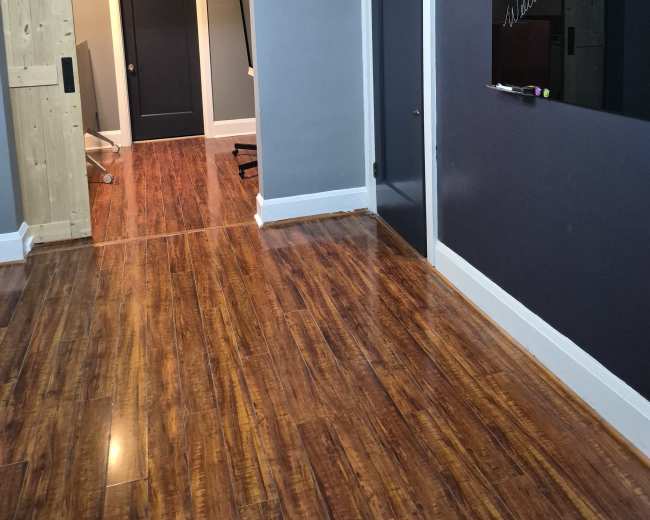
Host Your Event in a Stylish Gallery Space with Urban Flair
Moravia-Walther, Baltimore, MD4.0 (1)
100 guests
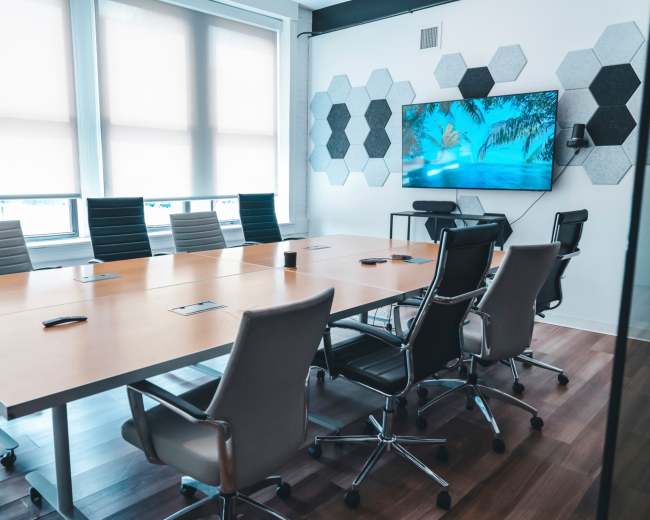
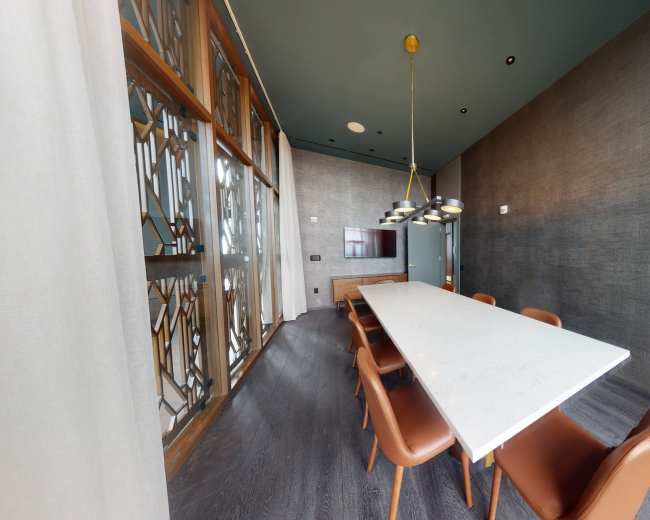
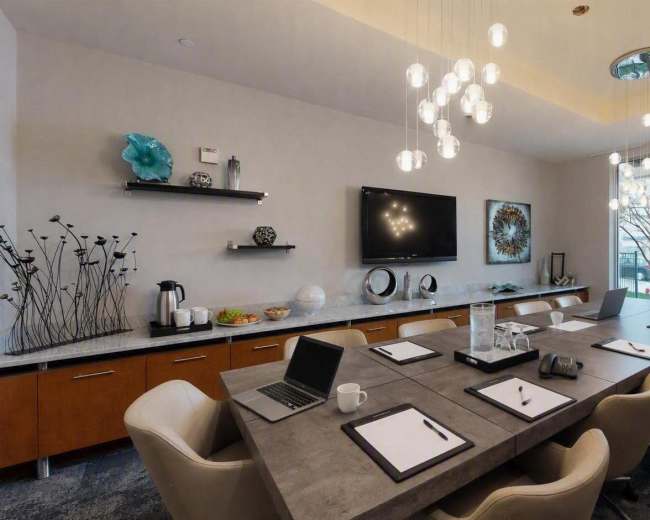
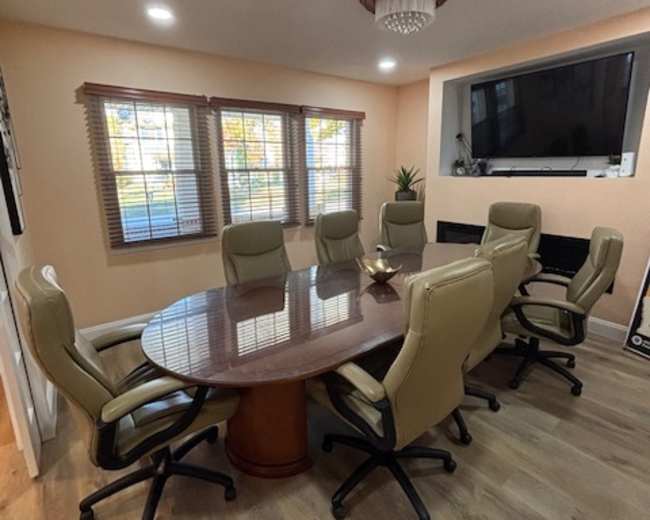
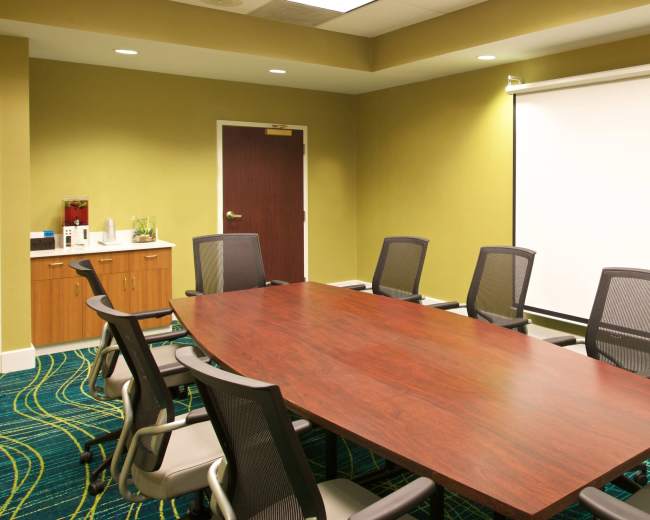
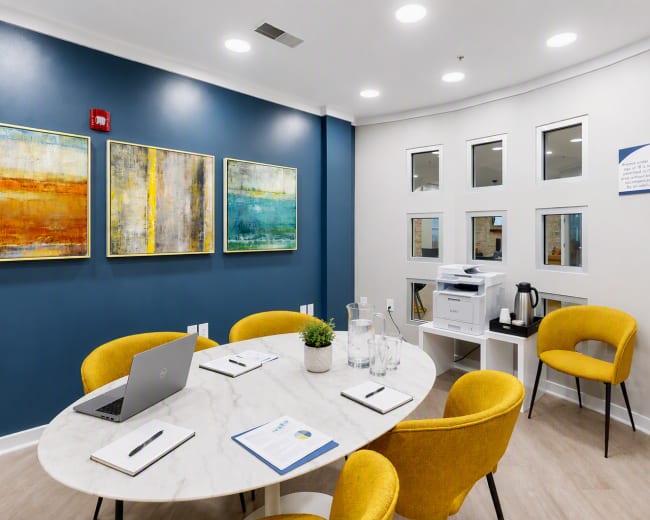
Downtown Conference Room
Downtown, Baltimore, MD5.0 (8)
12 guests
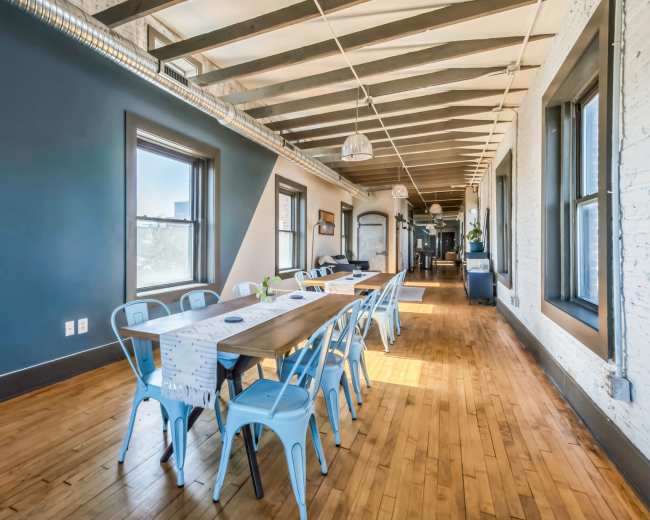
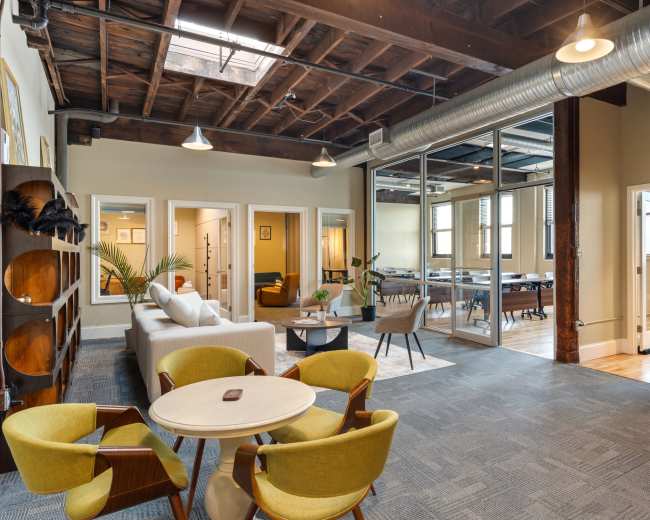
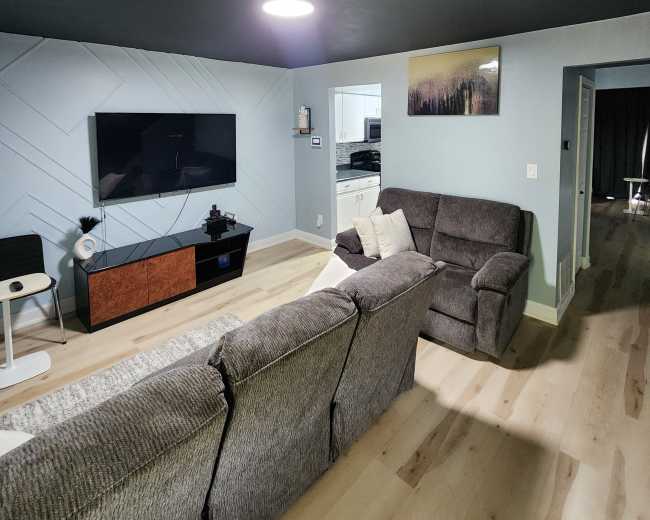
Chic Urban Loft with City View
Canton, Baltimore, MD5.0 (31)
20 guests
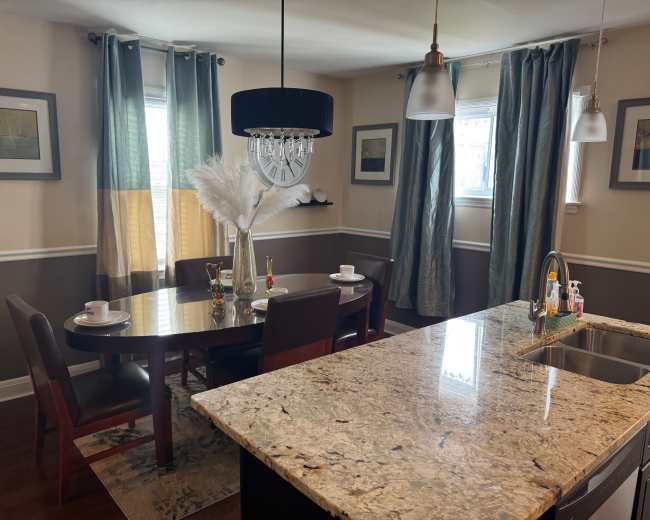
Dining Room in Inner Harbor with Picturesque Views
Harbor East, Baltimore, MD3.0 (1)
8 guests
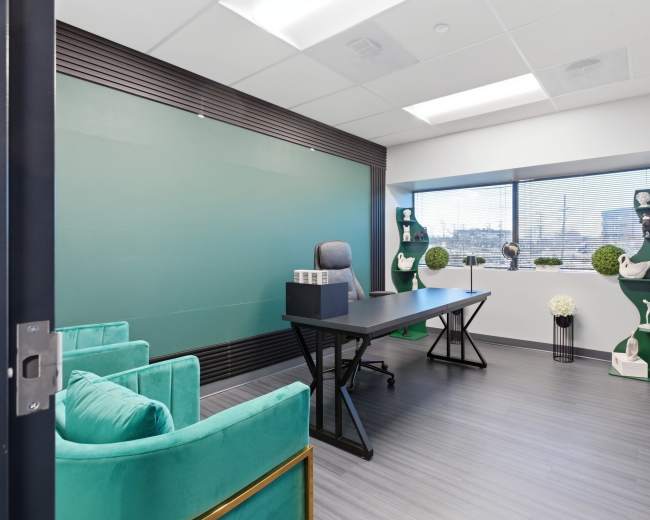
Serene & Professional Office Space in the DMV Area
Canton, Baltimore, MD5.0 (1)
40 guests
Serene & Professional Conference Room in the DMV Area
Canton, Baltimore, MD5.0 (35)
25 guests
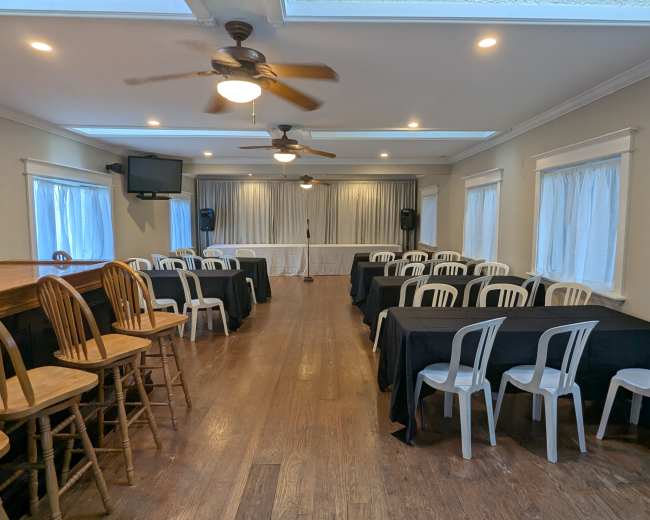
Private Venue with Outdoor Area at Local Watering Hole
Overlea, Baltimore, MD4.9 (35)
50 guests
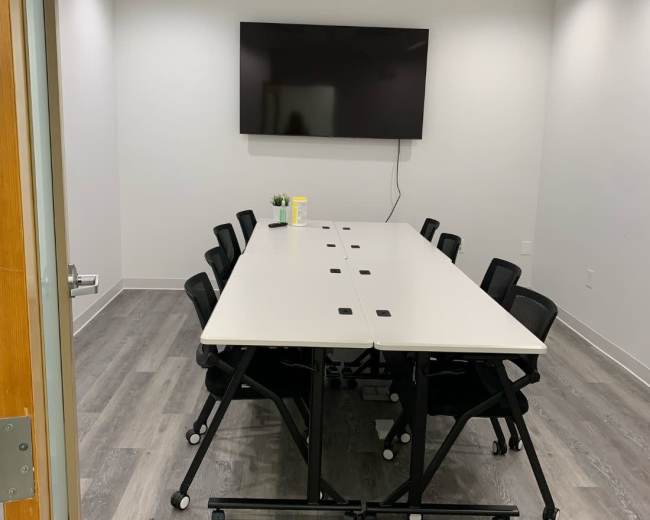
Professional Meeting Space/Conference Room-Baltimore, Maryland
Woodlawn, Windsor Mill, MD5.0 (2)
12 guests
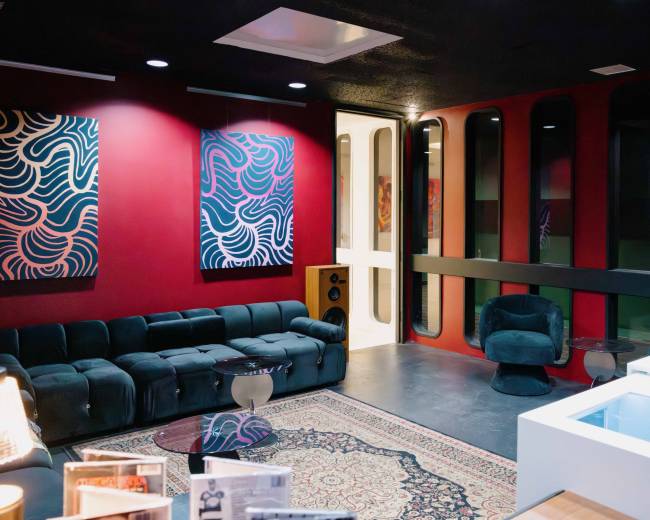
Private Office for Therapy, Coaching, Meetings & Podcast Recording (Crimson Room)
Canton, Baltimore, MD5.0 (23)
3 guests
Luxurious, intimate, romantic venue in the middle of Canton’s waterfront.
Brewers Hill, Baltimore, MD4.5 (2)
75 guests
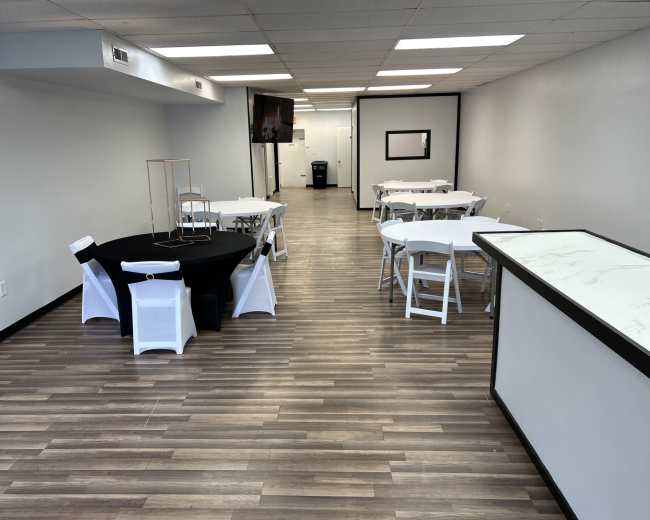
Modern Open-Plan Event Space for Celebrations & Gatherings
Overlea, Baltimore, MD30 guests
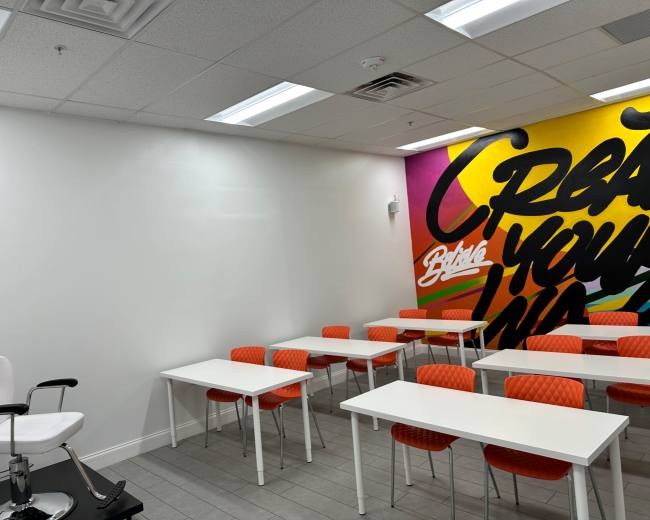
State of the Art Classroom Inside Beauty & Content Studios
Catonsville, MD5.0 (2)
22 guests
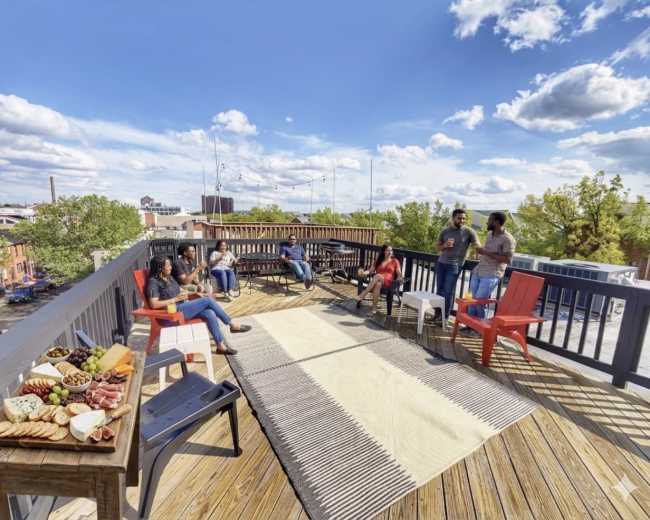
Modern Loft & Rooftop: The Ultimate Intimate Flex Space
Canton, Baltimore, MD5.0 (1)
10 guests
Innovative Boardroom, Collaborative Zone
Towson, MD10 guests
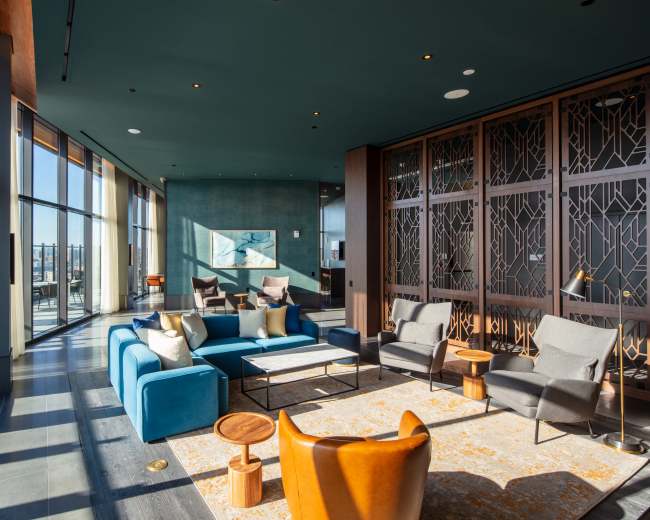
22nd Floor Creative Space with Studio, Gallery & Private Lounge
Downtown, Baltimore, MD5.0 (2)
50 guests
Greektown/Baltimore Row Home/Beautifully Designed
Joseph Lee, Baltimore City, MD8 guests
The Loft
Downtown, Baltimore, MD12 guests
Historic Renovated Church
Hampden, Baltimore, MD4.8 (181)
20 guests
Church-like historic home with great room cathedral ceilings and stage near picturesque Gwynn Falls
Dickeyville, Gwynn Oaks, MD5.0 (20)
25 guests
Private Workshop & Workspace Suite | Baltimore County
Overlea, Baltimore, MD5.0 (3)
12 guests
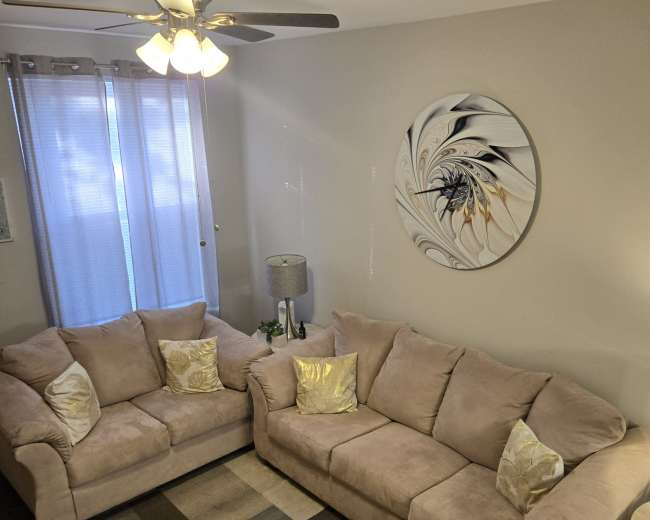
Stylish Baltimore Stay | Cozy & Convenient
Irvington, Baltimore, MD8 guests
ChateauBmore
Pigtown, Baltimore, MD4 guests
Charming and Cozy Space for Small Gatherings or Creative Projects
Howard Park, Baltimore, MD20 guests
Lounge in Inner Harbor overlooking waterfront!
Little Italy, Baltimore, MD4.9 (35)
30 guests
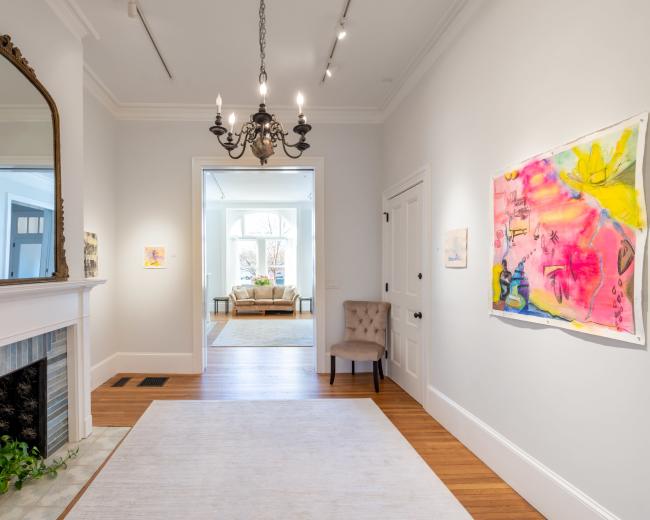
Beautiful Art Gallery in Meticulously Restored Historic Brownstone
Charles North, Baltimore, MD5.0 (2)
50 guests
Linthicum Heights (1190) Luxury Flex Admin Suite
BWI Business District, Linthicum Heights, MD4 guests
Pricing and popularity information in this section is based on proprietary Peerspace booking data, reflecting recent booking activity and the latest data available through October 2026.
Meeting rooms in Baltimore average $55 per hour to rent, but it’s easy to spend less or more depending on what you’re looking for.
Most meeting rooms are scheduled for 4 hours, with 11 people in attendance. You’ll find the most Meetings starting between 12:00 PM and 1:00 PM.
Our local hosts have welcomed 902 people into their meeting rooms with reviews averaging 4.82 stars. Most even said they would book again -- about 94%.
Saturdays are the most popular day for booking meeting rooms in Baltimore. For those seeking a deal, consider booking Sunday and Thursday as these days are 13% cheaper on average.


