
Sun
Mon
Tue
Wed
Thu
Fri
Sat
$200/hr$150/hr$100/hr$50/hr
Peerspace is the easiest way to book unique spaces for meetings. We also have spaces for productions and events.
Discover SpacesEvery day we uncover new, creative spaces perfect for your corporate meeting — from neighborhood gardens, expansive rooftops, trendy office spaces, and beyond.
Our spaces are priced to fit your budget. Hire by the hour for your meeting without worrying about hidden fees.
No more messy contracts. We build the tools to make booking a space for your corporate meeting as easy as the click of a button.
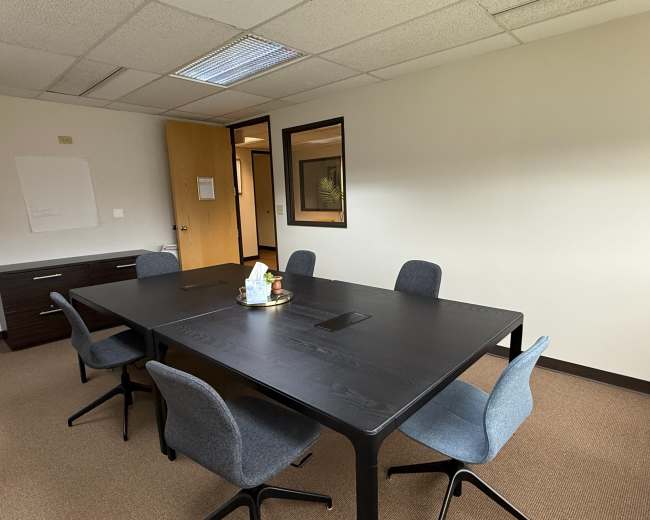
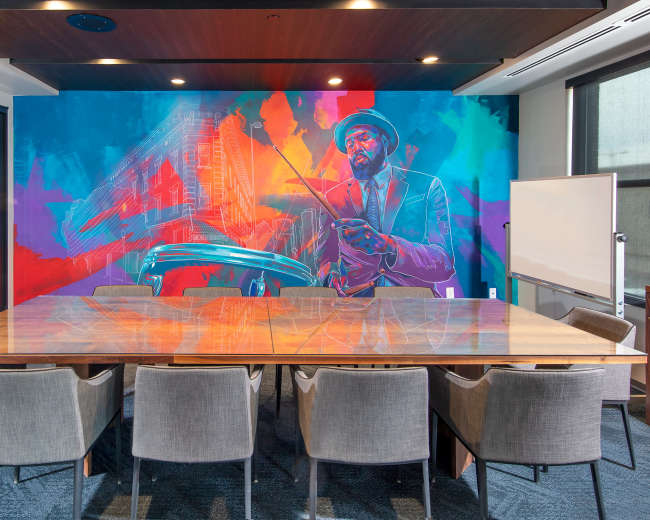
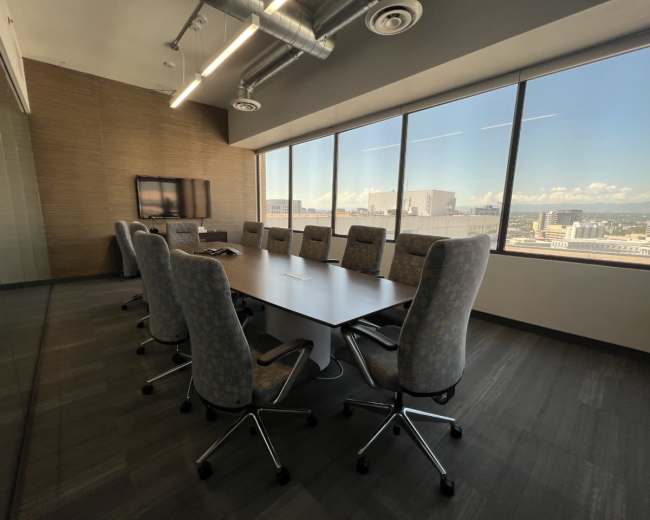
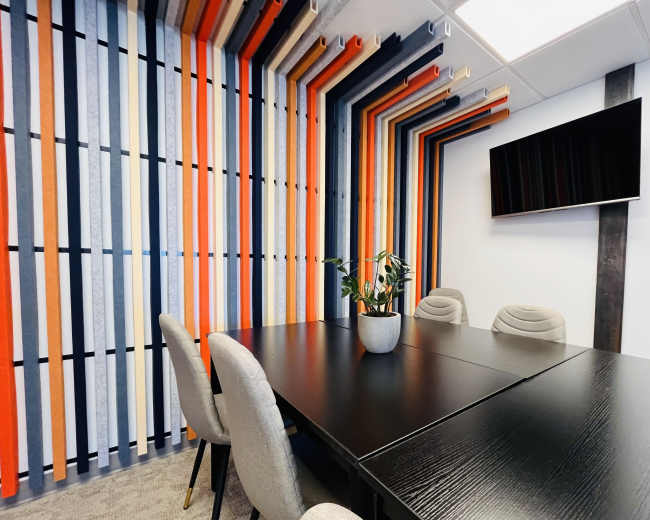
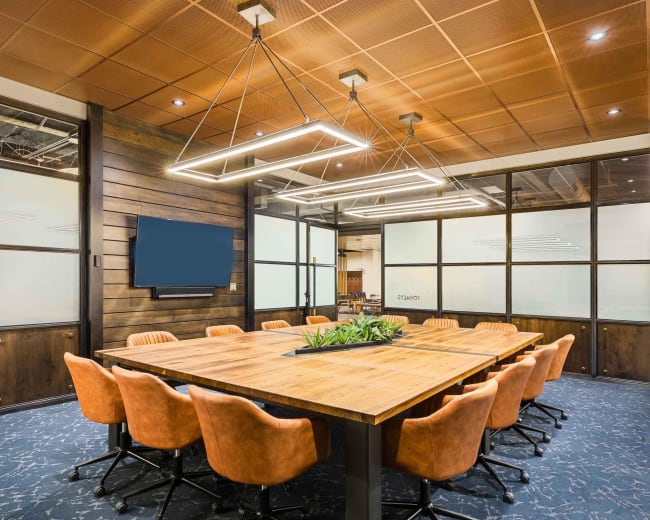
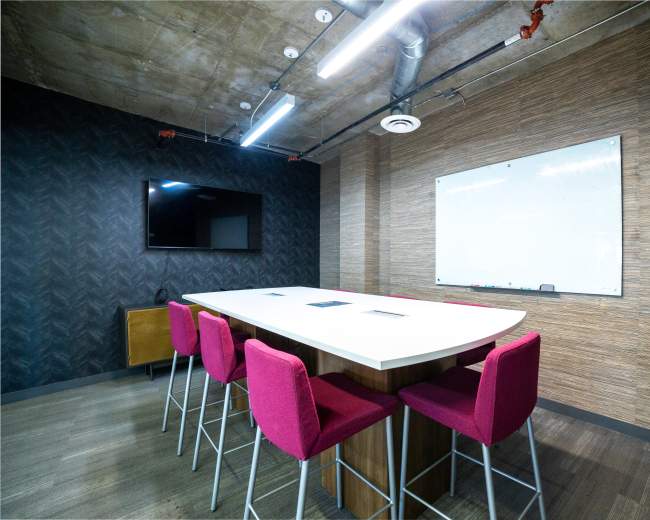
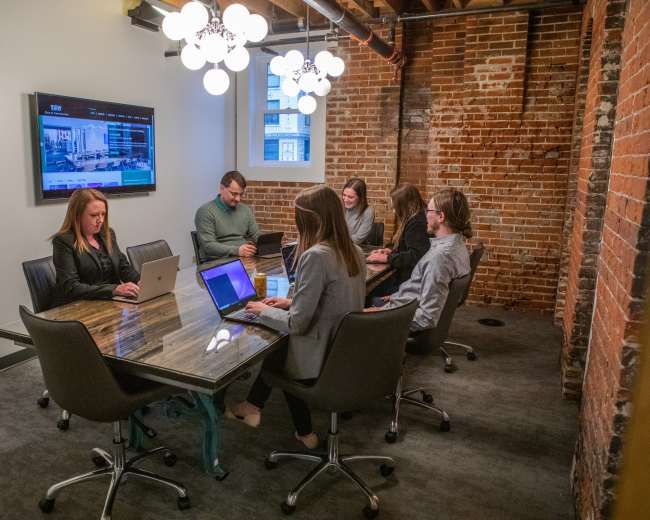
Professional Meeting Space
Hampden, Denver, CO12 guests
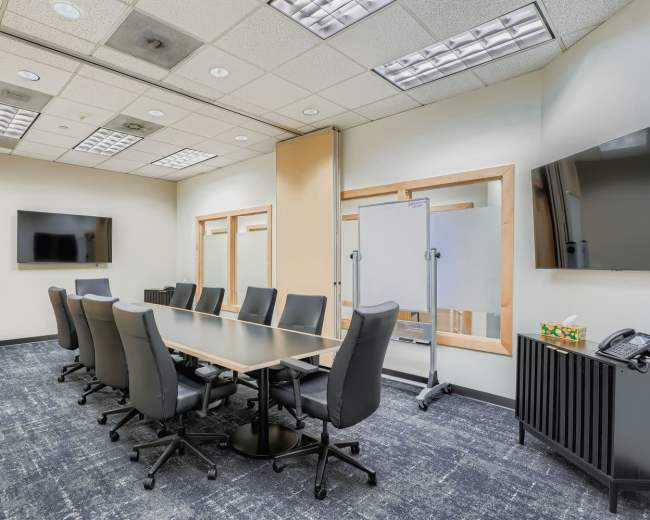
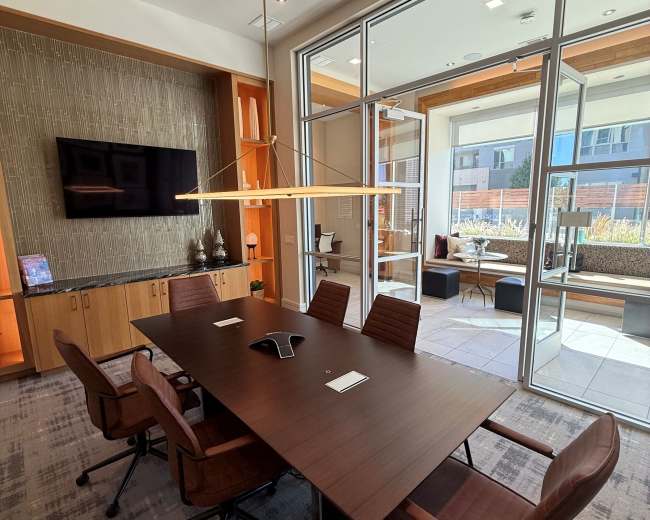
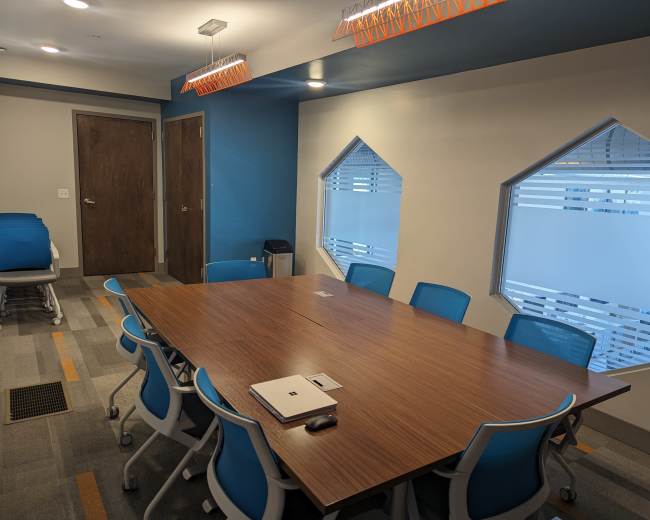
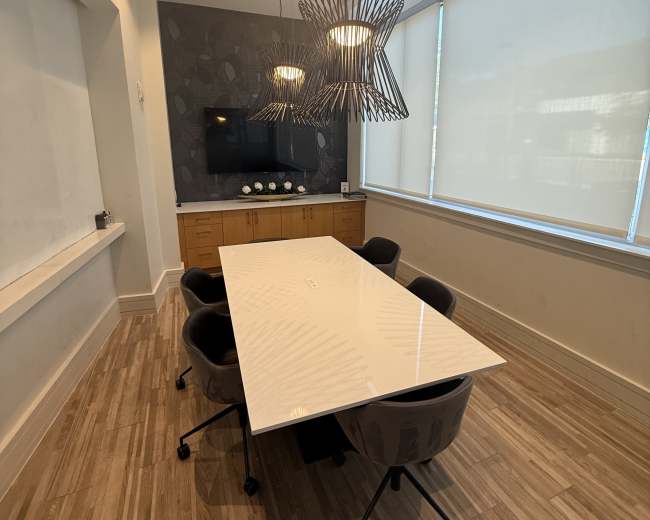
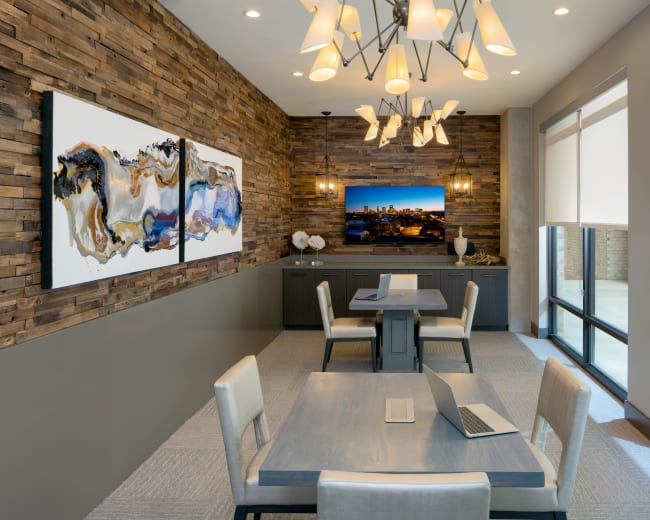
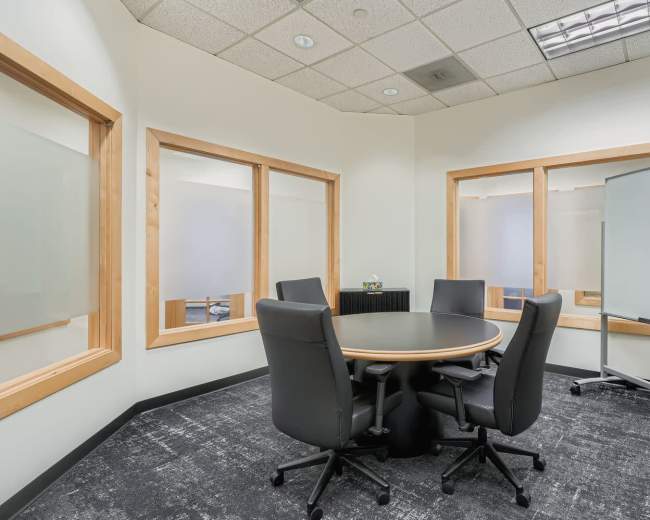
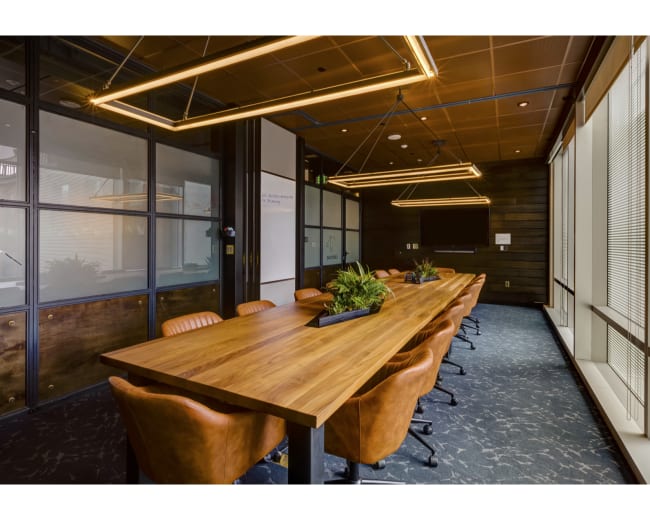
Medium Meeting Room
East, Denver, CO5.0 (2)
12 guests
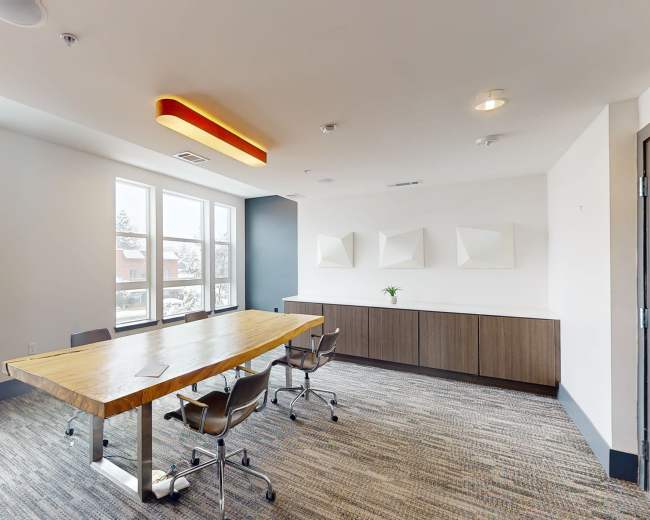
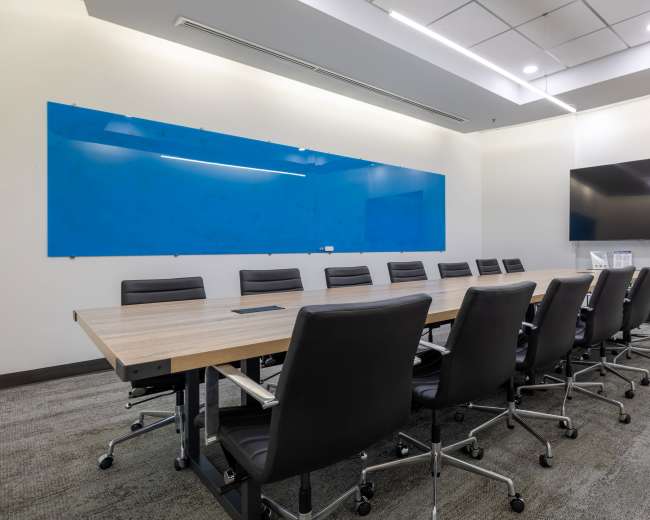
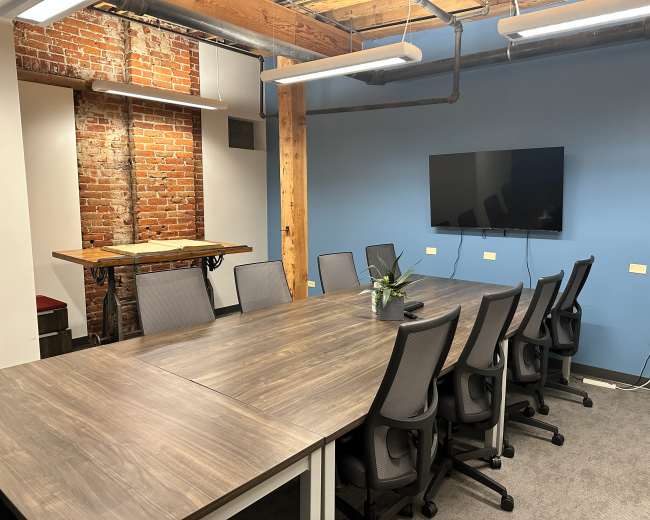
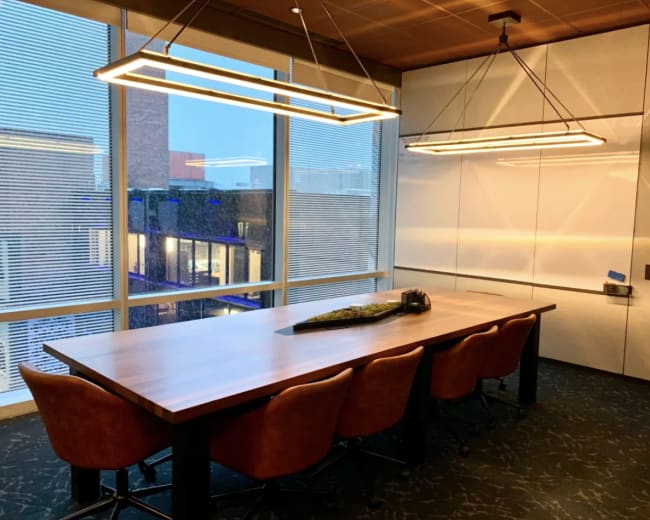
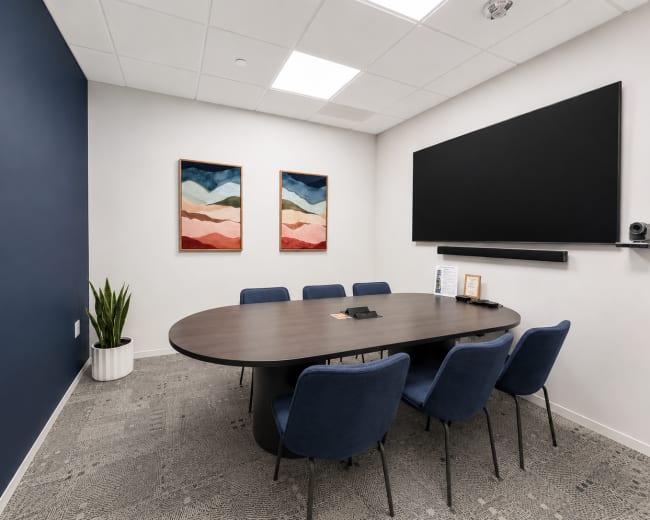
Modern Meeting Rooms Available in Prime Downtown Location
Five Points, Denver, CO5.0 (1)
25 guests
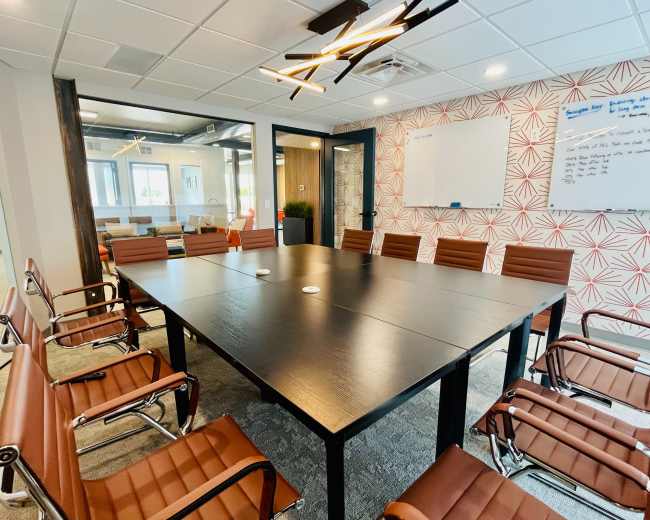
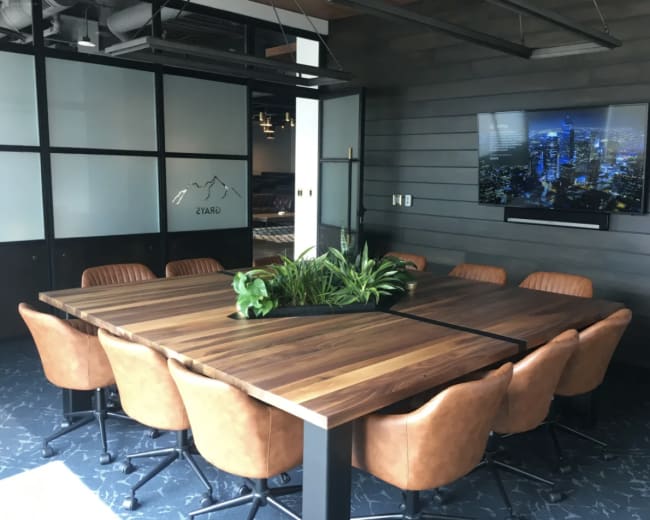
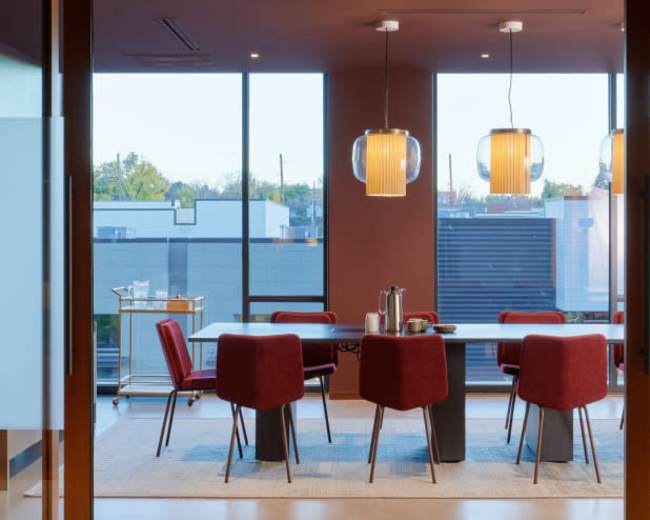
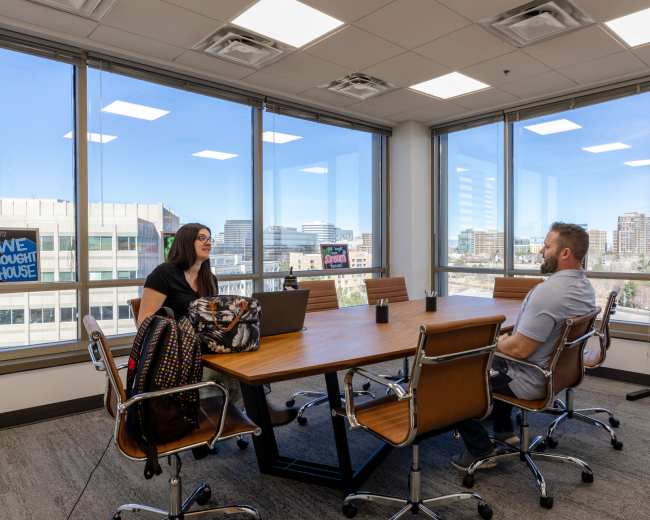
Spacious Board Room Meeting Space (Fitzgerald)
North Denver, CO5.0 (5)
10 guests
Professional conference room perfect for your next meeting
Lowry, Denver, CO4.0 (2)
6 guests
Conference Room in Englewood
Englewood, CO10 guests
Radius Uptown Conference Room / Workspace
Central, Denver, CO10 guests
Conference Room 1
Denver Tech Center, Greenwood Village, CO13 guests
Conference Room/Podcast Room
Englewood, CO5.0 (9)
8 guests
Convenient meeting space in Denver
Lowry, Denver, CO5.0 (1)
20 guests
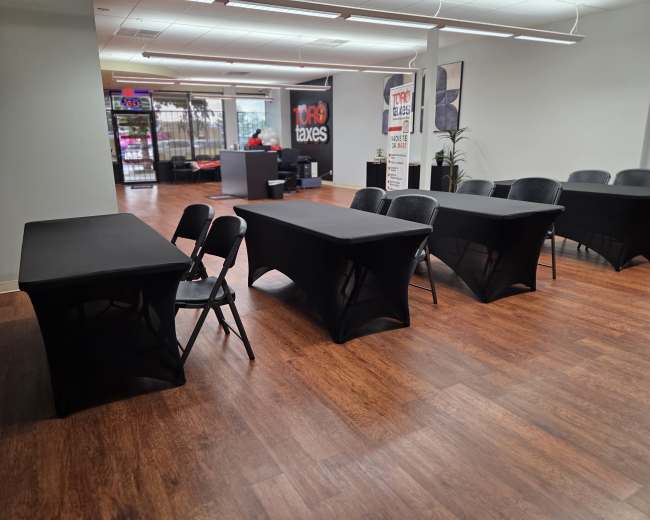
Private Meeting Space in Busy Industrial Shopping Hub
Aurora, CO5.0 (7)
16 guests
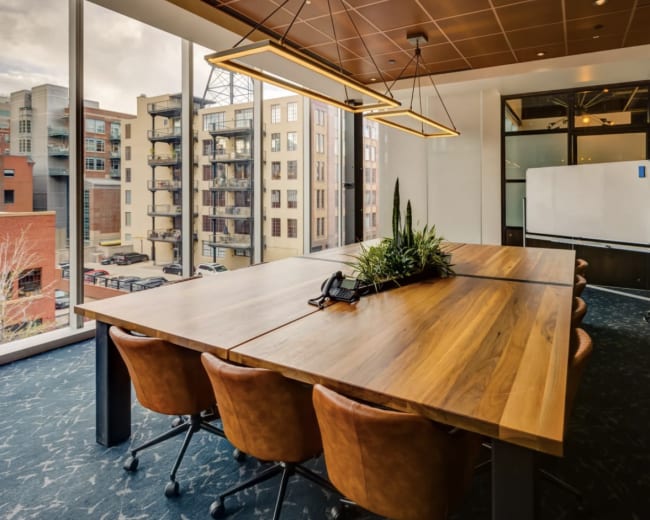
Modern, LoDo Meeting Room | Torrey's
Ballpark District, Denver, CO4.9 (21)
14 guests
Small Meeting Room
East, Denver, CO5.0 (4)
4 guests
Modern, LoDo Meeting Room | Quandary
Ballpark District, Denver, CO4.8 (11)
14 guests
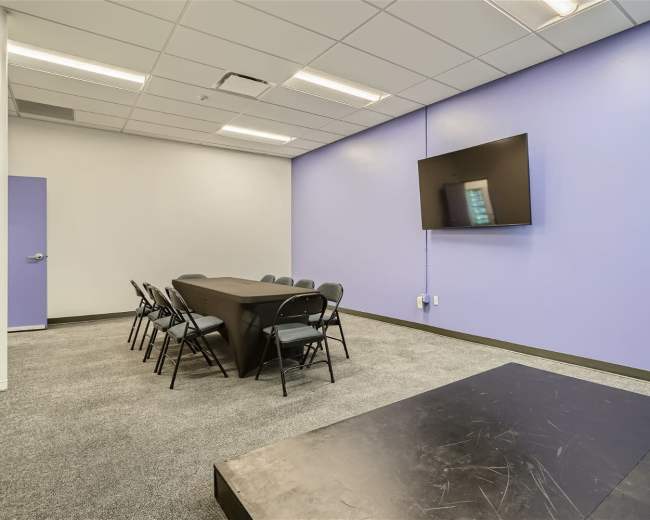
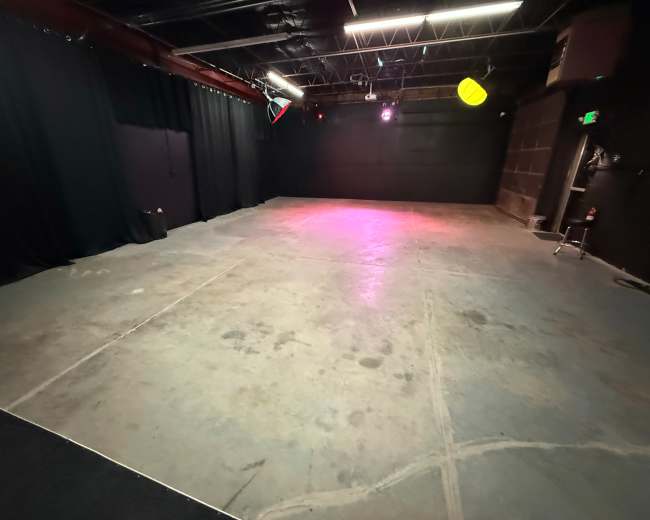
Meeting/Audition/Script Reading Warehouse Space
Edgewood, Lakewood, CO5.0 (1)
100 guests
Modern, LoDo Meeting Room | La Plata
Ballpark District, denver, CO4.9 (18)
14 guests
Jade | 6 Person Conference Room
Hale, Denver, CO6 guests
Conference Room 2
Denver Tech Center, Greenwood Village, CO8 guests
Meeting & Event Space in Professional Studio
Central, Denver, CO4.9 (37)
75 guests
Downtown 8-Person Conference Room in Historic Baur's Building
Central, Denver, CO5.0 (42)
9 guests
Wheat Ridge Flex Space: A Bright, Natural Event Sanctuary
Barths, Wheat Ridge, CO5.0 (2)
40 guests
Meeting Space in RiNo
Curtis Park, Denver, CO5.0 (3)
30 guests
2nd Floor Conference Room - Greenwood Village
Greenwood Village, CO5.0 (5)
10 guests
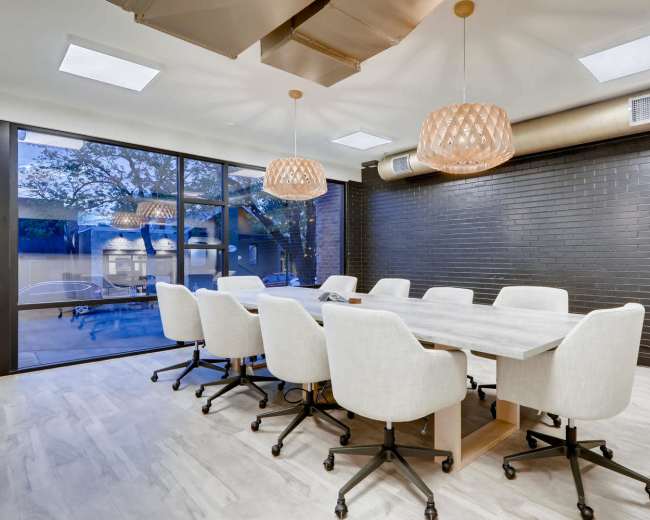
Industrial-Chic Meeting Space with Free Parking in RiNo - Pikes Peak Conference Room
River North Art District, Denver, CO6 guests
Pricing and popularity information in this section is based on proprietary Peerspace booking data, reflecting recent booking activity and the latest data available through October 2026.
Meeting rooms in Denver average $74 per hour to rent, but it’s easy to spend less or more depending on what you’re looking for.
Most meeting rooms are scheduled for 5 hours, with 8 people in attendance. You’ll find the most Meetings starting between 11:00 AM and 12:00 PM.
Our local hosts have welcomed 1415 people into their meeting rooms with reviews averaging 4.88 stars. Most even said they would book again -- about 96%.
Tuesdays are the most popular day for booking meeting rooms in Denver. For those seeking a deal, consider booking Sunday and Friday as these days are 11% cheaper on average.


