



Sun
Mon
Tue
Wed
Thu
Fri
Sat
$100/hr$75/hr$50/hr$25/hr
Peerspace is the easiest way to book unique spaces for meetings. We also have spaces for productions and events.
Discover SpacesEvery day we uncover new, creative spaces perfect for your corporate meeting — from neighborhood gardens, expansive rooftops, trendy office spaces, and beyond.
Our spaces are priced to fit your budget. Hire by the hour for your meeting without worrying about hidden fees.
No more messy contracts. We build the tools to make booking a space for your corporate meeting as easy as the click of a button.
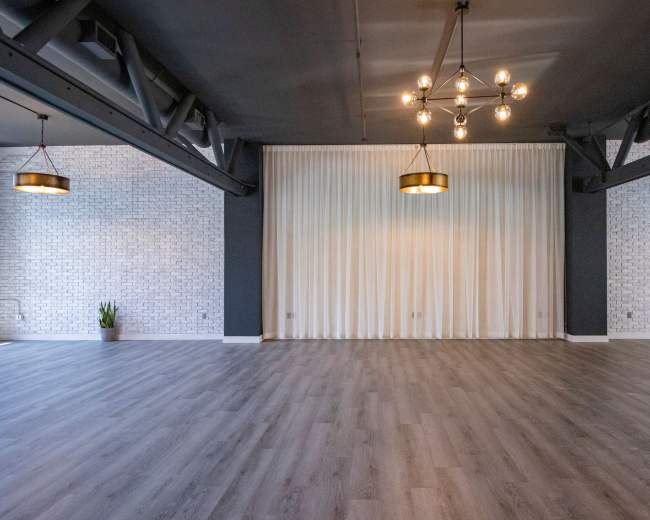
FYRSTN Studios
Poly High, Long Beach, CA100 guests
WBD Loft
Downtown, Long Beach, CA5.0 (2)
45 guests
BLANKSPACES Hollywood
Downtown, Long Beach, CA10 guests
Little Owl School
California Heights, Long Beach, CA5.0 (2)
80 guests
f/8 Studios Long Beach
California Heights, Long Beach, CA4.9 (175)
10 guests
TWINS SMOKEHOUSE BBQ
Harbor, Long Beach, CA4.7 (3)
95 guests
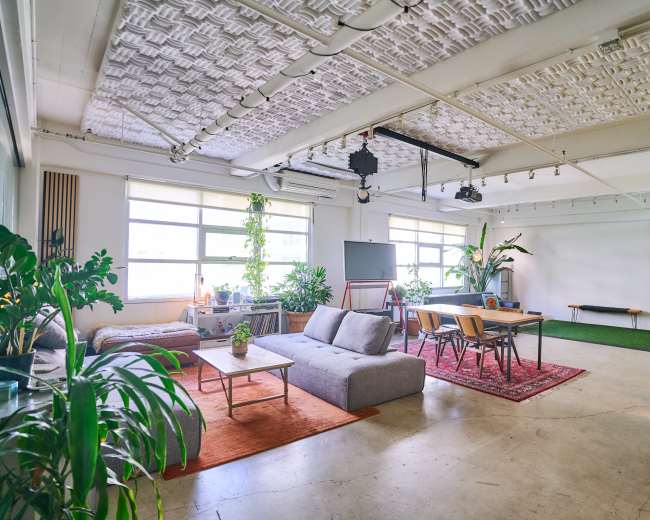
Professional Photo Studio and Creative Space (3000 sq. ft.)
Zaferia, Long Beach, CA5.0 (9)
80 guests
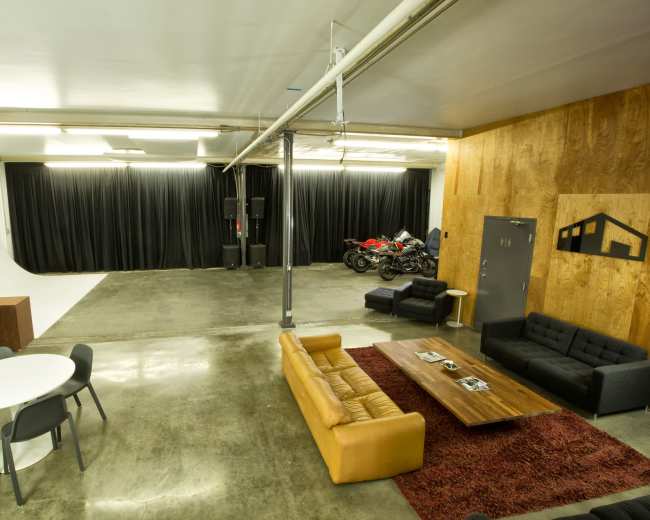
"THE SHOP"Renovated Mid Century Urban Auto Shop
Alamitos Beach, Long Beach, CA5.0 (18)
130 guests
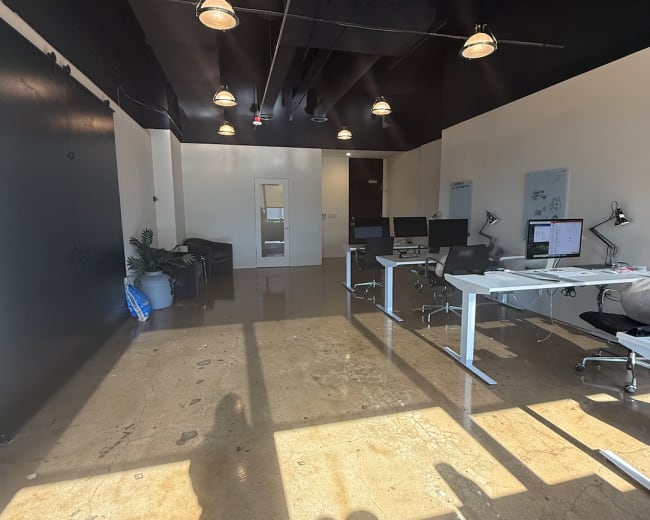
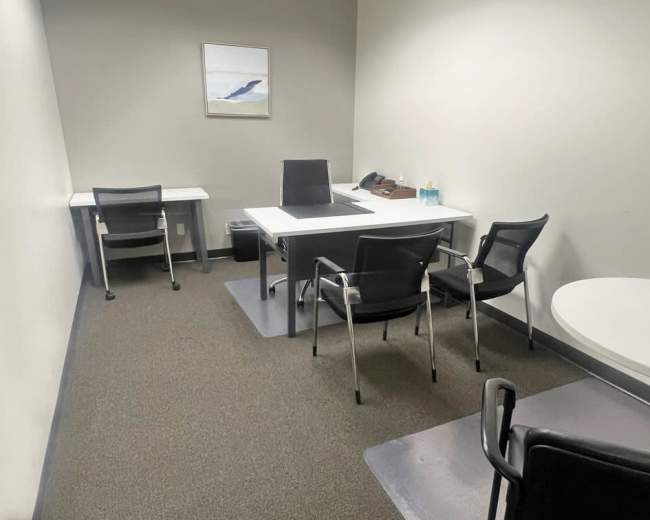
Rent an Office by the Hour!
Traffic Circle Area, Long Beach, CA4.9 (133)
3 guests
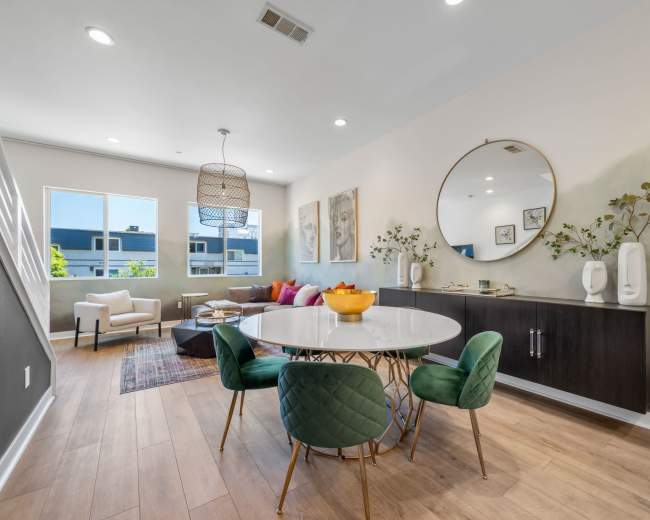
Townhome in East Village Arts District of Downtown Long Beach
East Village, Long Beach, CA10 guests
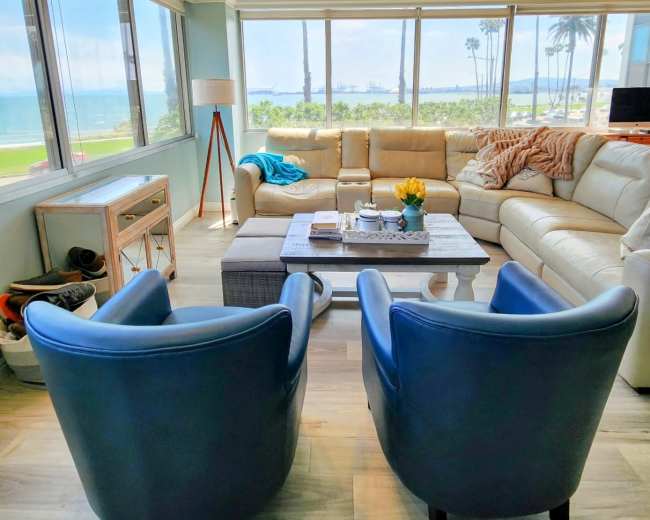
OCEAN VIEWS CONDO - NEXT TO OCEAN, PARKS, BEACHES, IN HISTORIC DISTRICT
Bluff Park, Long Beach, CA5.0 (1)
10 guests
Eclectics Muse (@ECLECTICMUSE_)
East Village, Long Beach, CA5.0 (6)
4 guests
Imperfect Studios
Downtown, Long Beach, CA5.0 (5)
15 guests
Downtown Studio by the beach
Downtown, Long Beach, CA5.0 (1)
35 guests
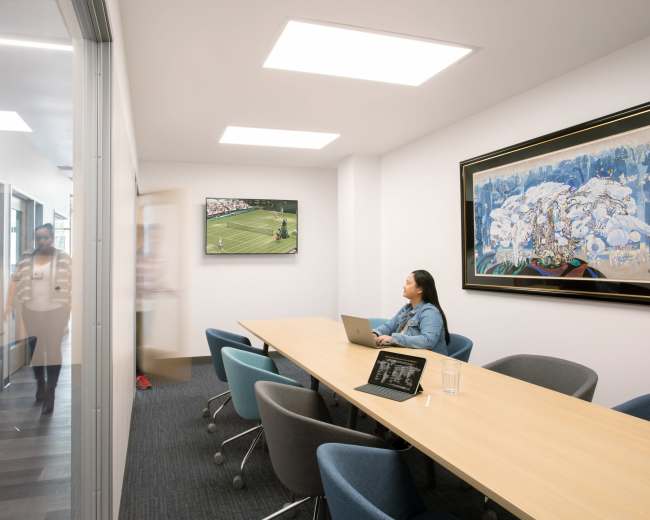
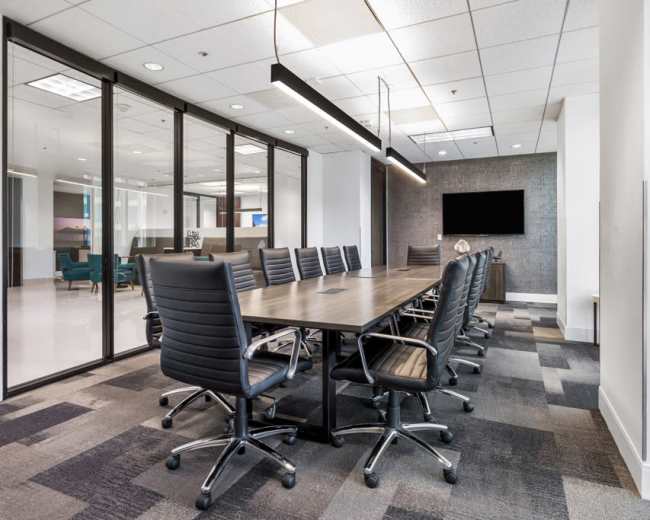
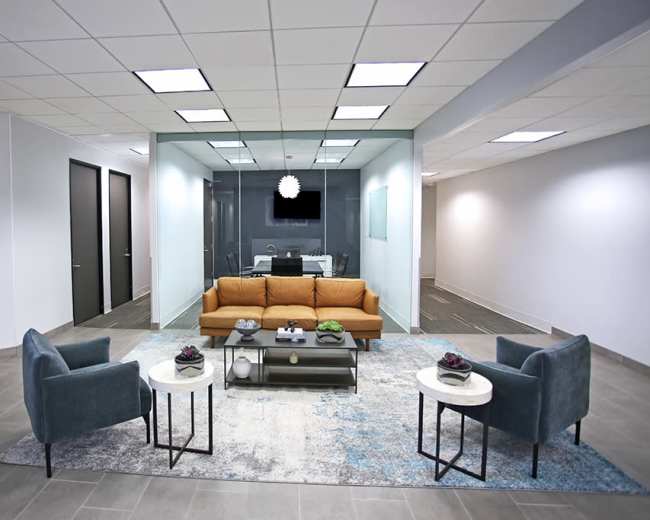
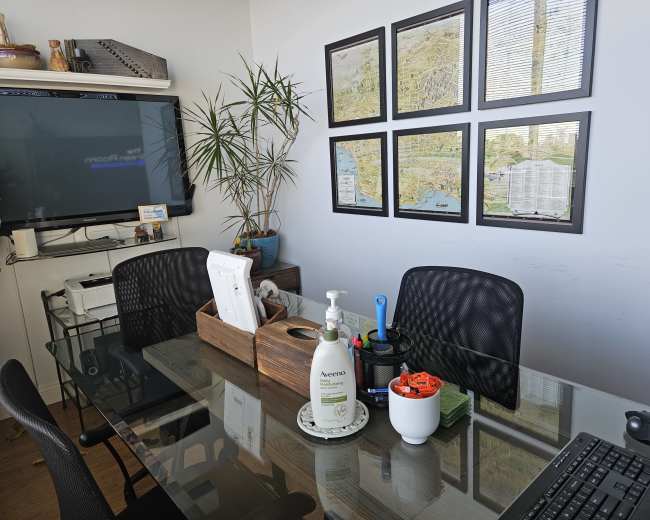
Large 14 Person Conference Room in Long Beach
Eastside, Long Beach, CA4.9 (62)
14 guests
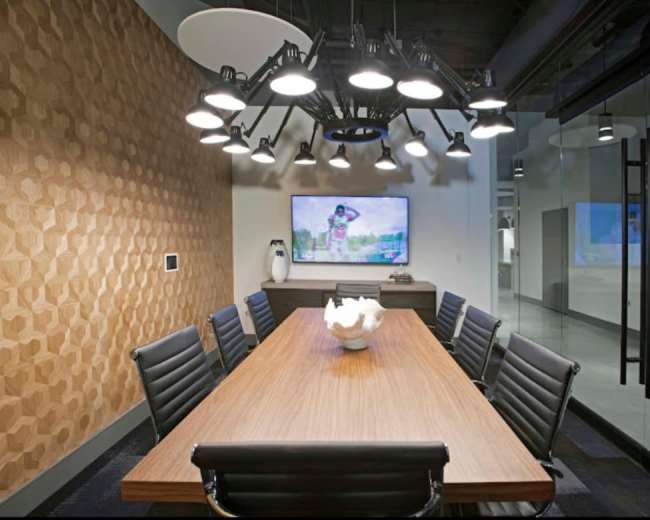
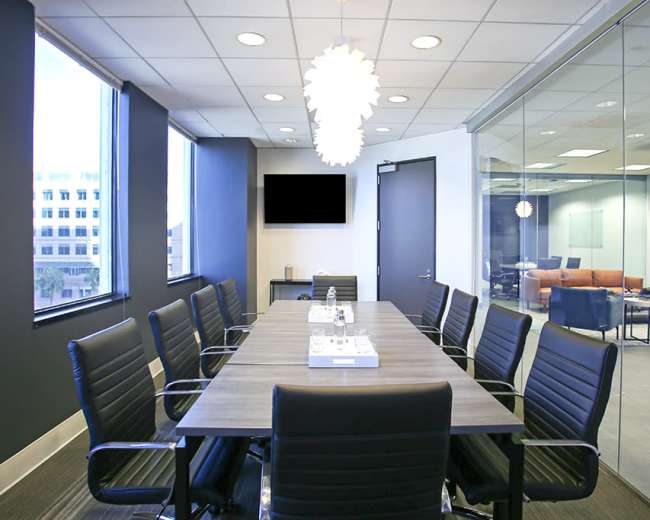
Executive 10 Person Conference Room in Long Beach
Eastside, Long Beach, CA4.8 (12)
10 guests
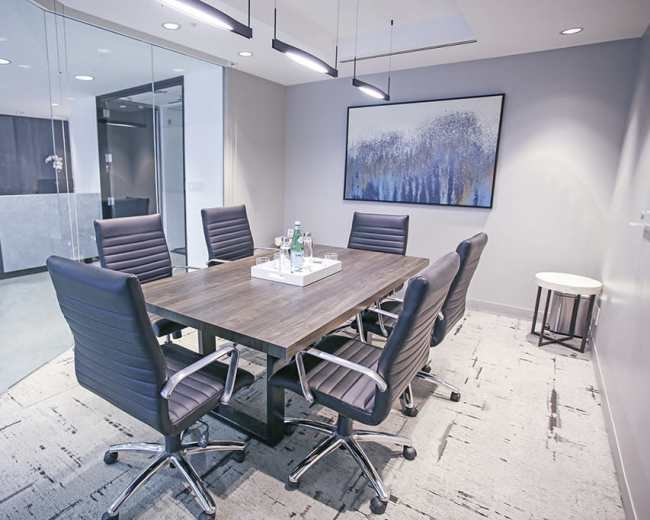
6 Person Conference Room
Eastside, Long Beach, CA4.9 (69)
6 guests
Events On Pine
Downtown, Long Beach, CA5.0 (7)
100 guests
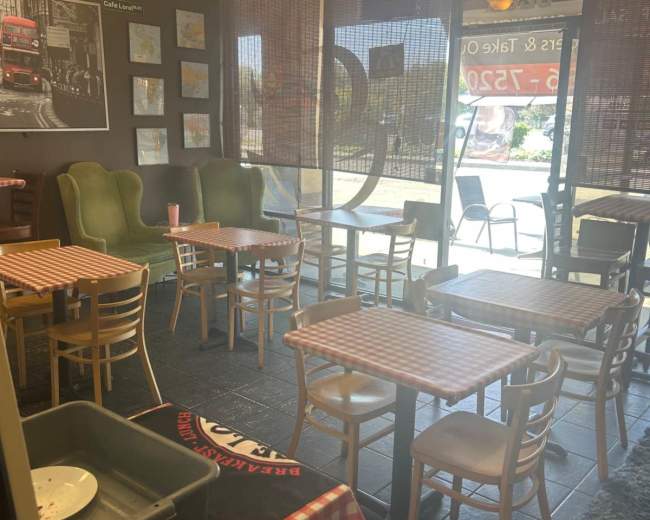
Cafe Lorel
Park Estates, Long Beach, CA35 guests
Downtown 8-Person Conference Rm
Waterfront, Long Beach, CA8 guests
Large 15 Person Conference Room in Long Beach
Long Beach, CA4.9 (129)
15 guests
6 Person Conference Room
Waterfront, Long Beach, CA4.9 (80)
6 guests
Beautiful 10 Person Conference Room Near City Hall
Waterfront, Long Beach, CA5.0 (48)
10 guests
BEAUTIFUL OCEAN VIEWS MEETING ROOMS FOR 12
Downtown, Long Beach, CA5.0 (124)
12 guests
Conference Room for 6!
Downtown, Long Beach, CA4.9 (27)
6 guests
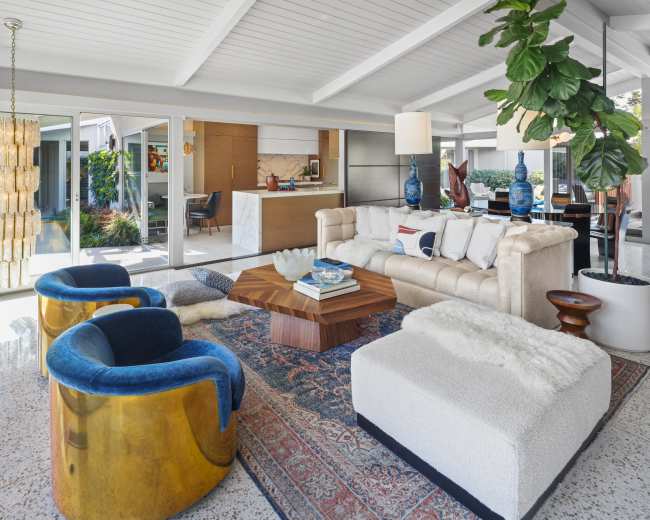
Midcentury Modern Pool Home
Park Estates, Long Beach, CA5.0 (13)
50 guests
1929 Spanish Boho Bungalow
California Heights, Long Beach, CA5.0 (29)
20 guests
Naples Island Studio with Lots of Natural Light
Naples, Long Beach, CA5.0 (2)
20 guests
Newly renovated Coastal Farmhouse with Outdoor Oasis
Los Altos, Long Beach, CA4.9 (10)
100 guests
Modern Farmhouse with private backyard, spacious open floor plan
Los Altos, Long Beach, CA5.0 (4)
25 guests
Bright and Airy Modern Home with Pool Golf and Workout Area
El Dorado South, Long Beach, CA5.0 (16)
20 guests
The Carlafornia Lounge
Bixby Knolls, Long Beach, CA5.0 (14)
50 guests
Charming Patio & Lush Garden Space – Former Restaurant
North Long Beach, CA60 guests
Wildflowers Event Studio
Long Beach, CA4.8 (50)
50 guests
Pricing and popularity information in this section is based on proprietary Peerspace booking data, reflecting recent booking activity and the latest data available through September 2026.
Meeting rooms in Long Beach average $30 per hour to rent, but it’s easy to spend less or more depending on what you’re looking for.
Most meeting rooms are scheduled for 4 hours, with 6 people in attendance. You’ll find the most Meetings starting between 10:00 AM and 11:00 AM.
Our local hosts have welcomed 1664 people into their meeting rooms with reviews averaging 4.95 stars. 100% of guests said they'd book again.
Fridays are the most popular day for booking meeting rooms in Long Beach. For those seeking a deal, consider booking Thursday and Tuesday as these days are 10% cheaper on average.


