

Sun
Mon
Tue
Wed
Thu
Fri
Sat
$200/hr$150/hr$100/hr$50/hr
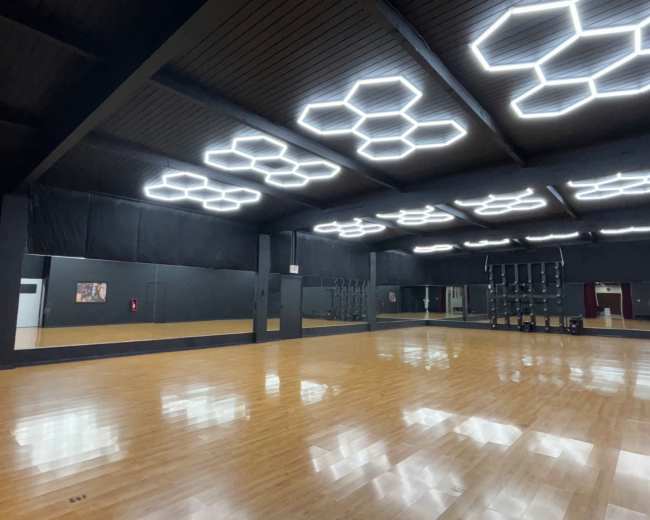
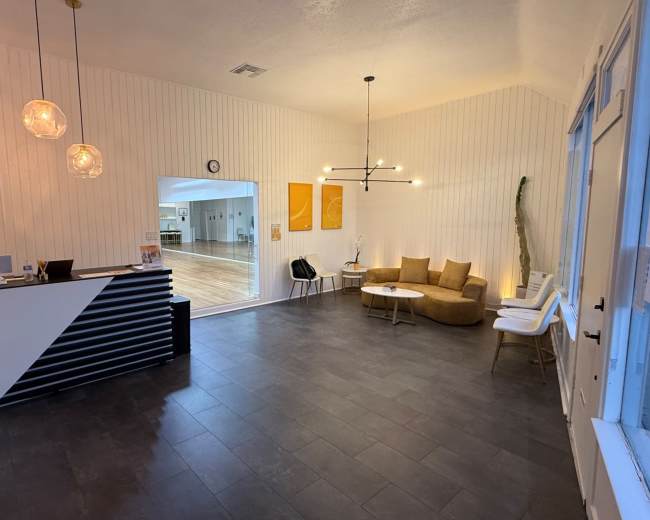
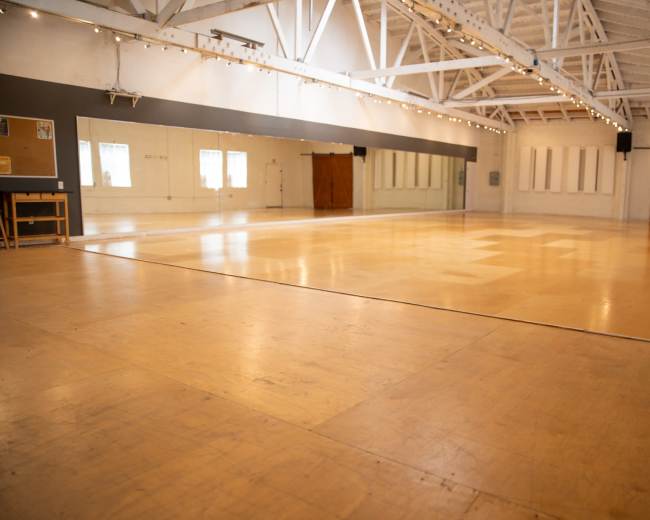
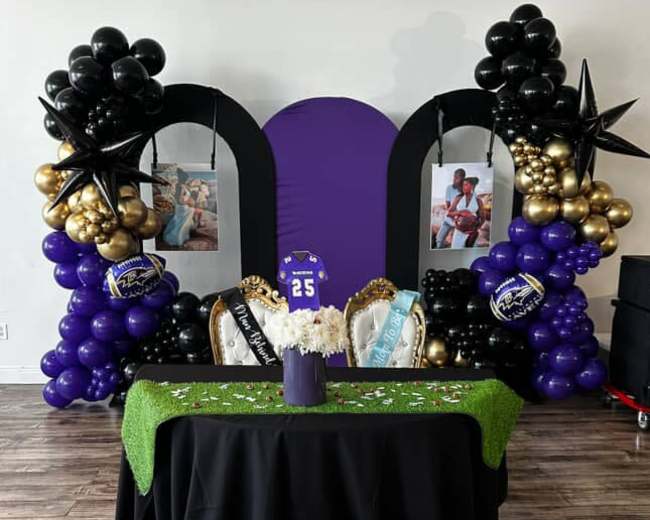
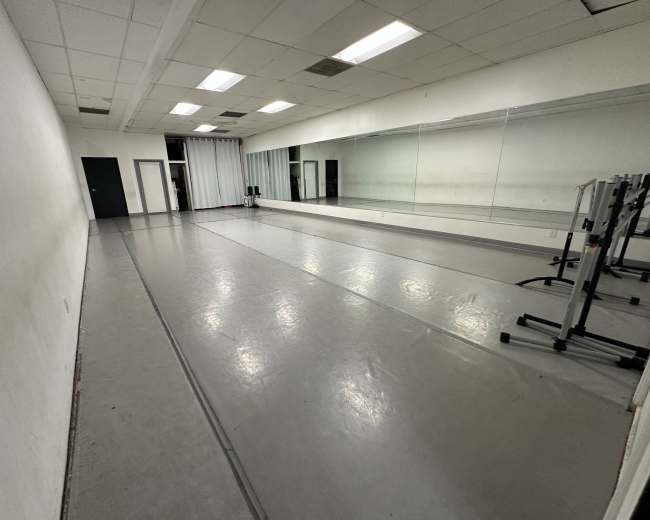
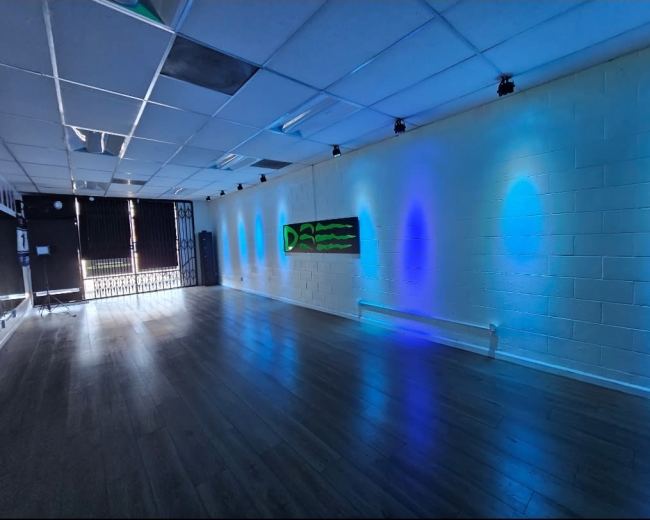
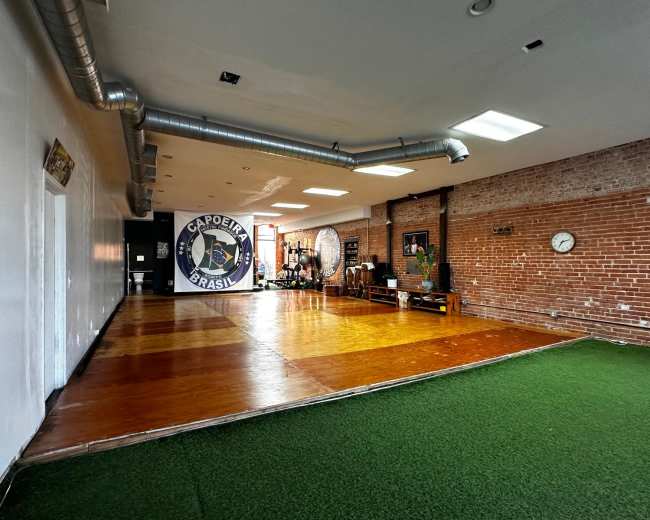
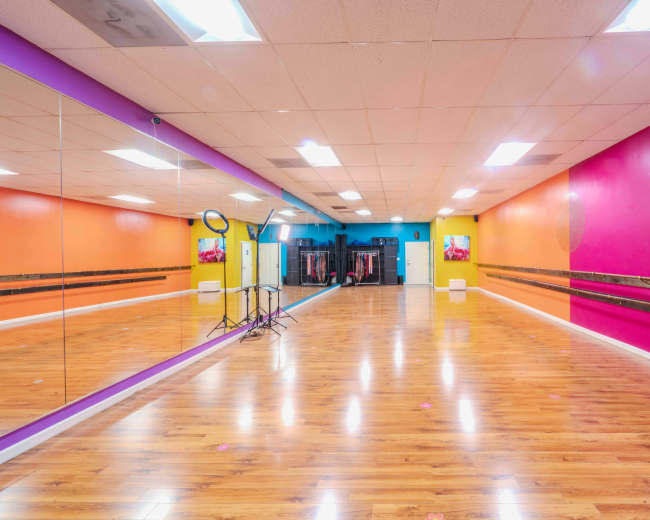
Peerspace is the easiest way to book unique dance studios for parties, weddings, meetings, productions and more.
Discover SpacesEvery day we uncover new, creative spaces, including dance class spaces, perfect for your activity.
Our dance studios are priced to fit your budget. Hire by the hour without worrying about hidden fees.
No more messy contracts. We build the tools to make booking dance class space venues as easy as the click of a button.
Dance, Fitness, Yoga Studio
Sherman Oaks, Los Angeles, CA4.9 (8)
290 guests
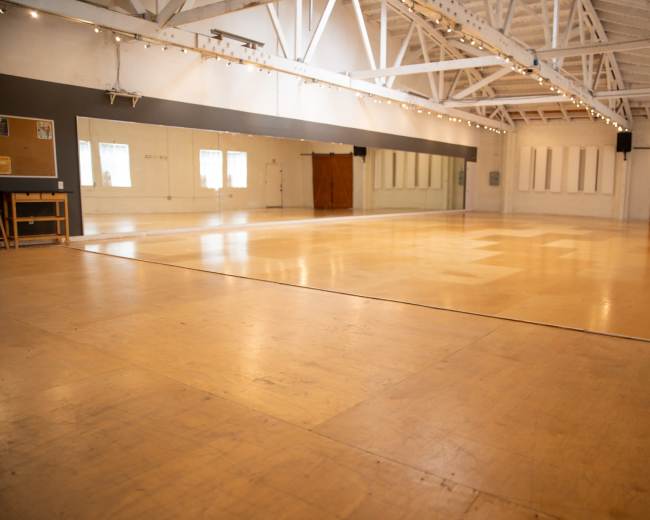
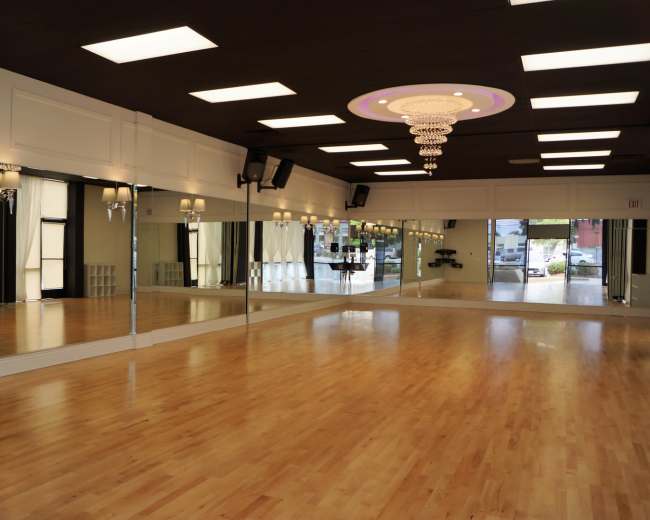
Bright, Open Dance Studio with Mirrors + Wood Floors
Mariposa, Glendale, CA50 guests
Studio City Fitness and Dance Studio
Studio City, CA5.0 (1)
60 guests
Unique, cozy private dance studio and rehearsal space.
Sherman Oaks, Los Angeles, CA115 guests
Dance Studio / Fitness Space Room 1 (Black)
Grand Central, Glendale, CA5.0 (2)
150 guests
Bright & Spacious Dance Studio Near the Beach in Playa del Rey
Playa Del Rey, CA50 guests
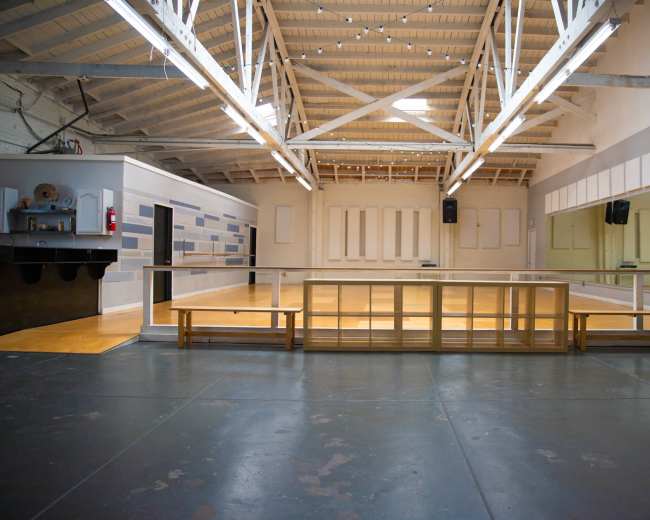
Warehouse Studio with Brick Walls, Wood Floors and Front Stage
South Los Angeles, CA5.0 (11)
120 guests
Bright Open Concept Studio with Floor-to-Ceiling Mirrors
Inglewood, CA60 guests
ENTIRE 5,000 sq ft Warehouse Dance Studio Space with Kitchen, Stage, and Lounge Area
South Los Angeles, CA4.7 (3)
200 guests
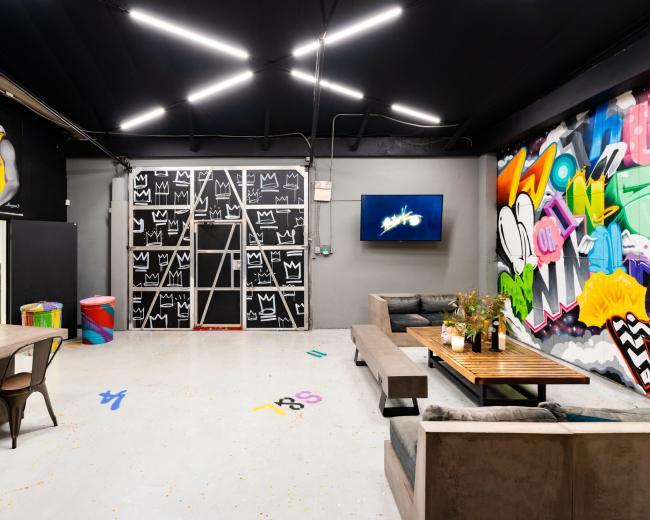
Industrial Dance Studio with Kitchen and Lounge Area
South Los Angeles, CA4.8 (16)
100 guests
Spacious Creative Film, Event & Dance Studio
Burbank, CA5.0 (29)
200 guests
Daylight First Floor Creative Space on Hollywood Blvd (Dance Studio)
Wilshire Center, Los Angeles, CA500 guests
Mid-City Dance studio with Bright natural light, a creators space for all
Central LA, Los Angeles, CA99 guests
Spacious Dance Studio in West LA
West Los Angeles, CA5.0 (1)
30 guests
Dance and Yoga Studio in Heart of Silverlake
Central LA, Los Angeles, CA5.0 (78)
35 guests
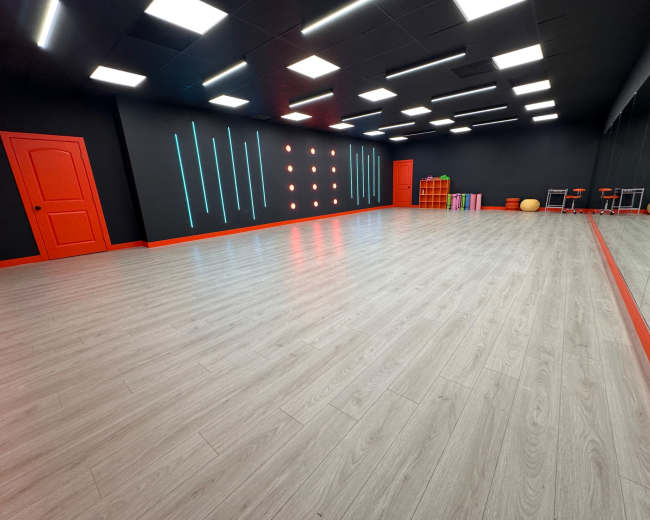
Dance Studio with Stunning Lights and Sound System
Central LA, West Hollywood, CA19 guests
Private Dance Studio Compound in Burbank
Burbank, CA5.0 (5)
60 guests
Dance Studio in West LA
Sawtelle, Los Angeles, CA30 guests
Movement Studio - Open Space and Natural Lights
Washington Culver, Culver City, CA60 guests
Vibrant Los Angeles Dance Studio/Event Space
Encino, CA36 guests
Santa Monica Dance/Movement Studio/Meeting/Rehearsal Space with Outdoor Courtyard and Natural Light
Sunset Park, Santa Monica, CA5.0 (50)
40 guests
Dance Studio Room in West LA
Sawtelle, Los Angeles, CA5.0 (5)
30 guests
Room 1 - Dance Studio/Fitness Space
Burbank, CA5.0 (105)
60 guests
Entire Space - Dance Studio/Production/Event/Fitness Space in Burbank
Burbank, CA200 guests
dance studio
Tarzana, CA4.9 (16)
50 guests
Dance rehearsal, photo, and video studio with LED light walls
Sun Valley, North Hollywood, CA5.0 (1)
100 guests
Dance studio 38 x 38, soft floors, wall of mirrors, AC, Bose sound, high ceilings
Central LA, Los Angeles, CA5.0 (8)
50 guests
Dance Studio Room 2
Grand Central, Glendale, CA50 guests
Room 1 + 2 - Dance Studio/Production/Event/Fitness Space in Burbank
Burbank, CA4.8 (4)
50 guests
Spacious & Modern Dance Studio in the Heart of Santa Monica
Mid-City, Santa Monica, CA5.0 (1)
25 guests
Pricing and popularity information in this section is based on proprietary Peerspace booking data, reflecting recent booking activity and the latest data available through October 2026.
Dance studios in Los Angeles average $62 per hour to rent, but it’s easy to spend less or more depending on what you’re looking for.
Most dance studios are scheduled for 7 hours, with 16 people in attendance. You’ll find the most Dance Studios starting between 10:00 AM and 11:00 AM.
Our local hosts have welcomed 1209 people into their dance studios with reviews averaging 4.95 stars. 100% of guests said they'd book again.
Saturdays are the most popular day for booking dance studios in Los Angeles. For those seeking a deal, consider booking Monday and Tuesday as these days are 21% cheaper on average.


