
Sun
Mon
Tue
Wed
Thu
Fri
Sat
$100/hr$75/hr$50/hr$25/hr
Peerspace is the easiest way to book unique venues for parties. We also have spaces for productions and meetings.
Discover SpacesEvery day we uncover new, creative spaces perfect for your reception — from neighborhood galleries to hidden rooftops, and beyond.
Our spaces are priced to fit your budget. Hire by the hour for your party without worrying about hidden fees.
No more messy contracts. We build the tools to make hiring out a space for your reception as easy as the click of a button.
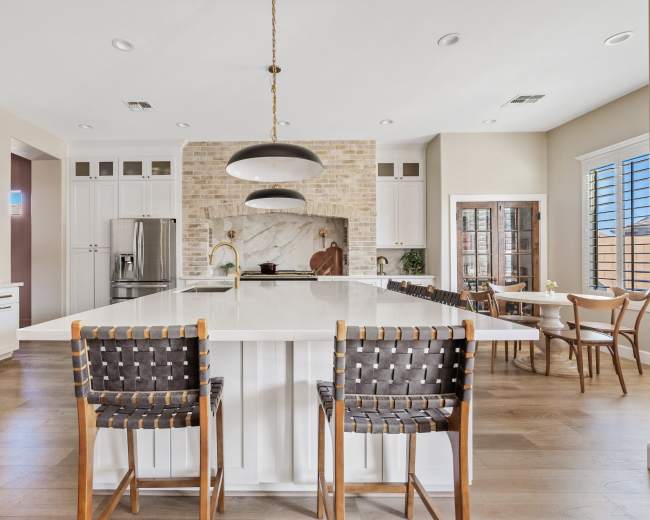
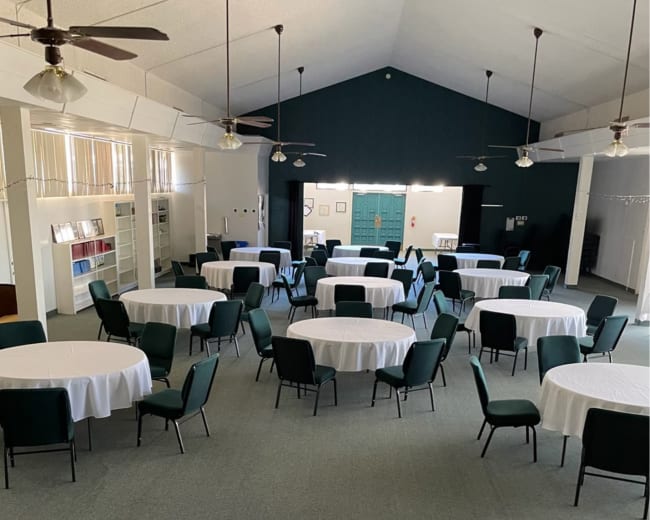
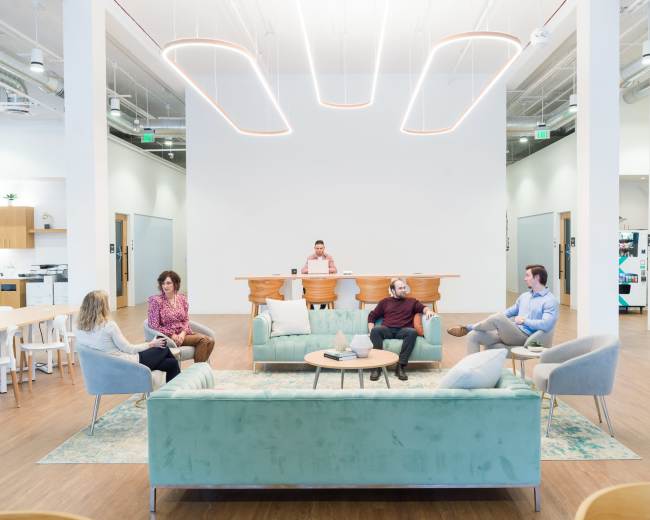
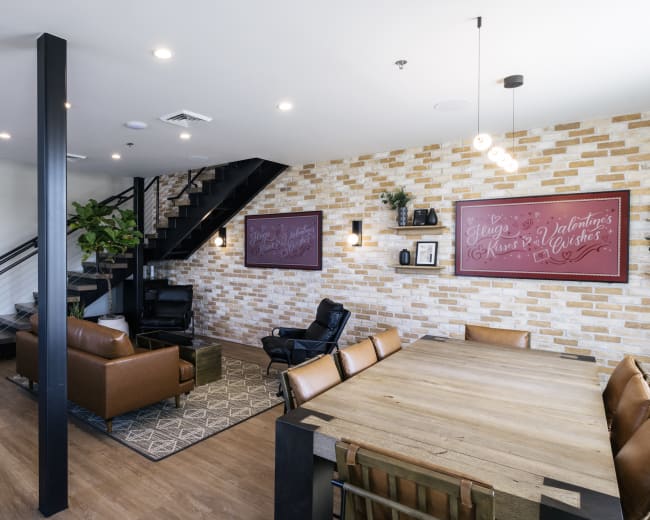
Event Space in East Mesa, Modern & Classy
Mesa, AZ5.0 (7)
70 guests
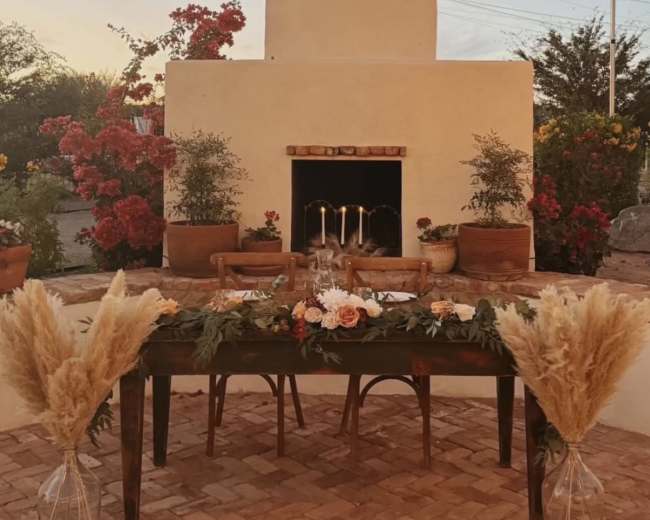
Big Garden in the Desert
Dobson Ranch, Mesa, AZ5.0 (1)
50 guests
We are conveniently located of hwy 202 San Tan Freeway
Chandler, AZ110 guests
Downtown Gilbert content and event studio
Gilbert, AZ4.8 (12)
75 guests
Boutique Suburban Event Space, Dynamic Kitchen & Pool
Shamrock Estates, Gilbert, AZ5.0 (6)
50 guests
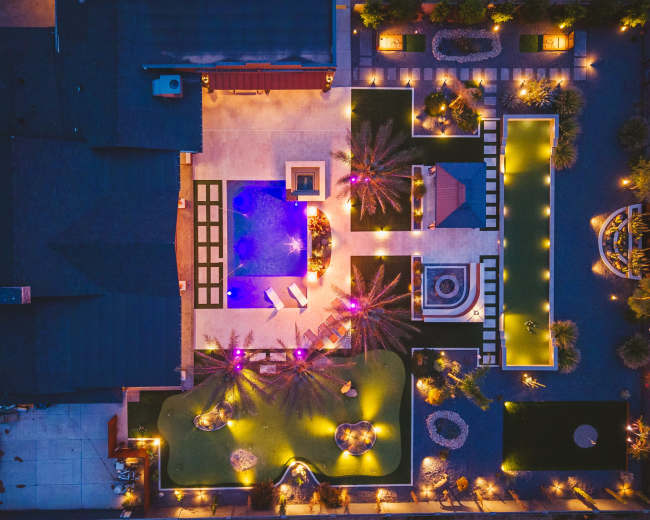
Entertainers Paradise! - Events & Stays - Pool/Spa, Goats, Golf, Bocce, Horseshoes, Games
Chandler, AZ5.0 (13)
150 guests
2 Acre Farm Property, Venue, Photography/Film set
Palm Cove Residents, Mesa, AZ40 guests
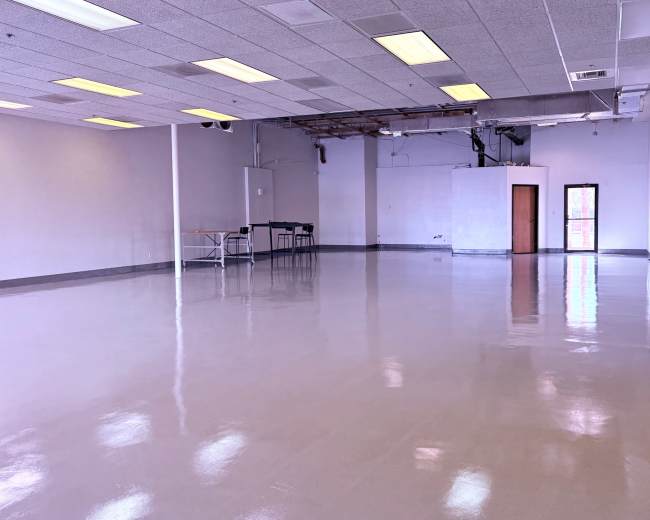
Studio or Event Space
Mesa, AZ100 guests
Serene Shaded Outdoor Space
Mesa, AZ5.0 (2)
300 guests
Cleo Patio, Modern Open-Air Patio Event Venue in Chandler
Provinces Master Community, Chandler, AZ150 guests
The Coronado Manor Estate in the Heart of Gilbert, AZ
Gilbert, AZ5.0 (1)
300 guests
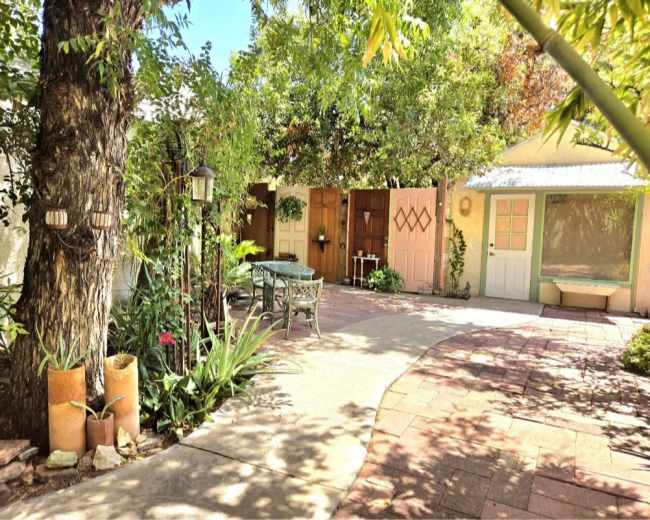
Curated Spanish Casita & Desert Retreat with Vintage VW Bus, Courtyard & Editorial Sets
Rancho Apache, Mesa, AZ50 guests
Downtown Scottsdale Banquet Hall
Downtown Scottsdale, AZ5.0 (16)
110 guests
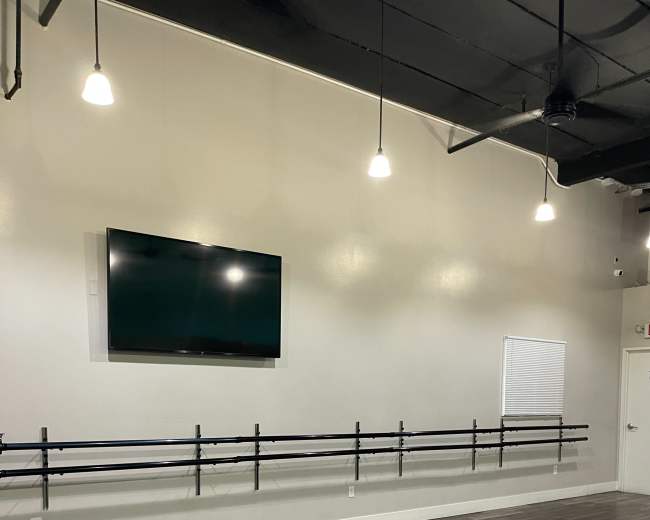
Dance Studio in East Mesa- Studio 3
Mesa, AZ4.8 (10)
50 guests
South Chandler Space for your next Event
Chandler, AZ30 guests
Newberry Station | Historic 1948 Lunch Counter Event Space
Downtown Mesa, AZ60 guests
Scottsdale's Cutest Private Party Spot
Old Town Scottsdale, AZ75 guests
The Modern- Chic Tempe Spot
Meyer Park, Tempe, AZ5.0 (5)
30 guests
Newberry Station - Lounge Only
Downtown Mesa, AZ100 guests
Studio Style Gathering Space
Downtown, Chandler, AZ25 guests
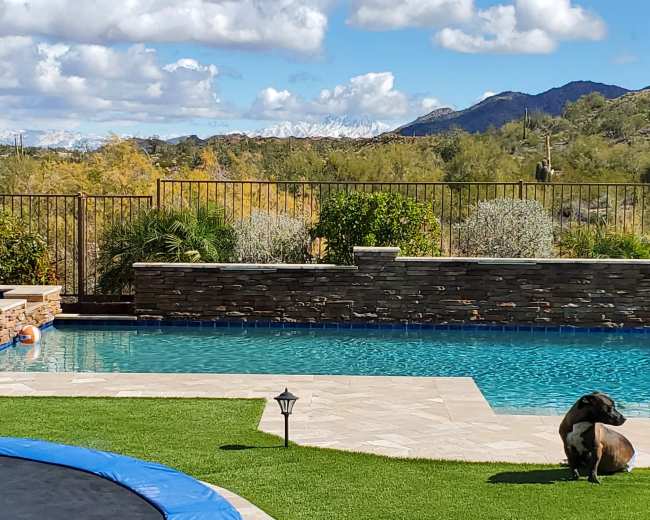
Unbelievable Party Pool View
Red Mountain Ranch, Mesa, AZ5.0 (3)
25 guests
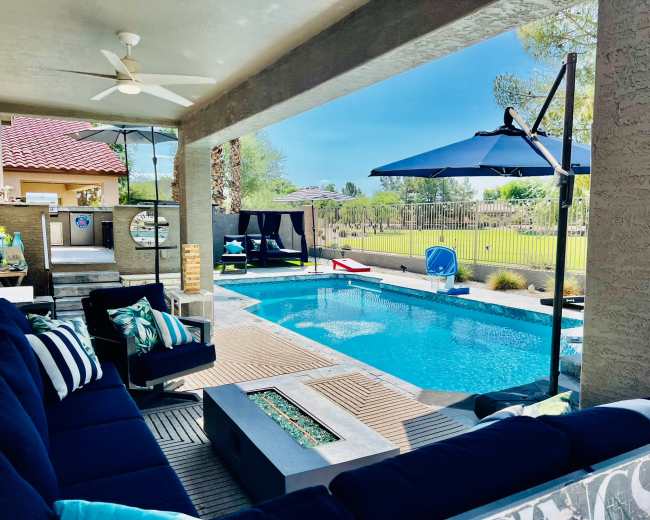
Luxury Resort Pool | 5 Star Service | Birthday Party | Hot Tub with Greenbelt View | Pool Table Gameroom and Living Space
Fox Crossing, Chandler, AZ5.0 (11)
50 guests
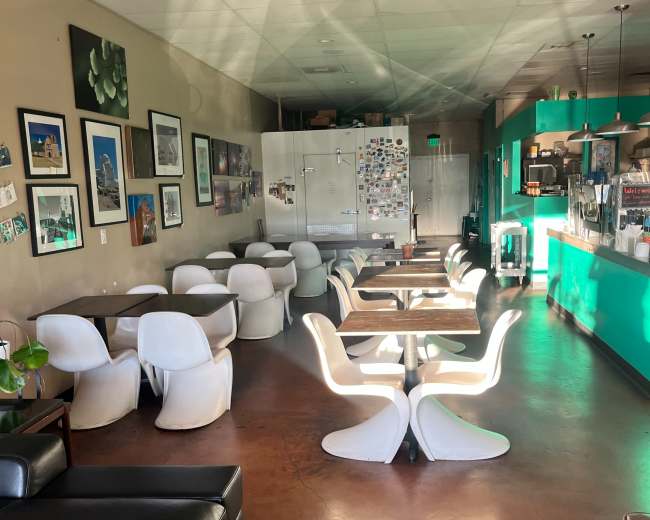
Restaurant space. Tables, chairs and couches. Located in a plaza, lots of parking and seating
South Scottsdale, AZ5.0 (1)
30 guests
Lux Oldtown Hideaway for Intimate Celebrations
South Scottsdale, AZ5.0 (2)
40 guests
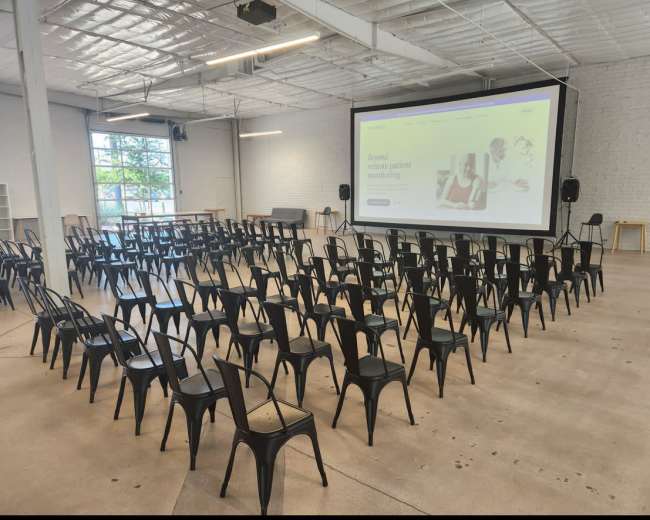
Industrial Warehouse with Natural Lighting
Tempe, AZ5.0 (7)
300 guests
Mid-Century Chapel near Old Town Scottsdale
Downtown Scottsdale, AZ5.0 (10)
100 guests
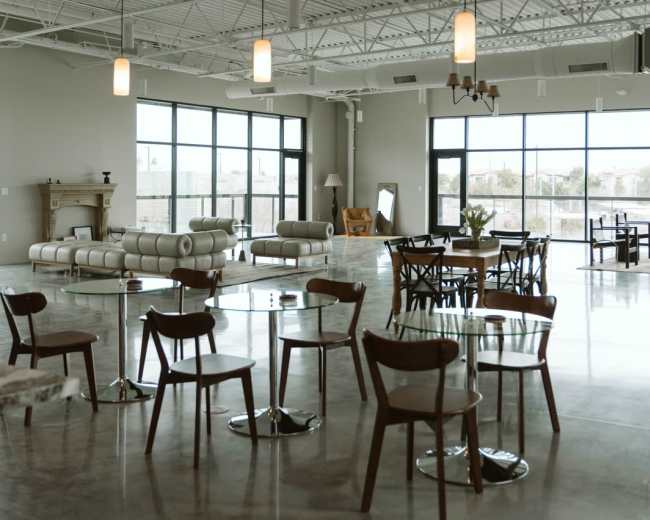
Open-Concept Event Space for Workshops, Parties & Corporate Events
South Tempe, AZ75 guests
Stylish home in Downtown Gilbert
Lowe Estates, gilbert, AZ30 guests
Studio and Meeting Space at Club Sip
South Mountain Village, Phoenix, AZ60 guests
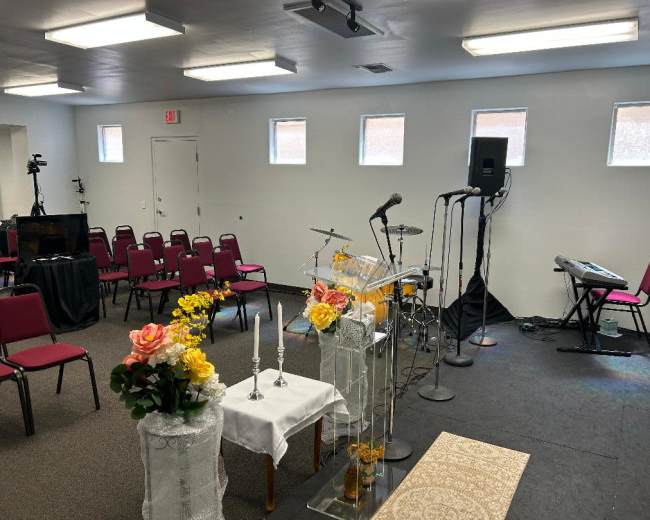
Multi Purpose Meeting Space
South Tempe, AZ5.0 (45)
50 guests
Music Recording Studio and Creative Space in Downtown Mesa
C.A.N.D.O., Mesa, AZ5.0 (2)
12 guests
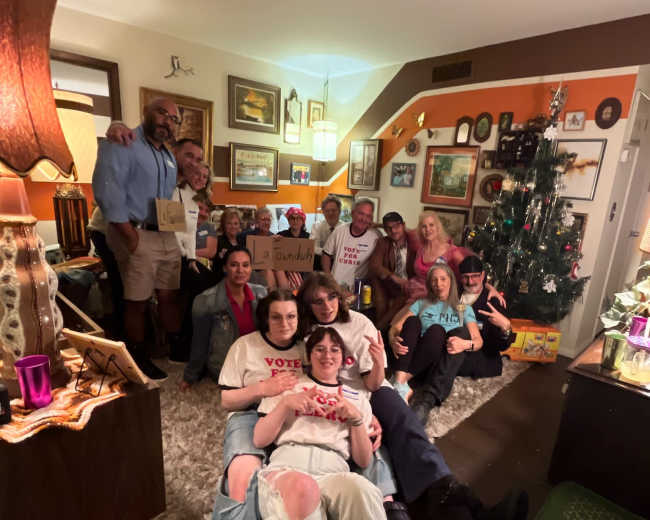
That 70s Pad - Groovy Vintage Time Capsule in Old Town Scottsdale
Casa Granada Townhouses, Scottsdale, AZ5.0 (155)
16 guests
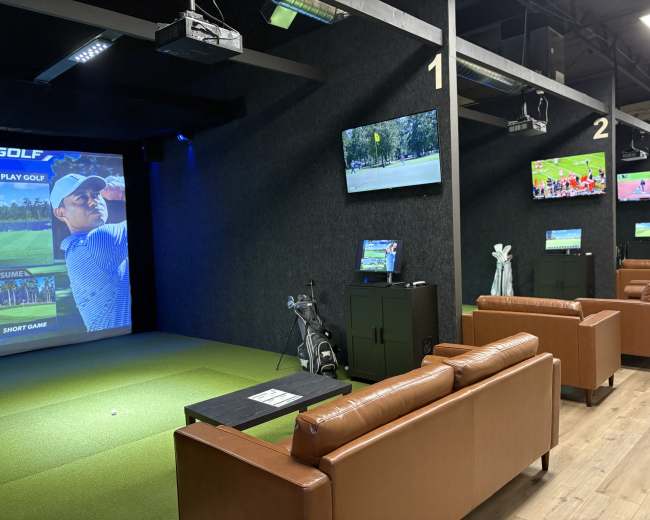
Exclusive Indoor Golf Event Space in Sun Lakes
Sun Lakes, Chandler, Arizona35 guests
The Event Nook
Tempe Gardens, AZ5.0 (1)
30 guests
Pricing and popularity information in this section is based on proprietary Peerspace booking data, reflecting recent booking activity and the latest data available through October 2026.
Party venues in Mesa average $66 per hour to rent, but it’s easy to spend less or more depending on what you’re looking for.
Most party venues are scheduled for 5 hours, with 24 people in attendance. You’ll find the most Parties starting between 12:00 PM and 1:00 PM.
Our local hosts have welcomed 6254 people into their party venues with reviews averaging 4.91 stars. Most even said they would book again -- about 96%.
Saturdays are the most popular day for booking party venues in Mesa. For those seeking a deal, consider booking Wednesday and Tuesday as these days are 21% cheaper on average.


