Sun
Mon
Tue
Wed
Thu
Fri
Sat
$200/hr$150/hr$100/hr$50/hr
Peerspace is the easiest way to book unique dance studios for parties, weddings, meetings, productions and more.
Discover SpacesEvery day we uncover new, creative spaces, including dance class spaces, perfect for your activity.
Our dance studios are priced to fit your budget. Hire by the hour without worrying about hidden fees.
No more messy contracts. We build the tools to make booking dance class space venues as easy as the click of a button.
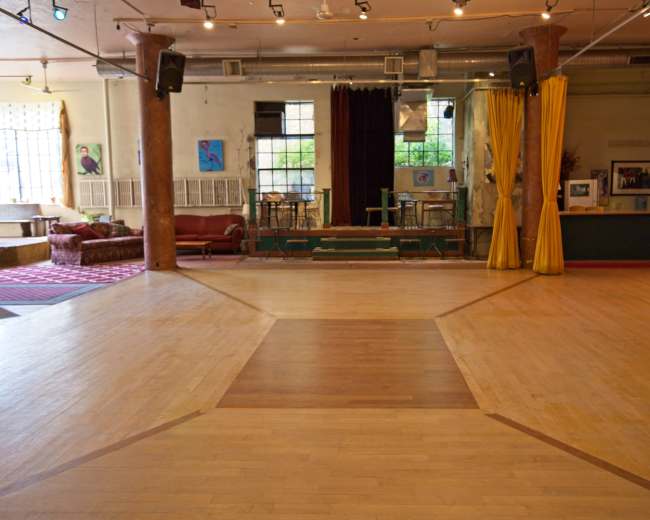
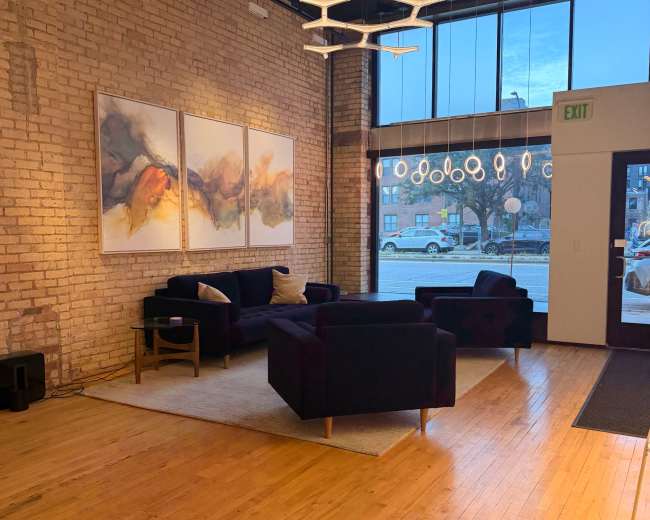
Large Dance Studio Event Space - Loring Park
Central Minneapolis, MN4.9 (38)
75 guests
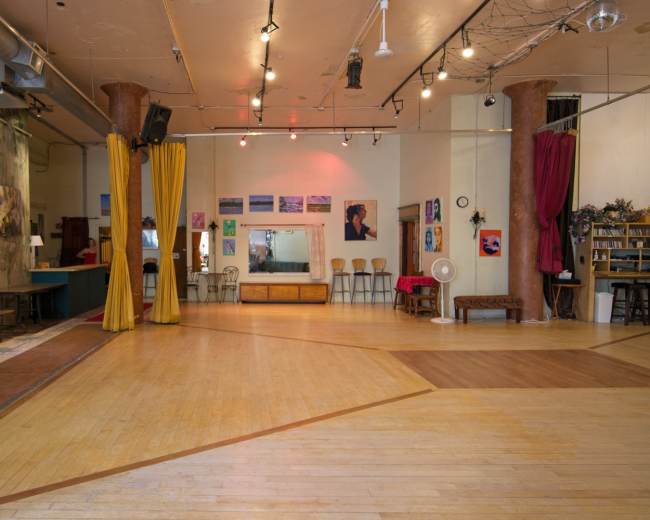
Spacious Downtown Studio Event Space - Full Buyout - 2 Dance Floors
Central Minneapolis, MN5.0 (15)
120 guests
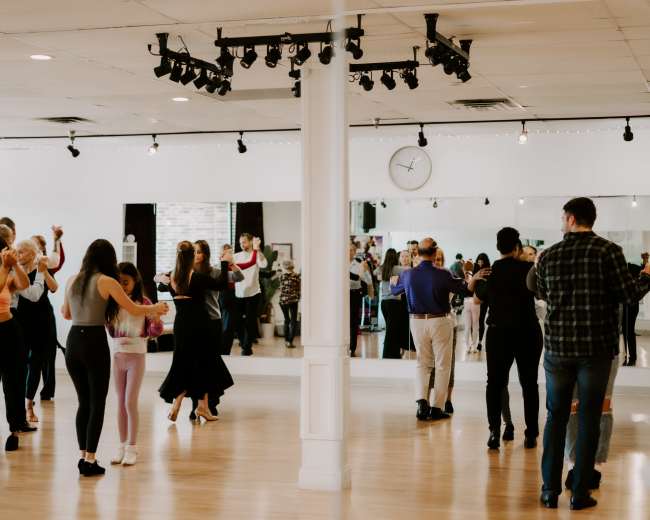
Modern Urban Dance Studio with Hardwood Floors & Lounge Space
Shelard Park, Plymouth, MN50 guests
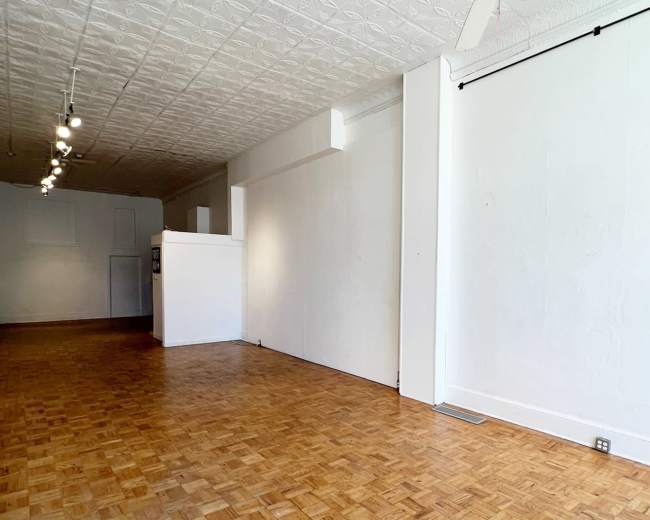
Studio in a Historic Northeast Building with Natural Light
Nicollet Island, Minneapolis, MN5.0 (28)
50 guests
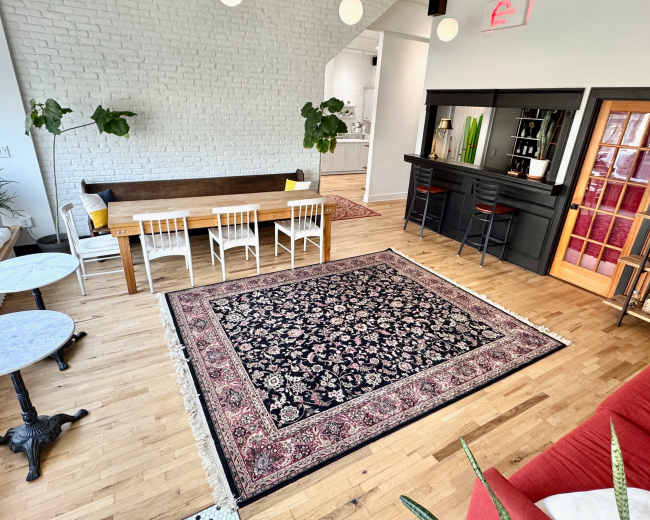
Upscale North Loop Event Space with Exposed Brick, Bar & Lounge
North Loop, Minneapolis, MN60 guests
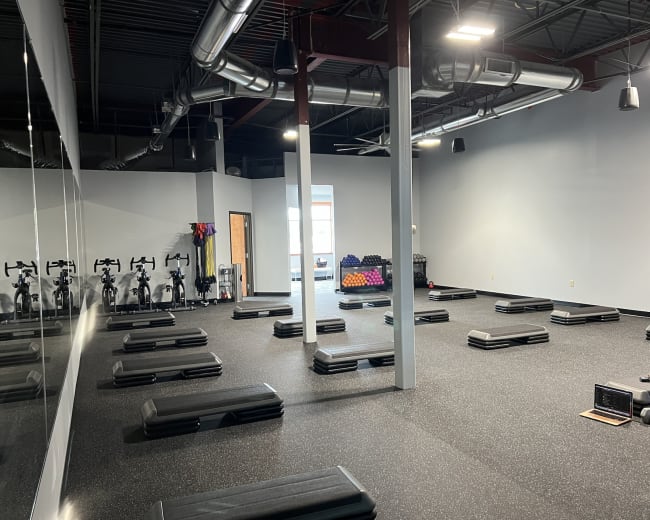
Large Fitness Studio
Plymouth, MN5.0 (3)
28 guests
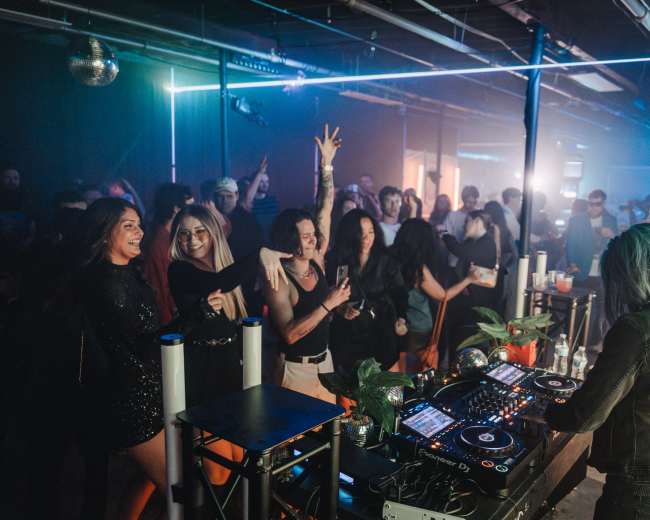
Industrial Warehouse Studio
West Seventh - Fort Road, St Paul, MN4.9 (10)
250 guests
Flexible Meeting and Studio Room in Uptown
Calhoun Isles, Minneapolis, MN5.0 (2)
25 guests
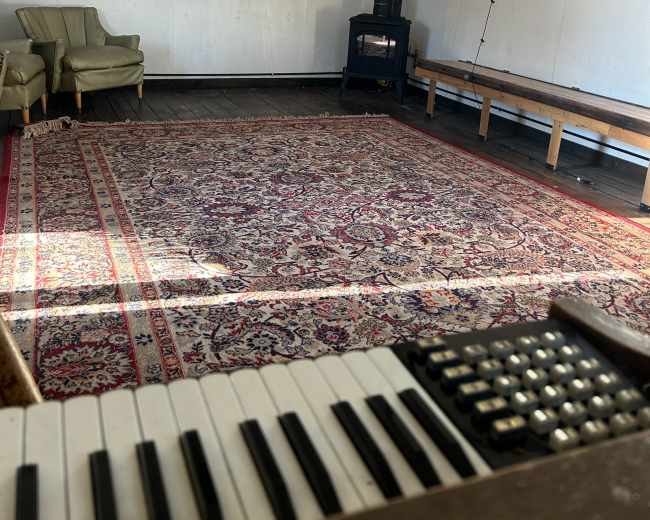
Offbeat Speakeasy Is Cozy & Unique
Whittier, Minneapolis, MN4.9 (17)
30 guests
Creative Studio Space
Baker - Annapolis, SAINT PAUL, MN5.0 (1)
40 guests
Entire Home with Full Kitchen in St. Paul. 3 bed, 1 bath, 2 floors.
Como Park, St. Paul, MN5.0 (34)
15 guests
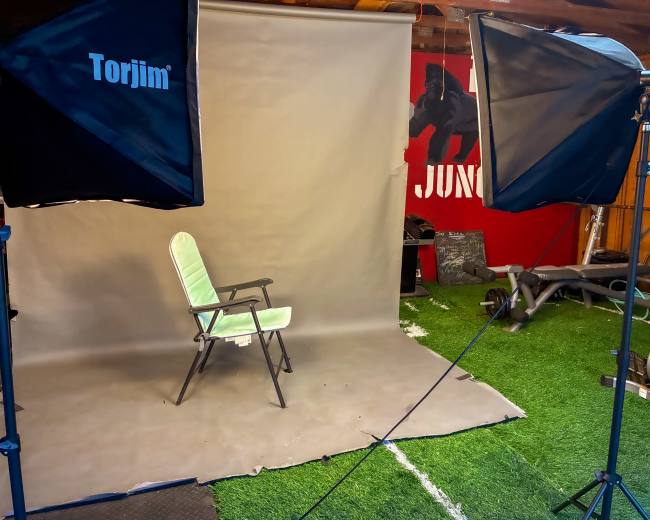
Versatile Garage Studio – Photo, Fitness & Art in Relaxed Neighborhood
Fridley, MN10 guests
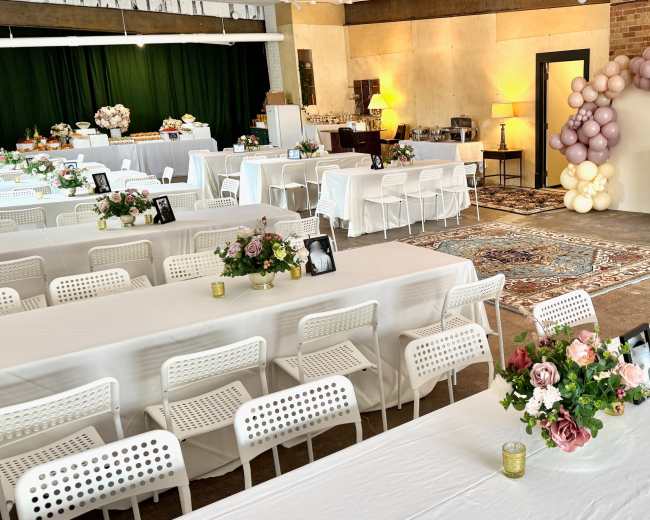
Versatile Studio with Lounge, Tables, & Seating | Perfect for Showers & Receptions
Riverview, Saint Paul, MN5.0 (3)
84 guests
Kitchen + Lounge Studio for Baby Showers, Parties & Events
Riverview, Saint Paul, MN5.0 (22)
32 guests
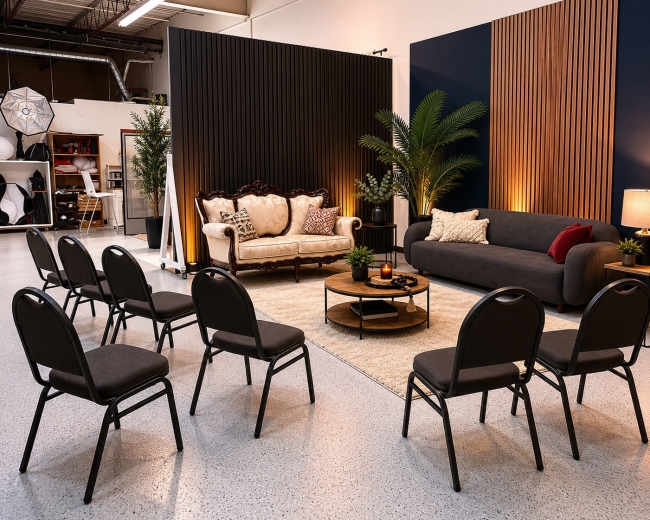
Modern Creative Studio in Maple Grove for Photoshoots, Podcasts, Workshops, and Gatherings
Maple Grove, MN5.0 (13)
30 guests
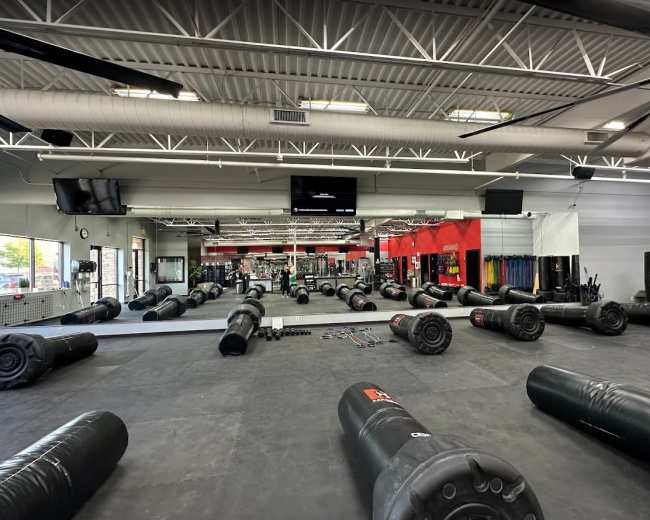
Open Fitness & Movement Studio w/ Mats, Gym Equipment, Restrooms, and Showers - Perfect for Yoga, Dance, Gymnastics, Martial Arts, Personal Trainers, Photoshoots, and Workshops
Maple Grove, MN45 guests
Pricing and popularity information in this section is based on proprietary Peerspace booking data, reflecting recent booking activity and the latest data available through September 2026.
Dance studios in Minneapolis average $95 per hour to rent, but it’s easy to spend less or more depending on what you’re looking for. For a space on the smaller side, expect to spend closer to $103, whereas larger venues run about $222 per hour.
Most dance studios are scheduled for 4 hours, with 19 people in attendance. You’ll find the most Dance Studios starting between 12:00 PM and 1:00 PM.
Our local hosts have welcomed 1332 people into their dance studios with reviews averaging 5 stars. 100% of guests said they'd book again.
Saturdays are the most popular day for booking dance studios in Minneapolis.


