Sun
Mon
Tue
Wed
Thu
Fri
Sat
$200/hr$150/hr$100/hr$50/hr
Peerspace is the easiest way to book unique venues for small parties. We also have spaces for productions and meetings.
Discover SpacesEvery day we uncover new, creative spaces perfect for your private party — from neighborhood galleries to hidden rooftops, and beyond.
Our spaces are priced to fit your budget. Hire by the hour for your small party without worrying about hidden fees.
No more messy contracts. We build the tools to make hiring out a space for your private party as easy as the click of a button.
Ziba Photo Video & Venues
7.8 miles from Orange, CA5.0 (151)
100 guests
Day at the Park
9 miles from Orange, CA5.0 (95)
50 guests
Sean Woolsey Studio Showroom
Serving the Orange, CA area5.0 (4)
30 guests
409 Woodbury
Serving the Orange, CA area5.0 (10)
150 guests
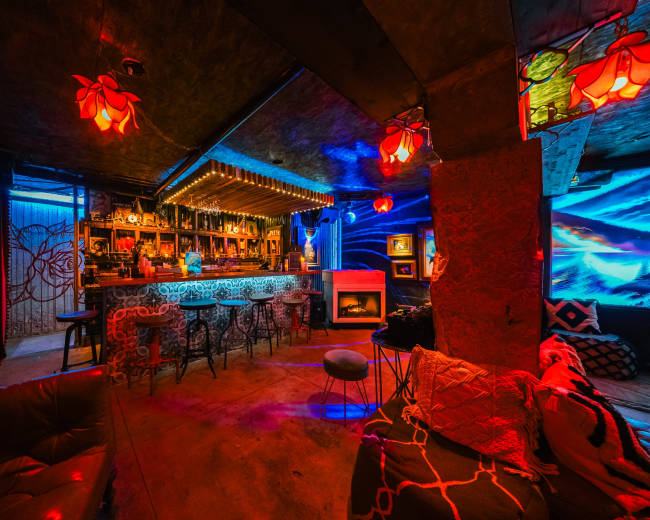
Leather & Rose
Serving the Orange, CA area5.0 (157)
30 guests
Blue Box Boutique Events
Serving the Orange, CA area4.9 (31)
60 guests
Your Picture-Perfect Event Venue
Orange, CA5.0 (8)
45 guests
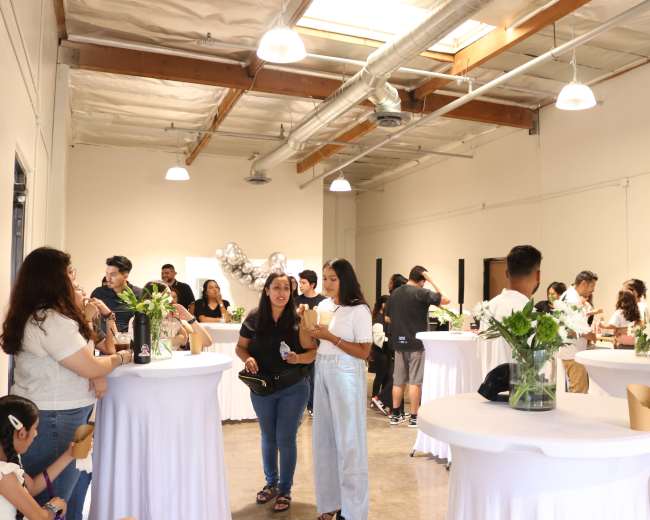
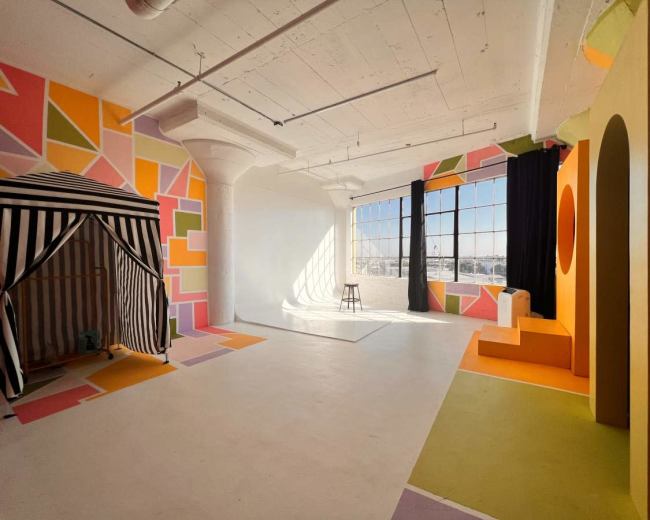
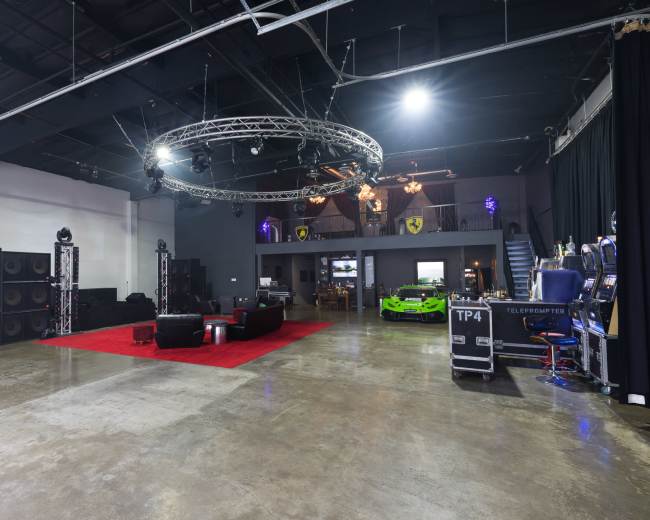
Orange Circle Modern Industrial Venue Space
Orange, CA4.9 (58)
70 guests
Social Space
Orange, CA4.9 (49)
50 guests
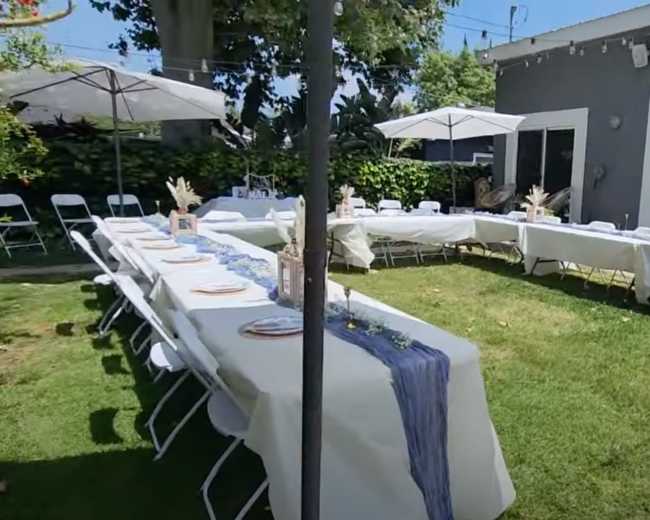
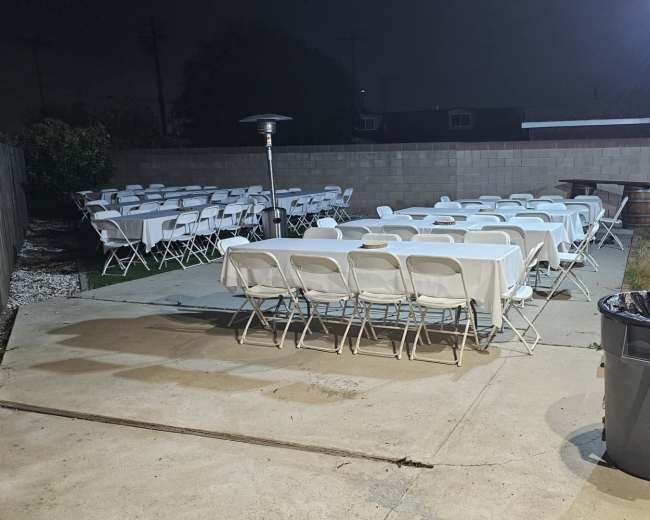
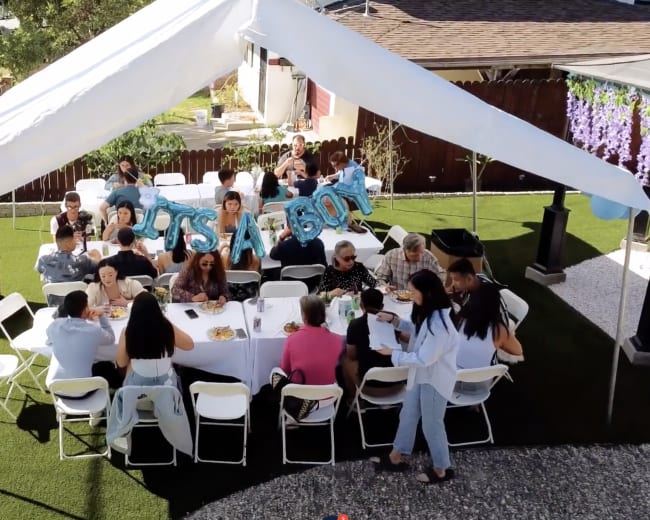
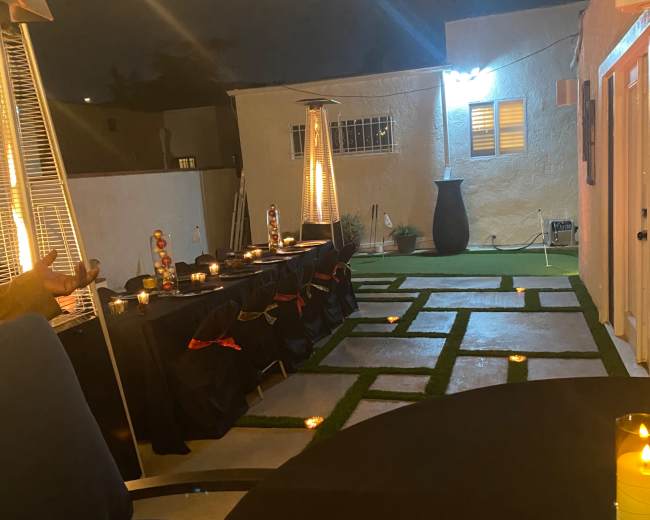
Private Backyard Event Space near Downtown Orange | Birthdays • Baby showers • BBQ’s • Celebrations
Orange, CA90 guests
Casa di Almond
Orange, CA5.0 (18)
60 guests
Firesidefarm.oc
Orange, CA50 guests
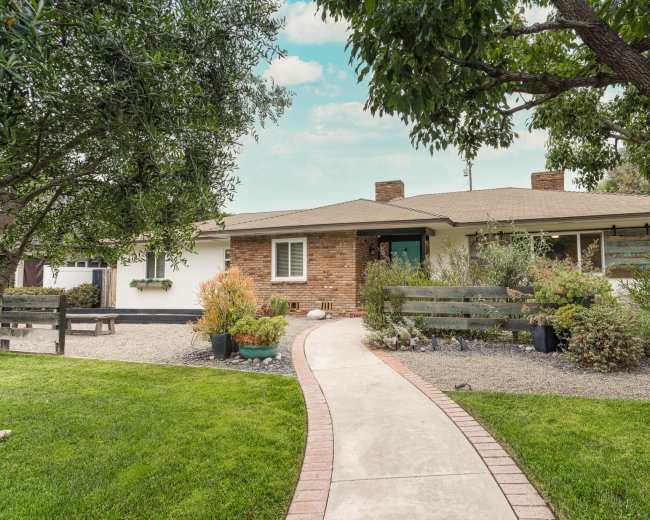
𓆰Ranch Style Home, Great for Events𓆰Baby Showers𓆰Kid Birthdays𓆰Pet Celebrations𓆰
2.7 miles from Orange, CA4.8 (4)
50 guests
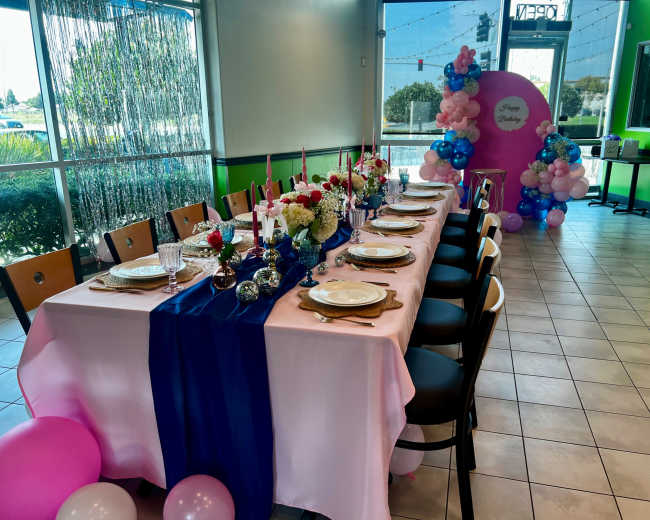
Istanbul Grill Catering & Venue
8.3 miles from Orange, CA5.0 (5)
100 guests
The Event Spot
Serving the Orange, CA area120 guests
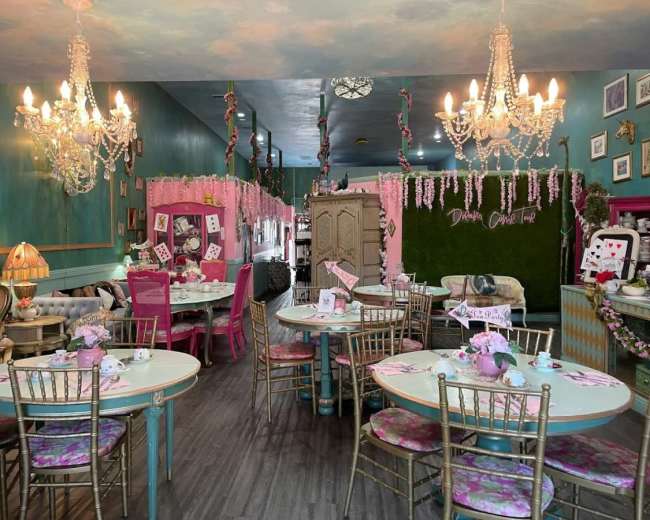
Dream Come True Tea & Party Room
Serving the Orange, CA area48 guests
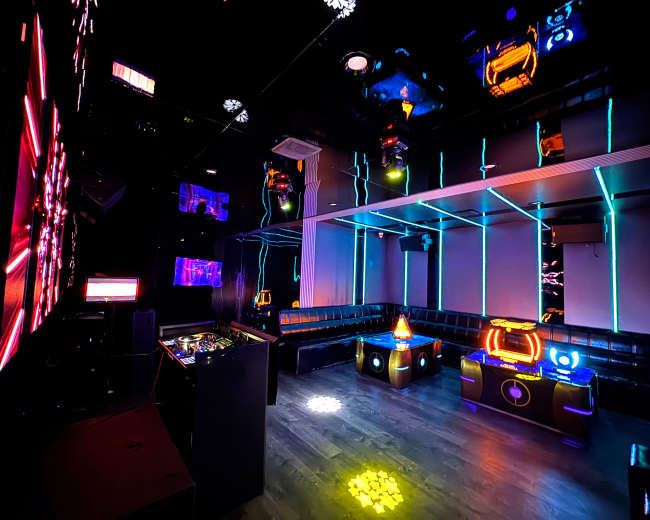
Cybercity Lounge
Serving the Orange, CA area4.9 (93)
60 guests
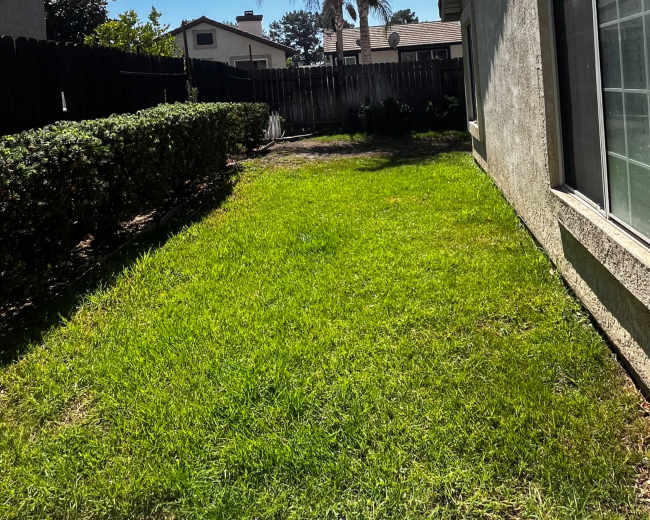
Intimate and Cozy Backyard
Serving the Orange, CA area5.0 (1)
40 guests
Private Events | Dinners |Workshops |Classes| Photoshoots & More
Serving the Orange, CA area4.8 (136)
25 guests
Small yard party’s
Serving the Orange, CA area50 guests
Spacious Indoor/Outdoor Backyard
Serving the Orange, CA area50 guests
Los Angeles Filming Locations
Serving the Orange, CA area4.9 (46)
25 guests
Event Studio Rental Los Angeles
Serving the Orange, CA area150 guests
The Baldwin Vista Pool
Serving the Orange, CA area5.0 (1)
75 guests
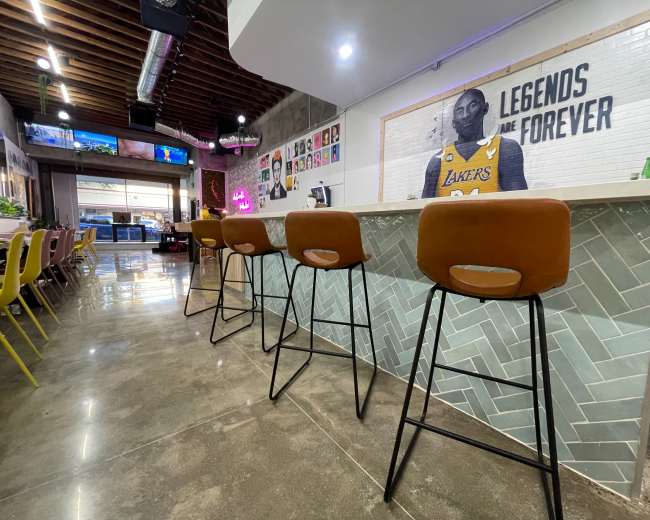
Coffee Shop in Los Angeles for Private Parties
Serving the Orange, CA area5.0 (9)
45 guests
Burbank Backyard Garden (Residential) Day Parties, Birthday Parties, Engagement Celebrations, Baby Showers, Art Exhibits, Book Releases, Listening Parties, High Tea
Serving the Orange, CA area5.0 (2)
45 guests
Back house in residential neighborhood converted to event space
Serving the Orange, CA area5.0 (5)
25 guests
Lawless Brewing Company
Serving the Orange, CA area5.0 (6)
40 guests
CML Studios Burbank
Serving the Orange, CA area4.7 (102)
250 guests
Santa Monica Cocktail Party Suite w/ Speakeasy Vibe (+ Optional Karaoke)
Serving the Orange, CA area5.0 (244)
30 guests
Bright Indoor-Outdoor Home with Pool — Perfect for Intimate Parties & Styled Gatherings (Up to 35 Guests)
Serving the Orange, CA area5.0 (3)
30 guests
Private cozy backyard in Valley glen for events and friends gathering
Serving the Orange, CA area25 guests
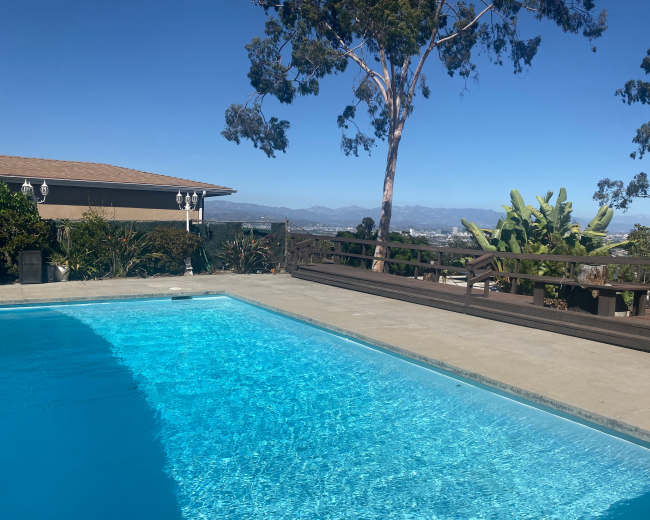
Pool Rental with Large Backyard
Serving the Orange, CA area30 guests
Private & Spacious Backyard for Events & Parties // Pool + BBQ + Big Lawn + Games (Day & Late Night)
Serving the Orange, CA area4.9 (22)
100 guests
Backyard Party for Less
Serving the Orange, CA area30 guests
Voelker Studio
Serving the Orange, CA area5.0 (179)
100 guests
Pricing and popularity information in this section is based on proprietary Peerspace booking data, reflecting recent booking activity and the latest data available through September 2026.
Small party venues in Orange average $141 per hour to rent, but it’s easy to spend less or more depending on what you’re looking for. For a space on the smaller side, expect to spend closer to $148, whereas larger venues run about $274 per hour.
Most small party venues are scheduled for 5 hours, with 47 people in attendance. You’ll find the most Small Parties starting between 5:00 PM and 6:00 PM.
Our local hosts have welcomed 3714 people into their small party venues with reviews averaging 4.97 stars. 100% of guests said they'd book again.
Saturdays are the most popular day for booking small party venues in Orange. For those seeking a deal, consider booking Saturday and Sunday as these days are 11% cheaper on average.


