
Sun
Mon
Tue
Wed
Thu
Fri
Sat
$200/hr$150/hr$100/hr$50/hr
Peerspace is the easiest way to book unique venues for parties. We also have spaces for productions and meetings.
Discover SpacesEvery day we uncover new, creative spaces perfect for your reception — from neighborhood galleries to hidden rooftops, and beyond.
Our spaces are priced to fit your budget. Hire by the hour for your party without worrying about hidden fees.
No more messy contracts. We build the tools to make hiring out a space for your reception as easy as the click of a button.
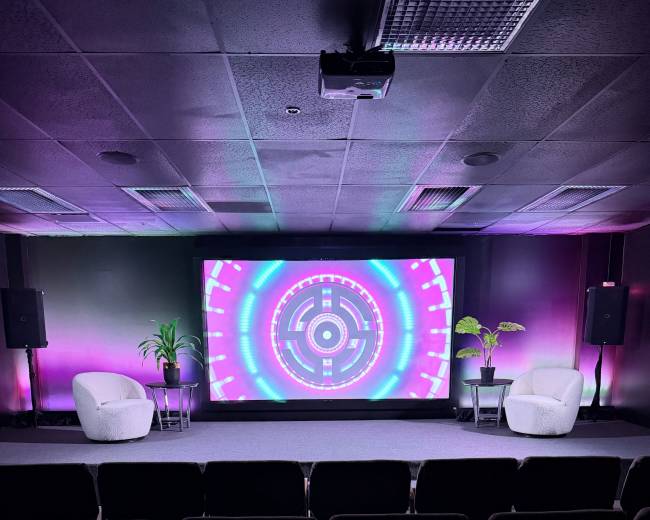
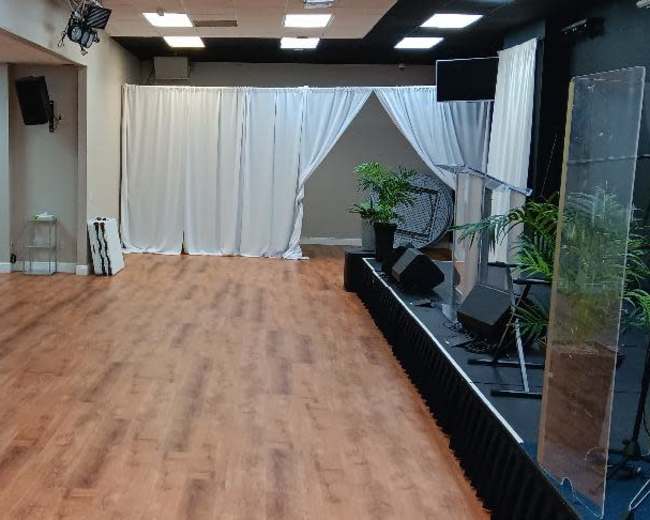
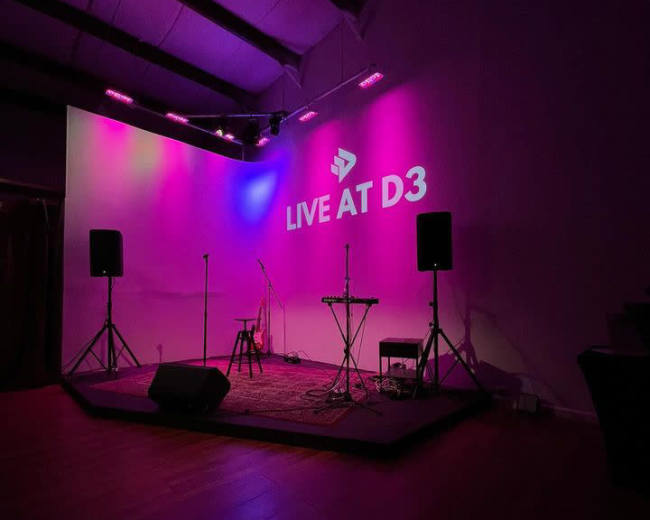
Orlando Event Space, Private Theater & Screening Room with Stage & Projector Screen
Orlando, FL5.0 (3)
100 guests
The Ivory Room
Altamonte Springs, FL5.0 (40)
60 guests
Modern Downtown Orlando Micro-Event Venue for Birthdays, Showers & Private Parties
Northeast Orlando, FL65 guests
Event center in the heart of Winter Park
Winter park, FL100 guests
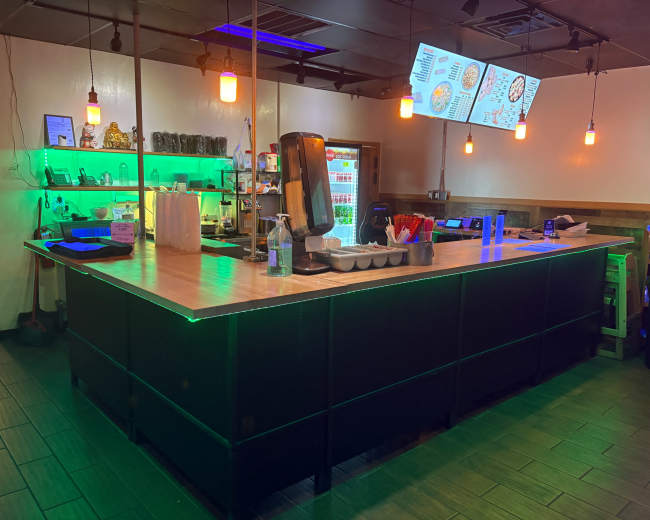
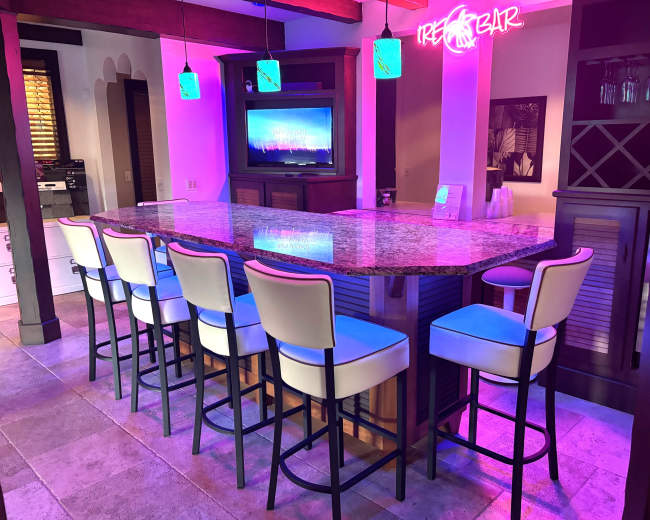
Bar/lounge/Party space for rent
Orlando, FL4.5 (11)
50 guests
Expansive Event Venue Near SeaWorld – Indoor & Outdoor Spaces for Up to 290 Guests
Orlando, FL5.0 (2)
220 guests
Orlando's Premier Event Venue – Just Minutes from SeaWorld, Disney, Orlando International Airport, and Central Florida’s Top Attractions!
Orlando, FL4.9 (18)
120 guests
Orlando Modern Event Venue
Fairview Shores, Orlando, FL100 guests
Vibrant Event & Party Venue w/ RGB Lighting near Altamonte Springs
Fern Park, FL5.0 (17)
125 guests
Indoor/Outdoor Event Space in Orlando
Park Lake/Highland, Orlando, FL200 guests
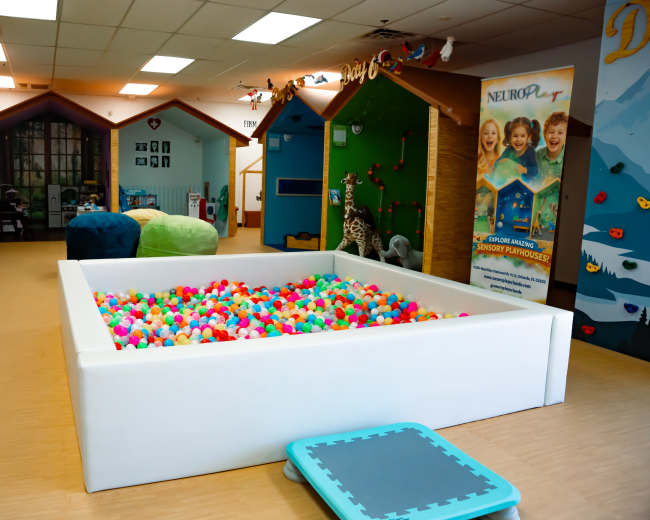
Indoor Playground for Children’s Birthdays
Airport North, Orlando, FL75 guests
Unique Entertainment in the heart of Winter Park - Photo/Movies/Entertainment
Winter Park, FL5.0 (7)
200 guests
Parramore Gathering Space for Milestone Celebrations, Socials, Community Events & Workshops
Lake Dot, Orlando, FL85 guests
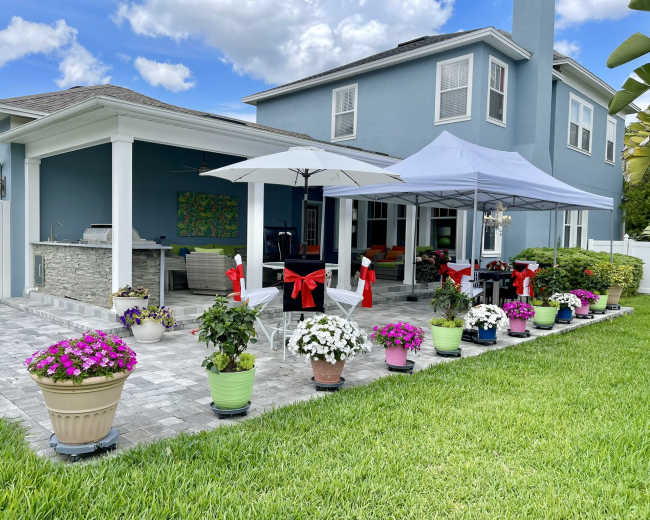
Vibrant, colorful house; indoor & outdoor space
Baldwin Park, Orlando, FL5.0 (4)
85 guests
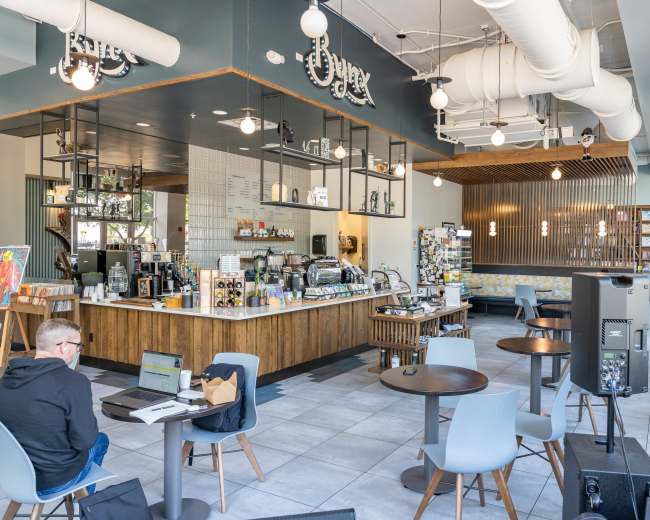
Downtown Cafe/Event Space
South Eola, Orlando, FL5.0 (15)
60 guests
Swanky Unique Private Happy Hour Reception Bar, Rehearsal Dinner, Party, Meeting w/ Sonos Music & Karaoke
Winter Park, FL5.0 (12)
40 guests
Classy Tea Room Located in Orlando
Pine Castle, Orlando, FL100 guests
Stunning Sky Terrace overlooking International Drive
Orlando, FL60 guests
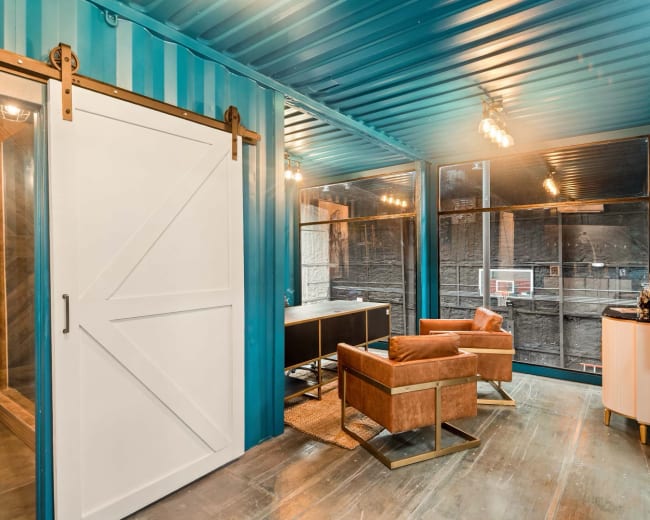
Contemporary Industrial Space! Ideal for Intimate Social Gathering
Winter Park, FL5.0 (245)
50 guests
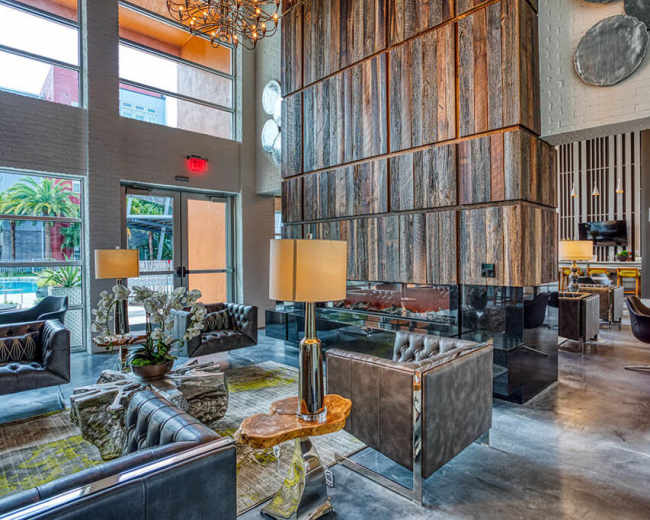
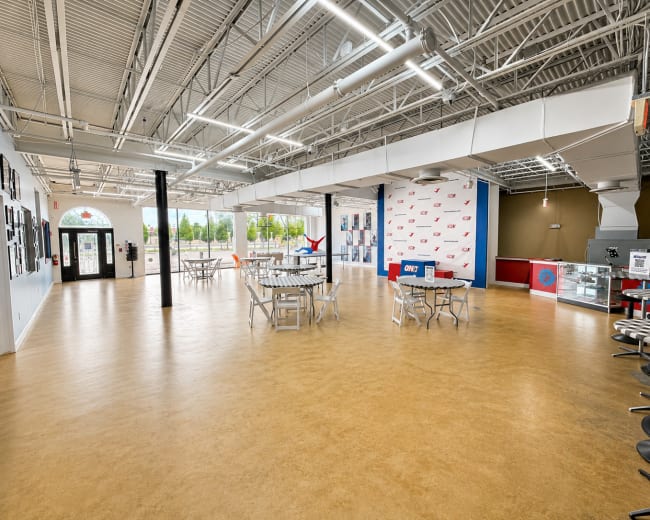
Expansive Modern Industrial Event Venue & Creative Space
Orlando, FL100 guests
Perfect event space with multi use space and multi use rooms.
Kissimmee, FL80 guests
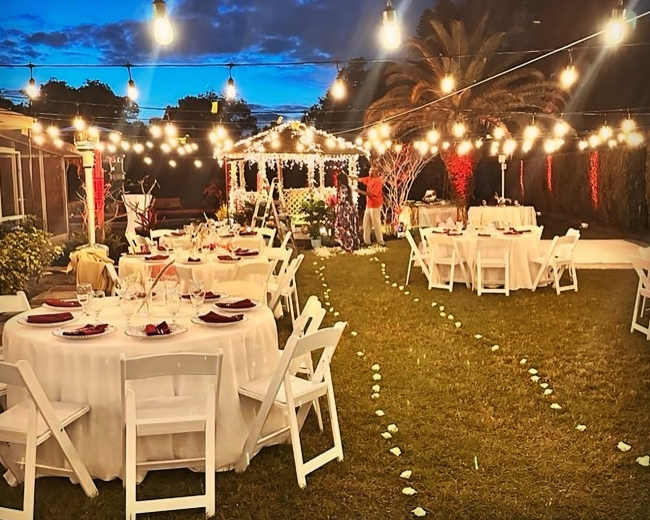
Backyard Oasis with Pool & Gazebo in Quiet Ocoee Neighborhood
Ocoee, FL5.0 (1)
70 guests
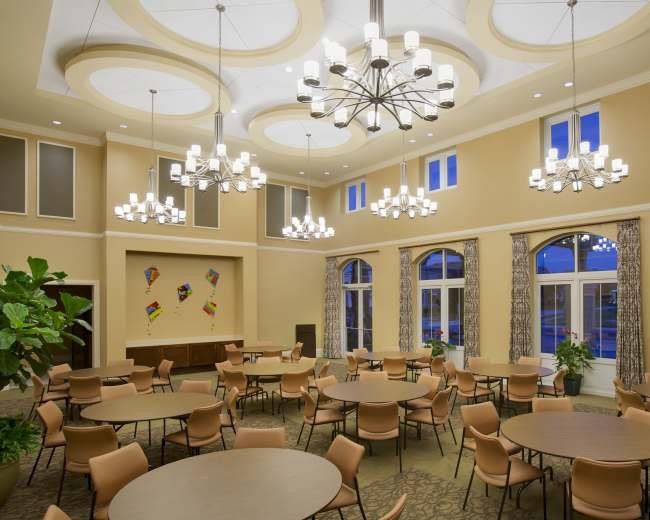
Gorgeous Event Hall - Downtown Avalon Park
Orlando, FL4.6 (17)
60 guests
Downtown Orlando Ninja & Movement Studio
Rio Grande Park, Orlando, FL100 guests
Full Turnkey Private Event Space Near Downtown/UCF
Orlando, FL5.0 (109)
35 guests
Modern Magical Meeting Space near Walt Disney
Orlando, FL55 guests
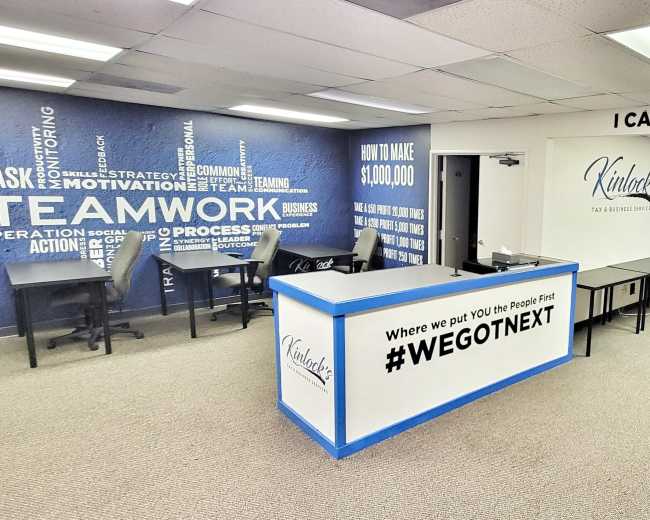
Orlando Business Lounge
Rosemont, Orlando, FL50 guests
Versatile Outdoor Acres in Apopka – Where Parties and Memories Bloom
Apopka, FL200 guests
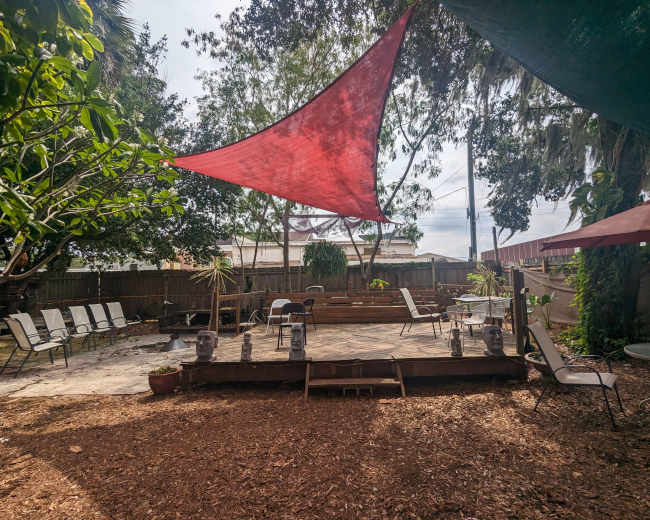
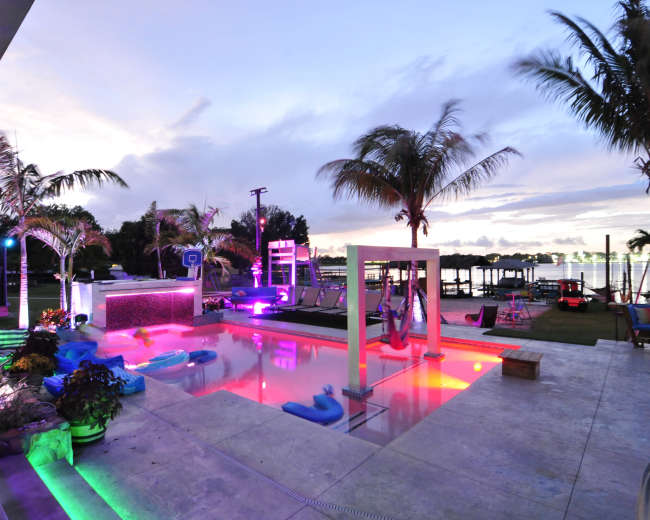
Lakefront grotto Palm Oasis, Sand Volleyball, and Custom Pool Features
Orlando, FL4.9 (16)
60 guests
Spacious & Open Studio Adjacent to Downtown
ORLANDO, FL30 guests
Multi Purpose Event Venue
Kirkman North, Orlando, FL4.8 (24)
50 guests
NYC-Styled Downtown Spacious Event + Production Loft
Northeast Orlando, FL5.0 (6)
45 guests
Grand, Expansive Club Room in Orlando
Orlando, FL4.8 (40)
30 guests
Modern Customizable Venue & Photography Studio in the Heart of Orlando
Colonial Town Center, Orlando, FL20 guests
Pricing and popularity information in this section is based on proprietary Peerspace booking data, reflecting recent booking activity and the latest data available through October 2026.
Party venues in Orlando average $155 per hour to rent, but it’s easy to spend less or more depending on what you’re looking for. For a space on the smaller side, expect to spend closer to $102, whereas larger venues run about $206 per hour.
Most party venues are scheduled for 4 hours, with 31 people in attendance. You’ll find the most Parties starting between 4:00 PM and 5:00 PM.
Our local hosts have welcomed 2799 people into their party venues with reviews averaging 4.98 stars. Most even said they would book again -- about 99%.
Saturdays are the most popular day for booking party venues in Orlando. For those seeking a deal, consider booking Monday and Tuesday as these days are 5% cheaper on average.


