











Sun
Mon
Tue
Wed
Thu
Fri
Sat
$100/hr$75/hr$50/hr$25/hr
Peerspace is the easiest way to book unique spaces for photo shoots. We also have spaces for meetings and events.
Discover SpacesEvery day we uncover new, inspirational spaces, perfect for your photography shoot — from mid-century homes to creative studios, and beyond.
Our network of helpful hosts respond quickly, and are well-versed in accommodating all types of productions.
Only pay for what you need. Pay by the hour for your photography shoot without worrying about hidden fees or overtime.
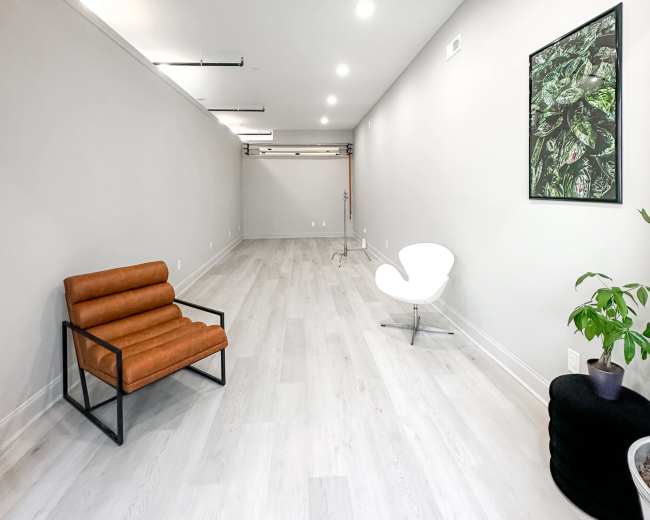
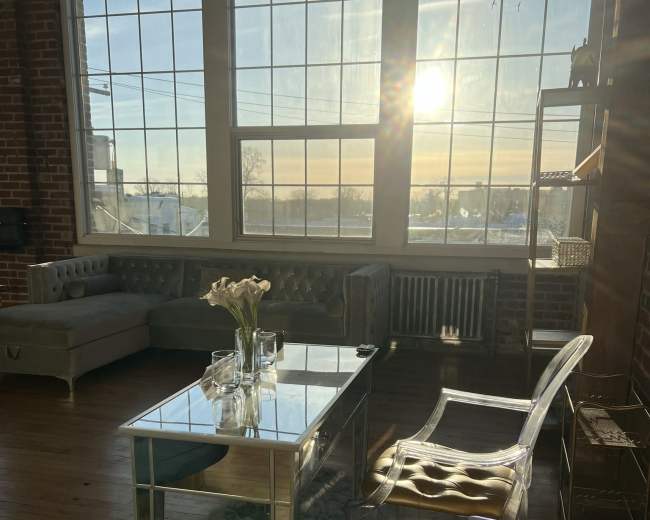
Fishtown Loft with Skyline view
North Philadelphia, PA5.0 (138)
8 guests
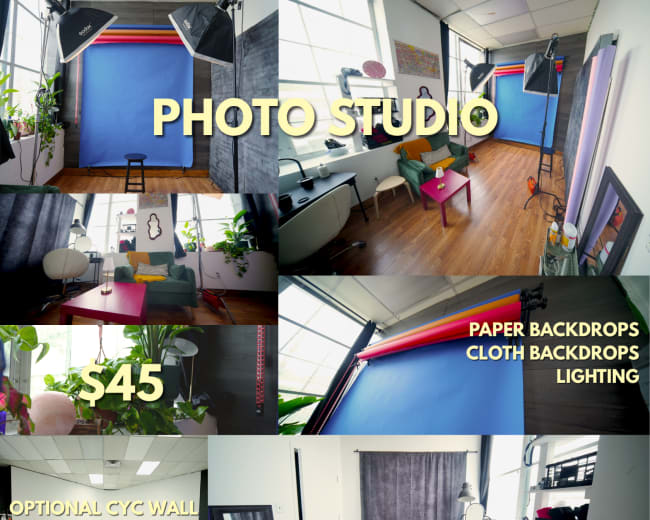
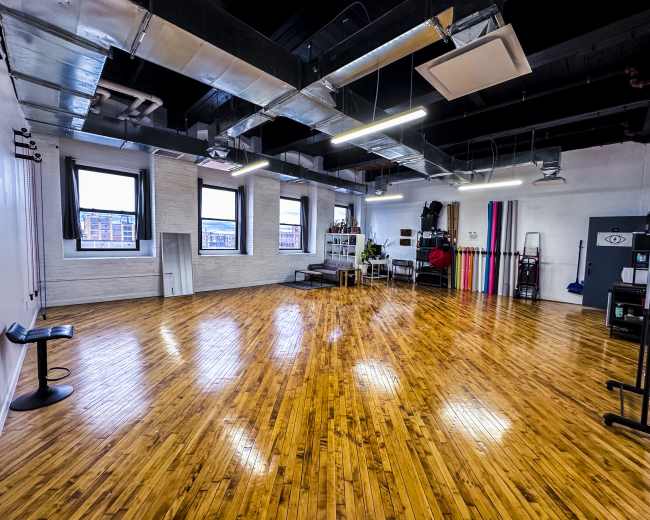
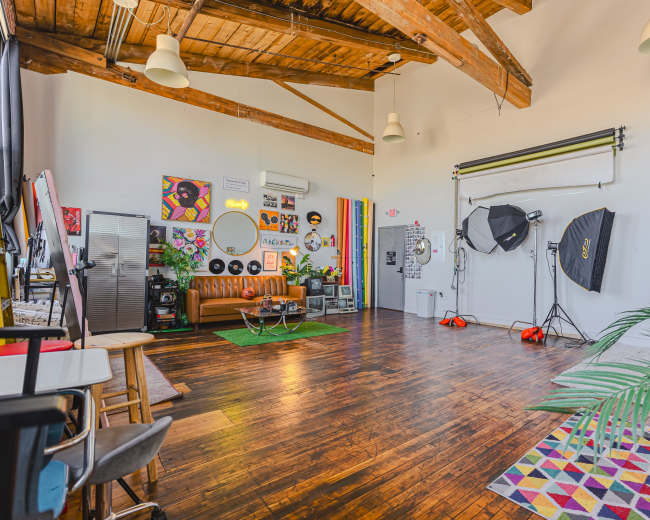
Loft Photography Studio w/ Blackout Curtains, and Multi-Color Backdrops (Lights included)
North Philadelphia, PA5.0 (8)
50 guests
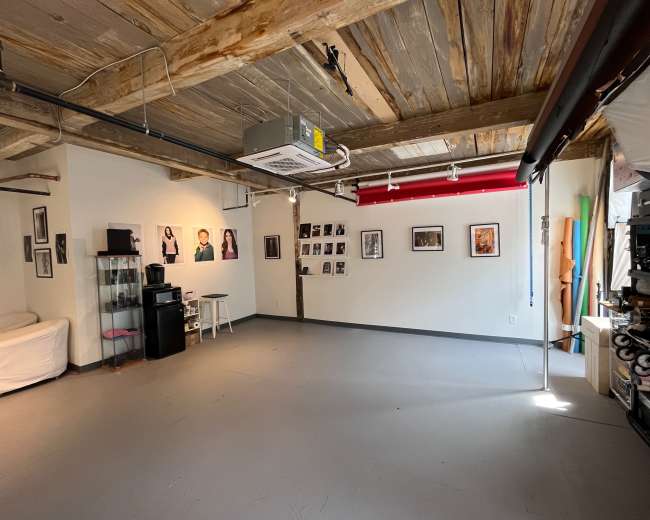
Spacious Photo & Video Production Studio
Roxborough-Manayunk, philadelphia, PA5.0 (11)
300 guests
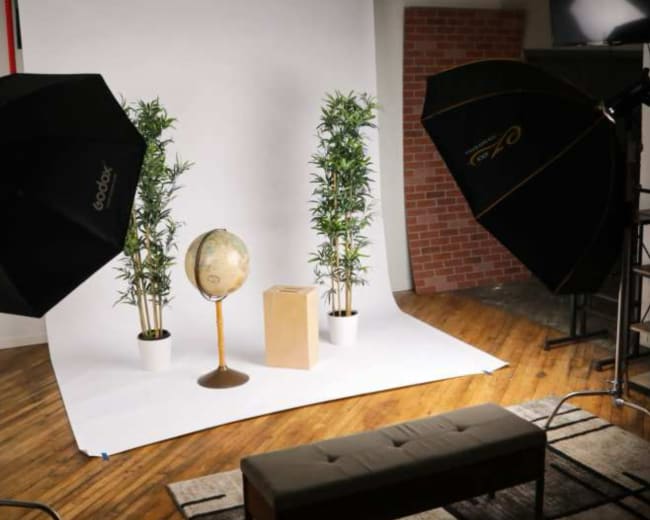
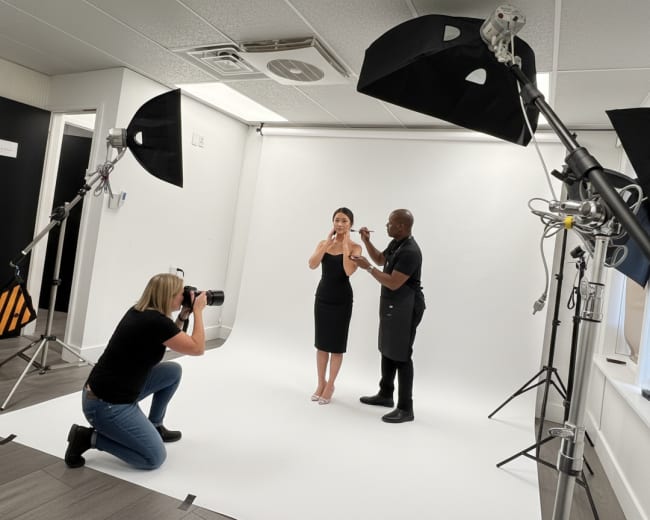
Boutique Photo Studio in Huntingdon Valley
Huntingdon Valley, PA5.0 (13)
15 guests
Professional Photo studio
Upper Moreland Township, Willow Grove, PA30 guests
Robot Kids Photo & Video Studio: 1200sq ft with Natural Light and South Philly Views
East Passyunk Crossing, Philadelphia, PA5.0 (40)
16 guests
Versatile South Philly Studio for Photoshoots & Workshops
Point Breeze, Philadephia, PA10 guests
Kreativez Fully Equipped Daylight Photography/Video Studio
North Philadelphia, PA4.9 (12)
15 guests
Photography Studio in Northeast Philly | Fully Equipped Creative Space Near I-95 Cottman Exit
Northeast Philadelphia, PA4.9 (89)
15 guests
🥈 1200 Sq Ft Creative Photo Studio | Ready-to-Shoot Sets
North Philadelphia, PA5.0 (2)
20 guests
Photography studio with natural light, various backdrops, lighting, and optional Cycwall
Upper North Philadelphia, PA5.0 (8)
7 guests
Photo Studio in Haddon Township
Westmont, Haddon Township, NJ4.8 (5)
12 guests
Philly's premier photo studio in a historic church
North Philadelphia, PA5.0 (2)
15 guests
Video and Photography Studio
Upper North Philadelphia, PA4.9 (341)
40 guests
Photo/ Content Studio & Event Space
North Philadelphia, PA5.0 (6)
10 guests
Left Eyed Studios: An 830 sq. ft. Photo Studio in Kensington with Great Natural Light
North Philadelphia, PA4.9 (864)
25 guests
North East Photography Studio Loft
Northeast Philadelphia, PA5.0 (8)
5 guests
Philly Labs | Industrial Warehouse Photo Studio
North Philadelphia, PA4.0 (5)
10 guests
Bright Natural Light Creative Loft for Photoshoots, Content & Intimate Events
Northwest Philadelphia, PA5.0 (8)
20 guests
large studio space with lighting
Northeast Philadelphia, PA15 guests
High Ceilings Photography Studio
North Philadelphia, PA10 guests
Natural Light Studio with industrial windows, conveniently located off the I-95 Cottman Avenue exit in Northeast Philadelphia.
Northeast Philadelphia, PA5.0 (109)
12 guests
Caviar Studios: Luxury Daylight Loft with Curated Editorial Sets
North Philadelphia, PA5.0 (1)
20 guests
Philly Create Studios 2000 Sq ft, Natural Light Studio Production
North Philadelphia, PA5.0 (50)
15 guests
Professional Photography and Video Studio and event space with Cyc-wall
North Philadelphia, PA20 guests
Creative Photo & Content Studio in Camden, NJ Near Philadelphia
Cooper Point, Camden, NJ50 guests
*Natural Lighting 500 SQ FT Photo/ Film Studio
North Philadelphia, PA4.9 (206)
15 guests
Versatile 3,000 Sq Ft First Floor and Backyard of Warehouse in South Philly – Ideal for Photo + Film Shoots
Queen Village, Philadelphia, PA5.0 (2)
25 guests
Professional Photo Studio with Makeup Station, Fitting Booth & Off-Street Parking
Upper Moreland Township, WILLOW GROVE, PA6 guests
Center City Production Studio
Center City East, Philadelphia, PA5.0 (12)
40 guests
Large Industrial studio for photography/video and events!
Northeast Philadelphia, PA4.0 (1)
50 guests
MOVii Studio Creative Space for Photography, Video & Workshops
North Philadelphia, PA5.0 (1)
15 guests
King Rush Studios
Northwest Philadelphia, PA6 guests
Leujo Studio
Pennsauken, NJ5.0 (51)
6 guests
Historical Germantown Studio with Natural Light
Northwest Philadelphia, PA6 guests
Elegant gem located in the heart of the Arts Museum District
Fairmount, PHILADELPHIA, PA4.9 (18)
25 guests
All content #madeinpeerspace
Pricing and popularity information in this section is based on proprietary Peerspace booking data, reflecting recent booking activity and the latest data available through October 2026.
Photo shoot locations in Philadelphia average $59 per hour to rent, but it’s easy to spend less or more depending on what you’re looking for.
Most photo shoot locations are scheduled for 2 hours, with 4 people in attendance. You’ll find the most Photo Shoots starting between 2:00 PM and 3:00 PM.
Our local hosts have welcomed 14583 people into their photo shoot locations with reviews averaging 4.94 stars. Most even said they would book again -- about 99%.
Saturdays are the most popular day for booking photo shoot locations in Philadelphia. For those seeking a deal, consider booking Sunday and Saturday as these days are 5% cheaper on average.


