

Sun
Mon
Tue
Wed
Thu
Fri
Sat
$100/hr$75/hr$50/hr$25/hr
Peerspace is the easiest way to book unique photo studios for all kinds of productions including photo shoots, film shoots and music videos. We also have spaces for meetings and events.
Discover SpacesEvery day we uncover new, inspirational spaces, including photoshoot studios, perfect for your activity.
Our network of helpful hosts respond quickly, and are well-versed in accommodating all types of productions, including film and photo shoots.
Only pay for what you need. Pay by the hour for your photoshoot studio location without worrying about hidden fees or overtime.
Vida Content Studio
North Philadelphia, PA5.0 (6)
10 guests
URBNHQ
Upper North Philadelphia, PA5.0 (78)
10 guests
Ashtanga Yoga Philadelphia
Center City East, Philadelphia, PA10 guests
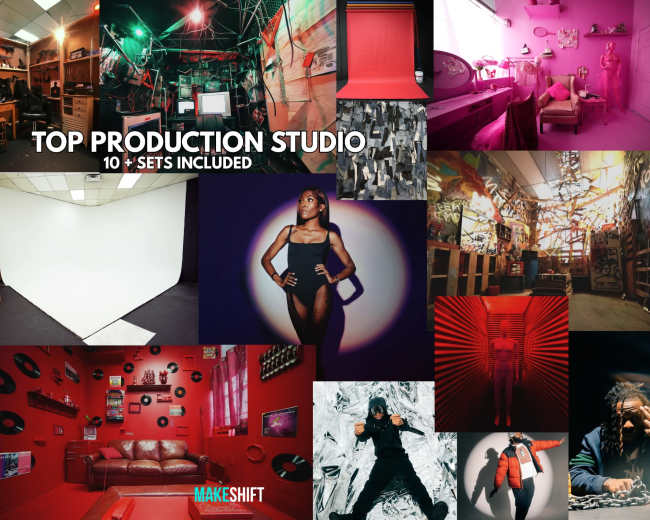
Makeshift Studios
Upper North Philadelphia, PA5.0 (5)
7 guests
MakeShift Studios
Upper North Philadelphia, PA4.9 (341)
40 guests
Philly Labs Studio Space
North Philadelphia, PA4.0 (5)
10 guests
Photo / Video Studio with Skyline View in Fishtown Philadelphia
North Philadelphia, PA5.0 (7)
15 guests
Photography, Videography, Natural Light, and Creative Studio Near the Northern Liberties Area.
Norris Square, Philadelphia, PA4.9 (121)
15 guests
Flicker Studio Co. - Dreamy Fishtown Photo Studio with Boudoir Set and Natural Light
North Philadelphia, PA5.0 (4)
10 guests
The Hearth Studio by Ellenberg & Co.
North Philadelphia, PA5.0 (1)
8 guests
Creative Studio District
Upper North Philadelphia, PA4.7 (47)
15 guests
Sapphire Studios
North Philadelphia, PA5.0 (398)
10 guests
Modern Fishtown photo studio with tons of natural light
North Philadelphia, PA5.0 (59)
6 guests
Bud's Studio
Upper North Philadelphia, PA5.0 (17)
100 guests
Portrait Junkies Studio
North Philadelphia, PA5.0 (139)
12 guests
Left Eyed Studios
North Philadelphia, PA4.9 (830)
25 guests
Yireh Studios
North Philadelphia, PA4.9 (191)
15 guests
Caviar Studios
North Philadelphia, PA5.0 (1)
20 guests
Captivate Creative Studio East Falls
Upper North Philadelphia, PA4.9 (30)
20 guests
BEM Studios
Upper North Philadelphia, PA25 guests
JALEXANDER STUDIOS
West Philadelphia, PA5.0 (76)
20 guests
Studio Impulse
North Philadelphia, PA4.9 (148)
10 guests
621 Studios
North Philadelphia, PA4.9 (222)
20 guests
THRIFTEDJUNKYSTUDIOS
North Philadelphia, PA5.0 (2)
20 guests
Kreativez Fully Equipped Daylight Photography/Video Studio
North Philadelphia, PA4.9 (12)
15 guests
The GrindHouse INC
North Philadelphia, PA5.0 (1)
100 guests
MOVii Studio Creative Space for Photography, Video & Workshops
North Philadelphia, PA5.0 (1)
15 guests
Keo Arts Photography Studio
Point Breeze, Philadelphia, PA10 guests
Robot Kids Creative Studio
East Passyunk Crossing, Philadelphia, PA5.0 (40)
16 guests
Days Away Creative
East Passyunk Crossing, Philadelphia, PA5.0 (19)
20 guests
RESURGENCE STUDIOS
Northeast Philadelphia, PA4.0 (1)
50 guests
The Ciao Bella Loft
Northwest Philadelphia, PA5.0 (7)
20 guests
KM PHOTO STUDIO
Northeast Philadelphia, PA5.0 (8)
5 guests
Arrange Today Photo Studio
Northeast Philadelphia, PA6 guests
Prolens Studios
Northeast Philadelphia, PA4.9 (81)
15 guests
Loft Haus Studio
Northeast Philadelphia, PA5.0 (44)
35 guests
Pricing and popularity information in this section is based on proprietary Peerspace booking data, reflecting recent booking activity and the latest data available through September 2026.
Photo studios in Philadelphia average $61 per hour to rent, but it’s easy to spend less or more depending on what you’re looking for.
Most photo studios are scheduled for 2 hours, with 4 people in attendance. You’ll find the most Photo Studios starting between 1:00 PM and 2:00 PM.
Our local hosts have welcomed 407 people into their photo studios with reviews averaging 4.93 stars. Most even said they would book again -- about 98%.
Saturdays are the most popular day for booking photo studios in Philadelphia. For those seeking a deal, consider booking Sunday and Saturday as these days are 5% cheaper on average.


