

Sun
Mon
Tue
Wed
Thu
Fri
Sat
$100/hr$75/hr$50/hr$25/hr
Peerspace is the easiest way to book unique photo studios for all kinds of productions including photo shoots, film shoots and music videos. We also have spaces for meetings and events.
Discover SpacesEvery day we uncover new, inspirational spaces, including photoshoot studios, perfect for your activity.
Our network of helpful hosts respond quickly, and are well-versed in accommodating all types of productions, including film and photo shoots.
Only pay for what you need. Pay by the hour for your photoshoot studio location without worrying about hidden fees or overtime.
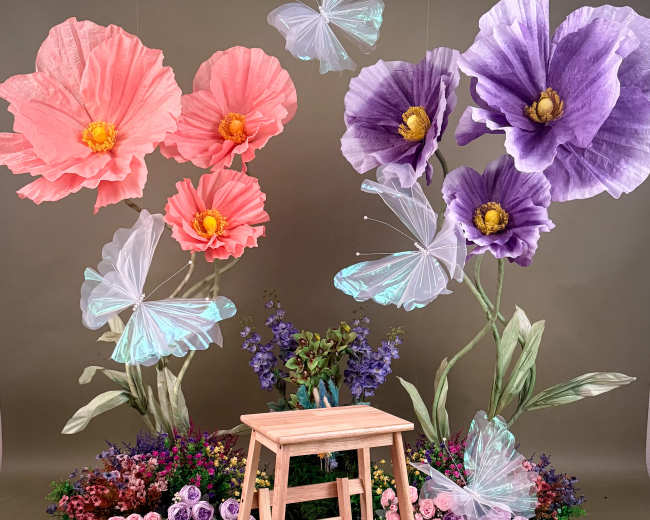
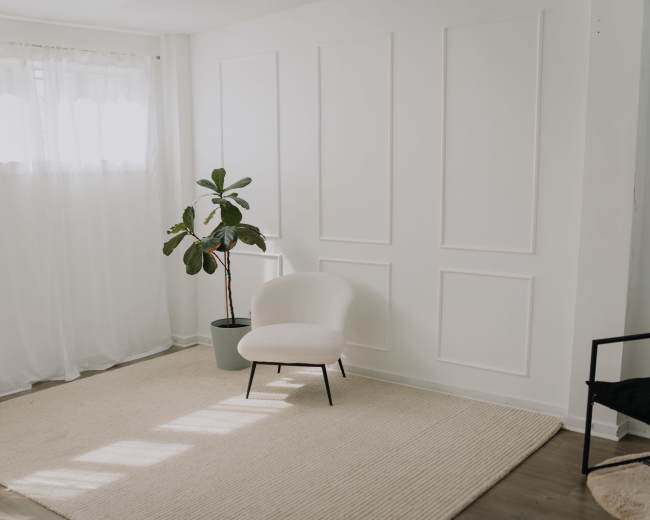
Natural Light Creative Studio for Photography, Editorial Shoots, and Small Productions
Midtown, Sacramento, CA5.0 (2)
8 guests
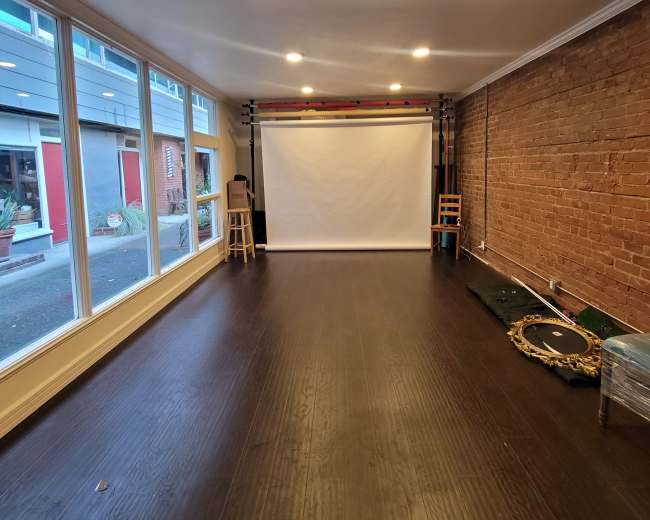
Natural light photo and video studio
Midtown, Sacramento, CA5.0 (30)
6 guests
Your Midtown Studio: J Street Urban Photo Studio & Meeting Space
Midtown, Sacramento, CA4.9 (32)
10 guests
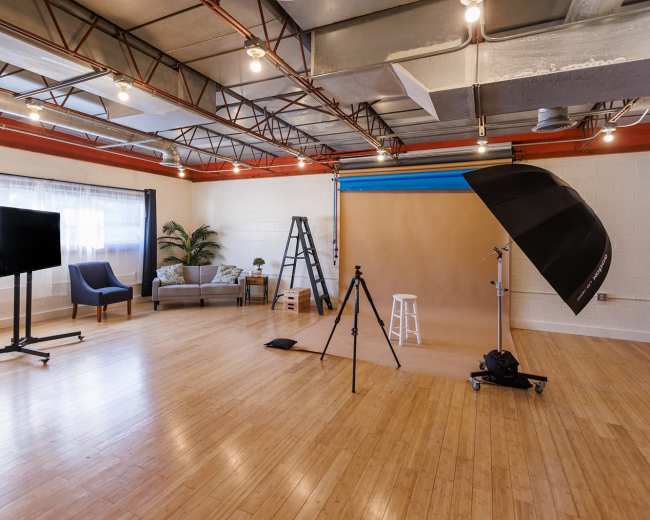
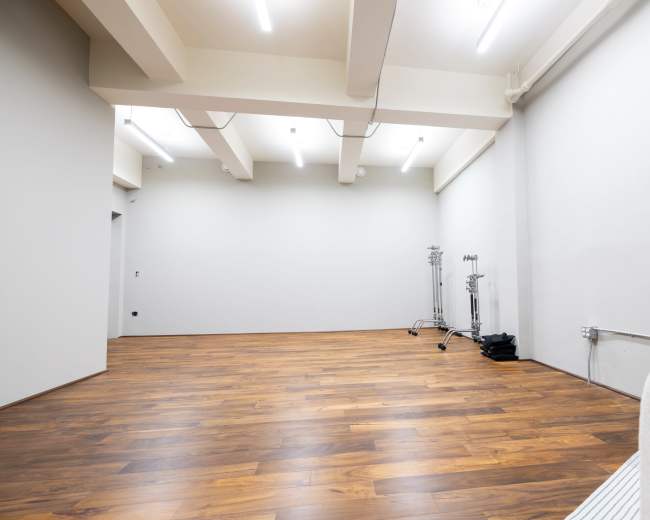
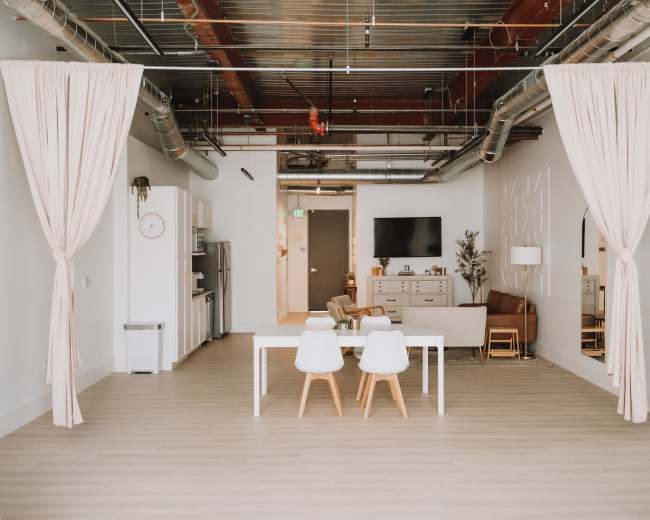
Chic Warehouse Natural Light & Fully Equipped Photo & Creative Studio
Sacramento, CA5.0 (102)
25 guests
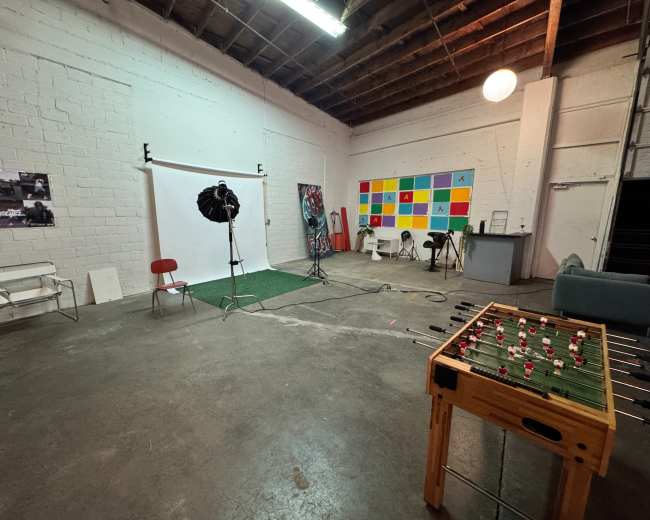
Warehouse Photo Studio w/ Black Void Wall @ Imported Studios
North Sacramento, CA4.8 (124)
10 guests
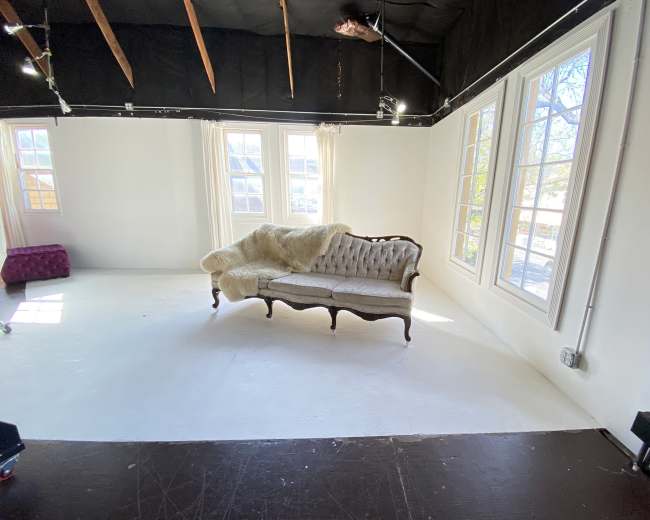
Studio 2 | Private Photo Studio (upstairs)
Downtown, Sacramento, CA5.0 (2)
10 guests
Modern Photo And Video Studio / Video Shoots / Photo shoots
Old North Sacramento, CA10 guests
Rustic Natural Light Warehouse Photo/Video Studio
Central Business District, Sacramento, CA4.3 (3)
5 guests
Downtown Studio with Natural Lighting
Central Business District, Sacramento, CA65 guests
Charm'D Studios - Sacramento’s Creative Portrait & Content Studio
New Brighton, Sacramento, CA20 guests
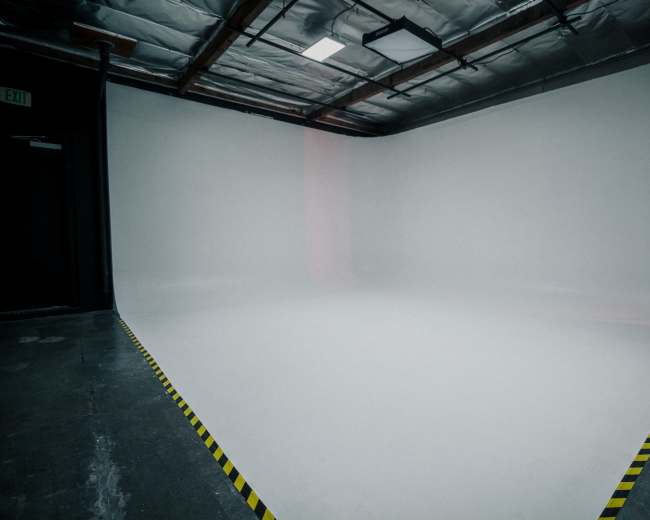
Versatile Production Studio with Cyclorama, Custom Built Sets, and Podcast Studio @ Imported Studios
North Sacramento, CA4.8 (13)
20 guests
Fineclicks Studios -North Sacramento
Richmond Grove, Sacramento, CA4.8 (91)
20 guests
Elevated Editorial Studio for Content Creation & Events
Arden-Arcade, Sacramento, CA10 guests
Modern Midtown Cyclo(Infinity) Wall Only Studio
Midtown, Sacramento, CA4.9 (63)
25 guests
Multifuntional Midtown Creative Studio
Land Park, Sacramento, CA4.8 (4)
3 guests
Private Photo Studio and Creative Space for Videography, Photography and Audio Production.
North Highlands, Sacramento, CA4.9 (27)
20 guests
Production Studio with Cyclorama/Infinity Wall @ Imported Studios
North Sacramento, CA5.0 (20)
15 guests
CREATIVE STUDIO IN THE HEART OF MIDTOWN SACRAMENTO
Boulevard Park, SACRAMENTO, CA15 guests
Midtown Bright Light Studio | Sun-Filled Modern Space
Midtown, Sacramento, CA4.8 (10)
30 guests
Studio 1 | Indoor Open Photo Studio
Downtown, Sacramento, CA5.0 (1)
6 guests
Downtown Event Space in Warehouse
Mansion Flats, Sacramento, CA50 guests
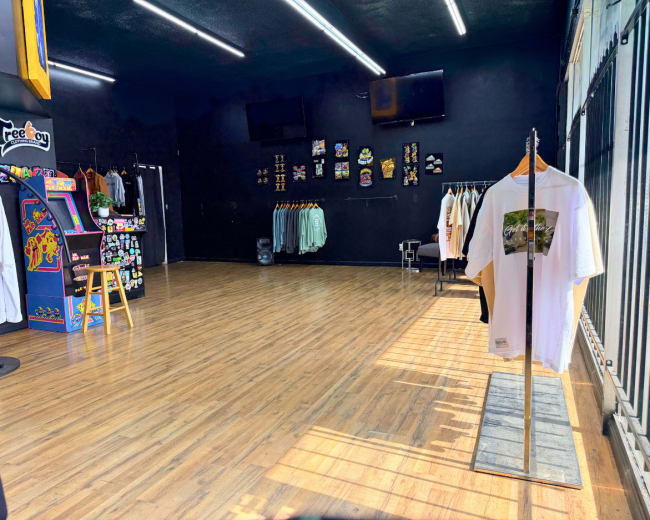
Apparel Production Studio, Screen Print Shop & Creative Content Space
Parkway, Sacramento, CA40 guests
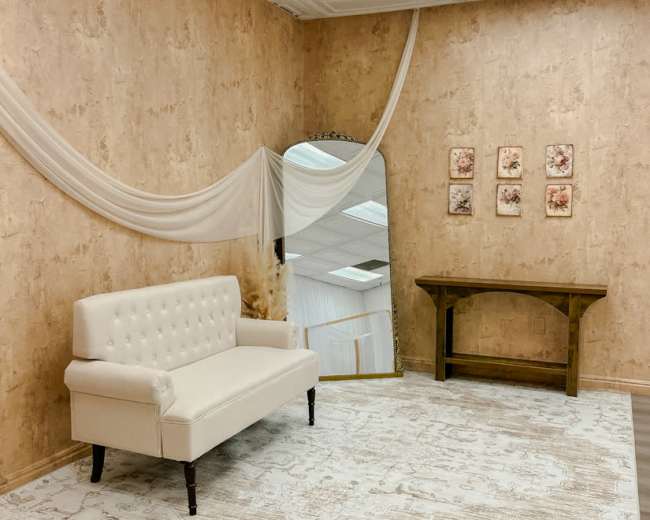
Midtown Photo Studio Private Room for Boudoir
Midtown, Sacramento, CA5.0 (22)
8 guests
Midtown Natural Light Studio - ADA Accessible
Boulevard Park, Sacramento, CA4.9 (307)
30 guests
Sacramento Creative Studio
Rosemont, Sacramento, CA40 guests
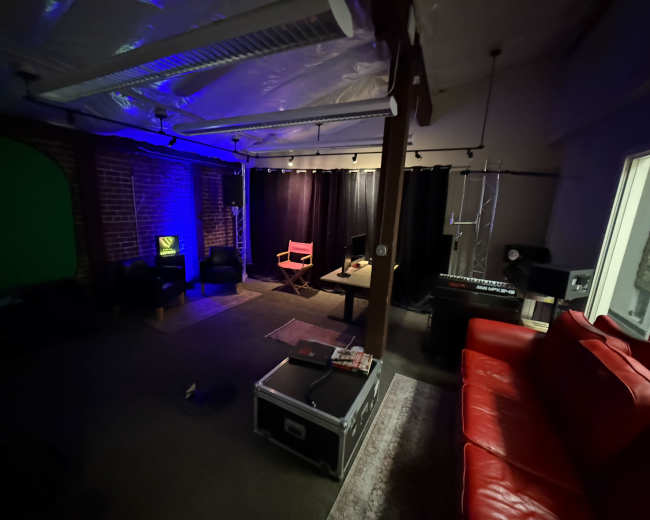
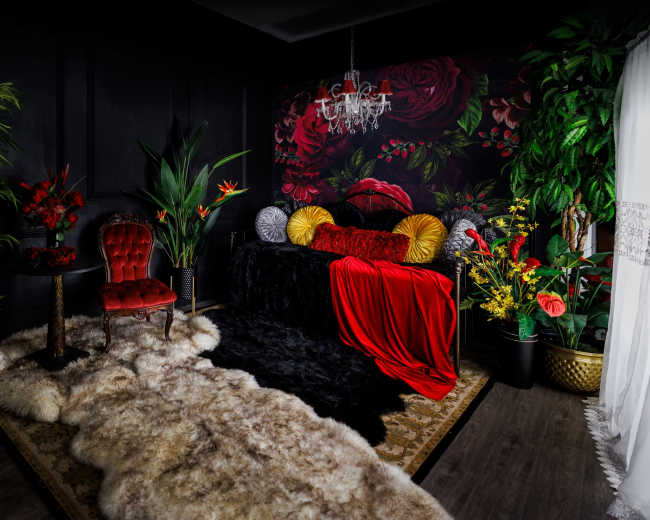
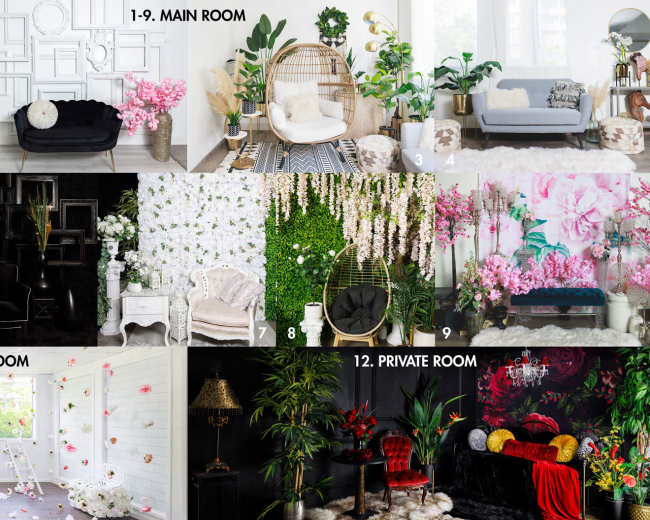
Up to 12 Modern Moody Photo Boudoir/Portrait Sets in Midtown Sac (2300sqft)
Midtown, Sacramento, CA5.0 (67)
12 guests
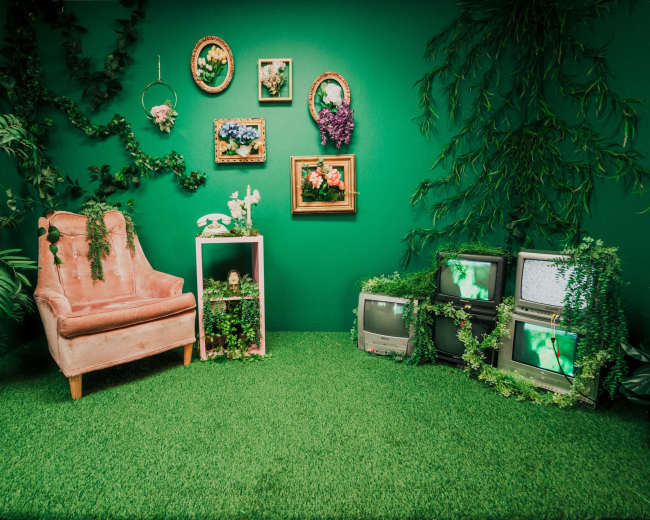
Mini Greenery Set @ Imported Studios
North Sacramento, CA5.0 (9)
10 guests
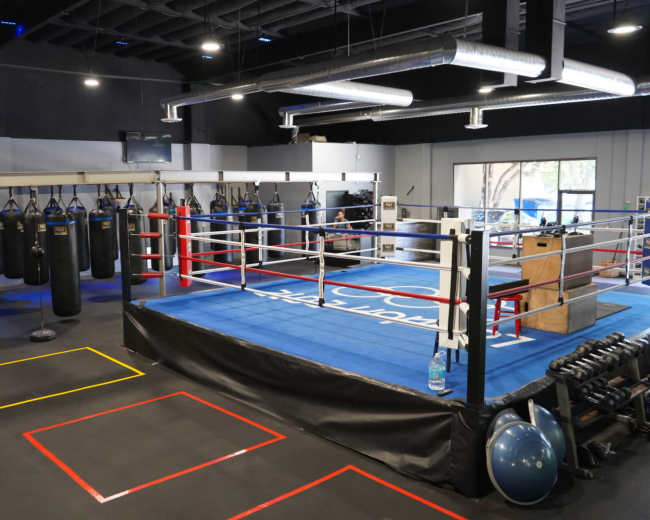
Downtown Boxing Gym with Great Space and lighting
Upper Land Park, Sacramento, CA5.0 (7)
100 guests
Bright, Spacious Craftsman Ideal for Creative Shoots
West Sacramento, CA5.0 (1)
25 guests
the Spare Room
Curtis Park, Sacramento, CA4.9 (31)
50 guests
Gorgeous Backyard Set for Filming or Photo Session!!
South Land Park, Sacramento, CA6 guests
Your Creative Space Away from home: Photoshoots, Self-Tapes, Video shoots, Yoga, Content Creators, Branding, Meetings,& More
Elk Grove, CA5.0 (4)
5 guests
photography studio for all
Fair Oaks, CA15 guests
Large Production Studio Space White & Chroma Greenscreen cyc walls, lighting, grid, & more!
Industrial Area East, Roseville, CA5.0 (20)
15 guests
Pricing and popularity information in this section is based on proprietary Peerspace booking data, reflecting recent booking activity and the latest data available through October 2026.
Photo studios in Sacramento average $84 per hour to rent, but it’s easy to spend less or more depending on what you’re looking for. For a space on the smaller side, expect to spend closer to $67, whereas larger venues run about $99 per hour.
Most photo studios are scheduled for 2 hours, with 4 people in attendance. You’ll find the most Photo Studios starting between 1:00 PM and 2:00 PM.
Our local hosts have welcomed 2350 people into their photo studios with reviews averaging 4.9 stars. Most even said they would book again -- about 98%.
Saturdays are the most popular day for booking photo studios in Sacramento. For those seeking a deal, consider booking Sunday and Thursday as these days are 8% cheaper on average.


