


Sun
Mon
Tue
Wed
Thu
Fri
Sat
$200/hr$150/hr$100/hr$50/hr
Peerspace is the easiest way to book unique venues for small parties. We also have spaces for productions and meetings.
Discover SpacesEvery day we uncover new, creative spaces perfect for your private party — from neighborhood galleries to hidden rooftops, and beyond.
Our spaces are priced to fit your budget. Hire by the hour for your small party without worrying about hidden fees.
No more messy contracts. We build the tools to make hiring out a space for your private party as easy as the click of a button.
the Spare Room
Curtis Park, Sacramento, CA4.9 (27)
50 guests
The Harrison
North Oak Park, Sacramento, CA5.0 (3)
100 guests
Steve's Speakeasy
Land Park, Sacramento, CA80 guests
Lumina Sacramento Event Space
West Tahoe Park, Sacramento, CA5.0 (3)
20 guests
DP PRODUCTIONS
Natomas Estates, Sacramento, CA300 guests
Hidden Village Social Club
Rosemont, Sacramento, CA40 guests
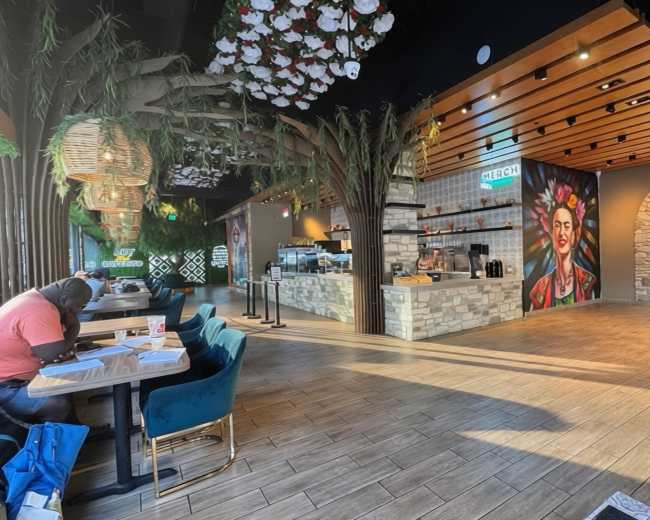
Planted Foods Cafe
Midtown, Sacramento, CA15 guests
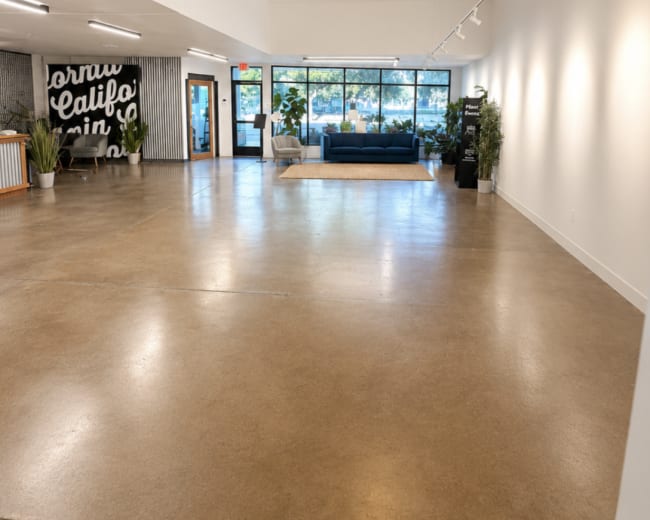
Unique, 3200 sq ft Midtown Event Space & Gallery
Midtown, Sacramento, CA5.0 (1)
100 guests
Omakase Por Favor
Midtown, Sacramento, CA40 guests
Futsi LLC
Mansion Flats, Sacramento, CA100 guests
Cinema Mini Theater
Downtown, Sacramento, CA5.0 (15)
8 guests
Trendy Urban Event Space for Rent in Downtown Sacramento
Central Business District, Sacramento, CA5.0 (1)
49 guests
Sage & Silver Studios
Sacramento, CA5.0 (88)
50 guests
Sol Collective
Curtis Park, Sacramento, CA100 guests
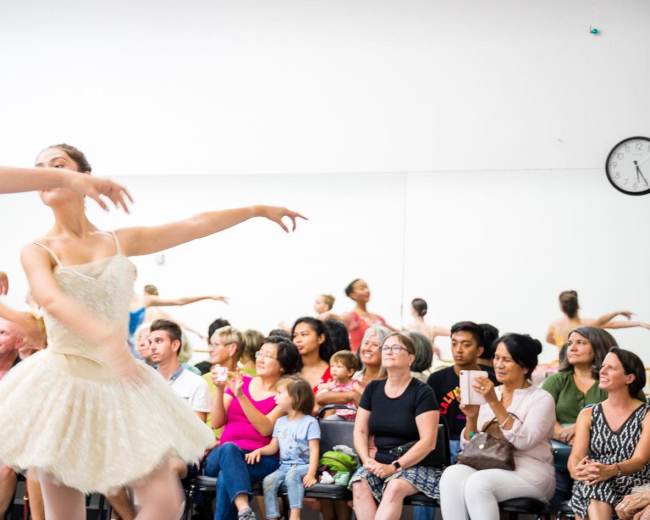
Deane Dance Center
East Sacramento, CA5.0 (61)
20 guests
Large East Sac Yoga & Dance Studio for Rent
East Sacramento, CA5.0 (4)
100 guests
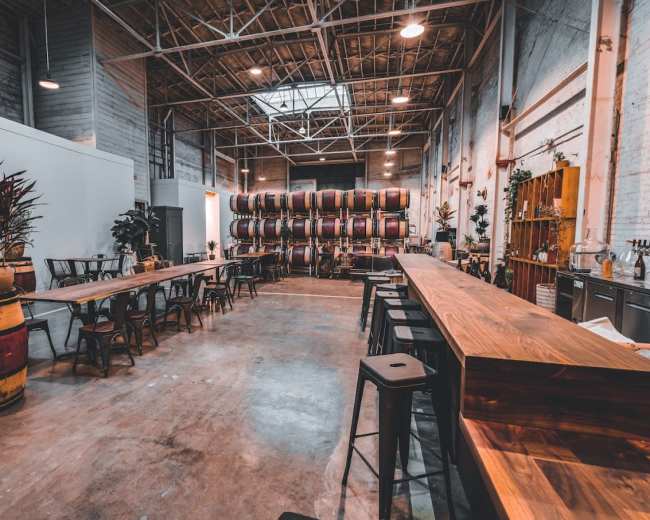
Hip Urban Winery in Downtown Sacramento
Central Business District, Sacramento, CA100 guests
Deane Dance Center
East Sacramento, CA5.0 (175)
25 guests
Deane Dance Center
East Sacramento, CA5.0 (23)
15 guests
CAFÉX
Central Business District, Sacramento, CA100 guests
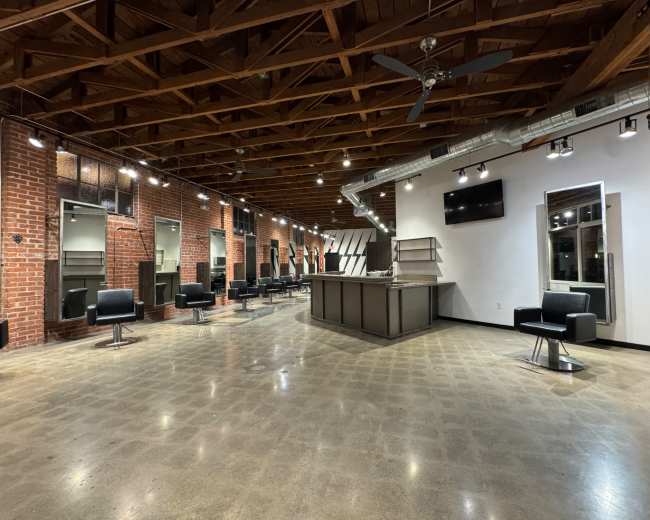
Stylers Social Club
North Oak Park, Sacramento, CA5.0 (2)
80 guests
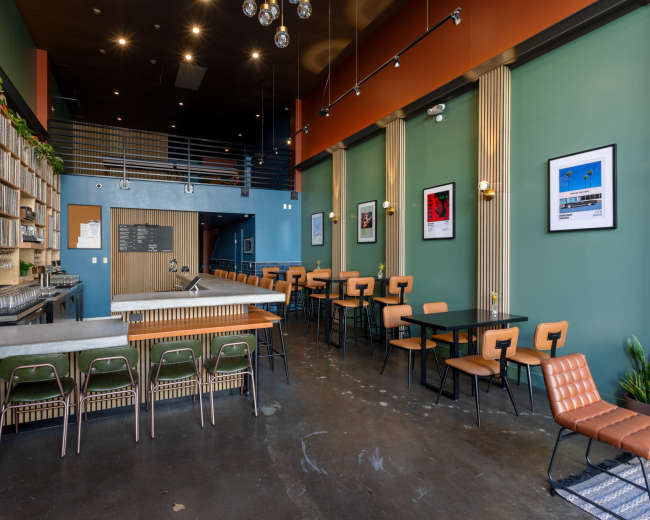
Downtown Event Space - Hi-Fi Bar
Central Business District, Sacramento, CA5.0 (3)
49 guests
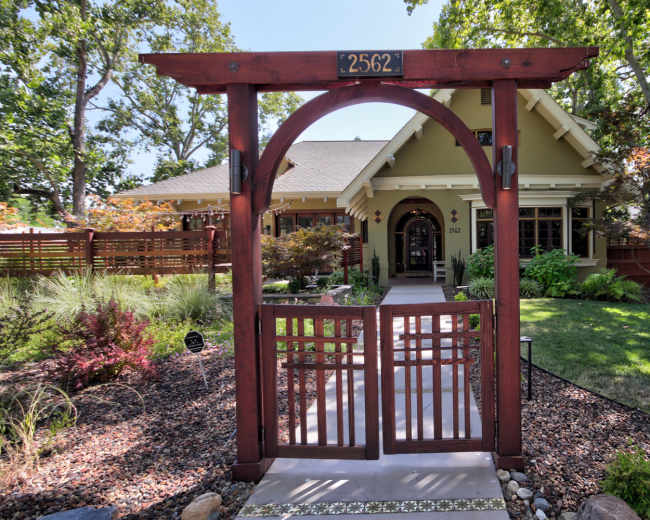
Restored Craftsman Firehouse/Mansion Close to Downtown Sacramento
Curtis Park, Sacramento, CA5.0 (18)
30 guests
Recording Studio Space
North Sacramento, CA5.0 (3)
50 guests
Event Venue in Sacramento
North Sacramento, CA125 guests
loft, studio, dance hall,
Fruitridge Pocket, Sacramento, CA32 guests
Host a small intimate wedding or event in our 1950's South Land Park home
South Land Park, Sacramento, CA5.0 (8)
30 guests
Bright and Spacious Home with Private Backyard and Pool
Fruitridge Vista, Sacramento, CA20 guests
Unleashed Event Space
Arden-Arcade, Sacramento, CA60 guests
Arden Interchangeable Outdoor Space
Arden-Arcade, Sacramento, CA5.0 (16)
100 guests
Bond Driving School
Arden-Arcade, Sacramento, CA50 guests
Luxurious Creative Space
North Sacramento, CA4.0 (2)
15 guests
Luxury Backyard with Pool and Spa
Z'berg Park, Sacramento, CA5.0 (4)
20 guests
Estate Farms
Sacramento, CA4.7 (13)
300 guests
Estate Farms
Sacramento, CA50 guests
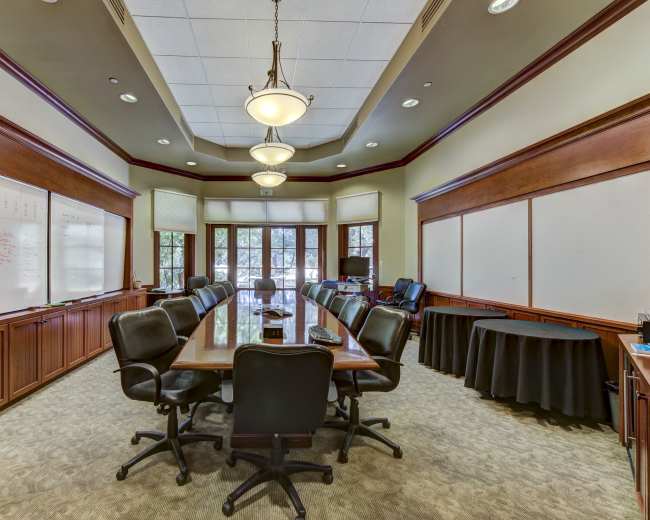
Conference Room Event
Serving the Sacramento, CA area4.7 (11)
20 guests
Pricing and popularity information in this section is based on proprietary Peerspace booking data, reflecting recent booking activity and the latest data available through September 2026.
Small party venues in Sacramento average $71 per hour to rent, but it’s easy to spend less or more depending on what you’re looking for. For a space on the smaller side, expect to spend closer to $112, whereas larger venues run about $358 per hour.
Most small party venues are scheduled for 4 hours, with 17 people in attendance. You’ll find the most Small Parties starting between 2:00 PM and 3:00 PM.
Our local hosts have welcomed 1384 people into their small party venues with reviews averaging 5 stars. 100% of guests said they'd book again.
Saturdays are the most popular day for booking small party venues in Sacramento. For those seeking a deal, consider booking Tuesday and Monday as these days are 71% cheaper on average.


