
Sun
Mon
Tue
Wed
Thu
Fri
Sat
$100/hr$75/hr$50/hr$25/hr
Peerspace is the easiest way to book unique venues for small parties. We also have spaces for productions and meetings.
Discover SpacesEvery day we uncover new, creative spaces perfect for your private party — from neighborhood galleries to hidden rooftops, and beyond.
Our spaces are priced to fit your budget. Hire by the hour for your small party without worrying about hidden fees.
No more messy contracts. We build the tools to make hiring out a space for your private party as easy as the click of a button.
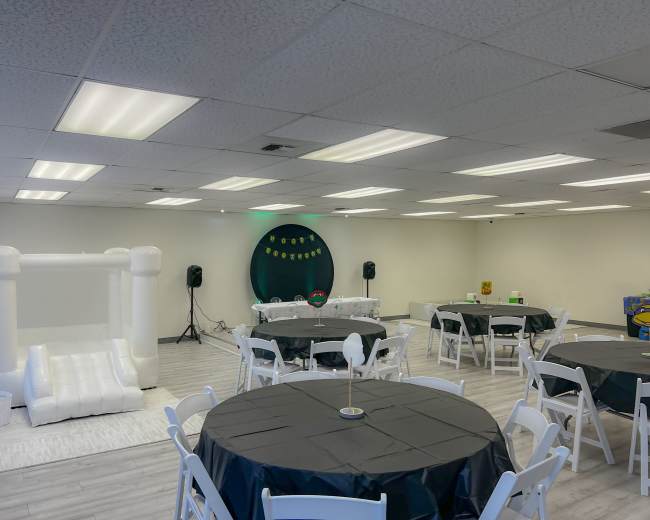
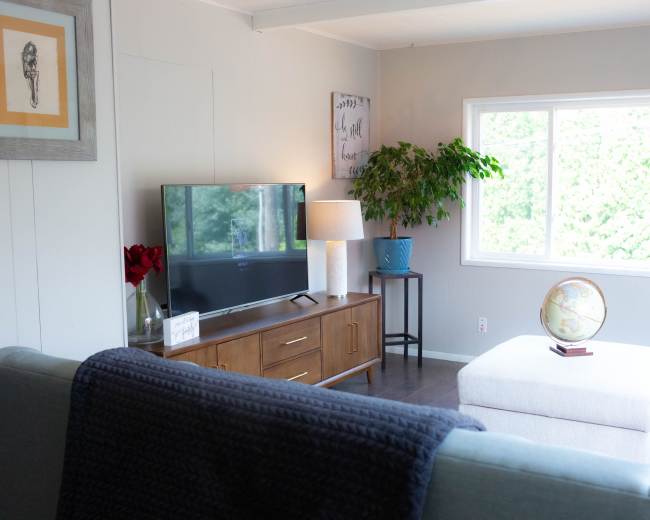
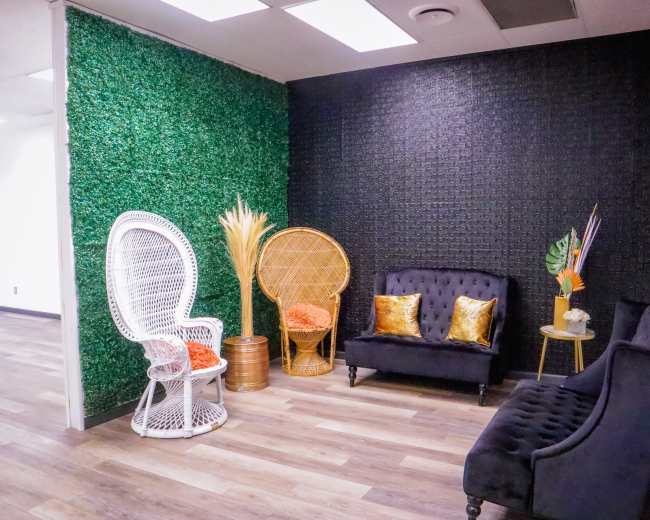
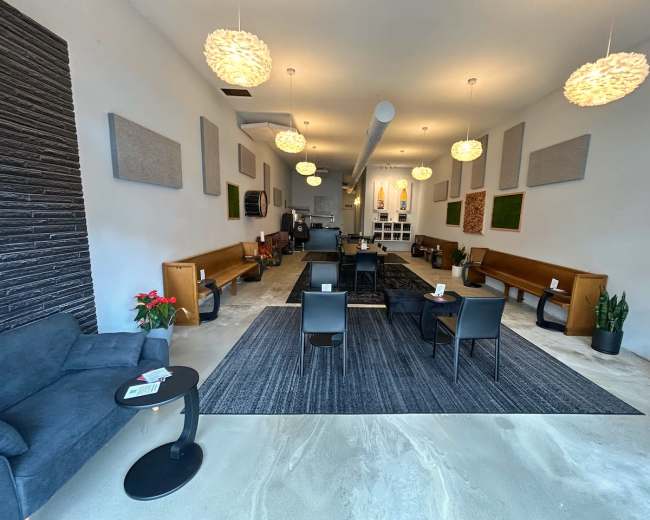
Modern private event venue in heart of Lakewood
Lakewood, WA5.0 (6)
50 guests
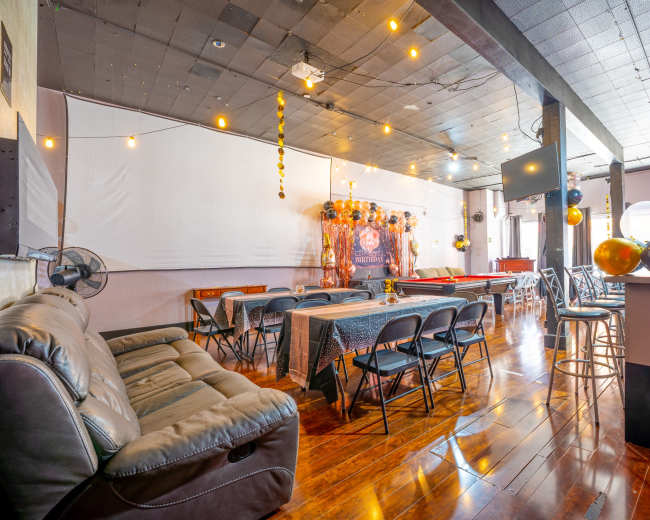
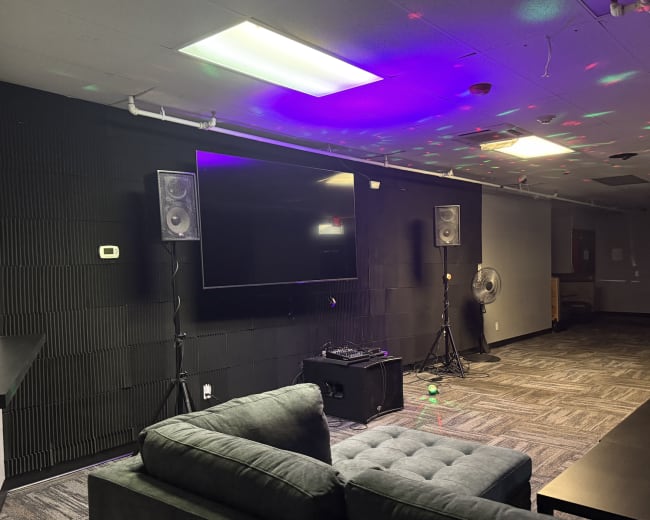
Downtown Hideaway Bar Venue
New Tacoma, WA4.8 (90)
50 guests
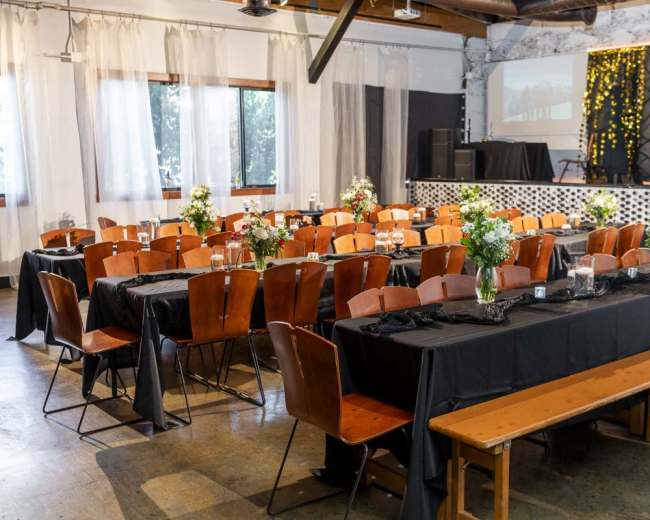
Tacoma Creative Photo Space Workspace
New Tacoma, WA4.9 (13)
200 guests
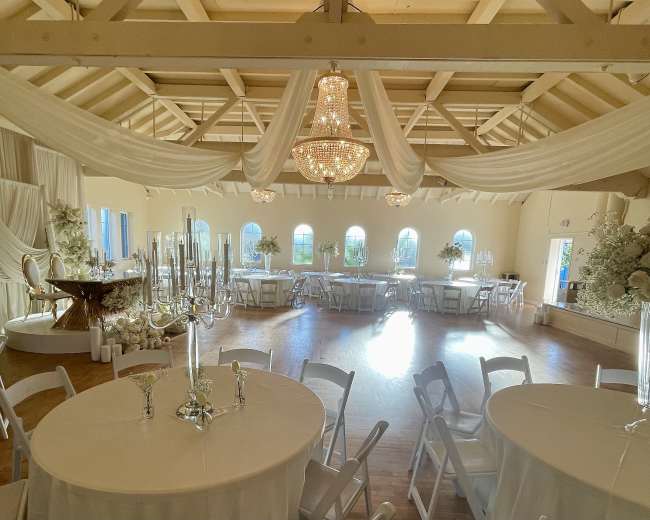
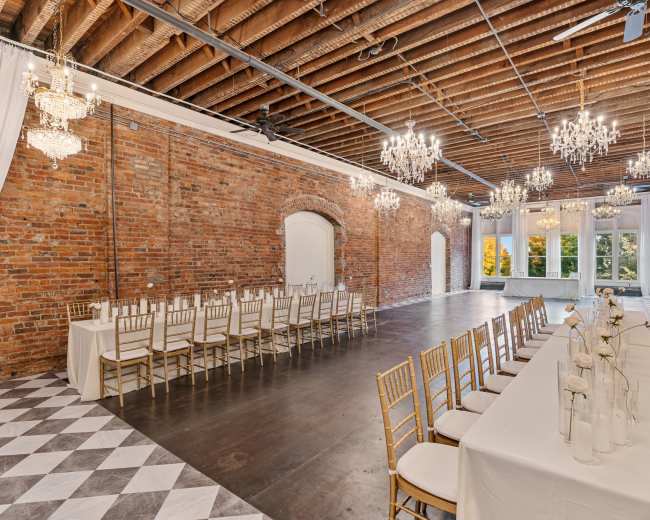
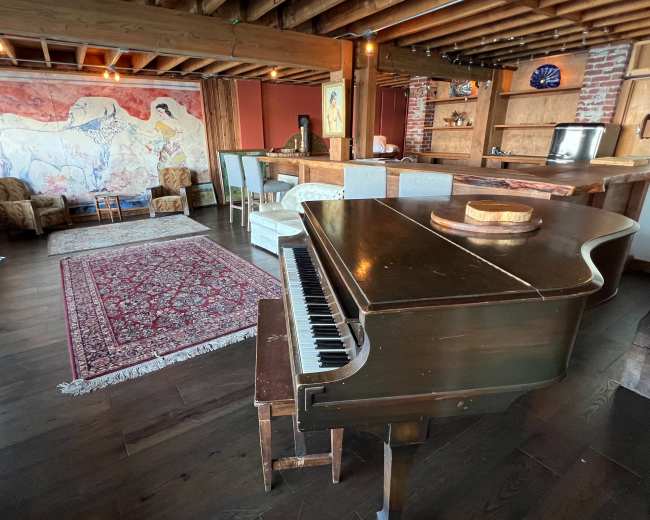
Charming Vintage Ballroom in the Heart of Tacoma
North End, Tacoma, WA5.0 (10)
125 guests
Downtown historic building with Italian Bookstore influence.
New Tacoma, WA5.0 (1)
120 guests
European Inspired Tacoma Venue
New Tacoma, WA5.0 (18)
40 guests
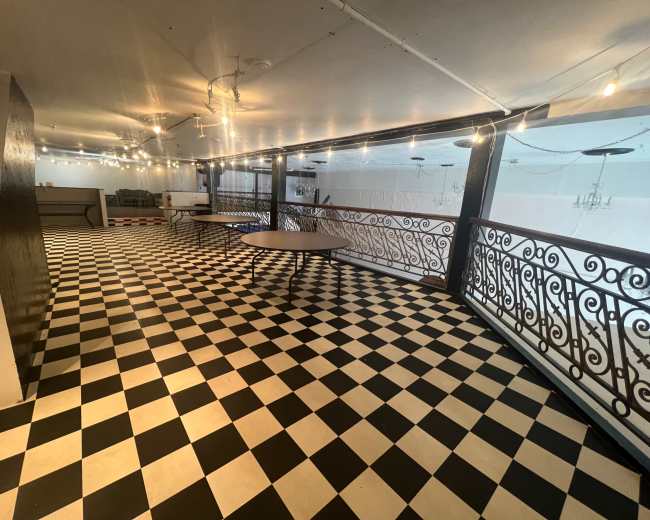
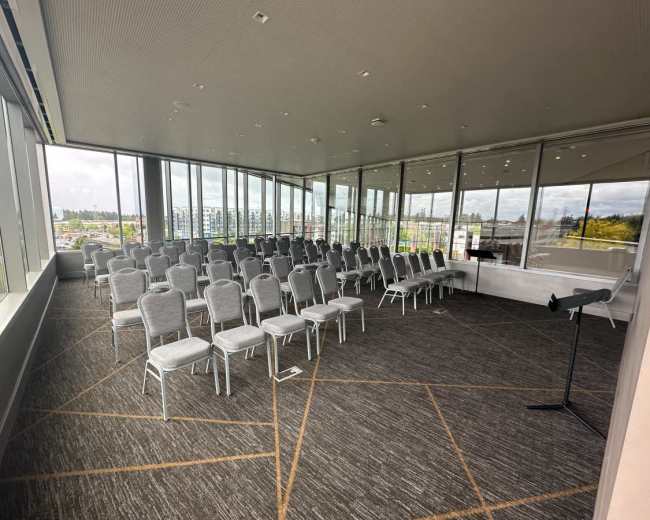
Theater District Mezzanine Venue
New Tacoma, WA5.0 (6)
75 guests
Manzanita Beachfront Escape | 75ft Water Views, Private Beach Access & Fire Pit
Vashon, WA10 guests
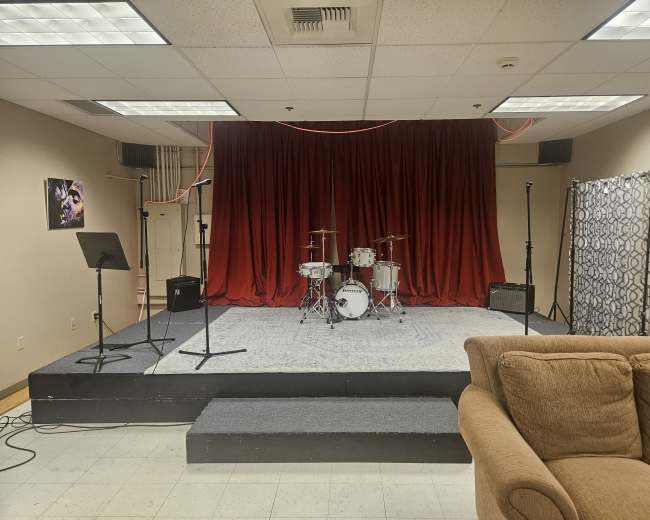
Rehearsal Space with Accessibility and Privacy
University Place, Tacoma, WA50 guests
1921 Restored Gem with Chef's Kitchen
West End, Tacoma, WA30 guests
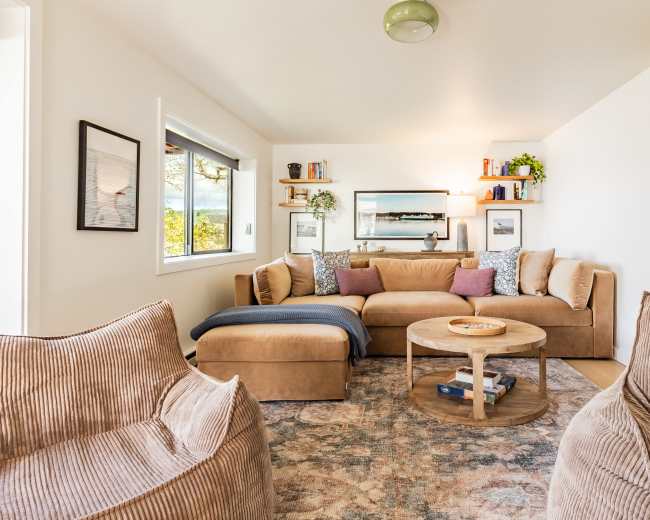
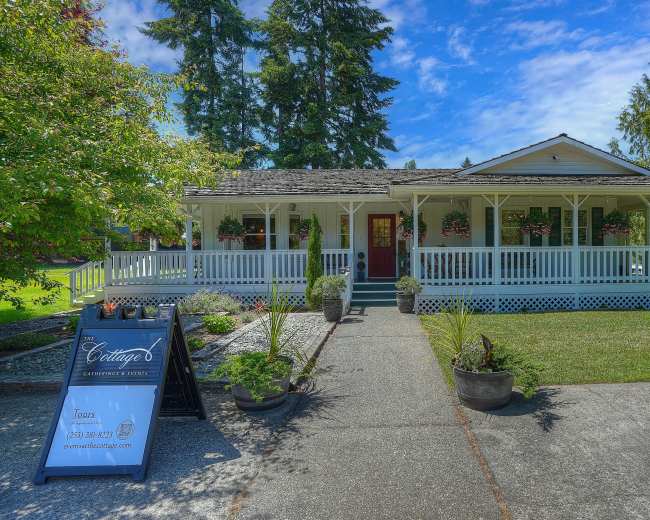
Quaint Suburban Cottage with Indoor/ Outdoor Space
Waller, Tacoma, WA5.0 (14)
45 guests
Roomy, high ceiling, open, industrial space with lots of plants.
Parkland, WA60 guests
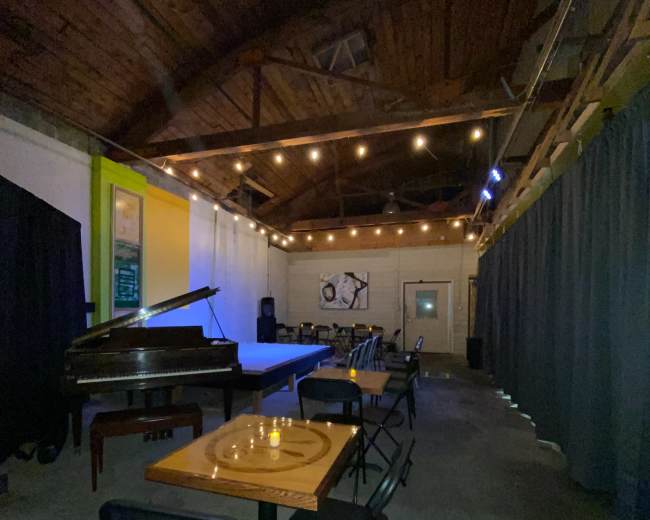
Performance Venue in Downtown Tacoma
New Tacoma, WA5.0 (14)
50 guests
Downtown Lounge with Movie Theater
New Tacoma, WA4.9 (108)
40 guests
Fun place for parties
West End, Tacoma, WA5.0 (1)
40 guests
Modern Coffee Shop
Federal Way, WA100 guests
Vibrant, Modern Meeting Spaces with Mount Rainier Views
Federal Way, WA30 guests
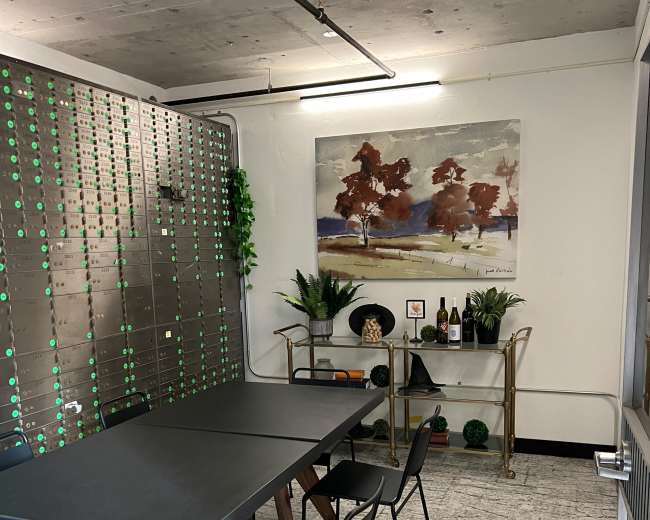
Vintage Bank Vault Conference Room
New Tacoma, WA5.0 (3)
10 guests
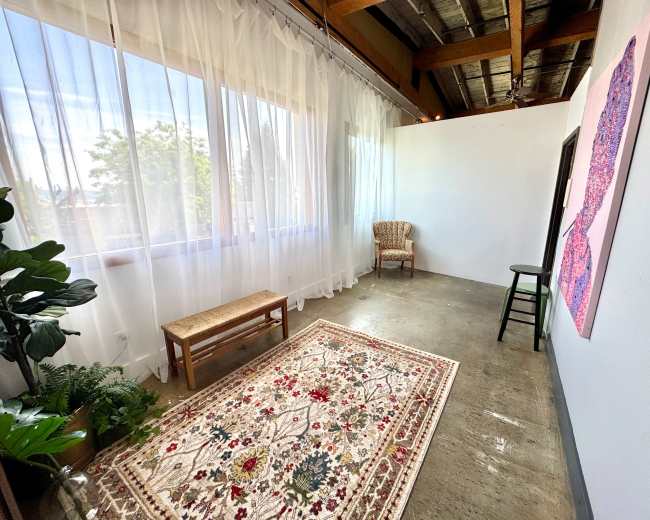
The Poet Tacoma Creative Photography Space
New Tacoma, WA5.0 (17)
200 guests
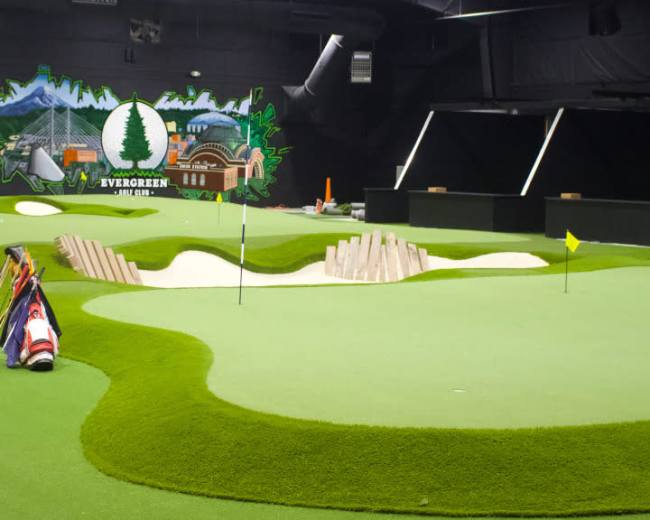
The Quad at Evergreen
Fircrest, Tacoma, WA50 guests
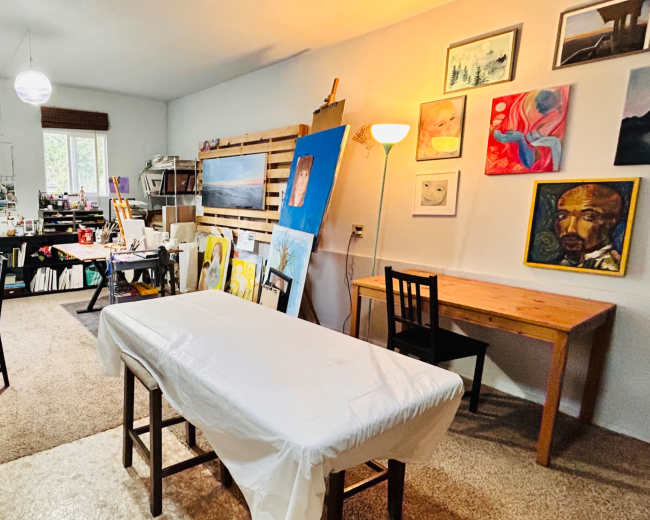
Private Art Studio for Artists & Creative Work
Lakewood, WA12 guests
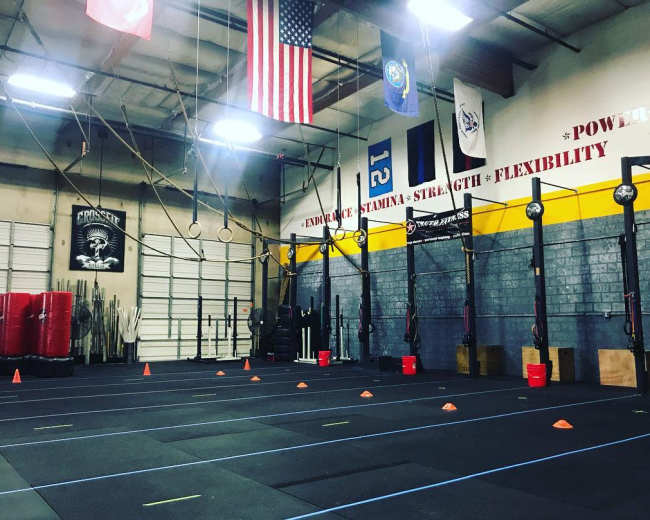
Suburban Industrial CrossFit Gym
Puyallup, WA5.0 (1)
50 guests
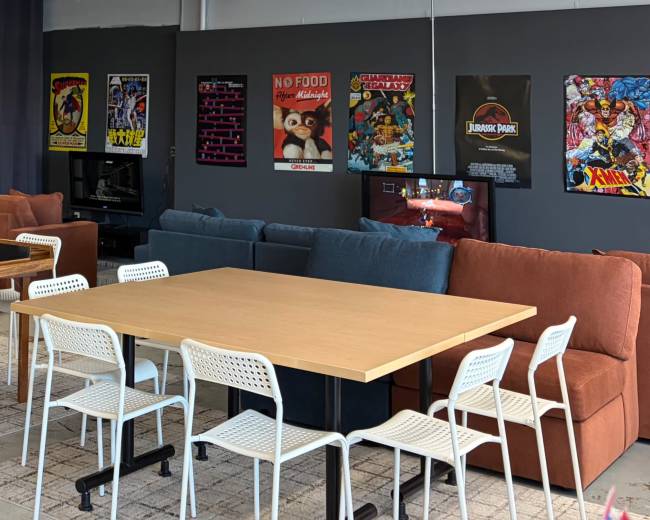
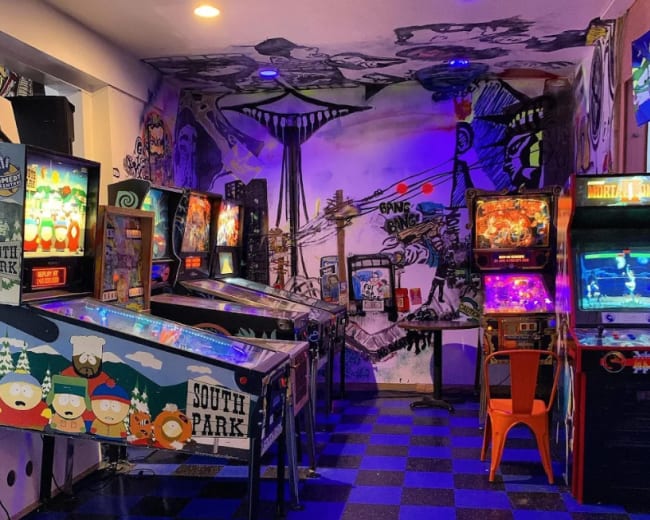
Retro Gaming Lounge
Auburn, WA35 guests
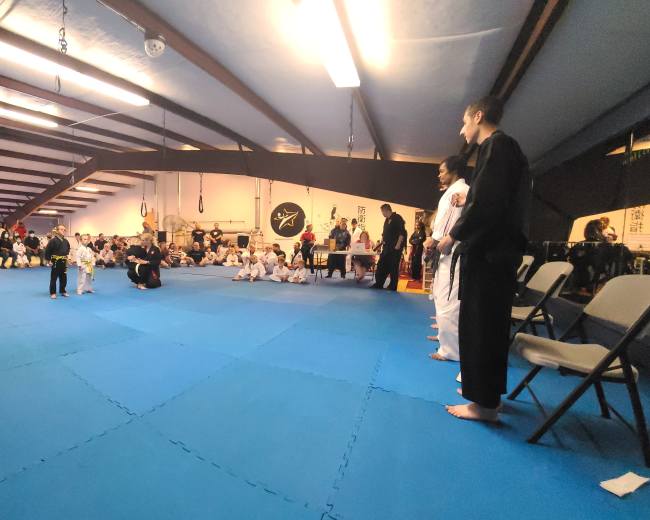
Two Level Floor Martial Arts Warehouse
South Hill, Puyallup, WA5.0 (4)
100 guests
Garden
Kent, WA5.0 (3)
60 guests
Retro Arcade near the Marina
Des Moines, WA30 guests
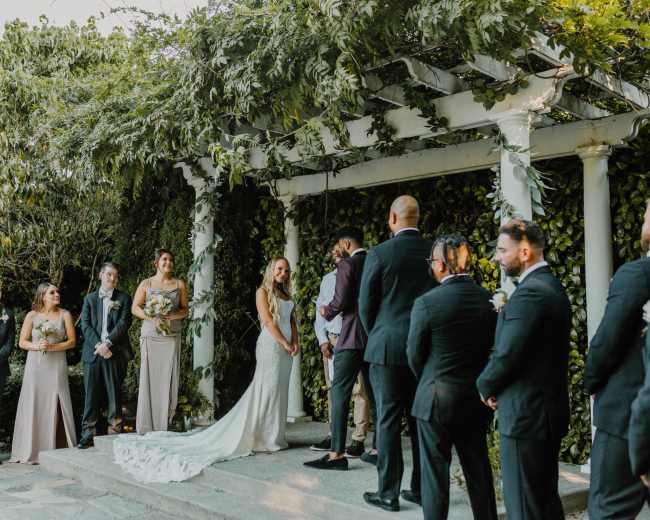
Outside of Seattle area, Garden French country Wedding venue with overnight accommodations
Orting, WA150 guests
Bright & Airy Barn Studio, Centrally Located in Auburn
Auburn, WA5.0 (5)
40 guests
Modern Intimate studio in SeaTac/Burien
Burien, WA5.0 (9)
49 guests
Riverside Lounge - Casino Room
Tukwila, WA55 guests
Unique Waterfront Private Event Lounge
Vashon, WA30 guests
Micro Venue with Outdoor Space and City Views - Must Love Goats!
Delridge, Seattle, WA50 guests
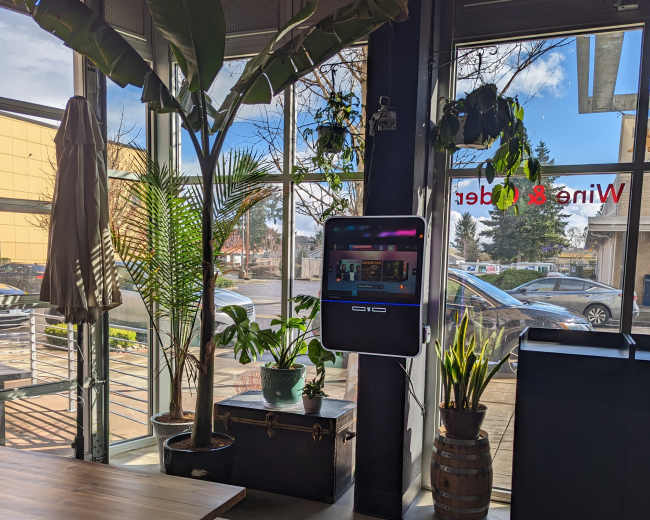
Cozy, Hip, Casually Elegant Winery Tasting Room
Downtown Renton, WA5.0 (1)
50 guests
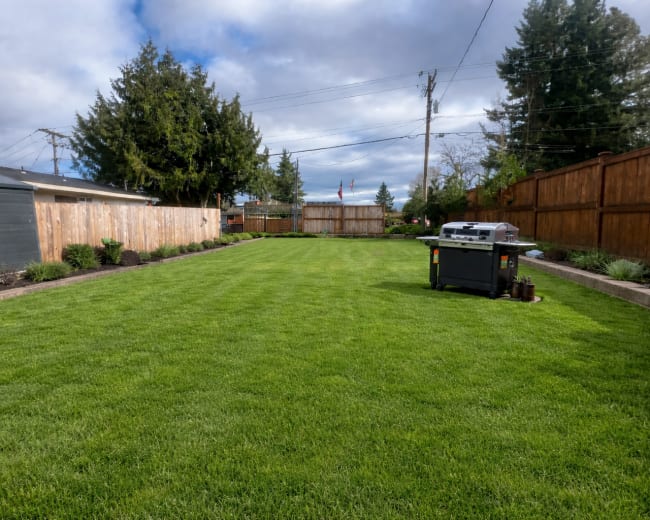
Sunset-ready Renton Backyard: 1350 sq ft, Grill, Patio & Twinkly Lights
Renton, WA60 guests
Studio Space with chairs and its own restroom
Maple Valley, WA5.0 (2)
50 guests
Pricing and popularity information in this section is based on proprietary Peerspace booking data, reflecting recent booking activity and the latest data available through September 2026.
Small party venues in Tacoma average $78 per hour to rent, but it’s easy to spend less or more depending on what you’re looking for.
Most small party venues are scheduled for 5 hours, with 25 people in attendance. You’ll find the most Small Parties starting between 3:00 PM and 4:00 PM.
Our local hosts have welcomed 4703 people into their small party venues with reviews averaging 4.98 stars. Most even said they would book again -- about 99%.
Saturdays are the most popular day for booking small party venues in Tacoma. For those seeking a deal, consider booking Tuesday and Friday as these days are 40% cheaper on average.


