How & Where to Rent an Airbnb Wedding Venue in Rhode Island (2026)
-

Contributing Writer -

Lead Editor & Publisher
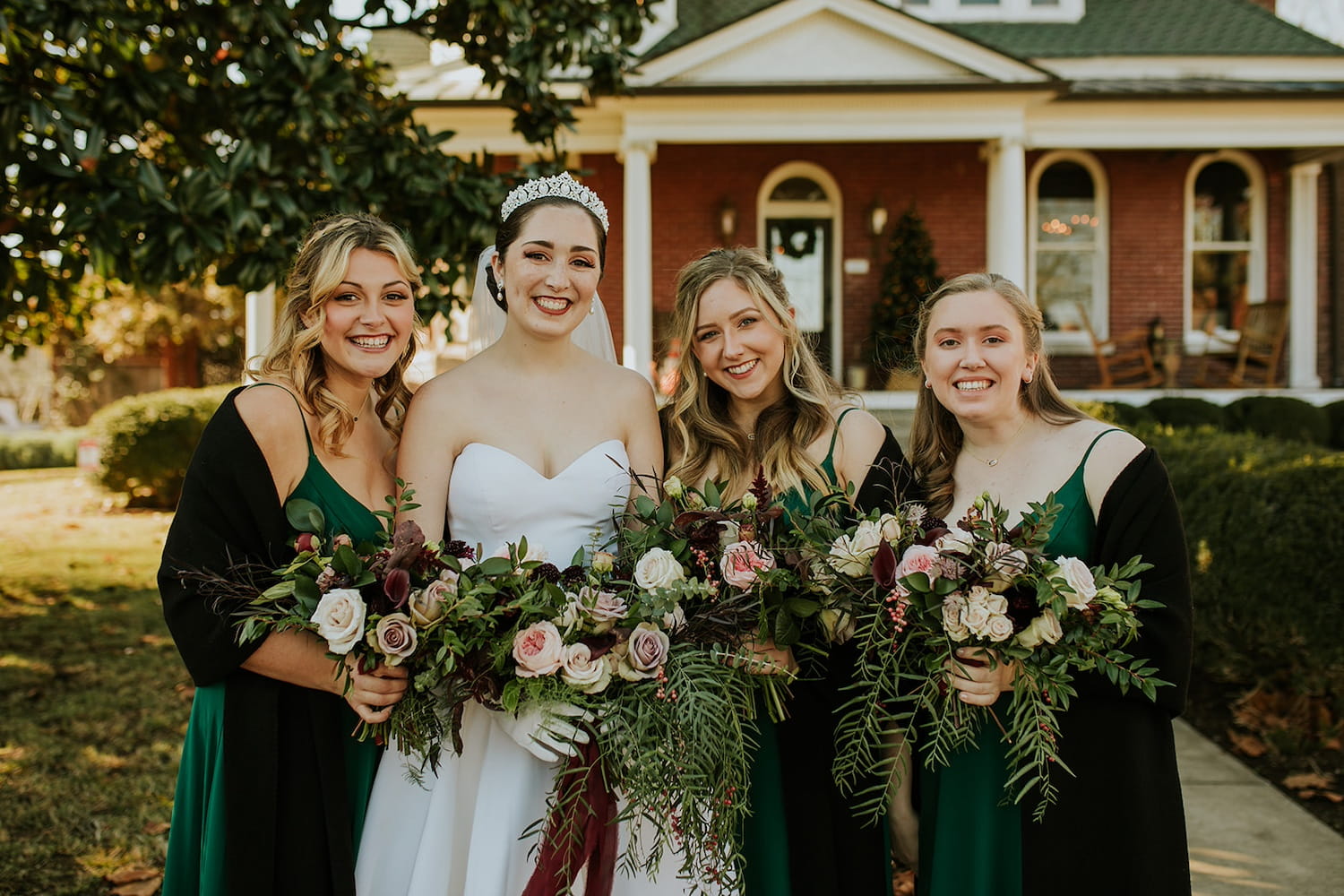
Source: Peerspace
Rhode Island has a way of making weddings feel special without feeling oversized. Because the state is compact and deeply familiar to many locals, couples often expect planning to be simpler here than elsewhere. That assumption leads many people to start their venue search with Airbnb, hoping to combine flexibility, privacy, and cost control in one decision.
In practice, weddings place very different demands on a space than a weekend stay. Rules around guests, noise, vendors, and pricing structures often clash with what a wedding day actually needs. This guide breaks down what couples should understand before booking an Airbnb wedding venue in Rhode Island, where those plans tend to fall apart, and how to approach your venue search with more clarity.
You will also learn how event-first platforms like Peerspace change the equation, along with practical Rhode Island-specific planning insights that help couples avoid last-minute stress and make more confident decisions.
Why Airbnb weddings sound good on paper, then break down in reality
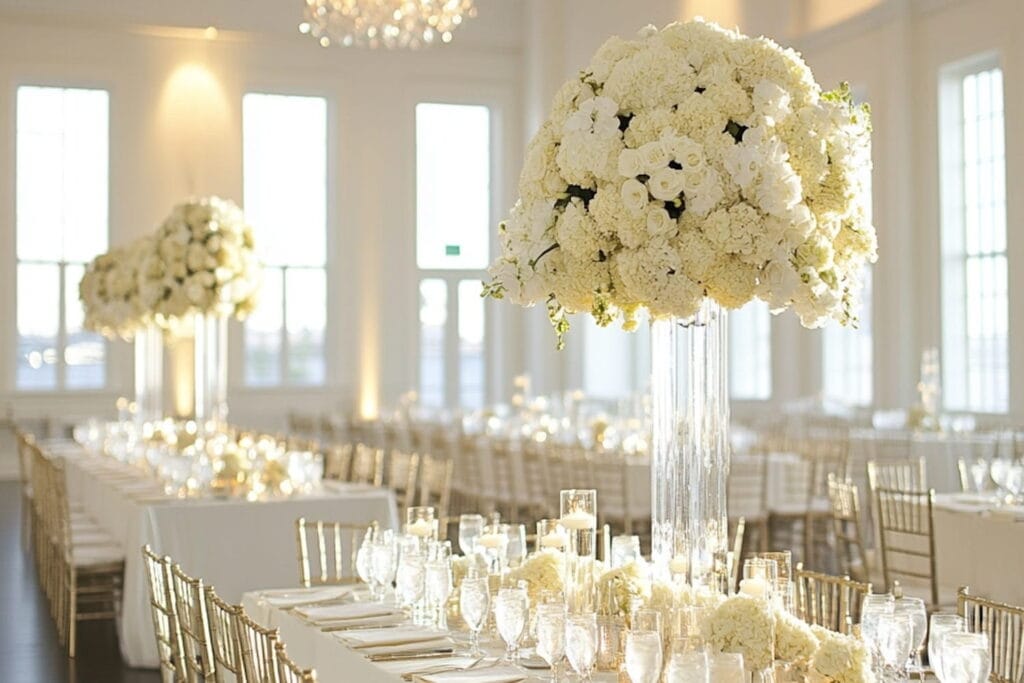
On the surface, Airbnb feels like a clever workaround. Traditional venues book years out, minimum spends climb quickly, and a private home looks flexible by comparison. In Rhode Island, however, coastal density, local ordinances, and seasonal demand amplify the usual Airbnb risks. Before committing, it is worth understanding where things tend to unravel.
Overnight pricing inflates wedding budgets
Most weddings use a space for a focused window of time. Setup, ceremony, reception, and breakdown often fit within eight to 10 hours. Airbnb pricing, by contrast, is structured around overnight stays. In popular Rhode Island towns like Newport or Watch Hill, multi-night minimums are common during peak season. Couples often pay for empty bedrooms and unused mornings simply to secure one evening. That money could have gone toward catering, live music, or upgraded rentals.
Event restrictions that live in the fine print
Even when a host seems supportive, Airbnb’s platform-wide ban on all parties and events creates massive risks. Guest caps, noise rules, and ambiguous event language leave couples exposed to cancellations or interruptions. In compact neighborhoods like East Greenwich or Bristol, one complaint can end the celebration early. The risk is not theoretical. It is built into how the platform works.
When your vendor dream team hits a wall
Rhode Island has an incredible bench of local vendors, from coastal caterers to string quartets familiar with outdoor ceremonies. Many Airbnb listings restrict outside vendors, alcohol service, or amplified sound. What looks like a minor rule can derail months of planning when your caterer needs prep space or your band needs power access. Scrambling to adjust at the last minute is stressful and expensive.
Taken together, these issues explain why so many couples start excited about an Airbnb and end up feeling boxed in. The setting may be lovely, but the structure underneath is rarely built for weddings.

How Peerspace is a platform built for weddings, not weekends
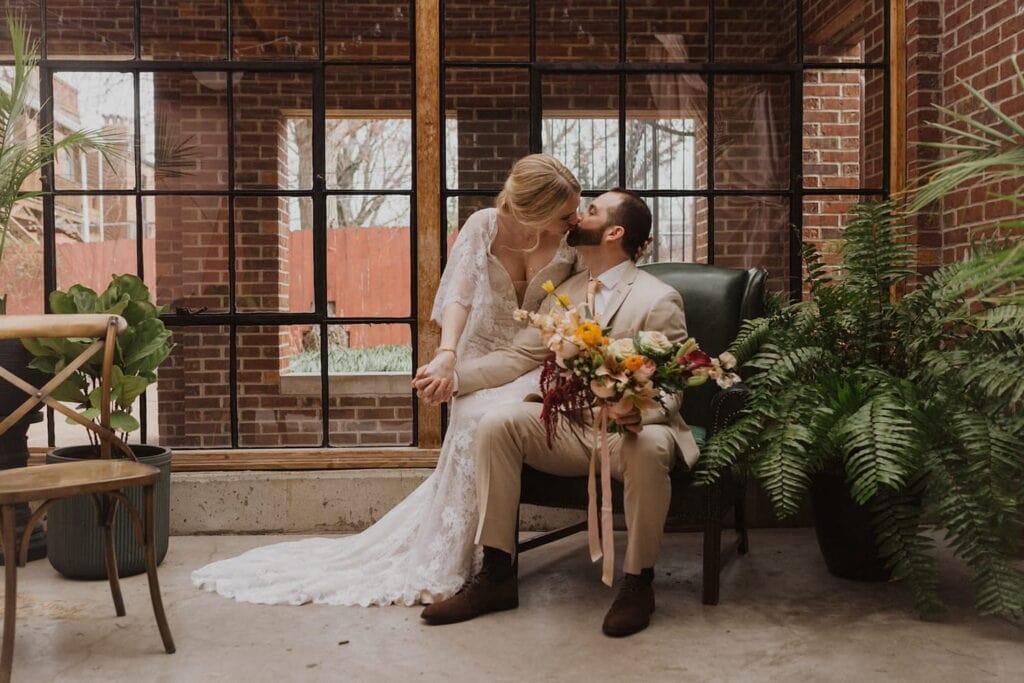
After understanding the friction points of Airbnb, it becomes easier to see why event-specific platforms feel different. Peerspace is designed around short-term gatherings, not overnight stays. That distinction changes how pricing, rules, and expectations work from the start.
Pay only for the time that matters
Peerspace venues are booked by the hour. That model aligns naturally with wedding timelines. You reserve the time you need for setup, celebration, and cleanup without subsidizing unused nights. In high-demand Rhode Island markets, this difference alone can unlock meaningful budget flexibility.
No guessing whether your wedding is allowed
Every Peerspace listing is event approved. There is no need to downplay your plans or interpret vague house rules. Hosts expect weddings and understand what they involve. That clarity removes the background anxiety that often shadows Airbnb bookings.
Fewer vendor roadblocks
Most Peerspace venues welcome outside vendors and list their requirements upfront. You know whether outside alcohol is allowed, whether catering kitchens are available, and how load in works. This transparency helps Rhode Island vendors do their jobs smoothly and keeps your vision intact.
Plan smarter with on the ground insight
Many Rhode Island hosts understand local logistics. They can flag parking considerations in Newport, timing concerns near the beaches in Narragansett, or seasonal quirks that affect setup. That local knowledge quietly improves the planning process.
Peerspace is not about flashy promises. It is about removing friction so couples can focus on what actually matters during their wedding day.
Matching your wedding style to the state
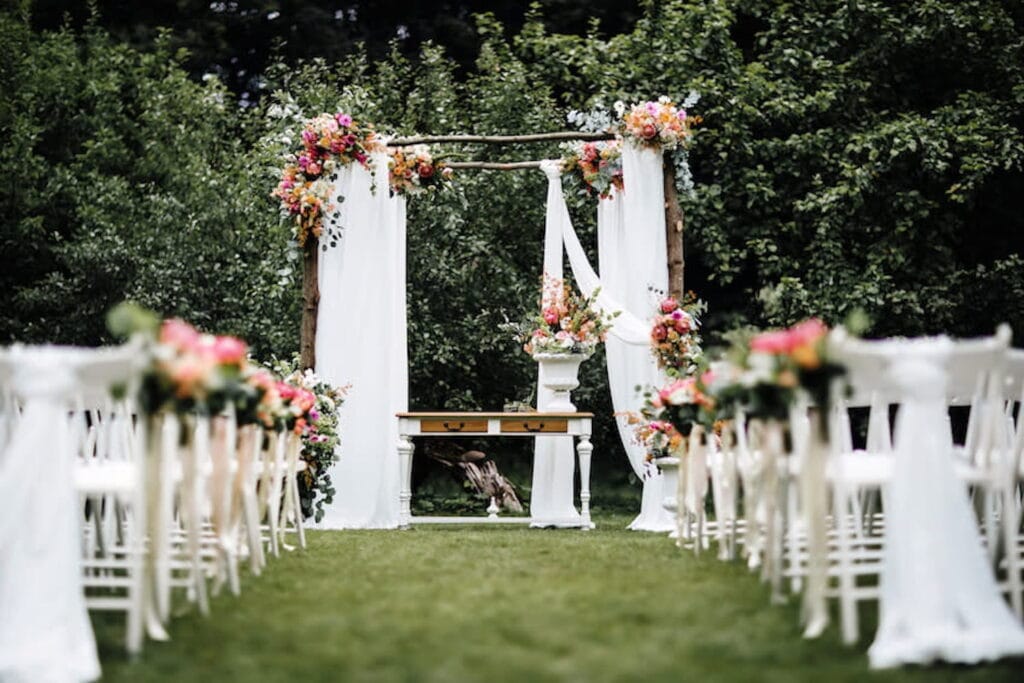
Rhode Island rewards couples who design their wedding format around how people actually gather, move, and celebrate here. The state’s size, seasonality, and mix of coastal and urban settings mean certain wedding formats simply work better than others. Instead of starting with a vague idea of scale, it is far more effective to choose a format that fits your guest list, timeline, and tolerance for logistics.
Think of this section as a menu of proven approaches. Each one reflects how couples successfully use Rhode Island spaces without fighting traffic patterns, weather shifts, or venue constraints. When your format aligns with the environment, the day feels smoother by default.
Intimate coastal ceremonies
Coastal ceremonies work best when intimacy is the priority, not spectacle. Smaller guest lists allow couples to use waterfront settings without overwhelming access points, parking, or restroom capacity. In places like Jamestown, Little Compton, or quieter stretches near Newport, this format keeps the focus on the ceremony rather than crowd control.
Urban, high-energy weddings
Providence shines when couples want efficiency without sacrificing atmosphere. City-centered weddings are especially strong for evening celebrations, larger guest counts, and weekends when guests are flying in or staying locally. Shorter travel distances and reliable transportation options make timelines easier to manage.
Garden and estate style gatherings
Garden-focused weddings work well for daytime or early evening schedules, particularly in late spring and early fall. This format benefits couples who want a relaxed pace, natural transitions, and time for guests to mingle without pressure. Rhode Island’s historic properties and landscaped settings lend themselves to this approach.
Weekend micro weddings
Micro weddings thrive in Rhode Island because they match the state’s scale, and many couples lean on small wedding reception ideas that still feel intentional to make these celebrations feel thoughtfully designed rather than scaled down. Hosting fewer than 40 guests allows couples to be precise with timing, personal with details, and flexible with space usage. This format often feels more curated and less compressed than a traditional full-scale wedding.
Brunches and wedding weekends
Some couples choose to spread celebrations across multiple moments rather than packing everything into one day. A welcome gathering, ceremony and reception, then a farewell brunch can feel more relaxed and social when handled thoughtfully. Rhode Island’s proximity between regions makes this format manageable.
When couples choose a wedding format that fits Rhode Island’s rhythms, planning decisions become clearer and stress points shrink. The format does not limit creativity. It creates the structure that allows everything else to work.
Choosing the local region that supports the day
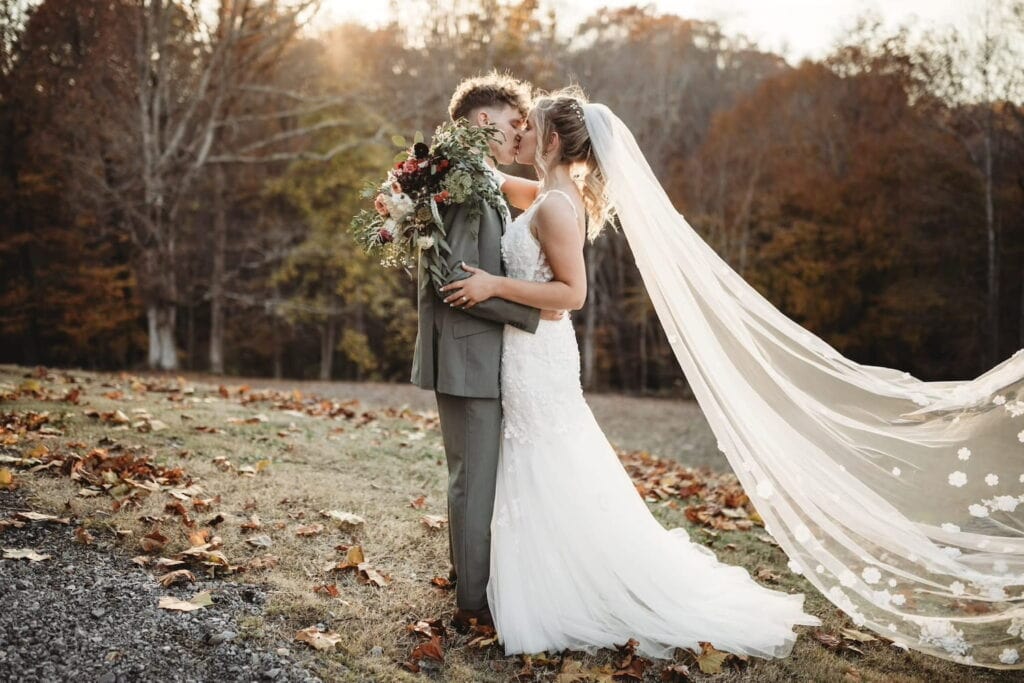
Rhode Island is small enough that almost anywhere can feel “close,” yet wedding logistics quickly prove otherwise. A 30-minute drive can turn into an hour when beach traffic spikes, and the wrong location choice can quietly add stress for guests, vendors, and your timeline. The goal is not to pick the most famous town, but the place that best supports your priorities, your guest mix, and your preferred pace of celebration.
Use this section like a decision guide. For each region, think through three questions:
- Where are most guests staying?
- What time of day matters most for your schedule?
- What constraints will you feel most on wedding day?
When you choose a region that matches those answers, everything gets easier.
Newport and Aquidneck Island
Newport is the Rhode Island postcard, but it rewards couples who plan with precision. Parking and road access can bottleneck quickly, especially during summer weekends and festival seasons, so you will want to build arrival buffers into your timeline. If many guests are traveling in, prioritize a plan that reduces decision making for them: clear instructions, suggested parking options, and one primary pickup point if you are offering shuttles.
Aquidneck Island logistics often hinge on bridges and peak drive times. If your ceremony starts late afternoon, consider how traffic patterns might affect vendors arriving for setup and guests arriving from Providence, the airport, or nearby hotels. Couples who succeed here tend to keep the day geographically tight, with lodging, ceremony, and reception within a short radius, so there is less chance of the schedule getting derailed.
Providence
Providence is ideal for couples who want a more streamlined planning experience, especially if many guests are local or flying into T. F. Green. Hotels, restaurants, and transportation options make it easier to create a full weekend itinerary without requiring long drives. The city also supports clearer vendor access, which can reduce setup friction and keep timelines more predictable.
To make Providence work smoothly, treat guest flow like a city event. Share a short travel note with guests about parking garages, ride share drop off points, and any street restrictions they should know. If you are planning an after party, Providence is one of the easiest places in the state to keep the energy going without asking guests to navigate unfamiliar roads late at night.
South County coastal towns
South County, including Narragansett and nearby coastal areas, is perfect when you want the celebration to feel relaxed and scenic, but you need to plan for seasonal crowding. Summer weekends can add unexpected travel time, and coastal weather can shift quickly as the day moves into evening. If you choose this region, build your timeline around comfort and contingencies, not just the ceremony time.
A strong South County plan usually includes two details couples often skip. First, be explicit about guest attire expectations, because wind and temperature changes can surprise people who dress only for daytime sun. Second, map out a clear rain strategy that does not require improvisation, since last minute tent changes or indoor pivots can be hard to coordinate when coastal conditions shift.
East Bay towns
Bristol and Warren are a great fit for couples who want a strong sense of place without the intensity of Newport crowds. The towns feel intimate, walkable, and rooted in local community, which can make the day feel more personal. Timing matters here too, especially around community events and seasonal weekends when streets may be busier than expected.
To use the East Bay to your advantage, build in time for guests to arrive early and settle in. These towns are well suited to daytime ceremonies and earlier receptions, especially when you want guests to linger and connect without feeling rushed. If you have out of town guests, share a simple list of nearby stops for coffee, quick bites, and scenic walks so the weekend feels cohesive without requiring elaborate plans.
Jamestown and Conanicut Island
Jamestown offers a quieter coastal feel that many Rhode Islanders love, and it can feel like a true getaway without being far from Newport or Providence. The planning challenge is that access still funnels through limited routes, so you will want to think ahead about arrival timing and vendor scheduling. If you are inviting guests from multiple directions, create a recommended arrival window that reduces bridge-related bottlenecks.
Because Jamestown is more low key, it works best when you lean into simplicity and comfort. Plan your timeline to minimize back-and-forth driving, and give guests clear guidance about where to park and where to go first when they arrive. Couples who plan well here often choose a schedule that leaves breathing room, which helps the day feel calm rather than compressed.
Coastal countryside and inland pockets
Inland areas and coastal countryside pockets can be a smart choice when you want more breathing room and fewer constraints. Parking is often easier, timelines can be more flexible, and noise concerns may be less intense than in denser coastal neighborhoods. This region is also helpful when your guest list includes older relatives or families, since accessibility and logistics can be simpler.
The key is to plan intentionally for guest experience, since these areas may not have the same concentration of hotels or late-night options. If many guests are traveling, consider arranging a clear lodging hub and providing simple guidance for transportation between that hub and the venue. When you handle that planning upfront, the quieter setting feels like a feature, not an inconvenience.
Before you commit to any region, do one practical test. Map the route at the actual day and time your ceremony would happen, then add a buffer for vendors and early arrivals. That simple exercise reveals far more than a mood board ever will, and it can save you from building a timeline on unrealistic travel assumptions.
Designing a wedding day that feels intentional
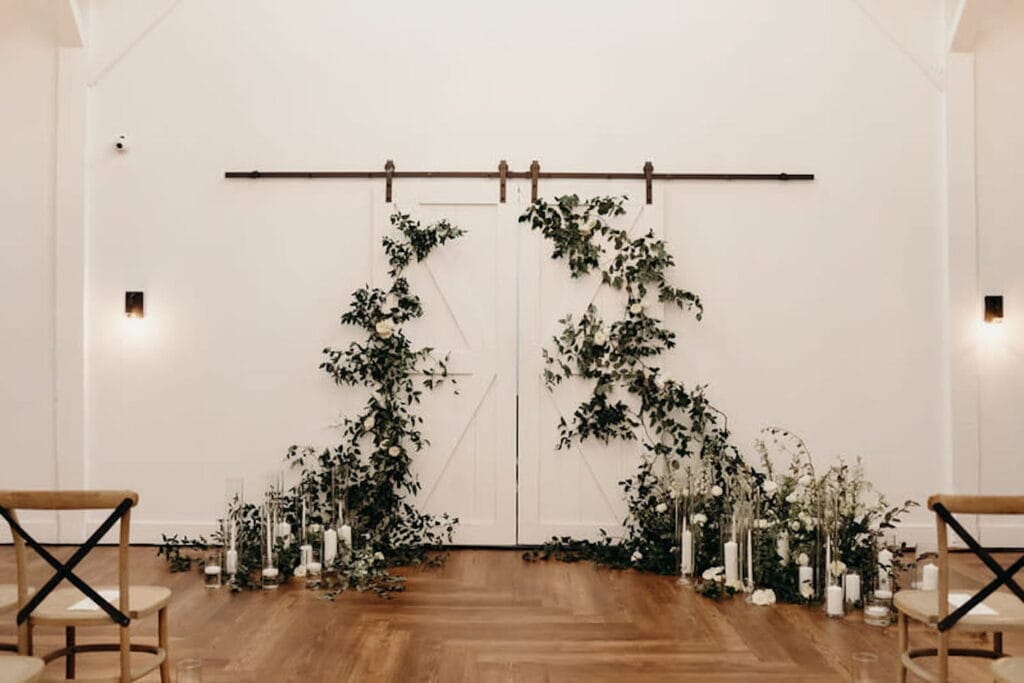
A wedding can look perfect on paper and still feel chaotic once guests arrive. Flow is the difference. It determines whether the day feels calm and intentional or rushed and disjointed. In Rhode Island, where venues are often compact, regulated, or weather exposed, flow is not a nice to have. It is foundational.
Arrival experience and first impressions
Clear directions, realistic parking expectations, and staggered arrival times for vendors versus guests prevent tension from creeping in early, especially when couples understand how to find the perfect venue that supports arrivals without confusion or congestion. In walkable towns like Newport or Bristol, couples often underestimate how confusing the final few blocks can be for out of town guests.
Ceremony-to-reception transitions
Momentum matters. Long gaps or unclear transitions drain energy fast. Whether guests move between rooms or from outdoors to indoors, those shifts should feel purposeful. Well-timed cocktail hours and spaces that reset quickly keep the celebration moving without making guests feel herded.
Sound, lighting, and pacing as one system
Music, lighting, and timing work best when planned together. Rhode Island noise ordinances can limit volume or end times, especially in residential areas. Thoughtful lighting cues paired with music changes help the evening feel complete even when celebrations wrap earlier than couples initially imagine.
Vendor choreography behind the scenes
A smooth wedding depends on invisible coordination, which starts with booking a venue that truly supports setup, access, and breakdown. Clear load-in paths, designated setup zones, and defined breakdown timing allow vendors to work efficiently without colliding. Spaces that support this kind of backstage choreography reduce stress and keep the focus on the experience rather than the logistics.
Comfort checkpoints throughout the day
Guest comfort builds over time. Enough restrooms, accessible seating, hydration options, and temperature control quietly shape how long guests stay engaged. These considerations matter even more in Rhode Island’s coastal climate, where conditions can shift quickly between morning and evening.
Backup plans that feel intentional
A backup plan should feel like a parallel vision, not a concession. Couples who choose venues with true indoor alternatives make decisions with more confidence and avoid last-minute pivots. Guests pick up on that confidence and settle into the day more easily.
When flow is designed deliberately, the day feels cohesive rather than compressed. That sense of ease is often what guests remember long after the details fade.
Peerspace: the smarter way to plan a Rhode Island wedding
Planning a wedding in Rhode Island rewards couples who understand the tradeoffs beneath the surface. Airbnb wedding venues can look appealing at first glance, but nightly pricing, platform restrictions, and limited flexibility often conflict with how weddings actually unfold. Event-focused options offer a different path that aligns more closely with real timelines, real guest counts, and real planning needs.
The strongest venue choices are not just about appearance. They support vendor logistics, protect your timeline, and reduce uncertainty so you can stay present on the day itself. By choosing a space designed for gatherings and planning with local realities in mind, couples set themselves up for a celebration that flows naturally from start to finish.
When you’re ready to look beyond Airbnb and find spaces built for real celebrations, explore Peerspace, where it’s easy to find the perfect venue for your Rhode Island wedding.
In this article
- Why Airbnb weddings sound good on paper, then break down in reality
- How Peerspace is a platform built for weddings, not weekends
- Matching your wedding style to the state
- Choosing the local region that supports the day
- Designing a wedding day that feels intentional
- Peerspace: the smarter way to plan a Rhode Island wedding
In this article
- Why Airbnb weddings sound good on paper, then break down in reality
- How Peerspace is a platform built for weddings, not weekends
- Matching your wedding style to the state
- Choosing the local region that supports the day
- Designing a wedding day that feels intentional
- Peerspace: the smarter way to plan a Rhode Island wedding
Get together somewhere better
Book thousands of unique spaces directly from local hosts.
Explore SpacesShare your space and start earning
Join thousands of hosts renting their space for meetings, events, and photo shoots.
List Your Space