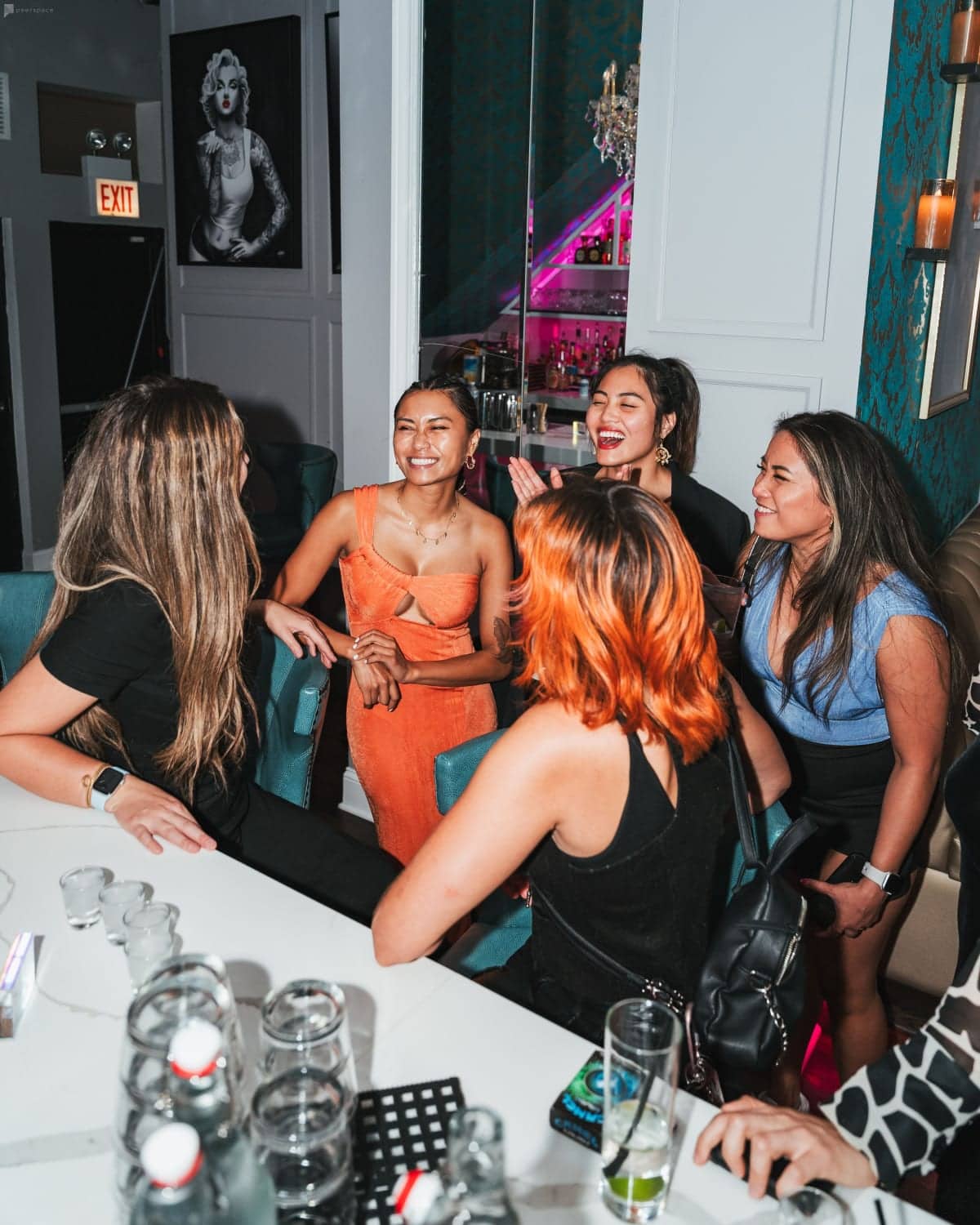
How & Where to Rent an Airbnb for a Michigan Bachelorette
-

Contributing Writer -

Lead Editor & Publisher

Source: Peerspace
If you’re hosting a destination bachelorette weekend where everyone needs a place to sleep, an Airbnb can be a genuinely solid option. A big lake house near Traverse City, a cottage by Higgins Lake, or a cabin close to a ski town gives guests a shared home base, keeps logistics simple, and turns the weekend into a group experience instead of a string of separate hotel rooms. When the plan is mostly about staying together, cooking together, and hanging out between activities, lodging-first platforms do their job.
But if you’re planning locally, or you only need a space for a curated block of hours, the math changes fast. Michigan is full of groups who live within driving distance, prefer a structured afternoon or evening, and would rather spend money on what guests notice instead of unused bedrooms. In that scenario, paying for extra nights and working around unclear rules can add friction where you wanted ease.
We’ll take a practical look at when Airbnb works, when it starts to feel limiting, and how Michigan hosts can plan a bachelorette party that fits a local timeline. You’ll find region specific considerations, venue planning guidance, scheduling advice, and budgeting insights designed to help you host confidently without overcomplicating the celebration.
Why Airbnb feels easy until you try to throw a real party
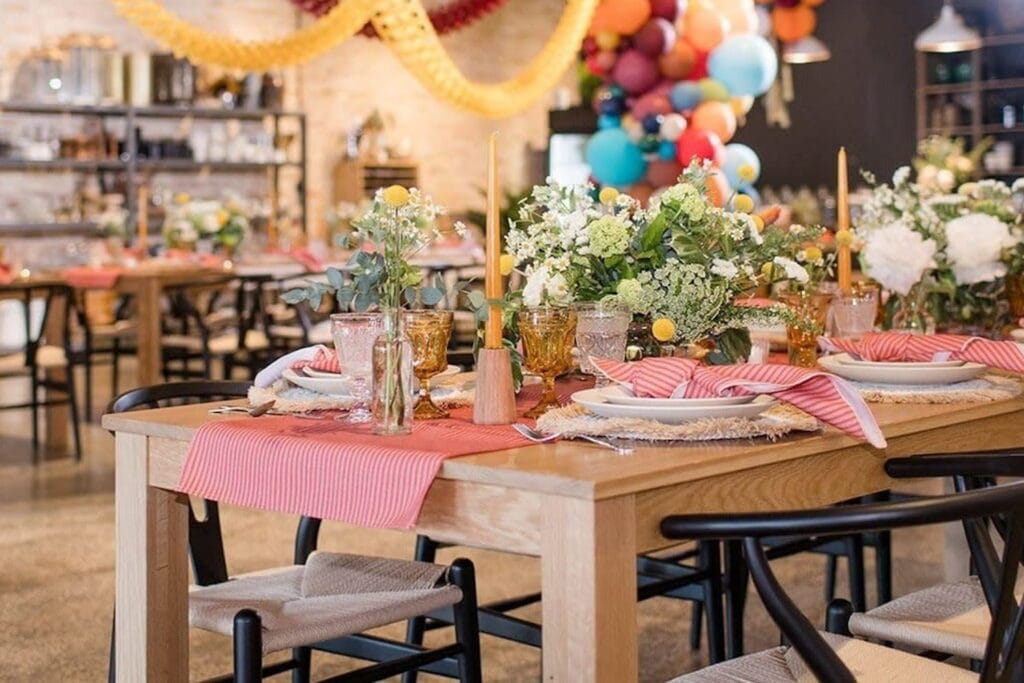
For many hosts, Airbnb feels like the default because it’s familiar. You browse photos, picture everyone gathered in one place, and assume flexibility comes with the word “home.” For destination groups, that assumption sometimes holds up. For Michigan locals who only need a space for a few hours, however, Airbnb can create costly surprises and planning stress that shows up late in the process.
These issues tend to surface once planning moves beyond browsing and into logistics. It doesn’t mean Airbnb is always the wrong choice, but it can illuminate how vacation rentals often don’t align with your bachelorette party plans. Especially when it comes to vendors, music, timelines, and guests coming and going.
The party and event policy problem
Airbnb enforces a global ban on parties and events. Individual hosts may privately approve small gatherings, but the platform-level policy still exists in the background. If neighbors complain or activity draws attention, reservations can be canceled with little warning.
Bachelorette parties naturally include group arrivals, music, and a more celebratory energy than a quiet vacation stay. Planning under constant concern about whether you’re “allowed” to host the way you want can make the day feel tense. A celebration should not require careful wording and crossed fingers.
Visitor caps can block your real guest list
Many Airbnb listings cap total occupancy and also limit how many non-overnight visitors are permitted. Even if the home sleeps 10, the listing may restrict daytime guests who are not staying overnight. Airbnb itself also caps the amount of people you can host via their complete event ban.
This becomes a major issue for local parties where guests drop in for a few hours. You may plan for 15 people, only to realize the property technically allows fewer. The risk is not just inconvenience, it can force last minute guest list cuts or a complete venue pivot.
You pay for nights when you only need hours
Most local bachelorette parties have a clear start and finish. You might want an hour to set up, four hours to celebrate, then a short cleanup window. Airbnb pricing is built around nights stayed, which means you pay for far more time than you use, even if everyone goes home afterward.
In Michigan cities like Ann Arbor, Grand Rapids, and parts of metro Detroit, weekend minimums can require two nights, or more. Cleaning fees and service fees also stack on top of nightly rates. For a local group, that extra spend rarely improves the event itself, it just covers empty bedrooms and unused time.
Vendor restrictions can flatten your best ideas
Many bachelorette parties rely on outside vendors to elevate the vibe. A mixologist, a caterer, a mobile glam team, or a photographer can transform a standard hangout into something intentional. Airbnb hosts often restrict vendors because homes are designed for lodging, not commercial activity.
Even when vendors are allowed, the rules may limit delivery windows, setup time, or equipment use. That means you spend more time negotiating logistics than designing fun. For Michigan planners who want to support local vendors, these restrictions can quietly shrink the event.
Airbnb can still work well for destination weekends that prioritize lodging. For local bachelorette parties, though, it often feels like an expensive workaround layered with constraints that surface once planning is underway.

Why Peerspace works better for celebrations
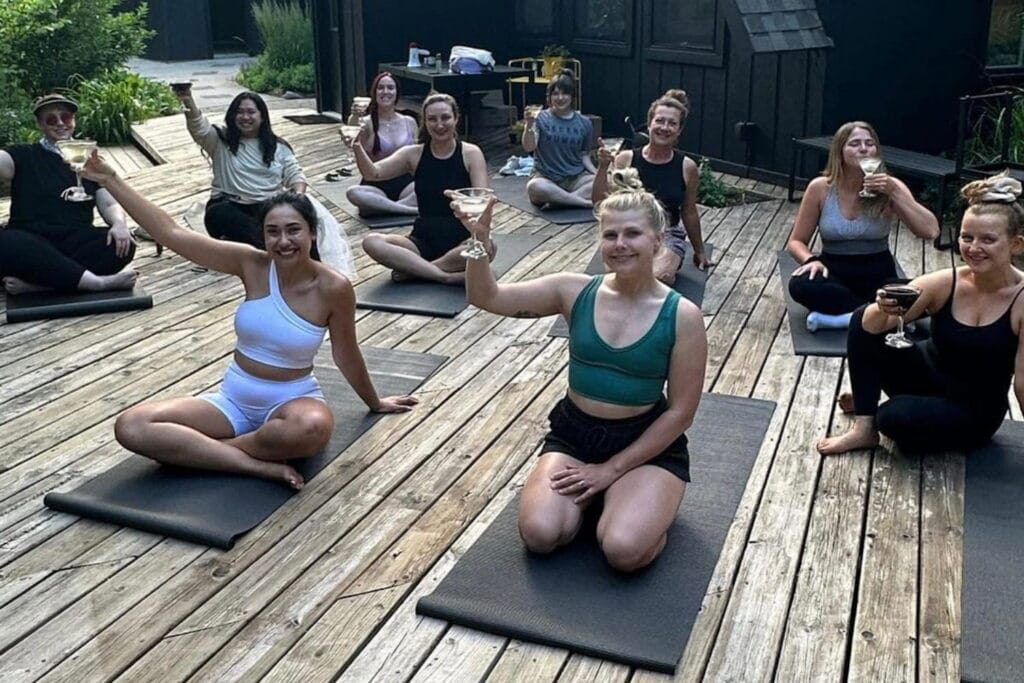
When it comes to bachelorette parties, the primary goal is not sleeping arrangements, it’s the experience itself. That means you need a space that supports a timeline, welcomes guests, and allows you to bring in the people and services that make the event feel special.
Peerspace venues often provide a better foundation for your bachelorette plans. The result is a smoother process for local celebrations, especially when you only need a few hours.
You book by the hour
Peerspace venues are typically booked by the hour, which aligns with how local bachelorette parties actually run. You pay for setup, party time, and teardown. Nothing more. This removes the common problem of overpaying for unused nights. It also makes it easier to budget intentionally, because you can control the time block rather than meeting a minimum stay requirement.
Vendors are often welcomed
Many venues on Peerspace are designed for events, so hosts are more likely to welcome vendors such as caterers, bartenders, photographers, and stylists. Policies are typically clearer upfront, which reduces the last minute surprises that derail planning. For a bachelorette party, that means you can bring in the elements that make the day feel elevated. You spend less time negotiating and more time building a plan you’re excited about.
You can be transparent about what you’re hosting
Event-ready venues expect gatherings. You do not need to downplay your plans or describe your celebration as a “quiet get together” to feel safe. That honesty changes the tone of planning. When you can clearly communicate guest count, music plans, and vendor needs, you’re more likely to choose a space that actually fits.
You can protect your budget for what guests notice
Hourly pricing and vendor clarity typically free up budget. Instead of spending heavily on unused bedrooms, you can invest in food, drinks, music, decor, and experiences. In other words, you spend on what makes the party feel legendary. That is often the difference between a celebration that feels improvised and one that feels intentionally designed.
Taken together, these advantages make event-focused venues a better match for local bachelorette parties. From here on, the guide focuses on planning a local Michigan celebration with confidence and clarity.
Michigan regions that match different bachelorette vibes

Michigan is not one planning environment, it’s many. A bachelorette party in Detroit feels different from one in Grand Rapids, and both feel different from a Traverse City weekend. Your region affects venue availability, vendor options, transportation, and even how late you can comfortably host without worrying about residential noise sensitivity. Each Michigan region brings its own strengths, limitations, and planning considerations.
Metro Detroit for bold, high-energy plans
Metro Detroit is ideal for parties that prioritize nightlife energy, creative venues, and vendor access. You can build a schedule that includes a venue rental, dinner, and an easy transition to bars or late night activities.
Areas like downtown Detroit, Corktown, and Midtown often offer industrial spaces, lofts, and studios that can be styled quickly. Suburbs like Royal Oak and Ferndale add lounge culture and restaurant density. Because so many guests can drive in, you can keep the celebration local without losing the feeling of an event.
Ann Arbor for polished daytime experiences
Ann Arbor is well suited to daytime bachelorette parties that center on food, workshops, or curated activities. The city’s walkable core makes it easy to plan a contained route, especially if you want to pair a venue rental with nearby dining.
In practice, Ann Arbor plans often look like a brunch-forward celebration, a short activity block, then a more relaxed dinner. Parking and timing matter, because popular areas can get busy. If you plan transitions carefully, Ann Arbor delivers a calm, intentional energy.
Grand Rapids for relaxed gatherings
Grand Rapids balances city amenities with a less frantic pace. It’s a strong choice for bachelorette parties that want structure, but still feel laid back.
The venue scene often includes studios, lounges, and flexible event spaces that can accommodate both daytime and evening plans. Many groups build a plan around food and drinks, then add one standout activity such as a craft session or a themed photo setup. Grand Rapids can feel festive without requiring a high intensity schedule.
West Michigan lakeshore for breezy seasonal plans
Towns along the lakeshore can be appealing for daytime celebrations in warmer months. The vibe tends to be airy and scenic, which works well for brunch, picnic style catering, or outdoor photo moments.
The challenge is weather and seasonal availability. Even in summer, evenings can cool quickly near the water, and some areas get crowded during peak season. For local celebrations, focus on venues with indoor options so the plan doesn’t hinge on perfect weather.
Northern Michigan for true destination weekends
Northern Michigan shines for groups committing to a full weekend. Traverse City, the Leelanau Peninsula, and surrounding areas offer a getaway feel that supports multi-day lodging plans.
For local Michigan groups hosting a short event, however, distance can be the main downside. If most guests are driving three hours to celebrate for four hours, the travel burden may outweigh the benefits. Northern Michigan is best reserved for destination parties where overnight stays are part of the appeal.
With region in mind, the next step is choosing a venue type that actually supports your schedule and activities.
How the venue type changes the way your party feels
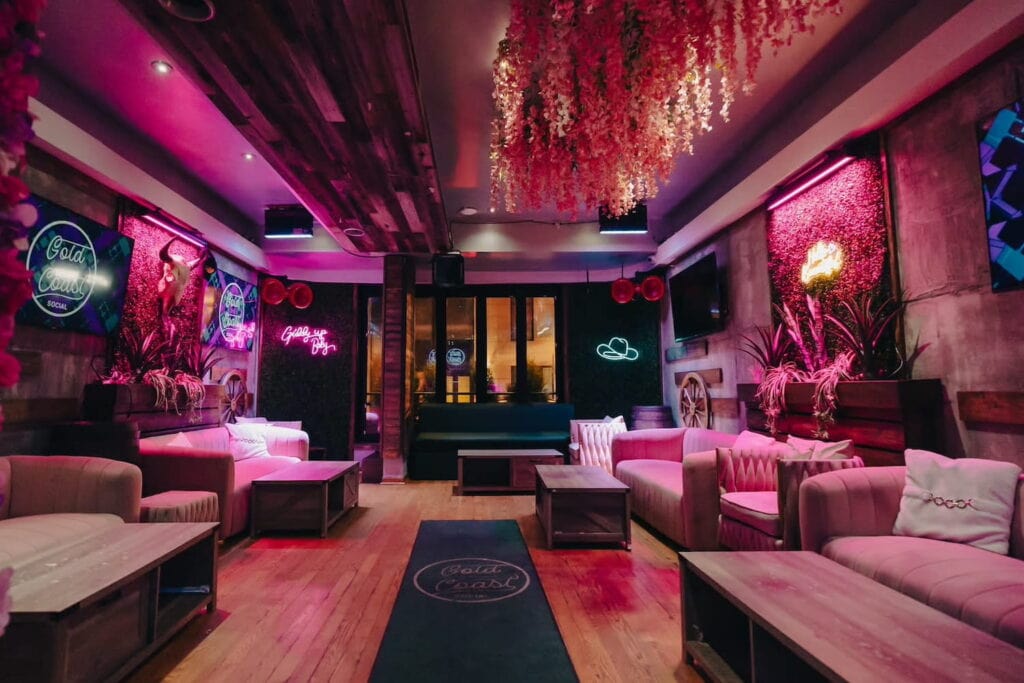
Michigan offers a surprising range of event-ready spaces, from creative studios to lounge-style venues. The trick is matching the space to your celebration style rather than choosing based on photos alone. A gorgeous room that doesn’t support vendors or guest flow will feel stressful the day of.
Thinking through venue type, style, and amenities together helps ensure the space supports your plan rather than pushing against it once guests arrive.
Lofts and studios for a light-filled, daytime vibe
Lofts and studios work well for daytime bachelorette parties because they are often open, bright, and easy to customize. Natural light supports photos, and flexible floor plans support activities.
These spaces are ideal for brunches, workshops, or glam sessions. They also tend to have fewer built in visual distractions, which makes it easier to style the room around your theme. If your party includes content creation, these spaces make it simple without feeling staged.
Lounge and bar-style spaces for nightlife energy
If your group wants cocktails, music, and a more evening forward vibe, lounge-style spaces can be the easiest option. They often come with built-in ambiance, seating zones, and lighting that already feels celebratory.
This removes the need to transform a home. It also makes guest flow more natural, because people are used to circulating in bar like environments. If you want a party that feels like a private night out, this is a strong category.
Outdoor spaces and patios for seasonal celebrations
Outdoor venues work best when you have a plan that embraces Michigan seasonality. Patios, gardens, and rooftops create breathing room and help energy feel expansive.
The key is having a weather backup. Ask about covered areas, indoor access, and what happens if rain shows up unexpectedly. A venue that treats weather as part of the plan rather than an afterthought keeps your mood intact.
Creative blank canvases for themed experiences
Warehouses, galleries, and flex spaces give you control. They can host everything from a dance forward party to a craf-heavy afternoon.
These spaces are useful when you want a clear theme and you’re bringing in decor or rentals. They also tend to handle vendor access more smoothly because the space is designed to be used, not protected like a private home. If you have a vision and want room to execute it, blank canvas spaces are your friend.
A venue that matches your vibe is only half the story. The other half is designing a timeline that feels fun instead of frantic.
How to plan a party timeline that actually flows
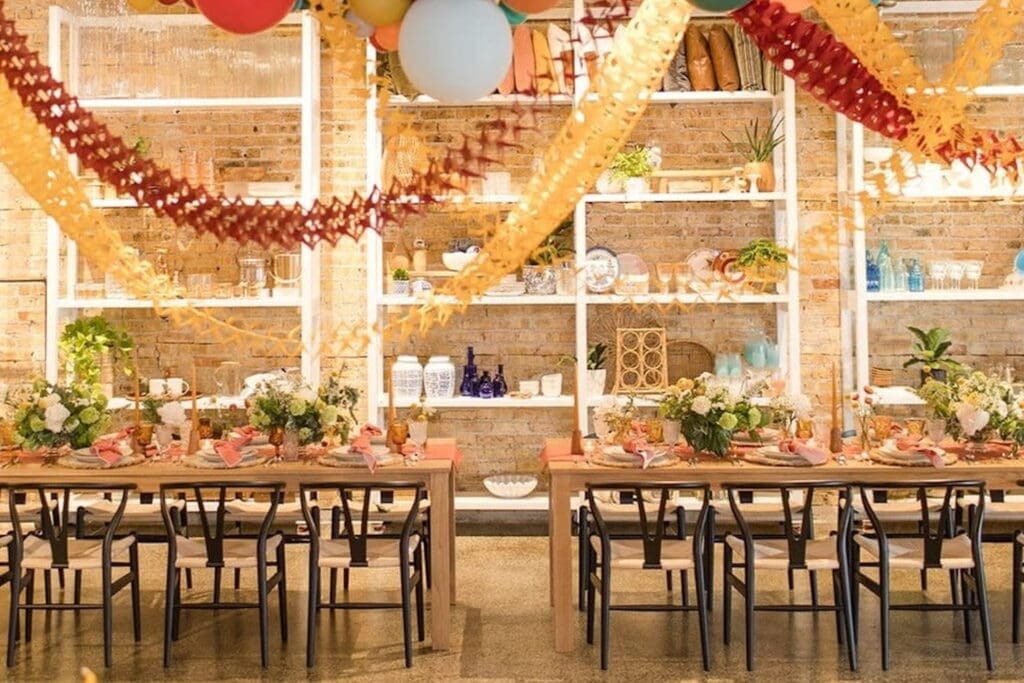
A bachelorette party can go off track when the schedule tries to do too much. The goal is not maximum activity, it’s maximum enjoyment. A good timeline creates momentum, builds toward a peak, and leaves room for real conversation and laughter.
A thoughtful timeline shapes how the celebration feels from arrival to final toast, especially for local Michigan parties with a defined window.
Start with a clear event window
Choose an event window that matches your group’s energy. Many local parties work well as an afternoon-into-early-evening plan, or an evening plan that ends before late-night logistics get complicated.
Think about travel time across Michigan metros and what guests can realistically commit to. A four- to six-hour core window is often ideal, because it allows structure without fatigue. When you define the window early, every vendor and activity decision becomes easier.
Book setup time like you mean it
Setup time is where many hosts underestimate their needs. Decor, vendor arrival, music setup, and basic staging take longer than expected, especially when you’re also texting guests and answering questions.
Build in at least an hour for setup before guests arrive, and add more if you’re planning complex decor. This buffer protects the party’s first impression. It also lowers stress, which improves your ability to actually enjoy the event.
Build the timeline around two anchor moments
The most successful parties typically revolve around two anchor moments. One is early, such as a toast, a welcome activity, or a group photo. The other is later, such as a signature game, a surprise experience, or a mini performance.
Anchors prevent the party from feeling like a loose hangout. They give guests something to look forward to and something to remember. When planning a local Michigan event, anchors also help keep the celebration feeling intentional even when it’s only a few hours.
Leave room for guest movement and mingling
Guests arrive late, conversations run long, and people need time to reset. If your schedule does not include breathing room, the event will feel rushed.
Plan for transitions, such as moving from food to activities, or from a glam moment to dancing. The more people you have, the more transition time you need. When you build this into the plan, you avoid the frustrating feeling of constantly being behind.
End with a clean finish line
A clear ending can be a gift. It allows guests to leave together, helps rideshares align, and prevents the awkward slow fade where a few people linger and energy drops. Choose a closing moment, such as a final toast, a group photo, or presenting guests with a small takeaway gift. Then end on time. In Michigan, where many guests are driving home, a clean finish line keeps things safe and relaxed.
While a strong timeline sets the stage, the party lives and dies by food and drinks.
Food and drink planning that feels elevated, not chaotic
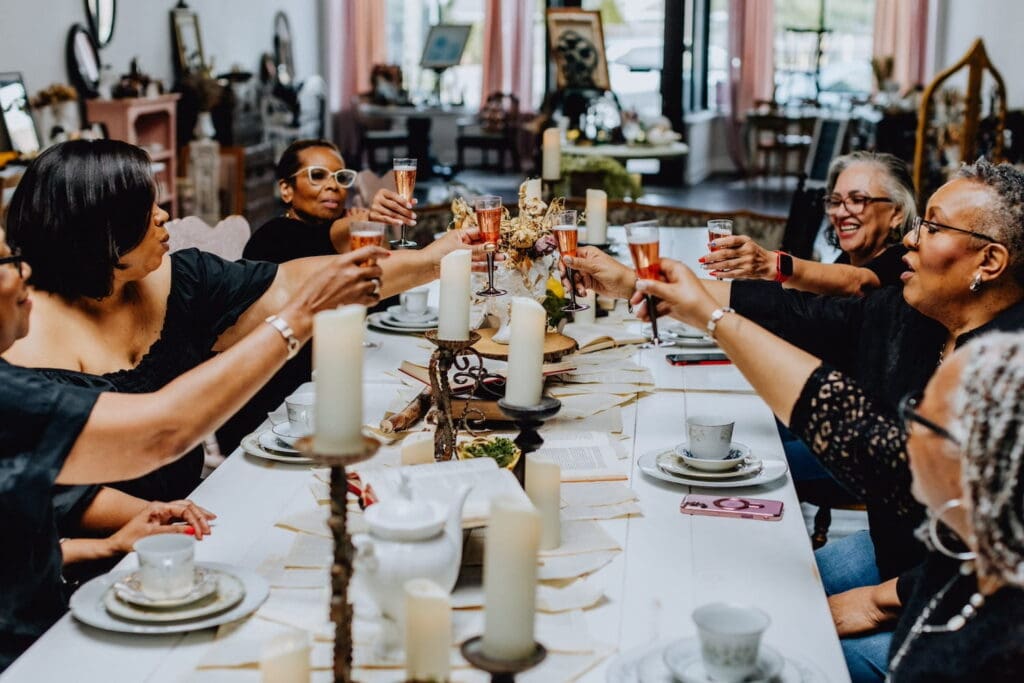
Food and drinks are often the most memorable parts of a bachelorette party because they shape both mood and pacing. The goal is to choose options that fit your timeline, your venue layout, and your budget, while still feeling fun and special.
These approaches work particularly well for local Michigan events, where you have a defined window and want food and drinks to support the flow instead of disrupting it.
Choose a serving style that matches the space
Serving style should reflect your venue layout. Buffet style works when you have a clear serving area and enough room for guests to circulate. Passed bites work well when you want people mingling and you have a vendor handling flow.
Family style can be charming, but requires table space and a seated plan. Grazing tables are popular because they feel abundant and photograph well, but they need temperature management. Match the style to the space so the food supports the vibe instead of becoming a logistical hurdle.
Hire a mixologist for a short, high-impact window
A mixologist is one of the fastest ways to elevate a bachelorette party without committing to a full bar setup. You can schedule a two-hour window for signature cocktails, then switch to self serve wine or canned options afterward.
This gives guests a memorable moment while keeping costs controlled. It also reduces chaos because one person is managing drinks and pacing. In Michigan, where local cocktail talent is strong in metros, this is an especially useful option.
Keep the menu easy to eat while socializing
Bachelorette parties are not seated dinners unless you design them that way. Choose foods guests can eat while standing, talking, and moving around.
Think small plates, sliders, skewers, or bite-sized desserts. Avoid messy items that require a full setup and constant napkins. A menu that fits the social nature of the party keeps energy high and cleanup manageable.
Plan hydration and nonalcoholic options with intention
Nonalcoholic options matter for inclusivity and pacing. Offer sparkling waters, mocktails, or a fun nonalcoholic punch so guests who are not drinking still feel included.
Hydration is also a safety and comfort issue, especially if your party includes dancing or summer heat. Build water stations into the layout so guests don’t have to hunt for drinks. When hydration is easy, the whole event feels better.
Build cleanup into the food plan
Food planning is also cleanup planning. Use compostable plates or rentals that match the vibe, and consider how trash will be handled.
If you’re hiring vendors, clarify what they clean up and what you handle. If you’re doing DIY catering, set up a cleanup station and assign one helper who is not the main host. When cleanup is planned, the end of the party stays calm.
Once food and drinks are covered, budgeting becomes the final lever. A strong budget plan helps you spend confidently and avoid awkward money moments with the group.
Budgeting and cost splitting without awkward group chats
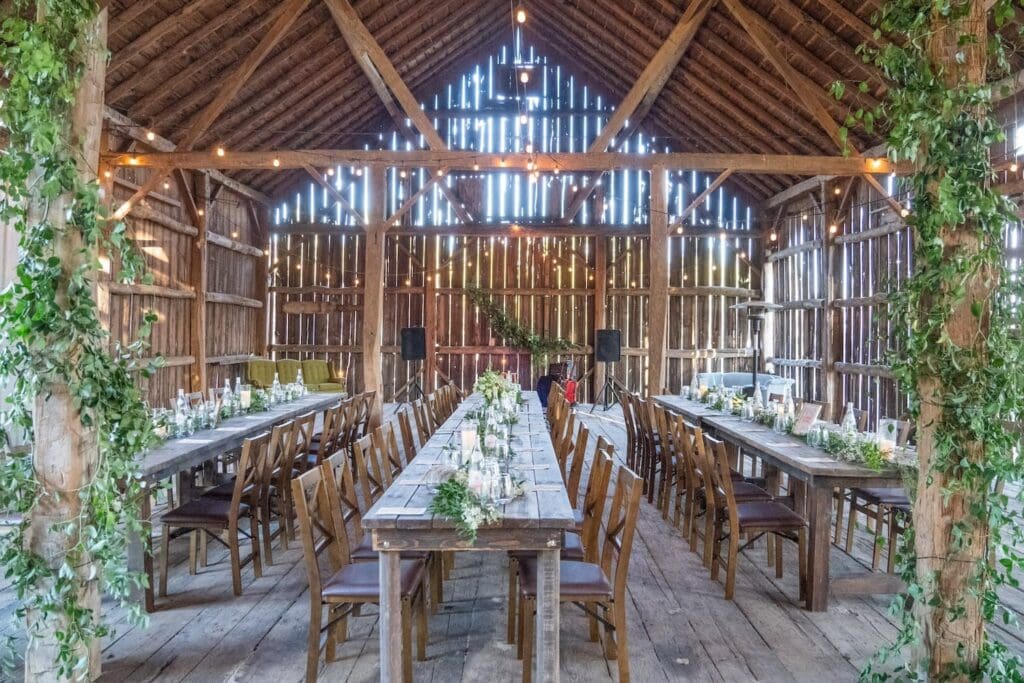
Budget strategy is where many bachelorette parties either feel easy or feel tense. A clear, transparent budget plan protects relationships and keeps planning efficient.
Start with a budget range, not a single number
People have different comfort levels. Start by proposing a range rather than a fixed number. For example, you might say the goal is to keep total cost per person within a certain range depending on final headcount. This invites honest feedback early. When the group aligns on a range, planning becomes faster.
Separate essentials from upgrades
Essentials might include the venue, basic food, and core drinks. Upgrades might include a mixologist, a photographer, or complex decor. When you separate these categories, you can offer choices. If the group wants to save, you can cut an upgrade without sacrificing the core experience. This keeps the budget flexible and reduces stress.
Use headcount as your primary budget lever
Headcount is the fastest way to manage budget. Every additional guest affects food, drinks, and space needs. If the budget feels tight, consider keeping the guest list smaller. A smaller group often feels more intimate and easier to manage. In local parties, smaller headcounts also help venues feel more comfortable.
Choose a cost split method that feels fair
Some groups split everything evenly. Others split essentials evenly and let individuals opt into upgrades. The key is clarity. Decide early and communicate it plainly. A fair system is one everyone understands before spending begins. When the method is clear, money conversations stop dominating planning.
Build a contingency line item
Unexpected costs happen. Add a small buffer to cover last-minute needs, such as extra ice, rideshares, or additional decor and supplies. A contingency line prevents awkward requests later. It also helps you stay calm on the day of the event. When the budget includes breathing room, the party feels more confident.
Peerspace: where the venue works with you, not against you
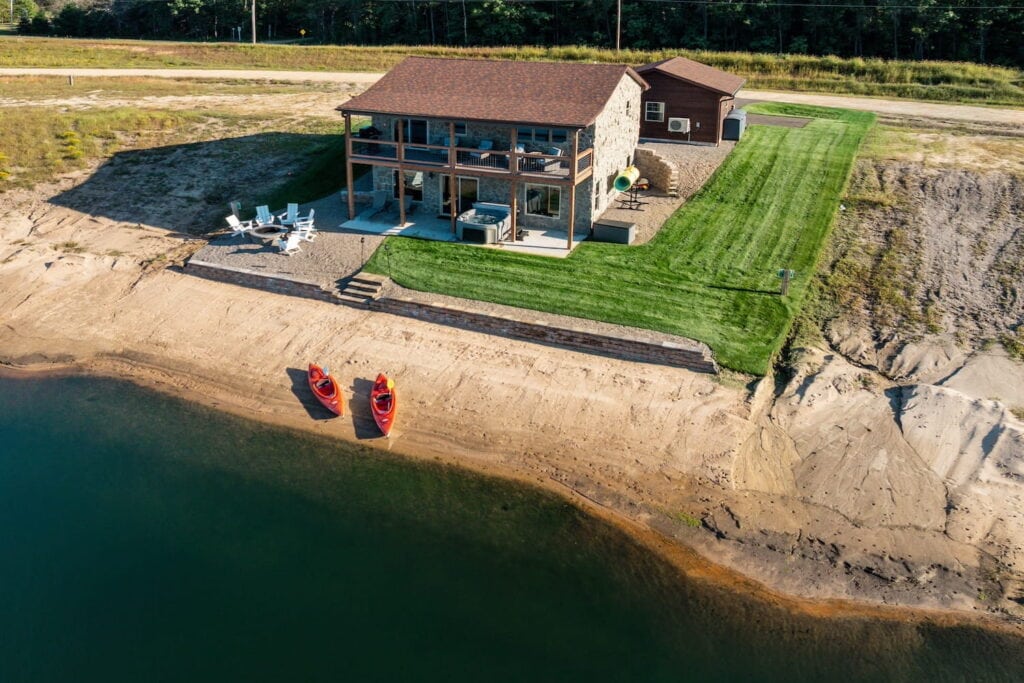
A bachelorette party does not need a far away destination to feel exciting. Michigan locals have the advantage of proximity, strong vendor talent, and a wide range of event spaces that make it easy to host something intentional in a few well-planned hours. If your group truly needs overnight accommodations, Airbnb can still be a practical choice, especially for destination-style weekends in Northern Michigan.
For local celebrations, though, the smoothest parties tend to come from choosing venues designed for gatherings, paying only for the time you need, and planning around flow, vendors, and guest comfort. When the space supports your timeline and your ideas, you spend less time troubleshooting and more time actually celebrating. That’s the whole point.
When you’re ready to plan a local bachelorette party around the experience instead of the overnight stay, Peerspace is the best place to explore Michigan bachelorette venues built for celebrating.
In this article
- Why Airbnb feels easy until you try to throw a real party
- Why Peerspace works better for celebrations
- Michigan regions that match different bachelorette vibes
- How the venue type changes the way your party feels
- How to plan a party timeline that actually flows
- Food and drink planning that feels elevated, not chaotic
- Budgeting and cost splitting without awkward group chats
- Peerspace: where the venue works with you, not against you
In this article
- Why Airbnb feels easy until you try to throw a real party
- Why Peerspace works better for celebrations
- Michigan regions that match different bachelorette vibes
- How the venue type changes the way your party feels
- How to plan a party timeline that actually flows
- Food and drink planning that feels elevated, not chaotic
- Budgeting and cost splitting without awkward group chats
- Peerspace: where the venue works with you, not against you
Get together somewhere better
Book thousands of unique spaces directly from local hosts.
Explore SpacesShare your space and start earning
Join thousands of hosts renting their space for meetings, events, and photo shoots.
List Your Space