What Is an All Inclusive Venue? How It Works and When to Book
-

Content Marketing Manager -

Client Services Leader
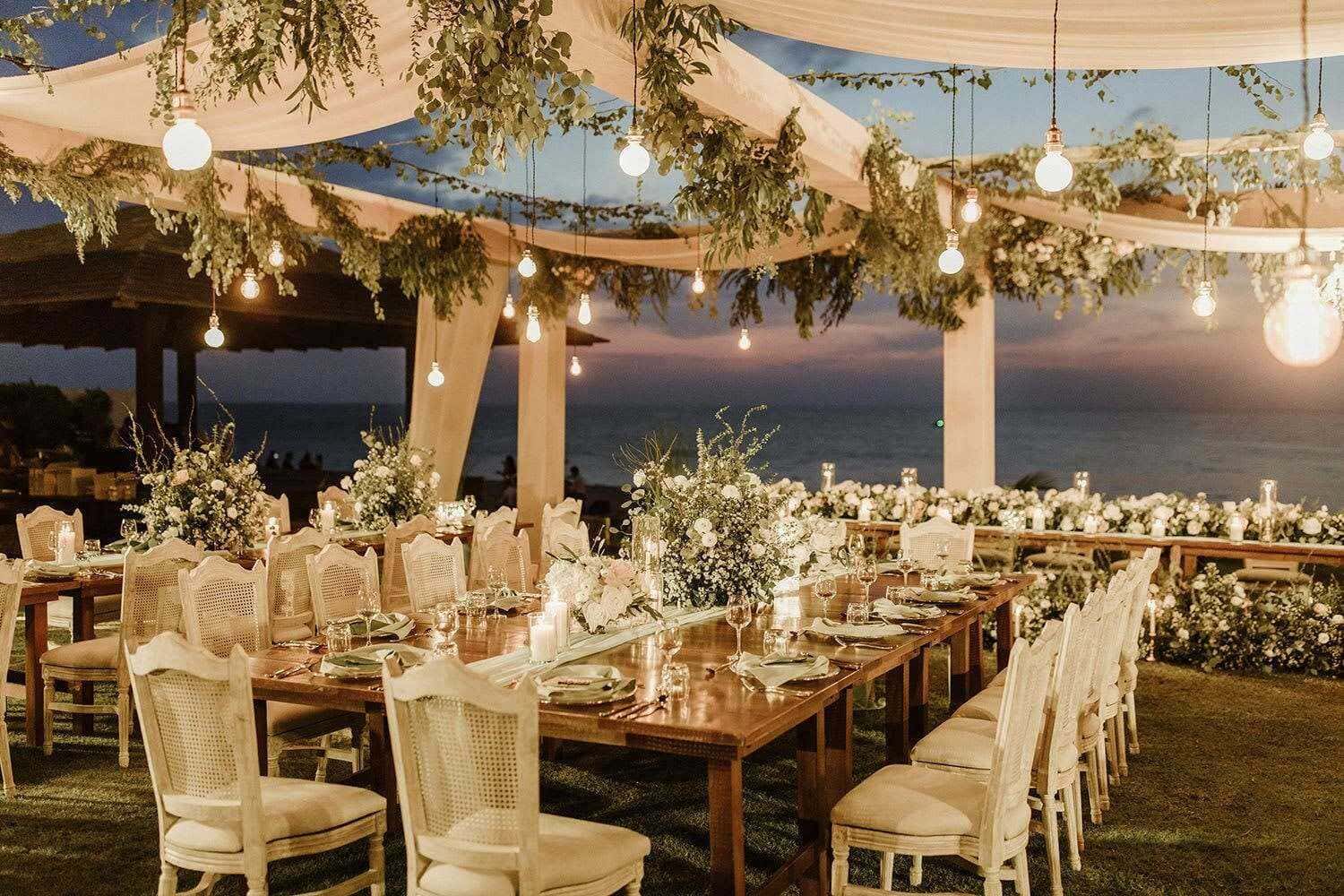
An all inclusive venue is a restaurant, bar, brewery, winery, lounge, or event venue that provides the space, food, drinks, and service for your event in a single booking. Instead of paying a rental fee and hiring a caterer, you typically agree to spend a minimum amount on the venue’s own food and drinks.
With an all inclusive venue, the room, the menu, the bar, and the people pouring the drinks come from one place, so planning centers on the experience instead of a list of vendors.
What is an all inclusive venue?
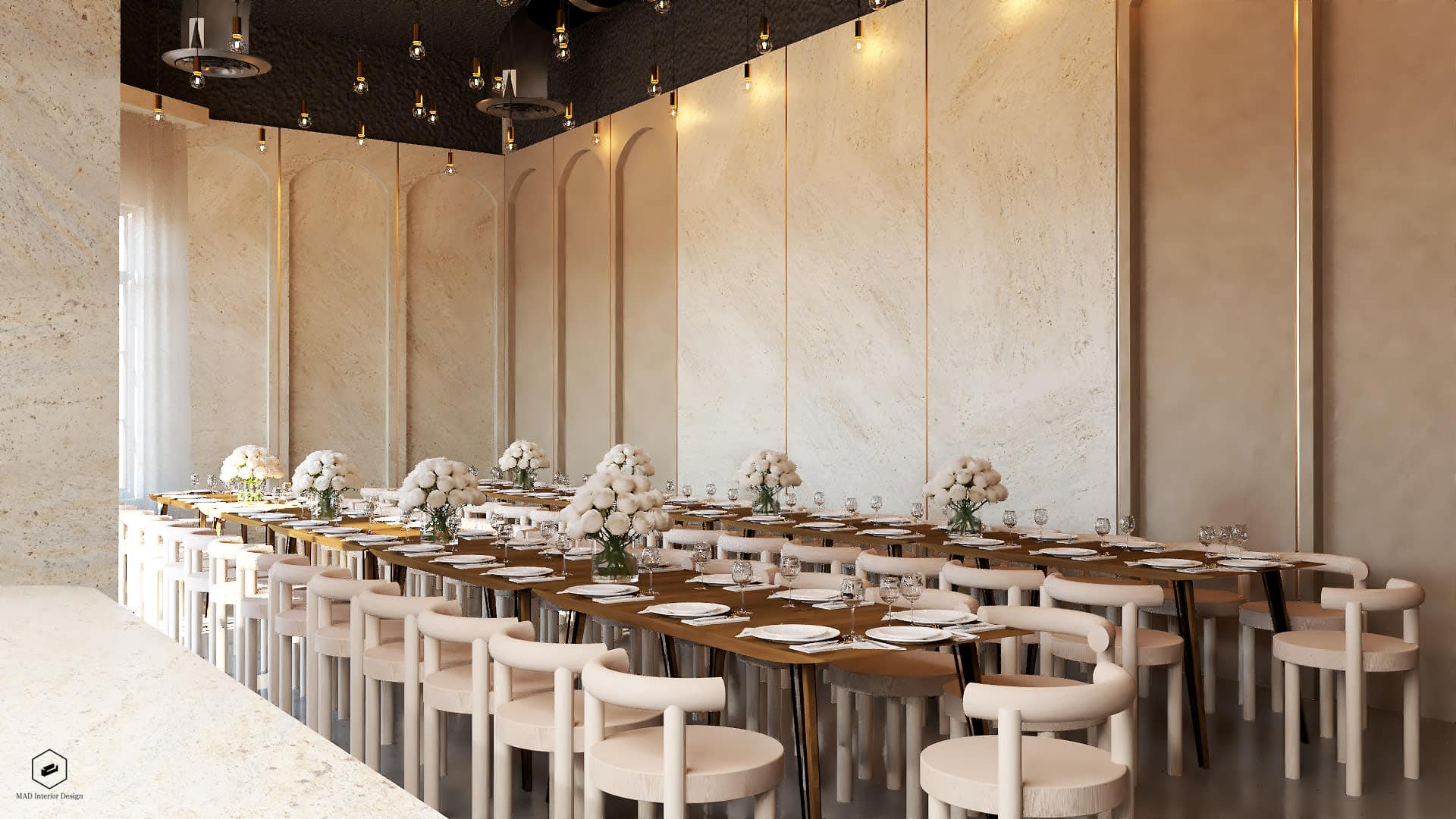
An all inclusive venue is an event space that serves its own food and drinks at your event. The venue supplies the room, prepares the menu, runs the bar, and staffs the service. In return, your group commits to a minimum spend, the amount you agree to spend on food and drinks during the event.
That’s the key difference from a traditional venue rental, where you pay for an empty space and then bring in a caterer, bartenders, rentals, and anything else the night needs.
Rony Chammas, co-founder and chief growth officer at Peerspace, explains why Peerspace built its All Inclusive Venues offering:
“We wanted to take the guesswork out of party planning. No more juggling five vendors and not knowing what the night will ultimately cost.”
— -Rony Chammas, Co-Founder and Chief Growth Officer at Peerspace
Common types of all inclusive venues include:
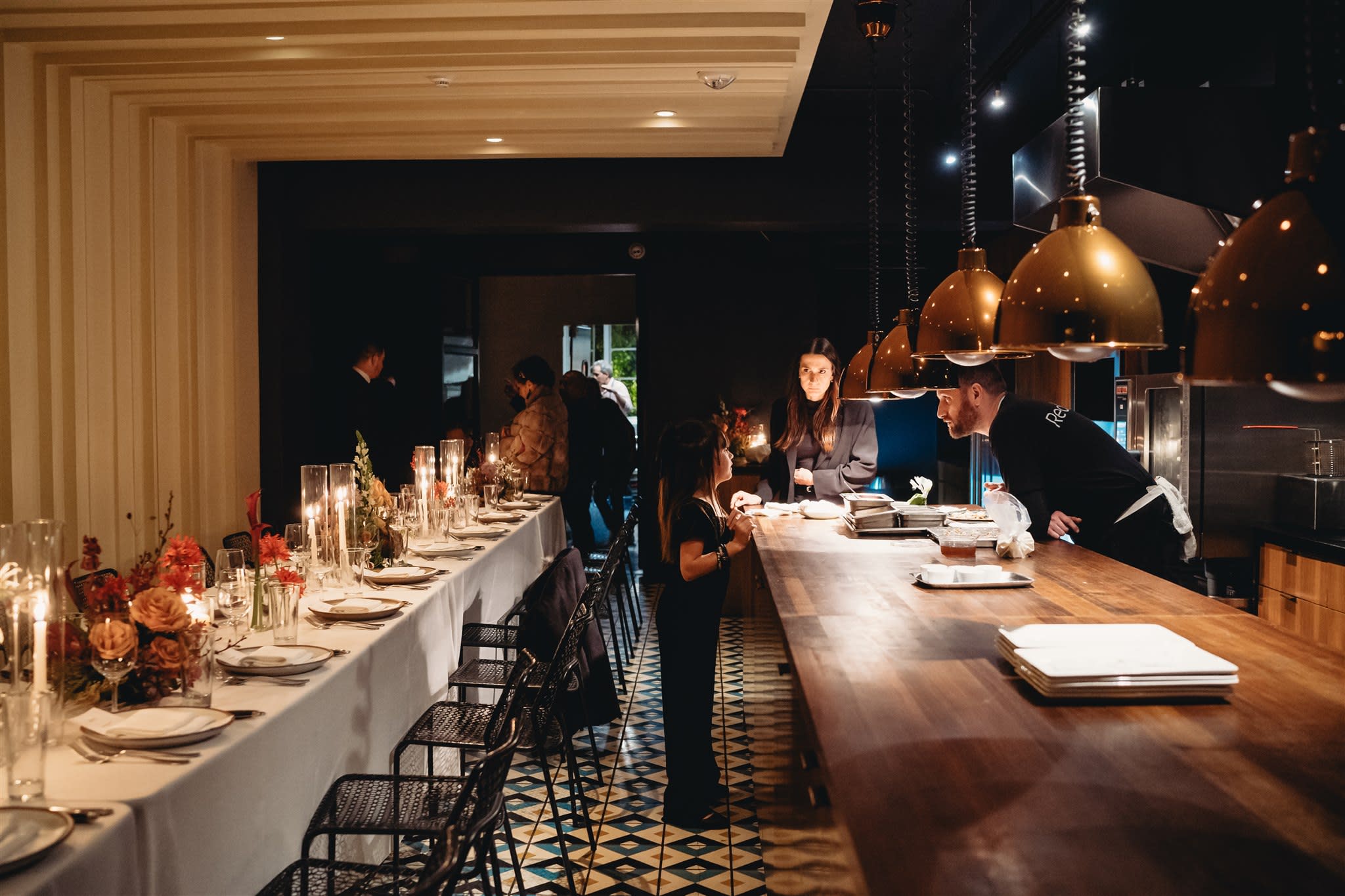
- Restaurants with private dining rooms, semi-private sections, or full buyouts
- Bars and lounges with reserved areas or party rooms
- Breweries and wineries with tasting rooms or event spaces
- Event venues with in-house catering and bar service

What’s included when you book all inclusive?
The details vary by venue, so the listing and your conversation with the venue are where you’ll confirm exactly what’s covered.
Usually included:
- The space: a private room, semi-private area, or the full venue, depending on what you book
- Food and drinks: prepared and served by the venue, often as set menus or per-person packages
- Service: servers and bartenders from the venue’s own team
- Furniture: the tables and seating that come with the room
Often available as add-ons: AV equipment, additional staff, security, and premium bar packages.
Usually extra: tax, gratuity, and service charges. The venue sets these, and they’re often added on top of the minimum spend.

How does pricing work?
Most all inclusive venues price events with a minimum spend rather than a flat rental fee. You agree to spend at least a set amount on food and drinks, and anything your group orders counts toward it. If you spend less, you typically pay the difference. On Peerspace, the median minimum spend for All Inclusive Venues is $2,000, and nearly 40% of venues set theirs under $1,500.*
The number reflects what it costs the venue to host you. As Matthew Murray, senior operations manager of Metro Development at Peerspace, puts it, “Any traditional restaurant knows the cost of goods plus the staffing it needs to cover to make an event worth its while.”
On Peerspace, all inclusive venues use one of two booking types, shown on each listing:
- Space Rental + Minimum Spend: You pay a space rental fee on Peerspace to reserve the room, then pay the full minimum spend at the venue.
- Minimum Spend Only: You pay a reservation fee on Peerspace, and the venue credits it toward your final bill. For example, with a $2,000 minimum spend and a $300 reservation fee, you’d pay $1,700 at the venue.
For a deeper look at what counts toward a minimum and what happens if you fall short, see our guide to how food and beverage minimums work.
All inclusive vs. space rental and caterer
An all inclusive venue trades some menu flexibility for simplicity: one booking, one team, and one bill for food and drinks. A blank event space gives you full control over the food, but you’ll coordinate the caterer, bar, staff, and rentals yourself.
“With a DIY space, you’re just getting the space, and then you decide on the food yourself” says Brittney Whittington, a market lead at Peerspace.
An all inclusive venue is often the better fit when:
- You want food, drinks, and service handled by one team
- You’d like a clearer picture of the total cost before the event
- The restaurant’s food, wine list, or atmosphere is part of the draw
- You’re short on planning time
A blank space plus a caterer may be the better fit when:
- You have a specific caterer, cuisine, or food truck in mind
- You want to supply your own alcohol (where permitted)
- Your event needs a long setup window or a heavily customized layout
Still weighing the two? Our guide to choosing a private dining room vs. an event space walks through the trade-offs in more detail.

What events is all inclusive good for?
All inclusive venues work well for gatherings where food and drink are central to the experience, from intimate dinners to full-venue celebrations.
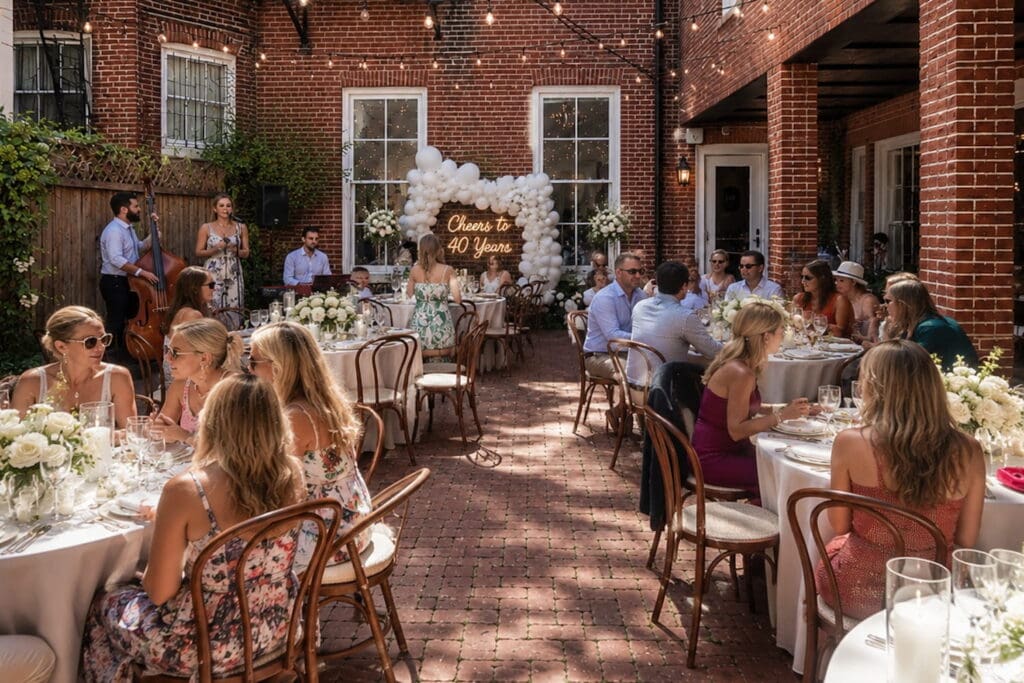
On Peerspace, birthdays are the most common reason people book an all inclusive venue, at about half of accepted bookings.* Get-togethers, holiday parties and other parties make up about a quarter, and larger events like formal and community events about 16%. The median group size is 50 guests.
- Social celebrations: milestone birthdays, anniversaries, engagement parties, and showers
- Wedding events: rehearsal dinners, welcome parties, micro weddings, and receptions
- Corporate gatherings: team dinners, client dinners, holiday parties, and offsites
Corporate planners in particular tend to value the simplicity. “They usually arrive with firm constraints, like a specific neighborhood or a short commute for the team, and they want options that fit those rather than a long list,” says Erica Wade, a sales manager at Peerspace. She adds that clear payment options matter too, since many planners book on a company card and need to expense the event.
Can a restaurant host all wedding events in the same space?
Yes, many restaurants can host a ceremony, dinner, and reception in one space, especially with a full buyout or a large private room. The catch is the flip: the time it takes staff to turn ceremony seating into dinner tables, then clear space for dancing.
A same-space wedding keeps guests in one place and can simplify the timeline, but it works best when you plan each transition with the venue. Before you book, ask:
- How long does the flip take, and where do guests wait while it happens?
- Is there room for a dance floor once tables are set, or will some tables need to move?
- Can the venue accommodate a DJ, band, or amplified music, and is there a sound or time cutoff?
- Does the ceremony time count toward your booked hours and minimum spend?
- Is a full buyout required for a ceremony, or can a private room work?
For smaller weddings, a restaurant’s private dining room can feel intimate without the scale of a traditional wedding venue. Keep in mind that private rooms often carry minimums based on the room’s capacity, not your guest count, so ask how the minimum compares to your expected headcount.
Pros and cons to consider
All inclusive venues simplify planning and pricing, but they come with less control over the menu and vendors.
Pros:
- One booking covers the space, food, drinks, and service
- Clearer costs up front, with the minimum spend known before you commit
- Experienced staff who know the space and run events regularly
- Built-in atmosphere, since many venues are designed for dining and drinks
Cons:
- Less flexibility on menu and vendors; most venues don’t allow outside caterers or alcohol
- Minimums can feel steep for small groups, especially in private rooms
- Tax, gratuity, and service charges usually add to the total
- Set end times, since restaurants and bars often have regular service to return to
How to find and book one on Peerspace
Search for your city and event type on Peerspace, then turn on the Food & Drink Included filter. Each listing shows the minimum spend, booking type, menus and packages, and any venue requirements, so you can compare options before you reach out.
From there, you can book in one of three ways, depending on the listing:
- Instant Book: Reserve right away on eligible listings.
- Booking request: Send your date, time, and details for the venue to accept.
- Custom offer: Message or tour the venue, and it sends you an offer tailored to your event.
Learn more about how to book an All Inclusive Venue on Peerspace.
Pro tip: Keep messages and payments for your reservation on the platform. That’s what keeps your booking protected if plans change. For everything else to confirm before your event, see our questions to ask before booking a restaurant private room.
All inclusive venue FAQs
Are tax and gratuity included?
Usually not. The venue sets and collects tax, gratuity, and service charges, and they’re often added on top of the minimum spend. Confirm the rates, and whether they count toward the minimum, before your event.
Can I bring my own cake or alcohol?
Most all inclusive venues don’t allow outside food, alcohol, or caterers. Some make an exception for a celebration cake, sometimes for a fee. Check the listing’s rules and get any exception confirmed in writing.
Does all inclusive mean an open bar?
Not necessarily. “All inclusive” means the venue provides the food and drinks, not that drinks are unlimited. Bar setups vary and may include an open bar, a hosted tab, or a cash bar. Learn more in our guide to open bars, hosted bars, and cash bars.
*Based on Peerspace booking and listing data for All Inclusive Venues as of November 2026.
In this article
- What is an all inclusive venue?
- What’s included when you book all inclusive?
- How does pricing work?
- All inclusive vs. space rental and caterer
- What events is all inclusive good for?
- Can a restaurant host all wedding events in the same space?
- Pros and cons to consider
- How to find and book one on Peerspace
- All inclusive venue FAQs
Get together somewhere better
Book thousands of unique spaces directly from local hosts.
Explore SpacesShare your space and start earning
Join thousands of hosts renting their space for meetings, events, and photo shoots.
List Your Space