Buyout vs. Private Room vs. Semi-Private Room: Which Do You Need?
-

Content Marketing Manager -

Client Services Leader
Source: Peerspace
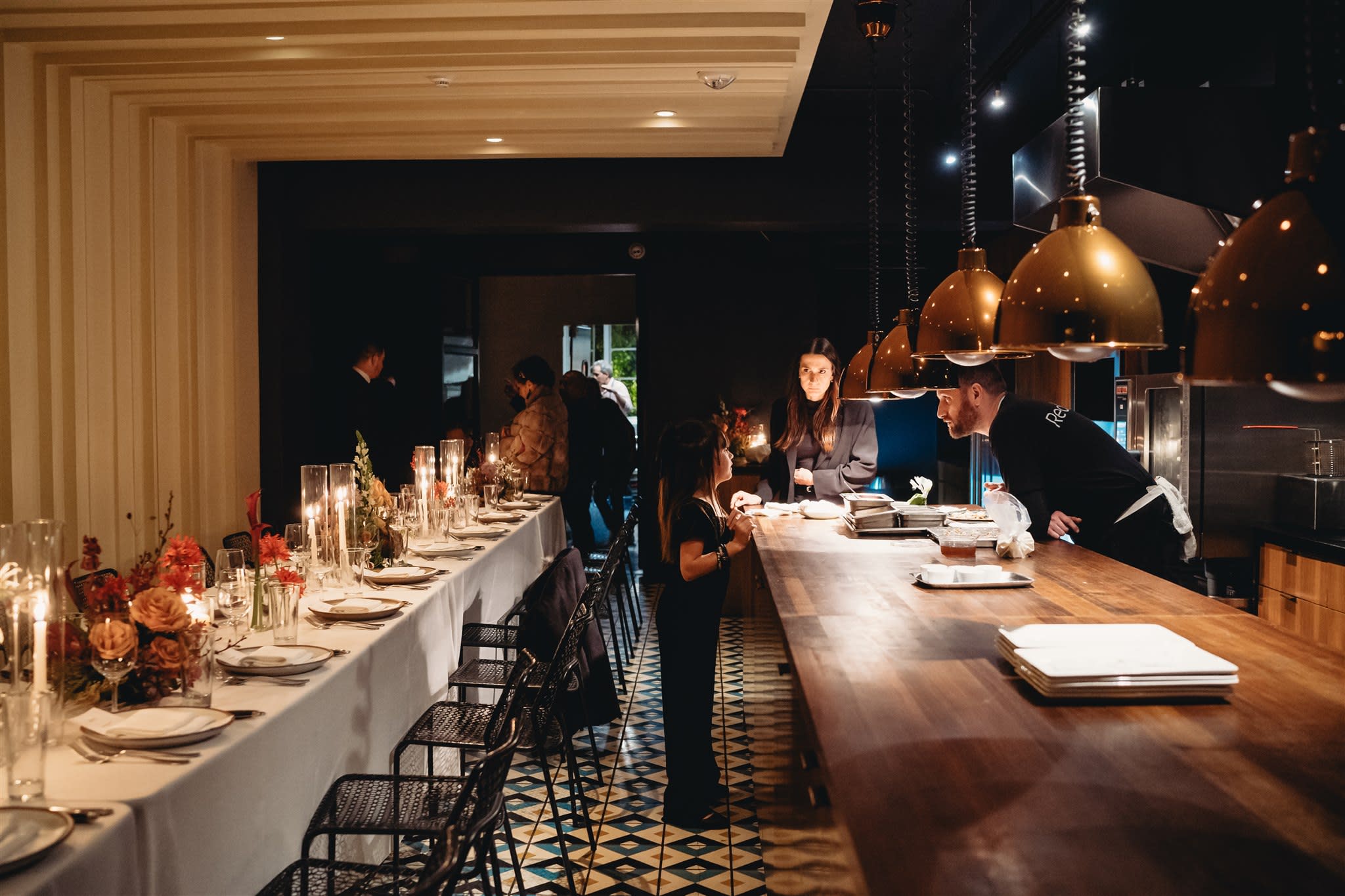
A buyout reserves an entire restaurant or bar for your group. A private room is an enclosed space within the venue, usually with walls and a door. A semi-private section is partly separated from other diners by a partition or curtain. Buyouts offer the most privacy at the highest cost; semi-private spaces cost the least.
The right choice comes down to three things: how private the event needs to feel, how many people you’re bringing, and what you want to spend. Here’s how each option works and when it makes sense.
What’s the difference?
The difference is how much of the venue your group has to itself. A buyout gives you the whole venue, a private room gives you one enclosed space, and a semi-private area gives you a reserved section that’s still connected to the rest of the restaurant or bar.
Full buyout
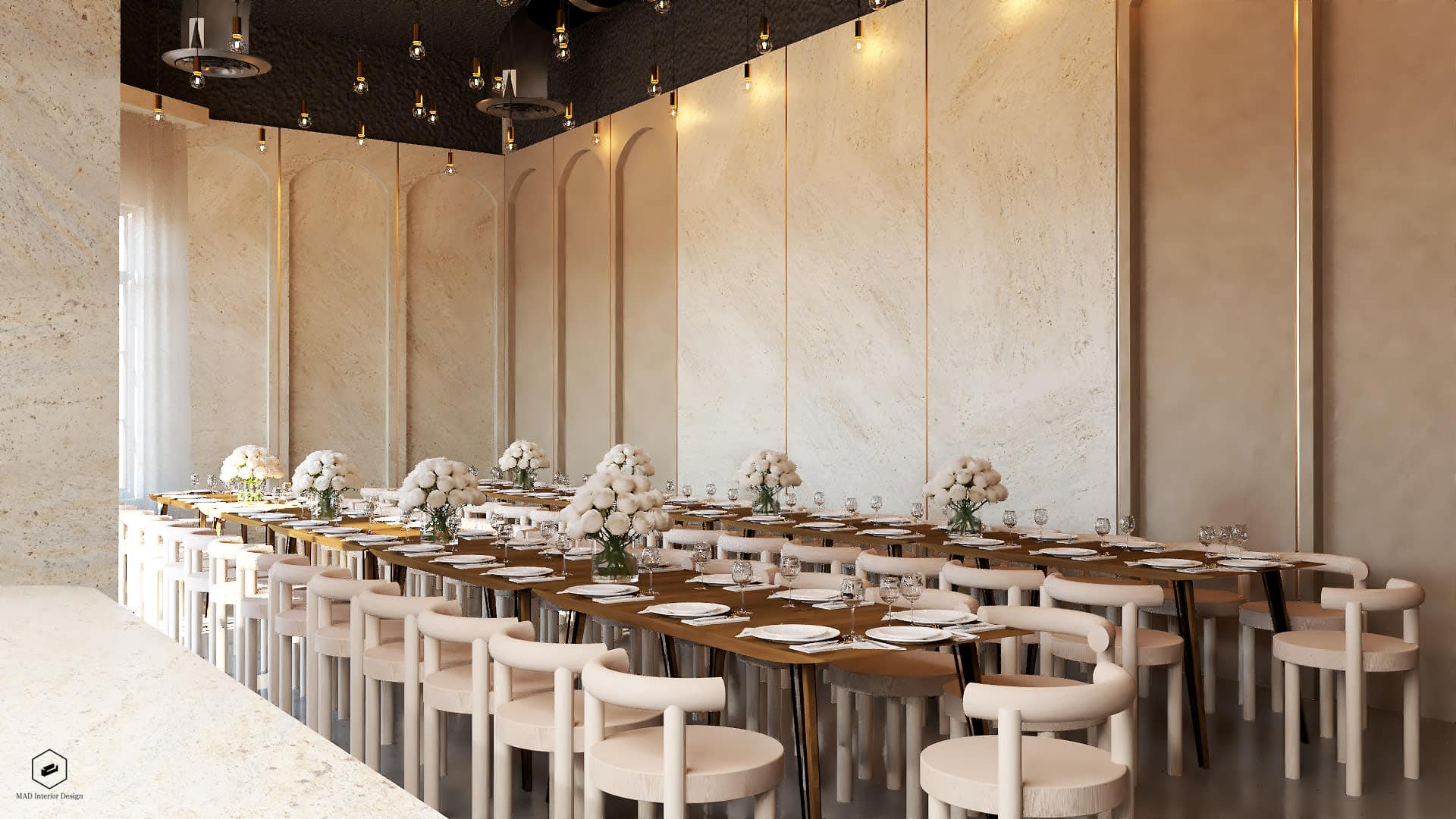
A full buyout, also called a restaurant buyout or venue buyout, closes the venue to the public for your event. No other diners are present, so you have the room, the bar, and the staff’s full attention.
- Privacy: Complete. Only your guests are there.
- Control: The most say over layout, music, decor, and timeline.
- Best for: Weddings, large milestone parties, company holiday parties, and any event that needs space to dance or move around.
- Cost: The highest food and beverage minimum, since the venue gives up a full night of regular business.
Private room
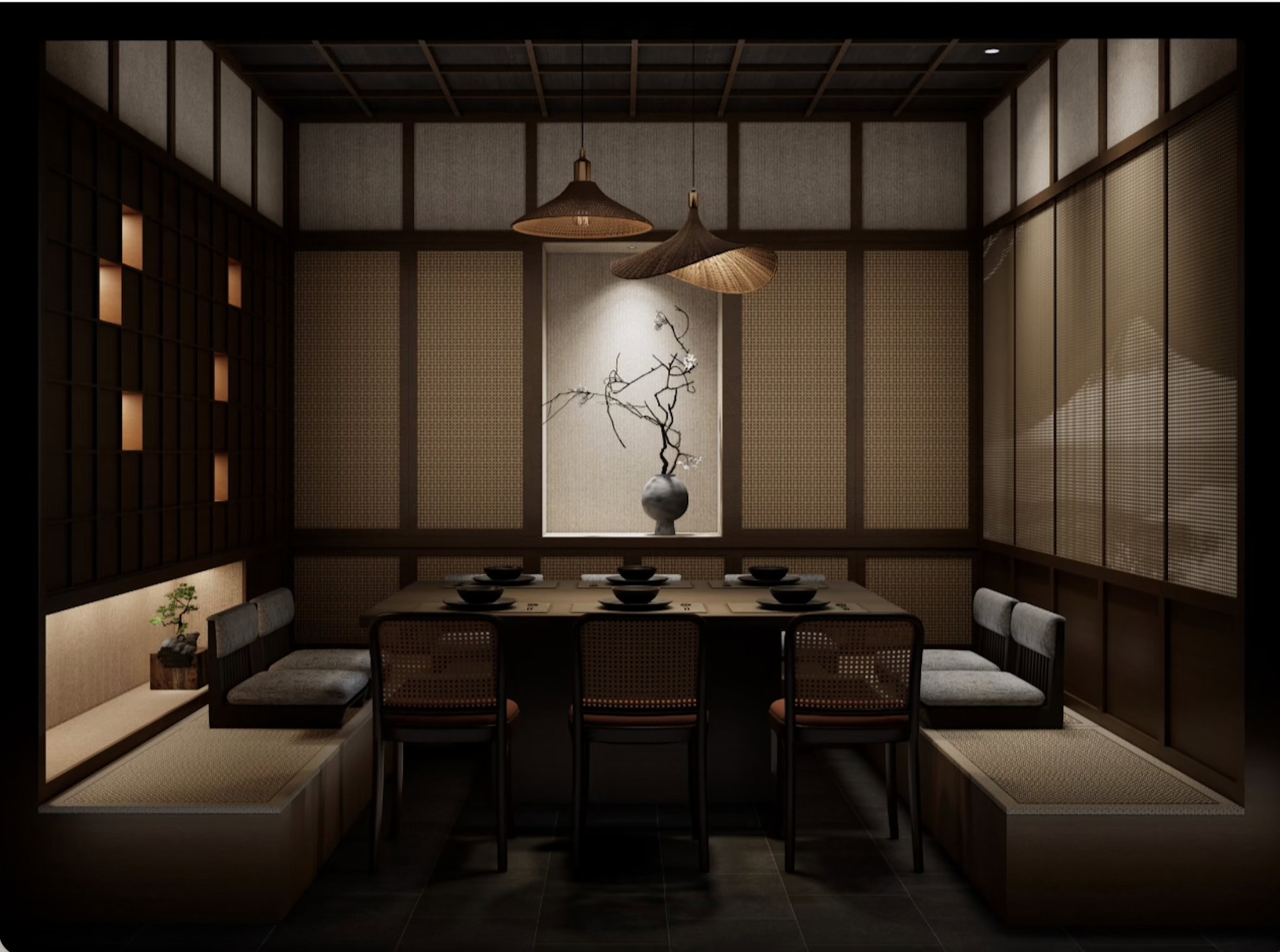
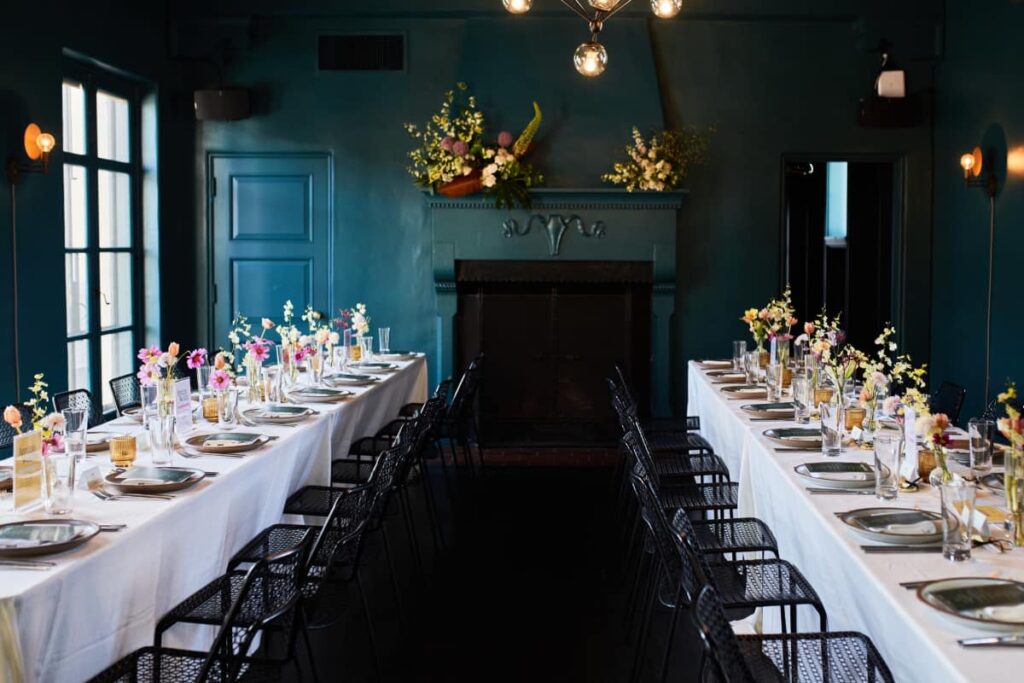
A private room, often called a private dining room or PDR, is an enclosed space inside a restaurant or bar. It usually has walls and a door, so your group is out of sight of other diners while the rest of the venue stays open.
- Privacy: High. Expect visual separation and less noise, though sound can still carry depending on the room.
- Control: Moderate. The layout is often set for seated dining, with limited room for changes.
- Best for: Rehearsal dinners, showers, milestone birthday dinners, client dinners, and team dinners.
- Cost: Lower than a buyout, with a minimum usually based on the room’s capacity.
Semi-private room or section
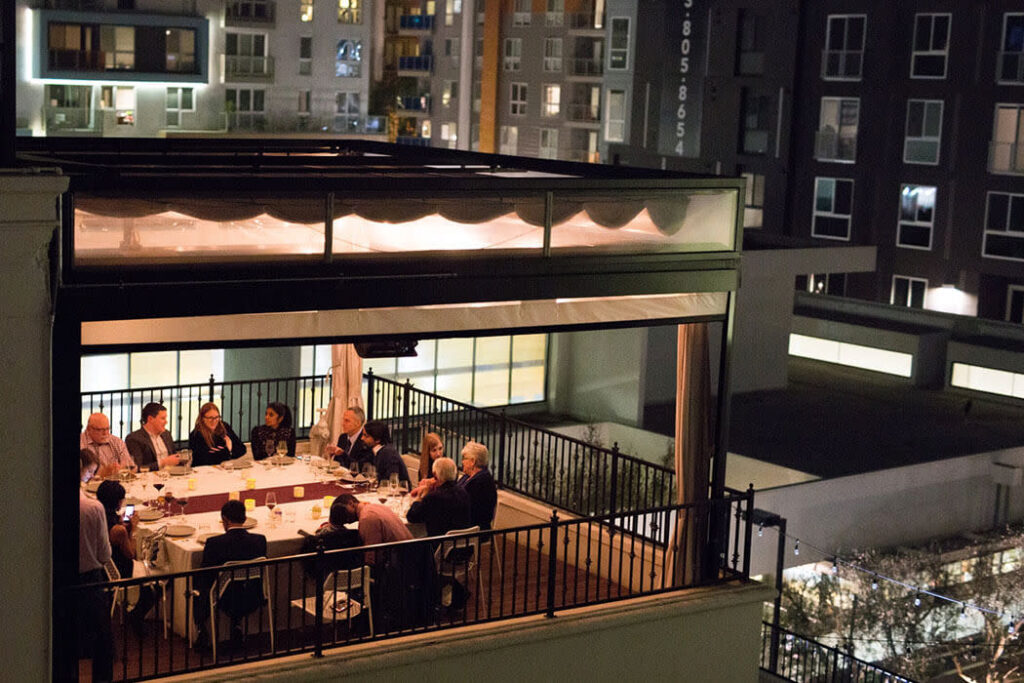
A semi-private room or section is a reserved area that’s partly separated from the main dining room or bar. The separation might be a partition, curtain, half wall, raised platform, or simply a corner of the venue set aside for your group.
- Privacy: Partial. Other guests may see or hear your group, and some may pass nearby.
- Control: Limited. You’re sharing the venue’s music, lighting, and atmosphere.
- Best for: Casual birthday parties, happy hours, after-work drinks, and gatherings where a lively room adds to the energy.
- Cost: Usually the most affordable option, with lower minimums and often more flexibility.

Is a private dining room cheaper than renting an entire restaurant?
Yes. A private dining room is almost always cheaper than a full buyout, because the venue keeps serving other guests while you have the room. A buyout’s minimum is based on what the venue would normally earn from the whole night, which is why buyouts often cost much more than people expect, especially on weekends and in December.
Venues know this, and many will point you toward a smaller option if a buyout doesn’t fit your budget. “If a guest inquires about a full buyout and it’s too expensive, the venue will often suggest a reserved area or a private room instead,” says Brittney Whittington, a market lead at Peerspace.
A buyout can still make sense when:
- Your guest count is larger than any private room at the venue
- You need open space for dancing, a band, or mingling
- The event runs on its own timeline, such as a ceremony followed by dinner and a reception
To see why buyout minimums run so high, read our guide to how food and beverage minimums work.
Which one should you book?
Book a private room when your event needs quiet and focus, like speeches, toasts, or a sit-down dinner. Reserve a semi-private section when the event is more casual and a lively atmosphere is part of the fun.
Matthew Murray, senior operations manager of Metro Development at Peerspace, sees the same split by occasion:
“Birthday parties and casual gatherings are usually fine with semi-private. But for something more intimate, like a baby shower or a rehearsal dinner, guests are going to want a private space.”
— -Matthew Murray, Senior Operations Manager of Metro Development at Peerspace
Your budget and headcount matter just as much. “It depends on the budget,” Whittington says. “If a guest is bringing 20 people and working with a certain budget, the venue might say, ‘This space is actually a better fit for you.'”
For context, on Peerspace, the median group booking an All Inclusive Venue is 50 guests, and about two-thirds of groups bring 30 to 80 people.* Only about 20% bring 80 or more, the size where a full buyout or large event room often comes into play. Birthdays alone make up about half of these bookings.
There’s also a trade-off in flexibility. “Semi-private spaces can be more lenient, but private rooms are strict,” Murray says. “If a venue books out a room, it has to staff it, and it needs to know the full food order ahead of time.”
A semi-private section is often the better fit when:
- Your group is mingling more than sitting down to a meal
- Your headcount may shift right up until the event
- You’d like a lower minimum and more flexible ordering
A private room is often the better fit when:
- You’re planning speeches, a toast, or a presentation
- The occasion is personal, like a shower, anniversary, or rehearsal dinner
- You want a set menu and table service for a seated group
A full buyout is often the better fit when:
- Your group is too large for the venue’s private rooms
- You want full control over music, decor, and the room layout
For a very small group, even a private room’s minimum can feel steep. A large reservation in the main dining room may be the more practical choice if privacy isn’t essential.
Is semi-private okay for speeches and celebrations?
Sometimes. A semi-private space works well for a quick toast or a birthday song, but it’s not ideal for longer speeches or emotional moments. Other diners may hear you, and the venue’s music and chatter can make it hard for your guests to hear the speaker.
Before booking a semi-private area for an event with speeches, ask the venue:
- What separates the space? A full partition blocks more sound than a curtain or open corner.
- Will other guests walk through? Some sections sit along the path to restrooms or the bar.
- Can the music be lowered in your area during speeches?
- Is a microphone or speaker available, and is there an extra cost?
- Can you see photos of the space during service, or visit at a similar time?
If speeches are central to the event, a private room is the safer choice.
What can a restaurant private room accommodate?
Some can, but most can’t. Private dining rooms are usually set up for seated meals, and once tables and chairs are in place, there’s little open floor left. If dancing or live entertainment is a priority, a full buyout or a larger event room is usually a better fit.
Advertised capacity can also be misleading. A room listed for 30 seated guests can feel tight once you add a cake table, gifts, and a DJ setup, so ask about comfortable capacity for the event you have in mind.
Questions to ask the venue:
- Is there space for a dance floor, or would tables need to be removed?
- Are DJs, bands, or amplified music allowed in the room?
- Is there a sound limit or cutoff time because of neighbors or other diners?
- Can entertainers access power, load in, and set up early?
- Does the venue charge extra for entertainment, AV, or additional staff?
Planning a wedding at a restaurant? Our guide to all inclusive venues covers how to plan a ceremony, dinner, and reception in the same space.
What’s included when you book a restaurant for a private event?
Most restaurant private events include the space, food and drinks from the venue’s menu or packages, service staff, and the tables and seating already in the room. What you get depends on whether you book a buyout, a private room, or a semi-private section.
- Full buyout: The entire venue, including the main bar, plus the most flexibility on layout, music, and decor.
- Private room: An enclosed room with staff assigned to your group and a menu planned ahead of time.
- Semi-private section: A reserved area of the main room, often with more flexible ordering.
Tax, gratuity, and service charges are typically added on top, and extras like AV or added staff may cost more. For a full breakdown, see what’s included at an all inclusive venue.
Can you bring your own cake, alcohol, or outside food to a private event?
You can often bring a celebration cake, but outside alcohol and food are usually not allowed. Restaurants and bars earn their revenue from food and drinks, so most require you to use their kitchen and bar.
Check the venue’s rules before you buy anything, and confirm any exception in writing. If you’d rather choose your own caterer, a blank event space may be a better fit. See our guide to private dining rooms vs. event spaces.
How to compare private event spaces on Peerspace
On Peerspace, venues that serve their own food and drinks list as All Inclusive Venues, and each room or space is listed with its own minimum spend. That makes it easier to compare a private room, a reserved section, and a full buyout at the same venue, or across several venues, before you reach out.
Turn on the Food & Drink Included filter, then compare photos, capacity, minimums, and venue rules. If you’re unsure which space fits, message the host with your date, guest count, and the kind of event you’re planning. They can recommend the best option or send a custom offer.
Buyout and private room FAQs
What does PDR stand for?
PDR stands for private dining room, an enclosed room in a restaurant reserved for one group. It’s common hospitality shorthand you’ll see in venue listings and event menus.
Can you book a private room at a bar?
Yes. Many bars and lounges offer party rooms, reserved lounges, or semi-private areas for groups. Bars often set their minimums around drinks, so ask whether food counts toward the minimum.
Is a buyout the same as an exclusive-use booking?
Yes. Both terms mean your group has the entire venue, with no other guests present during your event.
In this article
- What’s the difference?
- Is a private dining room cheaper than renting an entire restaurant?
- Which one should you book?
- Is semi-private okay for speeches and celebrations?
- What can a restaurant private room accommodate?
- What’s included when you book a restaurant for a private event?
- Can you bring your own cake, alcohol, or outside food to a private event?
- How to compare private event spaces on Peerspace
- Buyout and private room FAQs