How & Where to Rent a Bar on Airbnb (2026)
-

Contributing Writer -

Lead Editor & Publisher
- January 15, 2026
- 18 min read
- Events
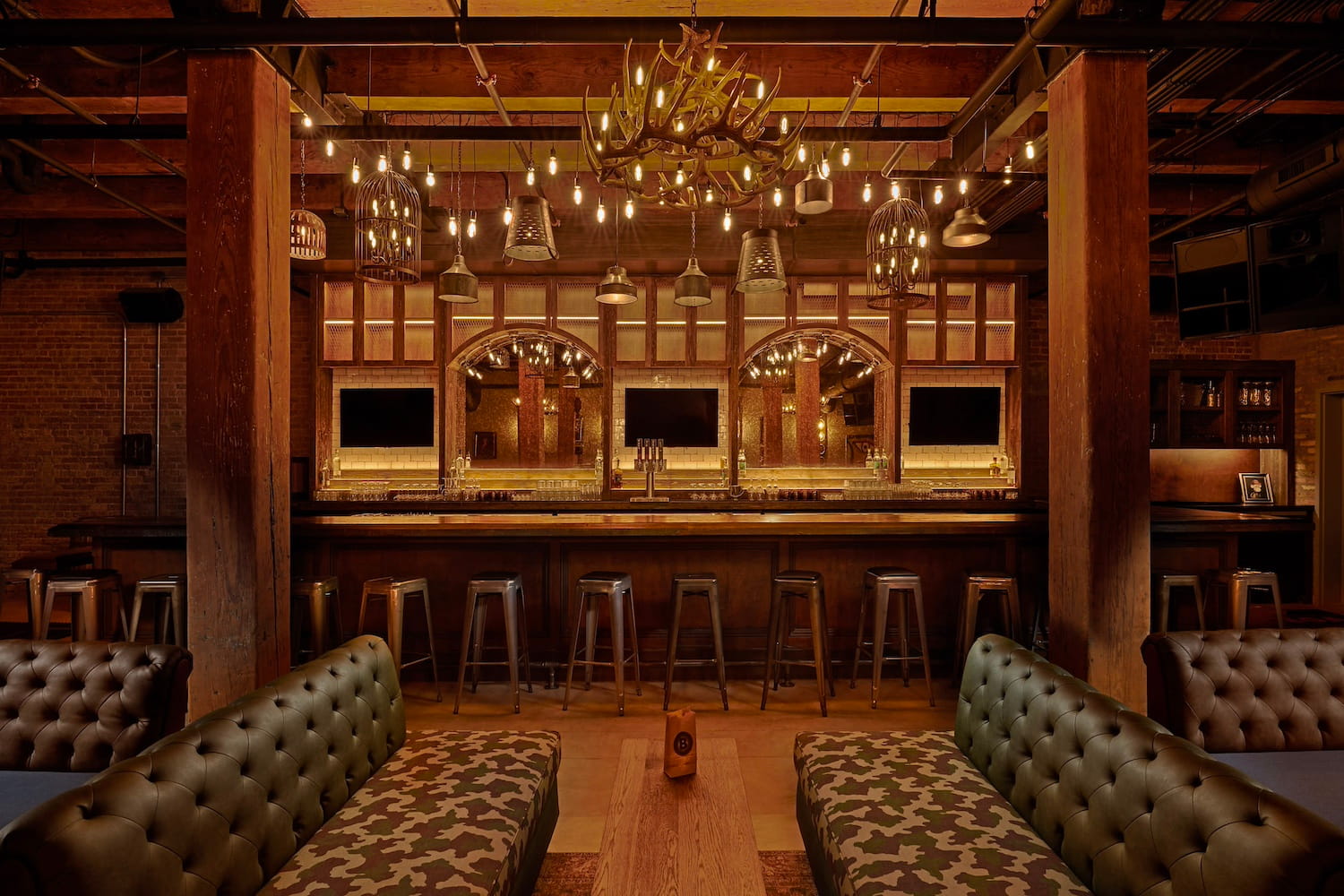
Source: Peerspace
Bar venues promise something many people crave when planning a celebration or social gathering: a relaxed setting that feels informal, customizable, and a little outside the box. It is easy to imagine transforming a stylish home or loft into a pop up bar for a birthday, engagement party, brand mixer, or milestone celebration.
What many planners do not realize until they are deep into logistics is how poorly most short term rentals are set up for events centered around food, drinks, vendors, and guest flow. Bar style events have very specific needs, from layout and timing to alcohol service and sound considerations. This guide breaks down where Airbnb setups tend to fall short, what works better instead, and how to plan a bar-style event that actually functions smoothly from start to finish.
Why Airbnb bar venues often create more friction than freedom
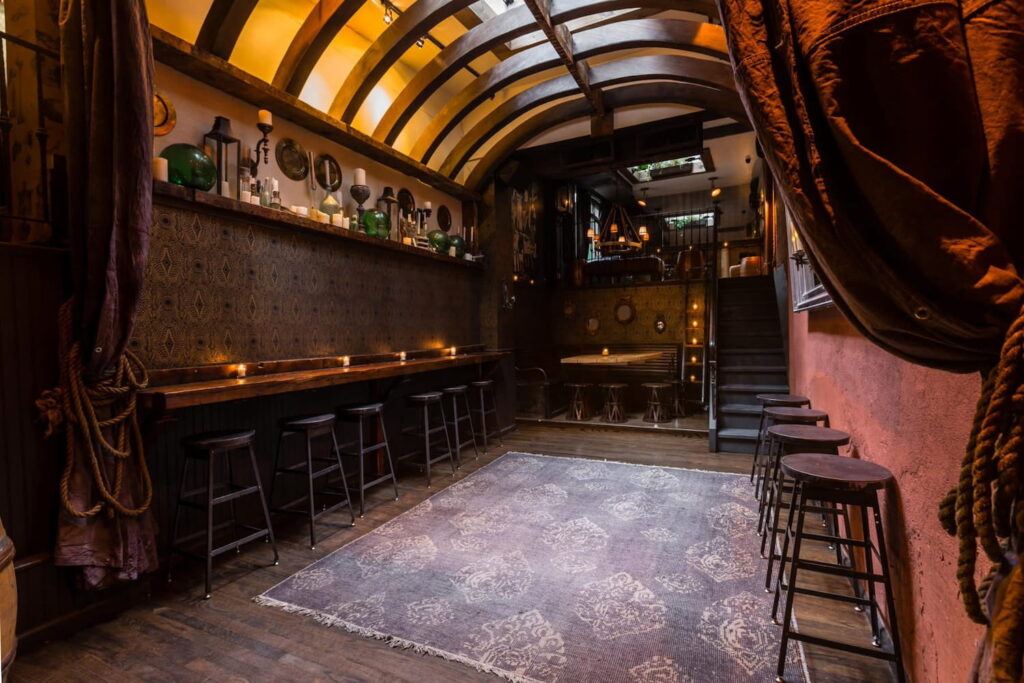
At a glance, using Airbnb to find a bar venue seems flexible. You see square footage, stylish interiors, and the illusion of control. Once planning moves beyond inspiration into execution, however, those same listings can introduce risks that are especially amplified when alcohol, vendors, and larger guest counts are involved.
This section looks at the most common challenges planners face when trying to use Airbnb for bar venues, and why those challenges tend to surface late in the process when changes are hardest to make.
Platform-wide event restrictions that add uncertainty
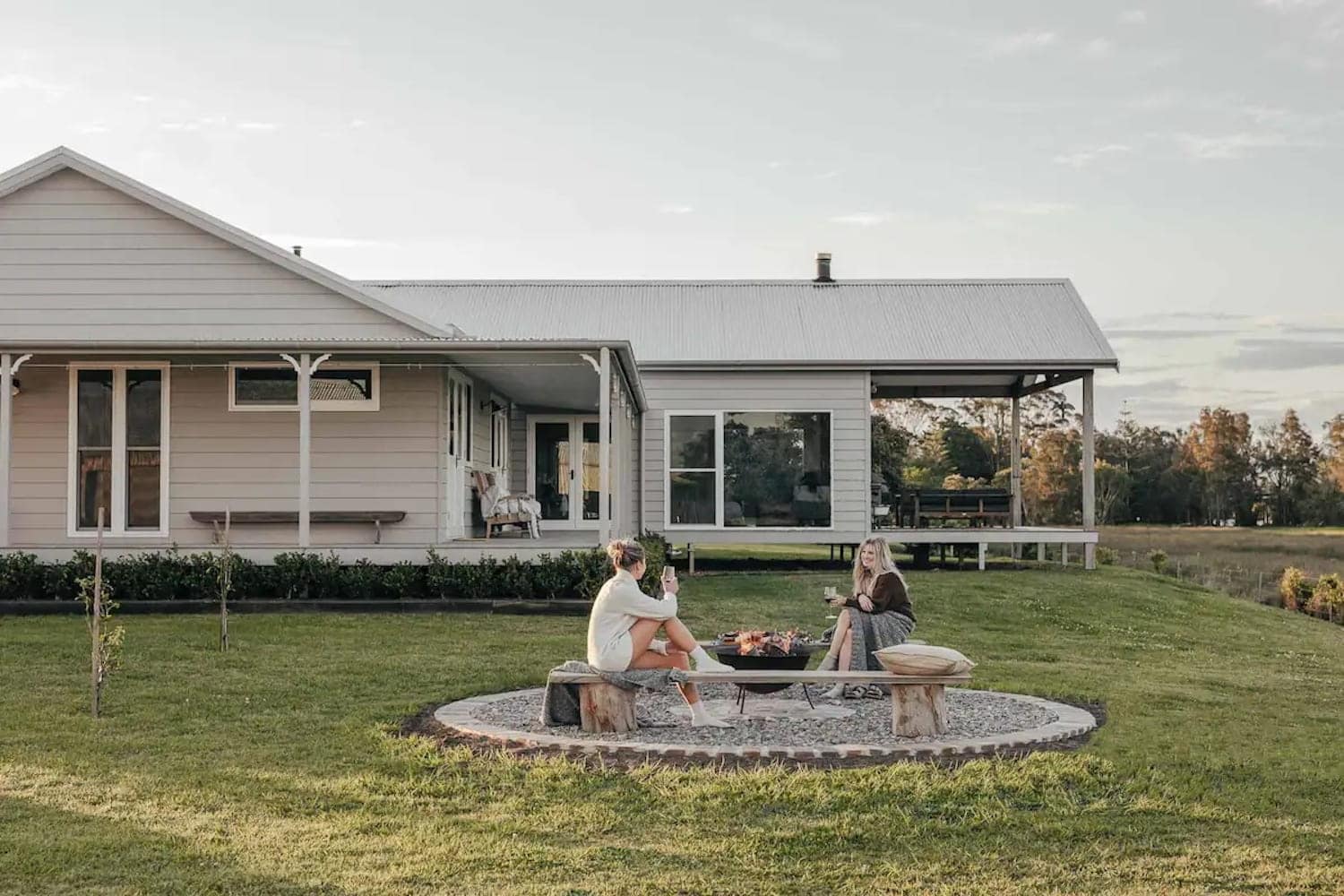
Airbnb enforces a global ban on parties and events. Even when individual hosts seem open to small gatherings, that platform-level policy still exists in the background. If a neighbor complains or activity draws attention, bookings can be canceled or shut down without warning.
For bar-style events, which naturally involve music, conversation, and people coming and going, this risk is not hypothetical. The uncertainty forces planners to understate their plans, avoid hiring visible vendors, or keep guest counts artificially low. That tension undermines the relaxed atmosphere people are trying to create.
Paying for nights when your event lasts a few hours
Most bar-style events follow a clear arc. There is setup, a defined event window, and teardown. Rarely does that require overnight use. Airbnb pricing, however, is built entirely around nights stayed, not hours used. This means you are often paying for bedrooms, bathrooms, and time blocks that never contribute to the actual experience.
For a four or five-hour cocktail party, this mismatch quickly inflates costs. Cleaning fees, service fees, and minimum night requirements stack on top of the nightly rate. That money could have been redirected toward better bar service, elevated glassware, or a professional bartender. Instead, it disappears into unused time.
Vendor and alcohol limitations that shrink your vision
Bar events rely on vendors. Bartenders, beverage caterers, ice deliveries, rental companies, and sometimes security are all part of a polished experience. Many Airbnb hosts prohibit outside vendors entirely or restrict alcohol service because of liability concerns.
Even when alcohol is allowed, hosts may ban amplified music, limit glassware use, or prohibit rearranging furniture. These rules often appear deep in listing fine print or are introduced after booking. By the time they surface, deposits are paid and backup options are limited.
Homes not designed for bar-style guest flow
Residential spaces are designed for daily living, not circulating crowds. Kitchens bottleneck, hallways narrow, and single-point entrances create congestion. Bathrooms may be limited, and surfaces may not be suitable for spills or heavy use.
When a space resists movement, the energy of a bar-style event drops. Guests cluster awkwardly, service slows, and hosts spend the night troubleshooting instead of enjoying the moment. These layout issues are not obvious from listing photos but become immediately apparent once people arrive.

Why Peerspace outperforms Airbnb for bar-style events
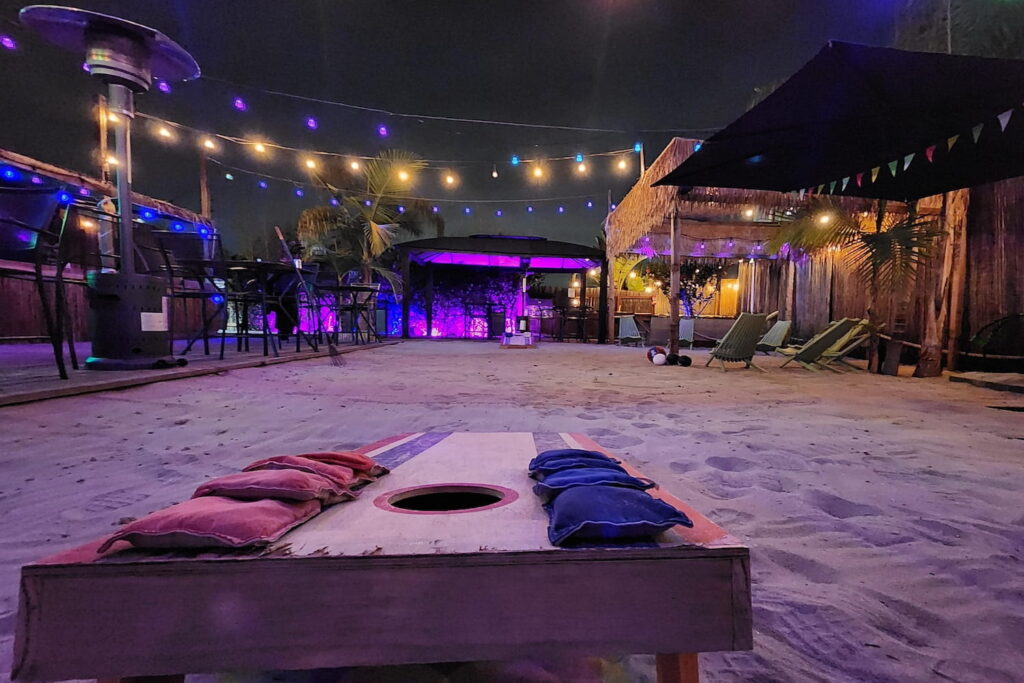
Once you step back and look at what bar events actually require, it becomes clear why platforms built for lodging struggle to deliver. Peerspace venues approach the same needs from a completely different starting point.
Rather than retrofitting a home into something it was never meant to be, these spaces are designed with gatherings, service, and pacing in mind. That difference shows up in both the planning process and the event itself.
Hourly pricing that matches real event timelines
Peerspace venues are booked by the hour. This aligns naturally with how bar events function. You pay for setup, service time, and breakdown, nothing more.
This structure keeps budgets intentional. Instead of padding costs to meet overnight minimums, planners can allocate resources toward the elements guests actually notice, such as drink quality, ambiance, or entertainment.
Clear approval for alcohol and vendors
Peerspace venues outline alcohol policies, vendor access, and capacity limits upfront. That clarity allows planners to build confidently from the start. There is no need to disguise plans or hope rules will not be enforced.
When bartenders and beverage teams are expected, they can work efficiently. Load in paths, prep areas, and power access are already considered, which reduces friction on event day.
Layouts designed for movement and service
Bar venues are built around flow. Open layouts, multiple service points, and durable surfaces support movement and interaction. Guests can circulate, conversations can form organically, and service remains smooth throughout the event.
This intentional design does more than improve logistics. It shapes the entire mood. When people feel comfortable moving through a space, the experience feels effortless rather than constrained.
Hosts who understand events, not just stays
Event venue hosts tend to think like collaborators. Many have experience hosting similar gatherings and can flag potential issues early. They often provide guidance on capacity sweet spots, timing, and setup strategies that improve outcomes.
That expertise is especially valuable for bar-style events, where small details like where ice is staged or how bars are positioned can make or break the night.
Finding the right type of bar venue for your specific event
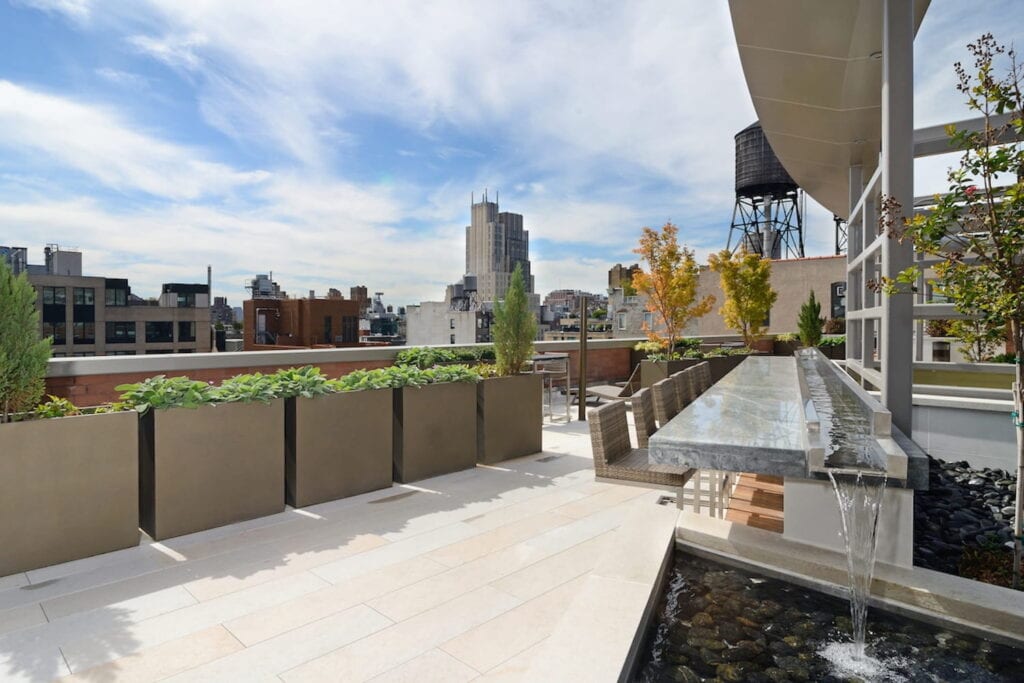
Not all bar-style events are the same. Before searching for a space, it helps to get specific about what kind of experience you want to create. Different venue types support different moods, service styles, and guest behaviors.
This section walks through common bar venue formats and how to choose one that aligns with your event rather than working against it.
Lounge venues for conversation-driven events
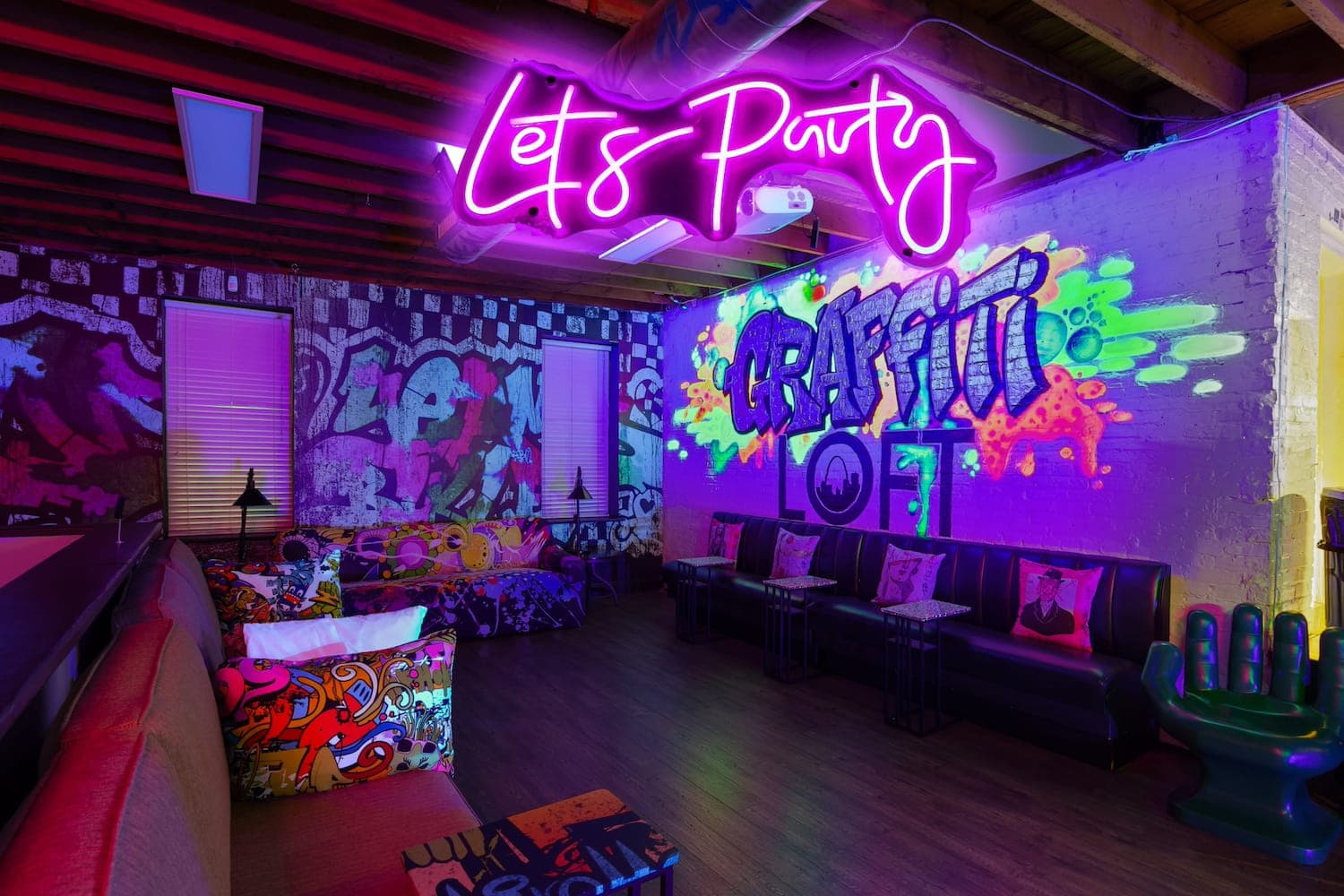
Lounge-style venues prioritize seating clusters, ambient lighting, and a relaxed pace that encourages guests to settle in rather than rush through the space. These environments work especially well for cocktail parties, networking mixers, and milestone celebrations where conversation is the primary activity.
When selecting a lounge venue, focus on how seating is distributed and whether it can be reconfigured. Multiple small seating zones prevent crowding and keep energy evenly spread throughout the room. Warm lighting, soft finishes, and ample surface space for drinks all contribute to longer, more comfortable interactions.
Guest count plays an outsized role in whether lounge-style venues feel inviting or cramped. If you are unsure how many people a space can realistically support without losing its relaxed feel, these event planning tips offer practical guidance for pressure testing capacity before committing.
Lounge venues work best when planners resist over-programming. With the right layout and atmosphere, conversation becomes the centerpiece and the event feels composed rather than forced.
Restaurant and cafe buyouts for turnkey service
Restaurant and cafe buyouts offer a turnkey approach to hosting bar style events, especially for planners who want to minimize vendor coordination. These venues come with built-in bar infrastructure, professional kitchens, and often trained staff who understand service pacing. This makes them a strong option for celebrations where reliability and simplicity outweigh the need for full customization.
The key to success with restaurant buyouts is alignment. Review existing layouts carefully to ensure guest flow supports mingling rather than seated dining only. Clarify how much flexibility you have with furniture, menus, and timing. Some restaurants allow partial buyouts or hybrid layouts that preserve bar access while opening space for standing guests.
Restaurant and cafe venues shine when planners embrace what is already there. Instead of fighting the structure, lean into the strengths of the space. When expectations match reality, these venues deliver polished experiences with fewer moving parts.
Bar venues designed specifically for cocktail parties
Some bar venues are purpose built to support cocktail parties as a distinct event type, not just as an informal gathering with drinks. These spaces are designed around standing conversations, easy circulation, and steady service rather than seated dining or late night club energy. For planners, choosing a venue that already aligns with the cocktail party format removes guesswork and creates a more intuitive guest experience.
When evaluating cocktail party-friendly bar venues, focus on how the space supports mingling at scale. Open floor plans, standing height tables, and multiple bar access points help prevent congestion while keeping conversations fluid. Lighting should be warm and adjustable, allowing the event to transition naturally from early evening socializing into a livelier atmosphere without feeling abrupt. These design cues are not decorative extras; they are structural elements that define how a cocktail party actually functions.
The most effective bar venues are those that match the event format from the start. When the space is designed for a cocktail party, the experience feels natural for guests and far easier to execute for hosts.
Planning bar service that feels intentional, not improvised
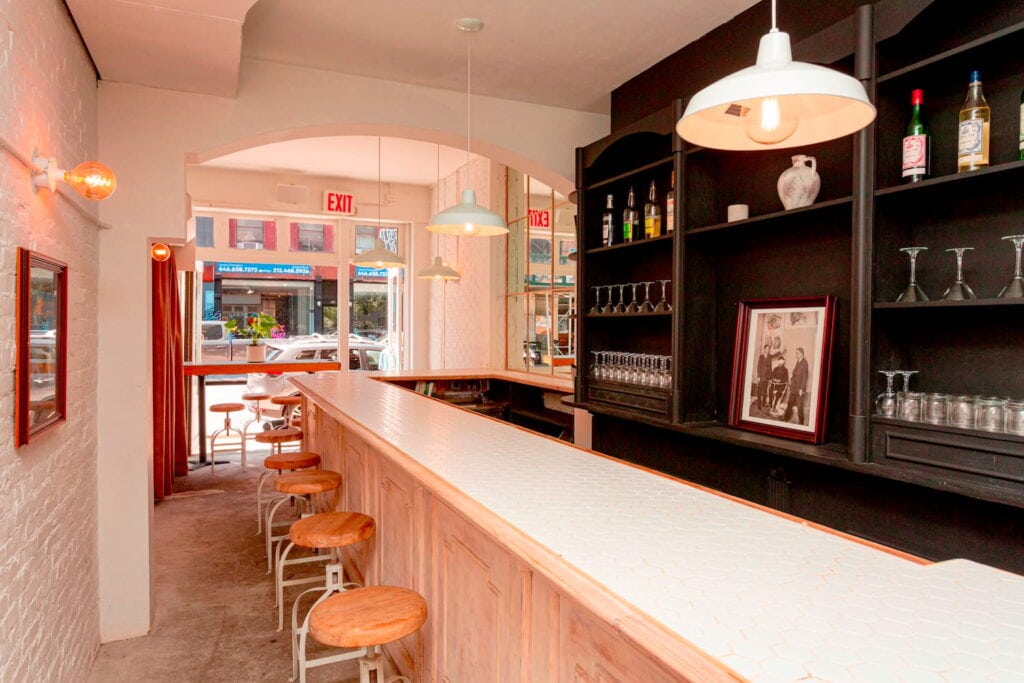
Bar service is more than drinks on a table. Thoughtful planning shapes how guests move, how long they stay engaged, and how smoothly the event flows. These are concrete decisions that elevate bar service from functional to memorable.
Choosing the right service style for your guest count
Open bars, limited menus, and ticketed service each create different dynamics. An open bar encourages mingling but requires careful pacing. A curated menu speeds service and reduces waste. Ticketed service can add structure to high volume events.
Match the service style to your crowd size, event length, and staffing levels. The goal is steady flow without long waits or overcrowding.
Positioning bars to prevent bottlenecks
Bar placement shapes how guests move through the space, how conversations form, and how relaxed the event ultimately feels. A single central bar can quickly become a social magnet, but it can also turn into a choke point if too many people converge at once. Long lines, blocked walkways, and guests hovering with empty glasses all signal that placement needs adjustment.
Rather than defaulting to one large bar, consider how multiple, smaller service points might distribute energy more evenly. Satellite bars or secondary drink stations reduce wait times and encourage guests to explore different areas of the venue. This approach also prevents one part of the room from dominating attention while other zones sit underused.
Before finalizing placement, walk the space mentally from a guest’s perspective. Picture where people will naturally enter, pause, and congregate. Place bars along natural circulation paths rather than directly in them, ensuring guests can approach, order, and step away without interrupting foot traffic. When bar placement supports movement instead of blocking it, the entire event feels smoother.
Good bar placement often goes unnoticed, which is exactly the goal. When guests can get drinks easily without thinking about logistics, they stay focused on conversation and connection.
Planning glassware, ice, and storage realistically
Glassware, ice, and storage are the quiet backbone of any successful bar event. These elements are easy to underestimate because they are rarely visible in photos or inspiration boards. In practice, they determine whether service flows smoothly or grinds to a halt midway through the night.
These behind-the-scenes costs add up quickly, especially when service timelines expand. Using a practical event budget template makes it easier to account for essentials like rentals, ice replenishment, and staffing buffers before they become last minute surprises.
Ice is almost always the first pain point. It melts faster than expected, especially in warm rooms or outdoor settings, and running out creates immediate delays. Plan for more ice than initial estimates suggest and confirm where it will be stored, replenished, and drained as it melts. Accessibility matters just as much as volume.
Glassware requires similar foresight. Even modest guest counts can cycle through multiple glasses per person, particularly at cocktail-focused events. Ensure there is space to stage clean glassware and a plan for clearing used pieces so bars do not become cluttered. Storage areas should be close enough to service points to avoid constant back and forth.
Realistic planning around these basics reduces stress dramatically. When bartenders are supported with the right infrastructure, service stays calm and guests never notice the machinery behind the scenes.
Aligning drink menus with venue constraints
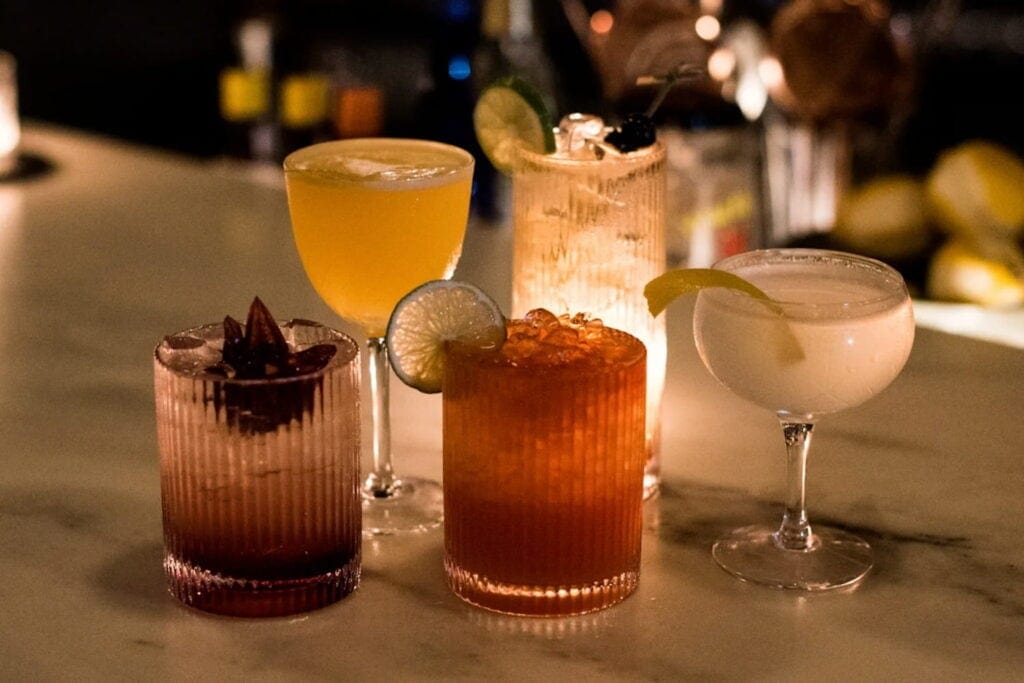
A strong drink menu should feel intentional, but it also needs to respect the physical and regulatory realities of the venue. Many bar event issues stem from menus that look great on paper but are difficult to execute in the chosen space. Aligning menu complexity with venue capabilities keeps service smooth and guests satisfied.
Start by confirming what the venue allows and supports. Some spaces restrict open flames, specialized equipment, or certain preparation methods. Others may limit where alcohol can be served or stored. Designing a menu without this context often leads to last minute substitutions that feel improvised rather than curated.
Signature cocktails, batch drinks, and simplified builds are often the smartest choice. They reduce prep time, minimize equipment needs, and speed up service during peak moments. Including thoughtful non-alcoholic options ensures inclusivity without adding unnecessary complexity. When menus are tailored to the venue rather than forced into it, the entire event feels more cohesive.
Constraints can actually sharpen creativity. When menus are designed with clear boundaries in mind, they tend to feel more deliberate and easier to execute at a high level.
Coordinating alcohol policies and compliance
Alcohol service introduces layers of responsibility that extend beyond taste and presentation. Venue policies, local regulations, and insurance requirements all shape what is permitted and how service must be handled. Addressing these factors early protects both the host and the guests.
Begin by confirming whether licensed bartenders are required and whether the venue mandates specific staffing ratios. Some venues allow self service under certain conditions, while others prohibit it entirely. Understanding these distinctions prevents misunderstandings that could disrupt the event midstream.
Insurance is another critical component. Many venues require event insurance that covers alcohol service, and some bartending teams provide coverage as part of their service. Clarify who is responsible for what, and ensure documentation is in place well before the event date.
Compliance planning is not about limiting fun. It creates a framework that allows the event to unfold confidently and responsibly. When these details are handled upfront, hosts can focus on the experience rather than enforcement.
Designing ambiance that supports a bar atmosphere
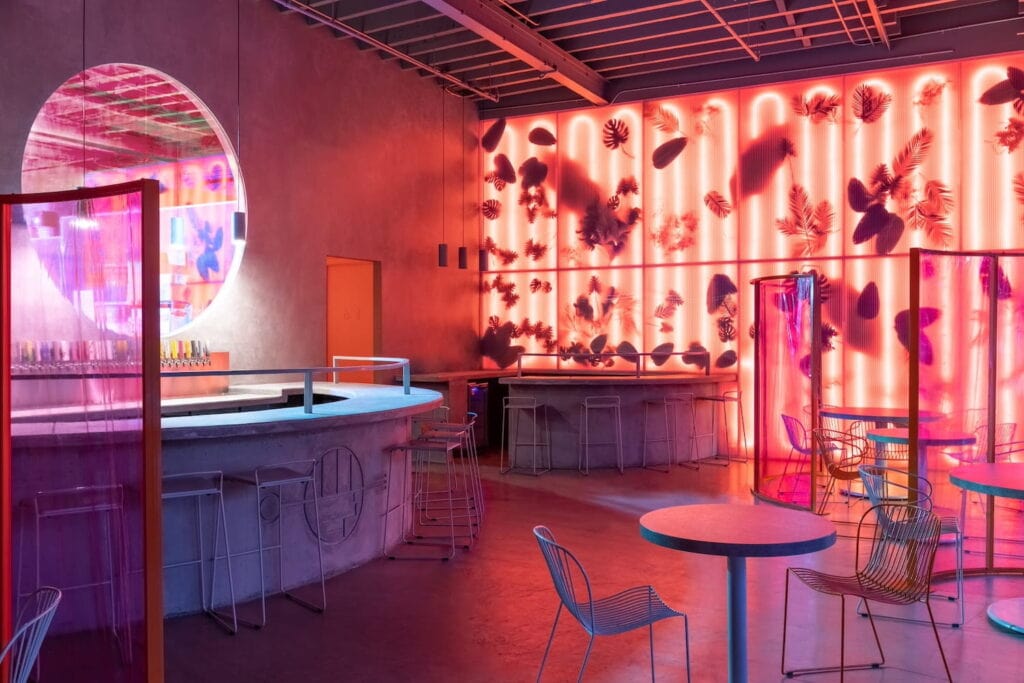
A bar event lives or dies by its atmosphere, often more than by the drink menu itself. Lighting, sound, furniture, and visual cues work together to signal how guests should feel and behave in the space. When these elements are intentional, the environment guides energy naturally without constant direction from hosts or staff.
Rather than treating decor as a finishing touch, approach ambiance as a functional layer of planning. Every design choice should support how guests move, where they gather, and how long they feel comfortable staying. When atmosphere is built with purpose, the event feels cohesive instead of improvised.
Using lighting to guide energy levels
Lighting is one of the most powerful tools for shaping the tone of a bar-style event. Soft, warm lighting encourages guests to linger, lower their voices, and settle into conversation. Brighter, more focused lighting increases alertness and energy, making it better suited for high traffic areas like bars and entrances.
The most effective setups rely on layered lighting rather than a single overhead source. Combining lamps, string lights, wall washes, and accent fixtures creates depth and allows you to adjust the mood as the event unfolds. Many of the most effective approaches use proven lighting ideas that elevate cocktail-style events, where atmosphere is built gradually instead of flipped on all at once.
Dimmable options are especially valuable, letting the space transition smoothly from early evening conversation to later night energy without a jarring shift.
Managing sound for clarity and vibe
Sound should support the atmosphere, not dominate it. Music that is too loud discourages conversation and forces guests to cluster uncomfortably close, while music that is too quiet can drain momentum. The goal is balance, where sound fills the space without overwhelming it.
Choose audio equipment that matches the scale and layout of the venue rather than defaulting to maximum output. Test sound levels during setup and revisit them once the room fills, as bodies absorb sound and change acoustics. Thoughtful sound management keeps the event lively while preserving comfort.
Furniture layouts that invite movement
Furniture placement directly influences how guests circulate through the space. Rigid rows or oversized seating blocks tend to stall movement and create dead zones. In contrast, clustered seating, standing height tables, and open pathways encourage guests to move, mingle, and explore.
Pay attention to spacing between furniture pieces and ensure there are clear paths between key areas like bars, restrooms, and exits. Just as important, provide enough small surfaces for guests to set drinks down comfortably. These subtle choices reduce spills, prevent crowding, and keep the space feeling open.
Visual anchors that create focus
Every bar event benefits from a visual anchor that helps guests orient themselves in the space. This might be the bar itself, a lighting feature, or a styled focal point tied to the event theme. These anchors naturally draw people together and shape how the room is used.
When guests know where to gather and pause, movement feels intuitive rather than forced. The result is a space that feels intentional instead of overdesigned.
Balancing aesthetics with durability
Bar events are inherently active, with drinks moving constantly through the space. Decor and finishes need to withstand spills, contact, and frequent use without requiring constant supervision. Choosing materials that can handle wear protects both the venue and the overall experience.
Durability does not mean sacrificing style. It means selecting finishes, furniture, and decor that look good while supporting real behavior. When aesthetics and practicality align, hosts can focus on the event instead of damage control.
Event types that match well with bar venues
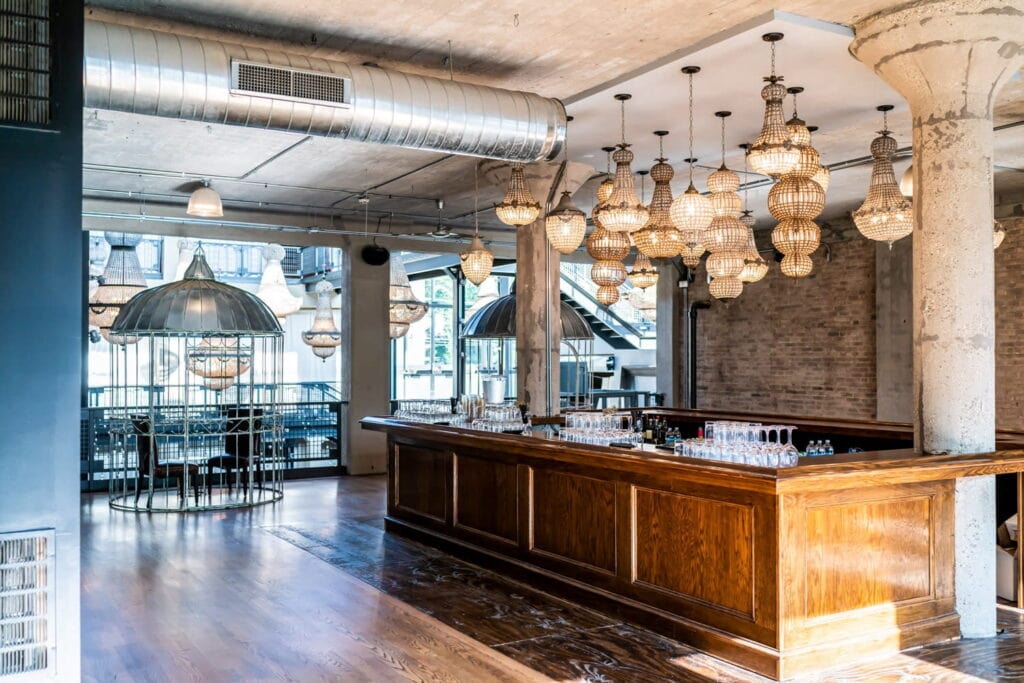
Bar style venues are remarkably versatile, supporting a wide range of events beyond traditional celebrations. The key is understanding how the same space can be adapted to serve different goals, guest expectations, and pacing requirements. When planners tailor the setup to the event type, the venue works harder and feels more intentional.
Birthdays and milestone celebrations
Personal celebrations benefit from warmth and familiarity. Guests should feel comfortable settling in, moving between conversations, and staying longer than they might at a more formal event. Signature drinks, curated playlists, and defined seating zones help set a relaxed tone.
Choose venues that allow light customization so the event can reflect personality without extensive production. Flexible layouts make it easier to accommodate speeches, toasts, or spontaneous moments that often define milestone gatherings.
Corporate mixers and networking events
Professional events require a different balance. Clear circulation and defined zones help guests navigate conversations without awkward interruptions. Separate areas for mingling, quieter discussion, and refreshment keep energy distributed evenly across the space.
Branding elements should feel integrated rather than dominant. Subtle visual cues, branded drink names, or focused installations reinforce identity without overwhelming the social purpose of the event.
Brand launches and pop ups
Brand-driven events place a premium on visibility and flow. The bar should complement the product or message, not compete with it. Placement, lighting, and menu design should reinforce the narrative the brand wants to tell.
Interactive drink elements, themed glassware, or ingredient stories can deepen engagement when executed thoughtfully. When the bar experience aligns with the brand story, guests remember both more clearly.
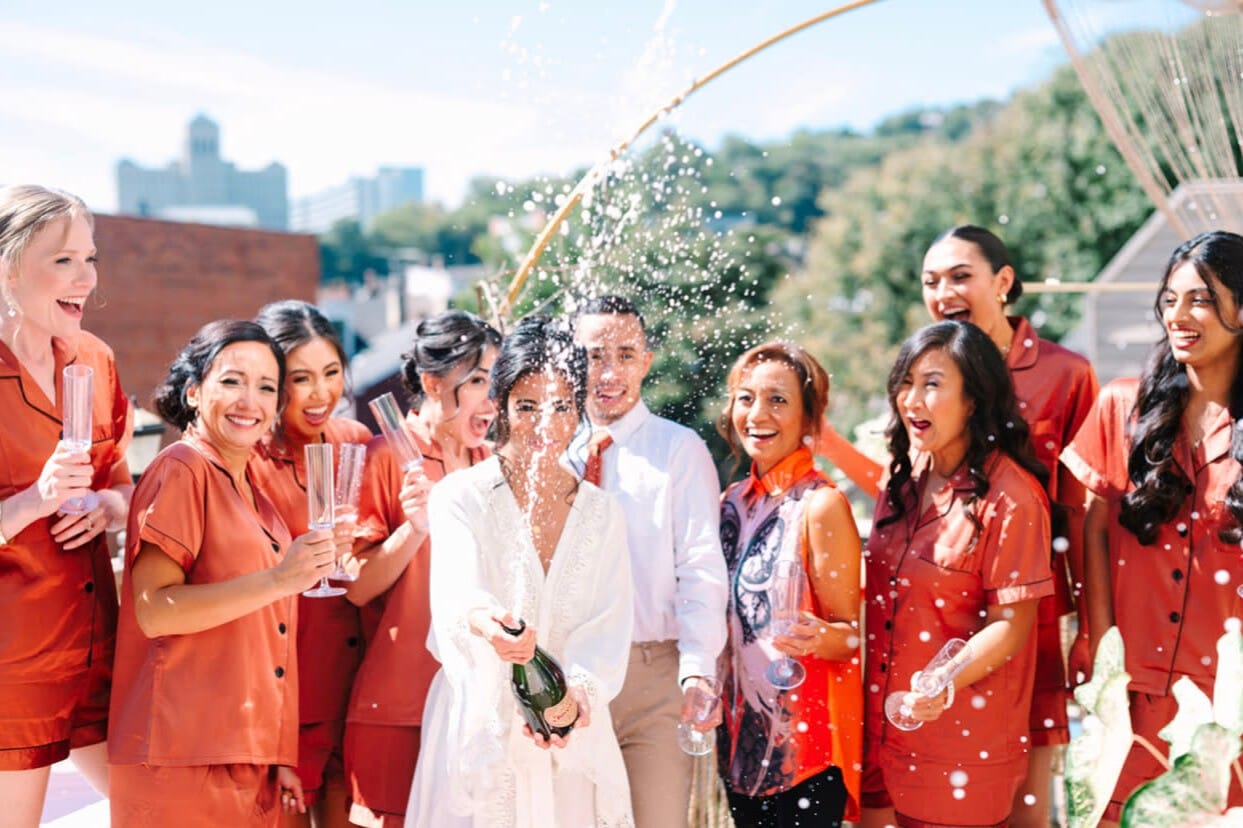
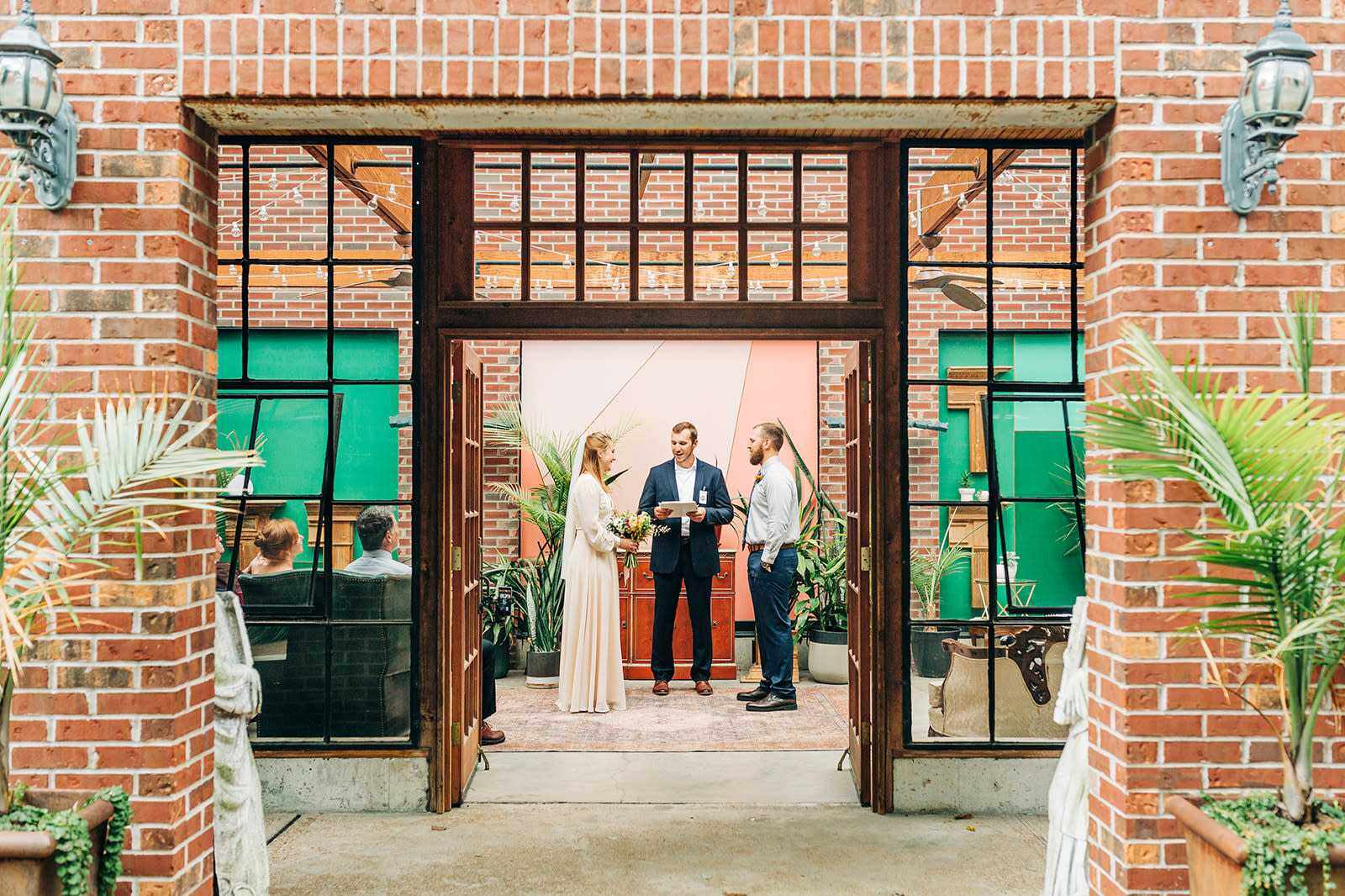
Engagement parties and pre-wedding events
These gatherings sit at the intersection of celebration and intimacy. Venues should feel elevated without becoming formal, supporting both heartfelt moments and casual mingling. Flexible layouts allow the event to shift naturally between toasts, conversation, and celebration.
Pay attention to pacing and comfort. Spaces that allow guests to step in and out of activity zones help maintain energy without overwhelming anyone.
Why the right bar venue changes the entire experience
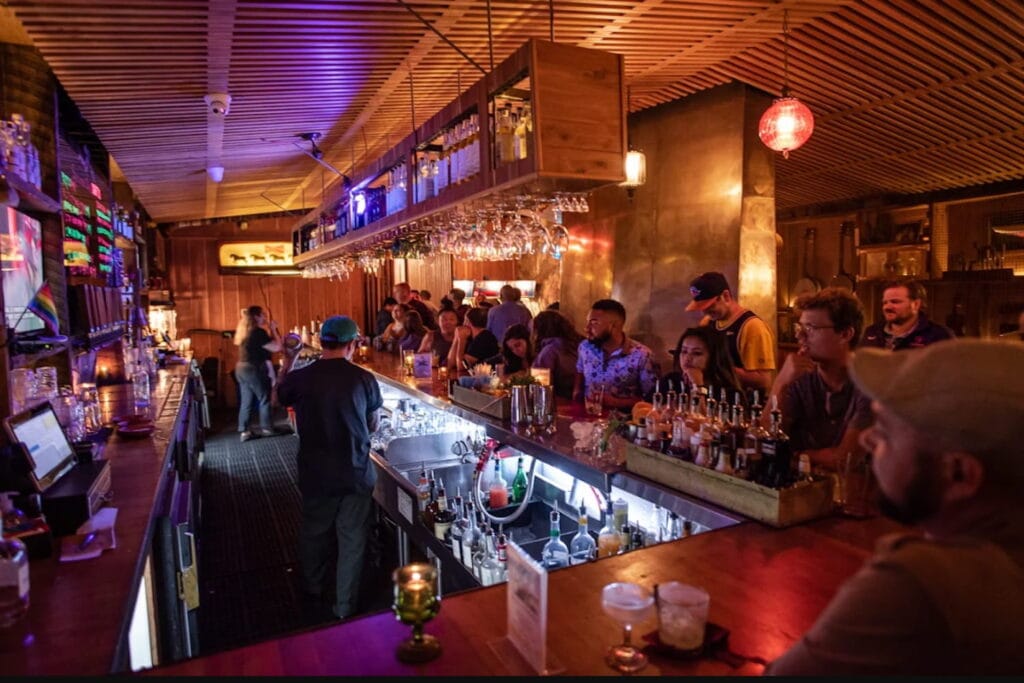
A bar-style event only feels effortless when the space, the service, and the flow are working in quiet alignment. When guests move easily, drinks arrive without delay, and conversation never feels crowded or cut short, the experience takes on a natural rhythm that cannot be forced. That rhythm is rarely accidental. It comes from choosing a venue that was designed for gatherings rather than adapted for them.
The strongest events do not rely on workarounds. They are built on spaces that anticipate movement, welcome vendors, and price time realistically. When those fundamentals are in place, planning becomes more focused and creative decisions become easier to execute. Instead of troubleshooting restrictions or adjusting expectations, hosts can invest energy where it matters most: atmosphere, pacing, and connection.
Choosing the right venue platform is ultimately about fit, not excess. When you book a space that aligns with how bar events actually function, budgets stretch further, logistics stay manageable, and the entire experience feels composed from the first drink poured to the final goodbye.
If you are ready to move from workarounds to spaces that are built for celebrating, explore event-ready bar venues on Peerspace and find a space that supports your vision from the start.
In this article
- Why Airbnb bar venues often create more friction than freedom
- Why Peerspace outperforms Airbnb for bar-style events
- Finding the right type of bar venue for your specific event
- Planning bar service that feels intentional, not improvised
- Designing ambiance that supports a bar atmosphere
- Event types that match well with bar venues
- Why the right bar venue changes the entire experience
In this article
- Why Airbnb bar venues often create more friction than freedom
- Why Peerspace outperforms Airbnb for bar-style events
- Finding the right type of bar venue for your specific event
- Planning bar service that feels intentional, not improvised
- Designing ambiance that supports a bar atmosphere
- Event types that match well with bar venues
- Why the right bar venue changes the entire experience
Get together somewhere better
Book thousands of unique spaces directly from local hosts.
Explore SpacesShare your space and start earning
Join thousands of hosts renting their space for meetings, events, and photo shoots.
List Your Space