How & Where to Rent an Airbnb for a Wedding Venue in Phoenix (2026)
-

Contributing Writer -

Lead Editor & Publisher
- December 22, 2025
- 15 min read
- Events
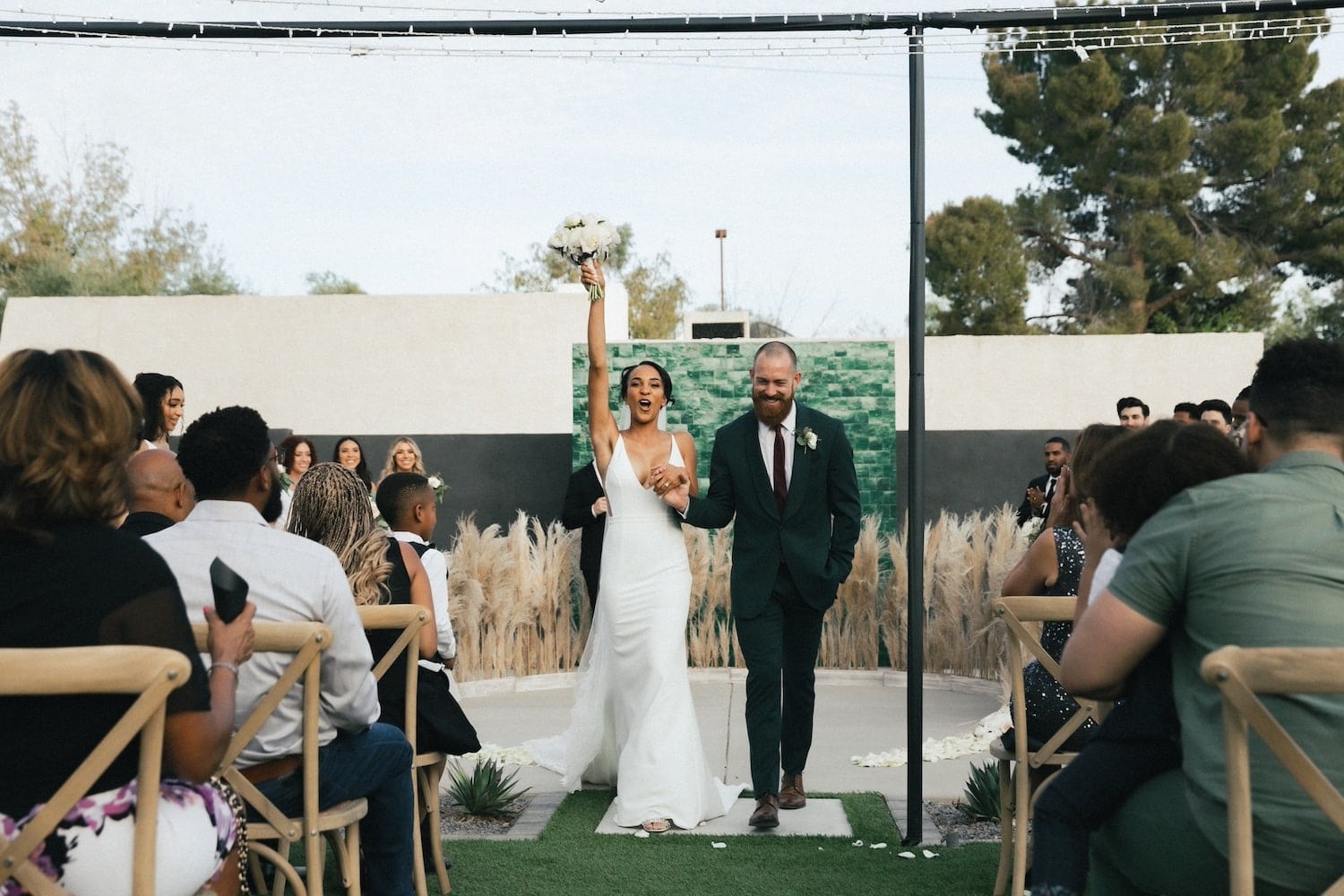
Source: Peerspace
If you are planning a wedding in Phoenix, your venue search likely started online, scrolling through listings that promise flexibility and privacy without the structure of a traditional venue. In a city where weddings are shaped by heat, seasonal demand, and neighborhood rules, it can feel appealing to look for options that seem simpler and more affordable on the surface.
The reality is that Phoenix weddings come with planning considerations that do not always align with short term rentals. Climate, logistics, vendor coordination, and timing all matter more here than couples often expect. Choosing the wrong type of space can add friction to what should feel calm and well paced.
This guide is designed to help you plan with clarity rather than guesswork. You will learn why Airbnb weddings often create challenges in Phoenix, what alternatives offer more control, and how to think strategically about location, timing, and format so your wedding day unfolds smoothly.
Where Airbnb wedding plans start to unravel in Phoenix
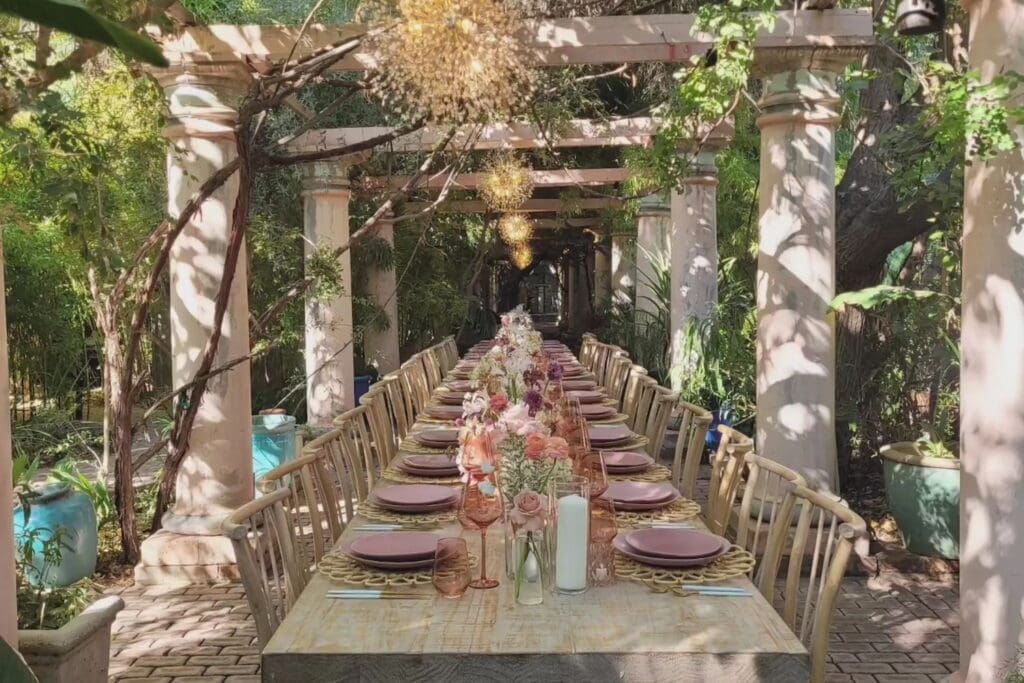
Airbnb listings in Phoenix can look like a dream scenario for couples who want something private and design forward. Large homes, pools, desert landscaping, and clean, modern interiors photograph beautifully. The challenge is that weddings place demands on a property that vacation rentals were never designed to handle. In Phoenix, those mismatches tend to surface quickly once planning begins.
When platform rules collide with your guest list
Airbnb enforces a platform wide ban on events. Airbnb has recently implemented “anti-party technology.” Even if a host agrees to your plans privately, the reservation will still violate Airbnb’s official policy. In Phoenix neighborhoods with active HOAs or nearby neighbors, one complaint can lead to warnings or shutdowns. This risk is especially pronounced in Arcadia, Roosevelt Row, and central Scottsdale, where homes sit closer together and sound carries easily after sunset.
Paying for nights you never use
One of the biggest surprises for couples is how quickly Airbnb costs escalate. Most listings require multi-night minimums, especially during peak wedding months like March, April, and October. That means paying for entire days and nights that go unused just to host a single event. In areas like Paradise Valley or North Scottsdale, those minimums can add thousands of dollars before you even factor in cleaning fees or deposits.
Vendor rules that quietly box in your plans
Many Airbnb hosts restrict outside vendors, amplified music, alcohol service, or deliveries. That can prevent caterers from cooking onsite, DJs from setting up proper sound, or rental companies from delivering furniture. In Phoenix, where summer weddings often require additional equipment like shade structures for cooling, these restrictions can force couples into last-minute compromises.
Why most homes fail under wedding-day pressure
Phoenix weddings require infrastructure that most homes simply do not offer. Shade, airflow, adequate power, prep kitchens, and multiple restrooms are essential when temperatures rise. Couples often end up renting generators, portable restrooms, or additional cooling equipment, erasing any perceived savings.
Taken together, these challenges make Airbnb a high risk option for a day that depends on certainty. What appears flexible online often proves fragile once real world logistics enter the picture.

A more dependable way to host a wedding in Phoenix
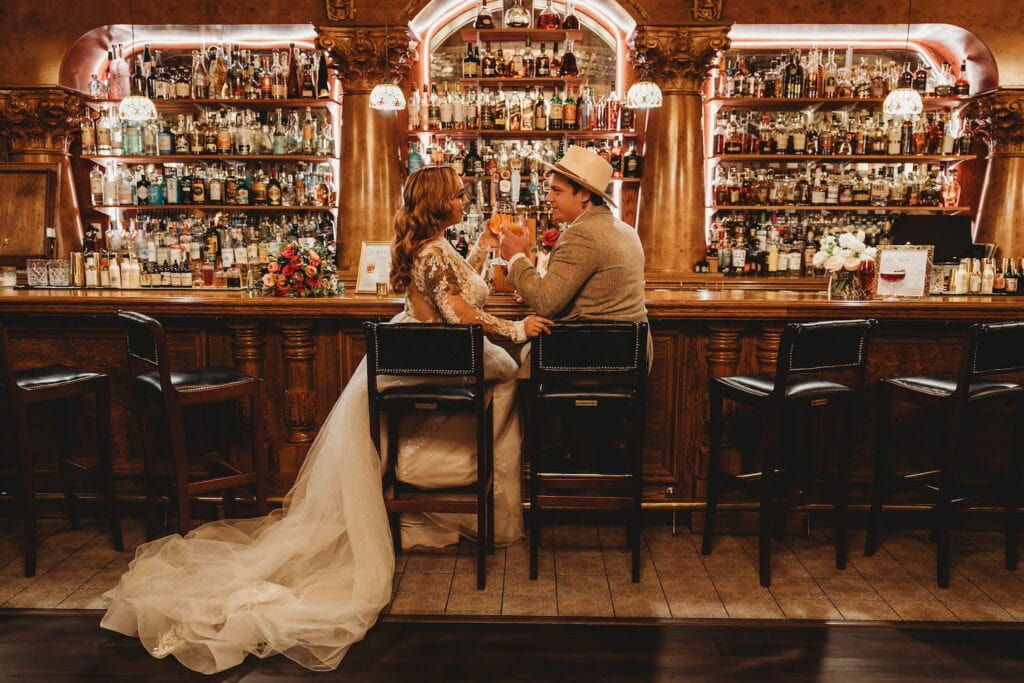
When couples move away from short-term rentals and toward event-first venues, planning tends to become more straightforward. Instead of adapting a home to fit a wedding, the space is already set up to support gatherings, timelines, and vendor coordination.
Pricing that matches how weddings actually run
Hourly pricing allows couples to book only the time they need for setup, celebration, and breakdown. This avoids paying for unused nights and keeps budgets focused on the event itself rather than overnight requirements.
Spaces that expect weddings, not just tolerate them
Event-focused venues are designed with gatherings in mind. Hosts anticipate guest counts, music, and movement, which removes the need to disguise plans or worry about last minute objections.
Keeping your vendors, and your vision, intact
Most event venues allow outside vendors, giving couples flexibility to work with professionals they trust. This matters in Phoenix, where coordination around heat, timing, and guest flow plays a significant role.
Infrastructure that supports real events
Dedicated prep areas, adequate power, climate control, and clear layouts make a measurable difference on the wedding day. These features reduce improvisation and help the event run on schedule.
For couples who value control and predictability, Peerspace offers a far more dependable foundation for wedding planning in Phoenix.
Choosing a venue that works with the desert, not against it
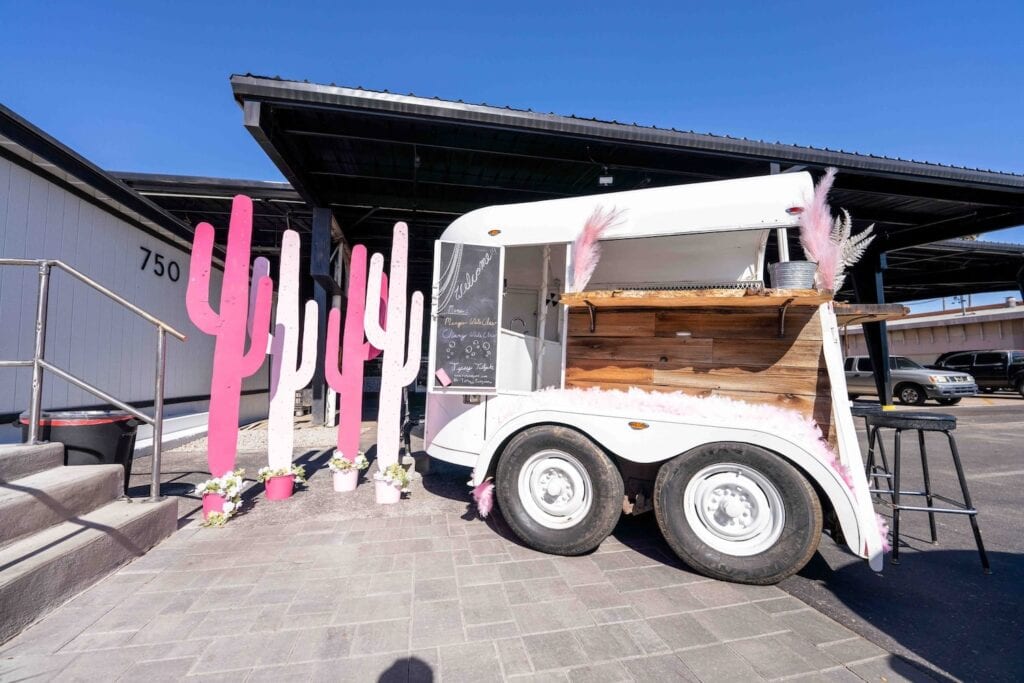
Phoenix is one of those cities where the same wedding plan can feel effortless in one type of space and frustrating in another. The difference usually comes down to how well the venue’s design aligns with heat, guest count, and day-of flow. Rather than focusing on what photographs well, it helps to consider how a space performs over several hours as temperatures shift, vendors move through the site, and guests transition between moments.
Couples who choose venues that work with the desert environment tend to experience fewer interruptions and less decision fatigue on the wedding day. Knowing how to choose a wedding venue means evaluating how a space performs throughout the entire day, not just how it looks at first glance. Below are venue types that consistently support smoother celebrations in Phoenix, along with the planning realities that make them effective.
Desert modern homes with indoor/outdoor flow
Desert modern venues are popular because their layouts account for heat and movement. Sliding doors, shaded patios, and courtyards allow couples to host brief outdoor moments while keeping most of the celebration indoors.
These spaces work best for spring and fall weddings. Their biggest advantage is flexibility. If conditions change, the event can shift inside without altering the timeline. Couples often plan outdoor use in short intervals rather than extended receptions.
Industrial warehouses and converted studios
Warehouses and studios are reliable options during hotter months. Climate-controlled interiors, tall ceilings, and open floor plans make it easier to host ceremonies, dining, and dancing comfortably.
They also tend to support larger guest counts and complex vendor setups thanks to better power access and load-in logistics. While these spaces are less scenic on their own, thoughtful lighting and furniture choices often carry the design.
Art galleries and creative spaces
Galleries offer a clean, intentional backdrop that reduces the need for heavy decor. Built-in lighting and uncluttered layouts translate well to ceremonies and receptions.
These venues are best suited for smaller to mid-size weddings with tight schedules and minimal guest movement. Couples drawn to galleries often value simplicity and precision over scale.
Lush courtyards and garden spaces
Courtyards and gardens add greenery and shade that can improve comfort, especially during shoulder seasons. They work best when paired with nearby indoor spaces for dining and dancing.
Timing is critical. Sunset ceremonies followed by indoor receptions help avoid prolonged heat exposure and preserve guest comfort.
Private mansions designed for events
Event-designed mansions differ from standard homes in meaningful ways. Multiple restrooms, defined prep areas, parking, and separated vendor zones all contribute to smoother execution.
These venues function more like small event spaces than residences. When guest flow and vendor access are clearly supported, the day tends to feel organized rather than improvised.
Choosing a venue type that aligns with Phoenix’s climate and logistics reduces last-minute problem solving and allows the celebration to unfold more smoothly.
How Phoenix neighborhoods shape your wedding day
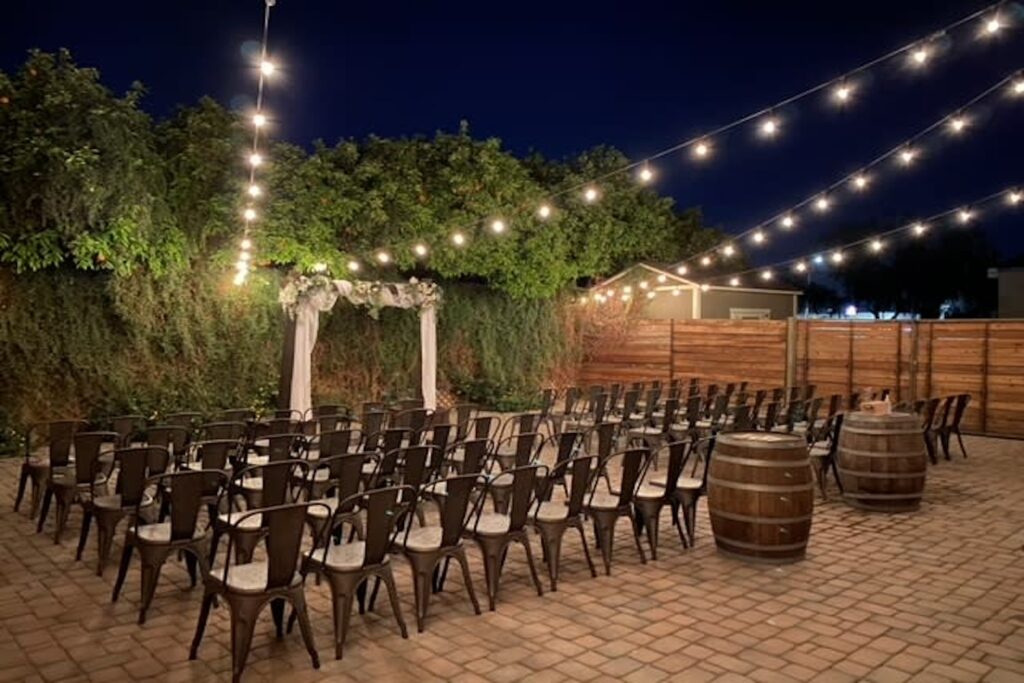
In Phoenix, the neighborhood you choose does more than set a backdrop. It influences noise tolerance, transportation logistics, vendor access, and even how long your celebration can realistically last. Two venues with similar capacities can feel wildly different depending on where they are located, especially once guests, vendors, and evening timelines enter the picture.
Thinking about neighborhoods early helps couples avoid common friction points, from parking headaches to unexpected curfews. Below is a practical look at how different areas of Phoenix tend to function for weddings, and what they are best suited for.
Downtown Phoenix and Roosevelt Row: urban, tightly timed weddings
Downtown Phoenix and Roosevelt Row appeal to couples who want a wedding that feels energetic and central. These areas offer proximity to hotels, restaurants, and nightlife, which simplifies guest transportation and makes after parties easy to coordinate.
At the same time, urban density comes with tradeoffs. Noise ordinances are more actively enforced, and timelines tend to be less flexible in the evening. Weddings here tend to run most smoothly when they are tightly scheduled and hosted in venues already accustomed to events rather than residential settings.
Arcadia: refined, early-evening weddings
Arcadia sits at the intersection of residential calm and central convenience. Its appeal lies in its proximity to Camelback Mountain, established neighborhoods, and easy access from multiple parts of the city. The area tends to feel quieter and more polished than downtown while still being highly accessible.
Because Arcadia is primarily residential, weddings here benefit from venues that clearly manage sound, parking, and guest flow. Events that end earlier in the evening or shift indoors after sunset tend to align best with the neighborhood’s rhythms.
Tempe: flexible timelines and logistics
Tempe offers flexibility that appeals to couples prioritizing logistics over formality. Its location near major highways and the airport makes it convenient for vendors and out-of-town guests alike. The area also has a higher tolerance for events, which can make timelines feel less constrained.
Weddings in Tempe often skew modern and streamlined, with venues that support efficient setup and breakdown. It is a strong choice for couples who want fewer variables to manage on the day itself.
Scottsdale and South Scottsdale: polished, resort-style weddings
Scottsdale is known for its polished, hospitality-driven infrastructure. Hotels, transportation services, and experienced vendors are readily available, which can simplify coordination for larger guest lists.
The tradeoff is demand. Spring weddings in particular book quickly, and pricing reflects that popularity. Couples who plan here benefit from early reservations and clearly defined timelines to avoid overlap with peak tourism periods.
Paradise Valley: private, spacious weddings
Paradise Valley offers privacy and separation that few other areas can match. Its appeal lies in space, distance from dense neighborhoods, and the ability to host events with minimal outside interference.
That privacy often comes with higher costs and more deliberate planning. Weddings here tend to work best when guest counts, transportation, and vendor access are mapped carefully in advance.
Choosing a neighborhood that aligns with your guest logistics, timeline, and tolerance for restrictions can make the difference between a day that feels effortless and one that feels overly managed.
Designing your wedding around timing and comfort
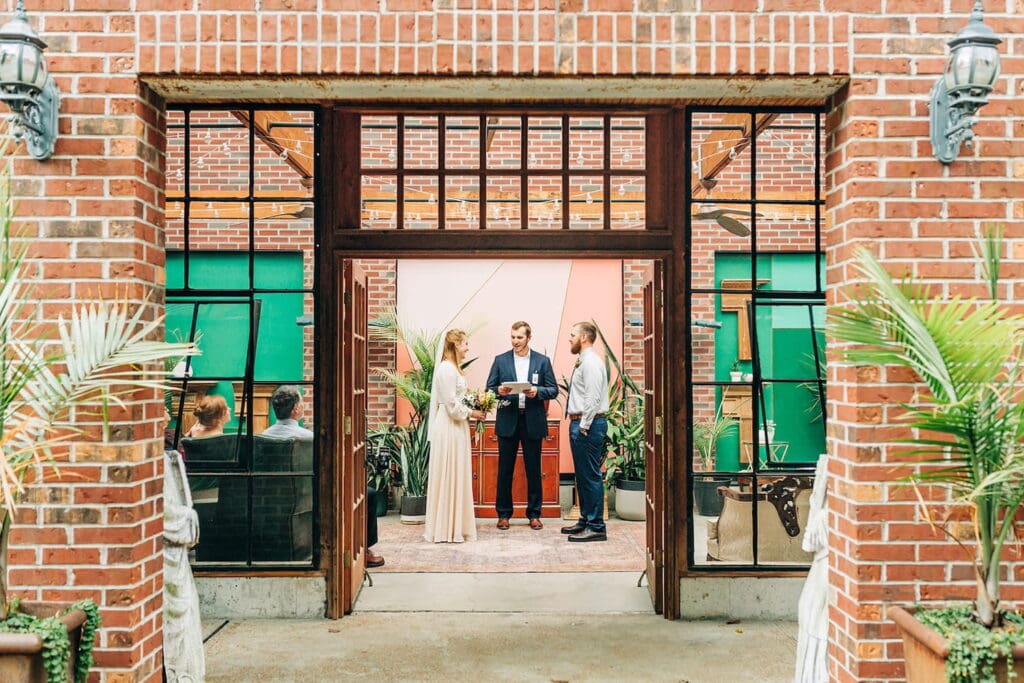
In Phoenix, guest comfort is not a secondary consideration. It is one of the main forces shaping how a wedding should be structured. Heat affects everything from ceremony timing to vendor efficiency, and couples who underestimate it often find themselves making rushed adjustments on the day itself.
Thoughtful planning around temperature and pacing does not require sacrificing atmosphere or experience. Instead, it creates breathing room. When comfort is accounted for early, the celebration feels intentional rather than reactive, and guests can stay present rather than distracted by the environment.
Timing your day around heat, not tradition
Late fall through early spring offers the most reliable weather window in Phoenix, but even then, midday ceremonies can feel intense. Many couples plan ceremonies closer to sunset, allowing temperatures to ease naturally and lighting to soften without extending the timeline too late into the evening. A thoughtful wedding timeline planning guide can make it easier to build these temperature aware transitions into the day.
Seasonal timing should also account for vendor setup. Earlier access windows and later ceremonies give teams time to work safely and efficiently without rushing in extreme heat.
Designing shade and airflow into the layout
Shade and airflow dramatically change how a space feels, even when temperatures are high. Covered patios, breezeways, and indoor ceremony backups are not just safety nets. They are essential tools for maintaining comfort.
When evaluating venues, couples benefit from walking the space at the same time of day their wedding will take place. This reveals where heat builds, how air moves, and which areas remain usable for guests.
Building cooling and hydration into the flow
Hydration should be built into the event flow rather than treated as a courtesy detail. Easily-accessible water stations, shaded cocktail areas, and brief transitions indoors help guests reset throughout the celebration.
Cooling strategies work best when they are subtle and consistent. Guests should never feel like they need to search for relief.
Giving vendors room to work with the climate
Heat impacts how long setup and breakdown realistically take. Venues that allow flexible access windows give vendors room to pace their work and avoid peak temperature hours.
Couples who align timelines with climate realities tend to experience fewer delays and smoother transitions throughout the day.
Setting guests up for comfort ahead of time
Letting guests know what to expect helps them plan attire and arrival timing appropriately. Clear guidance sets expectations without overexplaining and prevents discomfort from becoming a surprise.
When heat and timing are treated as core planning elements rather than obstacles, weddings in Phoenix feel calmer, more comfortable, and far easier to enjoy.
Wedding formats that actually work in this city
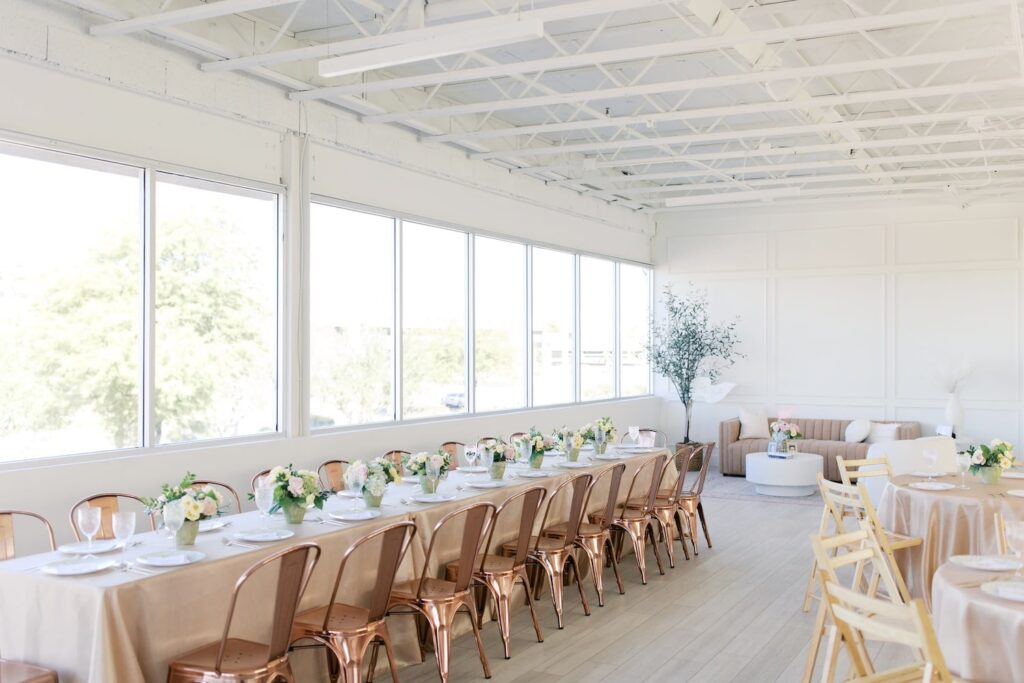
Phoenix couples are increasingly stepping away from rigid wedding timelines and formats that do not translate well to the desert climate. Rather than forcing a traditional structure, many are designing celebrations that feel more comfortable, intentional, and aligned with how people actually gather in warm environments.
The most successful formats here tend to prioritize pacing, flexibility, and guest experience over formality. Below are wedding structures that consistently work well in Phoenix, along with the practical reasons they tend to feel easier to host and more enjoyable to attend.
Letting sunset do the heavy lifting
Sunset ceremonies are one of the most reliable ways to balance atmosphere and comfort in Phoenix. By scheduling vows closer to golden hour, couples avoid peak heat while still taking advantage of natural light.
This format works best when guests move indoors shortly after the ceremony. The transition feels natural, keeps energy high, and prevents extended outdoor exposure during the warmest parts of the evening.
Replacing fixed seating with movement
Cocktail-style receptions replace fixed seating with lounges, high tops, and open circulation. This reduces crowding, improves airflow, and allows guests to move at their own pace.
In Phoenix, this format also shortens the amount of time guests spend seated in warm conditions. It pairs especially well with indoor venues or mixed indoor outdoor layouts where people can self regulate their comfort.
Smaller guest lists, tighter control
Smaller guest lists give couples more control over timing and environment. Many couples pull inspiration from these intimate wedding ideas when designing celebrations that prioritize comfort and pacing. With fewer people to manage, it becomes easier to choose off-peak hours, adjust layouts, and invest in higher quality food and service.
Micro weddings tend to feel calmer in Phoenix because they require less infrastructure and allow for tighter scheduling without feeling rushed.
Rethinking the timeline entirely
Daytime weddings are an underused option that work well during Phoenix’s cooler months. Late morning or early afternoon events avoid evening temperature swings and often feel more relaxed by nature.
Brunch celebrations also simplify logistics around transportation, noise restrictions, and guest stamina, making them appealing for smaller or more intimate gatherings.
Separating meaning from logistics
Some couples choose to separate the ceremony from the larger social portion of the day. Hosting an intimate ceremony first, followed by a casual gathering elsewhere, reduces venue pressure and shortens the most logistically complex portion of the event.
This approach works well for couples who want the meaning of a formal ceremony without committing to a single space for an entire day.
When wedding formats are designed around Phoenix’s climate and guest comfort, celebrations tend to feel more fluid, relaxed, and genuinely enjoyable rather than tightly managed.
Pulling it all together for a smoother Phoenix wedding
Planning a wedding in Phoenix means working within real constraints, not just choosing a space that looks good online. Heat, timing, neighborhood rules, and vendor logistics all shape how smoothly the day unfolds. When those factors are overlooked, even well-intentioned plans can become stressful. Short-term rentals often introduce unnecessary risk through nightly pricing, unclear rules, and restrictions that surface too late. Event-first venues offer a more predictable foundation, allowing couples to focus on guest experience rather than problem solving.
If you want a venue that supports your timeline, welcomes your vendors, and allows you to pay only for the time you need, exploring Peerspace can simplify the process significantly. With the right space, planning feels grounded, intentional, and far easier to manage from start to finish.
Find your Phoenix wedding venue on Peerspace.
In this article
- Where Airbnb wedding plans start to unravel in Phoenix
- A more dependable way to host a wedding in Phoenix
- Choosing a venue that works with the desert, not against it
- How Phoenix neighborhoods shape your wedding day
- Designing your wedding around timing and comfort
- Wedding formats that actually work in this city
- Pulling it all together for a smoother Phoenix wedding
In this article
- Where Airbnb wedding plans start to unravel in Phoenix
- A more dependable way to host a wedding in Phoenix
- Choosing a venue that works with the desert, not against it
- How Phoenix neighborhoods shape your wedding day
- Designing your wedding around timing and comfort
- Wedding formats that actually work in this city
- Pulling it all together for a smoother Phoenix wedding
Get together somewhere better
Book thousands of unique spaces directly from local hosts.
Explore SpacesShare your space and start earning
Join thousands of hosts renting their space for meetings, events, and photo shoots.
List Your Space