What’s Like an Airbnb for a Wedding in Pennsylvania? (2026)
-

-

Lead Editor & Publisher

- March 14, 2026
- 17 min read
- Events
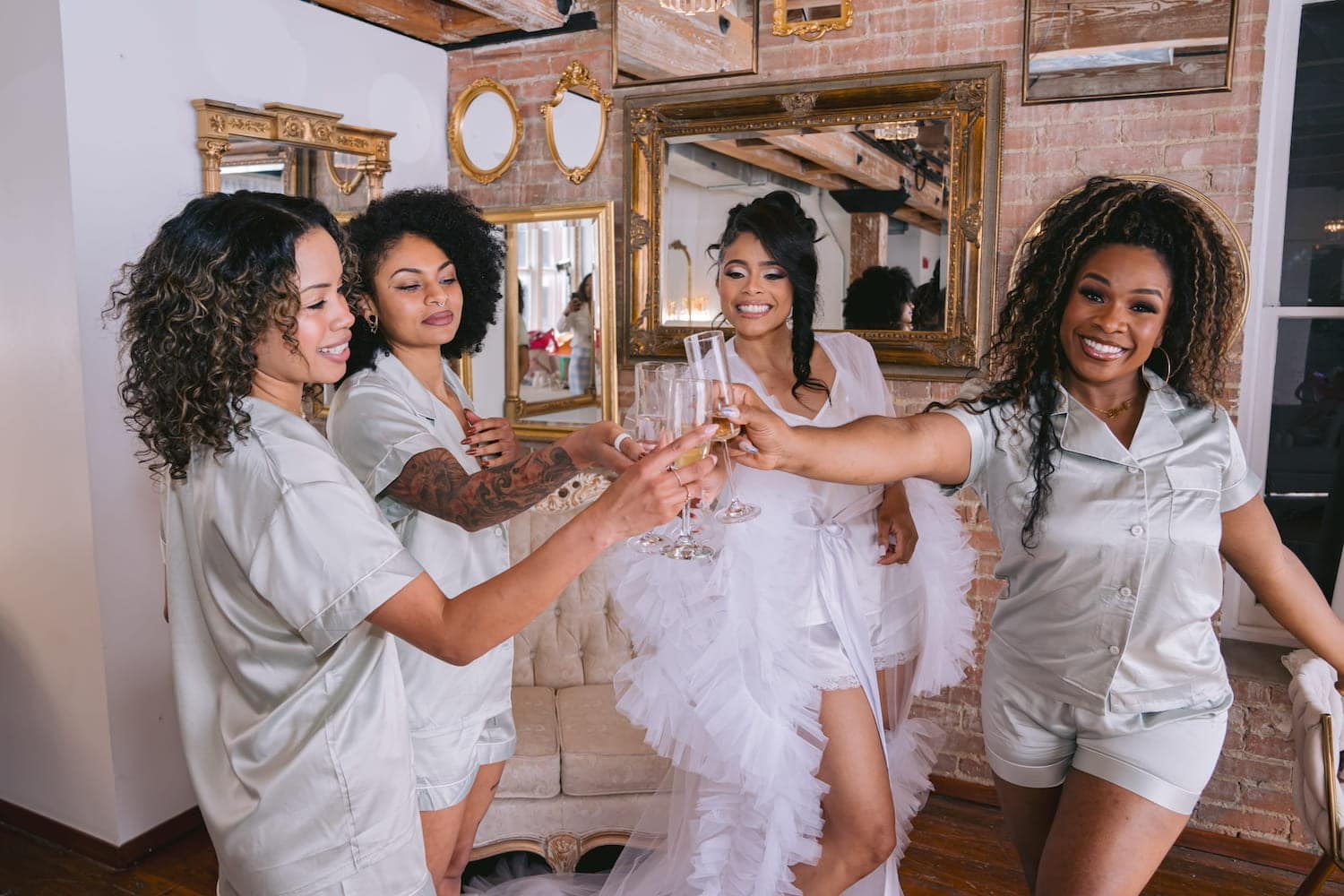
Source: Peerspace
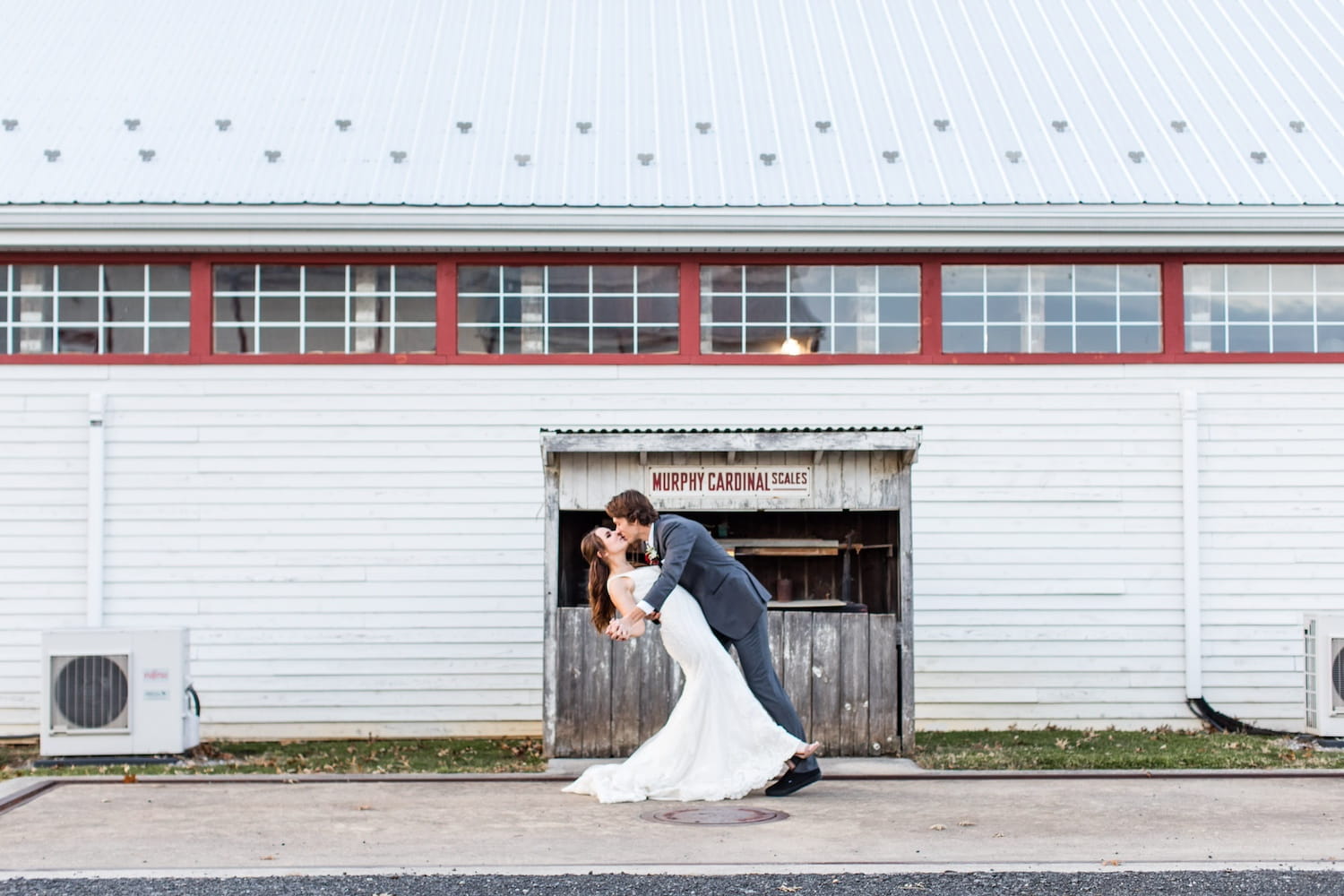
Pennsylvania compresses more wedding aesthetics into one state than almost anywhere else on the East Coast. You can exchange vows inside a pre–Civil War blast furnace in Pittsburgh, under hand-hewn beams in an Amish-country bank barn, across from the Delaware River in Bucks County, or on the grounds of a du Pont estate in the Brandywine Valley, all within a few hours’ drive.
Add the state’s Quaker-rooted self‑uniting marriage license (two witnesses, no officiant required), and it’s easy to see why so many couples plan weddings here.
That search for a non-traditional venue often leads to Airbnb. The listings look like a blank canvas: historic farmhouses, big yards, and photogenic interiors that feel made for a ceremony and reception.
But weddings are exactly where Airbnb gets complicated. Since June 2022, Airbnb has enforced a permanent ban on parties and events, and Pennsylvania’s patchwork of city and township rules can make a host’s “yes” feel less secure than it sounds.
This guide breaks it down: what to know before you book, where Airbnb tends to fall short for Pennsylvania weddings, and how couples are finding event-ready alternatives that don’t require paying for an overnight stay you don’t need.
Can you use Airbnb for a wedding in Pennsylvania?
Quick answer: It depends, but the risks are higher than most couples expect.
A handful of Pennsylvania Airbnb listings openly market themselves for weddings and receptions. If you find a host who explicitly allows events, you’re off to a decent start.
The catch is the platform itself. Airbnb’s permanent party ban applies across all listings, and the company uses machine-learning technology that analyzes over 100 booking signals: guest age, proximity to the rental, stay length, and property size to flag and block reservations that look like they might involve a gathering. Even if a host says yes, Airbnb’s system can override that agreement and cancel the booking without much warning.
In Pennsylvania, local regulation adds another layer. In 2019, the state Supreme Court ruled that municipalities can, by default, prohibit overnight stay rentals in residential zones. Philadelphia caps occupancy at three unrelated persons and requires a $150 annual license, and Pittsburgh launched a rental permit program in December 2024 that includes mandatory inspections.
None of this means an Airbnb wedding in Pennsylvania is impossible. It means the gap between “the host said it’s fine” and “the platform, the city, and the neighbors all agree” is wider here than in many other states.

Where Airbnb falls short for weddings in Pennsylvania
Airbnb is optimized for quiet overnight stays, not a ceremony schedule, vendor load-ins, and a room full of guests. With a wedding, the downside of a surprise cancellation or a bad logistical fit is enormous.
Your booking can vanish without a contract
Traditional wedding venues lock in your date with a signed contract months (sometimes years) in advance. Airbnb doesn’t work that way. Hosts can cancel reservations, and the platform itself can flag and remove bookings it suspects involve an event, even after you’ve sent invitations.
“Airbnb gives its property owners a LOT of freedom to cancel on guests, so realize that a property owner can say yes right now, but then decide at any time that they don’t want to rent to you. A week ago or so there was a bride on this forum who rented a property through VRBO (kind of similar), and then they cancelled on her 2-3 months before the wedding.” – Wedding Wire user, discussion thread “Airbnb Wedding? “
@tieranib_ Getting put out of an Airbnb on your wedding day is INSANEEEEEE! The limit is 6 people. & for a short period of time we got up to 7 & the owner who lives right across the street told us we had 30 minutes to leave or she was calling for the sheriffs office 😳 like be fr! It’s 9AM! No loud noise. & people were about to switch out. I have never been to Montgomery Texas before today & I lost definitely won’t be going back 😫 #fyp ♬ original sound – 𝚃𝚒𝚎𝚛𝚊𝚗𝚒♡
One highly-shared example on TikTok showed a bride getting hair and makeup done at an Airbnb on the morning of her wedding when the host discovered seven people in a unit booked for two. The host reportedly gave 30 minutes to leave, or she’d call the sheriff. Airbnb issued a refund, but a refund doesn’t replace a venue on your wedding day.
You pay for overnight hours you don’t use
On Airbnb, you’re paying for lodging by the night, and your total can include additional charges like a cleaning fee and a service fee.
A wedding rarely lasts 24 hours, but the booking does. Some listings also set minimum-night requirements.
When you factor in platform fees and minimum stays, a property that initially looks affordable can approach traditional venue pricing without including event-specific infrastructure like staff, coordination, or rentals.
Hidden costs stack up fast
An Airbnb listing gives you the space. A wedding requires infrastructure: seating, shelter, power, restrooms, staffing, and cleanup.
Depending on the property, couples may need to rent essentials like tables and chairs, tents, or portable restrooms. Those expenses aren’t part of the nightly rate, and they can significantly increase the overall cost once you price the space as an event venue.
The difference isn’t subtle: a place designed for overnight guests isn’t automatically equipped to host 75 people for a reception.
No way to tour the space before committing
You can’t walk through an Airbnb property before booking it. For overnight stays, that’s a minor inconvenience. For a wedding where sightlines, acoustics, guest flow, and backup rain plans matter, it’s a major blind spot.
As seen in People, one bride arrived at her Airbnb wedding venue to find no power, no running water, a utility delinquency notice on the door, and a realtor showing up to post “open house” signs during the ceremony. Without a walkthrough, it’s harder to spot red flags before your date is on the line.
Vendors aren’t always welcome
Many Airbnb hosts prohibit outside vendors, caterers, DJs, decorators, or florists, or limit which vendors can access their listings. The properties are set up for guests sleeping over, not for a catering team unloading a van at 10 a.m.
And because the platform is designed for lodging, reviews tend to come from overnight guests evaluating beds and kitchens, not from couples assessing whether the space works for a first dance, a seated dinner, or a 90-minute load-in.
How to find a wedding venue in Pennsylvania
Before searching for a wedding venue in Pennsylvania, be specific about how you want the celebration to feel.
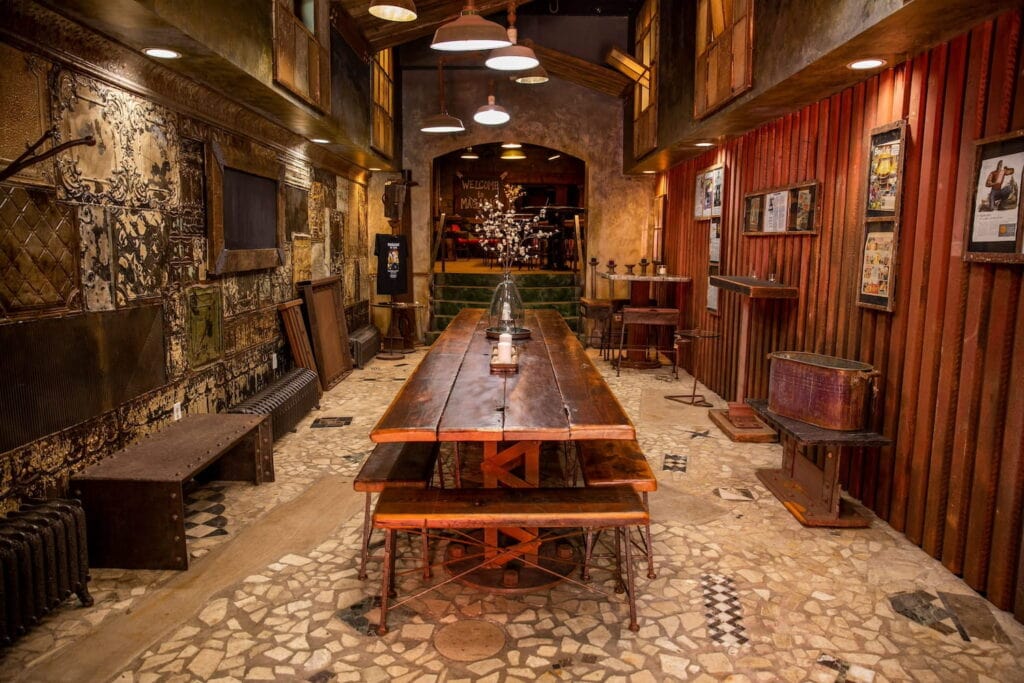
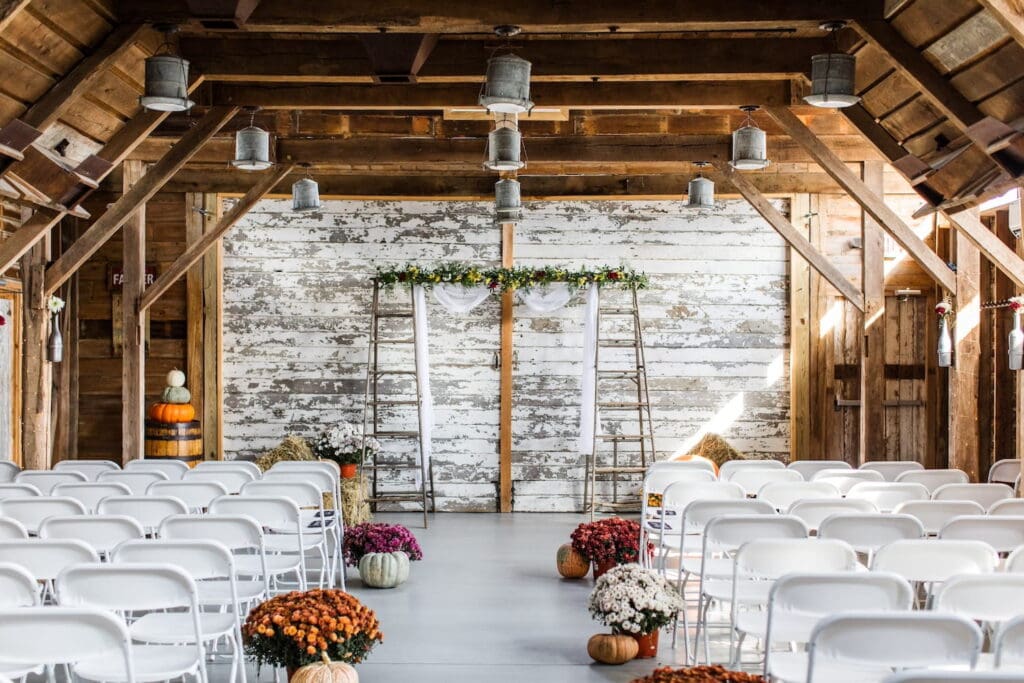
A restored industrial warehouse creates a bold, architectural backdrop. A timber-frame barn delivers warmth and tradition. A garden estate with manicured grounds sets a more formal, romantic tone.
The setting shapes the experience as much as the ceremony itself. Pennsylvania isn’t a one-note wedding destination.
From urban rooftops to rural farmland to mountain retreats, each region carries a different pace, aesthetic, and guest experience which directly affects which venue will work best for your day.
Choose a region that matches your wedding style
Wedding venues in Philadelphia bring founding-era architecture and urban energy. Think cobblestone streets in Old City, repurposed industrial spaces in Fishtown, and Gilded Age mansions near Center City.
For industrial elegance
Pittsburgh wedding spaces lean into industrial chic. Former steel-era warehouses, factories, and mills have been converted into dramatic event spaces with exposed beams, brick walls, and cathedral ceilings. It’s ideal if you want scale, texture, and a backdrop that feels bold without heavy décor.
For countryside romance near the city
Wedding locations in Bucks County deliver pastoral scenery just outside Philadelphia. Stone barns, covered bridges, and Delaware River views create a setting that feels timeless and seasonal. It’s a strong fit for couples who want a rural aesthetic while keeping travel easy for guests flying into Philly.
For classic barn weddings
Barn wedding rentals in Lancaster and Pennsylvania Dutch Country are synonymous with timber-frame bank barns and open farmland. The architecture is authentic: soaring beams, weathered wood, and wide-open skies. If you want a traditional barn wedding without it feeling manufactured, this is where it works naturally.
For full-weekend wedding getaways
Wedding venues in the Poconos are built for multi-day celebrations. Lakefront venues, mountain views, and lodge-style properties make it easy to turn your wedding into a getaway. It’s ideal for couples inviting out-of-town guests who want the ceremony and the weekend to feel connected.
For estate and garden grandeur
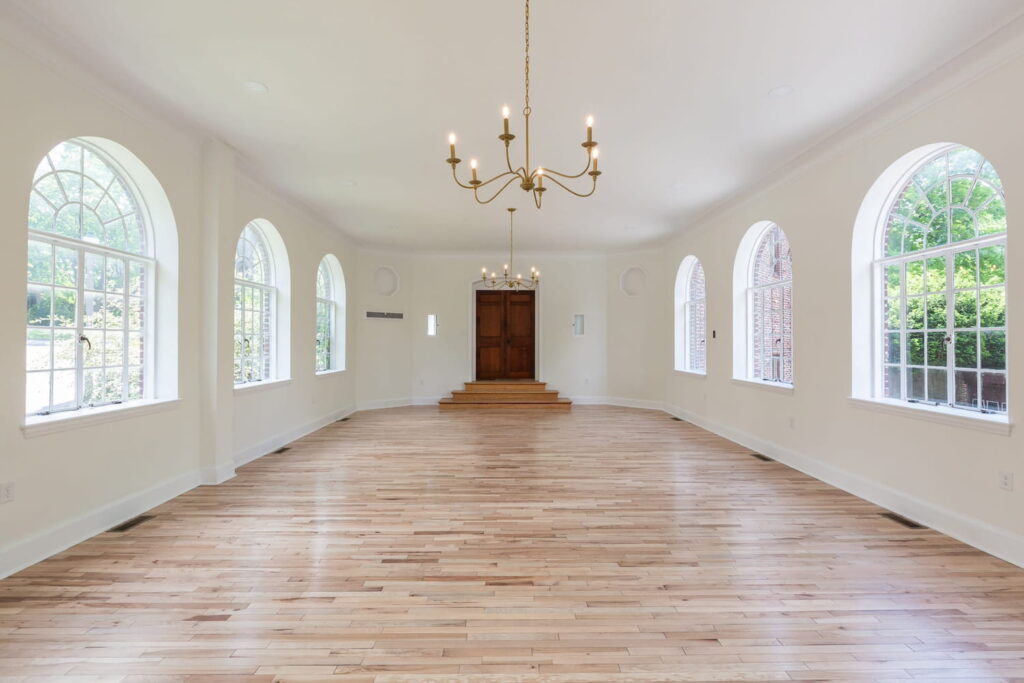
Outdoor wedding spacess in the Brandywine Valley channel du Pont grandeur, with manicured gardens and historic estates that feel closer to the French countryside than the Mid-Atlantic. If you’re envisioning formal portraits, cocktail hour on a terrace, and a refined atmosphere, this region delivers it without leaving Pennsylvania.
Pennsylvania-specific event venue options to look for:
- Bank barns and timber-frame barns (Lancaster/Dutch Country and Bucks County)
- Industrial lofts and converted warehouses (Philadelphia and Pittsburgh)
- Garden and estate venues (Brandywine Valley / Main Line)
- Winery and vineyard settings (Southeastern PA and Susquehanna Valley areas)
- Lodge-style retreats and lakefront venues (the Poconos)
- Historic inns and manor houses (across the state, especially in scenic rural pockets)
These are just a few examples. Across Pennsylvania, many event-ready venues are designed specifically for weddings, so you can match your space to your guest count, vibe, and logistics without building a venue from scratch.
Look for hourly booking options
Most weddings need a venue for four to eight hours, not 24. Platforms that offer hourly pricing let you pay for ceremony time, cocktail hour, reception, and cleanup without subsidizing an overnight stay you don’t need.
Hourly venues are also purpose-built for events, offering essentials such as adequate restrooms, vendor access, flexible furniture layouts, and dedicated parking. That eliminates many of the “hidden cost” surprises that come with turning a residential property into a wedding venue.
Prioritize vendor flexibility
A venue that allows your caterer, bartender, DJ, florist, and photographer to work together gives you the most control over both quality and budget.
If coordinating all these moving parts feels overwhelming, working with experienced wedding planners in Philadelphia can help you navigate vendor logistics and venue requirements with confidence.
Before you commit, confirm whether outside vendors are allowed, whether the kitchen can accommodate professional catering, and whether there’s adequate power for sound, lighting, and any specialty installations (e.g., photo booths, cold sparklers).
Use the self-uniting license to your advantage
Pennsylvania is one of a handful of states offering a self‑uniting marriage license, rooted in Quaker tradition dating to 1681. You need only two witnesses, no officiant, judge, or minister required.
That flexibility can open up venue options. If you’re self‑officiating, you can prioritize the space that works best for your guest experience and vendor flow, rather than the space that fits a traditional ceremony setup.
Fees and details vary by county. In Philadelphia, the self‑uniting license costs $100 (about $10 more than a standard license), includes a three-day waiting period, and is valid for 60 days.
Ask about event insurance and permits
Any non-traditional venue (a barn, loft, garden, or warehouse) may require you to carry event insurance. Some municipalities add their own requirements as well.
For example, Coolbaugh Township in the Poconos mandates $500,000 in minimum liability insurance for rental properties, and Philadelphia requires permits and licensing for certain types of events. Check with the host and your local municipality before signing anything.
Plan for logistics that matter in Pennsylvania
Pennsylvania weddings often involve guests traveling between regions or between city centers and rural properties. Ask early about parking, rideshare availability, and the closest hotel blocks for out‑of‑town guests.
If you’re booking in a residential area, confirm noise expectations and end times. If you’re booking in a rural area, confirm the rain plan and what happens if vendors need extra time for load‑in on uneven ground.
How much does it cost to rent a venue for a wedding in Pennsylvania?
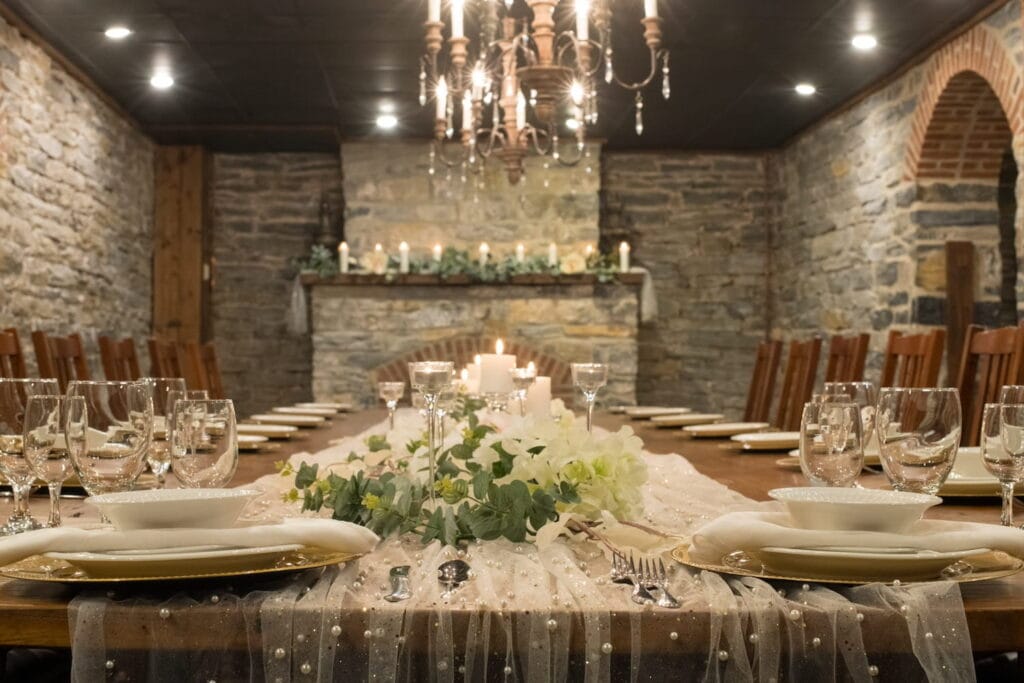
In Philadelphia, venue rental fees typically range from $5,000 to $15,000, accounting for roughly 15% of most couples’ total wedding budget.
Catering is often the other major driver. In the Philadelphia market, caterers commonly charge $75–$250 per guest for food service, with bar service adding another $4,500–$5,600 depending on the package and headcount.
What hourly venues charge
Platforms that charge by the hour shift the math in favor of couples who need space for some hours. The cost of renting a wedding venue by the hour makes the savings clear.
According to our booking data, in Pennsylvania, hourly wedding venue rates vary by city:
- Philadelphia: $147 per hour on average, with a range of $88 to $441. The average booking runs four hours with 42 guests, putting a typical venue rental between roughly $350 and $1,764
- Pittsburgh: $108 per hour on average for outdoor wedding venues
- Lancaster: $51 per hour on average for wedding receptions
These rates cover the venue itself. You’ll still budget for catering, photography, florals, and other vendors, but the venue line item can drop from five figures to three or four. Setup and cleanup time change the final price.
With hourly venues, the number of hours you book matters just as much as the posted rate. Build in buffer time for vendor load‑in, décor, furniture moves, sound checks, and end‑of‑night breakdown.
A useful way to plan your timeline is in three phases:
- Setup and load‑in (60–120 minutes): vendors arrive, décor goes up, tables/chairs are arranged, and you handle sound/lighting checks.
- The wedding itself (4–6 hours): ceremony, cocktail hour, reception, speeches, and dancing.
- Breakdown and cleanup (60–120 minutes): cleanup, vendor load‑out, final walkthrough with the host.
With that timeline in mind, most Philadelphia weddings naturally land in the late afternoon, with ceremonies starting around 4 or 5 p.m. It’s a practical sweet spot: you catch the best natural light for photos, give guests enough time to arrive without rushing, and still leave a seamless transition into cocktail hour and an evening reception—all while keeping your total booking window within a manageable range.
How Peerspace works better than Airbnb for weddings in Pennsylvania
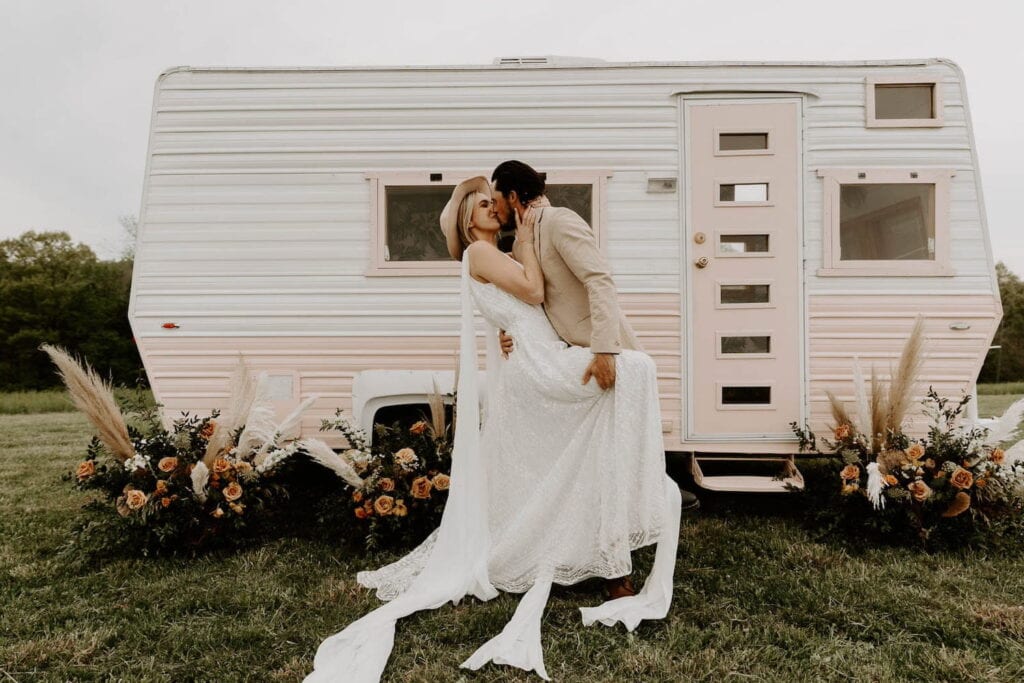
While Airbnb was built to help travelers find a place to sleep, Peerspace was built for gatherings and that distinction matters when you’re planning a wedding in Pennsylvania.
Built for events, not overnight stays
Airbnb connects travelers with places to sleep. Peerspace connects people with spaces to gather, and weddings are one of the common reasons couples book.
Every venue on our platform is listed specifically for events, meetings, productions, or celebrations. Hosts expect vendors, guests, setup time, and cleanup because that’s the point.
“It was much easier to work with Peerspace compared to Airbnb! Airbnb often has restrictions that aren’t ideal for weddings, but with Peerspace, I could search for locations specifically designed to host events, which made a huge difference. The Peerspace listings are also more transparent with their details, which has been incredibly helpful!.”– Nicole Day, owner of Ember & Stone Events.
From our booking data, hosts have welcomed 6,456 guests to wedding venues in Philadelphia alone, with an average rating of 4.9 stars and about 99% of guests saying they would book again—making our local venues a strong choice for weddings when you want reliable host performance and consistent reviews.
Hourly pricing changes the venue math
Our venues are priced by the hour, so you pay for the time your wedding actually runs, not for overnight hours sitting empty.
“Clear guidelines and pricing. Fantastic concept. I would 100% use Peerspace again.” — Christiana A., Trustpilot Review.
For couples planning within Pennsylvania’s median wedding venue budget of $5,000, that difference can free up thousands for food, photography, florals, or (yes) a cookie table that does the tradition justice.
Vendor-friendly policies with clarity up front
On our platform, vendor expectations are clearer because the spaces are listed for events. Many hosts welcome outside caterers, bartenders, DJs, and photographers, and listing details typically spell out what’s allowed.
If vendor flexibility is a priority, use amenities and policy filters, then message the host to confirm your exact plan (guest count, load‑in time, alcohol rules, kitchen access, and cleanup expectations).
Reviews from people who actually hosted events
On Airbnb, reviews come from travelers who slept there. On our platform, reviews come from people who have hosted events there, including weddings, receptions, and celebrations.
“Zash was an amazing host. Very responsive and flexible. The property was gorgeous and was the perfect venue for my small wedding reception. Would definitely book again” – Chante P., Peerspace Review.
You’re not reading feedback from someone who spent a quiet weekend at the property. You’re hearing from people who tested the space under the same conditions you will—with guests, vendors, music, and a timeline to manage.
Event-friendly features included
We include built-in features designed specifically for events, making it easier to plan and manage a wedding in Pennsylvania. You can filter venues by amenities (tables, chairs, AV, kitchens, outdoor space), message hosts directly with questions, and see transparent hourly pricing before you book.
You can also share your booking through our invites feature, so guests can RSVP via a simple link, helping keep wedding weekend plans organized without group‑chat chaos.
How to find a Pennsylvania wedding venue on Peerspace
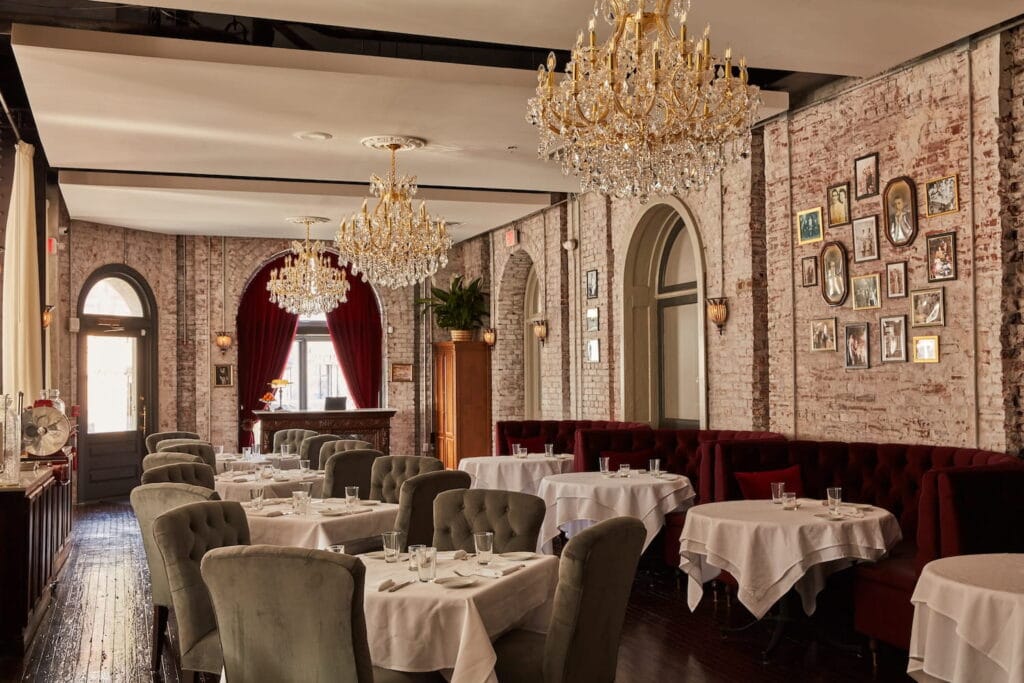
1. Start on the website or app
Visit Peerspace.com or download the app (Apple App Store | Google Play Store).
2. Search by location and event type
- Enter your Pennsylvania city or region
- Select “Wedding” as your event type (or “Reception” / “Micro Wedding” if that’s the specific event).
3. Filter by guest count, date, and budget
Narrow results using the filters:
- Attendees: Be accurate. A venue for 60 will feel cramped at 80.
- When: Check availability for your full window (include setup + breakdown).
- Price: Set a range that fits your overall wedding budget.
4. Use event-focused filters to match your wedding plans
You can filter by specific amenities.
For example:
- Space type: Loft, barn, estate, gallery, studio, garden, rooftop, etc.
- Amenities: Tables/chairs, kitchen access, AV/speakers, outdoor space, parking, bridal suite/get-ready area.
- Policies: Outside alcohol allowed; vendor-friendly; music rules; end time.
5. Read reviews, especially from similar weddings
Scroll through reviews looking for mentions of weddings, receptions, rehearsal dinners, or celebrations. These show how the space performs for events like yours.
What to look for:
- Was the host responsive and helpful?
- Did the space fit the group comfortably?
- Were there any surprises (good or bad) around access, noise, or cleanup?
6. Message the host before booking
Don’t skip this step. A simple, quick message helps you confirm logistics and get a feel for the host’s communication style in advance.
Questions worth asking:
- “We’re planning a wedding for [X] guests on [date]. Is your space a good fit?”
- “Are outside vendors (catering, bar, DJ, florist, photographer) allowed?”
- “Can we schedule a walkthrough before we book?”
- “What’s the earliest we can access the space for setup, and how does cleanup work?”
- “Anything guests should know about parking, rideshare access, or nearby hotel options?”
7. Book and confirm the details
Once you’ve found the right space, book through the platform. You’ll receive confirmation with the venue address, host contact info, and any day-of instructions.
Before your wedding:
- Confirm arrival time and access instructions
- Confirm your vendor schedule and load-in plan
- If needed, confirm insurance requirements and any permits
- Share your booking details with key people (planner, MOH, vendor lead)
Plan the wedding, not the workaround
Pennsylvania gives you more ways to get married than almost any other state, from a self‑uniting license to barn weddings in Dutch Country to rooftops in Philadelphia. What it doesn’t give you is a regulatory environment that makes Airbnb a consistently safe bet for hosting an event.
Hourly event venues close that gap. You book the space for the hours you need, bring your vendors, and host in a place where gatherings are the whole point, not a policy violation waiting to be flagged.
Find wedding venues in Pennsylvania and start planning your dream day.
In this article
- Can you use Airbnb for a wedding in Pennsylvania?
- Where Airbnb falls short for weddings in Pennsylvania
- How to find a wedding venue in Pennsylvania
- How much does it cost to rent a venue for a wedding in Pennsylvania?
- How Peerspace works better than Airbnb for weddings in Pennsylvania
- Event-friendly features included
- How to find a Pennsylvania wedding venue on Peerspace
In this article
- Can you use Airbnb for a wedding in Pennsylvania?
- Where Airbnb falls short for weddings in Pennsylvania
- How to find a wedding venue in Pennsylvania
- How much does it cost to rent a venue for a wedding in Pennsylvania?
- How Peerspace works better than Airbnb for weddings in Pennsylvania
- Event-friendly features included
- How to find a Pennsylvania wedding venue on Peerspace
Get together somewhere better
Book thousands of unique spaces directly from local hosts.
Explore SpacesShare your space and start earning
Join thousands of hosts renting their space for meetings, events, and photo shoots.
List Your Space