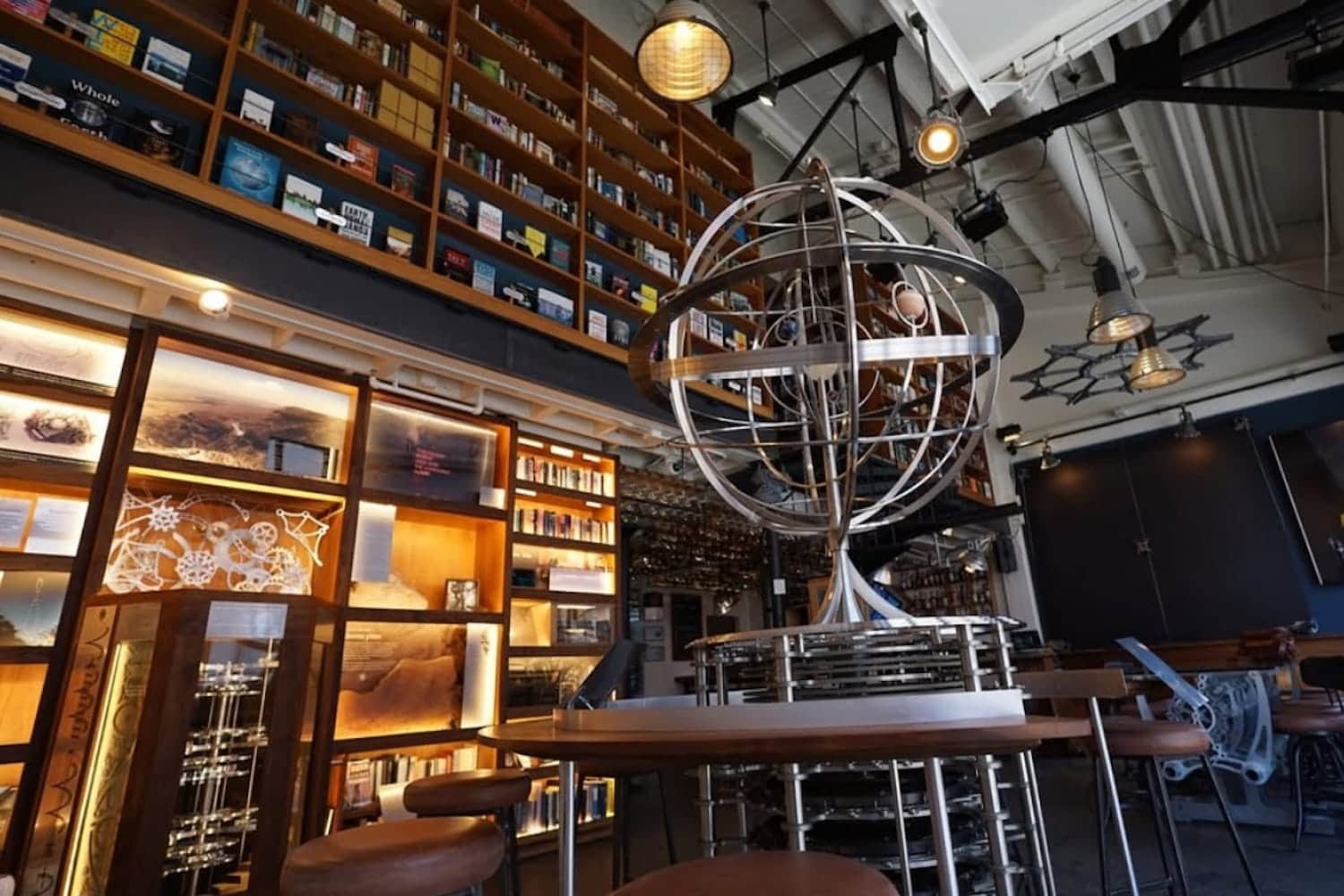
How & Where to Rent an Airbnb Coworking Space (2026)
-

Contributing Writer -

Lead Editor & Publisher
- December 16, 2025
- 16 min read
- Events
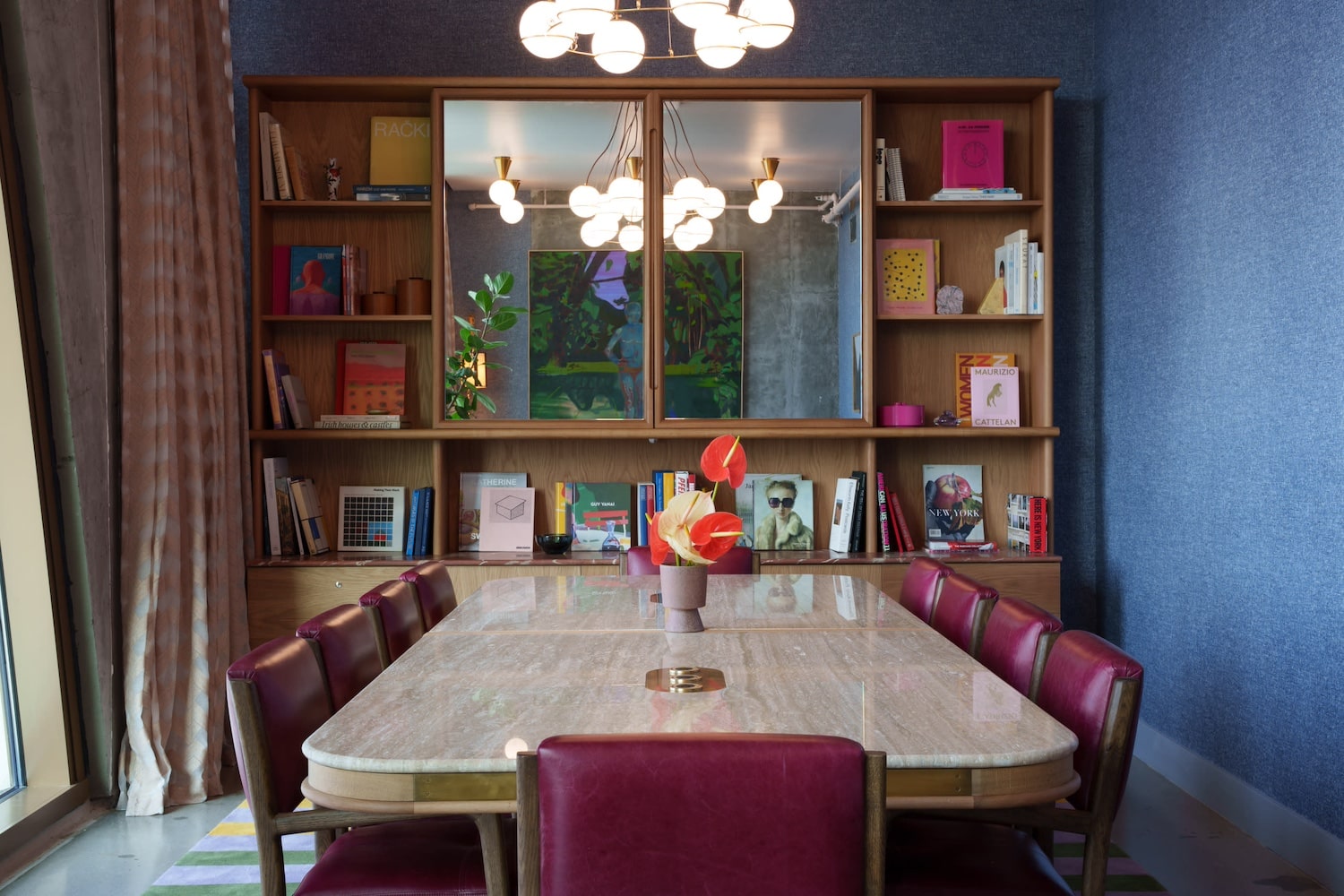
Source: Peerspace
Many people begin their search for a team workday or offsite with a quick phrase typed into Google: “Airbnb for coworking.” It feels intuitive. Airbnb listings often look warm, beautifully designed, and more relaxed than traditional corporate meeting rooms. They promise a home-like atmosphere that can feel energizing after months of virtual collaboration or sitting in the same office. But that initial spark of excitement tends to fade the moment you try to plan a full day of productive teamwork inside a short-term rental. What seems inviting on the surface usually reveals deeper mismatches when your team actually needs to collaborate, brainstorm, or meet with clarity and structure.
This guide goes far beyond that first search. It explores why vacation rentals rarely work as reliable coworking venues, what event-friendly platforms like Peerspace offer instead, and how to design a workday that brings out your team’s best thinking.
Whether you’re planning a quarterly strategy retreat, a hybrid team meetup, a creative ideation sprint, or a recurring coworking day to anchor culture, this guide will help you make choices that elevate the entire experience.
Why Airbnb rentals fail as coworking spaces
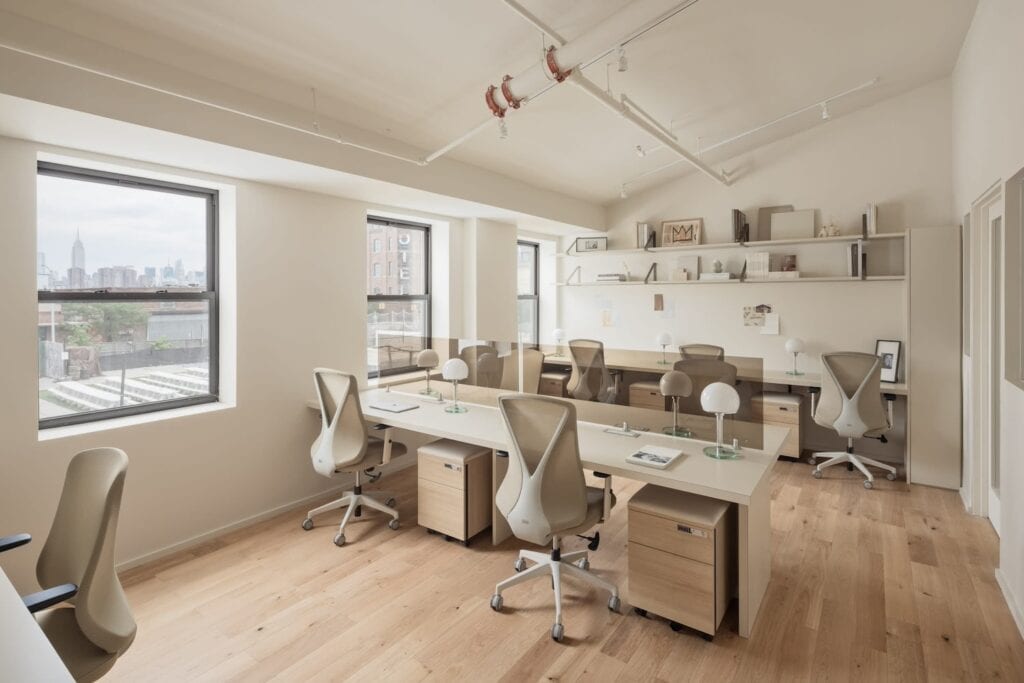
Running a smooth, productive workday requires intentional structure, the right tools, and a venue designed for more than just relaxation. While Airbnb excels at offering charming places to sleep, it does not offer the reliability, support, or infrastructure needed for intentional team collaboration. This is where teams start to experience friction: lingering uncertainty around house rules, inconsistent tech setups, and the sense that you’re working in a space that was never meant for professional activity.
Paying for nights when you only need a few hours
Nightly minimums are one of the biggest and most immediate obstacles. Many Airbnbs require multi-night bookings, even for daytime use. Cleaning fees and service costs further inflate the price. A listing that initially looks budget friendly often becomes an unexpectedly expensive venue when you break down the hours of actual use.
For small teams and startups watching their budgets closely, this misalignment between cost and usage becomes even more pronounced. The financial inefficiency grows when you compare it to hourly venues specifically built for meetings, which allow far more control over spend.
Additionally, overnight pricing doesn’t just cost more. It encourages hosts to treat the booking as a lodging stay, not a professional activity, which can introduce new restrictions.
Global event policies that complicate group workdays
Airbnb’s global restrictions on all events and gatherings were introduced to prevent parties, but they have ripple effects on legitimate team activities. A group offsite, a planning session with several laptops, or even a structured brainstorming workshop can be interpreted as an “event” by hosts or the platform.
This ambiguity creates a persistent layer of risk. A host could cancel if they feel uncomfortable with the use case. The platform could intervene if they decide the booking violates policy. Even with host approval, nothing guarantees the booking will remain stable through the day of your offsite.
For teams coordinating travel or hybrid schedules, this instability can derail weeks of preparation.
Vendor and services restrictions
Teams often underestimate how many small services shape a successful workday. Delivered lunches, facilitated workshops, coffee cart pop ups, whiteboard rentals, or extra seating can improve comfort and flow. But many Airbnb hosts prohibit any outside service providers from entering the property.
This leaves teams improvising or scaling back. No ability to bring in equipment means presentations suffer. No ability to bring in food means tight schedules are disrupted. No ability to bring in facilitators means your most important sessions lose structure.
Professional environments thrive on flexibility. Vacation rentals limit it.
Missing office grade infrastructure
Most workdays depend on reliable WiFi, ample outlets, ergonomic furniture, adjustable lighting, and tools like monitors and whiteboards. Airbnbs are rarely equipped with these necessities. Even well-designed homes often have WiFi that struggles with multiple video calls, or lighting that feels cozy, but not practical.
When your team is mid workshop or hosting remote participants, these gaps become major obstacles. The absence of dedicated breakout spaces, sound supportive layouts, or adjustable seating makes it hard to maintain momentum.
Neighbors, noise, and privacy issues
Team workdays naturally generate movement and conversation. Residential environments were not built to handle that energy. Neighbors may be sensitive to noise or foot traffic. Parking limitations can frustrate attendees. Conversations that involve confidential planning or client details may not feel secure in a semi public residential environment.
What starts as a cozy setting can quickly feel constraining when people don’t feel entirely free to speak openly or move around comfortably.
Last minute cancellations and unexpected rule changes
Perhaps the biggest risk is unpredictability. Hosts sometimes cancel when they realize a booking involves more than leisure. Even a small shift in plans can cause a host to withdraw approval. When flights, hotel reservations, or team calendars hinge on that venue, the disruption can be costly.
Once you factor in lost time, lost morale, and replanning, the risks outweigh the perceived convenience.
Vacation rentals may look flexible, but for professional gatherings, they introduce operational challenges that undermine the purpose of the day.

How Peerspace supports coworking days that actually work
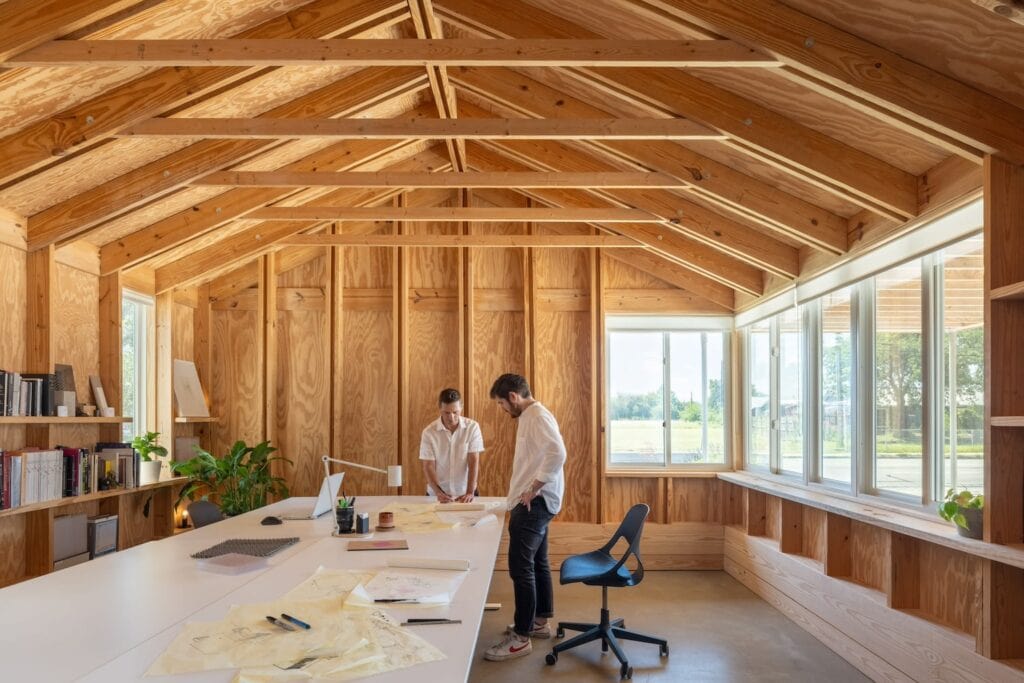
Where Airbnb was designed for lodging, Peerspace was designed for gatherings. This foundational difference shapes everything that follows. On Peerspace, hosts expect teams to meet, collaborate, brainstorm, and even produce creative work. Rules are clear. Tools are available. Layouts are adjustable. Vendors are welcome.
Instead of trying to adapt a home into an office, teams step into spaces already built for productivity. This alignment makes planning smoother and outcomes stronger.
Hourly pricing that matches real work schedules
Teams rarely need 24 hours of space. They need the exact hours required to set up, run their sessions, take breaks, and wrap up. Hourly pricing puts budget and timing back under your control. You aren’t forced to pay lodging premiums for a workday.
This flexibility makes it easier to host recurring coworking days, workshop series, or multi-day sessions where you only pay for the hours used.
Event and meeting friendly hosts
When hosts understand your use case, everything becomes easier. Peerspace hosts expect the movement, conversation, equipment, and collaboration that accompany team workdays. Their spaces are configured to handle it.
This creates peace of mind. No guessing whether you’re overstepping boundaries. No worrying about whether you’re too loud. No risk of unexpected rule changes. The environment supports productivity rather than restricting it.
Freedom to bring in food, facilitators, and gear
Flexibility is one of the biggest benefits of dedicated meeting spaces. Many Peerspace venues welcome outside catering, coffee setups, workshop facilitators, AV technicians, and more. This allows teams to create experiences that feel tailored and energizing.
Want a midmorning espresso bar? A creative facilitator? A video setup for hybrid participation? These additions become easy rather than complicated.
Spaces designed with productivity in mind
Professional spaces on Peerspace include essentials that Airbnbs typically lack: strong WiFi, monitors, screen sharing tools, movable tables, breakout corners, whiteboards, and acoustic considerations. Some spaces even include podcast studios, production equipment, or separate rooms for focus work.
This foundation enables teams to work fluidly. Collaboration becomes natural rather than improvised.
Transparent pricing and clear expectations
One of the biggest frustrations with vacation rentals is uncertainty. With Peerspace, pricing, rules, allowed uses, and amenities are listed upfront. Teams know what to expect in terms of capacity, noise guidelines, vendor policies, and layout.
This clarity reduces stress and helps planners make confident decisions.
When logistics fade into the background, teams can focus entirely on the content of their workday.
Designing your ideal coworking day from schedule to flow
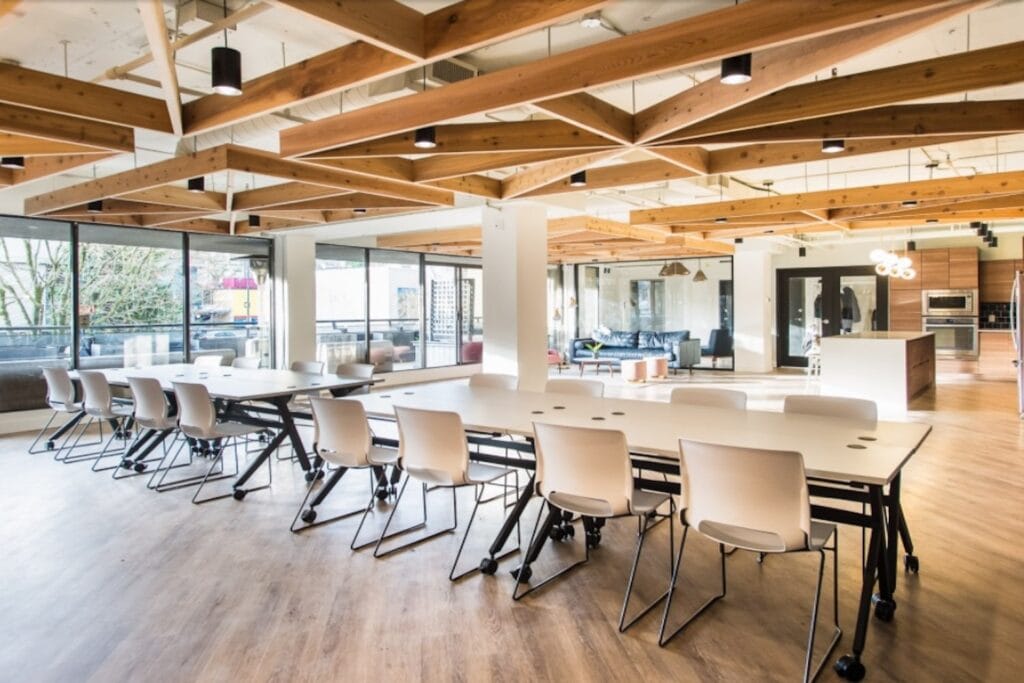
Designing a coworking day is part art, part logistics. A thoughtful sequence of sessions, the right mix of collaboration and focus, and small environmental cues can dramatically shift how your team experiences the day. Whether your goal is brainstorming, strategic planning, reconnecting after remote stretches, or simply creating forward momentum, the structure behind the day matters.
Start with the purpose of the day
Every meaningful workday begins with a clearly stated intention. Are you trying to break through creative blocks? Strengthen team cohesion? Align on quarterly priorities? Review progress? The purpose becomes the foundation for choosing a venue, designing an agenda, and setting expectations.
Build a realistic schedule with energy in mind
Human energy ebbs and flows. Plan for it. Mornings often work best for structured discussions or decision making, while afternoons may benefit from hands-on work or small group sessions. Incorporate generous breaks to prevent fatigue, and include small rituals that keep engagement steady.
For teams building a more structured agenda, Peerspace’s meeting planning checklist offers a step by step framework that helps refine timing, flow, and prep work.
Plan the physical layout for collaboration
The way people interact with a room shapes the way they think. For strategy sessions, consider U-shaped or circular layouts. For creative work, keep space open, flexible, and wall friendly for sticky notes or visual mapping. Hybrid meetings require sightlines, centralized displays, and balanced acoustics.
Food, caffeine, and hydration strategies
Thoughtful food planning is one of the simplest ways to elevate a coworking day. A well timed snack, a hydrating beverage station, or a casual lunch can keep energy stable without breaking flow. Whether you’re ordering delivery or bringing in a coffee setup, the goal is to keep people nourished and focused.
Setting ground rules for a productive day
Norms help people work together smoothly. Establish guidelines around laptop use, meeting interruptions, discussion equity, and device etiquette. Make space for different communication styles and energy levels so everyone feels empowered to contribute.
Ending with reflection and next steps
A closing ritual helps teams integrate the day’s work. Whether it’s a reflection round, a summary board, or a short written takeaway, this moment turns shared activity into shared clarity.
When the flow of the day supports natural human rhythms, collaboration feels easier and outcomes feel stronger.
Coworking use cases and the venues that fit them best
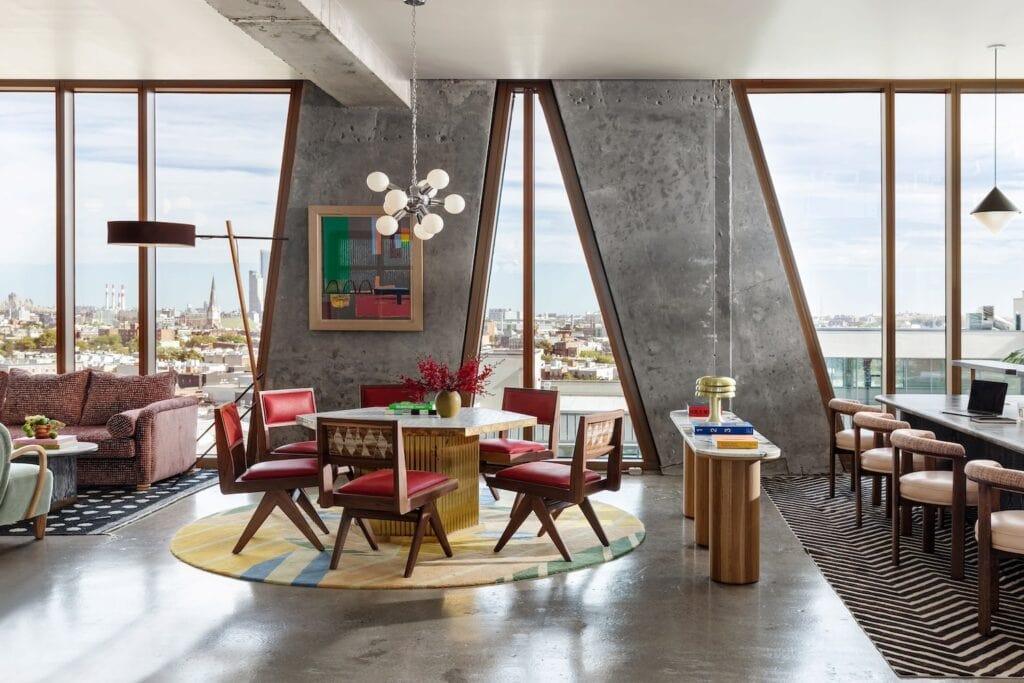
Coworking is not a single activity. Teams gather for many reasons, and each purpose benefits from a different environment. Choosing a venue that matches your specific use case can significantly improve productivity and overall experience.
Heads down focus days for small teams
Conference rooms, private offices, and quiet desk spaces work well for teams needing concentration. Look for venues with ergonomic seating, reliable temperature control, minimal noise, and WiFi that won’t buckle under several simultaneous tasks.
Brainstorming sprints and creative jams
Creativity thrives in open, flexible spaces. Lofts, flex studios, and art-friendly environments allow people to move, write on surfaces, arrange materials, and build visual maps. These spaces work best when they offer writable walls, movable furniture, and room to shift into breakout groups.
Client presentations and pitch rehearsals
When stakes are high, choose a polished, professional setting. Presentation spaces, screening rooms, and modern conference setups elevate both confidence and credibility. Look for AV reliability, comfortable seating, and lighting that supports visibility without fatigue.
Hybrid and distributed team meetups
Hybrid teams need more than a large table. Lounges, multi-room lofts, and modular office spaces provide breakout zones for casual conversation, separate rooms for calls, and central areas for group discussion. Good acoustics and multiple monitor setups make remote teammates feel more present.
Creator coworking days for content and collaboration
Production studios, daylight studios, and visually distinctive interiors help creators generate high quality content while still coworking. Seek out venues with strong natural light, flexible shooting areas, and backdrops that support different styles of storytelling.
Community coworking pop ups and member days
For larger gatherings or community-focused initiatives, consider galleries, community centers, or privately-rented cafes. These venues handle more foot traffic and provide space for networking, workshops, or rotating conversations.
Questions to ask before booking any coworking space
Before committing to any venue, ask yourself and the host:
- Does the WiFi support multiple, simultaneous video calls?
- Is there enough seating and table space for everyone’s work style?
- What tools are available: monitors, whiteboards, flip charts, speakers?
- Are outside food and beverages allowed?
- Are there quiet areas for sensitive conversations or calls?
- How is natural light, temperature control, and overall comfort?
- Are there any rules that might conflict with your agenda?
These questions help you filter out spaces that look beautiful but cannot support the practical needs of a team.
If your team needs environments that can shift easily between work modes, you might want to consider using a flex space. These kinds of venues offer layouts and amenities that support everything from brainstorming to focused work.
Matching the venue to the purpose helps ensure the environment supports, rather than interferes with, your goals.
Neighborhood vibes and cost tradeoffs for work sessions
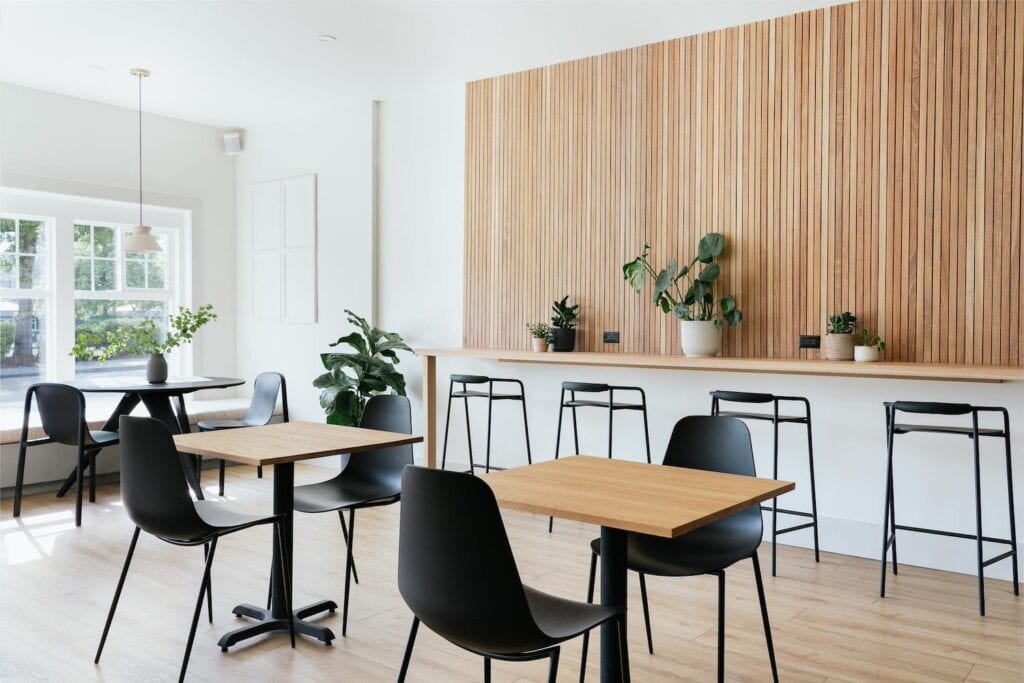
Neighborhoods shape the tone of a coworking day just as much as the space itself. The right area can shorten commutes, inspire creativity, or provide quiet focus, depending on your goals.
Downtown cores for convenience and transit access
City centers often offer excellent transit, walkability, and proximity to clients. They’re ideal for days involving multiple meetings or attendees coming from different parts of town. However, central areas may come with higher parking costs and busier surroundings.
Creative districts with inspiring surroundings
Arts districts, industrial corridors, and emerging creative neighborhoods offer an atmosphere that energizes brainstorming and innovation. Venues in these areas often have unique architecture, open layouts, and textures that spark new ideas.
Residential pockets for quieter workdays
Quiet neighborhoods offer slower-paced environments where teams can settle in and concentrate. These areas often come with easier parking, fewer interruptions, and a more retreat-like feeling.
Cost comparisons across neighborhoods
Rates can shift significantly depending on the district. Downtown spaces generally sit at the higher end of the pricing spectrum, while fringe areas or creative districts may offer more spacious options for less. Balancing cost with convenience and tone helps teams make more intentional choices.
Commute, accessibility, and inclusivity
Choosing a location that accommodates various travel modes (public transit, biking, walking, or driving) helps ensure higher participation and smoother start times. Accessible entrances, elevators, and restrooms are essential for inclusivity and should be part of any venue evaluation.
When you select a neighborhood purposefully, you set the stage for the kind of work you hope to accomplish.
Turning coworking days into culture building rituals
When used intentionally, coworking days become more than scheduled gatherings. They become cultural touchpoints that reinforce belonging, communication, and shared purpose, especially for hybrid and remote teams.
Setting a cadence that feels special, not exhausting
Consistency strengthens culture, but over scheduling can cause fatigue. Monthly or quarterly coworking days strike a healthy balance, giving people something to look forward to without overwhelming calendars.
Weaving rituals into the agenda
Small rituals create emotional continuity. Start the day with a welcome circle, host a rotating “lightning talk,” or close with recognitions. These moments build camaraderie and help teams stay connected across projects.
Spotlighting team members and accomplishments
In remote environments, wins can easily go unnoticed. Coworking days provide a natural platform for celebrating achievements and giving visibility to behind the scenes contributions.
Inviting cross functional collaboration
Coworking days can break down silos by mixing departments, pairing unlikely collaborators, or hosting cross-team problem solving sessions. These interactions often lead to fresh ideas and unexpected partnerships.
Measuring impact on morale and performance
To understand whether coworking days are supporting your team in meaningful ways, build in simple feedback loops. Quick pulse surveys, anonymous check ins, or facilitated reflections can reveal whether people feel more aligned, more connected, or more energized afterward. Over time, tracking these signals helps you refine cadence, agenda style, location choices, and facilitation methods so each gathering becomes more intentional.
When teams see coworking days not as disruptions but as energizing rituals, participation strengthens and outcomes compound.
Why this matters, according to global surveys highlighted by Harvard Business Review: “52% of jobseekers would not accept a job offer if they did not know or agree with a company’s values…and 90% of respondents from another poll said that work should bring a sense of meaning to their life.”
Tech, privacy, and comfort: non-negotiables for modern teams
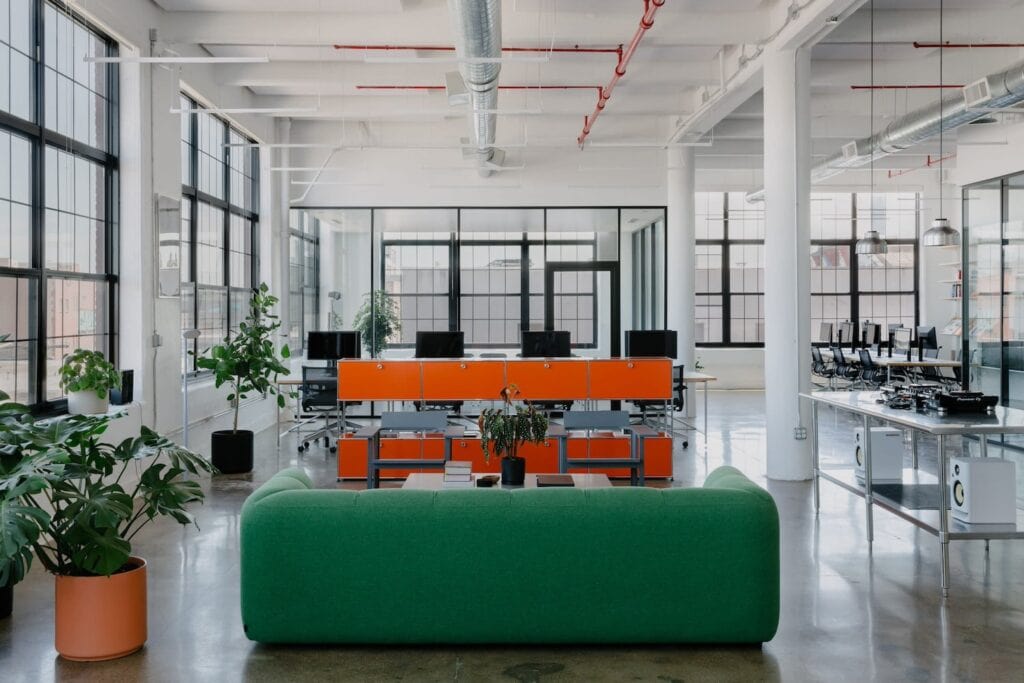
Great coworking days depend on more than good conversation. The physical and technological environment plays a powerful role in team performance. Today’s hybrid and distributed teams need spaces that support fluid communication, confidentiality, comfort, and accessibility.
Connectivity that keeps hybrid meetings smooth
A full day of collaboration requires reliable, high speed internet that can sustain multiple video calls, presentations, shared documents, and cloud-based tools. Asking hosts about bandwidth capacity, router location, and backup options prevents mid-day frustrations.
Audio and visual tools for clear communication
Large screens, quality speakers, webcams, ring lights, and adapters help remote participants feel included rather than sidelined. In hybrid environments, clear audio and visual clarity are essential for equitable participation.
Privacy for sensitive conversations
Many teams need to step away for one-on-ones, private calls, or client discussions. Look for venues with separate rooms, phone booths, or quiet corners that support confidentiality without pulling people away from the central workspace.
Ergonomics and movement
Comfort directly affects engagement. Supportive seating, adjustable tables, space to stretch, and the option to stand give people autonomy over their bodies throughout the day. These small details help maintain focus and reduce fatigue.
Climate control and lighting
Temperature and lighting profoundly shape cognitive performance. Spaces with natural light, dimmable fixtures, and adjustable climate controls help maintain comfort for long stretches. Good lighting also enhances visibility for hybrid calls and collaborative tasks.
Treating these elements as essential rather than optional helps teams stay grounded, present, and effective.
Bringing it all together for better coworking days
Your search for Airbnb for coworking is really a search for flexibility, comfort, and an environment that supports meaningful collaboration. While vacation rentals can seem appealing at first glance, they introduce layers of unpredictability that can disrupt the flow of a carefully planned workday. Platforms designed for gatherings offer the infrastructure, clarity, and reliability that modern teams need.
A well chosen space transforms an ordinary day of work into something far more meaningful. When your environment supports your goals instead of constraining them, your team walks away feeling connected, energized, and ready for what’s next.
Explore Peerspace to find coworking venues that support the way your team works best.
In this article
- Why Airbnb rentals fail as coworking spaces
- How Peerspace supports coworking days that actually work
- Designing your ideal coworking day from schedule to flow
- Coworking use cases and the venues that fit them best
- Neighborhood vibes and cost tradeoffs for work sessions
- Turning coworking days into culture building rituals
- Tech, privacy, and comfort: non-negotiables for modern teams
- Bringing it all together for better coworking days
In this article
- Why Airbnb rentals fail as coworking spaces
- How Peerspace supports coworking days that actually work
- Designing your ideal coworking day from schedule to flow
- Coworking use cases and the venues that fit them best
- Neighborhood vibes and cost tradeoffs for work sessions
- Turning coworking days into culture building rituals
- Tech, privacy, and comfort: non-negotiables for modern teams
- Bringing it all together for better coworking days
Get together somewhere better
Book thousands of unique spaces directly from local hosts.
Explore SpacesShare your space and start earning
Join thousands of hosts renting their space for meetings, events, and photo shoots.
List Your Space