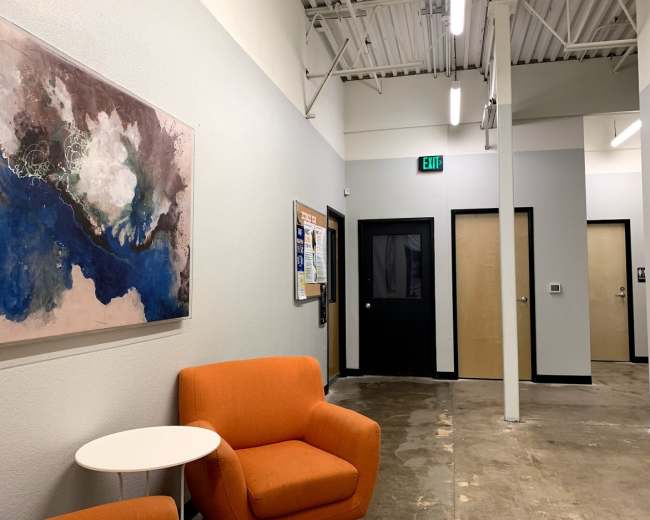
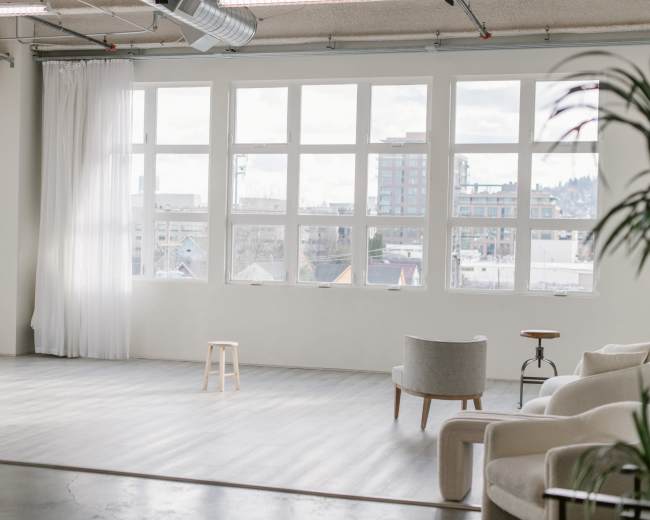
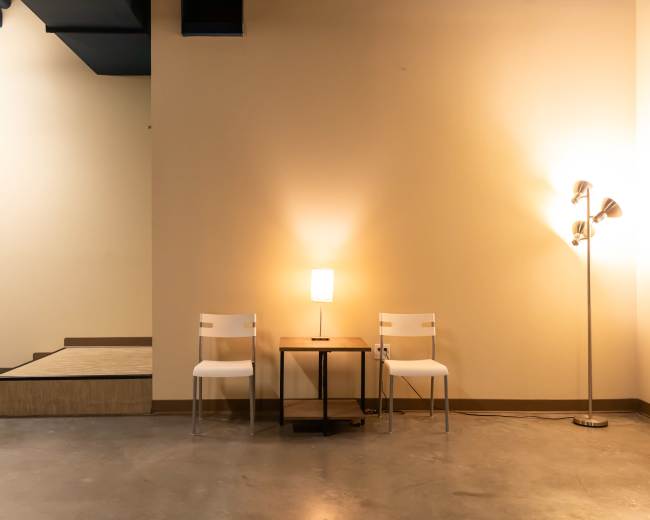
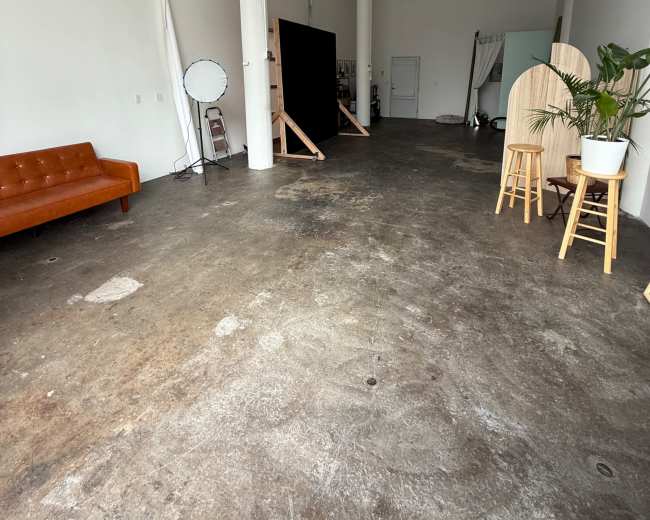

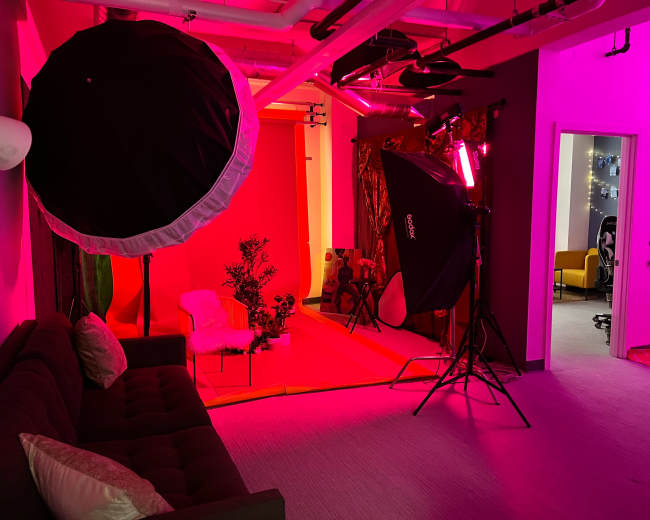
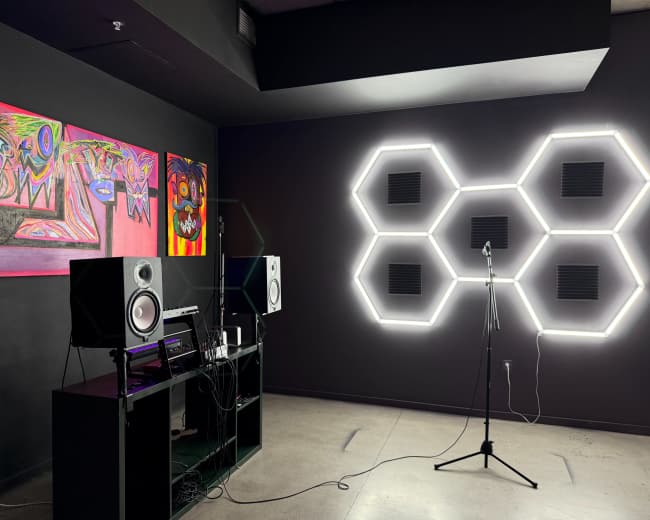
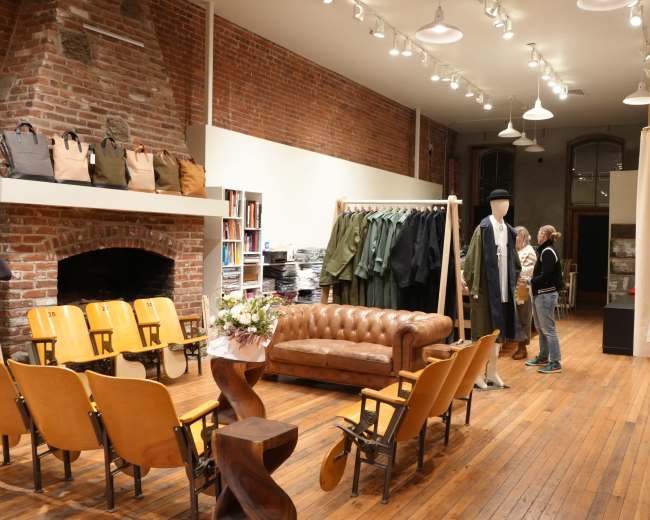
- What setup help usually includes: A staff member or host welcomes you in, checks microphone placement, helps set headphone levels, confirms everyone is being recorded correctly, and explains how your files will be delivered.
- What it doesn't always include: Full production support, live troubleshooting for the entire session, editing, camera switching, clip creation, or social-ready exports. Those services are often billed separately.
- Questions to ask before booking: Confirm whether someone will be on-site when you arrive, who handles mic placement and sound checks, who starts the recording, whether anyone monitors audio during the session, how files will be delivered, and whether support is available for both audio and video.
- Best fit for beginners: A plug-and-play podcast studio with a small number of mics, simple seating, and a host who can explain the workflow in plain English.
- Red flags to watch for: Listings that name lots of equipment, but say nothing about support, vague answers to technical questions, or photos that look polished without showing how recording actually works in the room.
How podcast rooms work on Peerspace
Peerspace is the easiest way to book unique for all kinds of productions including photo shoots, film shoots and music videos. We also have spaces for meetings and events.
The most locations
Every day we uncover new, inspirational spaces, including podcast rooms, perfect for your activity.
Professional hosts
Our network of helpful hosts respond quickly, and are well-versed in accommodating all types of productions, including film and photo shoots.
Hire by the hour
Only pay for what you need. Pay by the hour for your podcast room location without worrying about hidden fees or overtime.
Popular podcast studios
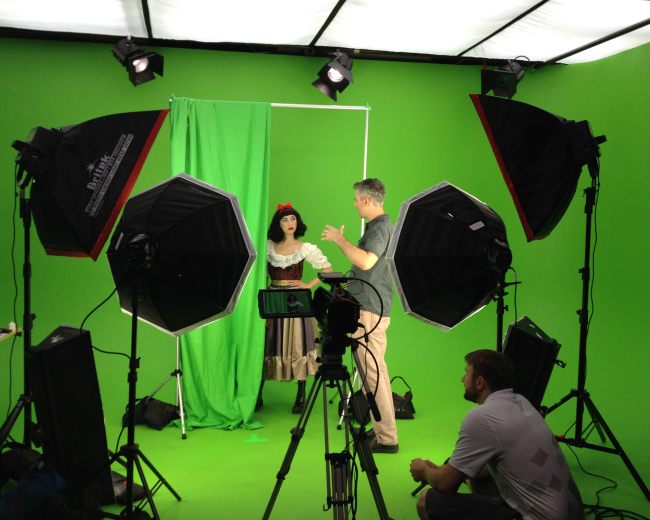
Green Screen Studio
Island Station, Portland, OR4.9 (65)
15 guests
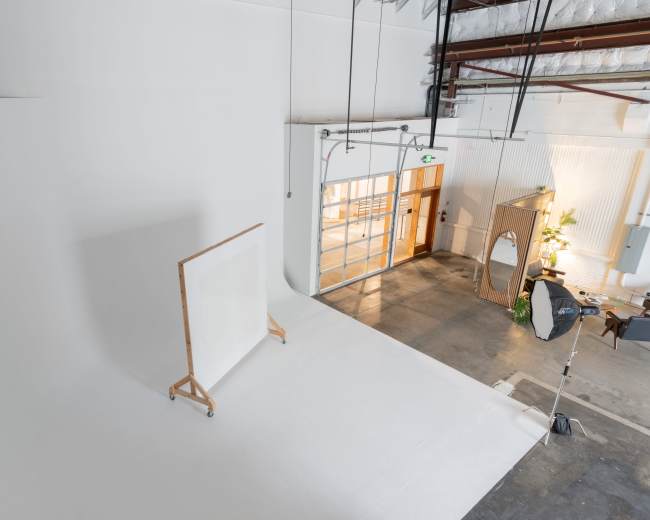
Ideal for: music videos, talking head videos, infomercials, photography, product photography, head shots, voice overs, podcasting, video streaming, YouTube streams, Twitch streams. Included: green screen cyc, in house video lights, hair & make-up chair, dressing room, wifi, green room with 1200+ vinyl records, isolation booth,…
...
From
$65
/hr
5 hr min
Cute n Cozy SE Natural Light Photo+Art Studio w/ Roll-up Garage Door
Southeast Portland, OR5.0 (7)
15 guests
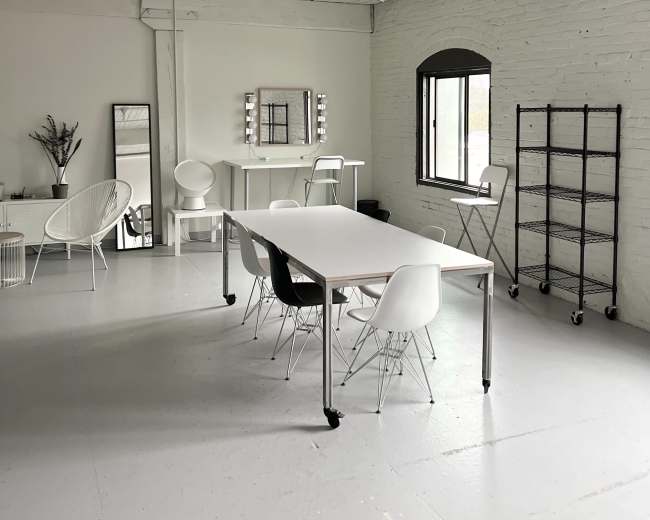
This charming studio space is fully equipped for Professional Photography, Mixed Media Arts, Classes, Workshops, and Small Events! The space is a rectangle that includes a Photography section, Painting/Mixed-Media section, Vanity getting ready area, clothing racks, Kitchenette & more! Amenities include: - Free parking -…
...
From
$63
/hr
1 hr min
Open Plan Studio with Natural Light
Hosford-Abernethy, Portland, OR105 guests
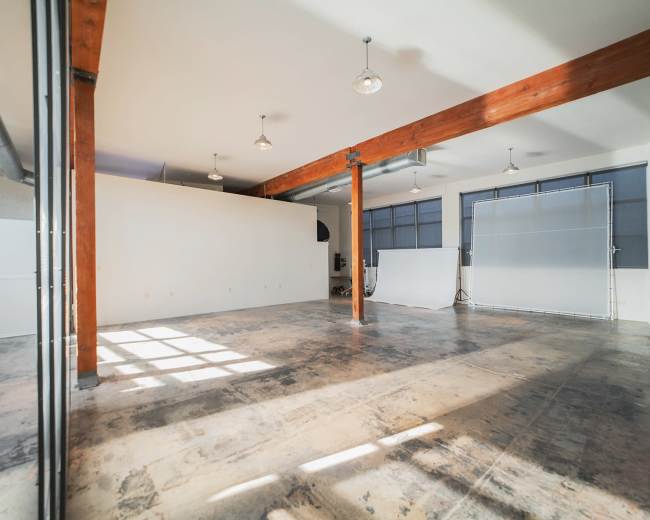
The Boop Factory is a rentable, 2000 square foot, video and photo studio with areas for both natural light and controlled light. The studio is set up with four distinct areas: a front lobby type area with a garage door that opens, a main area…
...
From
$150
/hr
4 hr min
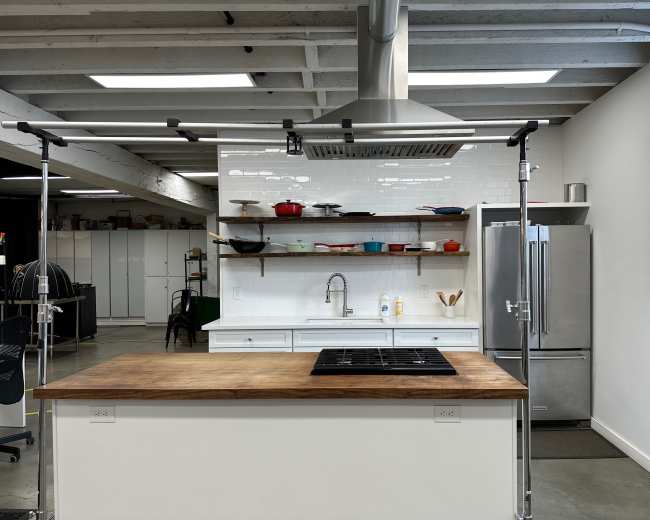
Warehouse Creative Studio in Portland – Photo, Video, Music & Camera-Ready Kitchen
Southeast Portland, OR15 guests
A flexible 1,500 sq ft warehouse studio built for creators who need space, character, and reliability. Industrial bones with a polished, modern layout make it perfect for photo and video shoots, band sessions, lifestyle work, product campaigns, and small creative events. The studio includes a…
...
From
$125
/hr
4 hr min
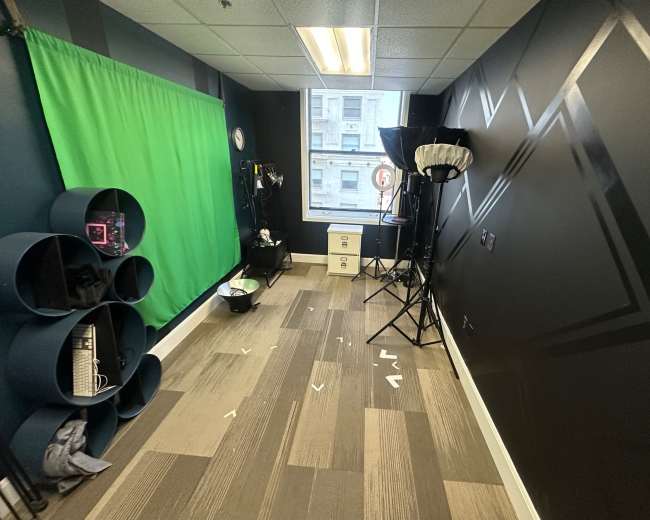
Dark Content creation studio above Pioneer Courthouse Square
Southwest Portland, OR6 guests
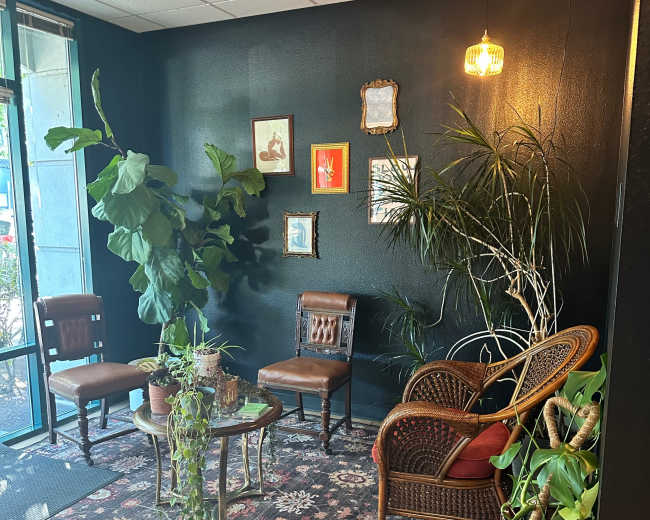
This dark patterned studio gives you the chance to broadcast your items in front of a green screen or highlight products against the black patterns of the main wall. Lights and cam ring are available for use. The glass wall at the front of the…
...
From
$30
/hr
2 hr min
Urban Daylight Studio with direct street access in SE Portland | Perfect for photography and events
Southeast Portland, OR5.0 (31)
10 guests
Welcome to Daybright Studios! Our studio is a 700 sq ft natural light space in a newly renovated building with high vaulted ceilings making it perfect for photography, videography, and more. Small events such as yoga, parties, and gallery exhibits are welcome, please inquire to…
...
From
$75
/hr
1 hr min
Downtown Rustic Creative Studio
Esther Short, Vancouver, WA5.0 (1)
20 guests
This is a beautiful live/work studio space. The space is practically divided in half so part of it is personal and the rest of it can be used to share! There are two areas you can rent. First, there is a private office room. In…
...
From
$100
/hr
2 hr min
Versatile Creative Studio in Portland's Pearl District
Northwest Portland, OR5.0 (23)
75 guests
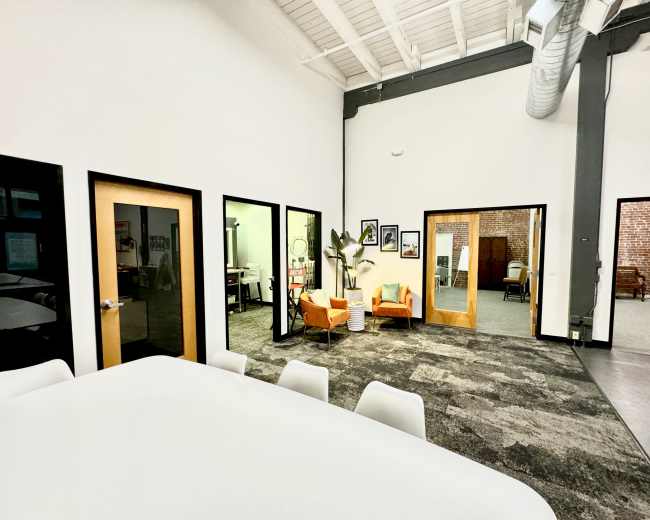
Bring your next creative project to life in our versatile 2,300 sq. ft. studio in the heart of Portland’s Pearl District. With two private studio spaces, a welcoming lobby, kitchenette, and flexible layout, our space can accommodate a variety of photo, video, film, and other…
...
From
$95
/hr
2 hr min
Industrial Studio
Vancouver, WA12 guests
OUR HIGH-ENERGY FACILITY INCLUDES: 5 dance studios, 2 music rooms, and 1 large 3500sqft room /event space. Each dance studio is equipped with a high-tech sound system, DJ lights for fun atmosphere, viewing windows for parent observation, cameras in rooms for safety, and suspended floating…
...
From
$175
/hr
3 hr min
Beautiful modern photography and video production studio.
Southeast Portland, OR5.0 (1)
20 guests
Beautiful, spacious studio ideal for photography and video production. Customize your scenes with our set walls or 9 ft backdrops on automatic rollers. The studio’s finished concrete floors and minimalist décor make it versatile for various production needs. Located in the vibrant Belmont district of…
...
From
$50
/hr
2 hr min
Colorful, Natural Light, Photo & Video Studio with Multiple Backdrops in the Heart of SE Portland - Rossman Studios
Southeast Portland, OR5.0 (20)
35 guests
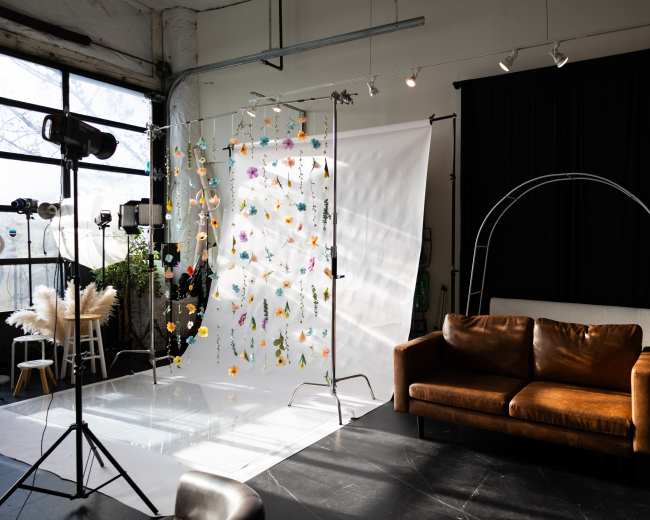
A colorfully curated lifestyle studio filled with natural light. It is perfect for creating content for social media, websites, marketing materials, and more. There are over 5 different backdrops + a seamless backdrop. 13 ft. ceilings and large industrial style windows. Furniture can be easily…
...
From
$100
/hr
3 hr min
Downtown Vintage Furniture Store with Photo Studio
Northwest Portland, OR4.5 (21)
40 guests
Welcome to our rustic downtown space filled with ample natural light in our 114 year old industrial building. We have a gorgeous white brick wall at the back of our showroom surrounded by large windows that makes for a beautiful photo studio. Rental pricing tiers…
...
From
$85
/hr
3 hr min
Studio Space for Production Use
Vancouver, WA5.0 (1)
75 guests
Studio available for film and photo production. Ideal for smaler groups. Each studio is equipped with a sound system, DJ lighting, viewing windows, security cameras, and floating floors to prevent fatigue. Our beautiful lobby has Free WIFI, and is a great place to hangout with…
...
From
$250
/hr
6 hr min
Photography Studio with views and corner windows!!
Northwest District, Portland, OR5.0 (49)
25 guests
Full of natural light and inspiration this Studio is 1200 sq/ft located in convenient NW Portland. Perfect for photographers, videographers, and creatives. Centrally located in NW Portland, with panoramic views of Downtown, the West Hills, and Fremont Bridge. Corner unit with 300 sq/ft of windows…
...
From
$120
/hr
2 hr min
Movement Studio Close-in NE Portland
Northeast Portland, OR20 guests
The Space offers 900+ square feet of space for your workshop, meeting or class. Activities like yoga, meditation, body weight exercise, stretching and more are great ways to use this studio space. There are 4 columns in the space. Our studio is convenient to downtown,…
...
From
$70
/hr
2 hr min
Portland Industrial Daylight Studio
Piedmont, Portland, OR25 guests
**Please confirm we have color backdrops you need prior to shoot. All colors pictured may not be available at the time of your shoot.** **Please be aware that your booking time needs to include set up and tear down time.** 2nd floor beautiful natural light…
...
From
$65
/hr
2 hr min
Charming Brick and Beam 5th floor studio with views of city and West Hills
Northwest Portland, CA5.0 (1)
12 guests
This creative space is a turn-of-the-century brick and beam building converted to artist spaces in the 80s, and is still run by the construction company that has maintained it since. The space is just out of the way enough to enjoy free parking, yet surrounded…
...
From
$100
/hr
5 hr min
🎬 Premium Editing & Color Grading Suite w/ HDR Streaming | Calibrated Monitors + Mac Pro}
Northwest Industrial, Portland, OR4 guests
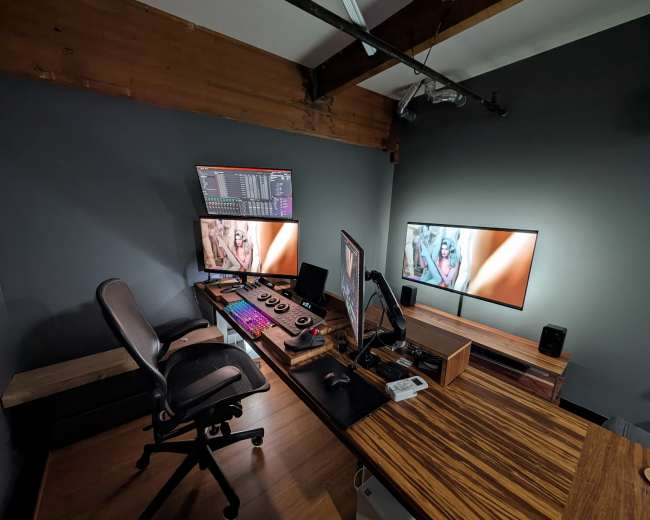
Step into a high-end, professionally calibrated {\b editing and color grading suite} designed for top-tier post-production work, client reviews, and remote collaboration. Whether you're working on commercials, episodic, narrative, or branded content, this space delivers studio-grade performance and comfort for colorists, editors, and clients alike.…
...
From
$80
/hr
2 hr min
“Roomy Modern Studio with Soaring Ceilings in Portland's Buckman Neighborhood”
Southeast Portland, OR5.0 (2)
102 guests
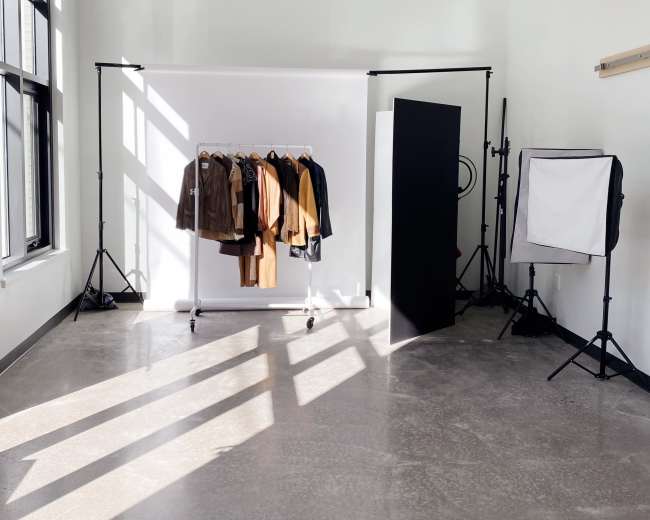
Essential Studio Features • High ceilings for flexible lighting setups and modifiers • White, neutral walls for easy color accuracy • Grip gear: stands, C-stands, clamps, sandbags, V-flats, flags • Multiple seamless backdrop options: rolls, fabrics, colors • Changing room or private space for models…
...
From
$75
/hr
4 hr min
An Airy Private Fitness Studio
Vose, Beaverton, OR3 guests
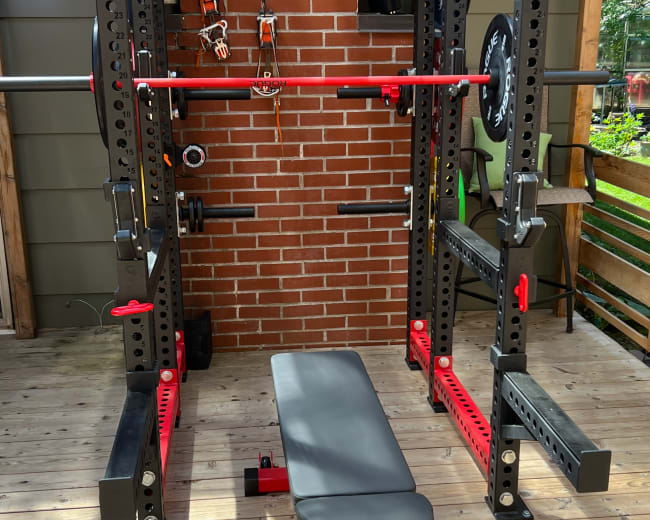
This urban fitness studio is perfect for your next workout or personal training session. Works well for one-on-one or two-on-one personal training. The studio is equipped with TRX, BOSU, Squat Rack with varius attachment, Benches, Bands, Straps, Block, Pullup Bar, Dumbbells, Stationary Bike, Barbells and…
...
From
$25
/hr
2 hr min
Production-Ready Photo & Film Studio with Cyc Wall, Natural Light & 20ft Ceilings
Southeast Portland, OR4.9 (9)
25 guests
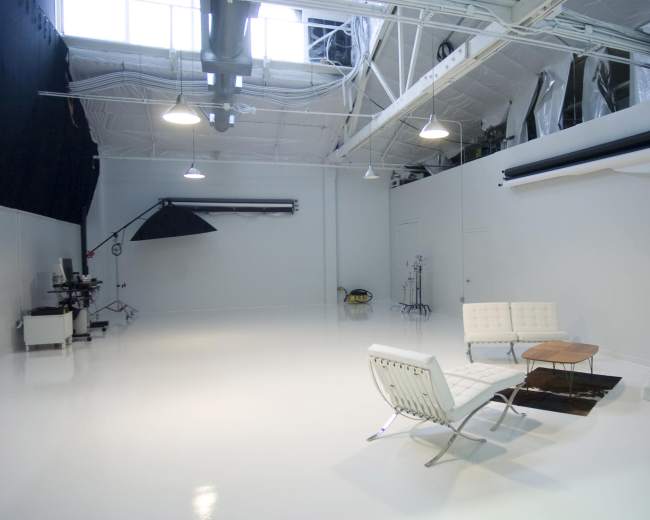
A 4,000 sq ft production-ready photo and film studio designed for photoshoots, video production, interviews, branded content, and creative projects. Built by working creatives, this space is optimized production workflows, flexibility, and efficiency on set. Perfect for: -Photo shoots -Video production -Interviews & podcasts -Brand…
...
From
$100
/hr
2 hr min
Private Photo & Video Studio
Centennial Community Association, Portland, OR6 guests
Welcome to a bright, modern photography and content creation studio designed for photographers, videographers, creators, and small businesses. The open layout is ideal for portrait photography, branding sessions, headshots, product photography, social media content, interviews, podcasts, and small video productions. The studio features a spacious…
...
From
$65
/hr
1 hr min
Event and Film Space - 3000 sq. ft. Stage, Lighting, Green Room, Projection Mapping, Live Streaming, and Recording
Kerns, Portland, OR5.0 (6)
65 guests
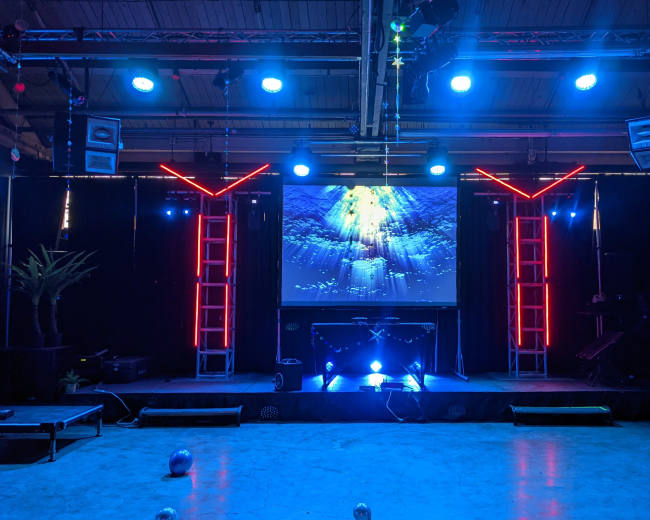
As built: Overhead truss Intelligent lighting Stage lighting 24x12 Stage 1' high Green room with stage video feed Office with directors feed FOH with directors feed, lighting control, multitrack recording, live streaming 2 mobile cameras 1 fixed camera Film and grip tools Midas M32 Mixing…
...
From
$125
/hr
4 hr min
Beautifully Lit Studio in Downtown Vancouver, WA
Arnada, Vancouver, WA5.0 (4)
20 guests
Thank you for your interest! A clean, aesthetically minimal production space perfect for interviews, photography, brand shoots, podcasts, and digital content creation. Our neutral color palette and uncluttered design offer a versatile canvas that adapts easily to any creative vision. Our space features beautiful, soft…
...
From
$50
/hr
1 hr min
Large Industrial Downtown Photo/Video Production Studio
Eliot, Portland, OR5.0 (8)
25 guests
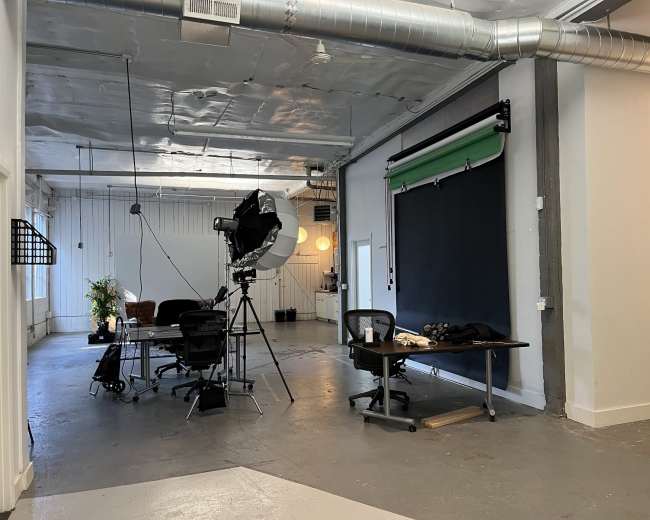
INDUSTRIAL PHOTO + VIDEO PRODUCTION STUDIO IN DOWNTOWN PORTLAND A versatile 2,000 sq. ft. industrial photo and video production studio designed for photography, video productions, branded content, interviews, social media content, workshops, presentations, and creative gatherings. The studio offers multiple flexible shooting and event areas,…
...
From
$95
/hr
2 hr min
Photo/Video Studio with 3 Kitchens and Meeting Space
North Portland, OR5.0 (3)
20 guests
We are happy to host you and your guests at our 5000 square foot studio perfect for photo production, video production or testing out your recipes. We have two production kitchens, one studio ready kitchen, blackout curtain area for video production, a dish room with…
...
From
$100
/hr
4 hr min
Alberta Arts Studio Loft
Alberta, Portland, OR5.0 (1)
50 guests
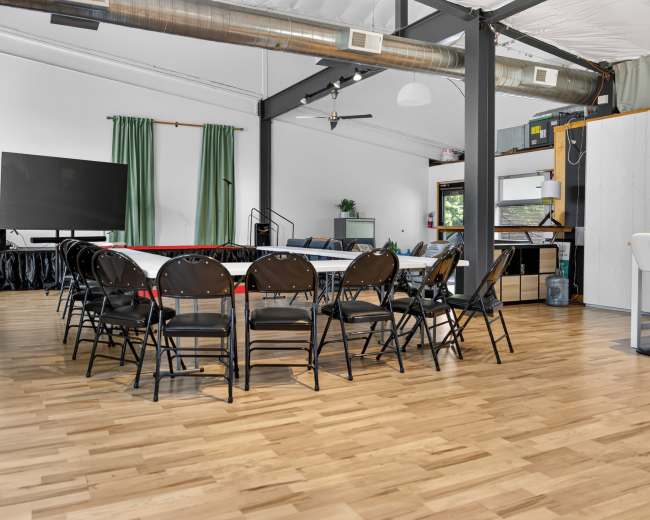
What activities work well in your space? Great for gatherings, meetings, photoshoots, videography. What is the layout of the space and how can different areas be used? There is a stage, conference table, chairs, kitchenette, lounge, and seminar tables that can all be arranged to…
...
From
$75
/hr
3 hr min
The Loft at 1010
Hosford-Abernethy, Portland, OR10 guests
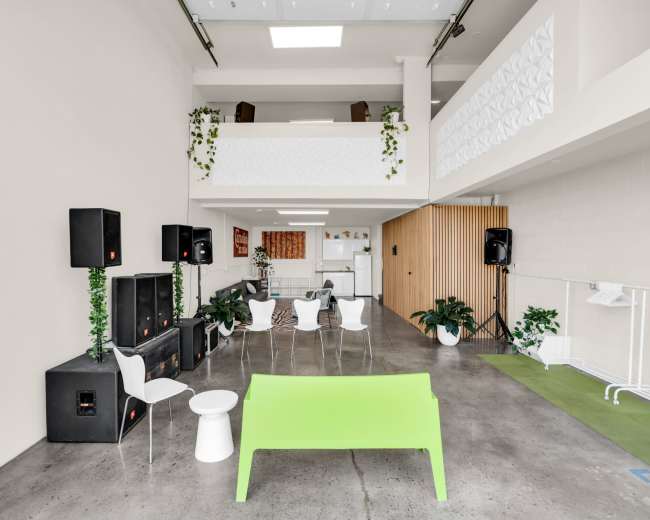
The Loft at 1010 The Loft at 1010 is a private, two-level warehouse venue offering over 1,500 square feet of flexible, character-rich space for celebrations, creative productions, and community gatherings. The ground floor features an open industrial layout that can be transformed to suit a…
...
From
$100
/hr
4 hr min
Private Recording Studio with a Speakeasy Aesthetic
Northeast Portland, OR5.0 (1)
12 guests
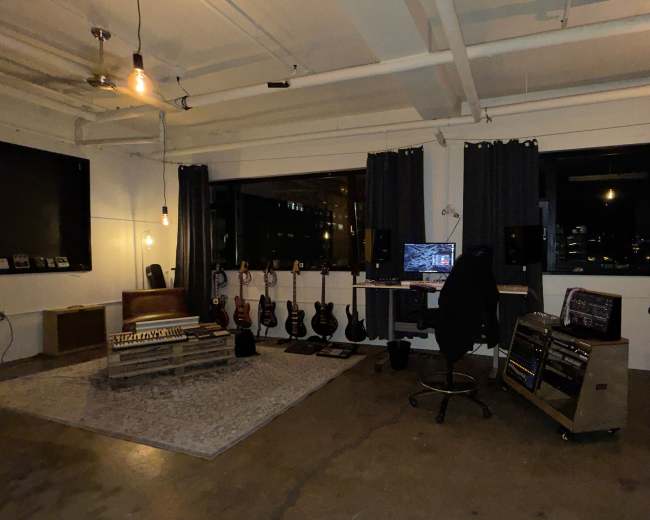
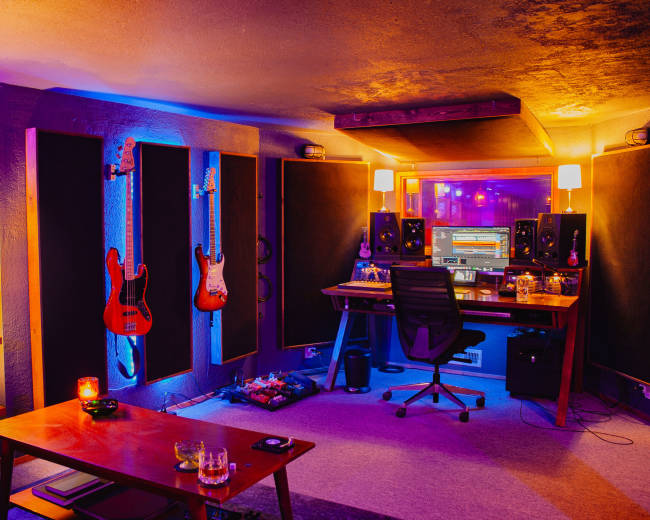
The Bunker is a private recording studio in the Dekum neighborhood of North Portland, specializing in recording, music production, mixing and mastering, and voice over work. It's midcentury speakeasy aesthetic brings a moody and relaxed atmosphere, providing a cozy environment to create, and a vibey…
...
From
$70
/hr
1 hr min
Strategy and Privacy in a bright , corner office facing North.
Southwest Portland, OR6 guests
This corner office has 3 large windows, curtains and shades . It is designed with natural wood and sky colors with some vintage comfort . The object is to use this room for private meetings with 4-6 people or for meeting potential clients . Use…
...
From
$70
/hr
2 hr min
Natural Light Lifestyle Studio Home – Multiple Sets in One Location
Southeast Portland, OR10 guests
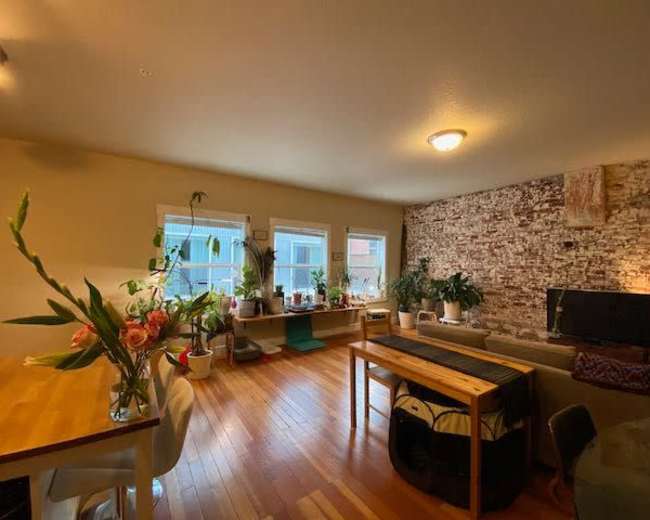
Welcome to your new go-to lifestyle studio in Portland! This bright, modern home offers a warm neutral canvas and multiple unique sets all under one roof — perfect for photography sessions, branding shoots, content creation, or video projects. 🌿 Spaces Available: • Living Room: Soft…
...
From
$95
/hr
2 hr min
Creative VO / Audio Recording Booth and Studio
Northwest Portland, OR5.0 (14)
8 guests
Our private voiceover and recording booth is a great option for voice actors, podcasters, vocalists, and other audio professionals looking for a quiet, acoustically treated space to record. The 4' x 4' VocalBooth™ is located inside a dedicated 150 sq. ft. room, giving you privacy…
...
From
$40
/hr
1 hr min
Milwaukie Coworking Space | Private Offices, Podcast Studio & Free Parking
Hector Campbell, Milwaukie, OR15 guests
…of professional needs. The space features an open coworking area, rentable workspaces for added privacy, a dedicated conference room, a fully equipped podcast studio , and a shared kitchen. It's ideal for entrepreneurs, remote workers, freelancers, content creators, small businesses, and collaborative teams. The conference room…
...
From
$75
/hr
1 hr min
Downtown Multimedia Studio
Southwest Portland, OR15 guests
We have a small multimedia studio that you can use for: - Photoshoots - Video shoots - Podcast - Music Recording Sessions - Editing Sessions (hooking up your computer to monitors to edit in a vibey/calm space) There are 4 sections in the studio: 1.…
...
From
$200
/hr
2 hr min
Creative Studio + Event Space for Workshops, Podcasts & Networking
Northeast Portland, OR5.0 (4)
50 guests
Kohler Collective is a creative studio and event space in Portland perfect for workshops, podcast recordings, networking events, pop-ups, photoshoots, and small parties. The flexible 700 sq ft studio can host up to 50 guests and is frequently used for: • Creative workshops • Podcast…
...
From
$75
/hr
4 hr min
Charming Old Town Studio & Event Space
Northwest Portland, OR5.0 (1)
45 guests
This light-filled boutique studio blends historic charm with modern design, creating a warm and elevated setting for intimate events, brand activations, pop-ups, workshops, and private gatherings. The space features exposed brick walls, high ceilings, and polished wood floors that add character and texture throughout. Track…
...
From
$200
/hr
3 hr min
Do Portland studios include setup help for first-timers?
Sometimes, yes, but never assume setup help is included automatically at a Portland podcast studio.
For first-time hosts, one of the biggest frustrations is arriving at a well-equipped room and realizing no one is there to explain the gear, set headphone levels, press record, or show you how file delivery works. In Portland, some podcast studio rentals are fully self-serve, some offer a quick orientation, and some include hands-on support. According to Daydreamer Coffee & Public House, at least one Portland option offers an on-site engineer for $75 per hour, which can make a first session much smoother.
If you are new to recording, the safest choice is a podcast studio that offers an engineer, a producer, or a clearly defined check-in and handoff process. Browse podcast studio listings to compare which spaces list staff support as part of the booking.
What's usually included in the hourly studio rate?
At a podcast studio, the hourly rate usually covers the room and the equipment or amenities specifically listed in the booking.
In Portland, that often means seating, power, internet, basic acoustic treatment, and the recording gear named in the listing. For example, VIDA Coworking describes a Portland podcast studio with soundproofing, three microphones, and a Behringer mixer, which is a strong example of a ready-to-record base package.
That said, hourly pricing can vary a lot from one podcast studio to another. A lower-priced room may be simple and self-serve, while a higher-priced space may include staffing, lighting, cameras, or post-production support. The important question isn't just what the rate is, but what that rate actually includes.
- Usually included: The studio room, standard furniture, power, climate control, and the microphones, mixer, or other equipment listed in the description.
- Sometimes included: Headphones, a camera-ready backdrop, a monitor, basic file transfer, simple lighting adjustments, or a short host orientation at check-in.
- Often extra: Engineers, producers, camera operators, editing, same-day file cleanup, custom set styling, hair and makeup space, and overtime.
- Almost never included unless clearly stated: Social clips, multicam editing, branding overlays, thumbnail photography, teleprompter support, or a dedicated producer for the full session.
- What to compare beyond price: Minimum booking length, how many people the room is set up for, whether setup and teardown time must be booked, whether staff support is included, and whether video gear is part of the base rate or billed separately.
How do I choose between audio-only and video-ready spaces?
Choose based on how you plan to distribute your show, not just on what you want to spend.
If your content mainly lives on Spotify, Apple Podcasts, or internal channels, an audio-only podcast studio may be enough. If you want YouTube episodes, short-form clips, guest reels, sponsor-friendly visuals, or a stronger personal brand, a video-ready podcast studio is usually the better fit from the start.
This matters because a room that sounds great isn't always camera-ready, and a room that looks impressive in photos isn't always acoustically controlled enough for clean recording.
- Choose audio-only if: Your show is meant to be listened to more than watched, you want to keep costs lower, you care most about sound quality, and you don't need a branded set or multiple camera angles. To find spaces built around sound quality, you can find audio recording spaces on Peerspace.
- Choose video-ready if: You plan to publish full video episodes, cut clips for social media, impress guests or clients visually, or build a recognizable show identity through lighting, furniture, color, and composition. A good starting point is to explore video studios and compare what each space includes for camera-ready production.
- A practical middle ground: A podcast studio with strong audio treatment and a simple, attractive background can work well if you only need occasional clips instead of a full multicam setup.
- For sound: Is the room acoustically treated, how much street or HVAC noise reaches the recording, and can you hear audio samples from the space?
- For video: What do the backgrounds look like from multiple angles, what lighting is already installed, and is there enough room for both wide and tight shots?
- For workflow: Is there space for a camera operator, producer, or extra guest, and where do bags, jackets, and cases go once recording starts?
- For brand fit: Does the room look like your show, or will your content feel generic as soon as it goes on camera?
Which Portland areas are best for access, parking, and load-in?
There's no single best area for every podcast studio booking in Portland. The right neighborhood depends on how people are arriving, how much gear you're carrying, and whether your session is a simple host-and-guest recording or something larger with a crew, clients, or an audience.
In practice, Portland podcast studio options tend to cluster in central creative corridors, inner eastside neighborhoods, the Pearl District, and farther-out areas such as St. Johns. Each can work well, but for different reasons.
- Inner eastside and central city areas: Often the easiest choice when guests are coming from different parts of Portland and you want a central meeting point with strong rideshare access and relatively short travel times.
- Pearl District: A strong option when presentation matters and you want a polished, client-facing feel for branded interviews, executive podcasts, or video-forward shoots. Parking and unloading details matter more here, so ask in advance.
- St. Johns and farther-out neighborhoods: Great for personality and atmosphere. These areas can feel more relaxed and less corporate, which can help guests feel comfortable on mic, but they may require longer travel times.
- Outside the urban core: Worth considering if you need more space, easier parking, or a larger footprint for panels, workshops, or audience recordings.
- Access details to confirm: Exact entrance instructions, elevator access, stairs, building hours, lockbox or front desk procedures, and whether someone will meet you on-site.
- Parking details to confirm: Nearby garages, realistic street parking conditions, load zones, and how far guests will need to carry gear.
- Load-in details to confirm: Ground-floor access, carts, rolling-case access, freight elevator options, and whether setup can begin at your actual start time.
- Red flags to watch for: Great photos paired with vague access instructions, no parking information, stair-only entry, or a host who can't clearly explain how gear gets from the curb to the room.
Should I rent a studio or use a home, park, or beach?
If your priority is reliable quality, lower stress, and a more professional result, rent the podcast studio.
A home setup can work for a solo host or a lean production. A park or beach can work if the location is part of the concept. But once you care about clean audio, guest comfort, visual consistency, scheduling, and repeatability, a dedicated podcast studio is usually the smarter choice.
Portland creators have multiple options now, from approachable community spaces to premium video-forward studios. That makes podcast studio rental feel less like a luxury and more like a practical step for anyone who wants consistent results.
- Rent a studio if: You want predictable sound, controlled lighting, fewer interruptions, a better guest experience, or content that needs to look polished and on-brand.
- Use a home if: You already have a quiet, treated room, you know your gear well, and you're comfortable with the limits of a home setup for guests, visuals, and consistency.
- Use a park or beach if: The location is part of the story and you're willing to trade convenience for atmosphere.
- Sound problems: Wind, traffic, airplanes, nearby conversations, dogs, waves, and unpredictable echo can all affect the recording.
- Logistics problems: Limited power, no private holding area, no easy restroom access, nowhere to store bags, and no reliable backup plan if weather changes.
- Time problems: More setup, more retakes, and a greater chance that one uncontrollable factor ruins the session.
What should I bring to a podcast recording space near me?
Bring less random gear and more certainty.
Many people overpack cables and underpack the things that actually keep a podcast studio session running smoothly, like show notes, backup storage, guest prep, wardrobe options, and file-handoff basics. If you're booking a podcast studio in Portland, the smartest move is to confirm what the space provides and then bring only what fills the gaps.
A strong checklist looks like this.
- Content essentials: Your run of show, intro and outro copy, guest questions, ad reads, name pronunciations, and any talking points you don't want to forget once recording begins.
- Tech essentials: Your laptop, charger, phone charger, backup battery, any needed adapters, and a hard drive or fast storage device if you're expected to take files home the same day.
- Audio essentials: Your preferred headphones if you have them, water in a quiet container, and a bag that keeps your items organized without making noise on set.
- Video extras: A backup shirt, simple grooming items, powder or blotting sheets, and any branded props you want on camera, such as a mug or notebook.
- Admin essentials: Guest release forms if needed, brand notes, parking instructions, building access details, and the host's contact information in case check-in is confusing.
- File handoff: Will files be sent digitally, exported to your drive, or delivered later?
- Media needs: Do you need to bring an SD card, SSD, or a specific storage format?
- Mic count: How many people can be recorded comfortably without changing the setup?
- Monitoring: Are headphones provided for everyone?
- Timing: Does your booking include setup and teardown time, or only the recording window?
- The night before: Charge everything, save your outline to both your phone and laptop, confirm the address, and make sure every guest knows exactly when to arrive.
Similar searches in Portland, OR
Similar searches
Updated September 16, 2026Our data is refreshed in real time using booking trends, verified guest reviews, and direct partner updates — with additional quality checks from our team.